In the last two years many people have started using ChatGPT to decorate their homes. Not as a shortcut, but as support in the most delicate phase: the one in which needs, constraints and priorities come into focus. Because most errors arise there, even before choosing a sofa or a color: when the brief is confusing, the measurements are not clear, the style is “an idea” and not a language.
However, it is essential to clarify one point: ChatGPT is not an interior designer nor a program for creating interior design projects. He doesn’t really see the space, he doesn’t know your system, he doesn’t interpret light like a professional would and he can’t take on technical responsibilities. What it can do, if used well, is help you build a more precise brief, think through alternatives (layout, functions, budget), prepare a list of decisions and useful questions to bring to an architect or interior designer.
In other words: ChatGPT doesn’t design for you. It makes you more prepared when you start designing.
What ChatGPT can do to furnish your home (and what not)
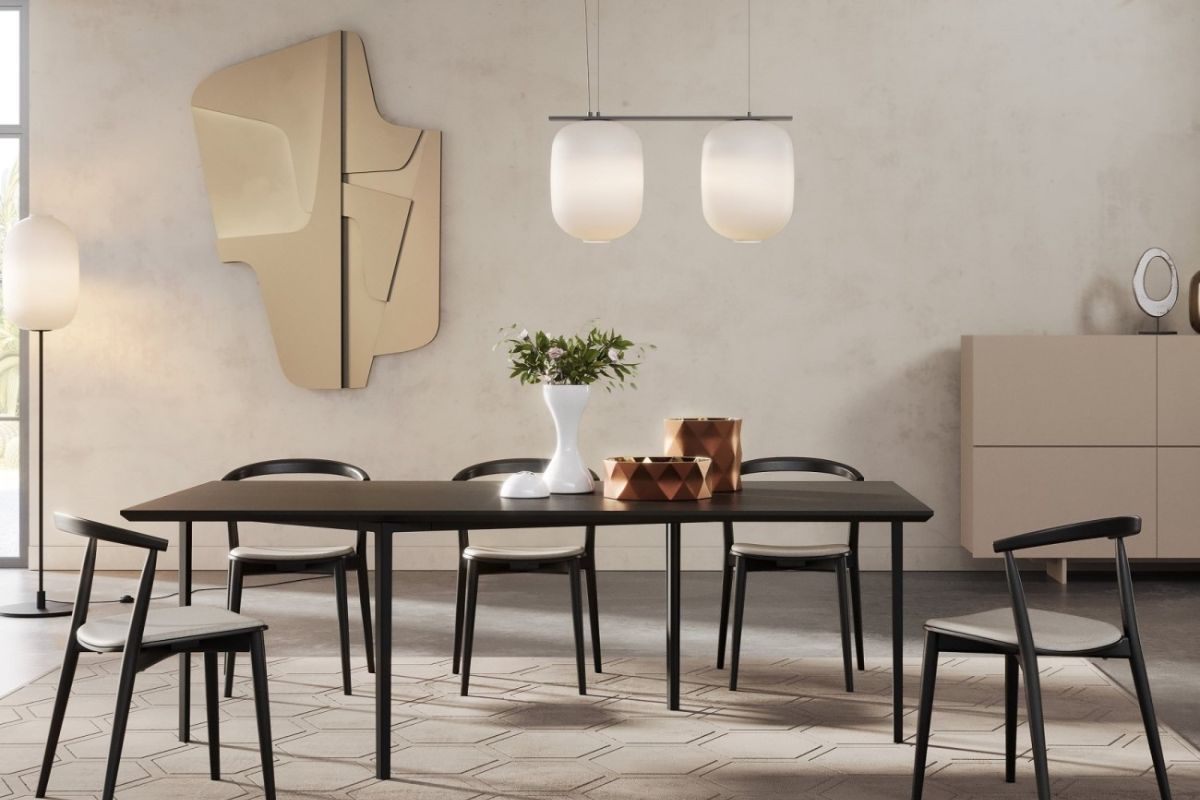
ChatGPT works well when you use it as a reasoning tool : to put order, make choices, avoid inconsistencies. It doesn’t work when you ask it to “design” for you without data, measurements and context. The difference is all here.
What it can really do
-
Transforming a vague idea into a brief : style, priorities, constraints, functions, budget, time.
-
Help you decide : between layout alternatives, distribution, dimensions, flows (even just as hypotheses).
-
Line up the right questions : what to ask in the showroom, what to check before buying, which measurements to check.
-
Build a project checklist : lighting, materials, maintenance, compatibility with real life (children/animals).
-
Write a tidy document to share with an interior designer/architect (this way the professional works better).
What he cannot do (and where he most often goes wrong)
-
It cannot replace a designer on systems, standards, safety, real ergonomics .
-
It cannot see your house: without a reliable floor plan and measurements, it can only make assumptions.
-
Cannot guarantee that an idea is feasible or technically correct.
-
You cannot choose materials and finishes by truly evaluating them (resistance, installation, maintenance, real costs).
So, it is important to point out that ChatGPT is useful when you use it to arrive at a clearer design , not when you use it to make a final design.
How to use ChatGPT to furnish your home: 5-step method
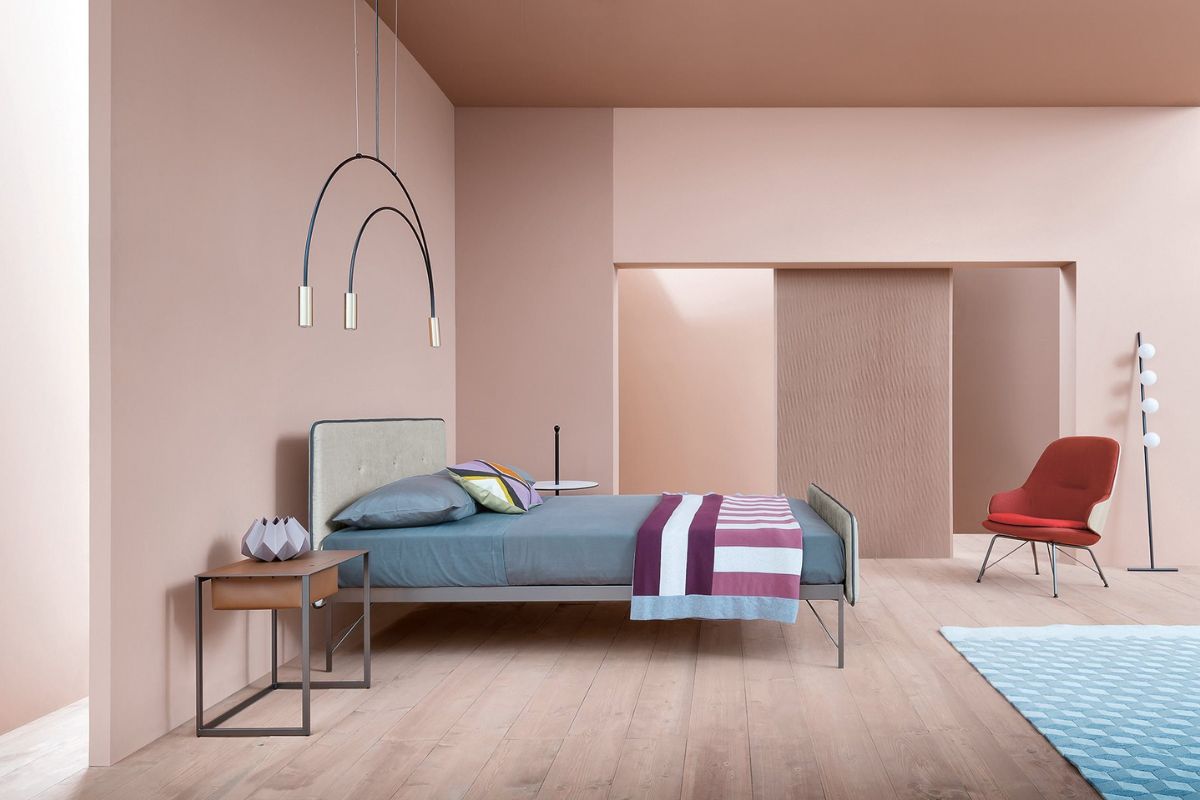
If you want useful results, the rule is simple: give data first, then ask for ideas . ChatGPT works well when it has clear context; he gets generic when you ask him for furnishing advicewithout measures, constraints and priorities.
1) Start from a real photograph: space, constraints, habits
Before talking about style, write in a concrete way:
-
square footage and height (also approximate, but credible)
-
where are doors, windows, radiators, light points
-
what you cannot move (systems, kitchen, connections)
-
how you really experience the house (work from home, guests, children, animals)
It’s the difference between a nice suggestion and a proposal that makes sense.
Useful prompt:
“I’ll describe my living room to you: dimensions, constraints and habits. Can you help me define 3 project priorities and 3 mistakes to avoid?”
2) Define the objective before the style
Many bad choices arise from wanting to “do everything again” without a goal. The point is not to decorate: it is to solve a problem or build a coherent atmosphere.
Typical objectives:
-
more perceived light
-
more containment without cluttering
-
a more tidy and legible living room
-
a warmer house (materials, fabrics, lights)
Useful prompt:
“My goal is [X] . Can you propose 2 different design directions (one more minimal and one more material) with pros/cons?”
3) Transform the style into a language (not into a label)
Japandi, mid-century, warm minimal work as keywords, but they are not enough on their own. Have the style translated into concrete elements:
-
materials
-
palettes
-
finishes
-
types of furniture
-
typical mistakes that clash
Helpful prompt:
“I want a warm minimal style. Convert it to: palette (3 colors + 2 neutrals), materials, 5 key elements, 5 things to avoid.”
4) Move on to operational choices: purchasing list and minimum measurements
Here ChatGPT becomes really useful: it helps you not to forget pieces, to define priorities and to think in terms of scale.
Useful prompt:
For my living room, give me an essential shopping list (max 8 items) with recommended sizes and ‘budget’ vs ‘premium’ alternatives.
Note: Don’t ask for precise “prices” if you don’t have a catalog or range. Instead, ask for bands and variables that have an impact.
5) Prepare for discussion with the professional (or with the showroom)
This is one of the smartest uses: arriving at the designer with a clear brief, or at the showroom with the right questions.
Useful prompt:
“I’m about to go to the showroom to see sofas/tables/lights. Write me a checklist of 12 questions and practical checks (comfort, measurements, materials, maintenance, delivery).”
An important note (which avoids 90% of errors)
ChatGPT helps you decide, but I decided themall remain valid only if they are verified in space : real measurements, dimensions, passages, light. The best method is always the same: idea ? alternative ? test ? choice.
The best prompts for furnishing your home with ChatGPT (by room)
A prompt works when it contains minimal data (measures, constraints, objective) and a clear request. Below you will find prompts ready to copy and adapt. Before using them, always replace the parts in brackets with your actual data.
Living room (layout, sofa, light, order)
-
Layout
“This is my living room: (measurements), (position of doors/windows), (constraints). Can you propose 2 different layouts with pros/cons and indications on minimum dimensions?” -
Sofa
“I want to choose a sofa for a living room of (m2). I indicate: (distance from walls), (passages), (use: relaxation/guests/TV). What characteristics should I look for and what measurements are sensible?” -
TV area
“I have a TV wall of (cm). Can you recommend a credible composition (furniture, bookcase, paneling) with a focus on order, cables and proportions?” -
Lighting
“Can you help me set up a lighting project for the living room? I want 3 levels (ambient, task, accent) with examples of light points and color temperatures.” -
Decluttering + containment
“I need more containment without weighing it down. You propose 3 solutions (containers, cupboards, shelves) with selection criteria and mistakes to avoid.”
Bedroom (comfort, palette, textiles)
-
Style and palette
“I want a room (relaxing/warm/bright). Offer 2 complete palettes: wall colors + textiles + wood, with indications on matt/satin finishes.” -
Headboard and bed wall
“Bed (measurements), bed wall (cm). Can you suggest 3 ideas to enhance the headboard (boiserie, paint, wallpaper) with a non-‘fake hotel’ result?” -
Wardrobe
“I have a wardrobe on the wall (cm) and ceiling (height). How do I design it to optimize order and practicality? Also suggest a reasoned internal division.” -
Bedroom lighting
“Set a lighting project for the room: bedside tables, general lighting, accent lighting. I want a soft atmosphere and comfortable reading.” -
Materials and maintenance
Recommend bedroom materials and fabrics that are beautiful but practical (pilling, dust, washes), with cheaper and more premium alternatives.
Kitchen (function, ergonomics, materials)
-
Distribution
“Kitchen (measurements) with (windows/doors/connections). Suggest 2 distributions (linear/L/island) and tell me what makes the most sense for ergonomics and flows.” -
Top and door materials
“I want to choose top and doors: (intense use/medium use), (children/animals). Suggest materialswith pros/cons and real maintenance (not marketing). -
Appliances
Can you help me choose appliances based on use? I indicate: (I cook a lot/little), (number of people). What really matters and what is superfluous? -
Kitchen lighting
Set kitchen lights: under cabinet, island/peninsula, general. I want functional light but not ‘hospital’. -
Internal organization
Propose a containment logic for bases/columns: where to put what, with priorities and really useful accessories.
Bathroom (humidity, materials, order)
-
Bathroom layout
Bathroom (measurements) with (position of drains/windows). Propose a credible layout and tell me what minimum distances to respect for comfort. -
Materials and humidity
I want materials suitable for humidity and easy cleaning. Suggest coatings and finishes with pros/cons and maintenance. -
Shower or tub
I have space (measurements). Can you help me decide between shower and tub based on actual use and design value? -
Bathroom lighting
Set bathroom lights: face/mirror, general, atmosphere. Indicates color temperatures and positioning. -
Containment
I need more containment in the bathroom without taking up the space. Propose 3 solutions with practical criteria (wall units, columns, niches, mirror cabinets).
Final prompt (brief ready to be delivered to an interior designer)
I’ll give you all the information about my house project: measurements, constraints, objectives, style, budget and priorities. Can you turn everything into a 1-page brief, clear and professional, with: objectives, must-haves, nice-to-haves, technical constraints, indicative palettes/materials and questions to ask the designer?
Typical mistakes when furnishing your home with ChatGPT (and how to avoid them)
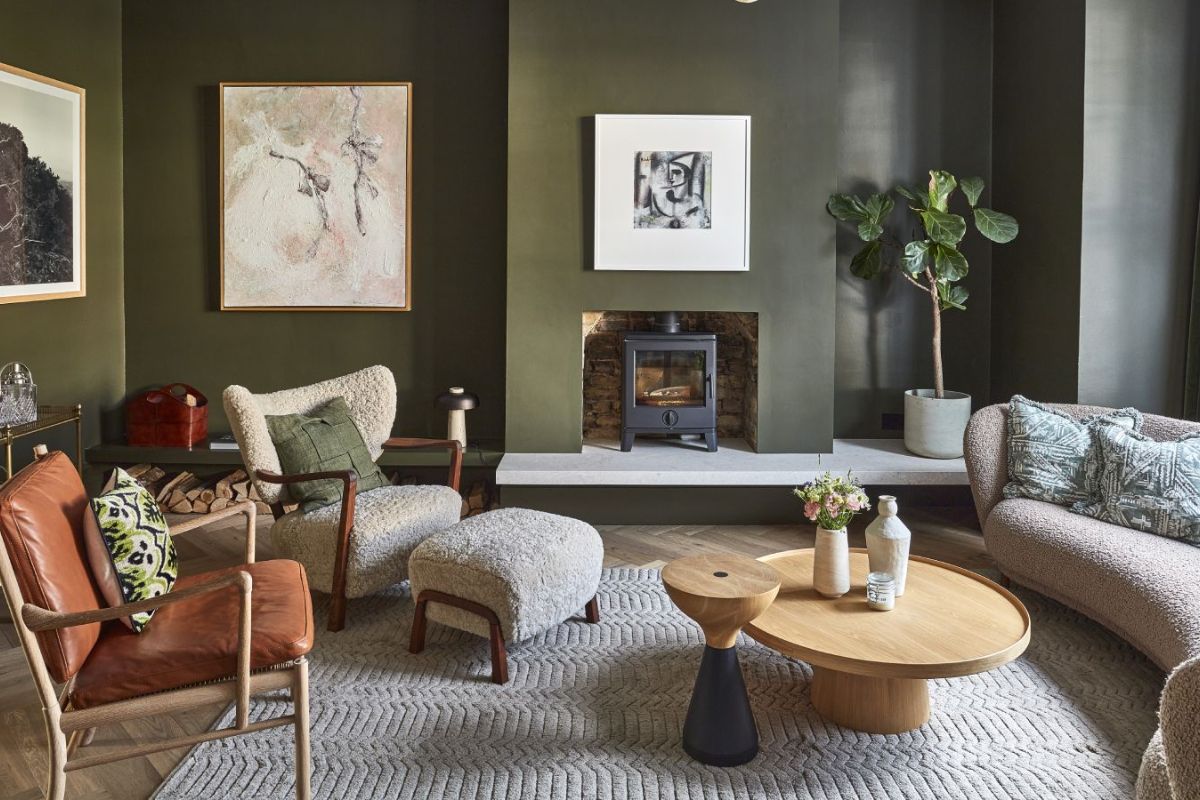
ChatGPT can be an ally, but only if you use it right. The most common errors are not “technical”: they are process errors. And they almost always lead to the same result: beautiful ideas on paper, but inconsistent in real space.
1) Ask for advice without giving measures (and then be surprised that they don’t work)
If you don’t give dimensions and constraints, ChatGPT fills in the gaps with assumptions. The problem is that hypotheses become decisions, and decisions turn into purchases. Solution: even little data, but real main measurements, position of doors/windows, non-movable constraints.
2) Confusing style with keywords
Saying I want a Japandi stay is not enough. If you don’t translate the style into palettes, materials, volumes and rules (what yes / what no), you risk an inconsistent mix: a little Scandi, a little minimal, a little boho. Solution: Ask ChatGPT to transform the style into an operational language (palette, materials, 5 key elements, 5 things to avoid).
3) Accept the first answer as if it were a project
ChatGPT works by probability: the first response is often the most genusheather. Solution: always make people work for alternatives (give me 2 opposite directions, give me 3 options with pros/cons) and then choose. This is how you go from advice to decisions.
4) Overestimating feasibility (equipment, distances, ergonomics)
Layout and distributions are the area where the most caution is needed. ChatGPT can help you think, but it cannot verify minimum distances, drains, systems, openings, standards. Solution: Use ChatGPT to prepare hypotheses and questions, then test with real measurements or with a professional.
5) Be guided by aesthetics and forget about maintenance
Many interiors fail in real life: delicate fabrics, colors that are impossible to maintain, finishes that mark everything. Solution: every choice must start with a simple question: “How do I live? How much do I want to worry?” Have ChatGPT put pros/cons and maintenance for each material or coating you like.
6) Making shopping lists without a scale (and buying wrong items)
Without measures and proportions, lists become casual shopping. Solution: always ask for “recommended measurements” and “minimum dimensions”, and have them check consistency between the elements (sofa-rug-coffee table, table-chairs, bed-passages, etc.).
7) Don’t close the work in a brief
If you don’t turn your ideas into a document, the project remains vague and you start from scratch every time. Solution: have ChatGPT generate a concise brief (objectives, constraints, palettes/materials, priority list, questions to ask in the showroom or to the designer). It’s the step that makes the process truly worthwhile.
Can you create images with ChatGPT?
Yes: you can also use ChatGPT to create furniture-related images, but it’s important to understand how the process works. ChatGPT can generate images (if you have the images function enabled) or, alternatively, it can help you write precise prompts to use on dedicated tools. In both cases, the quality of the result depends less on the idea and more on how clear you are about space, style and constraints .
1) Start from a visual brief, not from a generic request
An effective prompt is not make me a modern living room, but a mini project sheet. Always enter:
-
type of room + indicative square footage
-
style (only one)
-
palette (3 colors + 2 neutrals)
-
main materials (max 34)
-
light (natural/evening, warm/cold)
-
constraints (sofa already present, floor, windows, etc.)
The more concrete the brief, the more the image stops being “generic inspirational” and starts to resemble a credible proposal.
2) Specify the shot (it’s a detail that changes everything)
If you don’t indicate it, the AI chooses itself and you often get images that are not very useful. Ask:
-
wide angle view from the entrance side
-
frontal shot of the TV wall
-
view from the left corner towards the window
This allows you to compare ideas in a more design-wise way.
3) Ask for 3 controlled variations, not 20 random images
To work well, it is better to make a few variations with a logic:
-
same room, 3 different palettes
-
same palette, 3 different materials
-
same layout, 3 lighting choices
It is the most effective method to use AI as decision support, not as entertainment.
4) Use the image to decide, then check with real measurements
AI images are great for:
-
atmosphere and mood
-
color/material combinations
-
perceptible proportions
They are not reliable for:
-
exact measurements
-
real ergonomics
-
systems and feasibility
So: useful for orientation, but before buying you always need to check the dimensions and dimensions.
5) Example prompt (copyable) to generate a useful image
“20 m2 living room in a contemporary apartment, warm minimal style. Palette: ivory, sand, terracotta. Materials: natural oak, linen, champagne metal. Light linear sofa, neutral carpet, low wooden table, soft natural light from the south window. Wide-angle shot from the entrance side towards the main wall. Evening atmosphere, warm lighting with floor lamp and indirect light.”
AI images are useful as a mood board, not as an executive project.
You might also be interested in: 10 programs to furnish your home with free AI
Leave a comment