Japanese-style furniture represents the perfect balance between aesthetics and functionality, combining simplicity, natural materials and a strong connection with nature. This design style, influenced by Zen philosophy, aims to create harmonious and relaxing spaces that promote well-being and serenity.
The main characteristics of Japanese furniture
The Japanese style is based on some fundamental principles which are reflected in the organization of spaces, the choice of materials and decorative elements.
Minimalism and harmony
Minimalism is the basis of Japanese furniture. The spaces are large and open, free of superfluous elements, with an approach to life that enhances the essential. This means keeping furnishings to a minimum and focusing on functional pieces, such as coffee tables, seat cushions and futon beds, that blend into their surroundings.
Use of natural materials
The materials used in Japanese furniture are natural and linked to the earth. Wood, bamboo, rice paper and tatami (straw mats) are ubiquitous in Japanese homes. These materials lend warmth and a sense of connection to nature, which is a central element of Japanese culture.
Neutral colors and earthy tones
The predominant shades in the Japanese style are neutral, with a preference for colors such as white, beige, dark green and brown. These colors create a relaxing and calm environment, reflecting the connection with nature and the balance between inside and outside.
Japanese style home decor

Living area
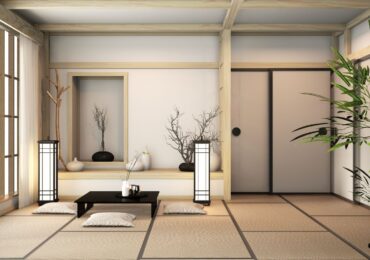
The Japanese-style living area is designed to be a social and welcoming, yet understated space. Furnishings often include low tables (chabudai) and cushions, arranged on a tatami floor. Natural light is key: windows are large and not obscured by heavy curtains, allowing light to flow freely.
The tea room

An area dedicated to the tea ceremony is a typical component of Japanese homes. Although not mandatory, a small room furnished with tatami mats, cushions and a low table can become a perfect corner for relaxation, away from the chaos of everyday life.
Kitchen

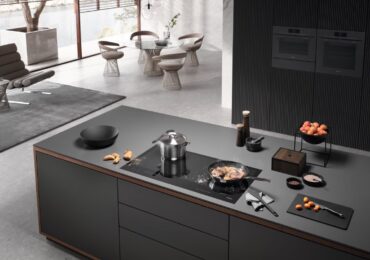
The Japanese-style kitchen reflects the same minimalism that characterizes the rest of the house. The furnishings are functional and simple, with a focus on natural materials such as wood. Utensils and accessories are often made of ceramic or bamboo, helping to maintain a calm and uncluttered atmosphere.
Bedroom

The heart of the Japanese bedroom is the futon, traditionally placed on the tatami. Today, futons are often raised by a wooden platform, but remain very close to the floor, according to tradition. The furnishings of the room are minimalist, with soft lighting, preferably using rice paper lamps, which give a warm and relaxing atmosphere.
The Futon and the Tatami

The futon, a cotton mattress, represents an iconic element of Japanese culture. When not in use, it is folded and stored, freeing up space during the day. The tatami, on which the futon is placed, is a mat that not only offers comfort, but also regulates the humidity of the room.
Bathroom

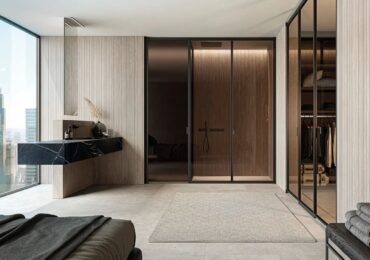
The Japanese bath is a place dedicated to purification and relaxation. The ofuro ritual, the Japanese bath, involves immersion in a square wooden tub after a shower. This space is designed to be simple but functional, with natural materials such as wood and stone.
Visionaries Who Are Revolutionizing Modern Bathroom Design
Furnishings and decorative elements
Sliding walls (Shoji)

One of the most recognizable elements of the Japanese style are the sliding walls, called shoji , made of wood and rice paper. These walls are used to separate rooms without creating permanent physical barriers, thus allowing natural light to pass freely.
Plants and natural elements

Plants play a central role in Japanese design. The use of bonsai, bamboo plants or small cut flower arrangements adds a touch of greenery to the interior, creating an environment that reflects nature. These elements help create a space that promotes calm and meditation.
Japanese style: minimal interior design, in the name of nature and harmony
Japanese style furniture is a perfect combination of minimalism, nature and harmony. Designing a home following these principles allows you to create a space that invites tranquility, reflection and well-being. By choosing natural materials, reducing furnishings to a minimum and maintaining a visual connection with the external environment, it is possible to transform any home into a Japanese-style oasis of peace.
For those who want a refuge from the daily frenzy, this style represents an ideal solution, capable of combining aesthetics and functionality in a unique way.
Leave a comment