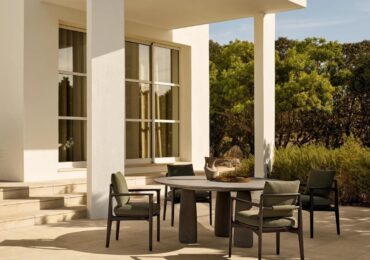
Born in 2006 as a design brand of Euro3plast, an industrial company active since 1974, Plust Collection today represents one of the most interesting cases of contemporary Italian outdoor design. A brand capable of transforming plastic from a simple technical material into a true design language, with a vision that combines industry, formal research and design culture.
In a panorama in which the outdoor is increasingly experienced as a natural extension of living, Plust has been able to interpret this change with furnishings that overcome the distinction between inside and outside, combining sculptural volumes, material surfaces and a strong attention to sustainability . The result is a recognisable, iconic and transversal design , capable of interacting with residential, hospitality and contract contexts on an international level.
At the helm of the brand’s global strategies, Dr. Vittorio Moretti , Global Sales and Marketing Director, embodies a vision that brings together industrial identity and contemporary sensitivity. With him we explored the production roots of Plust Collection, the role of technological innovation in rotational molding, the relationship with designers and the path towards concrete and measurable sustainability.
A story that crosses matter, form and process, to understand how Plust Collection has become not only an outdoor furniture brand, but a true language of contemporary design.
Vittorio Moretti tells us about Plust Collection: Plastic becomes the language of contemporary design
Plust Collection was born in 2006 as a design brand of Euro3plast, a reality established since 1974. What are the productive and cultural origins that have most contributed to defining your identity?
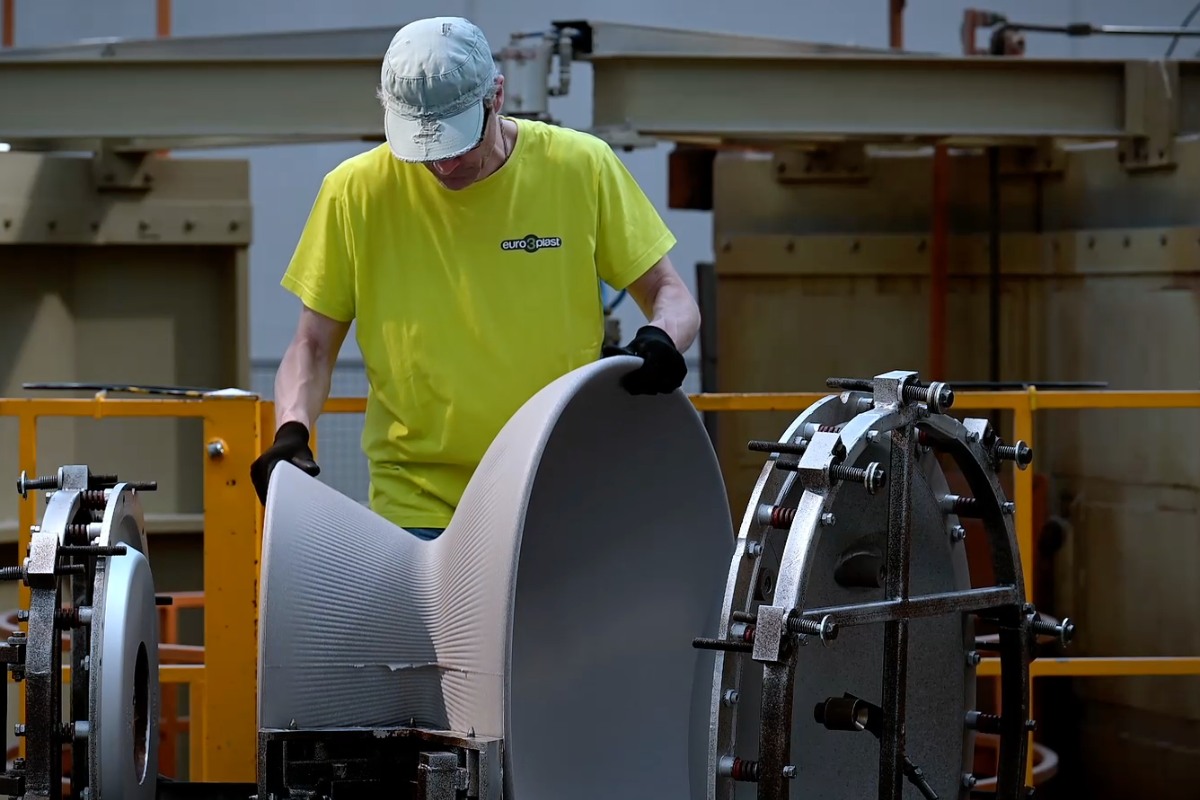
Plust Collection was born with the intention of expressing our industrial DNA in a design key, carrying on the long tradition of euro3plast in the processing of plastic . Our identity has always been defined by research into innovative materials and sculptural forms. The adoption of rotational molding technology, which allows plastic to be shaped in an extremely precise and creative way, has allowed us to transform the material into a unique aesthetic language, perfect for contemporary outdoor and interior design.
“The new generation of plastic” is one of your manifestos. How did you manage to transform a material often perceived as “cold” into an aesthetic and functional language of contemporary design?
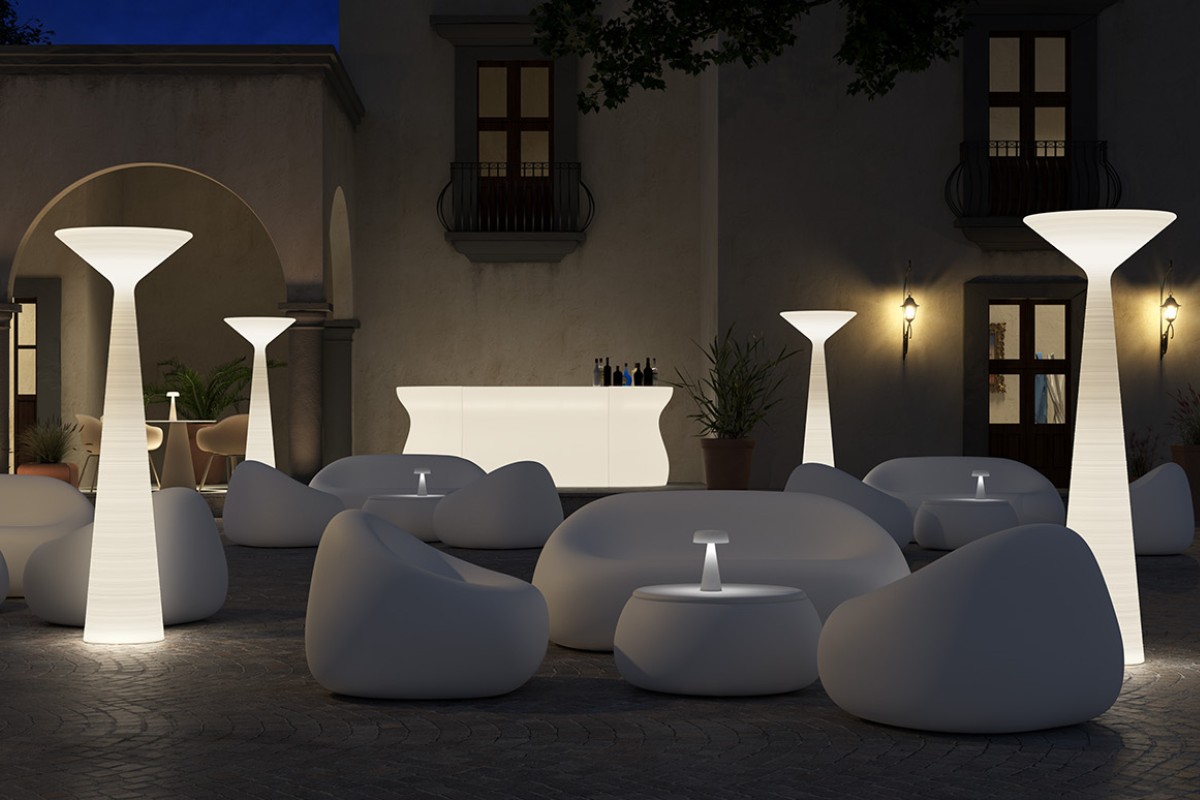
Plastic has long been seen as an “industrial” or “cold” material, but for us it has always been a living material . We have learned to transform it into something that communicates elegance, comfort and sustainability. The key was the innovation in the finishes, which allows us to give the plastic the texture that evokes the natural elements, and the adoption of an artisanal-industrial approach, which combines the precision of production with a creative interpretation of the shapes. In this way, plastic is no longer a functional and anonymous material, but an expressive material , capable of telling stories and transfshape the spaces.
You are a key figure within the strategic direction of Plust Collection. What, in your opinion, is the most distinctive feature of your way of leading the brand?
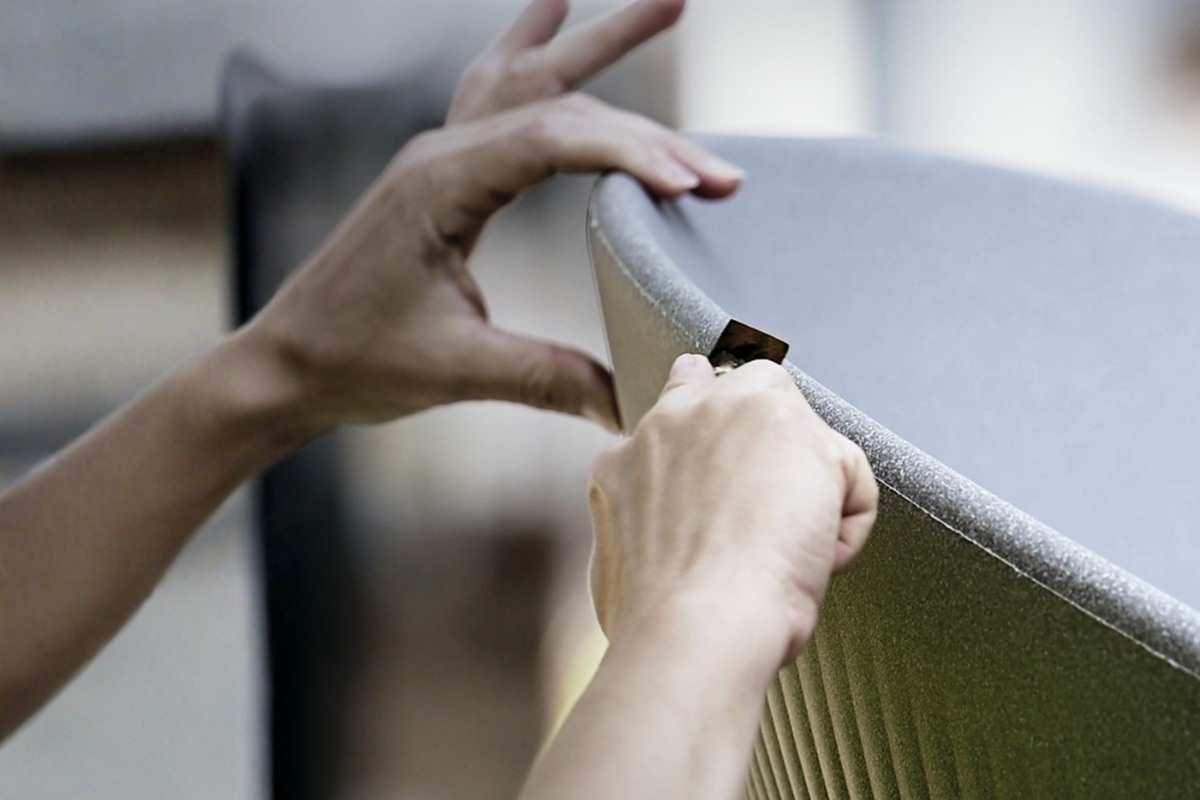
I believe that our distinctive trait is the balance between innovation and tradition .
On the one hand, we maintain a solid industrial heritage, on the other we explore new aesthetic languages ??also through the search for innovative materials.
My leadership philosophy is to encourage collaboration and dialogue between different disciplines – from design to production – to arrive at unique, quality solutions, which reflect our vision of a contemporary, iconic and high-value outdoor environment.
Do you remember a project or a moment in which you understood that Plust was becoming something more than just an industrial brand, but a real design language?
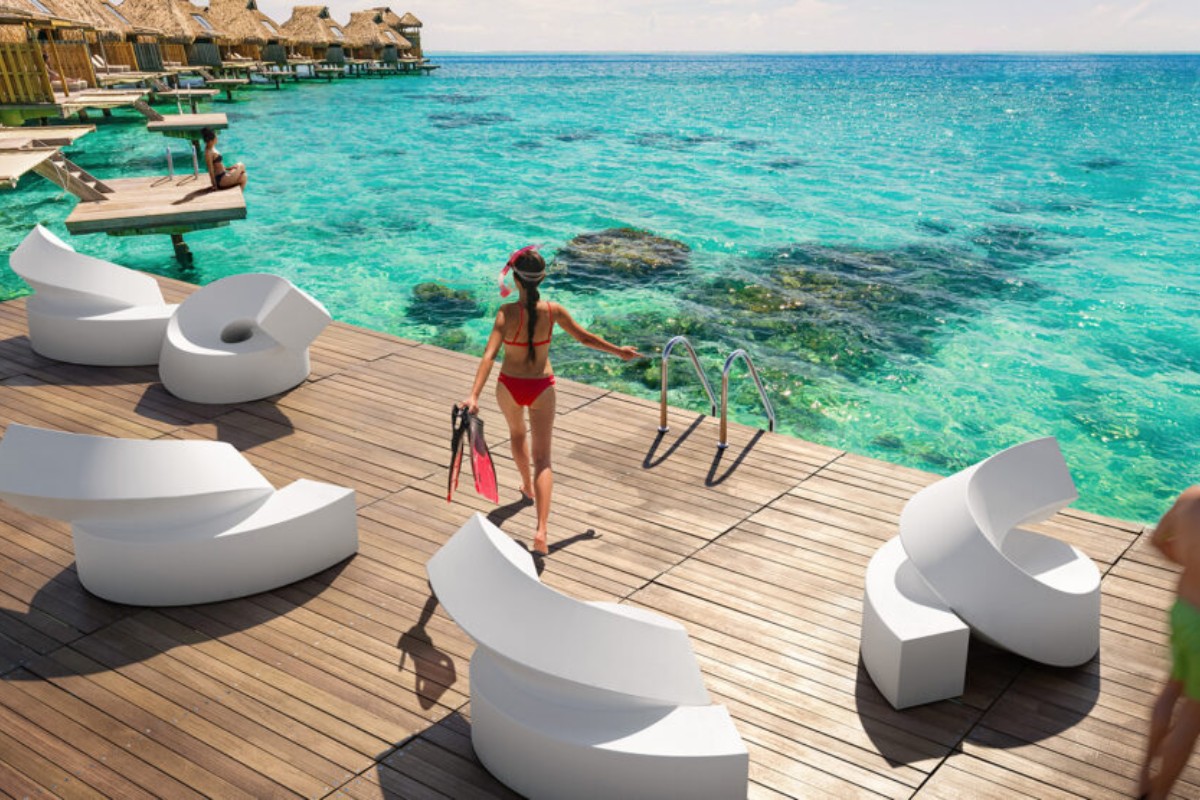
A crucial moment was certainly the launch of the Twist collection . When we saw the product transform from idea to reality, we realized that Plust was not just an outdoor furniture brand, but a design language capable of going beyond simple functionality. Twist, with its sculptural modularity, has opened up new possibilities for interpreting spaces, integrating aesthetics, ergonomics and innovation in an unprecedented way. That moment marked Plust’s transition to a true point of reference in the world of contemporary design.
Lines such as Gumball, Fade, Twist or Boom have now entered the imagination of designer outdoors. Is there an anecdote linked to the birth of one of these collections that you have never told?
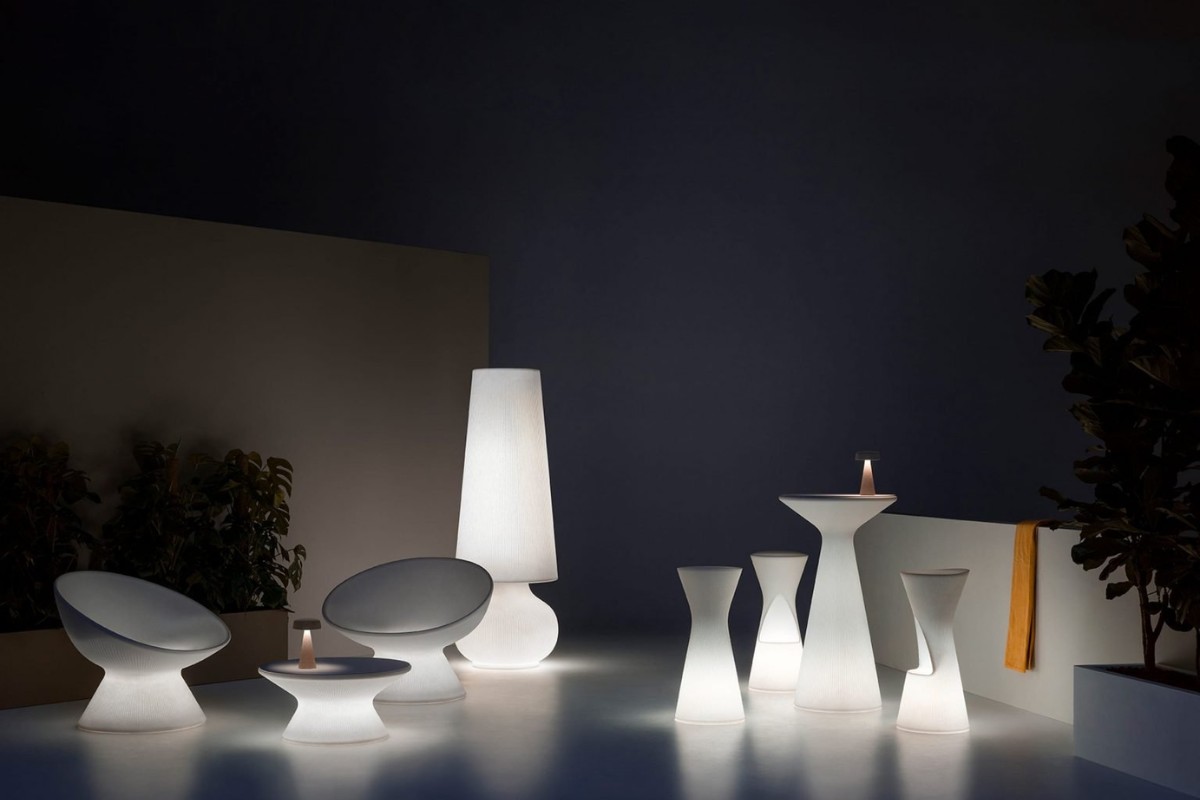
An interesting anecdote concerns the Fade collection . When we started working with designer Marco Gregori , the first prototype of the Fade lamp had a completely different aesthetic from the one we know today.
During a discussion on the type of finish to use, we realized that plastic, with the right texture, could look like a natural material like stone. From that moment, the collection came to life, thanks to the combination of research into materials and technological innovation. It was truly a moment of great collective insight.
Sustainability for you is not a slogan but a measurable path: certifications, recycling, Newlife materials, ESG reports. What was the most complex challenge in translating this commitment into an industrial process and product?
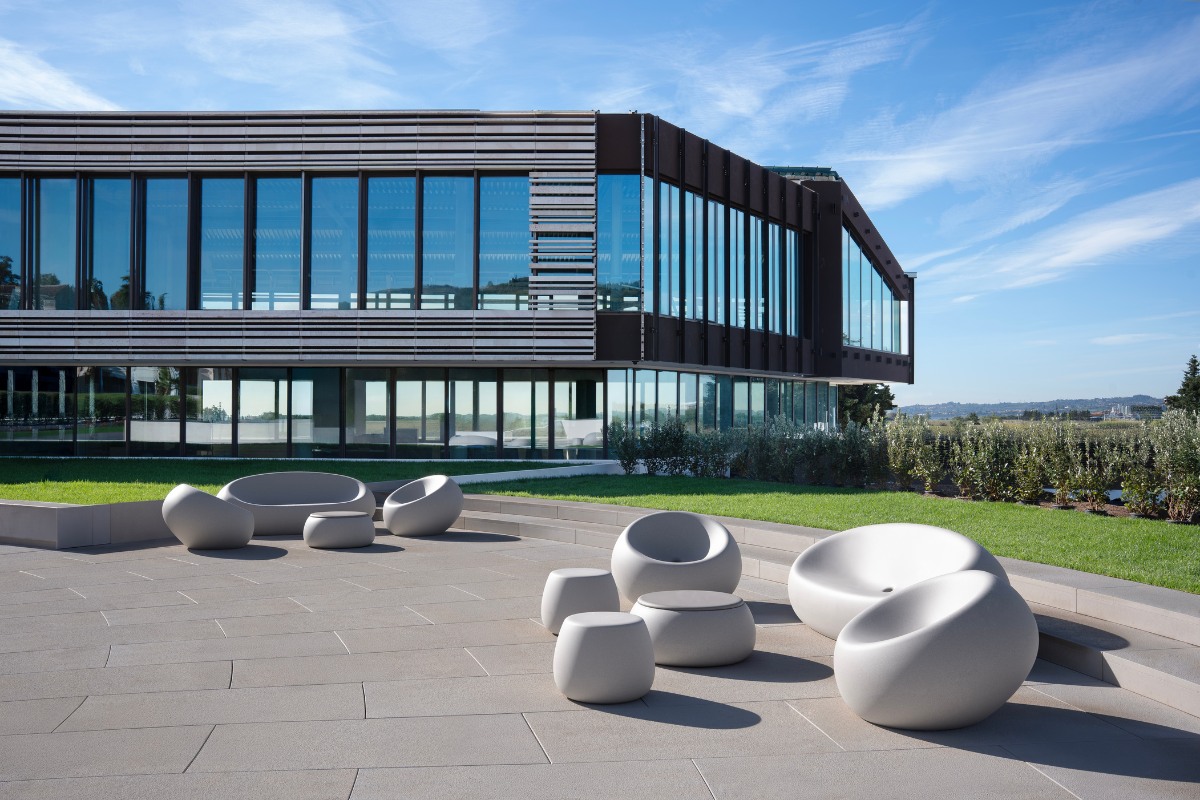
The biggest challenge was managing to integrate sustainability into every phase of the production process, without compromising the quality of the final product. From plastic recycling to ecological finishes, the difficulty was creating a completely sustainable supply chain, starting from the recovery of materials up to the production of high quality items.
The adoption of recycled materials such as DECOR, born from the union of first choice plastic powder and a portion of selected waste, to obtain surfaces with a strong material and distinctive character and also GROUND made up 100% from the reuse of our production waste, which is reworked by a specialized partnerand then reintroduced into the production cycle to create new articles.
The most complex aspect was managing to maintain the aesthetic and functional standard that our brand represents. It was a long research effort, but today we can proudly say that these products are designed with minimal environmental impact.
Plust defines itself as outdoor attitude, but with indoor versatility. How does this dual vocation translate into international markets and into the project culture you promote?
Our dual vocation is the basis of our design approach. Outdoor and indoor are not separate, but are integrated into a contemporary vision of living space .
Plust interprets the outdoors as a natural extension of the interior, creating furnishings that can be used in both environments, without losing their identity. In international markets, this approach translates into a versatile offer, which responds to contract, hospitality and residential needs. Wherever there are spaces to live in, Plust creates solutions that place the emphasis on comfort, design and functionality.
Among your most significant projects, which do you consider particularly representative of the Plust identity and why?
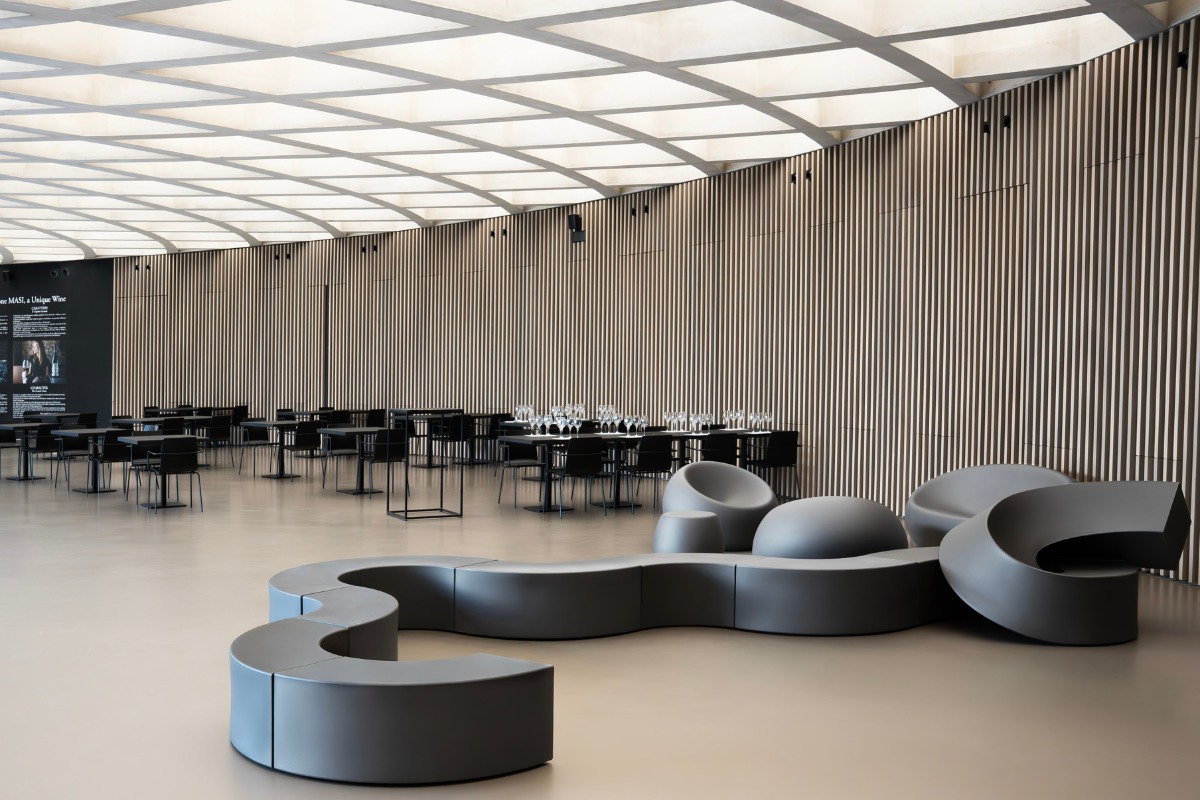
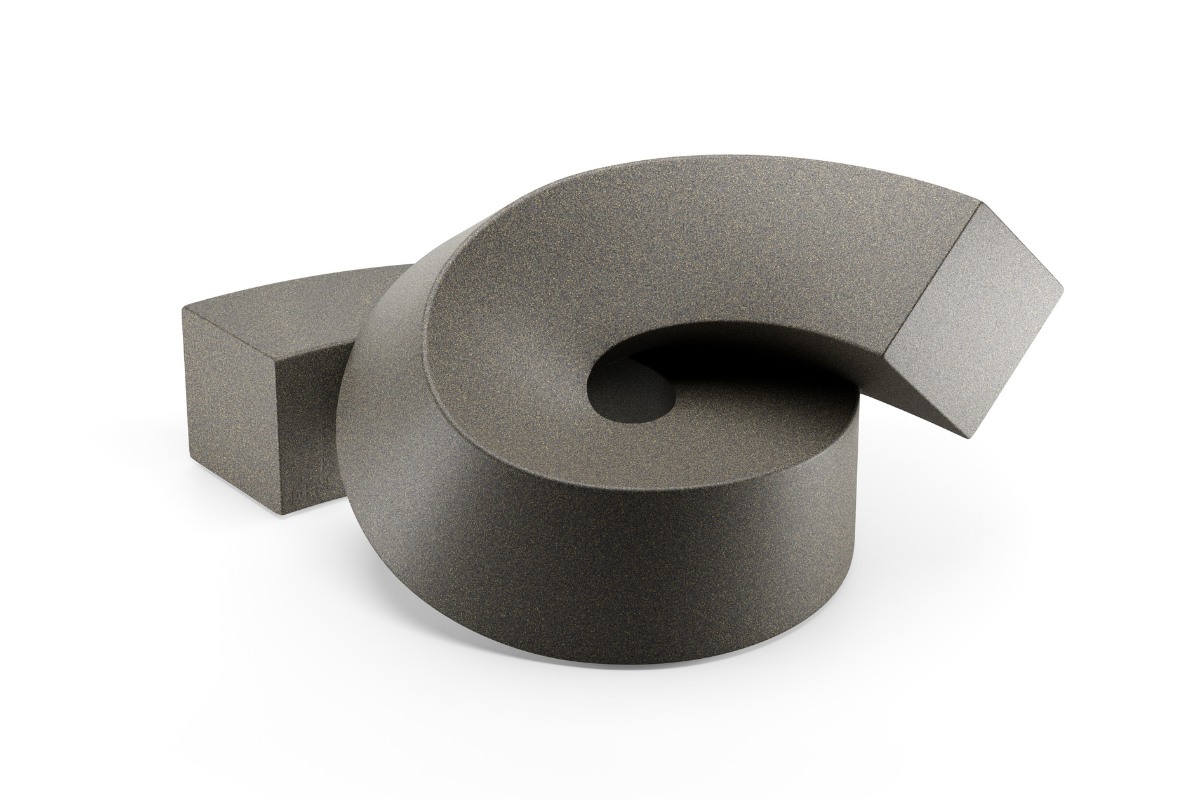 Some projects have become emblematic because they immediately tell the essence of Plust: design, material and vision of the outdoors as a space to live in.
Twist , for example, perfectly represents our ability to transform a technical material such as polyethylene into a habitable, modular, fluid and highly contemporary sculpture. It is an object that arises from movement and which brings movement into space , reinterpreting the concept of seating with an architectural approach.
The Fade collection, with its material surfaces and finishes that recall natural stone, expresses our work on the research of materials and the desire to create furnishings that dialogue with the landscape, integrating harmoniously with hospitality, contract and residential environments.
Finally, Gumball and Boom represent the iconic and informal part of our identity: soft volumes, welcoming shapes and a great versatility of use that lends itself to public spaces, resorts and contemporary terraces.
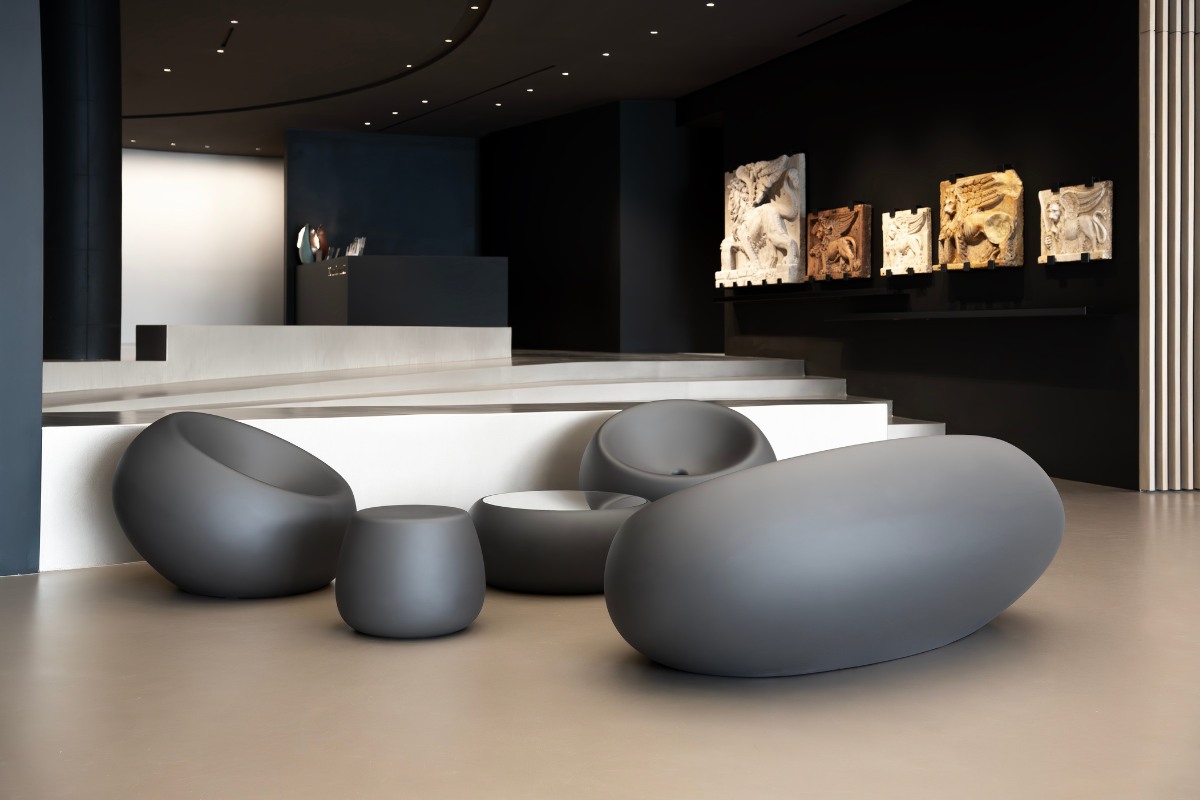
These projects speak different languages, but share the central values of the brand: durability, experimentation and a design capable of defining and transforming outdoor space.
Many of your creations have become true points of reference in the contemporary outdoors. If you had to choose the most iconic piece in the history of Plust Collection, what would it be and why? Is it possible to also share the original sketch or a concept study?
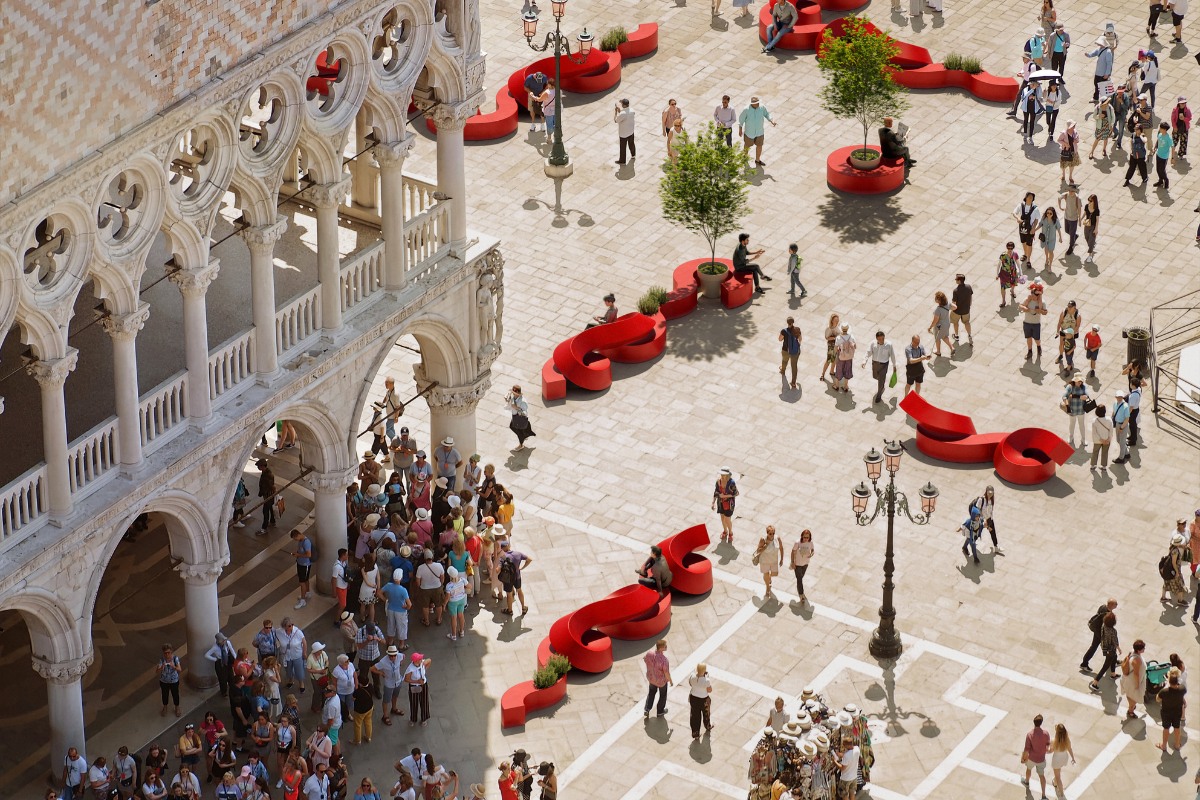
Plust’s most iconic piece is definitely the Twist collection . It is our manifesto of sculptural and modular design: a product that has managed to mix functionality, elegance and innovation, creating an object that goes beyond the simple seat.
The concept was born from research into the dynamism of shapes, and it is precisely this fluidity that has made TWIST an icon. I havethe original sketch here with me: it was a simple sketch that imagined a twist, and from there the shape we know today was born. It’s exciting to see how an idea can come to life in such a tangible way.
You have worked with designers such as BrogliatoTraverso, Giulio Iacchetti, Matteo Ragni and Marco Gregori. How does the dialogue with these signatures arise and develop? How much space do you leave for their creative imprint within Plust’s identity?
We work with designers who share our vision, but who bring their uniqueness to each project. The dialogue with designers like BrogliatoTraverso , Art Director of the brand, Giulio Iacchetti and Matteo Ragni is always a process of co-creation: we provide them with the tools.
In your product development process, what is the role of the technical office today?
How do you go from creative intuition to the formal and engineering definition of outdoor furniture, and what tools do you use to translate the idea into an industrializable product?

The technical office is a central player in our development process: it is the bridge between the designer’s vision and the production reality.
Each project arises from a creative intuition , which is translated into three-dimensional models, feasibility studies and physical prototypes thanks to a workflow that integrates:
- 3D modeling and digital simulations;
- Rapid prototyping and full-scale mock-ups;
- Structural analyses;
- Tolerance verification and optimization studies for rotational molding.
The continuous dialogue between the designer and the technical office allows us to evaluate proportions, ergonomics, thicknesses and geometries until reaching a shape that is not only beautiful, but also robust, functional, industrializable and compliant with the requirements of outdoor use.
Only when the shape respects all the conditions – aesthetic, technical and productive – do we move on to the construction of the aluminum mould, aligning each phase with the Made in Italy quality that characterizes Plust.
Your collections offer a wide choice of colors and finishes. How does this variety contribute to making Plust products versatile and suitable for different outdoor and contract furnishing scenarios?
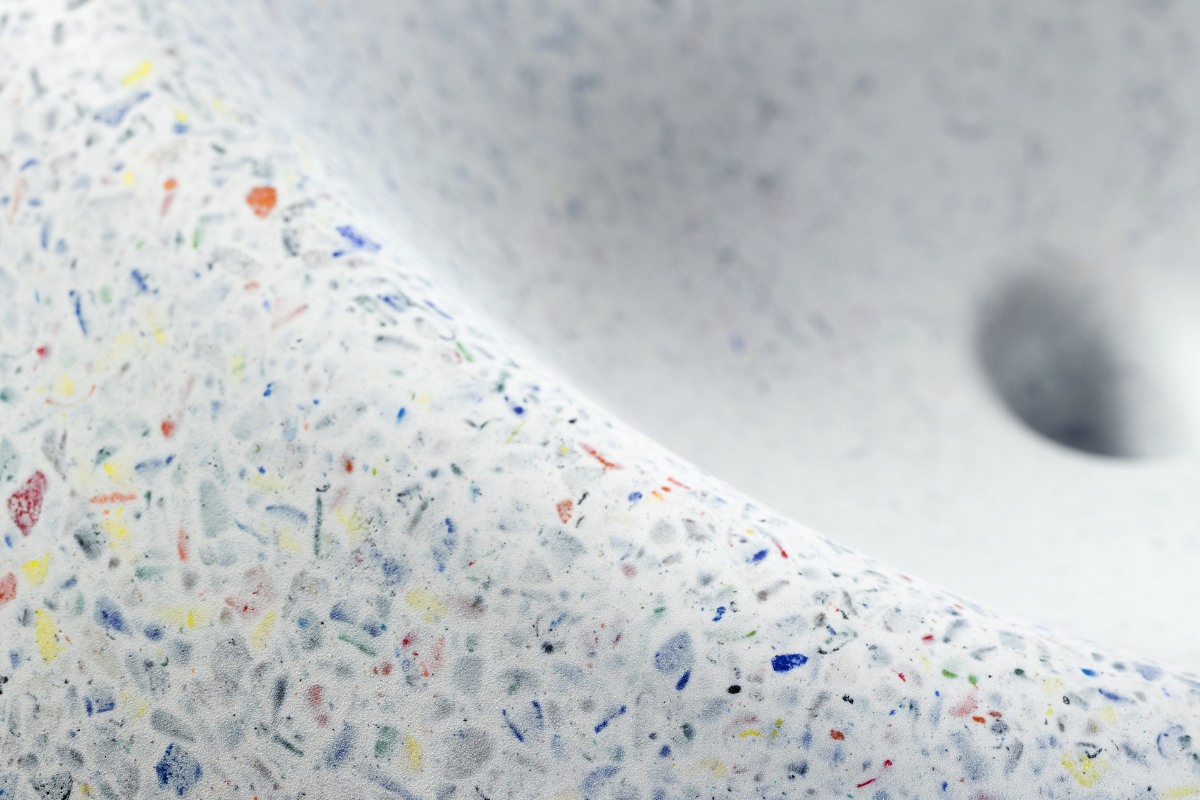
The palette of neutral and refined textures and finishes are the strengths of our brand and respond to a precise vision: the outdoors is a heterogeneous place, made up of very different landscapes, architecture and atmospheres.
- Material finishes like the surfaces of the Fade collection;
- Perfect finishes for landscape environments such as Nero Perla selected for the Twist and Boom furnishings of the Masi Monteleone21 winery;
- Neutral and elegant finishes such as white and White Light ideal for hospitality and hotels,
- Contemporary finishes, for contract and retail projects;
- Recycled finishes, such as DECOR or GROUND, which add aesthetic and sustainable value.
We have in fact introduced innovative materials such as DECOR, born from the union of first choice plastic powder and apart of selected waste, to obtain surfaces with a strong material and distinctive character and also GROUND made up 100% of the reuse of our production waste, which is reworked by a specialized partner and then reintroduced into the production cycle to give life to new articles. The result is a responsible, durable and 100% recyclable design, which combines aesthetics and ethics without compromise.
This wide range makes our products highly adaptable : the same furniture can live in a Mediterranean context, in an urban terrace or in a hotel lounge, taking on different identities thanks to the finish and the light.
The chromatic versatility also allows planners, architects and interior designers to personalize the space, obtaining a unique balance between shape, light and landscape, always consistent with the style of the project.
In just three words: how would you explain Plust Collection today to those who don’t know you yet?

Innovation, elegance, sustainability.
Let’s imagine 2035: what will remain unchanged about your DNA? And what will be completely new?
In 2035, our DNA will remain unchanged : we will continue to be guided by innovation, sustainability and Made in Italy quality. What will change will be the production processes and the materials we work with: the design industry is constantly evolving and we want to always be one step ahead, creating new languages ??and new products to meet the needs of the future.
Leave a comment