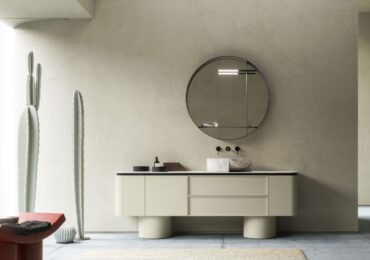
2025 has just begun, and with it new 2025 architecture trends are emerging that promise to transform our spaces, making them more functional, sustainable and in tune with contemporary needs. Architecture, like any other creative sector, evolves to respond to environmental, social and technological challenges, and the year ahead is no exception. architecture trends 2025 are not just about aesthetics, but reflect a deeper change in our habits, in our way of living and interacting with the environments around us. Here are five trends to keep an eye on for a year that promises to increasingly put the world of architecture at the center of space design choices.
Trends in the world of architecture and interior design 2025
1. Fluid and Multifunctional Spaces

In 2025, the architecture trends 2025 increasingly focus on fluid and dynamic spaces. If in recent years we have seen a predominance of open spaces, now we are going further, with the idea of ??multifunctional spaces that adapt to daily needs. The rooms are no longer simple “compartments”, but environments that can transform based on use, thanks to the adoption of movable walls, modular dividers and transformable furnishings. This approach not only optimizes the use of space, but promotes a flexible mentality, in which the design is designed to be easily adaptable to different situations, from work spaces to relaxation spaces.
2. Sustainable Architecture and Circular Design
Sustainability will remain at the center of architecture trends 2025 . Circular design, which promotes the reuse of materials and the reduction of waste, becomes fundamental in architectural design. The use of recycled, regenerable and natural materials continues to grow, with a particular focus on energy, water management and the use of low-carbon footprint materials. The architecture trends 2025 see the creation of buildings that are not only aesthetically fascinating, but which reduce the environmental impact to a minimum, creating environments that last over time and are more responsible towards the planet.
3. Technology at the Service of Wellbeing

In 2025, technology will not just be an element of convenience, but will become a means of improving our well-being. The architecture trends 2025 see an increase in technological integration in our spaces, with the introduction of intelligent systems to optimize comfort, energy efficiency and air quality. Technologies such as automation for lighting, temperature and humidity management are increasingly present. Smart homes will become increasingly common, with devices that respond to daily needs, improving the quality of life and promoting the psychophysical well-being of those who live there.
4. Personalized and Artisanal Design
Another key aspect in architecture trends 2025 will be the return to a more personal and authentic style, with a strong emphasis on craftsmanship. People don’t want more ambientthe standardized, but spaces that tell a story. This translates into a return to natural materials and the rediscovery of local craftsmanship. Furniture and furnishings will become increasingly personalized, tailored to the customer, with strong attention to detail and quality. Each piece will have a unique character, bringing a touch of authenticity to homes and public spaces.
5. Biophilic Design 2.0: Nature Entering Our Spaces

The architecture trends 2025 will take biophilic design to the next level. If plants and natural elements are already an integral part of environments today, 2025 will see a greater fusion between inside and outside. It’s not just about decorating with plants, but about designing buildings that create a deep connection with nature. Vertical gardens, green walls, green roofs and botanical terraces will become increasingly common. The objective is to create environments in which air, light and vegetation are not just decorative elements, but part of a design process that improves the quality of life and the psychophysical well-being of the inhabitants.
Architecture trends 2025
The architecture trends 2025 show us a vision of a more aware, sustainable and technologically advanced world. Architecture is no longer just a question of aesthetics, but of how we can build environments that respond to modern needs: flexible, personalized and respectful of the environment. The challenges that await us require innovative solutions that are also capable of making our daily lives more pleasant, healthy and in tune with nature. The future of architecture is already here, and we can only look with curiosity and enthusiasm towards what is to come.
Leave a comment