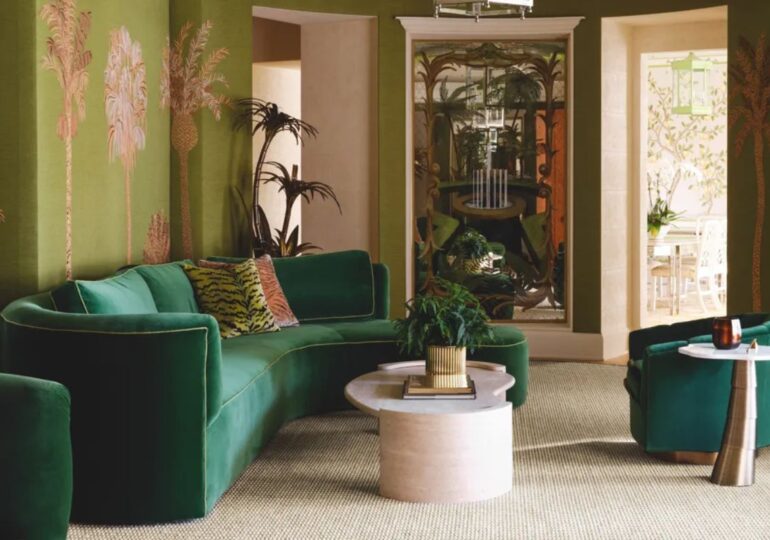
Today, in the debate on interior design 2026, the attention shifts less and less to what is new and more and more to what no longer works. Some rules considered untouchable until a few years ago are simply disappearing from the scene, not for an aesthetic issue, but because they have proven to be ineffective in daily life. Spaces designed for a single function, rigid color choices, design solutions replicated without adaptation: settings that are being questioned more and more explicitly today.
The direction is clear and shared: interior design is moving from an idea of style to an idea of function . Comfort, real use, adaptability and customization matter more than adherence to a recognizable aesthetic. The houses that work best are not necessarily the most “current”, but those that manage to respond to concrete needs : living, working, resting, sharing space without friction.
This change is also reflected in the visual choices. Deeper palettes, materials with evident textures, surfaces that can be touched and used, not just looked at. Interest shifts from the perfect image to everyday experience: a house must be comfortable to live in before being coherent , authentic before being photographable (social-addicted) . Aesthetics does not disappear, but it ceases to be the starting point.
At the same time, a clear tension emerges between technology and human need. If on the one hand homes are becoming increasingly intelligent, on the other the desire for spaces that offer protection, intimacy and real connection is growing. The house returns to being a refuge, not a platform to show off. It is in this context that some recent trends are losing importance: not because they are wrong, but because they no longer respond to current living priorities.
The 7 trends that we will no longer see in interior design in 2026
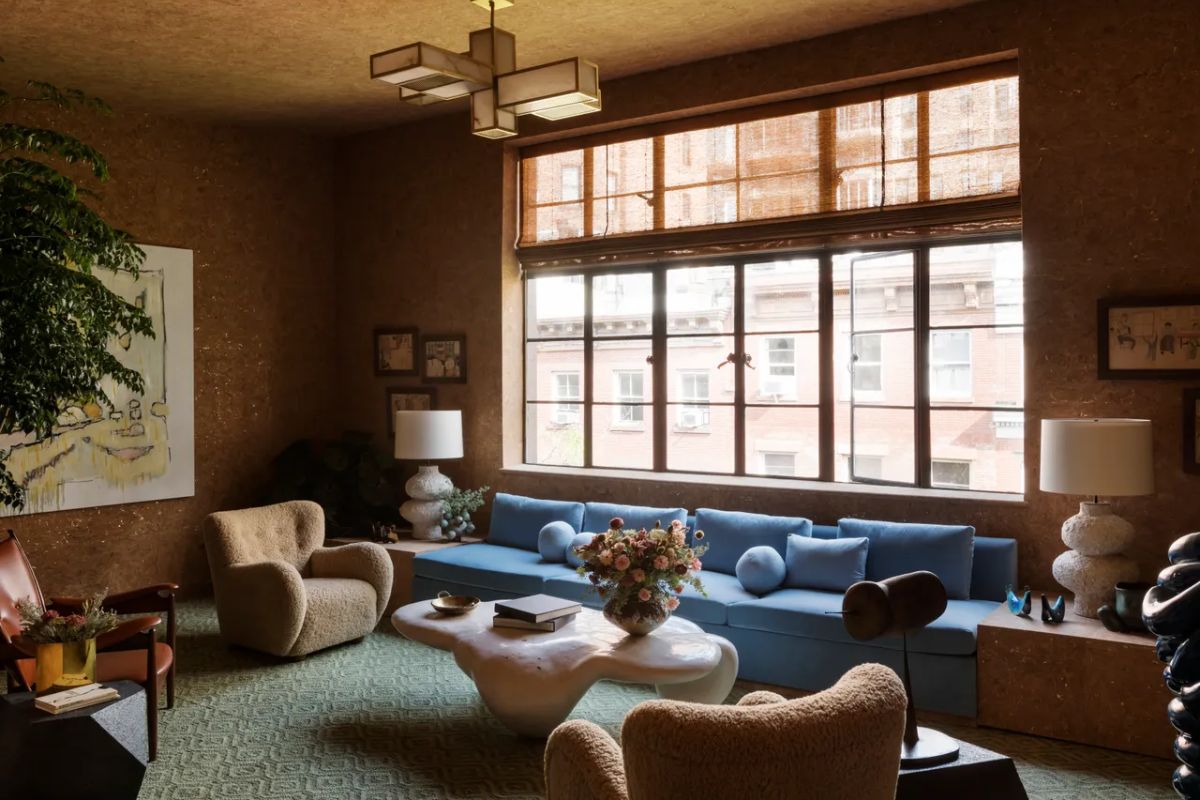
In the 2026 interior design trends the common thread is evident: rigid rules, replicated formulas, aesthetics designed to be recognizable rather than functional. Today interior design is evaluated less and less for its formal coherence and more and more for the ability of a space to be used, adapted and lived in over time. Comfort, customization, flexibility and sensorial quality matter more than adhering to a precise visual model.
The trends that are leaving the scene do not disappear because they are “outdated”, but because they were born in a different context: when the house was less inhabited, less stratified, less exposed to simultaneous functions. In 2026 the project returns to being a practical tool rather than an aesthetic one, and this clearly redesigns what still makes sense – and what doesn’t.
Let’s see what they are.
1. The end of separate rooms: each room will be modular and flexible
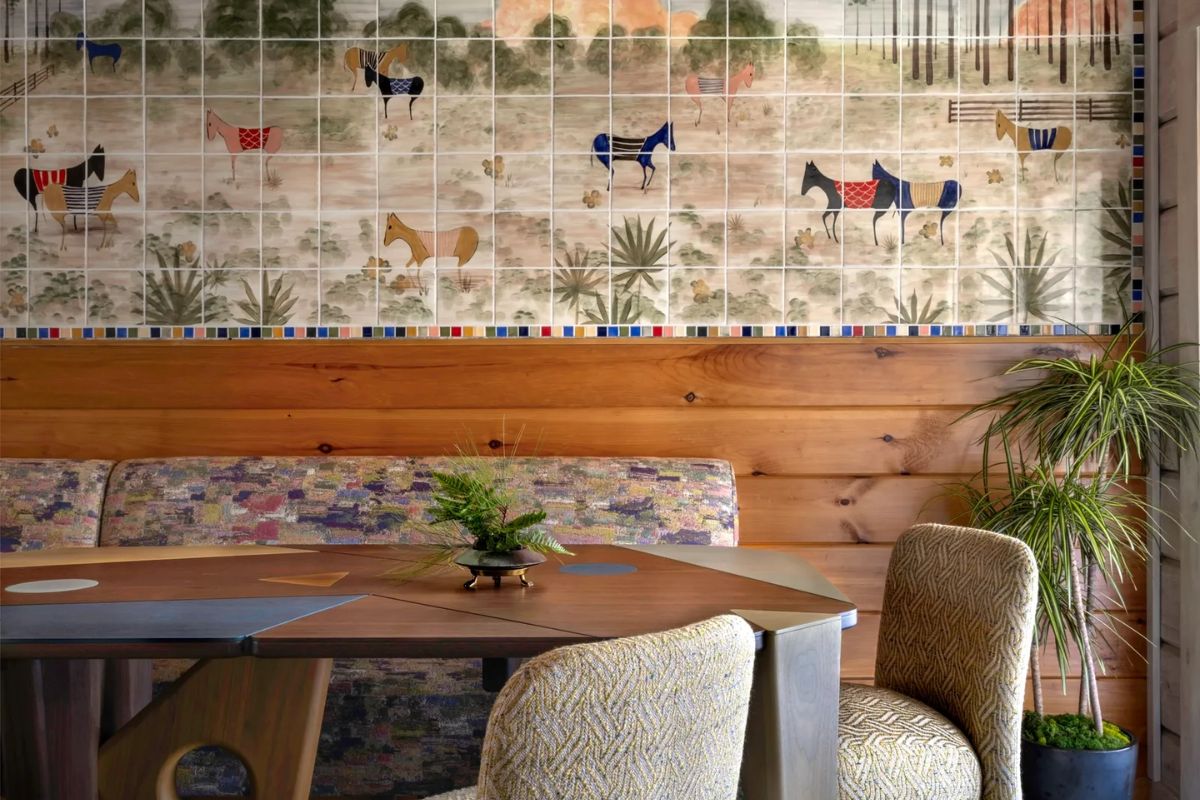
The idea of separate environments dedicated to a single function is rapidly losing relevance in residential design. Rooms “in themselves” – thought of only as a living room, only as a study, only as a bedroom – no longer respond to a way of living in which activities overlap and change over the course of the day.
Why doesn’t it work anymore?
Because it presupposesa house used in a linear way, with clearly separated times and functions. In the current reality, domestic spaces must absorb work, personal life, relaxation and sociality without continuous forced adaptations. Rigid rooms quickly become inefficient, especially in smaller homes.
What solution does this translate into?
In environments designed to change function without losing quality. Modular spaces, mobile furnishings, hybrid areas that can transform throughout the day. Not improvised rooms, but interiors designed from the start to be flexible, continuous and truly habitable.
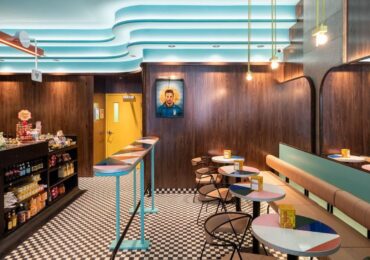
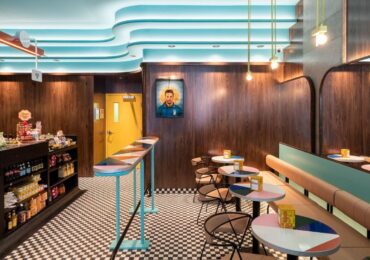
2. The end of neutral palettes: the courage to choose bolder colors
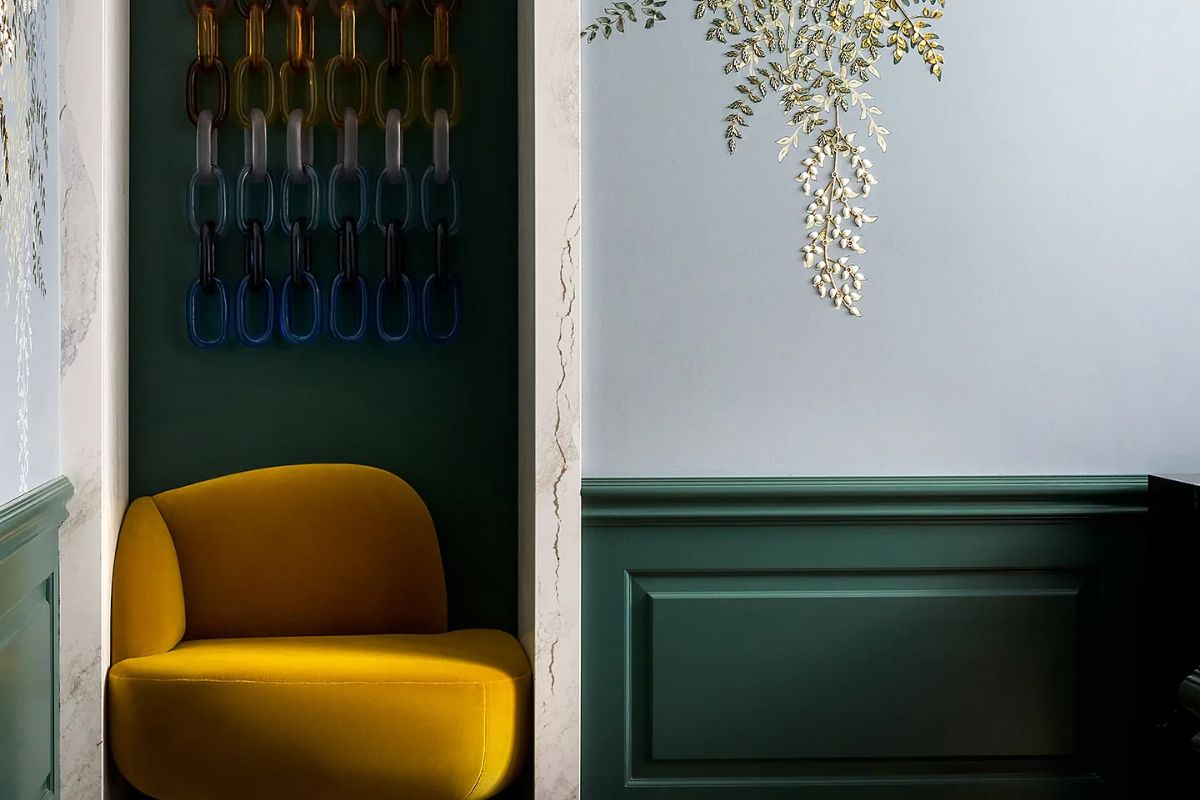
Completely neutral palettes don’t disappear, but they stop being the default choice. For years white, beige and gray have been used as a universal solution, applied regardless of the context and functions of the space. In 2026 this approach loses its centrality.
Why doesn’t it work anymore?
Because the neutral, when it becomes automatic, does not solve the problems of space. It does not help distinguish functions, does not improve visual comfort and often makes environments look flat and impersonal. In homes lived in intensely, the absence of chromatic variations reduces depth and fatigues perception over time.
What solution does this translate into?
In a more conscious and decisive use of color. More intense tones, deeper palettes and calibrated combinations are used to define areas, create atmosphere and improve the daily experience of spaces. Color is no longer a risk to be avoided, but a design tool to be used with intention.
3. The end of interiors designed to be photographed and flaunted on social media
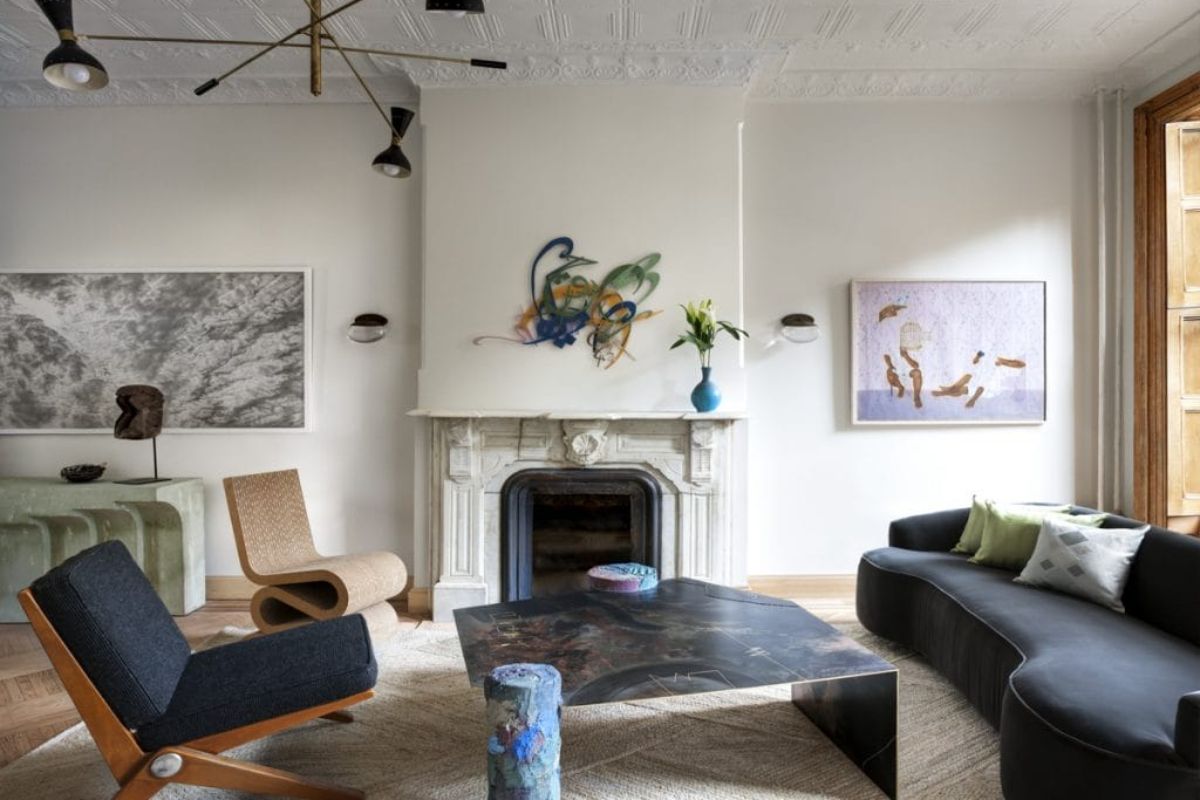
In recent years many interiors have been designed with a specific objective: to appear flawless in photography. Tidy spaces, perfect surfaces, furnishings chosen for their visual impact rather than their use. In 2026 this approach is increasingly being questioned because it responds to a need for ostentation, not for living.
Why doesn’t it work anymore?
Because interiors designed for social media are fragile and rigid. They work in image, but not in everyday life. Delicate materials, static compositions and layouts built to be displayed quickly become awkward, difficult to maintain and less tolerant of real-world use. Continuous performance conflicts with the need for comfort, intimacy and freedom of movement.
What solution does this translate into?
In less controlled and more authentic spaces. Environments that accept the signs of time, surfaces that do not have to remain perfect, furnishings chosen to be used and not just shown. The house stops being a permanent showcase and returns to being a place to live, not to perform.
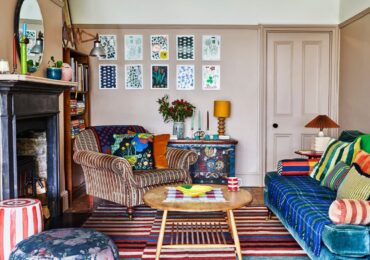
4. The end of minimalism: the beginning of richer and more lived-in spaces
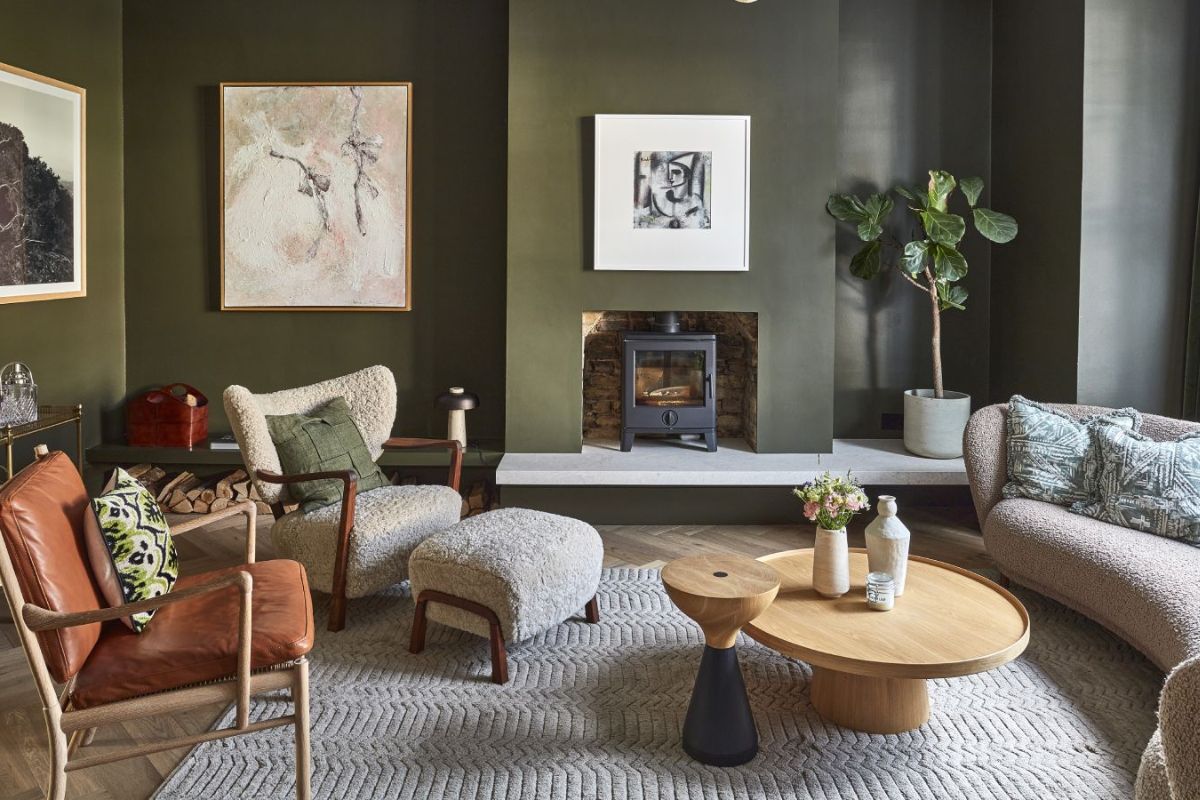
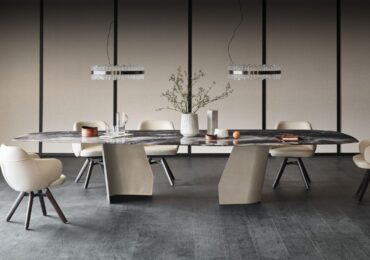
Minimalism, in its most extreme form, has dominated interior design for years. Environments reduced to the essentials, controlled palettes, few objectscts and surfaces visually clean. In 2026 this approach begins to lose centrality, not due to a change in taste, but due to a structural limit.
Why doesn’t it work anymore?
Because extreme minimalism requires constant control and does not tolerate real life. Spaces that are too essential are cold, unwelcoming and difficult to adapt over time. Every element out of place becomes a visual disturbance, every sign of use a problem. In intensely lived homes, this level of rigidity proves unsustainable.
What solution does this translate into?
In more layered and material interiors. Textures, natural materials, artisanal details and less perfect combinations enter the project to make spaces more tolerant and more human. It is not a return to decorativism, but an overcoming of minimalism as dogma: the beginning of environments that accept complexity, imperfection and everyday use.
5. The end of the insulated wall as a decorative solution
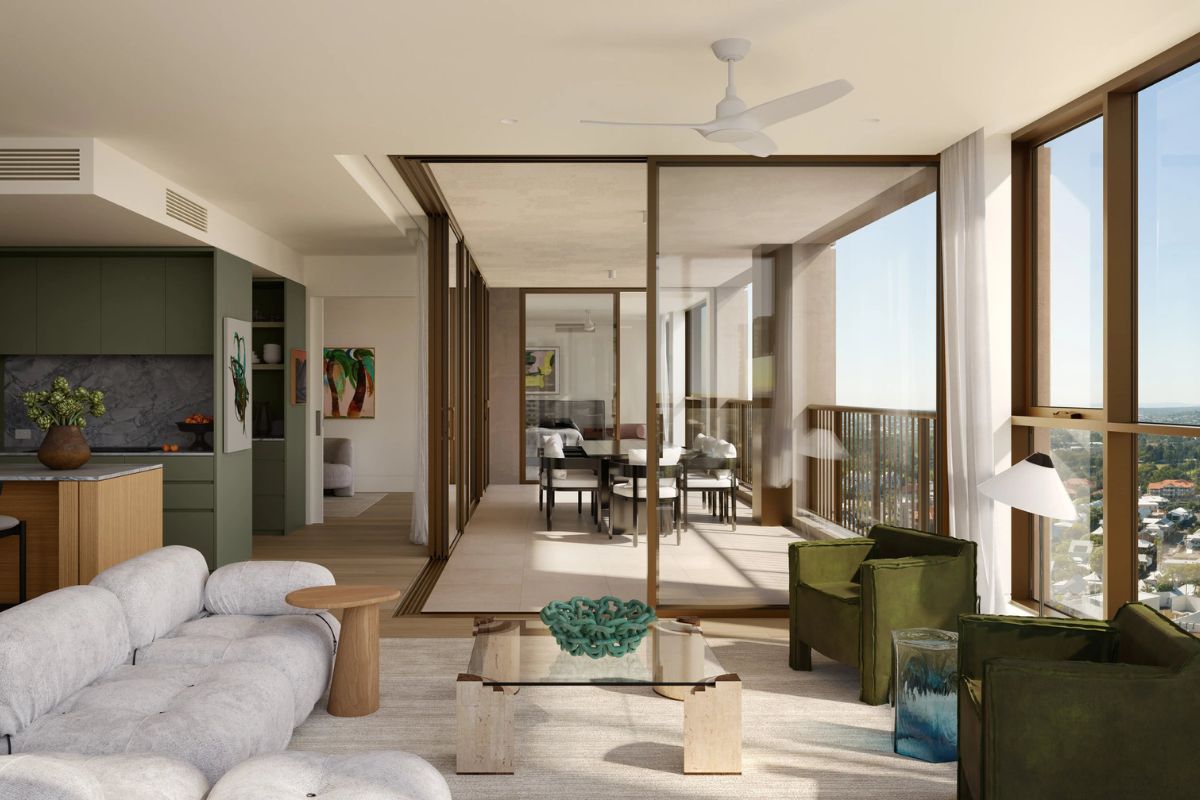
For years, characterizing a room through a single wall that is different from the rest – in color, wallpaper or treatment – has been a quick and widespread expedient. In 2026 this type of intervention will lose its effectiveness in interior design.
Why doesn’t it work anymore?
Because it introduces a visual sign that remains isolated and does not dialogue with the space as a whole. The wall treated as an element in itself works as a graphic gesture, but rarely improves the overall quality of the environment. Without a relationship with materials, furnishings and light, it appears as a superficial addition and tends to age quickly.
What solution does this translate into?
In a more continuous and distributed project. Color, texture and material are used in a widespread way, crossing space instead of concentrating in a single point. The effect is no longer decorative, but structural: it builds coherence, depth and a more balanced perception of the environment.
6. The end of mistrust towards domestic technology
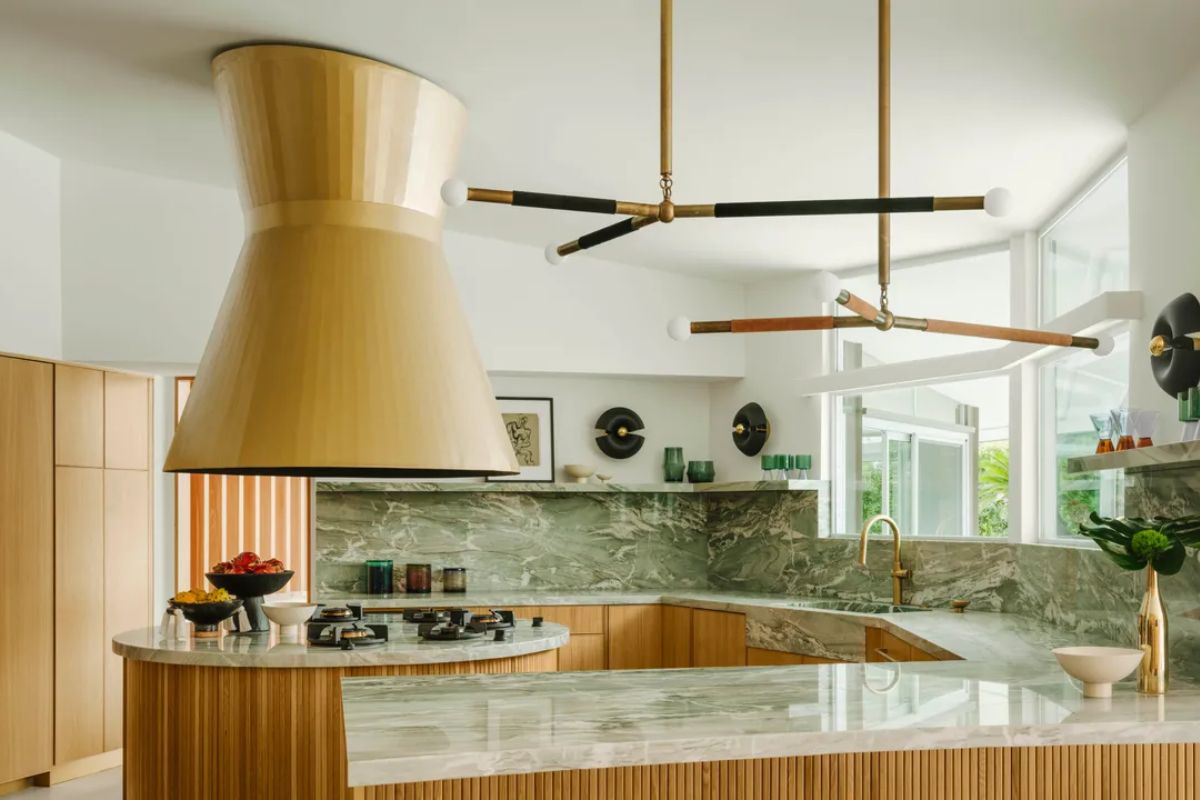
For years, technology in the home has been treated with caution: hidden, minimized, reduced to the bare minimum so as not to “disturb” the aesthetics of the interior. In 2026 this attitude changes. Technology stops being seen as an element foreign to the project and is accepted as a natural part of contemporary living.
Why doesn’t avoiding it work anymore?
Because daily life is already profoundly technological. Work, communication, entertainment and home management pass through digital tools that can no longer be relegated to the margins of space. Continuing to design interiors as if technology were a compromise produces forced solutions that are inconsistent with the real use of the house.
What solution does this translate into?
In a more serene and conscious integration. The technology is neither exhibited nor hidden, but incorporated into the project in a natural way: intuitive systems, discreet but present devices, solutions designed to simplify daily life. The house does not become more “technological”, thanit simply becomes more aligned with how we live today .
7. The end of universal rules: the return of the tailor-made project
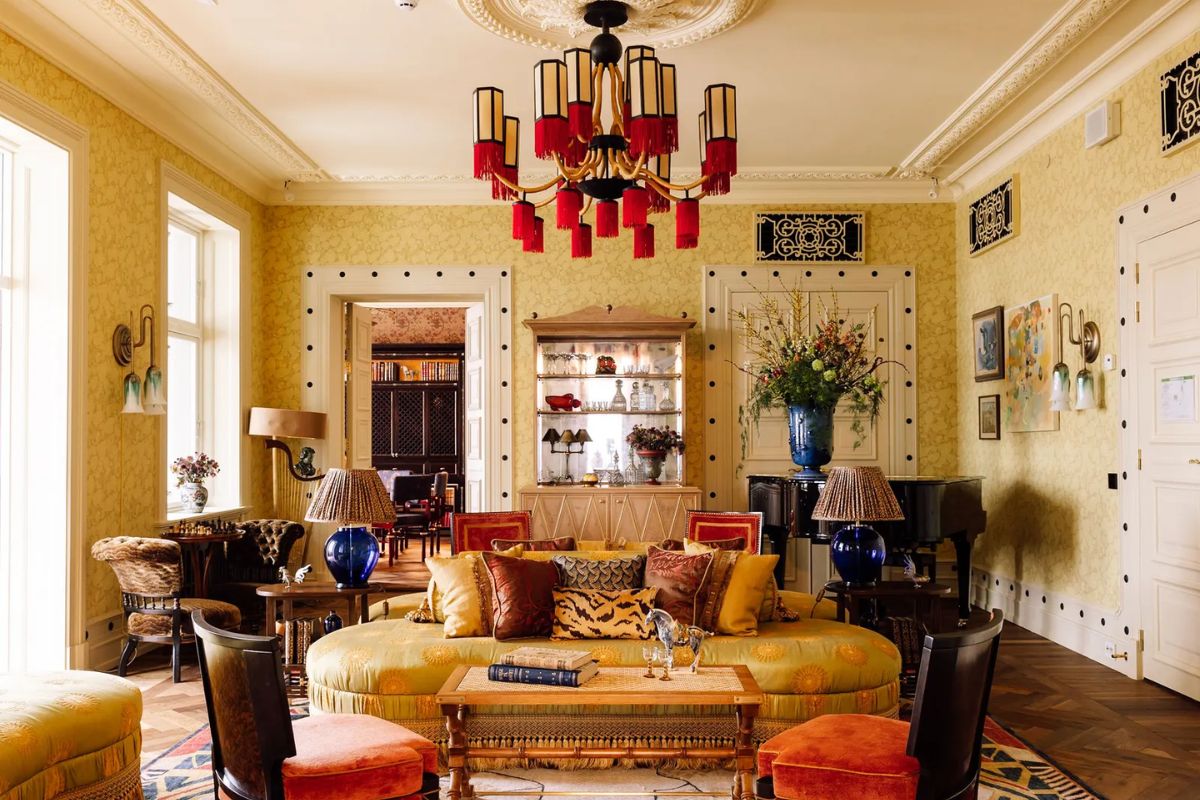
For a long time, interior design has relied on formulas considered valid everywhere: correct proportions, “safe” palettes, solutions that can be replicated regardless of the context. In 2026 this approach definitively loses strength. The idea that there are right answers for all homes is being questioned.
Why doesn’t it work anymore?
Because it ignores the real variables of living: natural light, climate, dimensions, daily habits, number of people living in the space. Applying the same rules to different contexts produces interiors that are formally correct, but not very functional and often not very personal. The houses appear standardized, incapable of responding to specific needs.
What solution does this translate into?
In a return to thoughtful and tailor-made design. Choices are no longer applied in principle, but constructed on a case-by-case basis. Interior design returns to being a process, not a set of formulas: more attentive to the context, to the people and to the duration of the spaces over time.
Leave a comment