Italian interior design has for decades represented one of the most solid and internationally recognized references. It is the result of a unique cultural system, made up of architecture schools, manufacturing companies, specialized artisans and designers who have transformed domestic space into a permanent field of research. Italian interior designers are appreciated not only for …
Italian interior design has for decades represented one of the most solid and internationally recognized references. It is the result of a unique cultural system, made up of architecture schools, manufacturing companies, specialized artisans and designers who have transformed domestic space into a permanent field of research.
Italian interior designers are appreciated not only for the aesthetic quality of their projects, but for the ability to control the entire process: from the definition of the concept to the choice of materials, from the design of the furnishings to the relationship between light, volumes and colour.
The Italian approach to interior design stands out for its attention to detail, balanced management of proportions and in-depth knowledge of the furnishing product. It is a method that combines technical precision and cultural sensitivity, and which has found application in private residences, hotels, showrooms, restaurants and corporate spaces all over the world.
Today we are talking to you about some of the most famous contemporary Italian interior designers , figures who have contributed to defining today’s design landscape through different styles but sharing the same attitude: interpreting interiors as environments in which aesthetics, function and identity interact in a coherent way.
The best contemporary Italian interior designers
The Italian interior design scene is made up of studios and designers who have developed distinct but recognizable languages, capable of communicating with architecture, with the product and with the manufacturing traditions of the country. Their work moves between private residences, high-profile hospitality, luxury retail and corporate interiors, interpreting each project as a complex system made of materials, functions and visual identity.
These professionals today represent a reference on the international scene thanks to their ability to combine design rigor, material sensitivity and attention to the user experience.
Below is a selection of the most authoritative contemporary Italian interior designers , each characterized by a unique design approach and a consolidated portfolio.
Piero Lissoni (Lissoni & Partners, Milan)
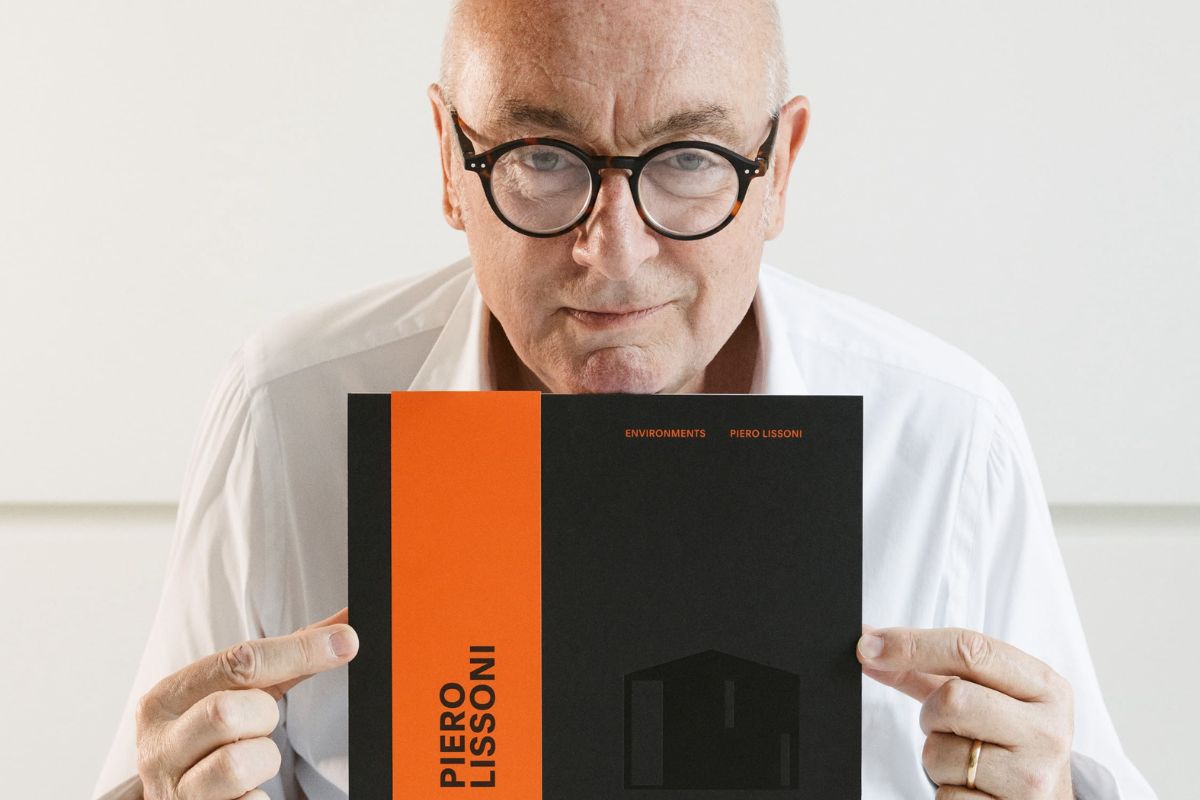
Lissoni is among the most influential figures in contemporary Italian interior design. His work is distinguished by its essential aesthetics and control of proportions, combined with a cultured use of natural and artificial light. He has designed interiors for hotels, residences, yachts and corporate spaces in Europe, Asia and the United States. Among the most relevant projects: The Middle House in Shanghai, the interiors for Sanlorenzo Yacht and numerous interventions for high-end private residences.
Antonio Citterio (ACPV Milan)
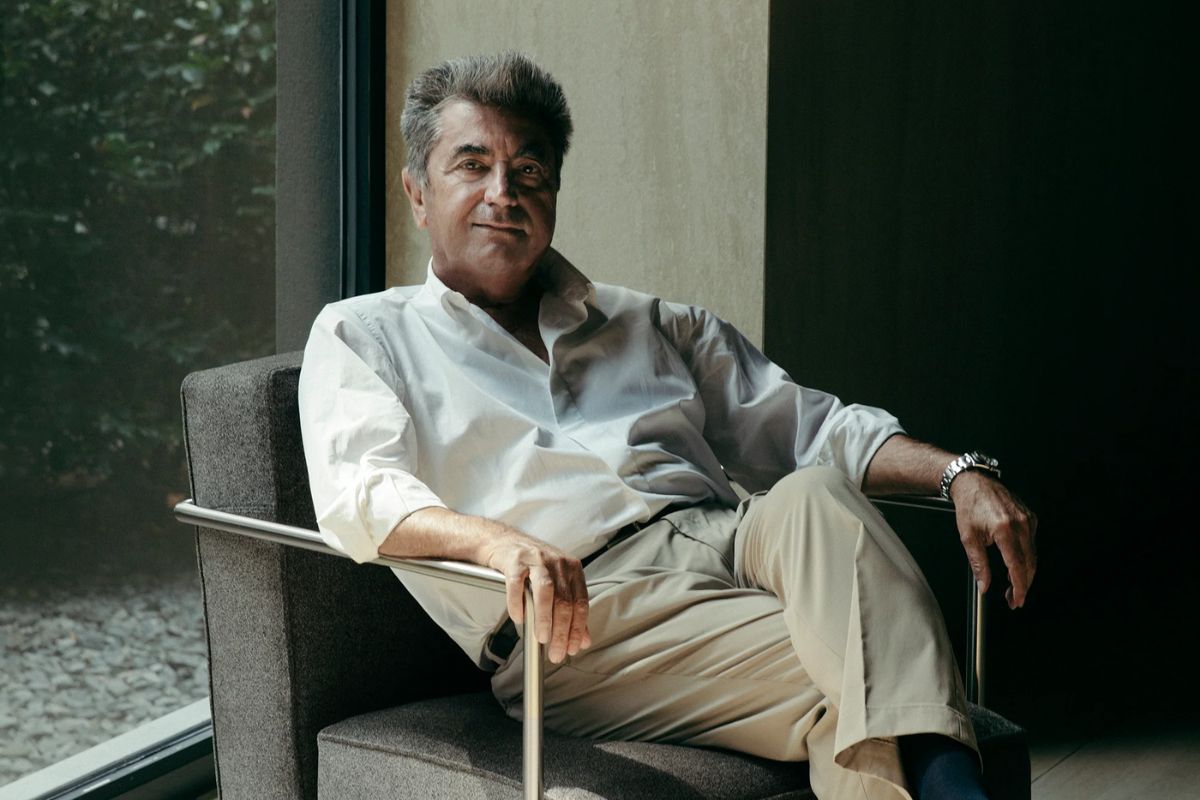
Citterio is one of the undisputed protagonists of luxury hospitality. His studio has designed the interiors of Bulgari Hotels around the world, defining a language based on elegance, material coherence and discreet refinement. Its internal architecture is characterized by linearity, high quality materials and a sartorial vision of detail. He is among the most sought-after Italian interior designers internationally.
Marco Piva (Studio Marco Piva, Milan)
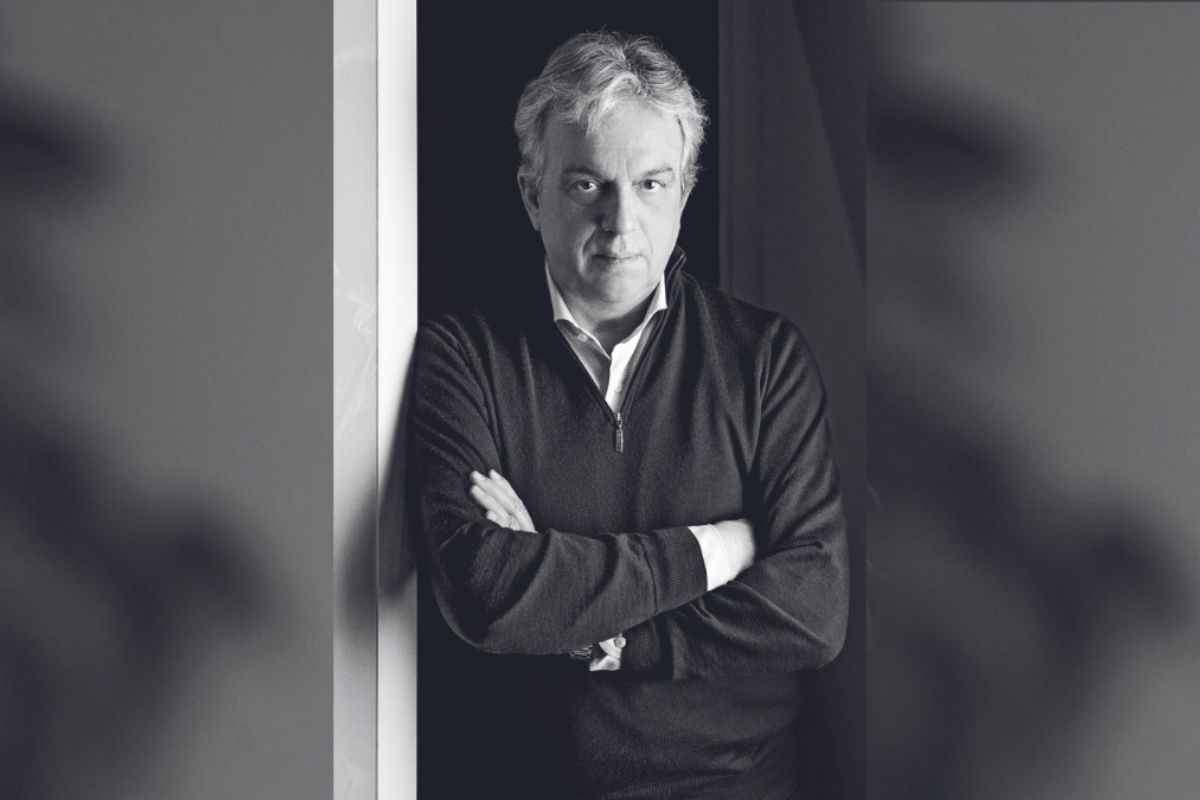
Specializing in hotels, resorts and luxury residences, Piva represents one of the most solid voices in contemporary Italian design. His approach is technical, material, oriented towards the dialogue between architecture and interior. Among the best-known projects: Excelsior Hotel Gallia (Milan), the residential and hospitality complexes in China and the Middle East and numerous interventions for Made in Italy furniture brands.
Matteo Thun (Matteo Thun & Partners, Milan)

Italian architect and interior designer recognized at European level, Thun works with a language centered on nature, sustainability and warm materials. Its hotels, resorts and spas are characterized by an essential aesthetic and the harmonious integration between interiors and landscape. Among the notable projects: Waldhotel Bürgenstock in Switzerland and numerous wellness facilities in Italy and Austria.
Fabio Novembre (Novembre Studio, Milan)
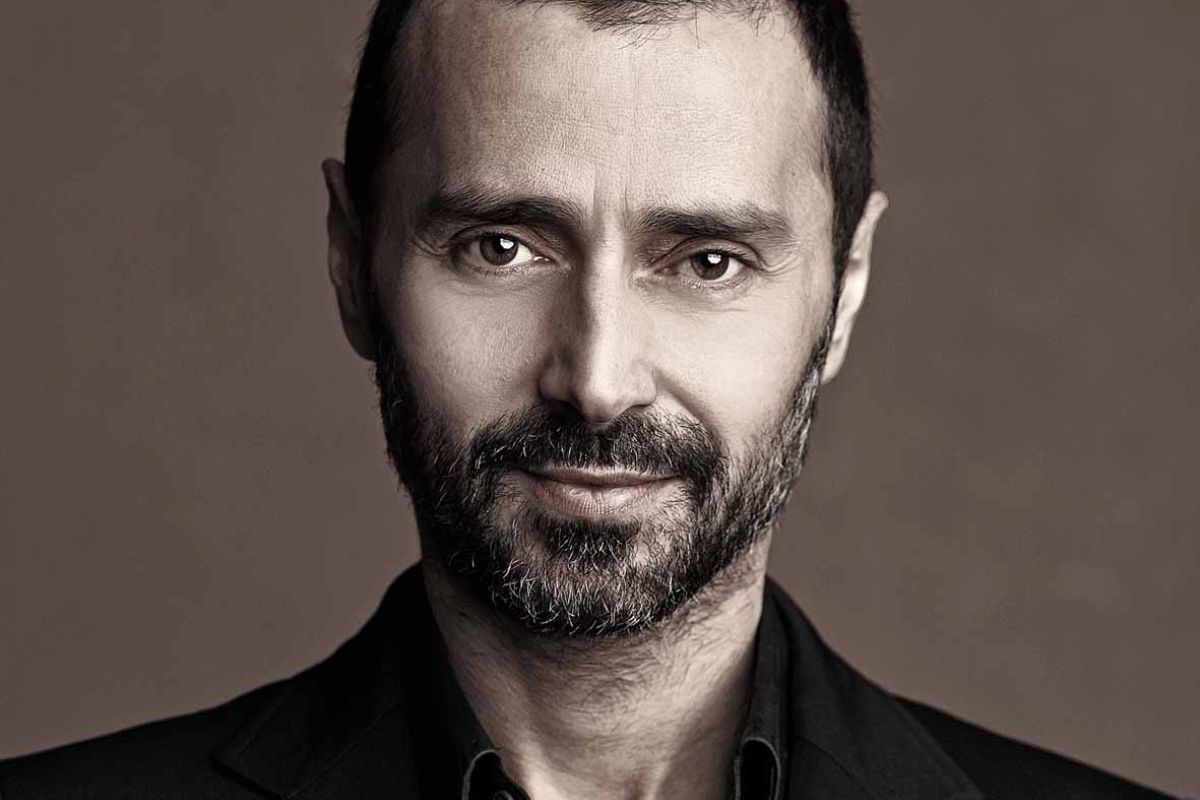
Novembre creates scenographic, narrative and strongly identifying interiors. His studio is known for iconic projects such as Casa Milan , showrooms for Kartell and Bisazza, restaurants and retail spaces that combine art, design and communication. He is one of the most recognizable Italian interior designers, capable of reinterpreting space with a theatrical and contemporary language.
Vincenzo De Cotiis (Milan)

An autonomous and refined figure, De Cotiis works on interiors that seem like real permanent installations. The skilful use of raw materials, fiberglass, oxidized metals and marbles makes him one of the Italian designers most appreciated by international private clients. His projects stand out for visual continuity, rarefied atmospheres and a strong material component.
Ludovica Serafini & Roberto Palomba (PS+A, Rome/Milan)
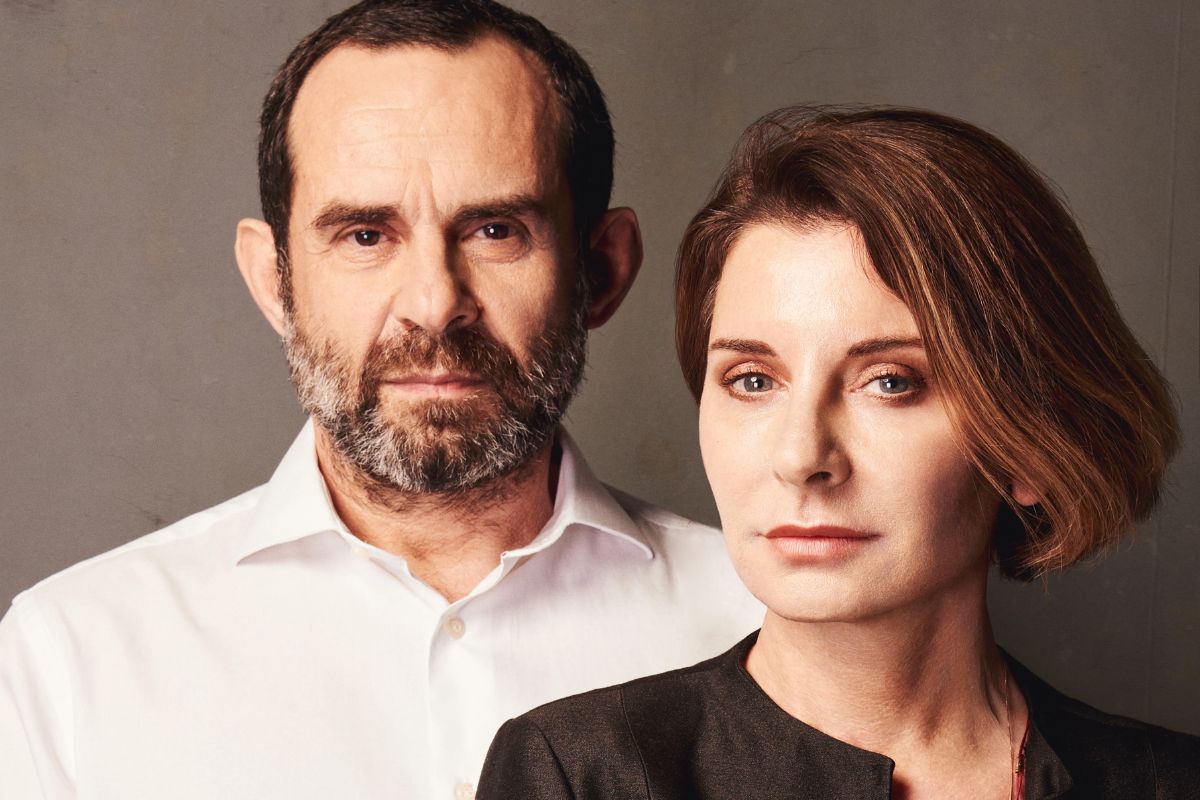
The Italian duo works on residences, hotels, SPAs and retail spaces, defining a contemporary, harmonious and measured aesthetic. Their language combines natural materials, clean geometries and a calibrated use of light. They are among the most sought-after Italian firms in the high-profile hospitality sector.
Studiopepe (Milan)
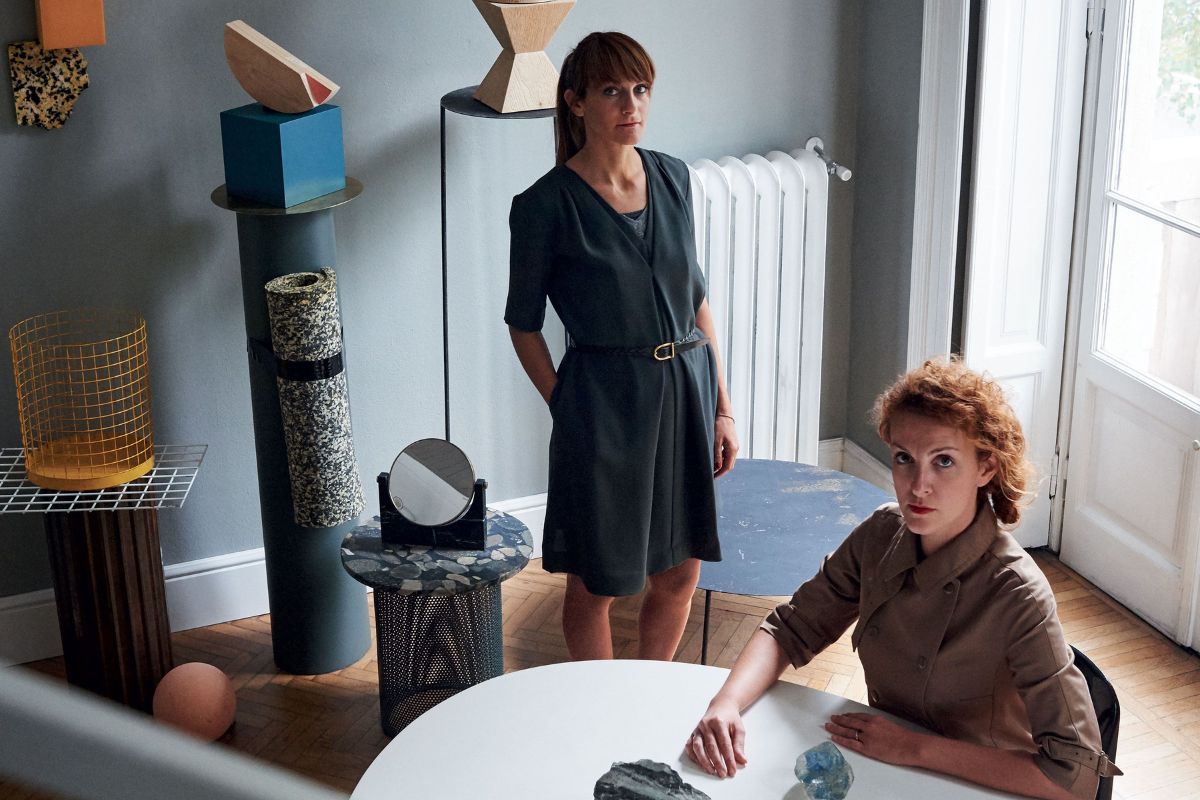
Founded by Arianna Lelli Mami and Chiara Di Pinto, it is one of the most recognized Italian studios in the contemporary design scene. Their interiors combine chromatic research, cultural references, sophisticated geometries and sartorial attention to detail. They work on residential, boutique hotels, retail and high-end styling.
Park Associati (Milan)
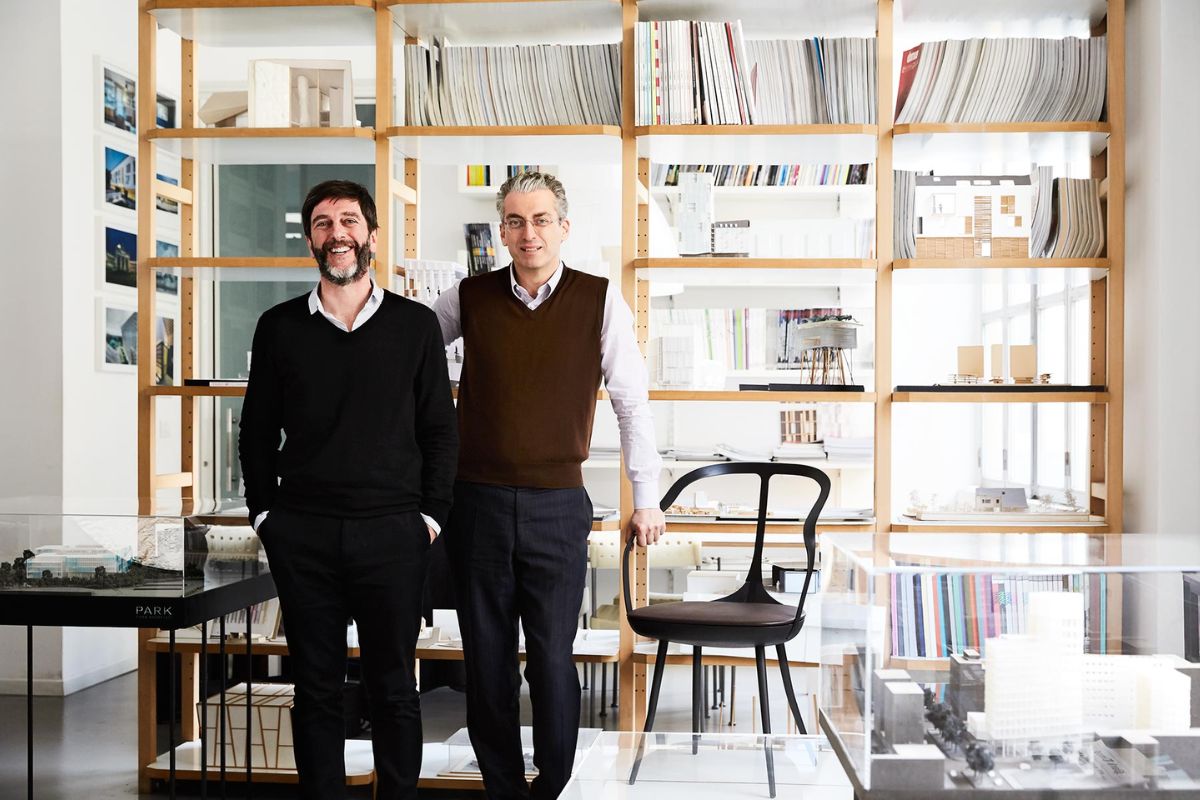
The studio led by Italians Michele Rossi and Filippo Pagliani is known for corporate interiors, luxury retail and hospitality. Their language is rigorous, contemporary and oriented towards the architecture of space. They took care of the retail Brioni and the interiors of corporate headquarters for multinationals in Europe.
Noa Network of Architecture (Bolzano) *

Founded by Italian architects Lukas Rungger and Stefan Rier, it is one of the most discussed names in the contemporary hospitality sector. They design interiors for high-end hotels and resortsscenographic venue, like the Hotel Hubertus in Alto Adige, known for its swimming pool suspended over the void. Their code: dialogue with the landscape, natural material and immersive solutions.
MarcanteTesta (Turin)

The Italian duo Andrea Marcante and Adelaide Testa work with a strong aesthetic identity: stratification of materials, structural color, cultured architectural references. Their interiors, published by the main sector magazines, represent one of the most original voices in Italian interior design.
Italian interior designers who made history: the names of the masters
We cannot talk about Italian interior design without mentioning the masters who, with their work, have defined the way we live and continue to design spaces today. Their legacy is the basis of Italian design culture: a mix of architecture, design, craftsmanship and experimentation that has made Italy a global reference. They are figures who have anticipated trends, interpreted contemporaneity and transformed the domestic interior into a laboratory of ideas destined to last.
Gio Ponti

Architect, designer, director of Domus , Ponti is considered the father of modern Italian design. In addition to furnishing icons, he was an undisputed master of interiors: from the Milanese apartments of the 1950s and 1960s to hotels in Italy and abroad, he brought an architectural lightness made of light, color and exact proportions to spaces. His contribution remains one of the most influential of the twentieth century.
Ettore Sottsass
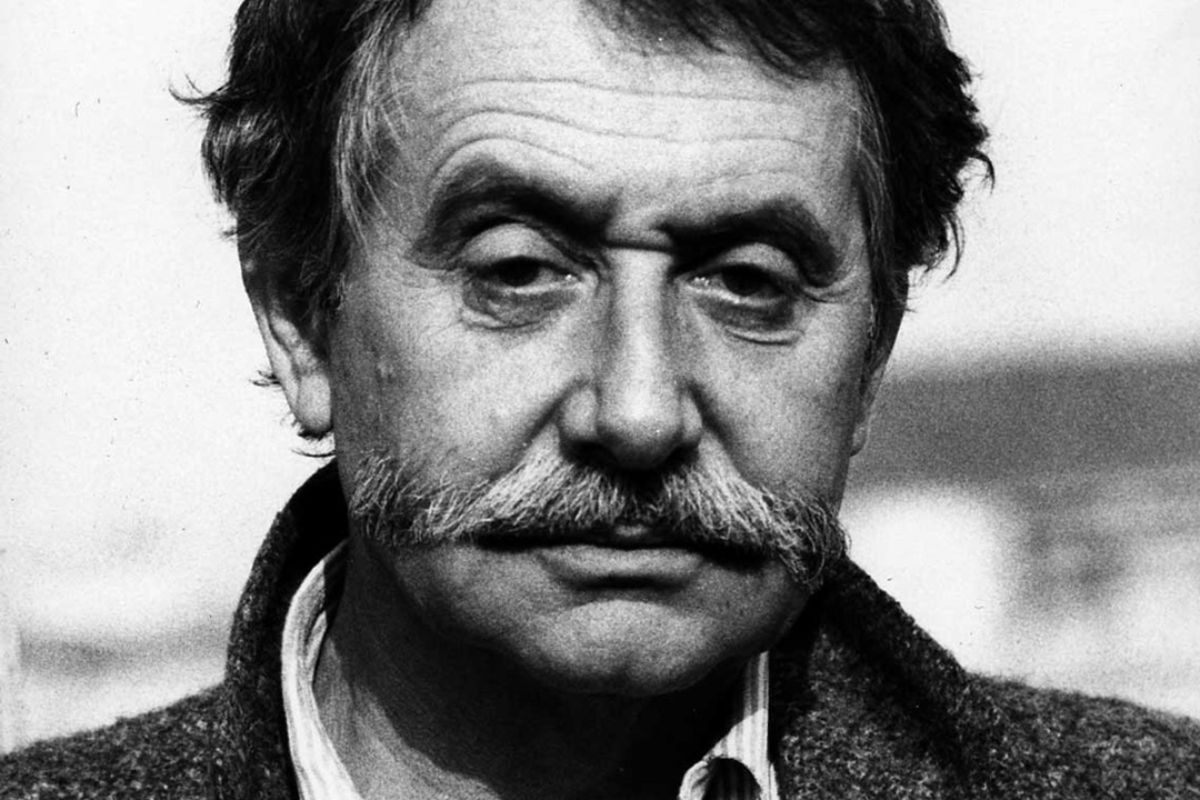
Central figure of Italian design, capable of continually shifting the boundaries of design language. Sottsass worked on interiors as emotional, cultural and symbolic places. First with modernism, then with the radicalism of the Memphis group, he introduced colour, matter and narrative in a revolutionary way. Its interiors, from homes to showrooms, are still points of reference for creatives from all over the world.
Achille Castiglioni

One of the absolute masters of Italian design, known for his ability to read space with a rare planning clarity. Its interiors rational, functional, but never devoid of poetry have contributed to defining the way in which light, furniture and architecture interact with each other. Castiglioni taught that an interior must be essential, intelligent and profoundly human.
Vico Magistretti
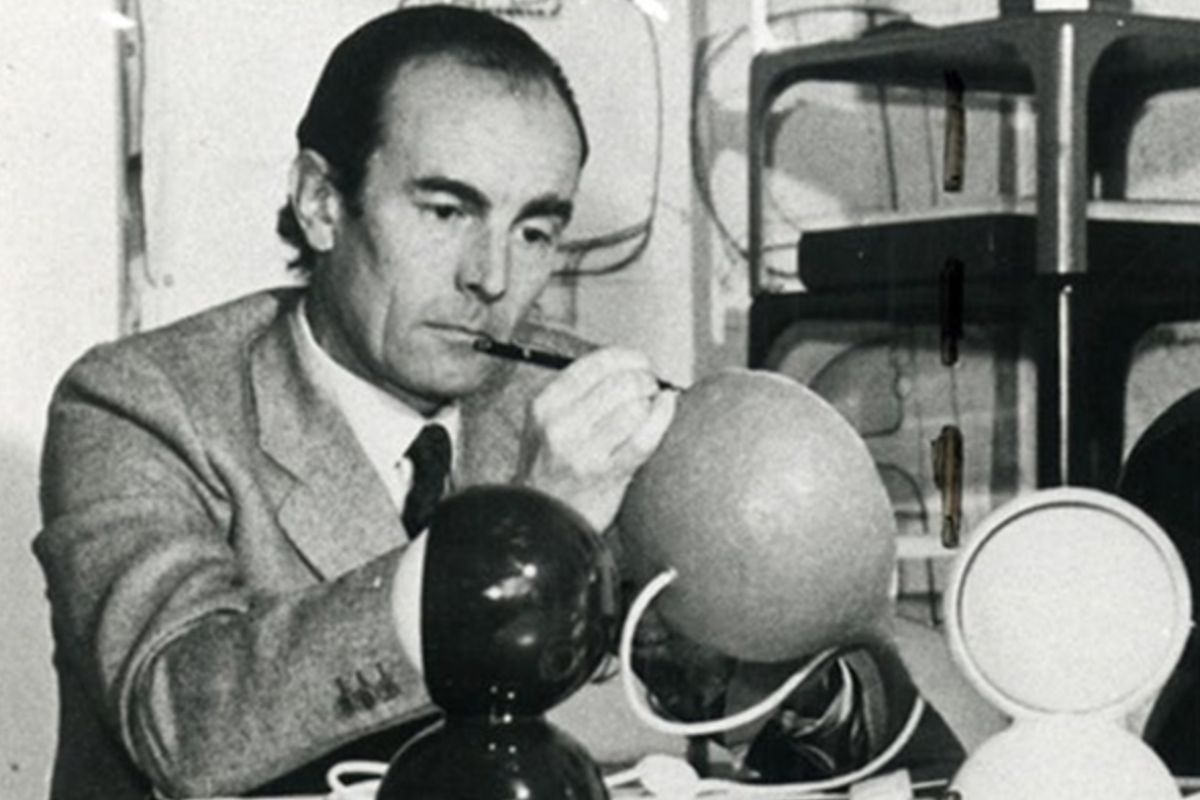
Refined, Milanese, essential. The houses designed by Magistretti – like the interiors for post-war bourgeois Milan – tell of a practical, bright and modern way of living. His approach, based on controlled proportions and clean functionality, has influenced generations of Italian interior designers.
Cini Boeri
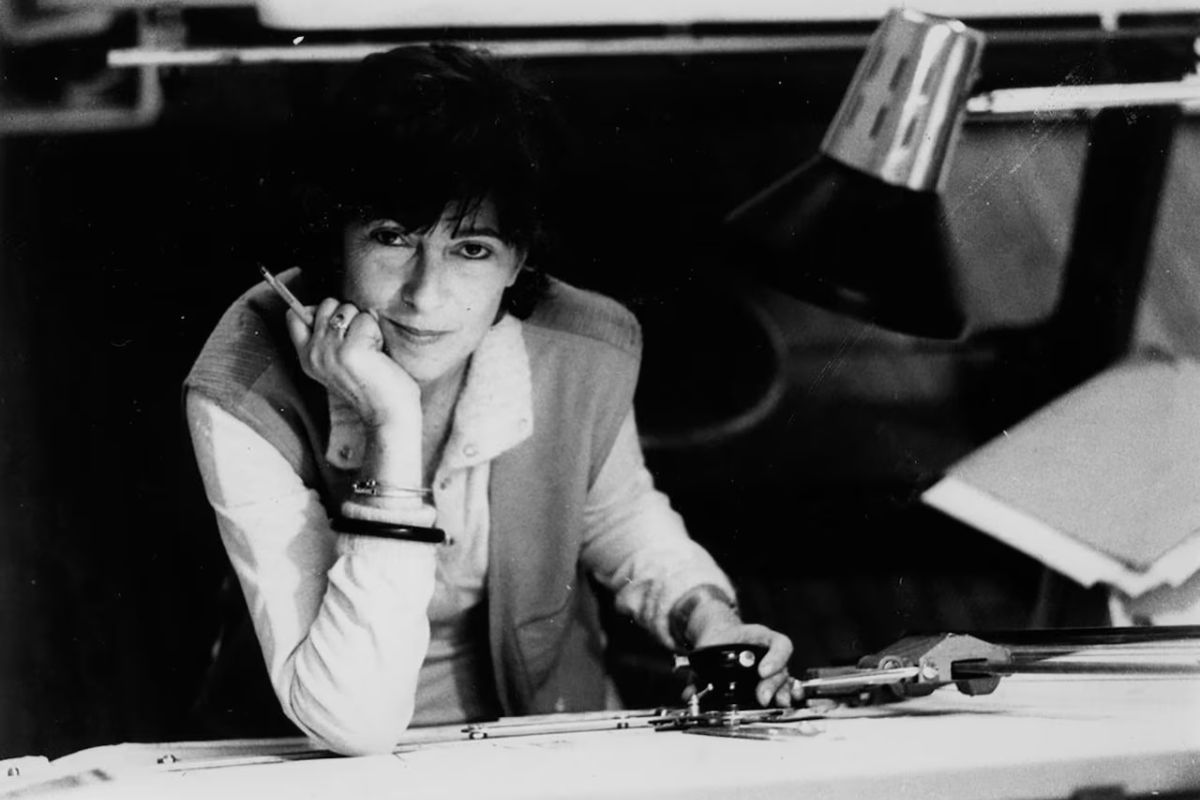
Among the great protagonists of Italian design, Boeri revolutionized the concept of domestic space by bringing flexibility, modularity and attention to the needs of contemporary life. Its interiors – bright, fluid, designed to welcome – introduce an empathetic relationship with the inhabitantsking. His highly innovative vision is still relevant today.
Franco Albini
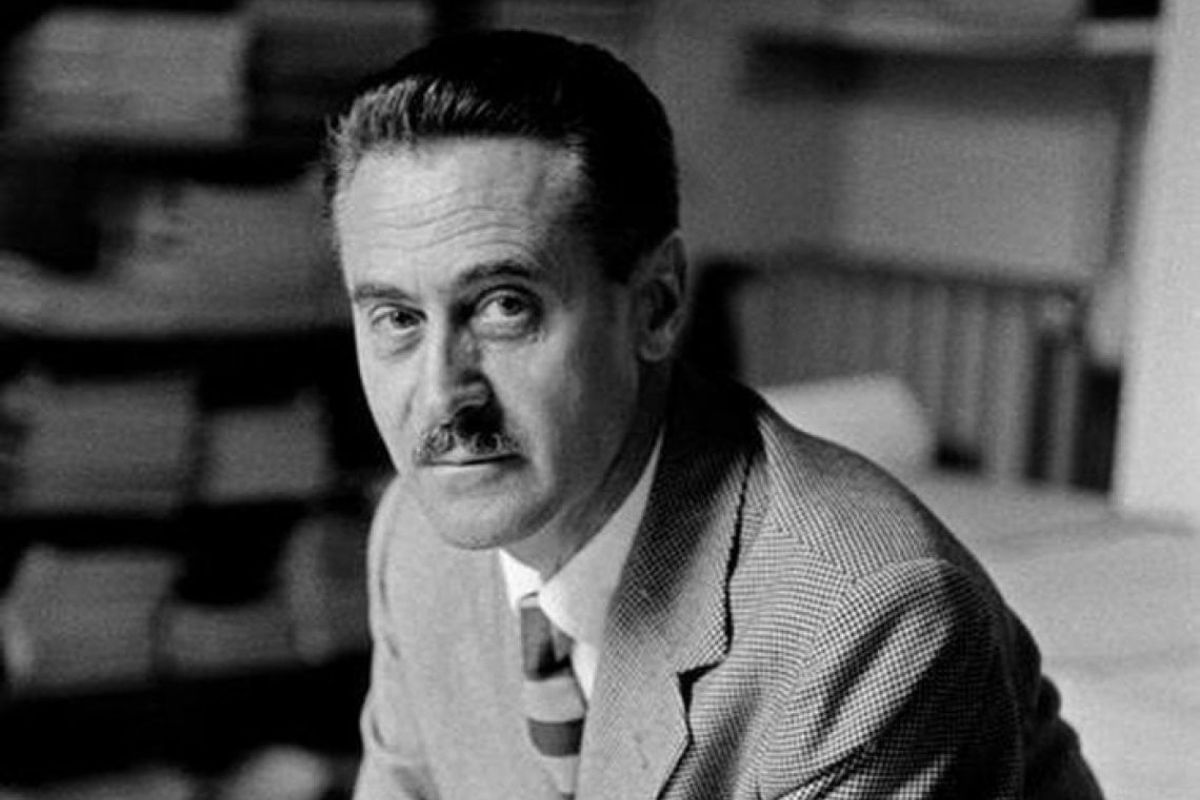
A master rationalist, Albini worked on the interiors with a design rigor that combined craftsmanship, structural lightness and absolute precision. Its houses, its museums and its installations are an example of balance between function, structure and beauty. He was one of the most cultured designers of the Italian twentieth century.
Carlo Scarpa
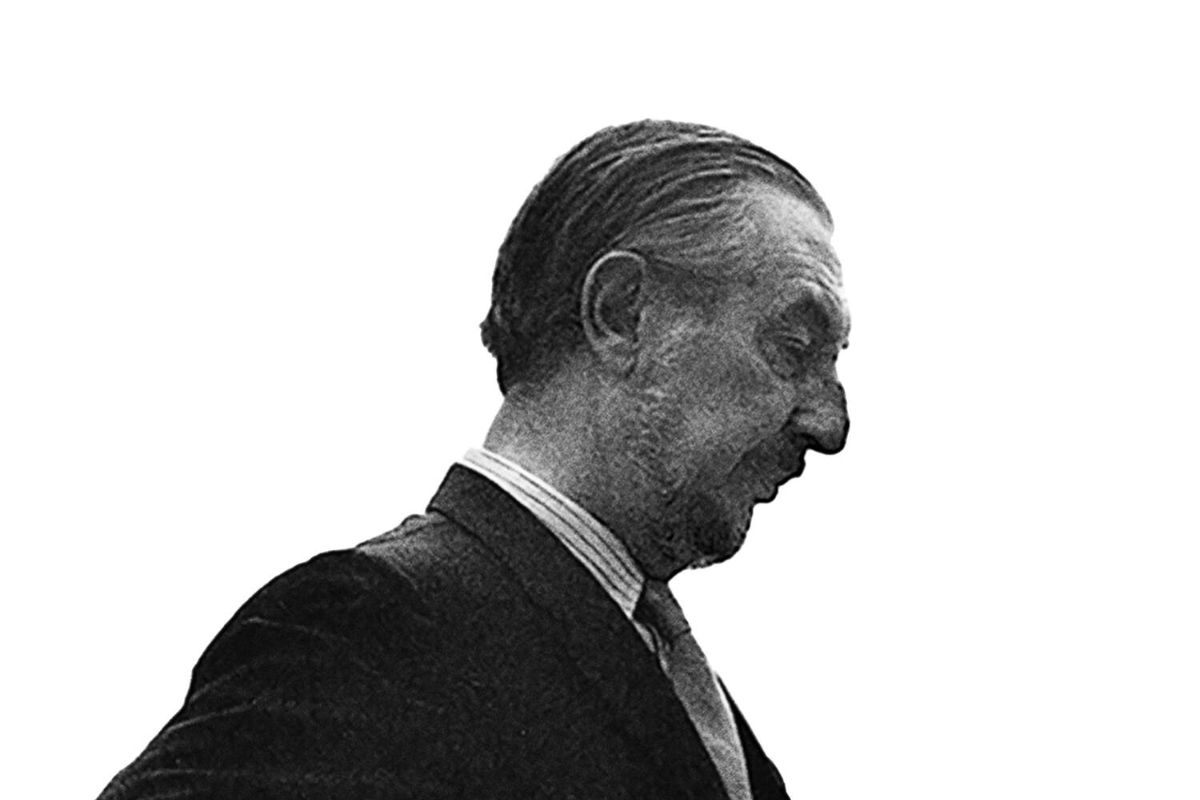
Although he was first and foremost an architect, Scarpa also had a profound impact on interior design: boutiques, installations, museum and residential interiors that combine Venetian craftsmanship, matter, light and a very rare poetic sensitivity. Its details hinges, thresholds, stairs have become a language.
The distinctive characteristics of Italian interior design
Italian interior design is the result of a design culture that integrates architecture, technology and industry. It is not structured as a recognizable style, but as a method: a set of criteria that concern proportion, relationship between materials, coherence of technical solutions and precise control of the construction elements.
Continuity between architecture and interior
In the Italian context, interior design is not considered a separate discipline from architecture. The interiors are addressed as part of the overall project: distribution, relationship between full and empty spaces, fixed elements, openings and surfaces have the same dignity as the external architectural volume.
The quality of the interior therefore depends on a precise spatial setting, not on the choice of furnishings alone.
Rigorous material selection
The Italian manufacturing tradition has made interior design strongly linked to materials. The selection is not decorative but functional and technical: wood, metal, stone, glass and fabrics are used in a controlled way, often in relation to light and architectural elements.
Finishes are treated as part of the construction system, not as aesthetic applications.
Executive technique and attention to detail
The construction detail is one of the most recognizable features of the Italian project. Profiles, joints, thicknesses, integration between fixed elements and custom-made furnishings are developed with attention to durability and visual coherence.
The control of detail is not a formal virtuosity, but a technical parameter that determines the overall quality of the space.
Advanced knowledge of the furniture product
The Italian industrial system, based on high-level companies (Molteni&C, Poliform, Cassina, B&B Italia, Giorgetti, Flos), allows interior designers to operate with an in-depth knowledge of contemporary furniture. This allows for integrated solutions – wardrobes, boiserie, storage systems, upholstery – which interact with the architecture and do not simply complete it.
Management of light as a design element
Light, natural and artificial, is treated as material. The Italian school worksra on differentiated light levels, glare control, integration of lighting fixtures into architectural elements and scenario design. Light is not accessory: it affects the perception of materials and the quality of space.
Functional and use-oriented approach
Italian interior design is based on a logic of use: ergonomics, internal routes, articulation of functions and distribution coherence are a central part of the project. Aesthetics is a consequence of the functional solution, not the other way around.
Design identity not dependent on style
Unlike other international contexts, a single language does not prevail in Italy. Interior designers work with different approaches – minimal, material, decorative, narrative – maintaining the technical quality and coherence of the whole as a constant reference.
Iconic projects signed by Italian interior designers
The quality of Italian interior design is also measured through a series of projects that have consolidated the country’s reputation on the international scene. Below are some interventions that represent key references for method, language and executive rigor.
Bulgari Hotels (Milan, London, Dubai, Tokyo) ACPV Antonio Citterio Patricia Viel
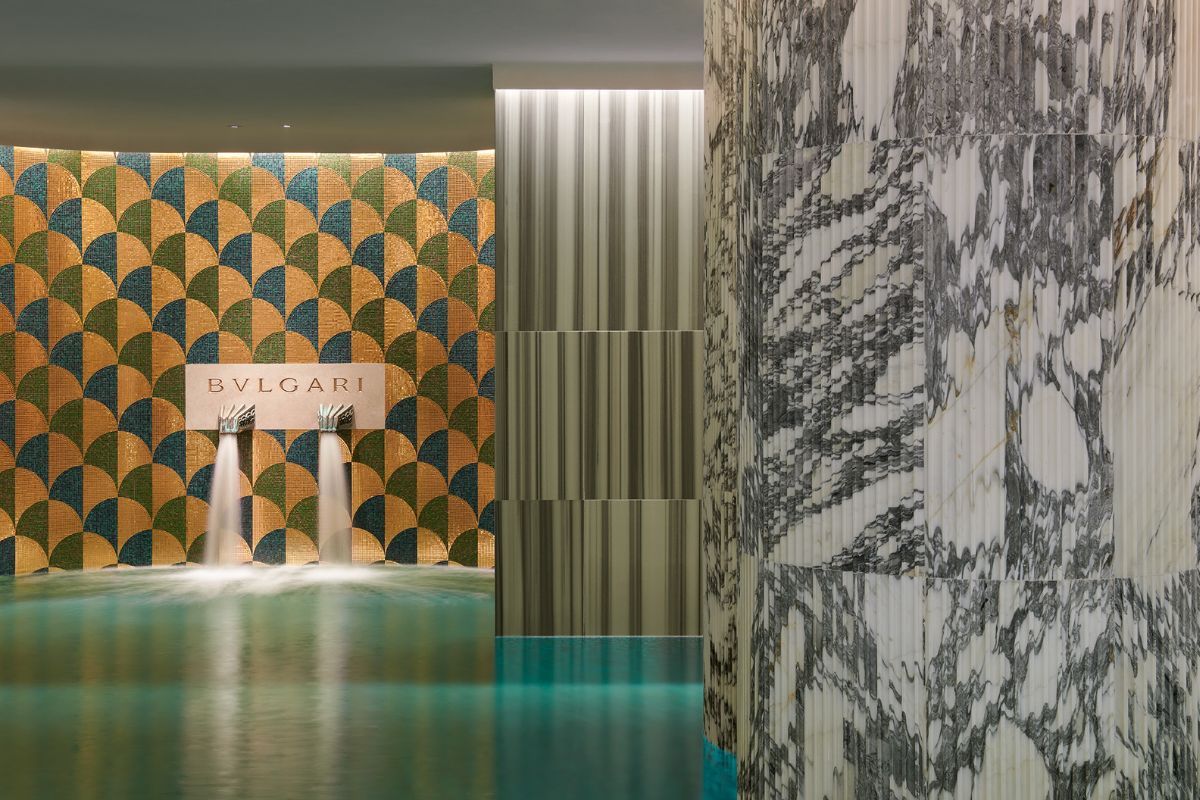
ACPV’s work for the Bulgari Hotels network is among the most significant contributions to contemporary hospitality. The identity of the interiors is based on controlled geometries, coherent material palettes and integration between fixed elements and furnishings. The hotels set a global standard for balance, proportion and construction quality.
The Middle House (Shanghai) Lissoni & Partners
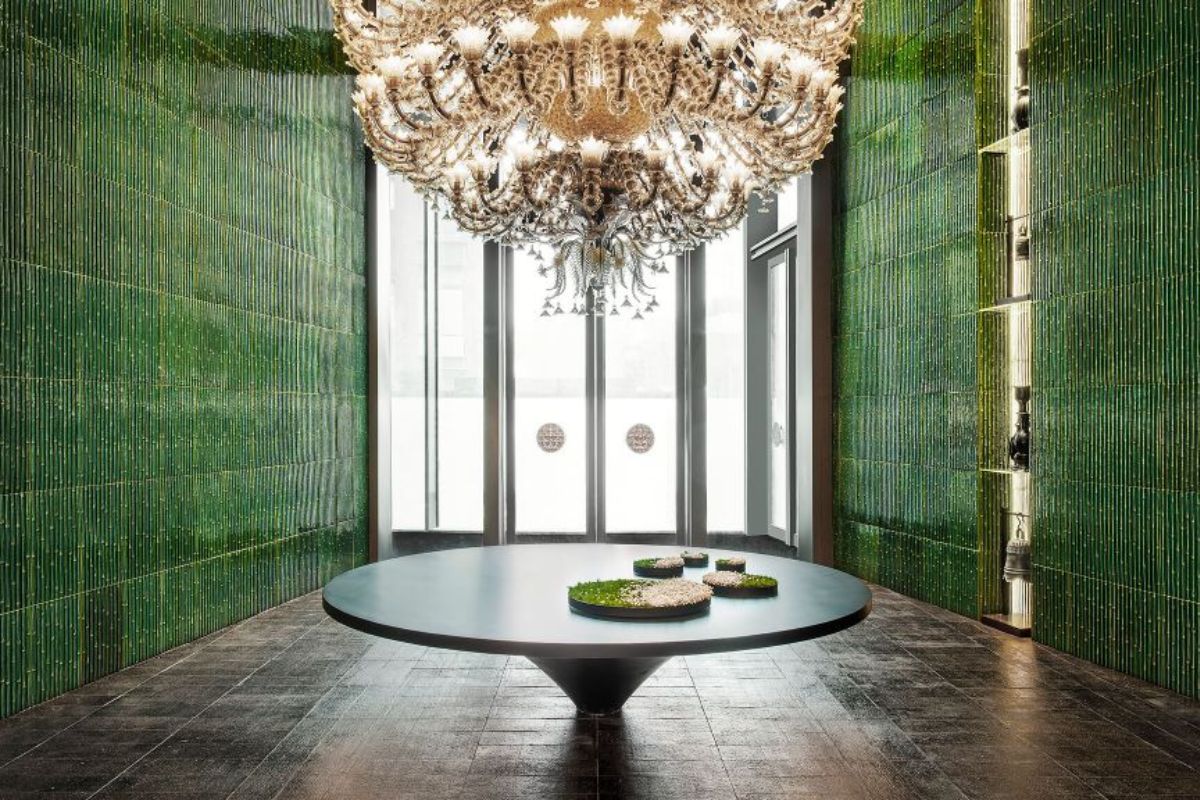
One of the most complete projects of Piero Lissoni’s work in the hotel sector. The interiors present a calibrated material continuity, a rational use of light and a direct relationship with the architectural system. The minimal, non-decorative approach defines a model recognized on the international scene.
Excelsior Hotel Gallia (Milan) Studio Marco Piva

Intervention that integrates architecture, interior and product design. Piva reinterprets a historic building with a contemporary layout based on stone materials, metal surfaces and tailor-made solutions. The hotel is an exemplary case of typological updating in the Italian luxury hospitality sector.
Waldhotel Bürgenstock (Switzerland) Matteo Thun & Partners

A project in which the work on the interiors is based on a direct dialogue with the landscape. The use of wood, material surfaces and attenuated light control define an environment consistent with the therapeutic and well-being functions of the building. Model of integration between interior design and environmental architecture.
Casa Milan (Milan) Novembre Studio

Recognized for its narrative and identity language, the intervention proposes interiors strongly characterized by dynamic lines, continuous surfaces and solutions that integrate graphics, communication and architecture. It is one of the most st examplesheard in the relationship between interior design and brand identity.
Private residences of Vincenzo De Cotiis (Milan, Paris, Seoul)
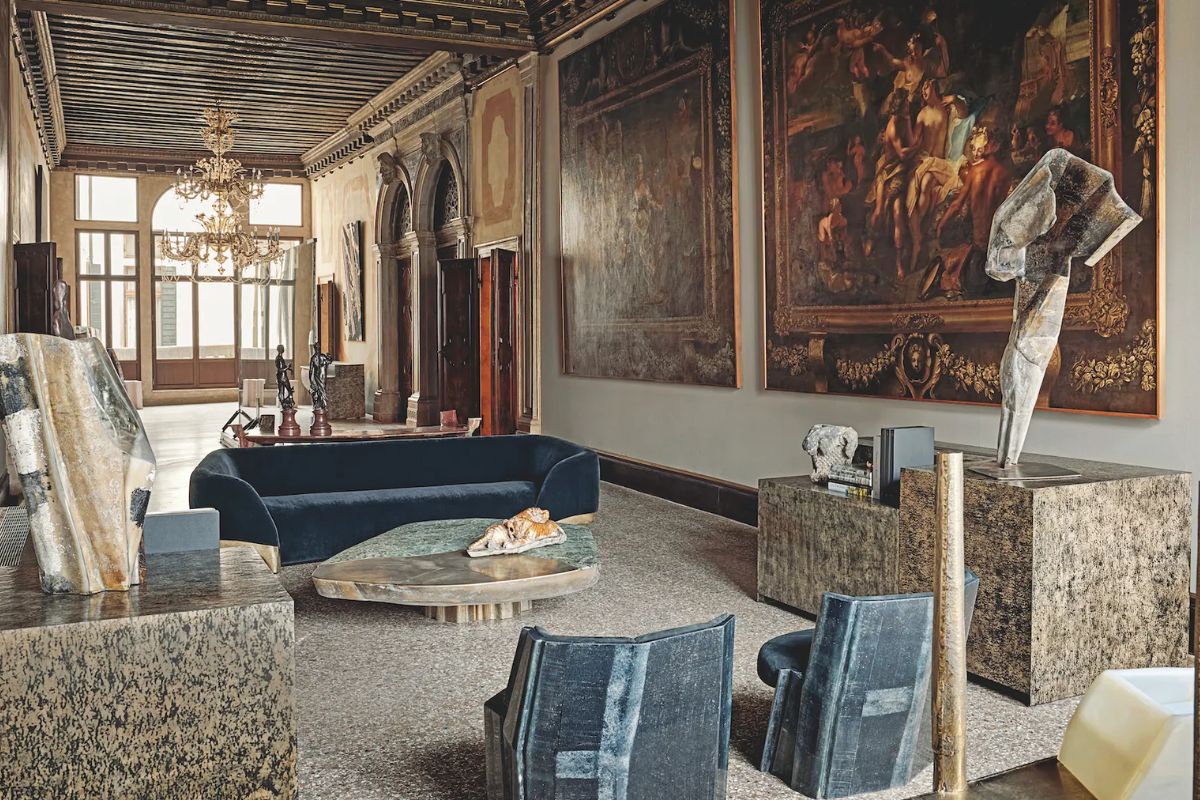
The interiors designed by De Cotiis are considered references in contemporary material research. The use of treated marble, oxidized metals, fiberglass and imperfect surfaces defines an autonomous language, relevant for those who study the sculptural dimension of domestic space.
Boutique Brioni (various international locations) Park Associati
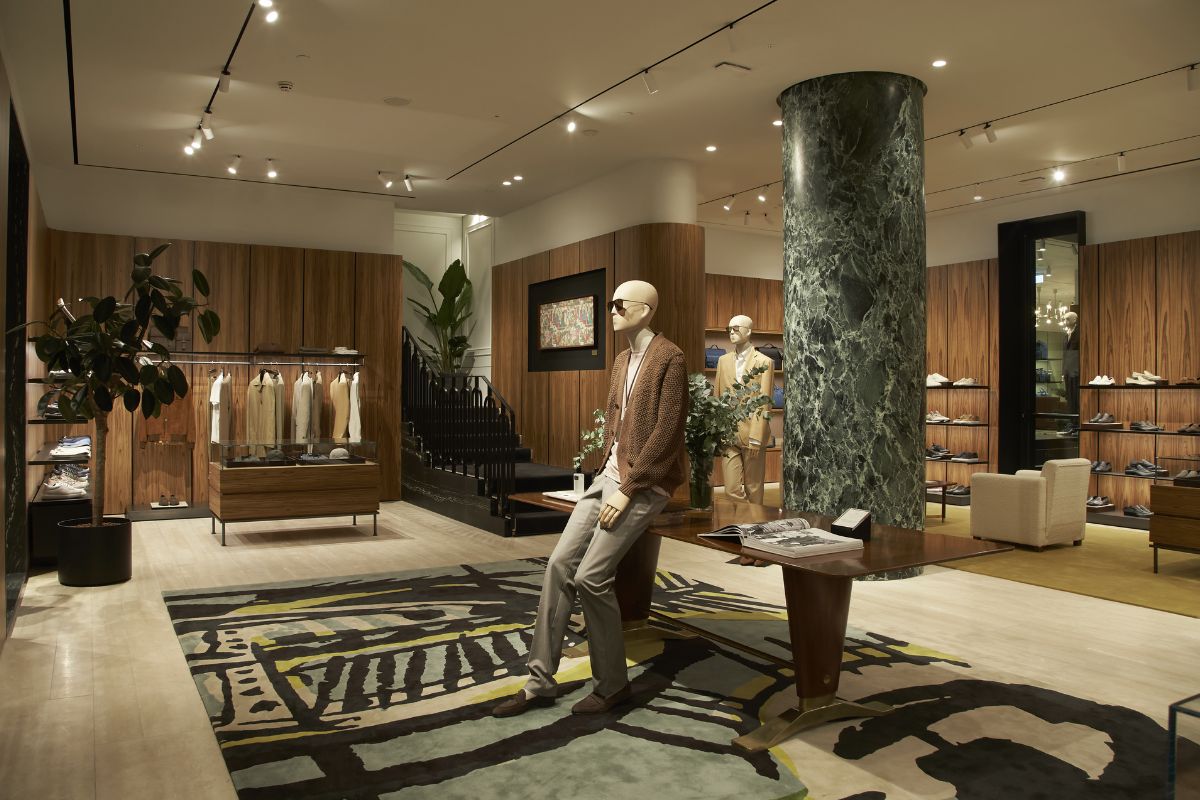
Project that expresses a measured, rational and brand identity-oriented approach. The interior works on modularity, selected materials and calibrated lighting. It is a recurring case study in high-end retail.
Hotel Hubertus (Olang, Alto Adige) Noa Network of Architecture *
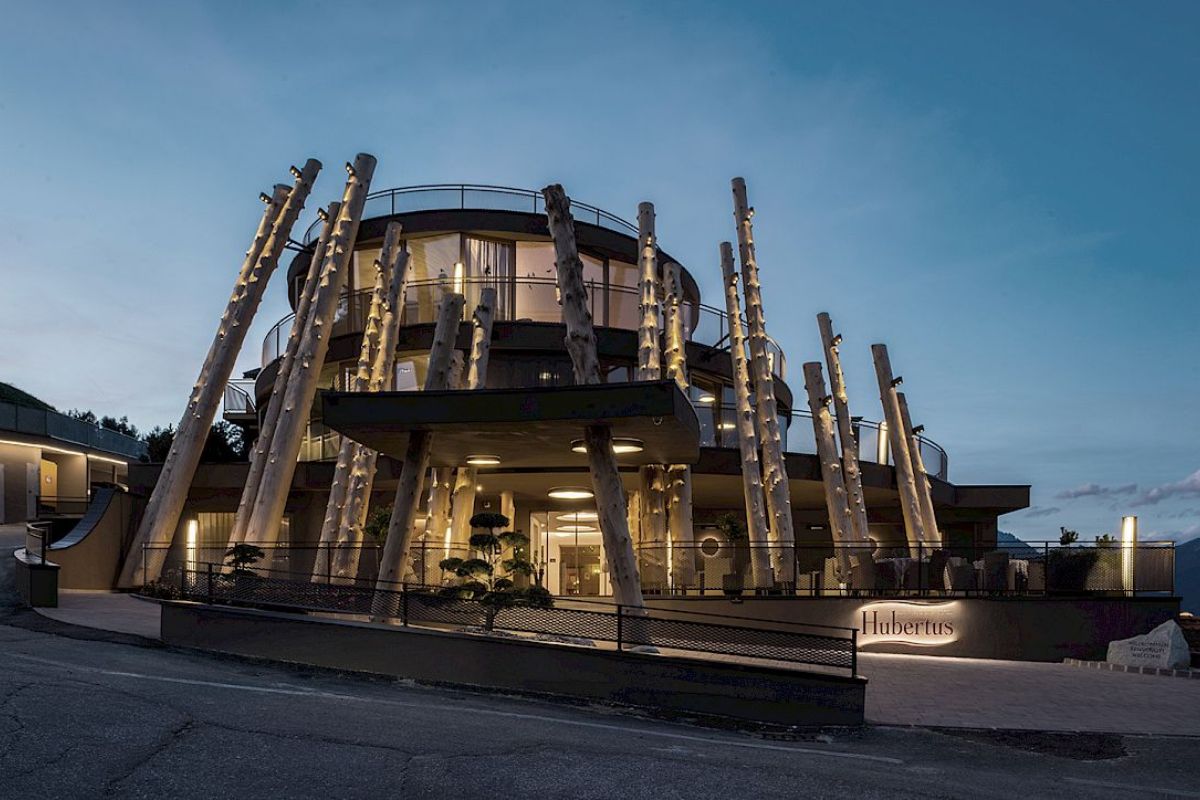
Famous for the suspended swimming pool, the project is equally relevant for the interiors: wood, tactile surfaces and continuity with the Alpine context. The intervention represents a model in contemporary Alpine hospitality, with a balance between architecture and interior design.
Residential projects MarcanteTesta (Turin, Milan, Paris)

The Turin duo works on a recognizable material and chromatic stratification. Their interiors are studied in relation to the historical context and represent a reference in contemporary European residential design, often used as academic case studies.
Kartell, Foscarini and Bisazza showroom Ferruccio Laviani

Laviani has redefined the language of Italian design showrooms using geometry, light and volumes as identifying elements. Its interiors are analyzed for the ability to transform commercial spaces into three-dimensional communication devices.