Swiss precision, Italian vision. The architect Gabriele Gascón , founder of the studio Gascón The Italian hotel & Clinic Signature , designs high-end hotels and private clinics as places where functionality meets emotion, the brand identity dialogues with sustainability and each space is designed to regenerate those who live there. In this interview, architect …
Swiss precision, Italian vision. The architect Gabriele Gascón , founder of the studio Gascón The Italian hotel & Clinic Signature , designs high-end hotels and private clinics as places where functionality meets emotion, the brand identity dialogues with sustainability and each space is designed to regenerate those who live there.
In this interview, architect Gascón talks about his design philosophy: a sartorial approach that blends aesthetics and cost control, attention to light, flows and environmental psychology. From the “review-proof” rooms to the Perfect Room project, from the evolution of post-pandemic hospitality to the challenge of technological integration in medical contexts, a clear and cultured vision of the future of design for hospitality and care emerges.
Interview with Gascón – The Italian hotel & Clinic Signature Archieinteriors.com
Gascón – The Italian hotel & Clinic Signature is an architecture studio with a well-defined identity, which combines Swiss rigor with Italian creativity. What were the main factors that led to the founding of the firm and how did the idea of ??focusing exclusively on hospitality and private clinics come about?
Firsthand, I can say that my training and my experience led me to this choice by uniting two souls: Swiss precision, with its methodological rigor, and Italian passion, rich in creativity and culture. I founded the studio with the belief that these two worlds could dialogue in harmony to create spaces capable of responding to the functional needs of the sector, but also of exciting those who live there.
I chose to focus on hospitality and high-end private clinics because I deeply believe in the regenerating power of these places. I like to think that a hotel, a medical spa or a clinic are spaces where people find time and energy for their soul. Here we stop, we detach ourselves from phones and computers, our heartbeats slow down and creativity emerges. My mission is to bring beauty to these contexts.
Your approach to design is strongly focused on functional needs, cost management and respect for brand identity. How do you manage to balance these aspects with the need to create spaces with a strong aesthetic and emotional impact?
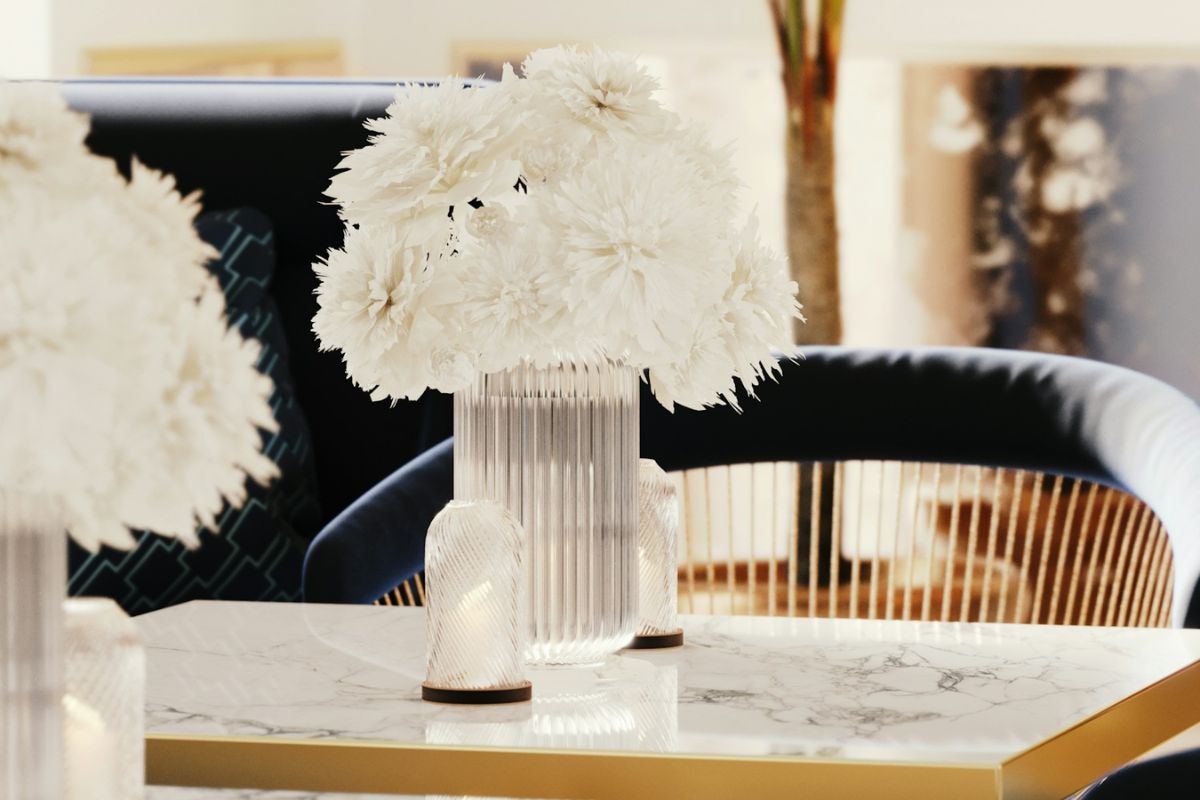
The functional needs are the spine, the aesthetics are the shell that I shape around it.
We believe that function and emotion are not opposing dimensions, but parts of the same process. In our design method, every aesthetic choice dialogues with the cost analysis and the brand identity. In our studio we love research and the possibility of being able to compare ourselves with ergonomics, neuroscience and environmental psychology studies and research: they help us understand how a material, a color or lighting can influence the experience of those who live in the space.
We work as a team, involving customers from the early stages: together we define functional objectives, budgets, targets and brand identity guidelines. From here, we leave room for creativity but always with an eye on economic sustainability. THE’balance arises from the desire not to sacrifice the emotional component, but rather to enhance it, integrating it with the most suitable technical solutions to guarantee comfort, practicality and return on investment.
Every hospitality project brings with it a unique challenge. What are the essential elements for designing a high-level hotel or clinic and which aspects are most considered in the initial phase?
First of all, let’s listen. It is essential to understand the context in which the hotel or clinic will be built, the specific needs of the target, the positioning of the brand and the desires of the client, the soul that the customer wants to give to future guests.
Early on, we focus on an analysis of flows and touch points how people will move through various environments and how each space can generate a positive and memorable experience.
In complex projects such as hotels and clinics, we cannot neglect the plant details, the acoustics and the flexibility of the layouts. But I believe that there is also an intangible element, a sort of “soul” of the place, what was once called Genius Loci, which we want to bring out through materials, lights, geometries and relationships with the local context. In the case of private clinics or medical spas, this “spirit” is expressed in an atmosphere that instils tranquility, high privacy and well-being, promoting true physical and interior regeneration.
You have collaborated with some of the most prestigious international hotels and clinics, from Palazzo Giovanelli in Venice to the Hotel Splendide Royal in Switzerland. What have been the most challenging projects of your career and what challenges have you faced in completing them?
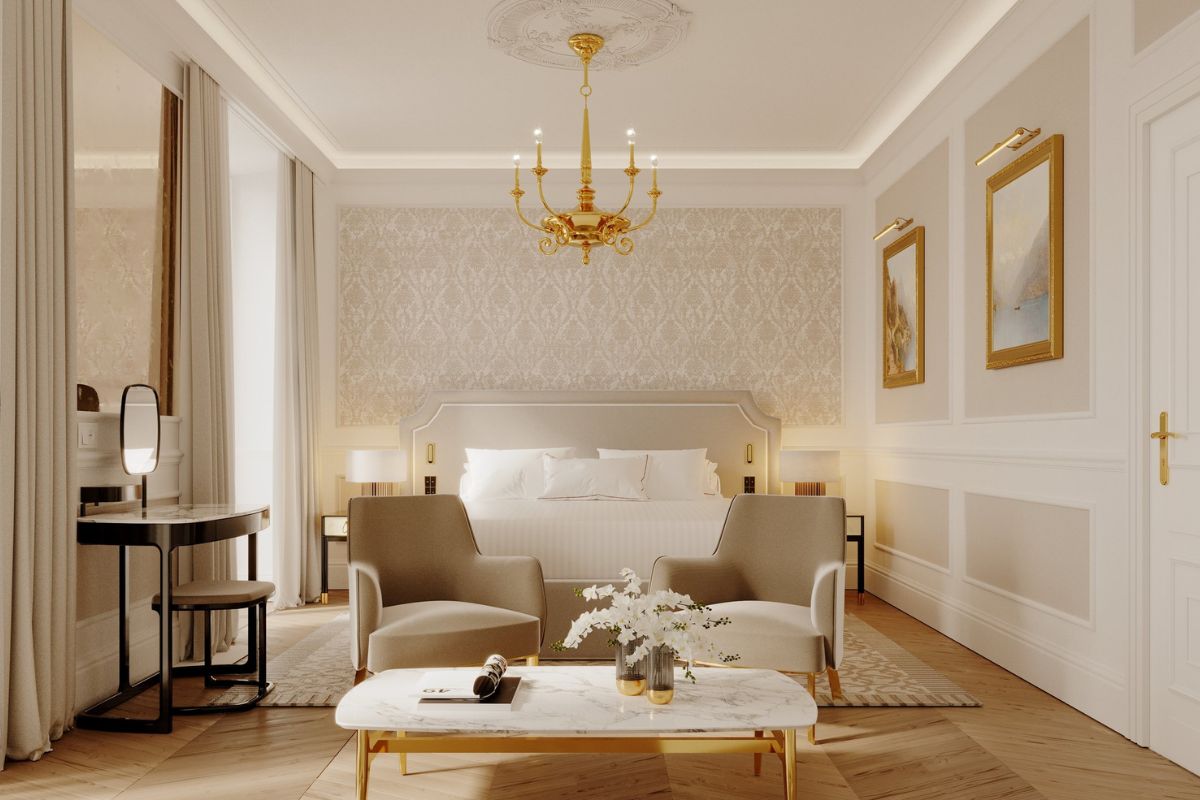
Each project has enriched us with new perspectives. The restoration of Palazzo Giovanelli in Venice is exciting: we had to balance the protection of a historical asset with the needs of a modern hotel that wanted to enter the world of 5 stars, in an urban context unique in the world, on the Grand Canal. The biggest challenge was to harmonize architectural constraints and advanced technical solutions, but the final result offers the magic of a timeless stay that will soon be revealed.
At the Hotel Splendide Royal in Lugano, however, we focused on the coordinated image and the restyling of the room spaces that want to leave the client’s imprint in a classic context with an eternal sense, without losing the classic elegance that distinguishes the structure. It was a “chiseling” project: small interventions in strategic points, great attention to the choice of materials and colors, to renew the overall perception of the hotel. It is in these contexts that “Swiss rigor” and “Italian creativity” meet and give life to customized solutions.
Hospitality design is changing rapidly, with a growing focus on personalizing the guest experience. How does Gascón interpret this evolution and what strategies do you adopt to create environments that meet the expectations of a constantly changing market?
I see this evolution as an extraordinary opportunity. Certainly every project, every period, every era certainly marks an evolution in the interpretation of society, of the context of anthropic culture. Today people want to feel special: they look for environments that make them feeland welcomed and partly even pampered properly. We respond to this challenge by designing with the involvement of brand positioning experts, professionals who deal with sector studies and marketing to integrate customization into the architecture itself.
I really believe in contamination and in gathering ideas from different disciplines, deepening corporate storytelling, mixing local culture with technical and design knowledge. This mix allows us to always keep design research and its evolution lively.
The pandemic has profoundly changed the hospitality sector, introducing new needs in terms of safety, flexibility and well-being. How has Gascón adapted its design approach to respond to these new challenges?
We gave priority to safety, redesigning the routes and providing solutions that limited physical contact and promoted sanitisation. But we didn’t stop there: the pandemic also showed us how important it is to offer spaces that can quickly transform, for example rooms that become meeting rooms in case of need or reconfigurable common areas.
We have further explored the topic of psychophysical well-being: a guest, today more than ever, wants to feel protected and at ease. I must say that working in the world of clinics we found ourselves at an advantage because managing the complexity in those places or creating more reserved spaces for prevention gave us basic tools to use in the world of hospitality. At the time I remember communicating rooms rearranged to include a living area with a table for eating so as to be able to have maximum safety in terms of health or small readaptations in rooms always to be able to create living and dining spaces so as not to go to the restaurant. The rooms have certainly undergone an evolution, a small corner with a sofa to enjoy a dish in total serenity or I remember the use of some robot helped transport suitcases or room service to the room. We introduced materials with continuous active ion sanitization technologies, studied lighting to create a relaxing atmosphere and integrated digital technologies that simplified the experience and interaction with the hotel staff without making it cold. It was a period of new balance between distancing and human warmth, between safety protocols and the desire for beauty. From there, the push towards hospitality took on a strong rebirth and a notable interest even among “non-experts”.
Perfect Room is one of your most innovative solutions, designed to create “review-proof” hotel rooms. How did this concept arise and what are the principles that guide the design of a perfect room from a design and functionality point of view?
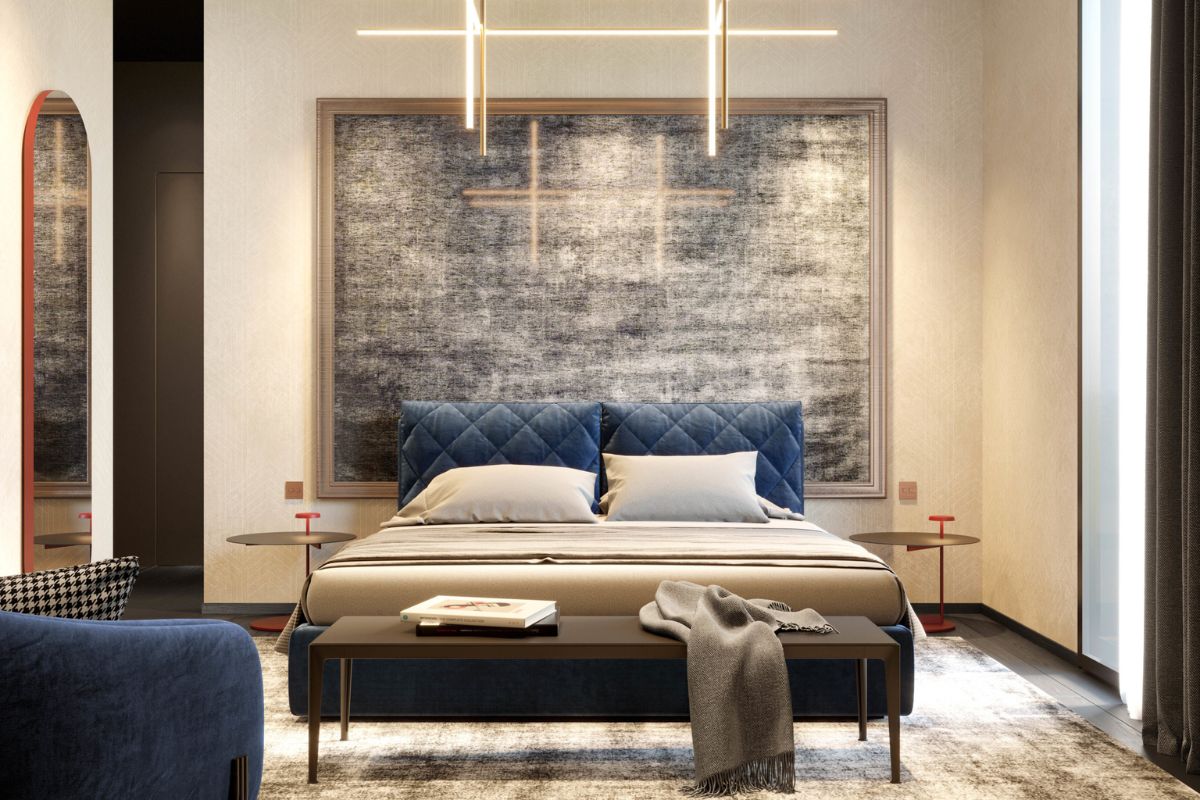
Perfect Room is the result of extensive research into travellers’ expectations and the most recurring critical issues of accommodation facilities. I wanted to cross-reference data from online reviews, field interviews and market analyses, to understand what the key satisfaction factors in a hotel room were.
The fundamental principles are: high aesthetics (in line with the hotel brand and with a market of increasingly demanding and international customers), comfort (well-thought-out and extroverted bathrooms, quality mattresses, sound insulation, adequate lighting),practicality (well-organised spaces, sufficient electrical sockets, intuitive lighting and temperature controls). The objective is to minimize the aspects that generate complaints and maximize the user experience, so that every guest feels listened to and happy with a stay that reflects the expectations offered.
Your firm works with precision and cost optimization methods, ensuring targeted investments and growth strategies for hotels. How important is cost control in the design process and how do you manage to combine quality and economic efficiency?
Cost control is crucial: a project can be beautiful, but if it is not economically sustainable, it risks never seeing the light or becoming a problem for the client. We implement in-depth analyzes of materials, construction site simulations and amortization plans, to guarantee strategic investments and measurable returns.
At the same time, we don’t want attention to costs to penalize quality. Our approach always aims to find alternative solutions to each critical point in order to reduce time and waste but always providing solutions that can bring the various actors that make up the operation of a hotel or clinic to agree… flexibility is a fundamental keyword. Today we cannot be rooted in incorrect beliefs but the hotel is a business that requires speed and timeliness of reasoning because every day has a significant economic value that cannot be wasted.
Light plays a fundamental role in the sensory experience of an environment. With the Impact Light project you have developed innovative solutions to enhance spaces through lighting. What are the key aspects in designing lighting for hotels and clinics?
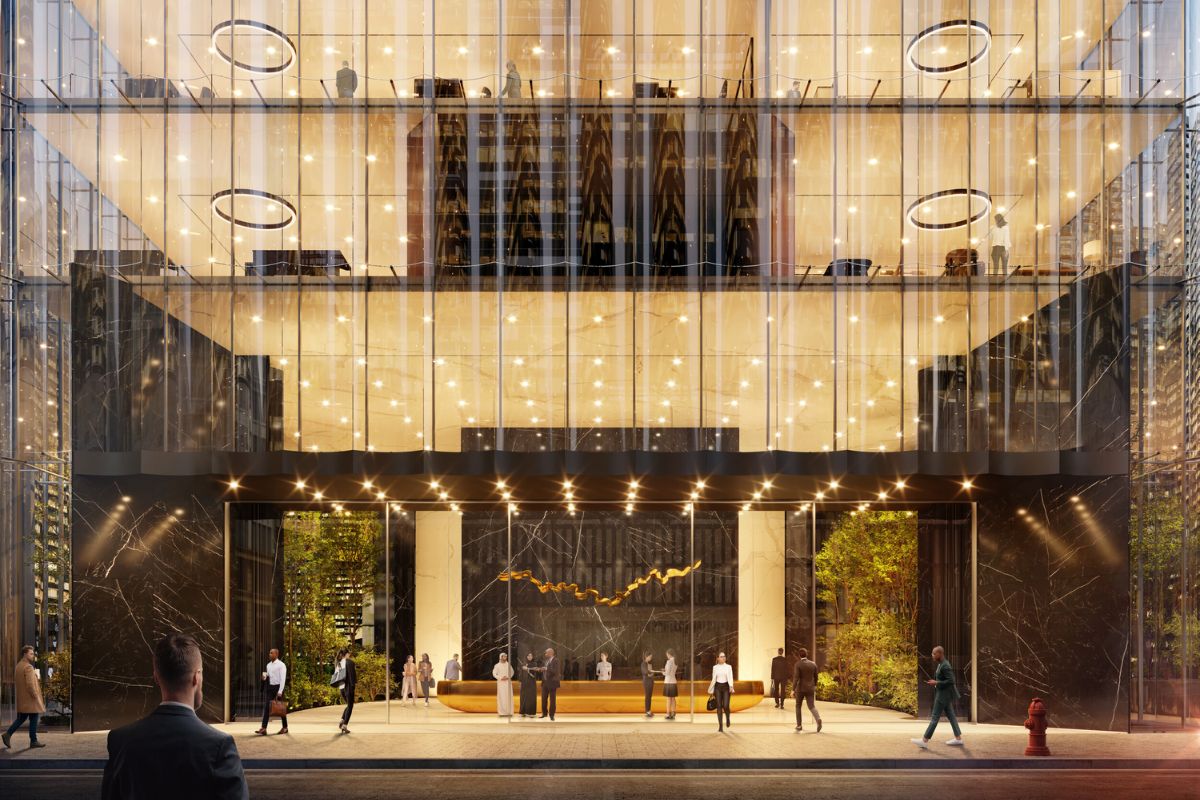
Every time the light is turned on inside a designed space, I feel an emotion, it’s like giving life to something still “silent”. Personally, I am fascinated by the transformative power of light. With Impact Light we aim to create lighting that is not just decorative, but an integral part of the architecture. We study the principles of circadian lighting to synchronize lighting with biological rhythms and promote a feeling of well-being. It all starts from an analysis with scientific tools and empirical tests that allow us to highlight the light and dark aspects of a space to make it more “dramatic”. The study of light is a laboratory that we build together to create scenarios that give different feelings and that adapt to the needs of those who use the spaces. Each space is mandatory “made to measure”. In similar rooms but with different fabrics, the source that illuminates cannot be the same because the reflection of the light on the color can give different shades and must be carefully controlled to enhance the truthfulness of the color itself without distorting it.
In hotels, the light must be able to change register: bolder and more welcoming in the common areas, softer and more relaxing in the rooms. In clinics or medical spas, however, a balance is sought between operational needs (visibility, safety, hygiene) and psychological comfort for patients, who often experience delicate moments. For us, lighting is a language: it speaks to our body and mind, facilitating concentration or inviting relaxation. The well-studied light is thatThe brushstroke that makes a space become vivid and can lead to action.
The concept of Hotellerie Box and The Hotel Machine aims to reposition hotels and improve the quality perceived by guests. How can these tools transform a structure and what results have you achieved in the projects where you have implemented them?
Hotellerie Box is the extract of our philosophy, how we work, how we act, how we propose. It’s a bit like a “suitcase” full of tested solutions: from room layouts to the resistance of materials, up to the design of intelligent furnishings. The Hotel Machine is a more global approach, which also affects the brand and operational marketing, to reposition the hotel on the market and which involves a team of high-profile specialists to give a 360° vision of the possible future of the hotel or clinic.
With these tools, we are able to optimize time and resources, offering a clear path to the customer. We have achieved tangible results in terms of increased occupancy rates, higher satisfaction scores on review platforms and less impact on management costs. In essence, we help structures to renew themselves, without wasting energy and capital, and to present themselves on the market with a more solid and recognizable identity.
In addition to interiors, Gascón also deals with the valorization of historic buildings, maintaining their charm and adapting them to contemporary needs. What is your philosophy when working on pre-existing structures and what are the main difficulties in combining history and modernity?
When I work on a historic building, I like to use the expression “tiptoe in” because I feel the responsibility of protecting a piece of collective memory. If this memory has instead been a little “damaged” or “hidden” by previous renovations, then I like to bring back to life that true flavor that the building conveys through its pre-existences. I repeat: it is not just a question of respecting regulatory constraints, but of tiptoeing into the story that those walls tell. Our philosophy is that of “empathetic restoration”: understanding the essence of the place, preserving it and integrating it with the technologies and comforts essential to contemporary hospitality. It allows guests to experience something “museum-like” but close at hand, to be able to sleep next to centuries of history.
The biggest challenge is to hide the system solutions, guarantee safety and accessibility without altering the original architectural value. Sometimes, even small changes to floors or walls require discussions with the superintendencies, laboratory tests and tailoring work to harmonize ancient and modern. But the satisfaction of seeing a place shine again repays all the effort.
Luxury hospitality requires extreme attention to detail and a strong visual identity. With the Graphotel project you work to build recognizable and captivating brands. How important is the visual identity for a hotel and how does it integrate with the architecture of the spaces?
I believe that visual identity is the “dress” with which a hotel presents itself to the world. If it is carefully designed, it becomes a powerful attraction for customers and an element of continuity between all aspects of the experience: from the internal signage to the color palette of the rooms, up to the design of the menus and uniforms of thepersonal.
With our Graphotel service, the visual identity is conceived in close collaboration with the architectural project: we ensure that every graphic element, every chromatic nuance, is consistent with the general atmosphere and with the values ??that the hotel wants to communicate. This coherence, in my opinion, is the key to bringing out the character of a structure and creating an emotional bond with guests and we perceive that some stylistic choices are appreciated because they often bring with them a memory, such as the card case or a well-made greeting card dedicated to them, of the cards where we tell the story of the painting they have in their room. Sometimes you don’t think about it, but carrying a “memory” of the hotel with you is like making that emotion continue once your stay is over.
Sustainability is becoming a pillar of contemporary architecture. How does Gascón address the issue of sustainability in hotel and clinical facilities and what innovative solutions are you implementing in this area?
For me, making sustainable architecture means having an ethical approach, in line with our mission to create beauty for the well-being of people and the environment. We try to intervene in a circular way, selecting recyclable materials, designing energy efficient systems and limiting waste and consumption. A very important topic is that of certifications. We have the possibility of being able to analyze the project before we begin to trace any design line in order to be able to reflect everything in order to obtain the necessary guidelines in order to achieve this goal, which is not a given because these issues are not always thought of from the first steps, which makes the path more tortuous when the work is in an advanced design or even in the construction phase.
We are experimenting with heat recovery ventilation systems, photovoltaic panels integrated into the roofs to integrate them well without making them too protagonists, but also traditional construction techniques reevaluated in a contemporary key. Furthermore, when possible, we introduce biophilic elements into interior spaces, such as green walls and hanging gardens, to bring man closer to nature even in urban contexts. We want every project to leave a positive trace, not only on the end user but on the entire ecosystem.
The interaction between technology and design is increasingly relevant in the hospitality sector, with smart solutions that improve the guest experience. What are the technologies that, in your opinion, will revolutionize the design of hotels and clinics in the coming years?
We live in an era in which the Internet of Things (IoT) is rapidly expanding. I believe that artificial intelligence systems for managing environments from smart thermostats to presence sensors will become increasingly common. In hotels, I see an increasing use of contactless check-in/out devices and virtual assistants making the guest’s life easier.
In clinics, telemedicine and remote monitoring platforms will be central to improving the quality of care and patient management. Personally, I am interested in the possibility of integrating these technologies in a discreet, almost “invisible” way, so that the design remains enveloping and the experience is fluid. I believe that the challenge of the future will be to harmoniously blend technology, aesthetics and well-being. The last point will be to bring all the know-how we have from the clinic world to hotels and vice versa. This will also allow hotels to be given “clinical” support tools in case of need. This frontier will be very fascinating to travel.
Looking to the future, what are the emerging trends in the hospitality and architecture sector for private clinics? How is Gascón preparing to face the challenges of tomorrow and what new projects do you have in the pipeline?
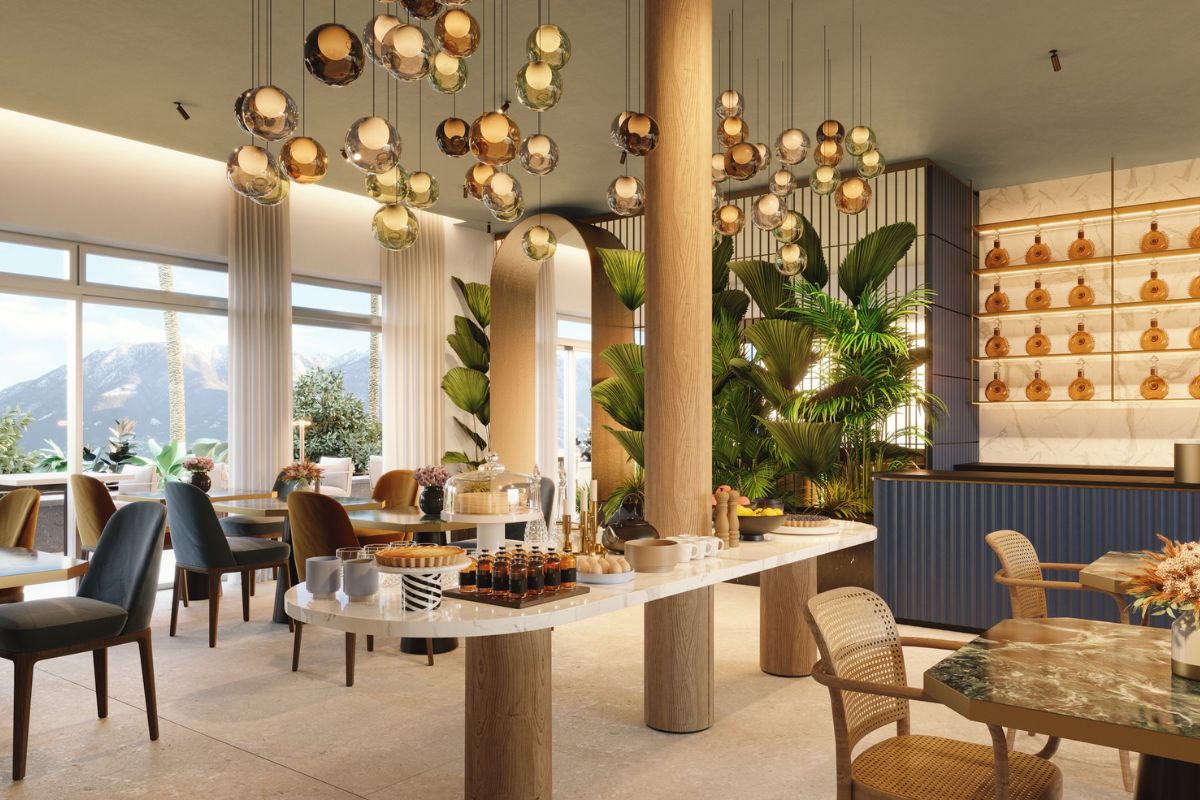
The future is oriented towards a concept of all-encompassing hospitality, which involves all the senses and takes care of the person at 360 degrees. Hotel clinics and medical spas will increasingly become places to stop, recharge body and mind, find energy and inspiration. The new Gen Z, who will have much more time to travel with new smart working technologies, will certainly need to be carefully observed because they will be the next guests to satisfy and a new transition in hospitality that will mark a new transition in the global economy. At Gascón Group, we are already preparing with projects that focus on multifunctional spaces, integration between greenery and architecture, and a holistic approach to well-being.
We have boutique hotels in the pipeline that are strongly linked to the territory, where guests can discover local traditions and targeted relaxation itineraries, but also private clinics that combine advanced medical technologies with environments with a warm and welcoming design. In these structures, you experience a sort of “break from the world”: the rhythms slow down, the mind is freed and you return to contact with your soul. This is where I find our bold mission: to bring beauty to spaces dedicated to rebirth, giving new perspectives and strength to those who pass through them.