Biophilic design is today a central theme for architects, urban planners and interior designers: it is not just a question of green aesthetics, but of a design approach based on scientific evidence that connects the presence of natural elements to health, performance and well-being outcomes. This article offers a critical and professional overview: definition, theoretical roots, main scientific studies with methods and results, practical examples and operational indications for those who must integrate biophilia into measurable and sustainable projects.
What is biophilic design
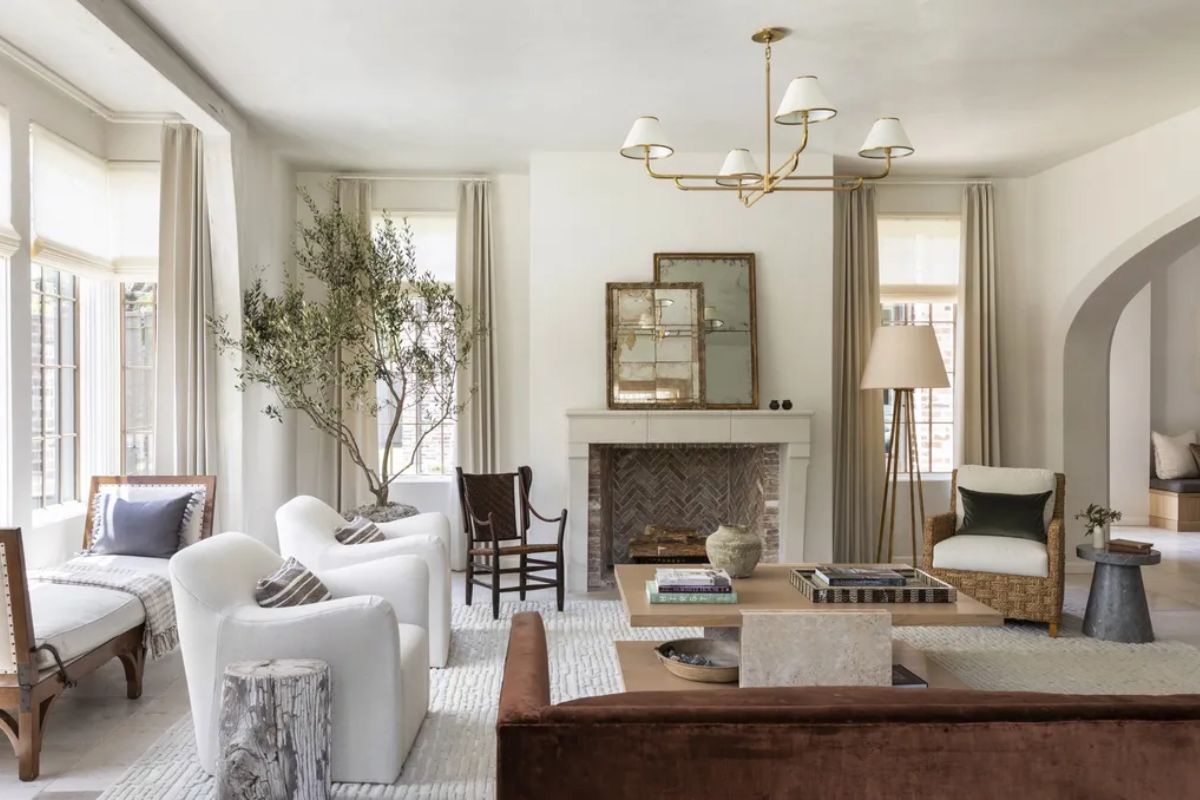
Biophilic design was born from the idea of biophilia, or the human predisposition to seek connections with nature . In design terms it means translating this predisposition into material, spatial and sensorial choices: integration of vegetation, maximization of the supply of natural light, views towards green elements or water, use of organic materials and natural patterns, and spatial flows that favor visual and physical contact with the outside. The result is not just decorative: the declared objective is to improve the health, comfort, productivity and resilience of the spaces.
Theoretical frameworks of biophilic design: Stress Reduction Theory and Attention Restoration Theory
- Stress Reduction Theory : interprets nature as a factor capable of reducing physiological and psychological responses to stress ; natural scenes promote relaxation, lowering the heart rate and decreasing physiological parameters linked to anxiety.
- Attention Restoration Theory : claims that exposure to natural elements allows the recovery of attentional resources exhausted by activities that require sustained cognitive effort; nature facilitates a form of “soft fascination” attention which regenerates the ability to concentrate .
Both frameworks guided controlled experiments, clinical studies and field research that form the scientific basis of biophilic design.

The fundamental evidence: Roger Ulrich’s study and his legacy
In the scientific panorama of biophilic design applied to health, the study that marked a turning point is that of Roger Ulrich . In experimental research conducted on hospital patients, Ulrich demonstrated that the visibility of natural elements (a window with a view of vegetation) was associated with better clinical outcomes compared to patients with a view of built surfaces; among the results reported: shorter hospital stays, less use of analgesics and better subjective assessments of recovery. This work gave rise to the evidence-based design approach in healthcare architecture and stimulated numerous subsequent studies that combine objective (vital, drug consumption, discharge times) and subjective (anxiety scales, satisfaction questionnaires) measures.
For designers, the operational lesson is clear: even simple visual connections with nature can have clinically relevant effects, as long as they are integrated into a coherent design of care spaces.
The systematic reviews and meta-analyses available today show consistent results on some fronts and gaps on others. Consolidated benefits: reduction of acute stress indicators; better perceived comfort; measurable gains in satisfaction and some cognitive performance indicators over short periods. Open questions: long-term effects on chronic diseases, generalized approach on large populations and methodological standardization between studies (differences in experimental designs, measures and contexts). To consolidate the practice it is necessary to develop longitudinal studies and shared measurement protocols.
Data and methods used in scientific studies on biophilic design
Research on biophilic design is based on multidisciplinary protocols capable of measuring the effects of the presence of nature in built environments in an objective and comparable way. The most rigorous studies combine physiological, behavioral, clinical and perceptual indicators, building a complete picture of the impact on human well-being.
Physiological measures.
They constitute the most solid nucleus of evidence. Parameters such as blood pressure, heart rate and heart rate variability (HRV) are monitored, along with salivary cortisol levels, considered one of the most reliable markers of stress response. These values ??are recorded in baseline conditions and after exposure to natural elements, or compared with control groups.
Behavioral and performance measures.
Much research focuses on the effects of biophilic design on attentional functions, consistently with Attention Restoration Theory. Standardized tests on reaction times, working memory and sustained concentration are used, as well as contextualized productivity indicators (tasks completed, errors, execution times). The objective is to verify whether the presence of nature facilitates cognitive recovery in the short term.
Clinical measures.
In the healthcare sector, biophilic interventions are evaluated through tangible metrics such as length of stay, consumption of analgesics or anxiolytics, and incidence of post-operative complications. These are particularly relevant data because they show measurable effects even in the presence of minimal interventions, such as a view of a therapeutic garden or a greater supply of natural light.
Subjective measures.
Alongside objective indicators, studies include qualitative assessments such as anxiety scales, questionnaires on perceived well-being and environmental comfort ratings. These tools allow us to understand how users interpret the environment and integrate emotional and experiential dimensions that are difficult to detect with biometric measurements alone.
The most robust approach is not limited to a single category of data: it combines objective and subjective measurements, adopts a pre/post intervention design and, when possible, includes control groups to distinguish the real effects of biophilia from those linked to expectations, light conditions or confounding variables. This methodological integration is today considered essential to transform biophilia into a reliable, replicable and measurable design practice.
Practical applications of biophilic design: hospitals, offices, schools and cities
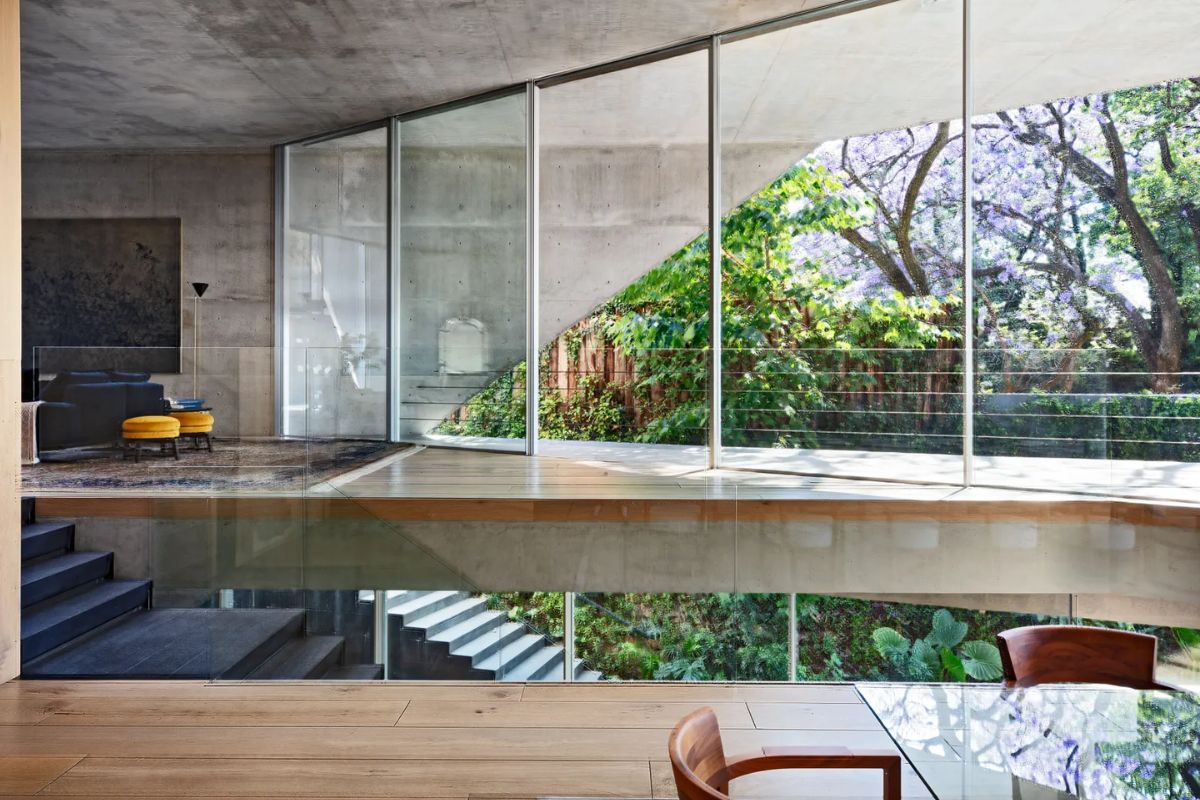
The application of biophilic design varies depending on the contexts, but in every area the logic is the same: translating the relationship with nature into measurable benefits for users, organizations and communities. It is not about “aesthetic greenery”, but about design interventions that modify perceptions, behaviors and, in some cases, clinical outcomes.
Hospitals.
Healthcare facilities represent the most studied field of application. Therapeutic gardens, rooms overlooking green areas, interior pathways that promote natural light, and warm, non-hostile materials have been associated with reduced stress responses, shorter recovery times, and greater satisfaction for both patients and caregivers. The lesson that emerged from clinical studies is clear: even simple but continuous visual connections can produce significant effects on perceived well-being and clinical parameters.
Offices.
In work environments, biophilia is used to support focus, productivity, and psychological well-being. Plants integrated into the layout, daylighting strategies, natural materials and immersive break spaces are not considered “pluses”, but tools to counteract cognitive fatigue, absenteeism and work-related stress. The combination of natural light, open views and plant elements is the one that produces the most consistent effects on attention tests and the quality of the work experience.
Schools.
In the educational context, the inclusion of green courtyards, classrooms with views of nature, tactile surfaces and organic materials has been shown to impact students’ ability to concentrate, reduce oppositional behaviors and increase overall school well-being. Biophilic classrooms are designed as environments that facilitate “soft fascination”, encouraging the recovery of attentional resources during more demanding activities.
Urban spaces.
On an urban scale, green roofs, ecological corridors, micro-forests, vegetal facades and permeable surfaces are tools that act on two levels: environmental mitigation (heat islands, air quality, water management) and perception of the quality of public space. Cities that integrate continuous green systems show an increase in perceived comfort, greater use of outdoor spaces and an improvement in general liveability, especially in high-density neighborhoods.
In all contexts, biophilia works when it is designed as an integral part of the architecture and not as a decorative overlay. The difference lies in the ability to measure the effects, maintain them over time and integrate them into public and private decision-making processes.
Italian cases and protagonists: research, practices and diffusion
In Italy, biophilic design is going through a phase of consolidation, no longer just as a trendy theme but as an approach that intertwines applied research, design experimentation and political-administrative initiatives. Unlike other international contexts, Italian diffusion proceeds mainly through pilot projects , local protocols and the joint work of academics, design studiosand administrations sensitive to urban regeneration.
On the one hand, some research groups are working on adapting the main international frameworks to Italian climatic and regulatory parameters, developing evaluation tools that allow measuring the socio-health impacts of biophilic interventions on public and private buildings. These tools still evolving aim to fill one of the main gaps in the sector: the lack of shared metrics that allow a transparent comparison between different projects.
At the same time, several architecture and design studios are exploring concrete applications within schools, offices and healthcare spaces, often in collaboration with local authorities. Here the objective is twofold: on the one hand to experiment with replicable solutions (for example daylighting strategies, educational gardens, green facades or sensorial micro-interventions ), on the other to document the effects through pre/post monitoring, essential to obtain recognition, incentives or to access urban regeneration programmes.
Alongside professional practice, a community of experts is also growing – academics, environmental consultants, health professionals and urban planners – who are building a shared language and encouraging the dissemination of operational guidelines. The training activities, from workshops to technical refresher courses, are helping to move biophilia from the role of “design inspiration” to that of technical tool with verifiable indicators , capable of communicating with specifications, public tenders and strategic ecological transition plans. The result is a still heterogeneous but rapidly consolidating ecosystem, in which biophilia becomes not only an aesthetic driver, but a recognizable component of the contemporary Italian project, with a growing potential in urban, educational and healthcare regeneration processes.
How to integrate biophilia into a measurable project: a practical guide for professionals
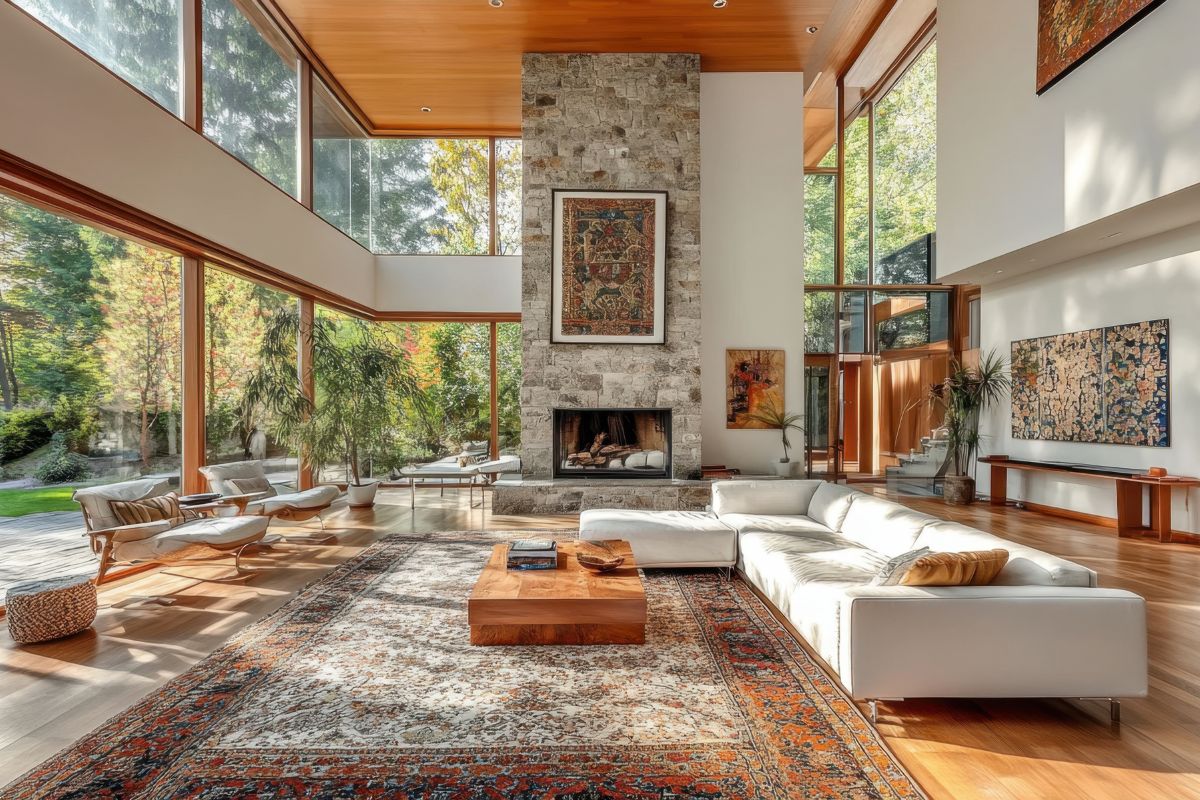
1. Set clear objectives and measurable indicators
Examples: average reduction in salivary cortisol by X%; decrease in the average length of stay by Y%; increase in productivity by Z% (define reference metrics).
2. Choose evidence-based patterns and solutions
Priority: view of greenery, daylighting, integrated vegetation and natural materials with sensorial characterization.
3. Plan monitoring before/after the intervention
Combine physiological measures, operational indicators (absenteeism, use of medications), cognitive tests and satisfaction surveys.
4. Integrate maintenance and economic sustainability
Calculate lifecycle costs for integrated greenery; plan maintenance and involve managers and users.
5. Document and share results
Publish technical reports and case studies to encourage replicability and access to sustainability incentives or credits.
Critical issues and ethical issues
- Placebo effect and confounding variables: part of the improvements may depend on the positive expectation of users; this is why methodological control is crucial.
- Maintenance and sustainability: poorly designed or not maintained interventions can turn into costs and problems (infestations, allergies, water inefficiencies).
- Equity and access: biophilia must not become an exclusive luxury; it must also be integrated into housing policies and public spaces to maximize its social impact.
Biophilic design is more than a visual trend: it is an interdisciplinary field that combines environmental psychology, neuroscience, medicine and architectural design . The evidence, starting from the historic work that has highlighted measurable effects of the view of nature on clinical outcomes, indicates that well-conceived and monitored strategies can produce concrete benefits. To transform these principles into routine practice, shared measurement protocols, training for professionals and policy tools that encourage their widespread and sustainable adoption are needed.
Why we talk about biophilic design today

Biophilic design has become central because it combines well-being , sustainability and performance of environments . Research shows that nature, light, organic materials and visual connections with greenery impact stress, attention, comfort and quality of life. At the same time, cities and architecture are pushed to integrate nature-based solutions to respond to climate, public health and urban regeneration.
This is why biophilic design is today considered a pillar of contemporary design , not an aesthetic trend: it is a scientifically measurable approach that puts the man-nature relationship at the center of hospitals, offices, schools and urban spaces.
Key questions about biophilic design
What exactly is biophilic design?
It is a design approach that integrates nature, light, organic materials and visual connections with green elements to improve well-being, attention and comfort in built spaces.
Why is biophilic design so discussed today?
Because it combines neuroscience, sustainability and Nature-Based Solutions: it responds to the challenges of mental well-being, productivity and urban resilience.
What benefits are supported by scientific evidence?
Reduction of stress, improvement of attention, increase in perceived comfort and, in the healthcare sector, shorter recovery times and less use of analgesics.
Where is biophilic design most applied?
In hospitals, offices, schools and urban spaces, where the presence of nature affects behaviour, health and quality of experience.
Is biophilic design measurable?
Yes: pre/post intervention studies and protocols combine physiological (HRV, cortisol), cognitive, clinical and subjective measures, making biophilia a verifiable element of the project.
Is it an aesthetic trend or a technical approach?
It is a technical approach based on scientific data and operational tools. The aesthetic component is secondary: what matters is the measurable effect on humans.