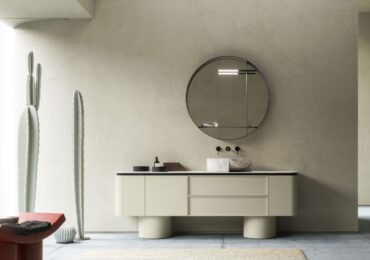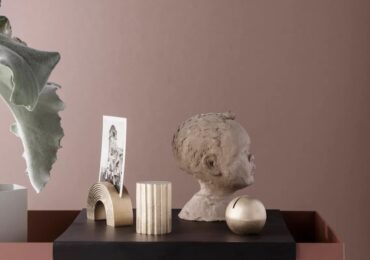
With over 118K followers on Instagram (@camilla.bellini) , Camilla Bellini is today one of the most followed and recognized voices in the world of design. Designer and content creator, through her projects and digital channels she helps people live and choose with elegance, transforming design into a real experience of everyday culture.
For her, in fact, design is not just aesthetics: it is culture, identity and harmony . In this interview she tells us about her journey: from the meeting with the Arco lamp by the Castiglioni brothers the spark that ignited her passion up to the international projects and the constant dialogue with a global community that follows her with enthusiasm.
Design is culture, history, identity and daily life. I would like everyone to be aware of this: having a well-kept and welcoming space means surrounding yourself with well-being. And well-being is not a privilege for the few, but a right for everyone.
Camilla Bellini and design as a language of life
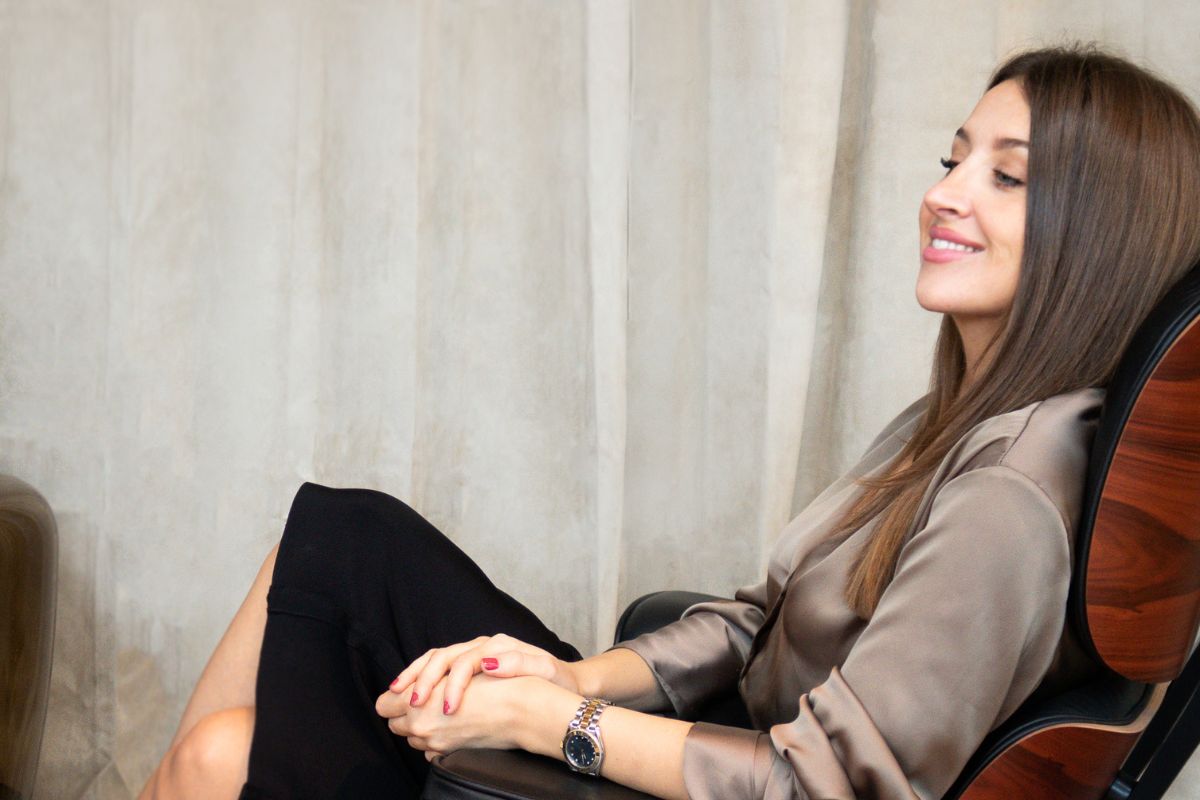
Camilla, let’s start from the beginning: when did you understand that design would be your language and how did you come to make it your profession?
Design has probably always been part of my life, even before I realized it. Since I was a child, beauty, proportions and symmetry fascinated me. Then, in high school, the encounter with the Arco lamp by the Castiglioni brothers was a revelation: an almost magical moment. From there I undertook a course of study that allowed me to transform that passion into a profession. Training, experiences and the courage to build my own project did the rest.
In your projects the key word seems to be “elegance”. How do you translate it into color choices, materials and atmospheres, and how do you manage to maintain coherence between spaces, furnishings and details?
I believe that elegance is harmony and never ostentation. In my projects I translate it with balanced color palettes, authentic materials, a wise use of light and atmospheres capable of welcoming . Coherence arises from respect for the project as a whole: every detail, from furnishings to lighting, dialogues with the other elements as in an orchestra. Even the contrasts, always present, are never an end in themselves, but serve to enrich the symphony, giving even more character to the environments.
Your mission is to spread the culture of design by simplifying it and bringing it closer to people. How does digital allow you to transform a complex concept into something accessible without trivializing it?
Digital is an extraordinary medium because it allows me to come into contact with many people. On my channels I talk about design and home care (and beyond) through immediate visual and narrative languages, capable of reaching everyone. I try to give advice, share experiences and points of view with the aim of always maintaining a high professional level, but at the same time making the subject absolutely accessible.
How important is dialogue with those who entrust you with a project to you? How do you manage to transform needs and desires into design solutions that respect the personality of those whoWill he use those spaces?
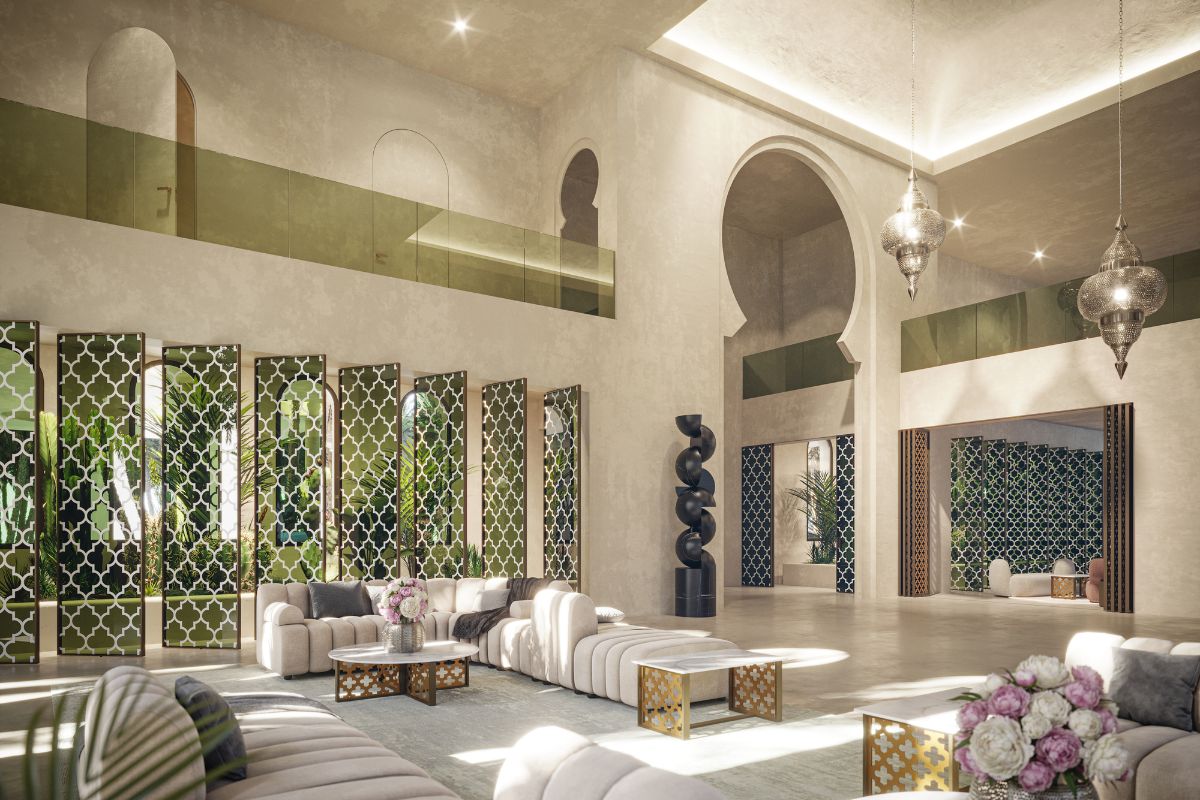
Dialogue with those who entrust me with a project is fundamental . An interior is never born just from me, but from the meeting with those who will experience that space in their daily lives. This is why I listen, ask and observe. I’m interested in understanding not only what people like, but also what the lifestyle is, what the habits and passions of those who will inhabit that space are. From there a tailoring work takes shape, which always leads to unique and never standardized solutions.
You collaborate with brands and furniture companies: how do you choose them? How much do ethics, quality and consistency with your style weigh when you decide to associate yourself with a brand?
Consistency is an essential aspect for me. In a collaboration I look first and foremost for quality and shared values ?? . It is essential to be aligned in the conception of design, work and product. Ethics have a decisive weight: I could never associate my name with companies that do not have the same attention as me for quality and authenticity.
Many brands struggle to communicate in the right way on social media: what mistakes do you see most often and what would you recommend to design companies that really want to communicate with people?
The most common mistake is to think that it is enough to “show” a product because people , in reality, are looking for stories, emotions and inspirations . If I may, I advise brands to change their perspective: not just tell what they sell, but what they bring to life. Less self-referentiality and more empathy.
Today design also lives through social media. What is your strategy for describing projects, ideas and inspirations in a feed that is coherent, aesthetic but also authentic?
To be honest, I don’t have a defined strategy. On social media I simply choose to be true to myself, sharing experiences, points of view and curiosities. The visual and narrative coherence is there, but it arises spontaneously from my personal style and taste. I share what I love, what I do and what I think and this is what generates authenticity.
What is the word that best describes your way of designing and communicating today?
Refinement . As a search for balance, essentiality, elegance and attention to detail.

Your reels are very popular and often viral. Can you tell us how they are born: from intuition to the choice of music, from direction to publication?
My contents arise naturally, from what I have to say and from the desire to share experiences and points of view with those who follow me. Then I look for the most coherent and suitable way to tell them. Directing is simple, because I do everything myself: I stand in front of the phone and start recording. A little editing, just to make the content flow more smoothly, some background music when needed and I’m ready to publish.
You have created columns that your audience recognizes and expects. What is the strength of a recurring format and how do you keep it fresh and interesting over time?
The strength lies in recognition because people know what to expect, but each time they find a different declination or nuance. I myself enjoy changing perspectives, tone and examples, so as to keep curiosity alive.
In your content you don’t just show spaces, but stories: every house becomes the story of those who live there. How important is the narrative component in design to you and how much does it impact the creative process?
It matters a lot. Without narration, a space like any other project remains just a sum of objects. An authentic story, however, makes an environment unique, enriches it with emotions and meanings. The narrative component is therefore always at the center of my creative and design choices.
You wrote a book on influencer marketing: what points of contact do you see between the communication of a brand and that of a designer who today must also be a “content creator”?
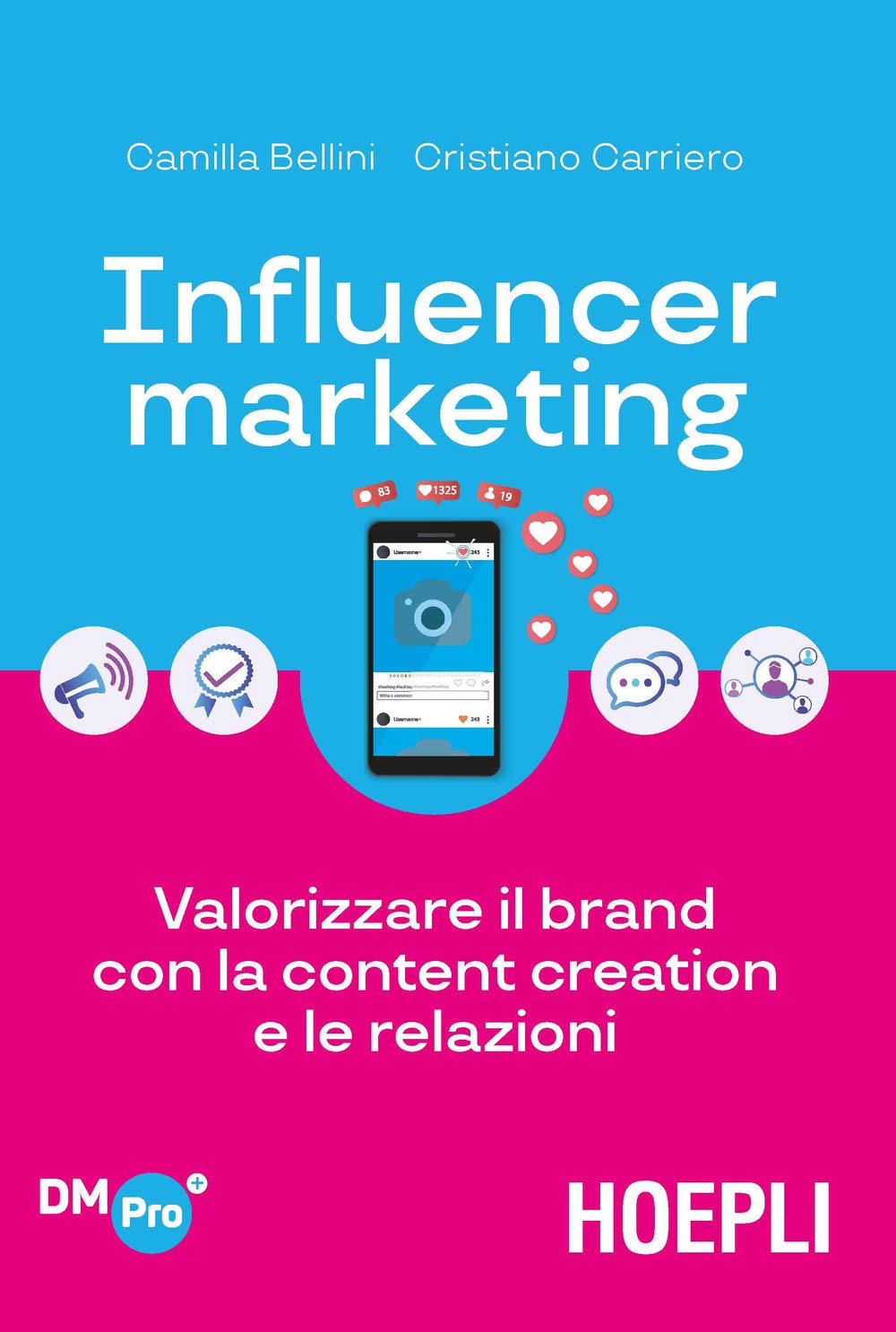
I think that today it is fundamental, especially for those who do creative work, to take care of their presence on social platforms: it is used to tell one’s story, make oneself known and share one’s point of view. The point of contact in communication between a professional and a brand lies in the need to build a relationship with people. Whether you are a company or a designer, you must know how to listen, create value and dialogue. Being a content creator means translating your world into a shared, accessible and even recognizable language.
Your audience sees the end result, but what happens behind the scenes of a project or reel? How much work is there in terms of research, styling, editing and coordination?
I know that most of the time this isn’t the case, but in my case the contents intended for social media arise in a very spontaneous way: there is no great planning or direction behind what you see on my channels. As I said before, I do everything myself. Mine is a direct relationship with the people who follow me which is enriched every day. There are two longest phases: putting in order the many ideas I have to share and always responding to all the messages and comments I receive.
However, the behind the scenes of the projects I develop offline are different, where the work is decidedly more detailed and complex.
Your projects often have a sophisticated touch, but never ostentatious. How do you communicate luxury in an elegant and contemporary way, without losing authenticity?
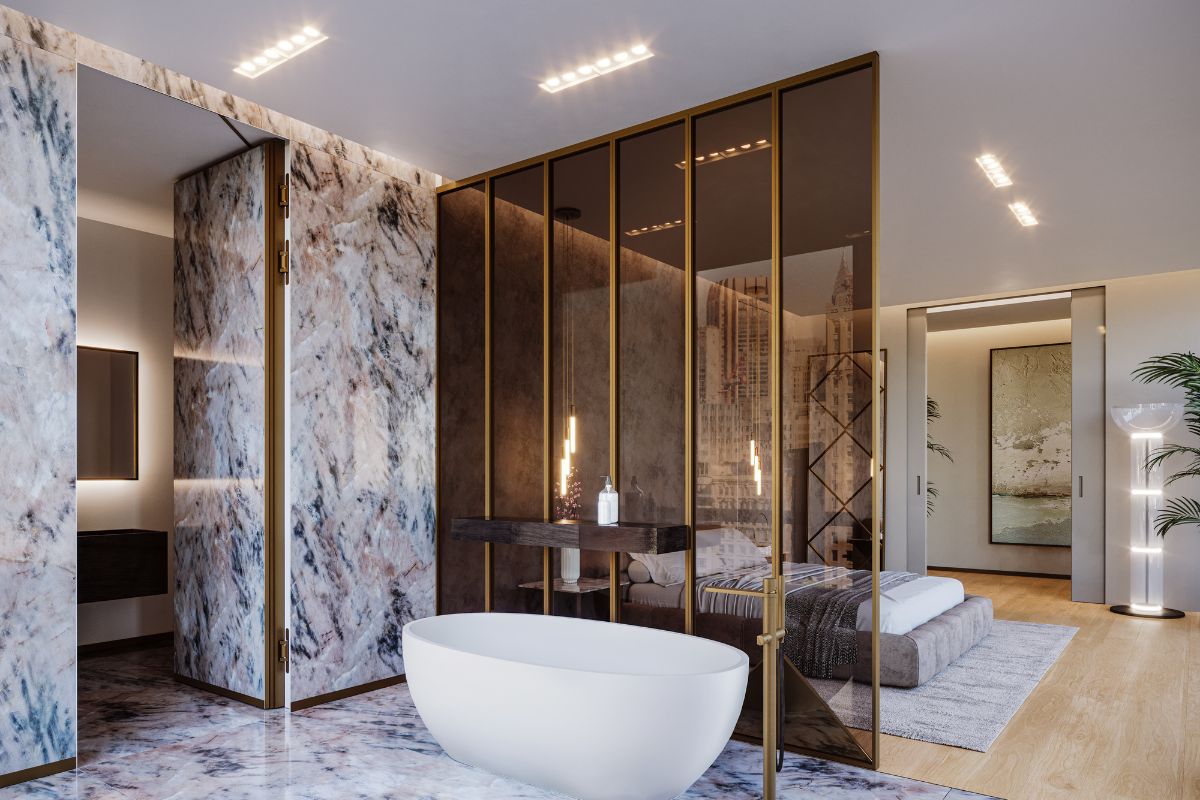
Luxury, for me, is synonymous with quality and well-being. From my point of view, in a project this is communicated through authentic materials, timeless lines, attention to detail and products designed to last. I don’t like the “fast” culture, I prefer everything that is designed to last over time.
Projects in New York, Doha, Milan: what do you bring with you from each international experience and how do you translate it into digital content for your global audience?
Every project, every experience and every city leaves a mark that enriches my personal baggage. All this is reflected in my contents: sometimes through the direct narration of an experience, other times as a synthesis of the many things experienced and learned along the way.
Your followers interact a lot: how do you use community feedback to guide future content or even design choices?
Feedback is very precious, I always listen to it and often draw inspiration from it. On social media, many ideas for new content come from comments or fromquestions, which I often also answer with a video, so as to create an even more direct dialogue with people.
Even in the design field, feedback is fundamental because it helps me create solutions that are truly close to people, suited to their needs and to make each project the best possible.
How difficult is it to maintain quality and consistency in a social world that rewards speed and ephemeral trends?
I believe that quality always rewards, even if it often requires more time. Personally, I have always preferred to build a solid and lasting path, rather than chasing passing fads. Having said that, I don’t rule out “bend” some trends to my personal narrative of design, making them consistent with my language.
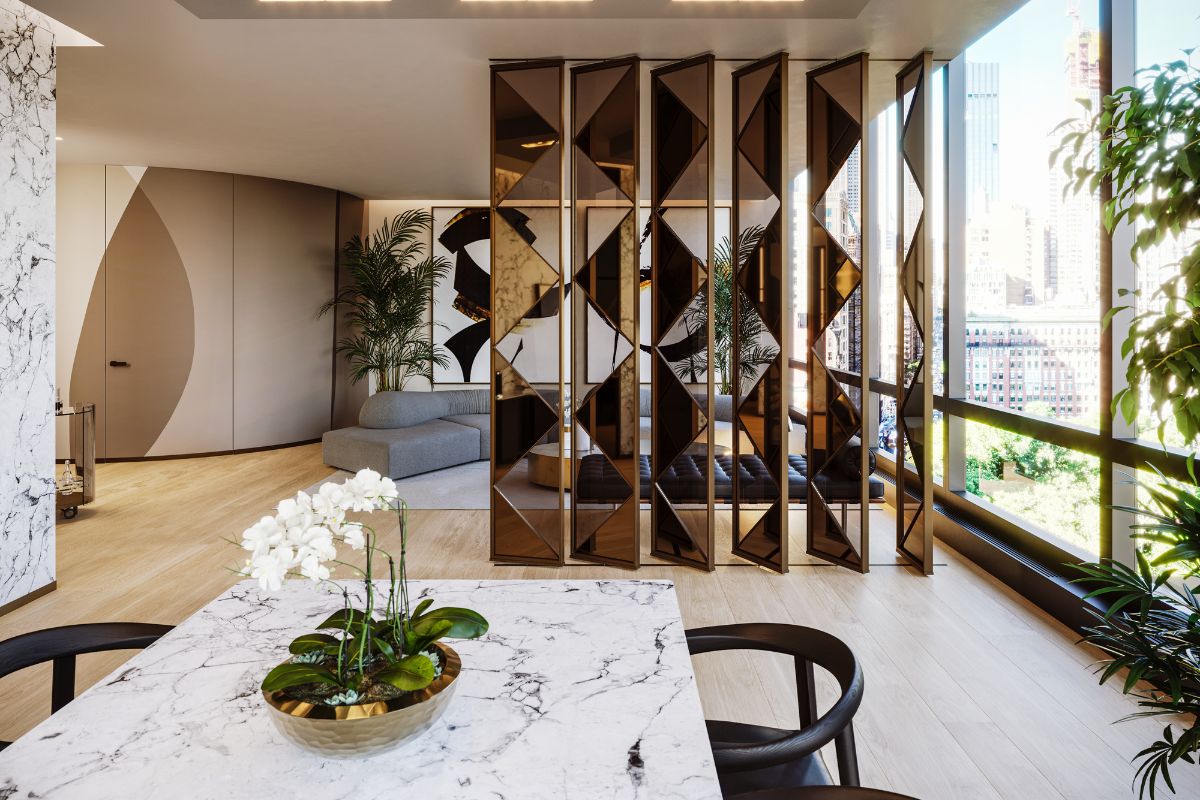
For you, is the house just a space or also a mirror of the identity of those who live there? How do you invite people to design more consciously?
The house is undoubtedly the mirror of the identity of those who live there . For better or for worse it is never just a space: it always tells who we are. In my small way, I invite people to think about their home with awareness, remembering that every choice – a colour, a shape, a material – is a message that represents us. The spaces in which we spend our daily lives, and therefore our lives, should be tidy, well-kept and welcoming because this profoundly affects our well-being and that of those around us.
TikTok, podcasts, mini-docu series: which new formats intrigue you for the future?
I always find it interesting to explore new formats and understand which ones will succeed the most. Podcasts offer an intimate and profound story, mini-docu series are the ideal opportunity to give space to stories that deserve to be explored further, TikTok, now widespread, is instead a channel that allows you to reach large audiences.
What is the message you want to leave to those who follow you and to those who believe in the culture of design?
Design is culture, history, identity, daily life, as well as beauty . I would like people to be aware of this: having a well-kept, welcoming space capable of reflecting tastes, life and habits means surrounding yourself with well-being. And well-being is not a privilege for the few, but a right for everyone.
The images accompanying the article are kindly provided by Camilla Bellini Design Studio .
All rights reserved.