In the 1960s, Milan established itself as one of the European capitals of architecture and design. In a decade marked by the economic boom, post-war reconstruction and the explosion of the cultural industry, the Lombard city became a laboratory of urban and architectural experimentation. It is in this context that some of the most important Italian architects emerge, protagonists of the so-called modernist Milan , still a source of inspiration for architects, designers and urban planners today.
In this article we discover who the famous architects of Milan in the 1960s are, the symbolic projects and the cultural context in which they worked.
Milan and the architecture of the 60s
The building boom and urban expansion
Between the end of the 1950s and the beginning of the 1970s, Milan experienced strong demographic and economic growth. The demand for new homes, offices and infrastructures gives impetus to a massive building production , which finds space above all in peripheral areas and in new residential neighborhoods.
The transformation of the city
Milan is transformed: alongside the reconstruction of the historic center, new satellite neighborhoods are born (such as the Gallaratese and QT8), symbolic skyscrapers such as the Pirellone and the Torre Galfa are built, and the schools of architectural thought that will mark the modern face of the city are consolidated.
The main famous architects of Milan in the 1960s
Gio Ponti: the master of Milanese elegance

Gio Ponti (1891-1979) is one of the most representative names of Italian architecture of the twentieth century. In the 1960s he was already an established architect, but he continued to design works that would become a symbol of modern Milan.
Significant works
-
Pirelli Skyscraper (1956-1960, with Pier Luigi Nervi and Antonio Fornaroli) Considered one of the greatest masterpieces of modern Italian architecture.
-
Church of San Francesco al Fopponino (1964) An example of spiritual modernism with abstract and pure forms.
Ignazio Gardella: the balance between rationalism and poetics

Gardella (1905-1999), active between Milan and Genoa, is one of the exponents of Lombard rationalism . In the 1960s he created projects of great formal refinement, always in dialogue with the urban and cultural context.
Significant works
-
Casa alle Zattere (1962) Although in Venice, this work summarizes the mature approach of the Sixties.
-
Alfa Romeo offices in Milan An industrial architecture designed with aesthetic and functional care.
BBPR: architecture and memory

The BBPR group (Belgiojoso, Banfi, Peressutti, Rogers) is known for its ability to combine historical memory and modernity . In the 1960s, with the death of Banfi (1945), the group continued to produce emblematic architecture for the city.
Significant works
-
Velasca Tower (1958, precursor of the 60s season) One of the most iconic towers in Milan, a manifesto of neo-medievalist architecture.
-
Deportation Monument Museum at Trotter Park Symbol of the group’s civil and architectural commitment.
Luigi Caccia Dominioni: the art of living

A cultured and refined architect, Caccia Dominioni embodies the figure of the intellectual Milanese designer. In the 1960s, he created residential and religious buildings that combine innovation and respect for tradition.
Significant works
-
Palazzo in Corso Monforte 23 (1964) A residential masterpiece in the heart of the city.
-
Church of San Giovanni in Laterano (1965) Interprets the sacred in a modern key.
Other important names of Milanese architecture of the 60s
Vittoriano Viganò
A pupil of Le Corbusier, Viganò was among the most experimental Milanese architects. In the 1960s he worked on school and social buildings with a language strongly influenced by brutalism.
Key projects:
-
Scuola di via Linneo (1965) An educational and poetic work, today a point of reference for many architects.
Gino Valle
Although mainly active in Udine, Valle worked on significant projects in Milan, including offices and infrastructure, integrating modernism and architectural regionalism.
Milan in the 60s: an urban map of modern architecture

Symbolic neighborhoods of the era
-
QT8 Experimental neighborhood created after the war and completed in the 1960s.
-
Gallaratese Residential area that anticipates the major urban interventions of the 1970s.
-
Business Center With the Galfa Tower and the Pirelli Skyscraper, it is the vertical heart of the new Milan.
Architecture and design: an inseparable bond
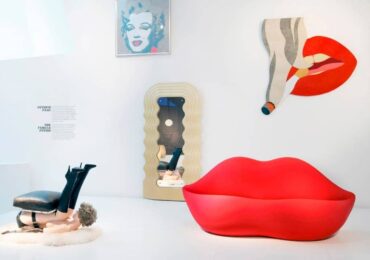
In the 1960s, architecture and design contaminated each other: the great Milanese architects collaborated with industries, designing furniture, lamps and furnishing accessories. Milanese modernism becomes a recognizable style even outside Italy.
Famous architects of Milan in the 60s
The 1960s represent a crucial decade for architecture in Milan , in which the city becomes a crossroads of ideas, styles and languages. The famous Milanese architects of this period were able to combine memory and innovation, aesthetics and functionality, contributing to the creation of an architectural imagination that still influences generations of designers today. Understanding this period means understanding the cultural matrix of a city that has never stopped reinventing itself.
Architectural firms in Italy: the most famous
Leave a comment