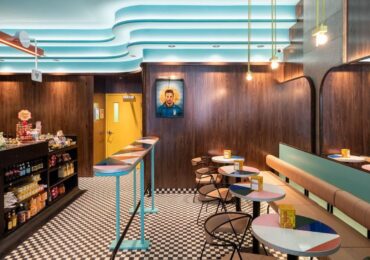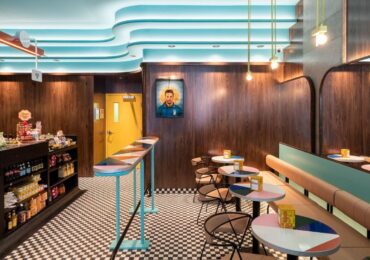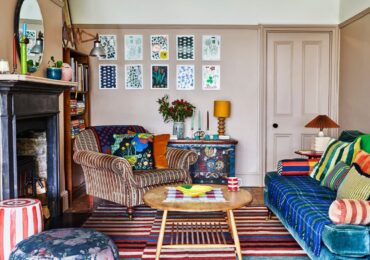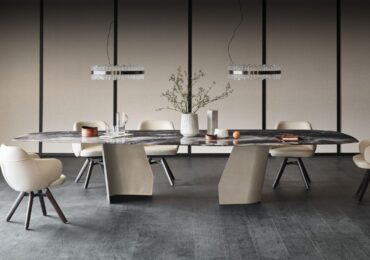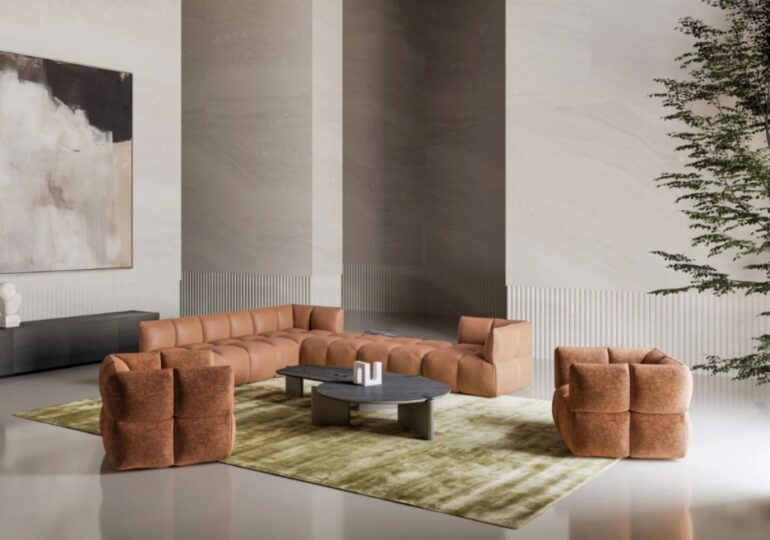
Between the sound of a traditional loom and the perfect silence of a bioengineering laboratory, 2026 marks a new era for furnishing fabrics. No longer simple decorative elements, textile materials are transformed into interfaces between body, space and culture : surfaces that speak of sustainability but also of memory, technology and identity, without giving up tactile beauty.
On the one hand, the great return of “handmade” conquers interiors with its ritual and human value. On the other hand, innovative materials generated by artificial intelligence, biotechnology or waste upcycling question the very concept of fabric. The result is a diversified panorama, where homeowners, designers and furniture brands are called to a new creative awareness . In Italy, this movement has just begun, but abroad the flagship collections already speak the language of the future.
Furnishing fabric trends 2026
Regenerated and regenerable fabrics: beyond “green washing”
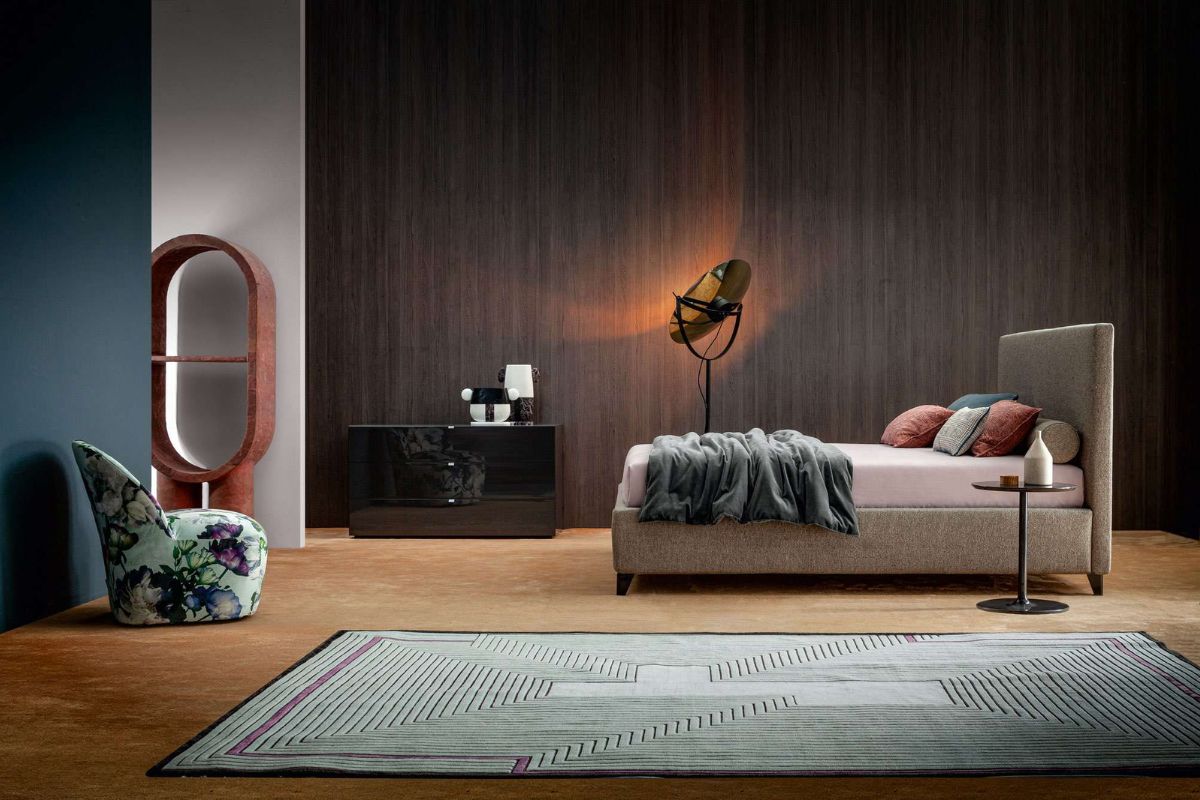
The keyword of 2026 will be regeneration . Not “sustainability” in the generic sense – overused, worn out, often ineffective -, but a circular economy applied with rigor and beauty. The textile districts of Northern Europe are already patenting fibers deriving from production waste and post-consumer waste, without aesthetic compromises: recycled cottons with extra-soft finishes, regenerated wools with low chemical impact processes, mixed yarns obtained from fishing nets and marine polymers.
Brands like Kvadrat and Maharam are accelerating on this front, while in Italy historic textile-furnishing companies such as Rubelli and Dedar are collaborating with biotech startups to rethink supply chains. The result? Fabrics that look like silk but come from regenerated cellulose, velvets made from post-industrial PET bottles, high-end jacquards dyed with pigments derived from algae.
If 2025 showed the potential, 2026 will be the year these materials leave prototypes and enter permanent catalogs.
Multisensory textures: between touch, light and sound
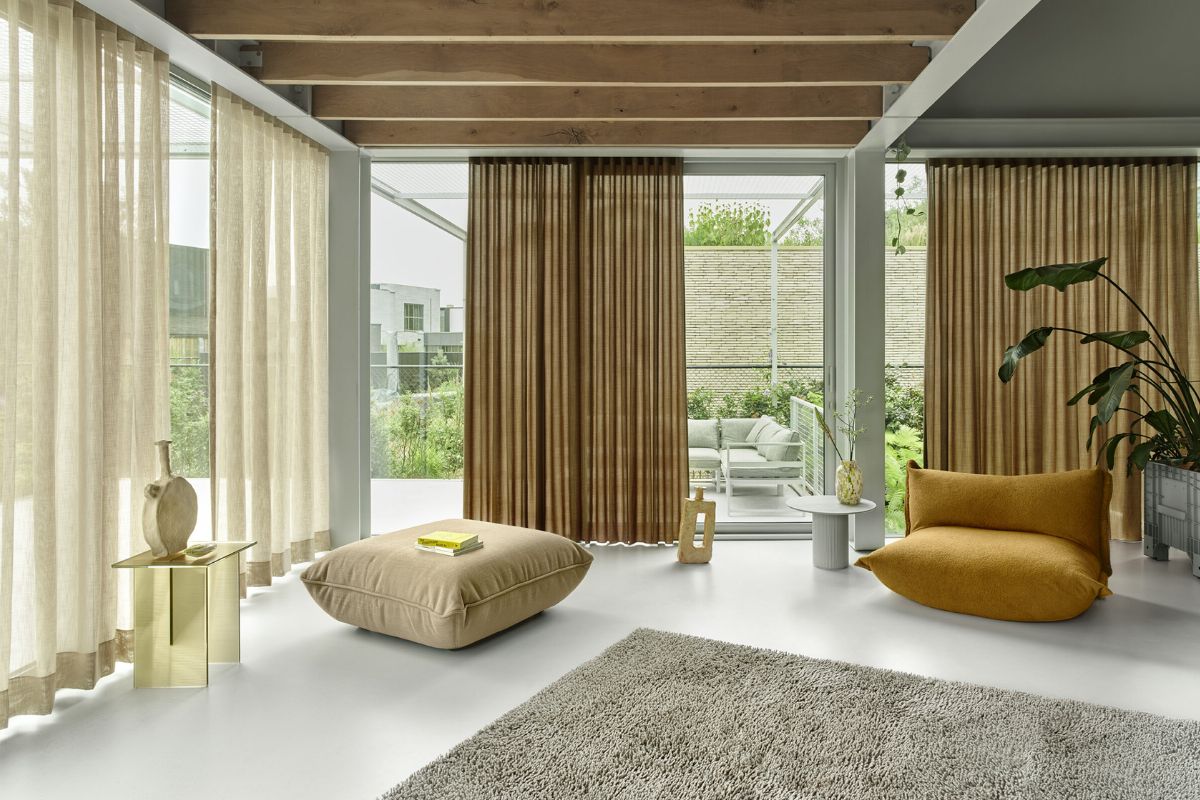
The fabric will no longer just be looked at or caressed: it will be experienced . Interiors become multi-layered emotional spaces , and fabrics inaugurate a new multisensorial season.
-
Fabrics that absorb sound pollution , introducing elegant acoustic control into residential and hospitality environments.
-
Soft surfaces covered in photoluminescent fibers , capable of reflecting natural light during the day and restoring its poetry at nightfall.
-
Three-dimensional jacquards with tactile patterns that become haptic experiences , a perceptive stimulus that dialogues with the culture of wellness and experiential interiors.
These solutions are already being tested by Scandinavian and South Korean designers, and in 2026 high-end Italian boutiques will select them for tailor-made projects.
new classics: raw linen, botanical silk, alpine wools
In the midst of this material revolution, some historical fibers return as protagonists, but reinterpreted with a contemporary gaze .
Raw linen, not just rustic
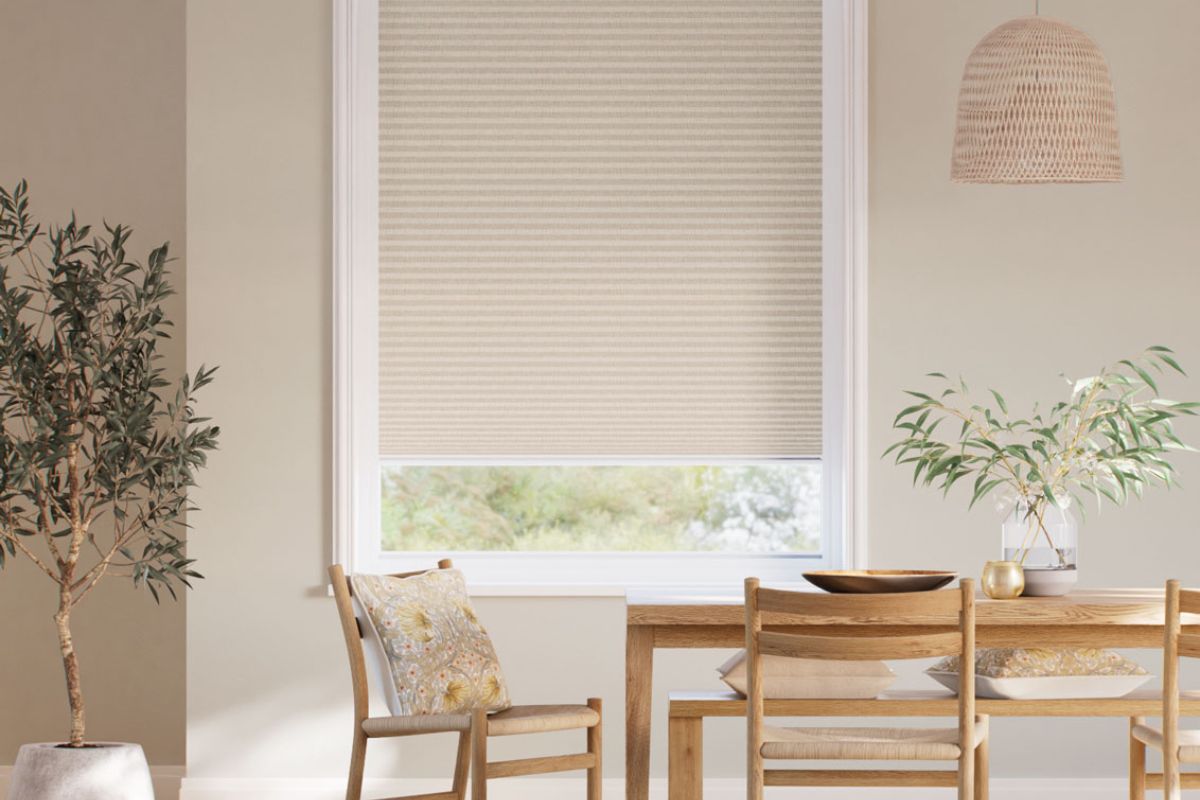
Raw linen is definitively abandoning the somewhat naive image that characterized its use in twentieth-century Mediterranean homes. The new spinning mills, processed with low-friction machinery or through mechanical rather than chemical treatments, produce a linen that is softer, more resistant and with a surprisingly sophisticated feel . Its irregularity becomes an advantage: tactile materiality, sandy nuances and a wabi-sabi elegance that makes it perfect for organic sofa coverings, tailored headboards and architectural draperies.
Botanical silk: the luxury that breathes
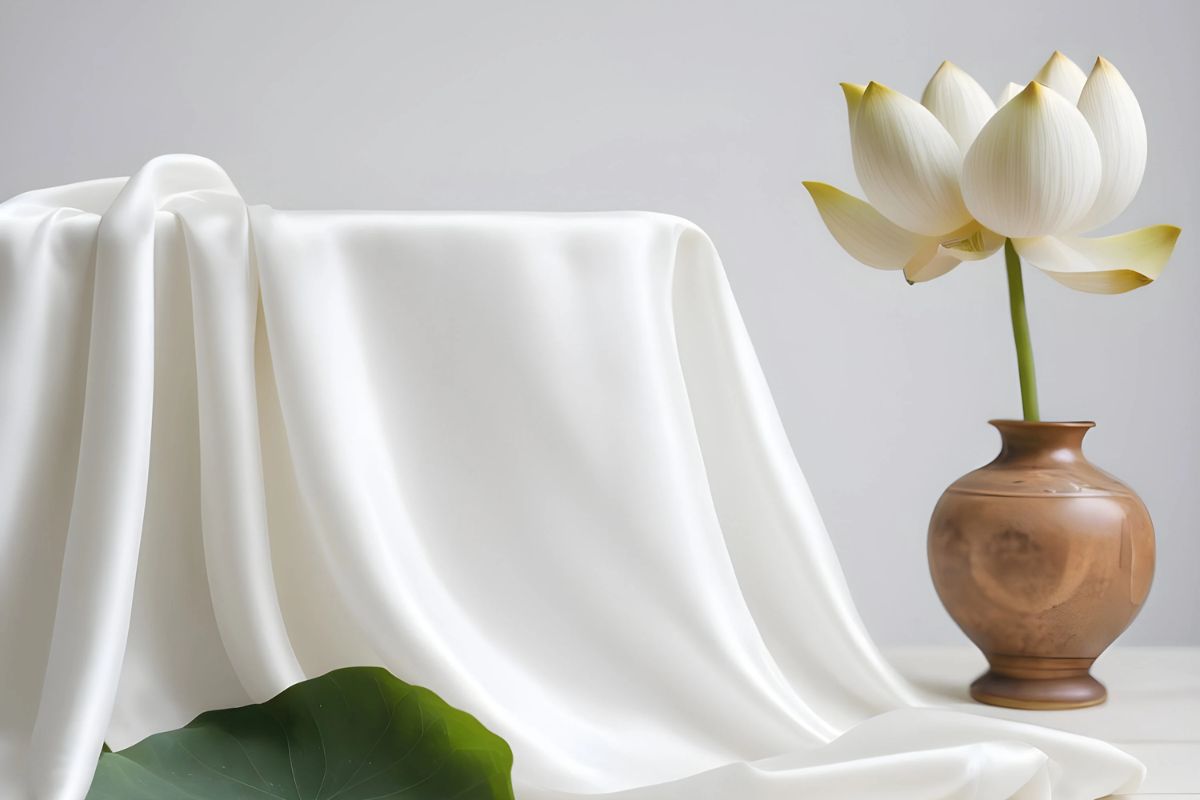
No longer just animal silk, but silk cultivated from plants . Lotus, banana, nettle or mulberry fiber is transforming the very idea of ??natural luxury, merging it with the minimal and sensorial aesthetics of Japanese and Indian interiors. This type of silk is characterized by a less “cold” shine than polyester , and is naturally hypoallergenic and breathable. In 2026, collections of boutique hotels and couture residences will feature curtains and accessories made from this type of silk as a statement of quiet richness .
Alpine wools: the softness that comes from above
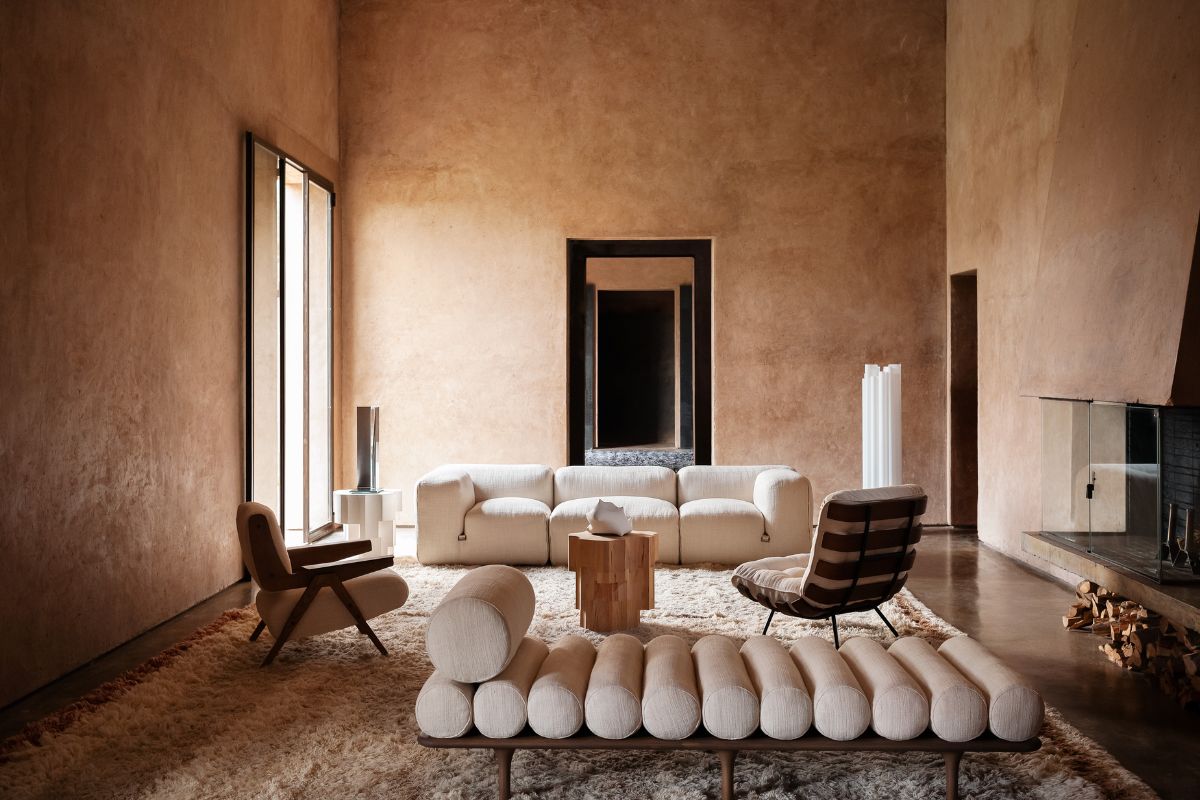
From the Dolomites to the Pyrenees, Alpine wools return to speaking a language of radical comfort . Not “rustic” wool, but haute-couture softness: new generation mechanical treatments allow for a buttery feel and a contemporary visual appearance. The patterns? Maxi-grain, “snow” motifs, micro-jacquard weaves and winter nuances such as ash gray and blueberry blue. Even in Italy, small factories in the Trentino and Veneto areas are already processing biodiverse deep-sea wools intended for high-end furnishings.
The bio-tech revolution: from smart fabrics to skin materials
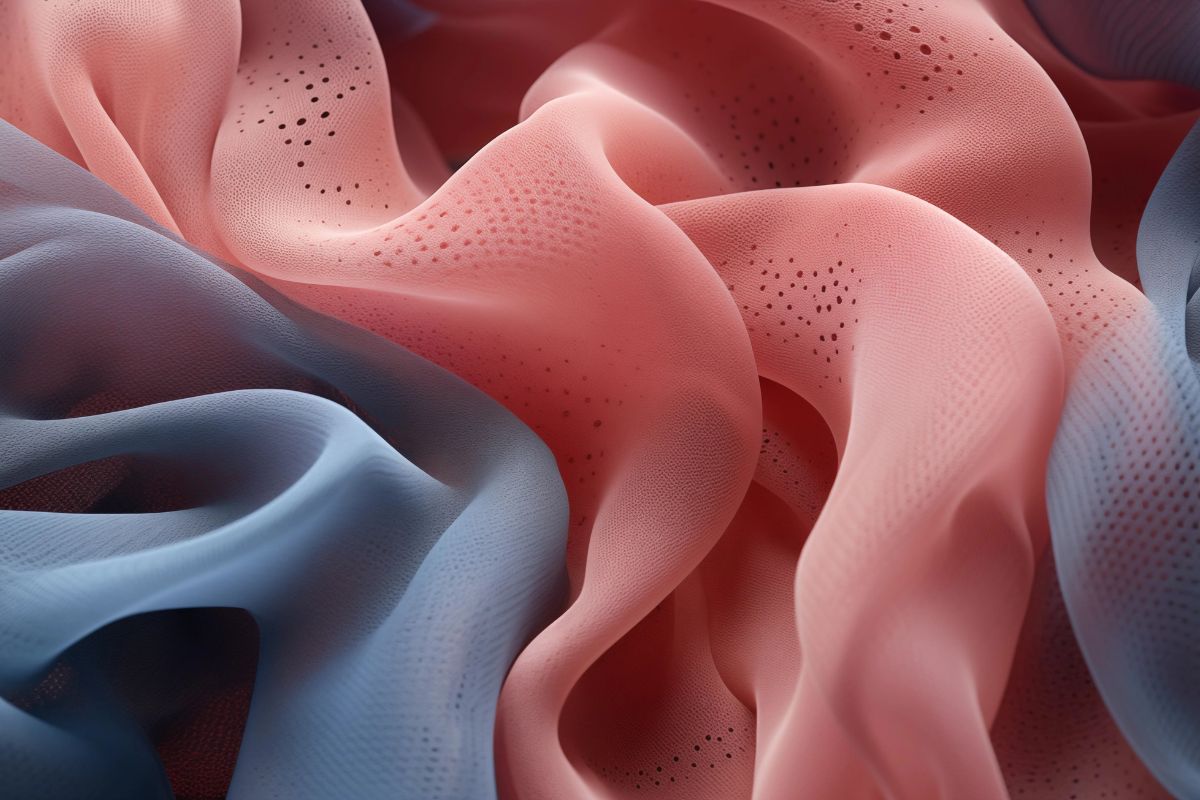
If 2024 and 2025 explored the theme of intelligent fabrics , 2026 will be the time for large-scale diffusion. We are talking about surfaces that:
-
They regulate body temperature , adapting to humidity and heat.
-
They capture fine dust , transforming coatings into active surfaces.
-
They memorize the pressure of the body and “respond” to it with targeted weights, ideal for the high-end residential world, but above all for interior wellness, hospitality, yacht and aircraft design .
It’s not science fiction: companies like ByeWool (Japan) and Saltyco (UK) are already studying skin-materials, a new generation of fabrics that behave like human skin, reacting to stimuli. In 2026 some Italian brands will bring these innovations to their moodboasrd intended for the most far-sighted interior designers.
The return of mohair (and why we will see it in the living rooms of 2026)
In an era of apparent chromatic simplification, mohair returns to dominate as living room material with a museum-worthy personality . Shiny, warm, highly elastic, resistant to time and naturally antibacterial, mohair dyed in nuances such as oat milk, smoky peach, dusty lilac or lichen green establishes itself as an irresistible texture for bold armchairs, padded headrests, body-sculpture poufs and iconic chaise longues. After years of absence, his sumptuous hand is conquering the most interesting collections of coverings.
The Italian furnishing fabrics market in 2026
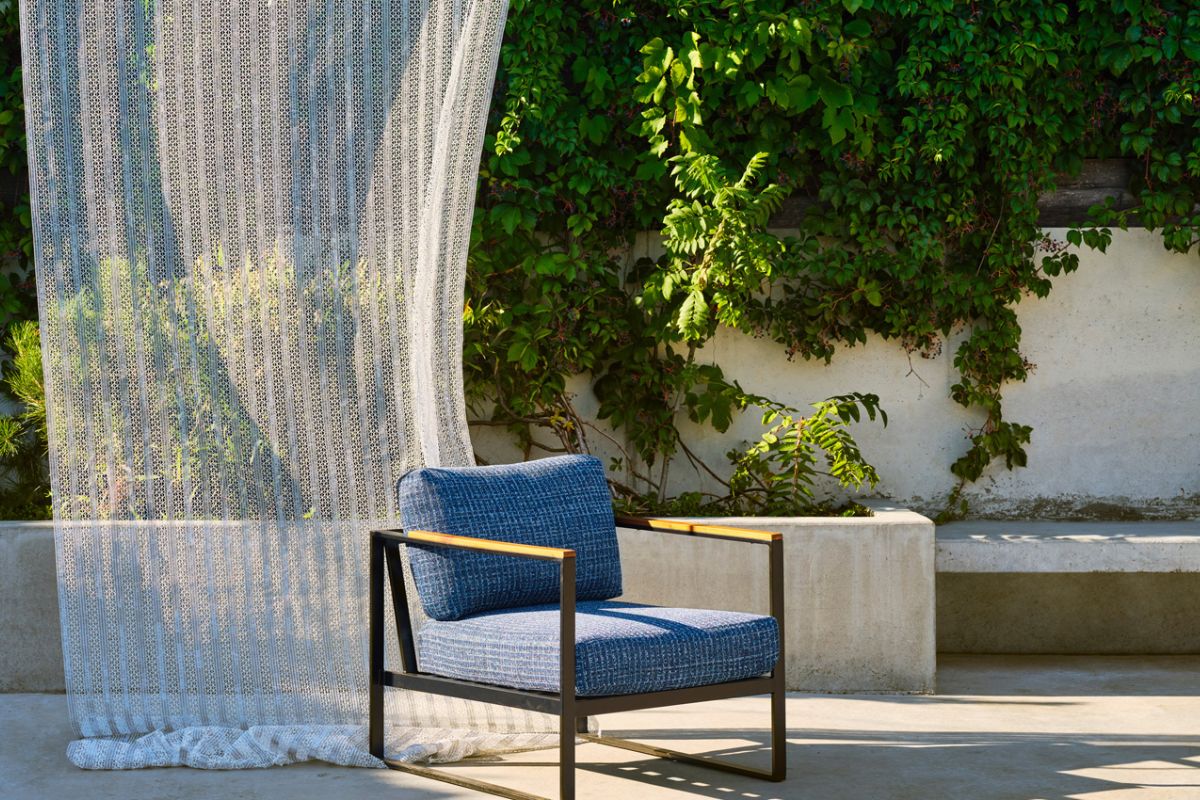
Despite lagging behind markets such as Holland, Japan or the United States, Italy is reconsidering furnishing fabric as a cultural as well as material lever . The districts of Prato, Como and Biella are being regenerated with collaborative workshops, and sector fairs (such as Proposte in Cernobbio , Heimtextil in Frankfurt , Maison&Objet in Paris ) are witnessing a renewed interest in textile concept rooms.
By 2026, at least 40% of Italian upholstery collections will have a “regenerated” component , while high-end brands will focus on bio-based mix yarns, sculptural shapes, laser embroidery and dyes with microbiological pigments.
Fabric as a new design language
2026 is not the year in which “fabrics change”: it is the year in which the way of thinking about fabrics changes . From an added material to an integral part of the design structure, it becomes an element of synthesis between beauty and responsibility, between invisible technology and primitive craftsmanship. A narrative tool that allows environments to have voice, character, memory and future .
It will no longer be enough to choose a good color or a pleasant feel: it will be necessary to understand the life cycle, the emotional impact, the interactive complexity of the textile material. Like every silent revolution, that of furnishing fabrics begins in the expert hands of those who create them, but it takes place only in the spaces in which we live, breathe and imagine the world to come.
And if Italy is able to respond with intelligence and vision to this new course, 2026 could mark not only a change in trend, but a cultural rebirth of the fabric as a component of excellence of Made in Italy.
PRACTICAL ADVICE For architects, interior designers and design enthusiasts: how to choose fabrics in 2026
-
Investigate the supply chain, not the catalog
Always ask for the origin of the fibers and inform yourself about the production processes. Brands that invest in regeneration and bio-based communicate it, those that don’t should be investigated. -
Combine materiality and function
A fabric is not just color or touch: it is acoustics, transpiration, interaction. For contract or intensive living spaces, focus on tailored yet high-performance surfacesthe. -
Choose multisensory textures
Introduce tactile, photoreactive or intelligent fabrics at key points of the project. The small sensorial detail changes the perception of the entire environment. -
Don’t fear reinterpreted tradition
Raw linen, alpine wool and mohair are not “old” materials: they are new regenerated classics . Ideal for those who want a timeless aesthetic but in dialogue with contemporaneity. -
Experiment with organic colors
The 2026 palettes will move between vegetal tones (lichen green, mauve, wheat), sensorial neutrals (oat milk, cold clay) and “phenomenological” accents (liquid copper, algae blue, copper red). -
Reduce waste in your projects
The revolution also starts from here: no longer use “full roll” fabrics, select only the necessary length and recover the scraps intelligently for secondary projects.
Palettes and patterns, furnishing fabric trends 2026: when color meets matter
If 2026 asks us to rethink the fabric as a living entity, the color scheme can only adapt to this spirit of synthesis between organic, culture and technology. We will not talk about “fashionable colours”, but about emotional chromatic experiences , capable of defining narrative interiors.
-
Sensory neutrals : oat milk, opaque sand, volcanic clay, frozen tundra. Soft tones but with a material depth, perfect for close surfaces.
-
More introspective greens : lichen, toasted pistachio, fermented tea leaf. Green will no longer be aesthetic, but conceptual: a bridge between nature and cosmetic design.
-
Mineral reds and coppers : pigments extracted from dehydrated beetroot or copper oxides. Claddings with a vibrant character, but with an “earthly” heart.
-
Algal blue and bio-dyed denim : nuances deriving from deep water or from plant extracts rich in anthocyanins. Velvet armchairs, opalescent cushions, iridescent carpet.
-
Bio-mimetic and micro-geometric patterns : patterns resembling cells, plankton, geode, or micro-pixels. The new plots become a magnifying glass on an invisible world.
The real trend? Mixing the imperfection of nature with the precision of the digital , like a work of post-human design which however maintains the sincere heartbeat of living matter.
The luxury of 2026 is no longer exclusive, but inclusive : the true value is knowing that what envelops our interiors is not only beautiful, but intelligent, traceable, emotionally powerful. The fabric becomes a cultural act, and the design stops being just style to become position in the world .
If there is a time to truly dare, it is this.
Leave a comment