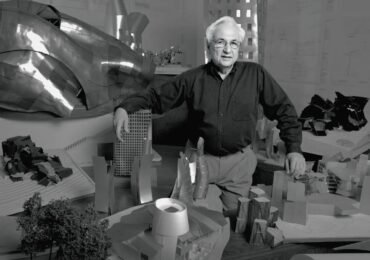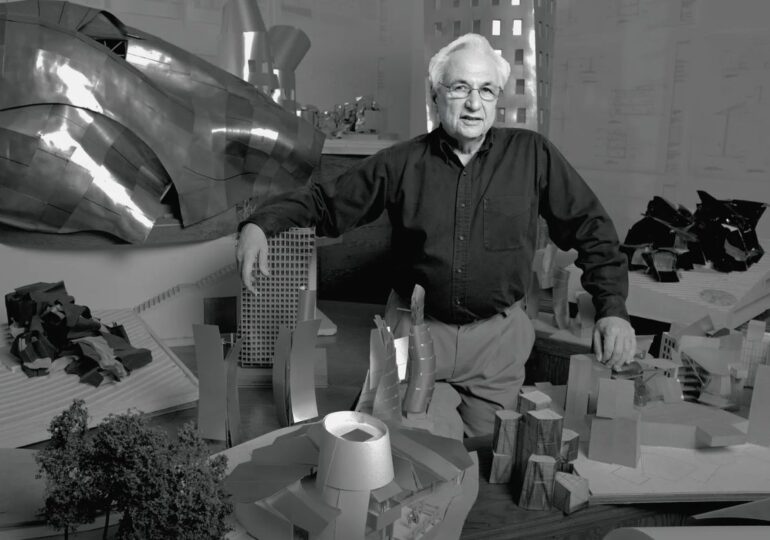
On December 5, 2025, the world of architecture lost one of its most revolutionary voices: Frank Gehry , master of Deconstructivism and author of a formal revolution that forever changed the way we perceive buildings and cities.
Born in Toronto in 1929, educated between Los Angeles and Harvard, Gehry began his career in the 1960s with an already radical imprint: “poor” materials, unexpected geometries, a playful and anarchic attitude that openly challenged the canons of modernist architecture.
For him a building was never just function: it was sculpture, movement, emotion.
He fragmented volumes, recomposed them in oblique and fluid shapes, experimented with wood, glass, metal and titanium as if they were pigments on an artist’s palette.
Gehry erased the boundaries between art and construction, demonstrating that even the simplest materials can become a vehicle of poetry, identity and innovation.
In the 1990s, thanks to the pioneering use of digital drawing and modeling, he gave life to some of the most iconic works of the contemporary era, influencing generations of architects and opening new avenues for design thinking.
Today, as the world bids farewell, a legacy of courage, intuition and creative freedom remains: buildings that vibrate with life and remind us of how much imagination can truly impact reality.
His dream works: a gallery that changed architecture
A selection of his most emblematic creations, true “dreams of stone, glass and metal”:
Guggenheim Museum Bilbao Spain
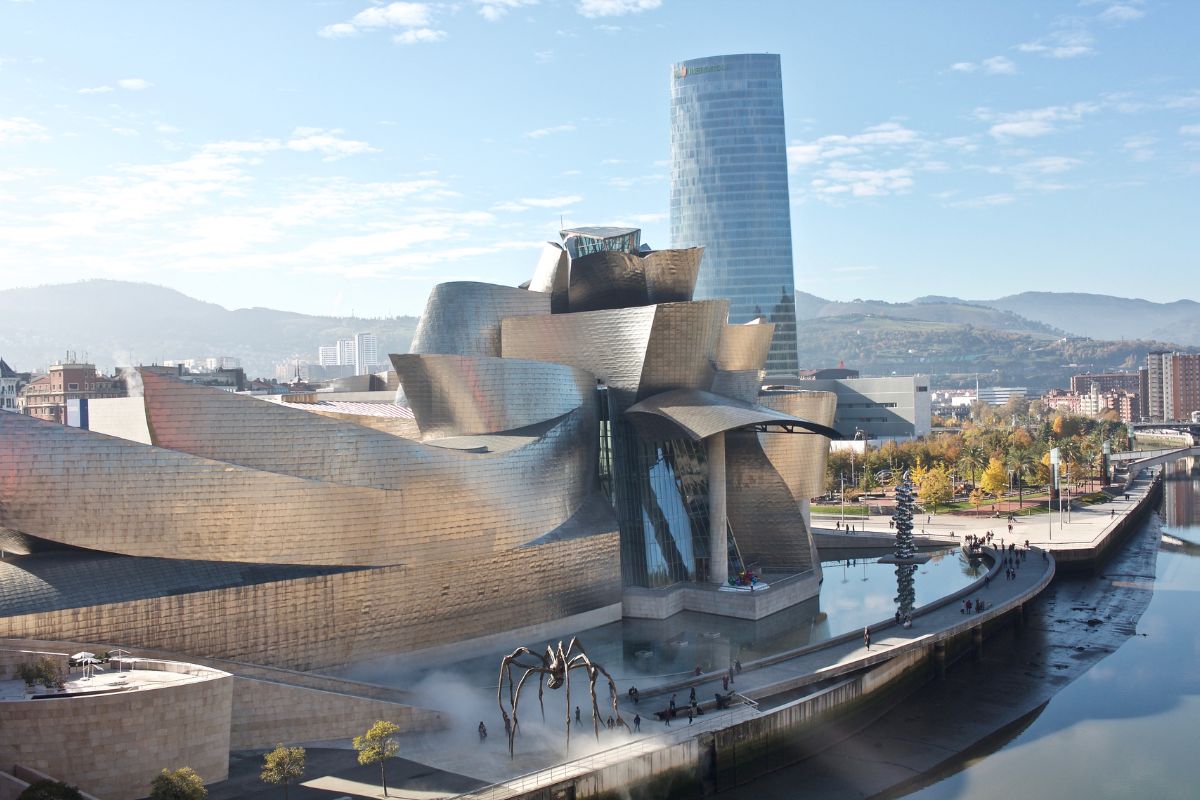
The masterpiece that generated the famous “Bilbao effect”: titanium sails capable of transforming an industrial city into a global cultural symbol.
Vitra Design Museum / Vitra Campus Germany
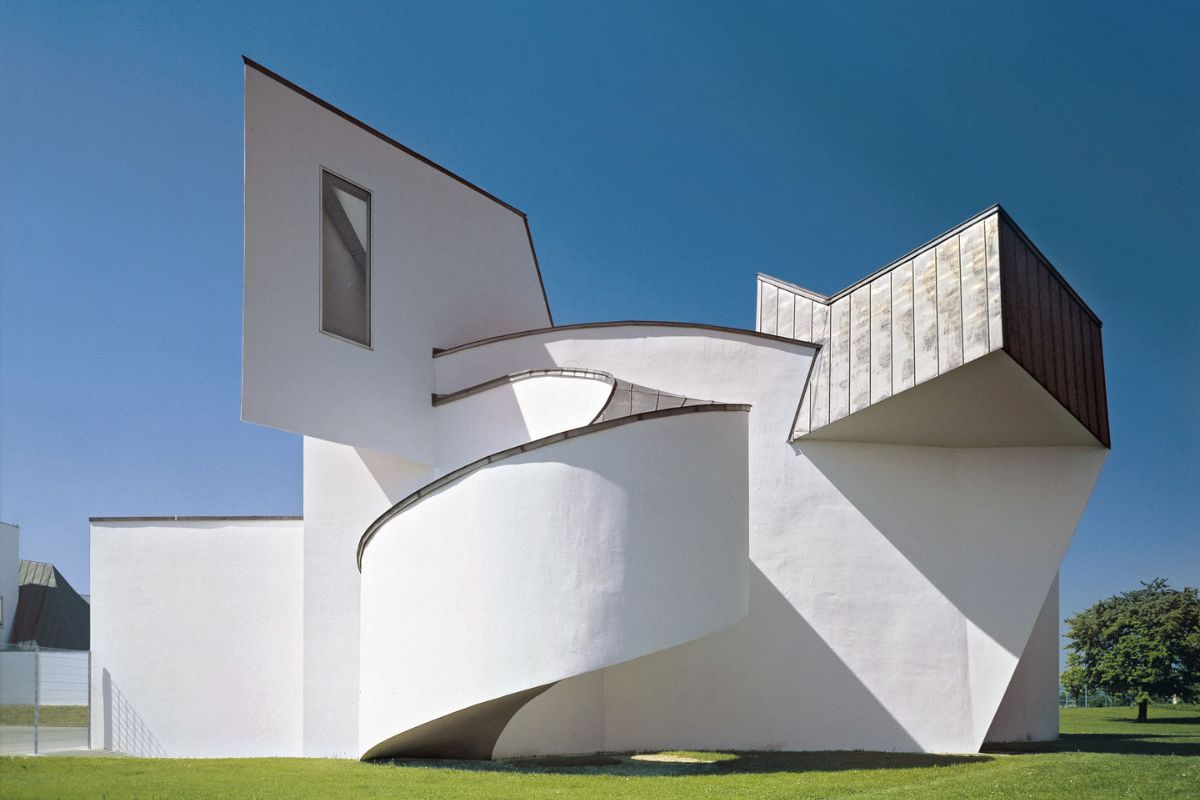
Architecture as art, experimentation and formal freedom.
Fondation Louis Vuitton Paris
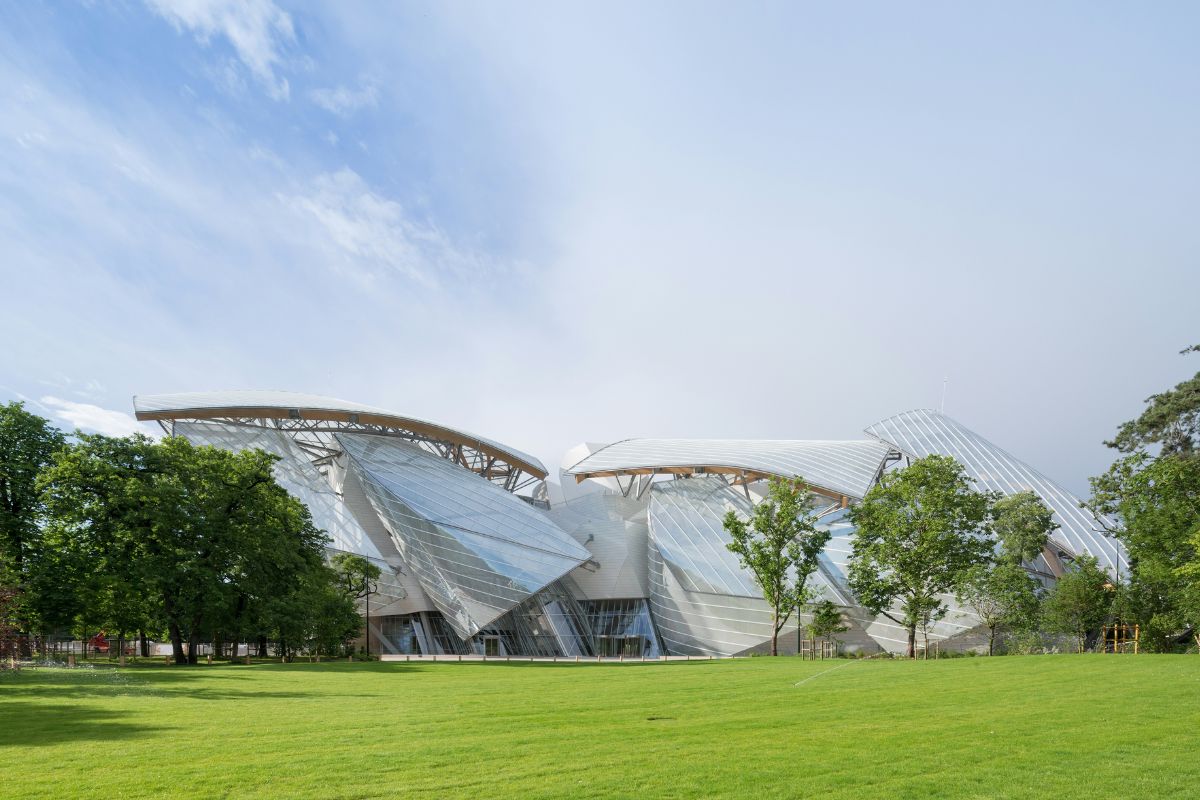
A set of curved glass and steel sails that dialogue with the Bois de Boulogne in a poetic balance.
Dancing House Prague
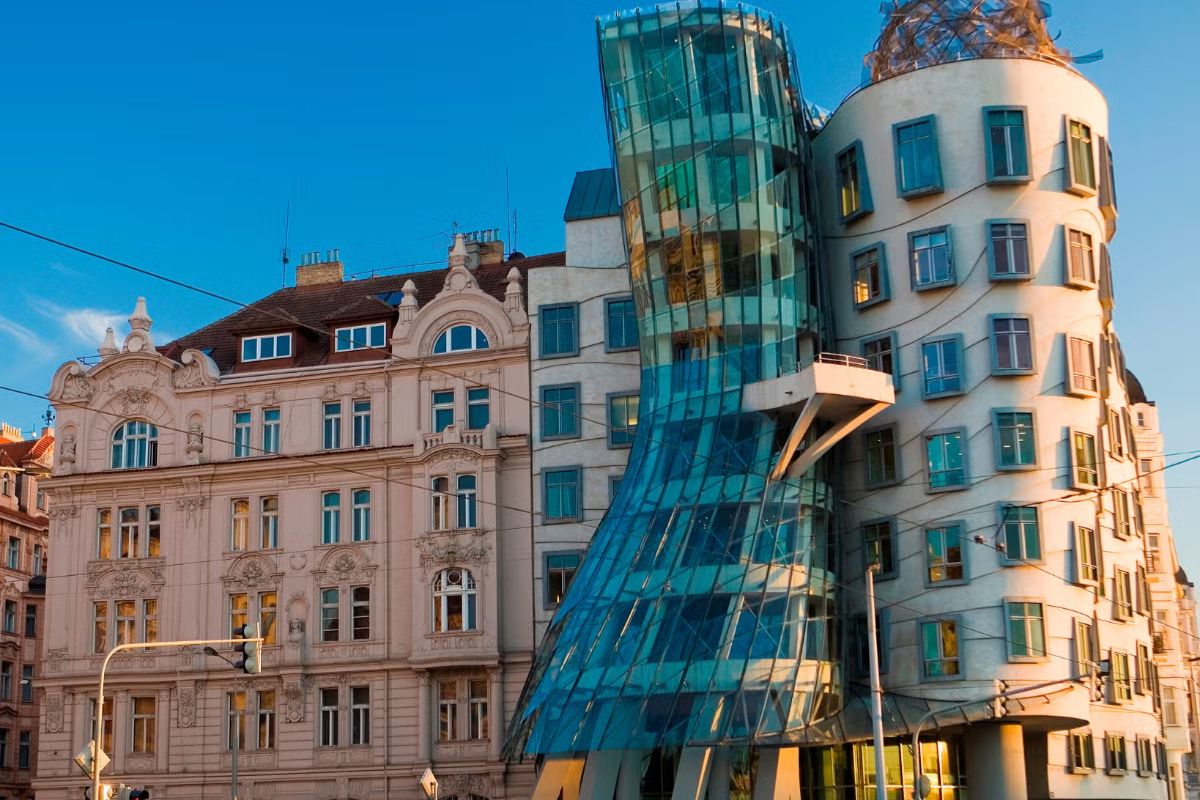
Two volumes that seem to dance: a living metaphor of Gehry’s playful and dynamic approach.
LUMA Arles France
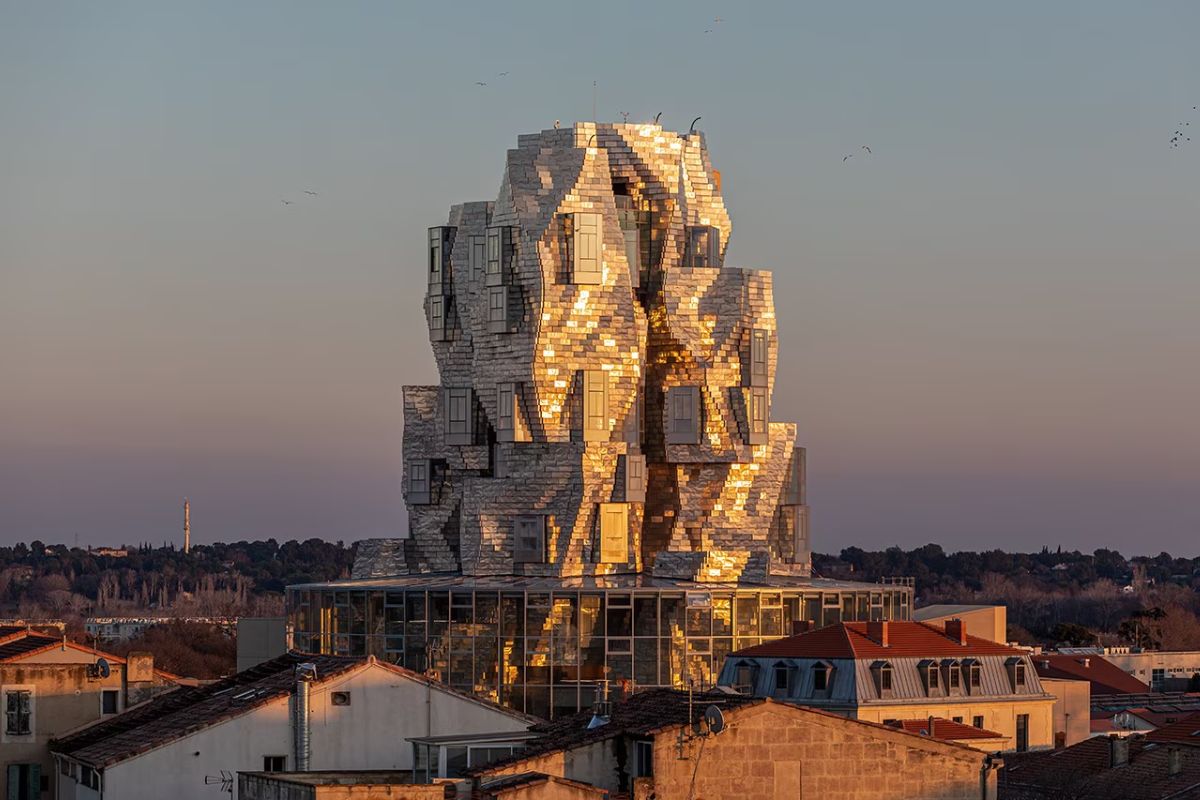
A manifesto of its contamination between art, architecture and cultural landscape.
Weisman Art Museum USA
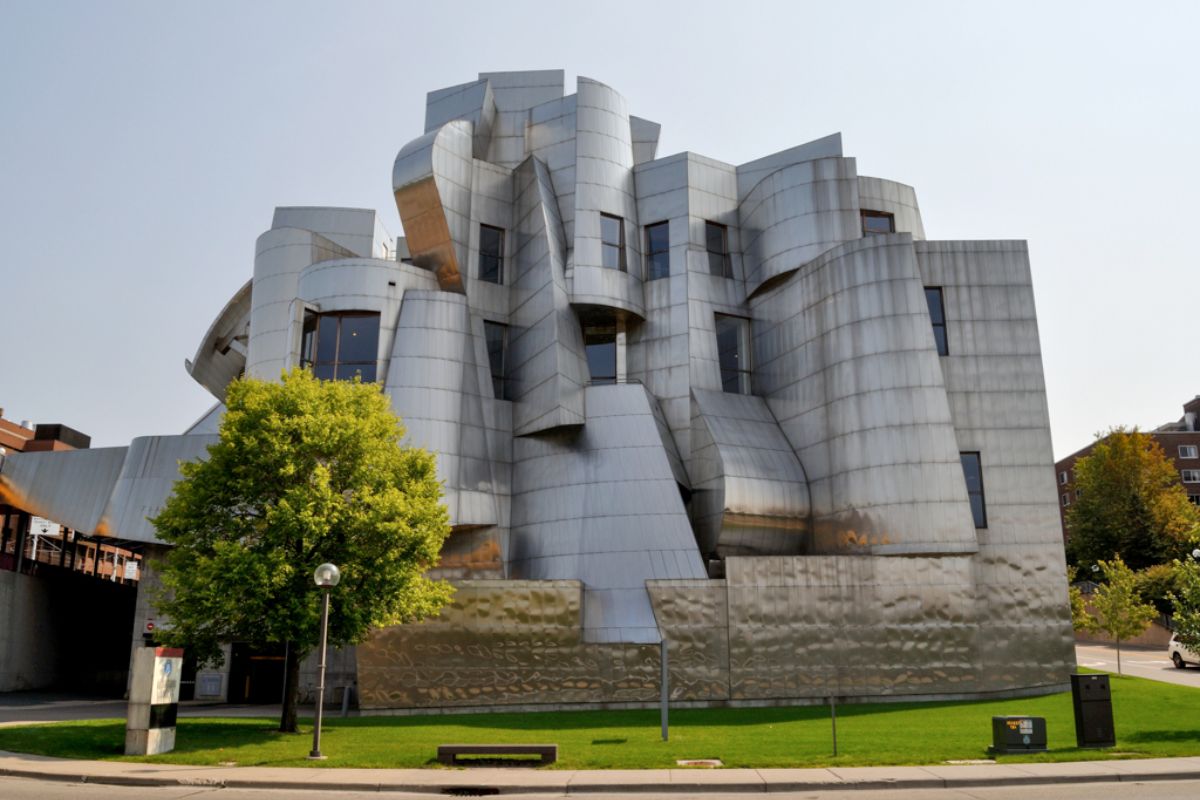
A reflection on the perception of museum space as a sensorial experience.
BP Pedestrian Bridge Chicago
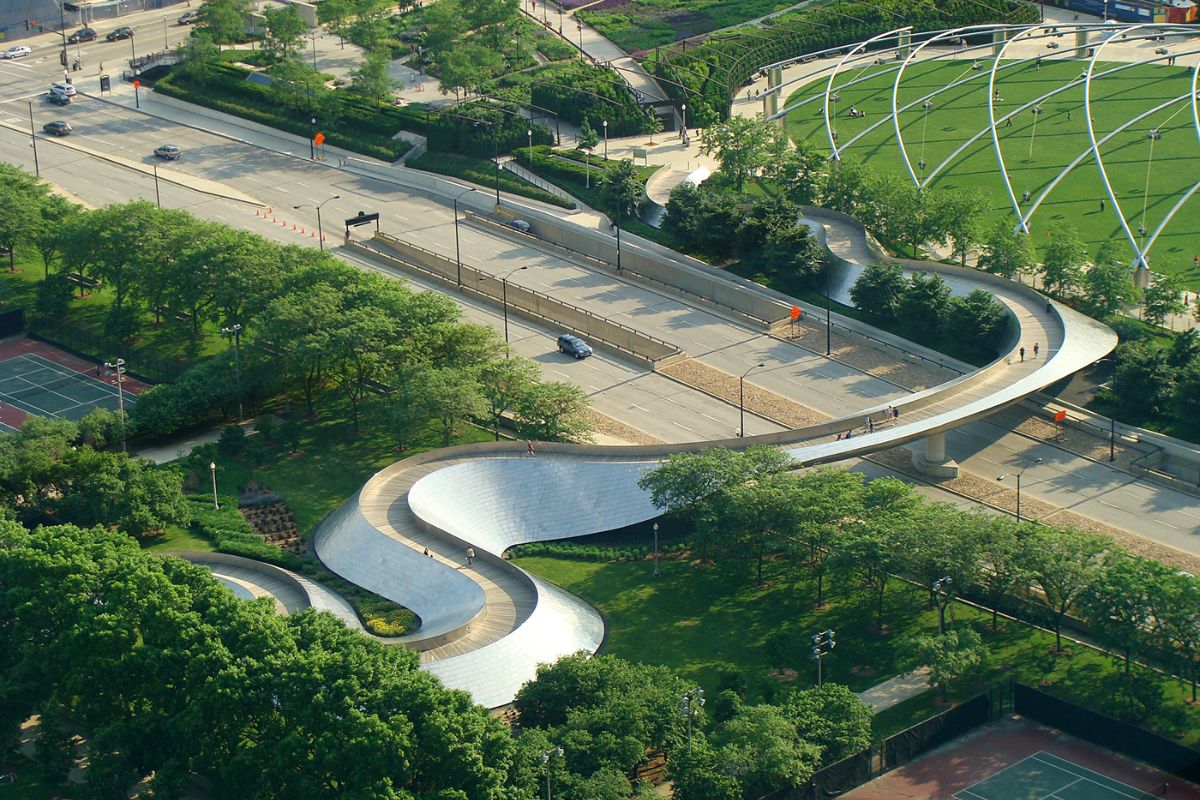
Infrastructure as a sculpture to cross, integrated into the urban landscape.
DZ Bank Building Berlin
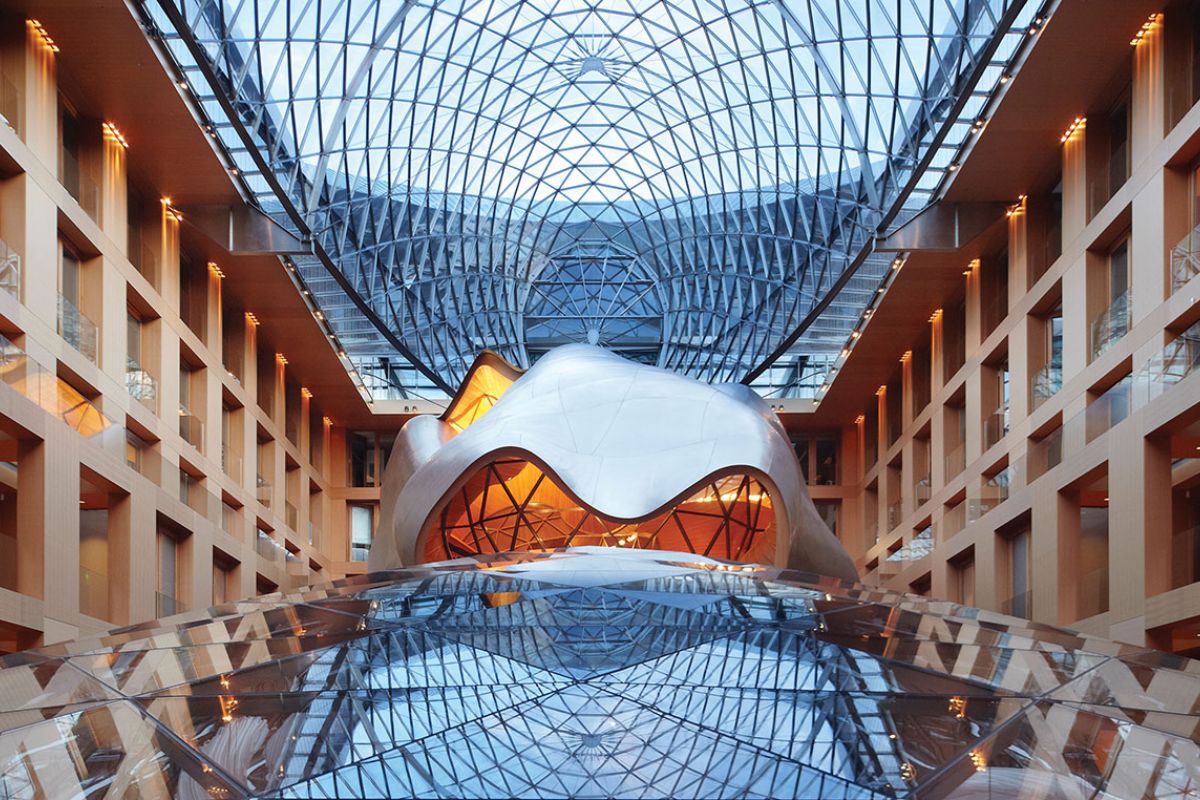
Geometries that break institutional rigidity, bringing emotion into everyday spaces.
Lou Ruvo Center for Brain Health Las Vegas
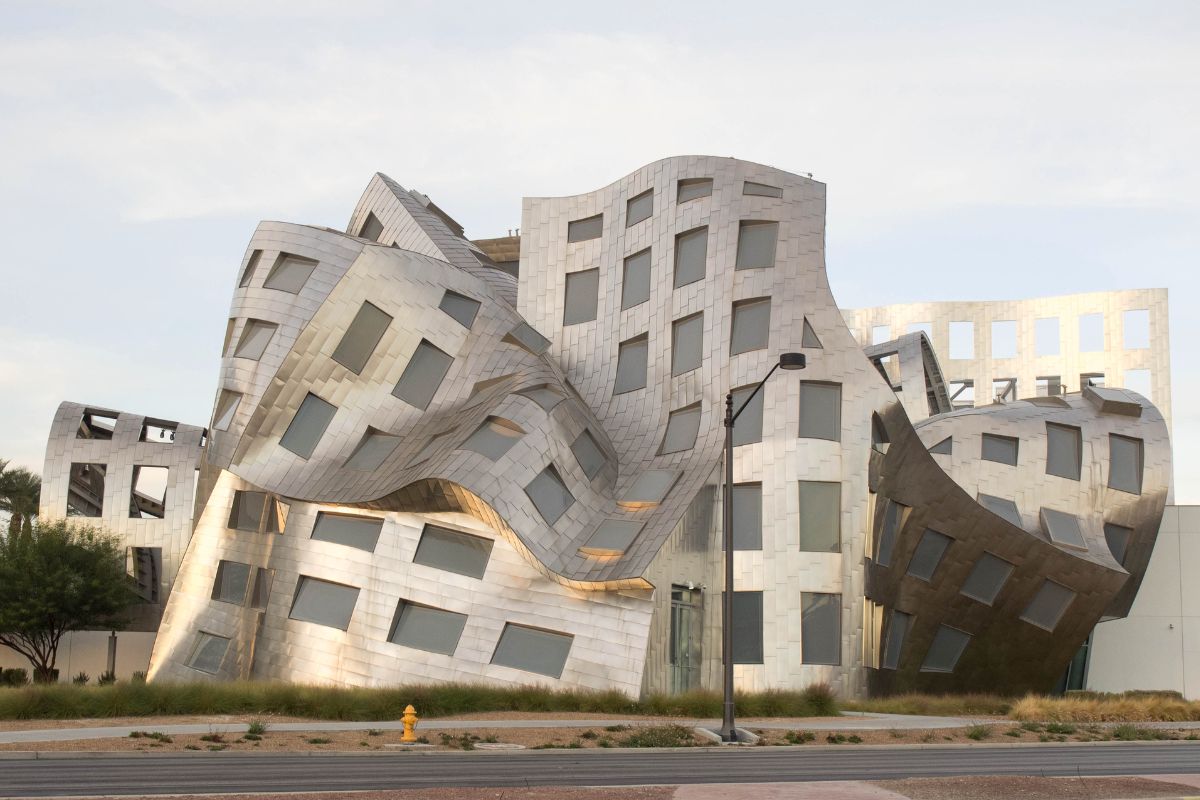
A health center transformed into an empathic experience through fluid and enveloping forms.
8 Spruce Street (New York by Gehry) USA
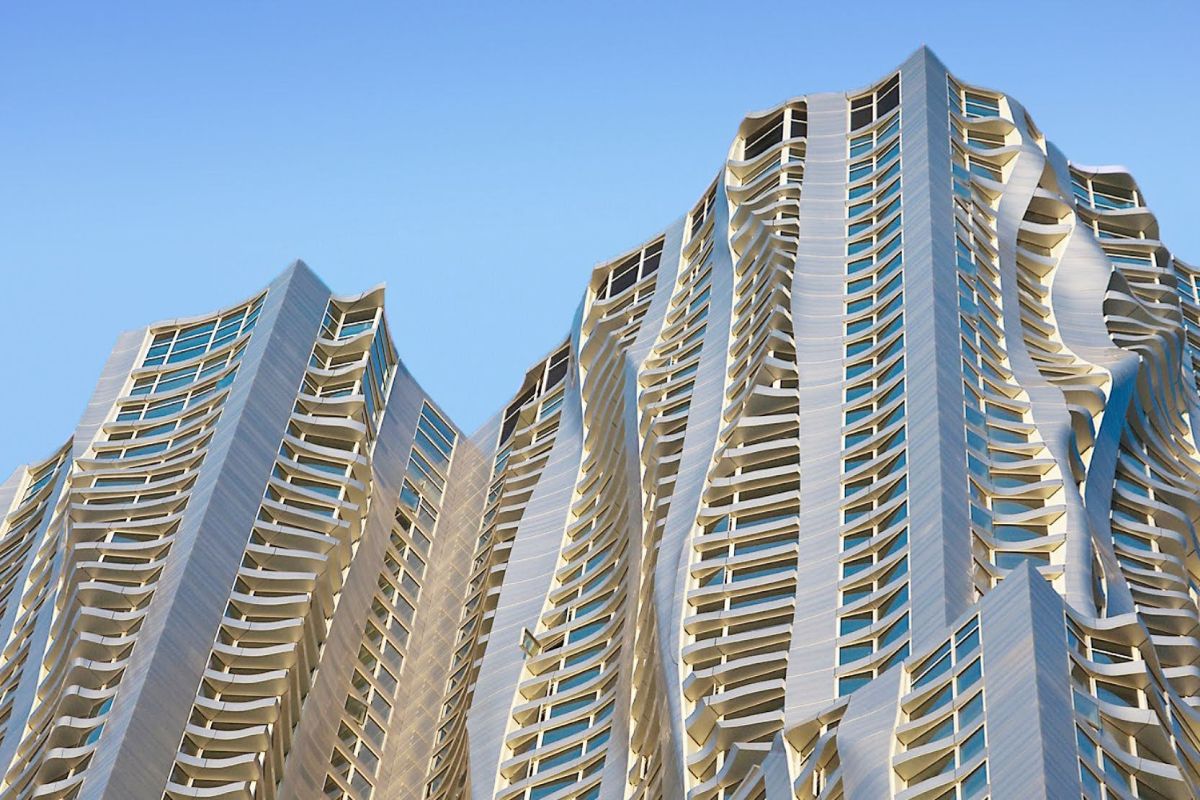
A towerresidential that reinvents the skyline with a vibrant and dynamic metallic skin.
Why Gehry changed the way we see cities forever
Gehry demonstrated that architecture is never neutral.
His works are urban sculptures that invite us to look at the city with new eyes: curves, folds, reflective surfaces, unusual materials, volumes that seem to move.
He liberated the form, redefined the very idea of a building and demonstrated that a project can transform:
-
the cultural identity of a territory
-
the local economy
-
the skyline
-
the collective imagination
He was among the first to use digital modeling (CAD/3D) in an advanced way, paving the way for contemporary design.
His language has become a new way of thinking about spaces: no longer rigid containers, but living organisms.
A genius who continues to illuminate the future of architecture
With his passing we lose a visionary capable of breaking rules and boundaries. Gehry taught us that architecture can be dream, emotion and renewal. Sidney Pollack also told it in depth in the documentary Frank Gehry Creator of Dreams , an intimate portrait of a man who saw possibilities where others saw limits.
His architecture remains here, reminding us that dreams can take shape, become matter, transform cities and thoughts. And they will continue to do so for a long time to come.
Leave a comment