What is green design and green architecture?
It is the new paradigm of construction: buildings designed to integrate with the landscape, reduce the ecological impact and improve the quality of life. It is not just a more “natural” aesthetic, but a design philosophy that focuses on the well-being of those who live there and respect for the planet.
Why is it central today?
Climate change, increased emissions and accelerated urbanization have made it necessary to rethink our cities and our homes. Green design blends technological innovation, sustainable materials and a holistic approach, creating spaces that consume less, produce clean energy and improve living comfort.
From bio-architecture to green architecture: a brief history
Sustainability in architecture was not born yesterday: its roots lie in the 1970s, when energy crises and the first ecological demands pushed designers and engineers to experiment with a new way of building. The bio-architecture of the time spoke of solar orientation, of houses that exploited natural winds to cool themselves, of “poor” but healthy materials such as wood, lime and raw earth. They were pioneering projects, often confined to experimental communities or single-family homes outside the traditional circuits, perceived as utopian or radical.
As the decades passed, environmental urgency and technological progress have transformed that alternative vision into a true necessity. Today, sustainability is no longer a niche option: it is a criterion required by European standards, investors and end users.
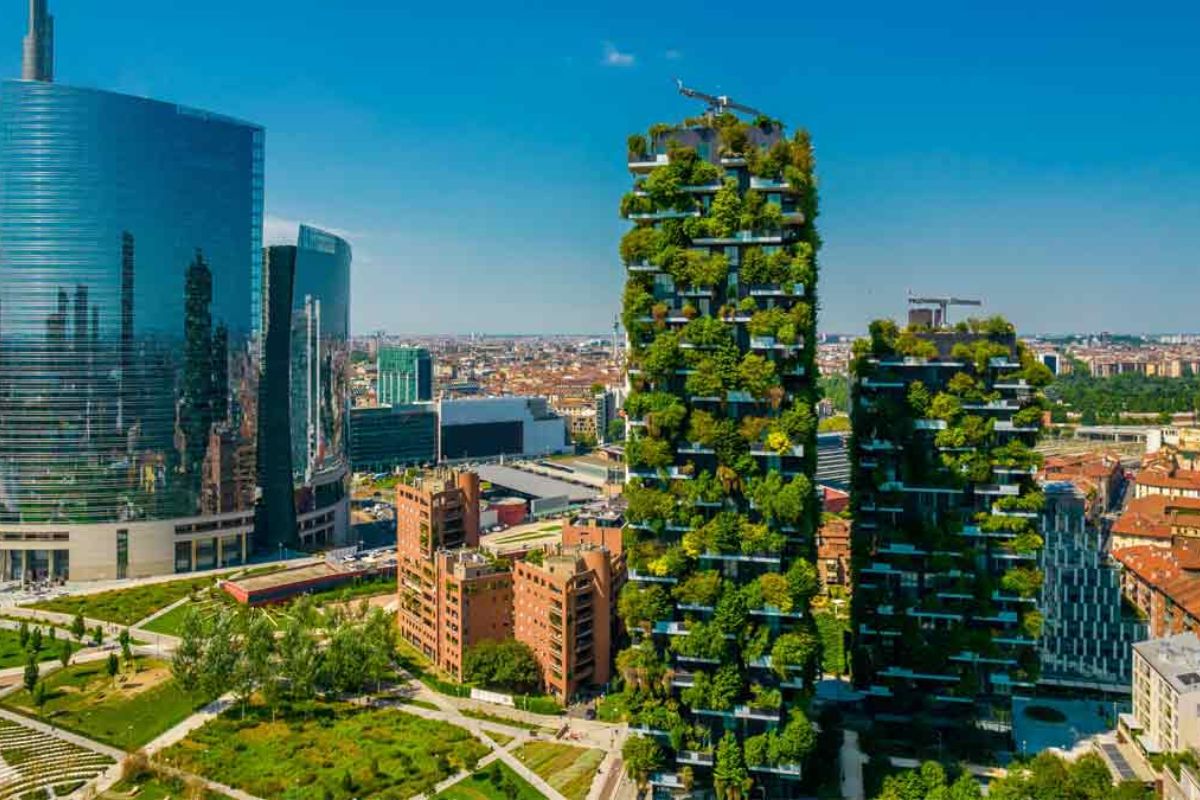
The symbolic turning point came with projects that set a precedent. Stefano Boeri’s Vertical Forest in Milan has become a global icon: two residential towers surrounded by over 20,000 plants that produce oxygen, absorb fine dust and create a natural microclimate in the heart of the city. That project demonstrated that greenery is not just ornamentation, but urban infrastructure , and paved the way for a new generation of buildings around the world: from the green towers of Nanjing in China to vertical forestation projects in Europe and the Middle East.
What was once a utopia is now strategy: green design has become mainstream because it is the most intelligent response to real problems – urban overheating, pollution, the need for well-being and resilience of our cities.
Sustainable and innovative materials
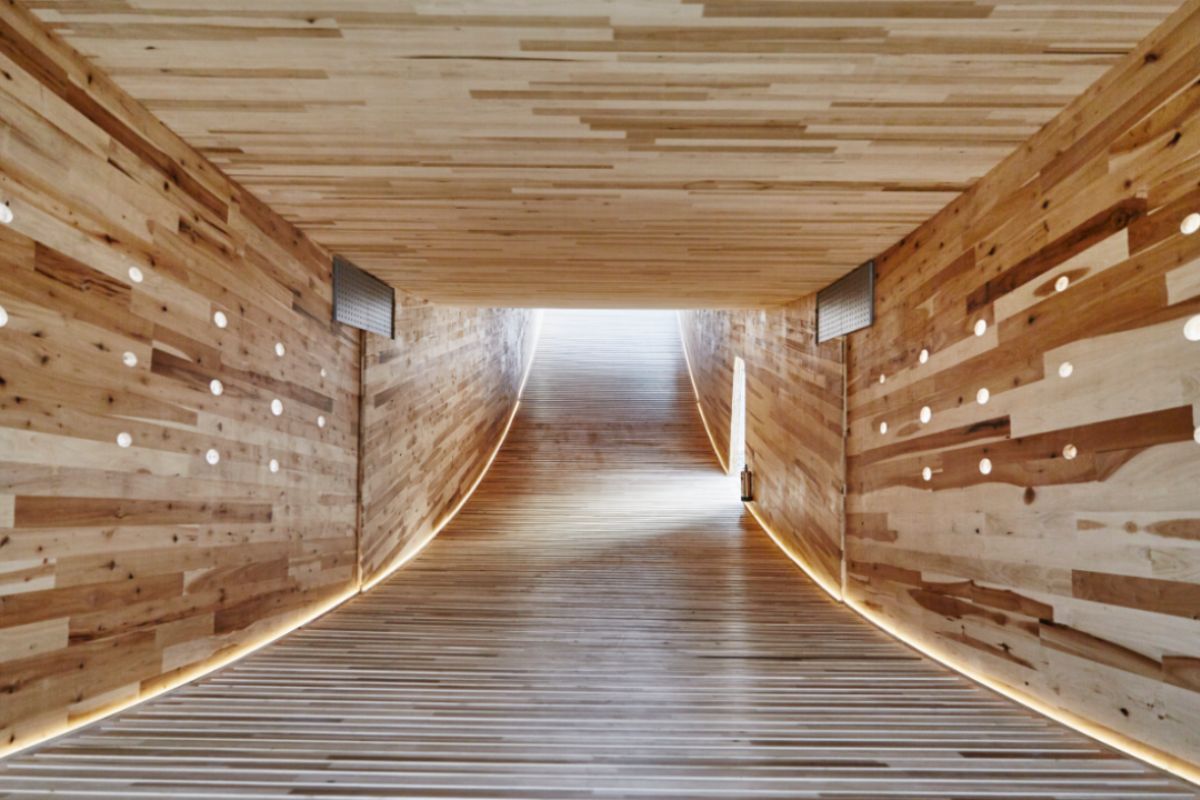
The heart of green design is the choice of materials, because that is where most of the environmental impact of a building comes into play. Today sustainable design is not limited to “choosing natural materials”, but evaluates life cycle, origin, embodied energy and recycling possibilities .
The absolute protagonist of this revolution is engineered wood , in particular CLT (Cross Laminated Timber) : multilayer panels that combine lightness, resistance and CO? storage capacity. Buildings like the Mjøstårnet in Norway , the tallest wooden tower in the world, or the Sara Kulturhus in Sweden demonstrate that it is possible to build skyscrapers entirely out of wood, with youfaster construction times and emissions reduced by 30-50% compared to traditional cement.
green concrete is another protagonist: no longer an “environmental enemy” material, but a mixture that integrates recycled aggregates, fly ash or foundry slag, reducing the quantity of clinker and reducing CO? emissions. Companies such as Italcementi and LafargeHolcim are investing in low carbon versions that allow them to drastically reduce the impact of infrastructure and housing.
For thermal insulation, research is rediscovering biocompatible materials such as wood fibre, cork, hemp and sheep’s wool: not only high-performance but also natural humidity regulators, ideal for passive buildings and for the recovery of farmhouses and historic homes.
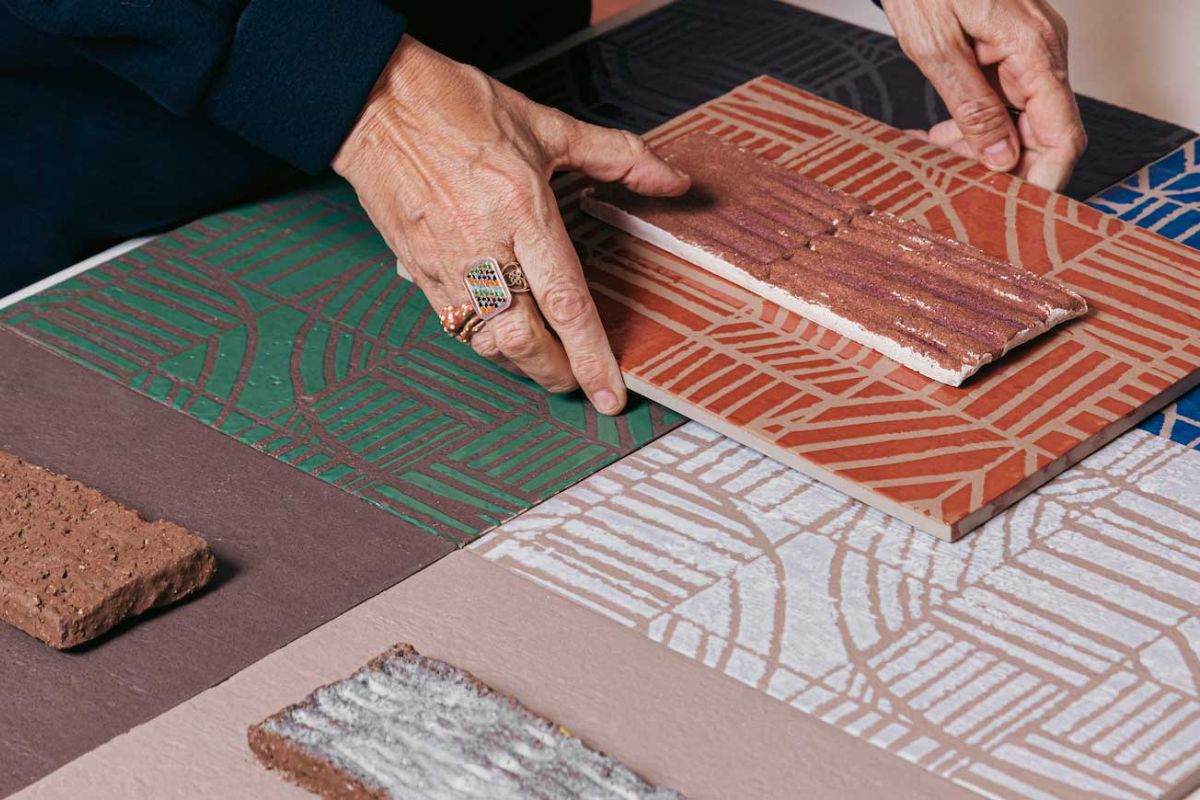
Even finishes have become part of the green language: mineral-based paints, vegetable oils for wood, treatments free of VOCs (volatile organic compounds) improve the quality of indoor air. And design companies are moving in the same direction: Mutina has introduced ceramic collections produced with low energy consumption processes, while Fantini and Gessi offer taps with integrated flow reducers, combining aesthetics and water saving.
In this new scenario, the material is no longer just a technical support: it becomes a manifesto, a sign of environmental responsibility and design culture.
Technologies and home automation for efficiency
If in the 1990s home automation was perceived as a futuristic luxury, today it is a pillar of sustainable design. The smart home is not only more convenient: it is more responsible, because it reduces consumption and waste, optimizing the operation of each system.
New generation homes are often nZEB (nearly Zero Energy Building) , i.e. buildings that produce almost all the energy they need. This is possible thanks to the integration of photovoltaic systems , high-efficiency heat pumps and domestic storage systems that store energy for the evening hours.
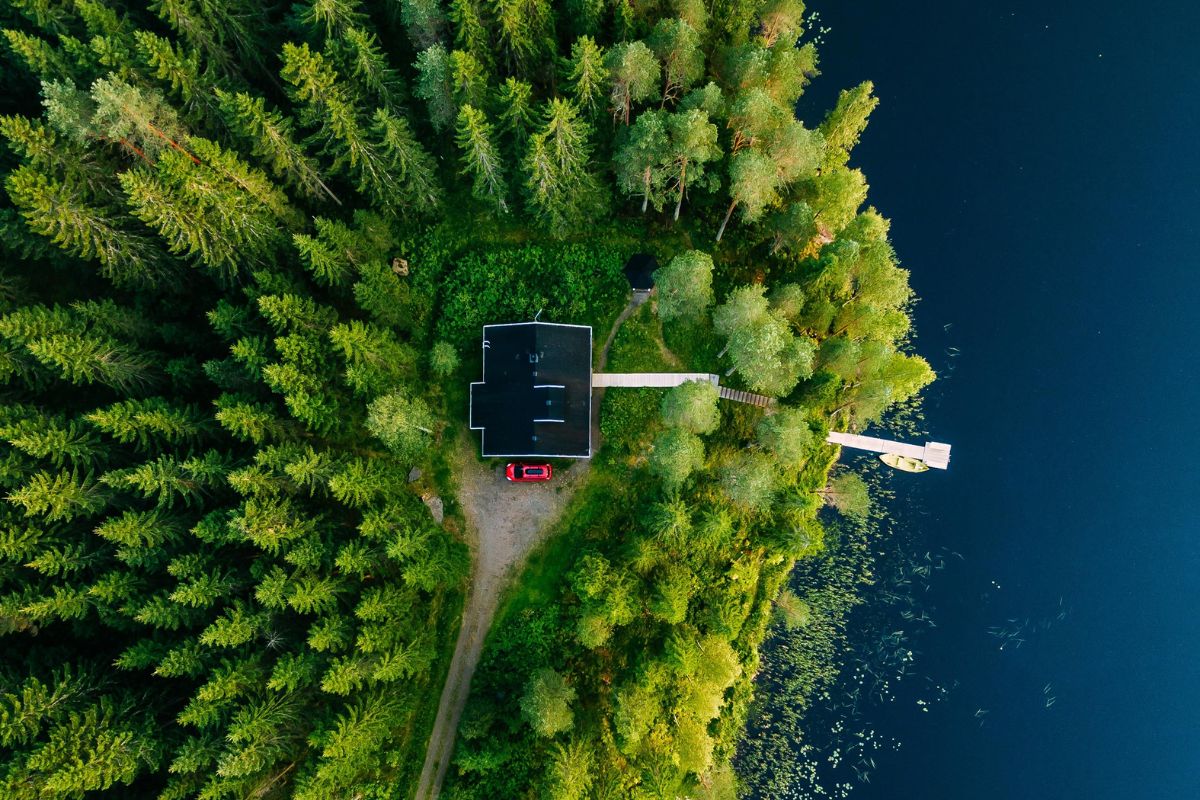
Controlled mechanical ventilation (VMC) is another key technology: it allows for continuous air exchange without opening the windows and dispersing heat, improving the quality of the internal air and filtering fine dust and allergens. Projects such as the Passive Houses of Rubner Haus or the residential complexes of Mario Cucinella Architects show how these solutions can be integrated without compromising aesthetics and comfort.
Home automation, thanks to sensors and predictive algorithms, automatically regulates lights, heating and cooling based on the presence, external temperature and circadian rhythms of the inhabitants. Water is also monitored: intelligent taps, rainwater recovery systems and gray water recycling for irrigation are now widespread solutions in new generation residential projects.
The result is not a “technological” house in the cold sense of the term, but an environment that works silently to guarantee well-being,savings and resilience , with a tangible impact on bills and quality of life.
The role of greenery in architectural spaces
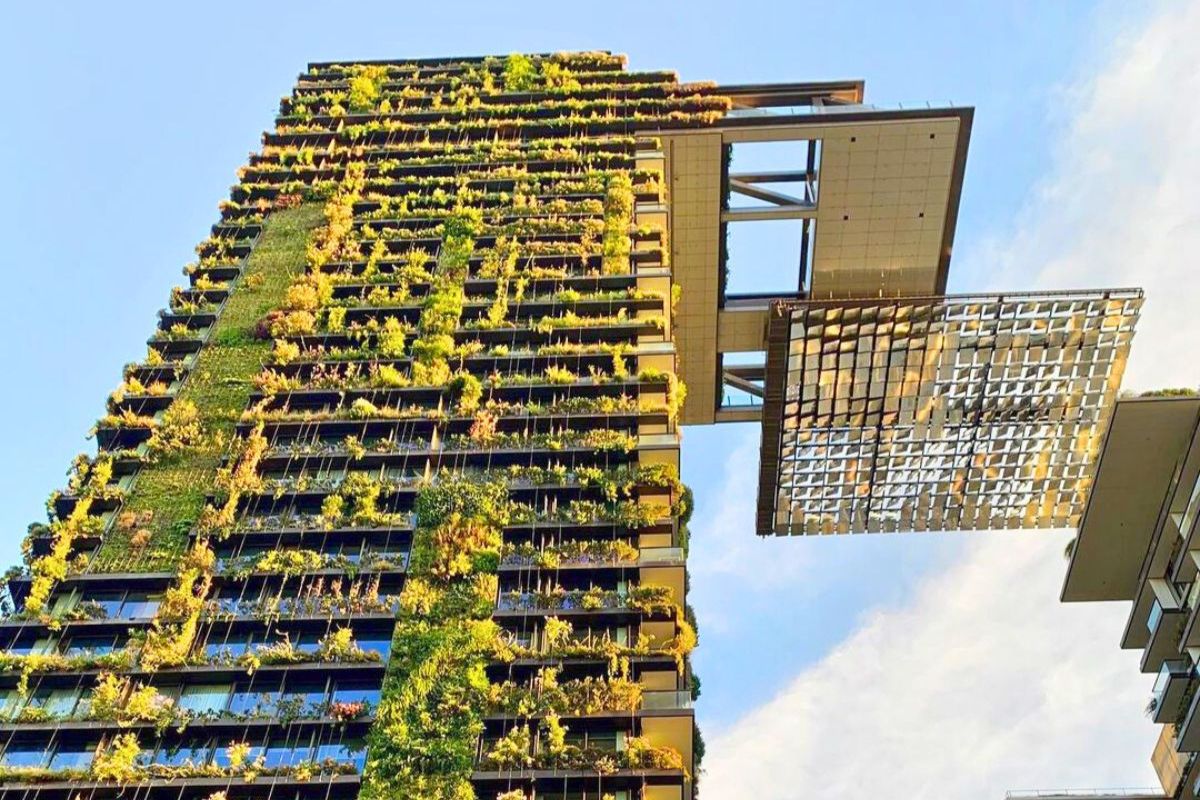
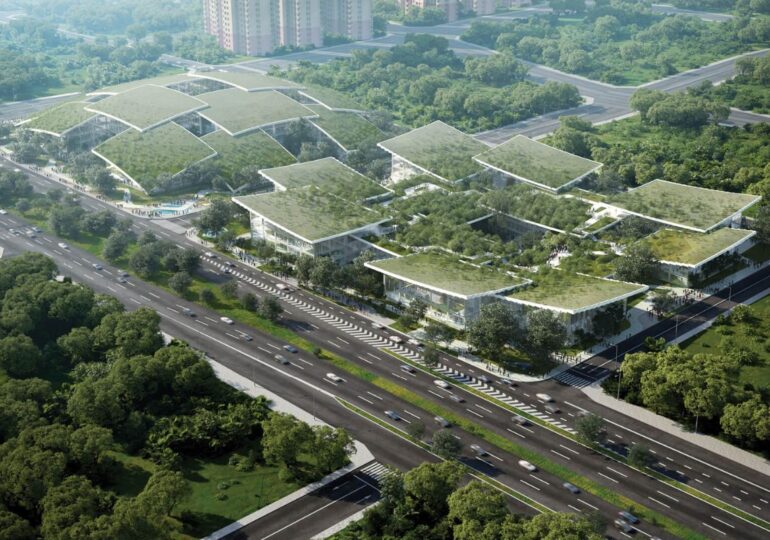
Green is no longer a simple decorative element, but a real design strategy . Architects and urban planners consider it a living infrastructure: it regulates the temperature of buildings, absorbs CO?, filters fine dust and creates a healthier microclimate.
The vertical gardens and the green roofs are no longer elite experiments: they are an integral part of public buildings, offices and residential complexes. In increasingly hotter cities, vegetation on facades reduces the “heat island effect” and lowers the internal temperature by up to 4 degrees, reducing the need for artificial cooling.
There is no shortage of virtuous examples: the Bosco Verticale in Milan remains the global icon, but today we find projects like One Central Park in Sydney , with its facades covered in plants designed by Patrick Blanc, or the Valley Building in Amsterdam , where green terraces climb up to the floors taller creating a vertical landscape.
Even in interiors, greenery becomes part of the project: internal patios, domestic greenhouses, plant walls that improve acoustics and air humidity. The biophilic approach is now central in many companies, convinced that the presence of plants in the office increases productivity and psychological well-being. The Google Bay View Campus in California is an example of this: work spaces surrounded by vegetation and natural light, designed to stimulate creativity and reduce stress.
In this way, greenery becomes a construction material like concrete and steel, with one fundamental difference: it is a living material, in constant dialogue with the environment and with those who inhabit the space.
Interior Design and sustainability
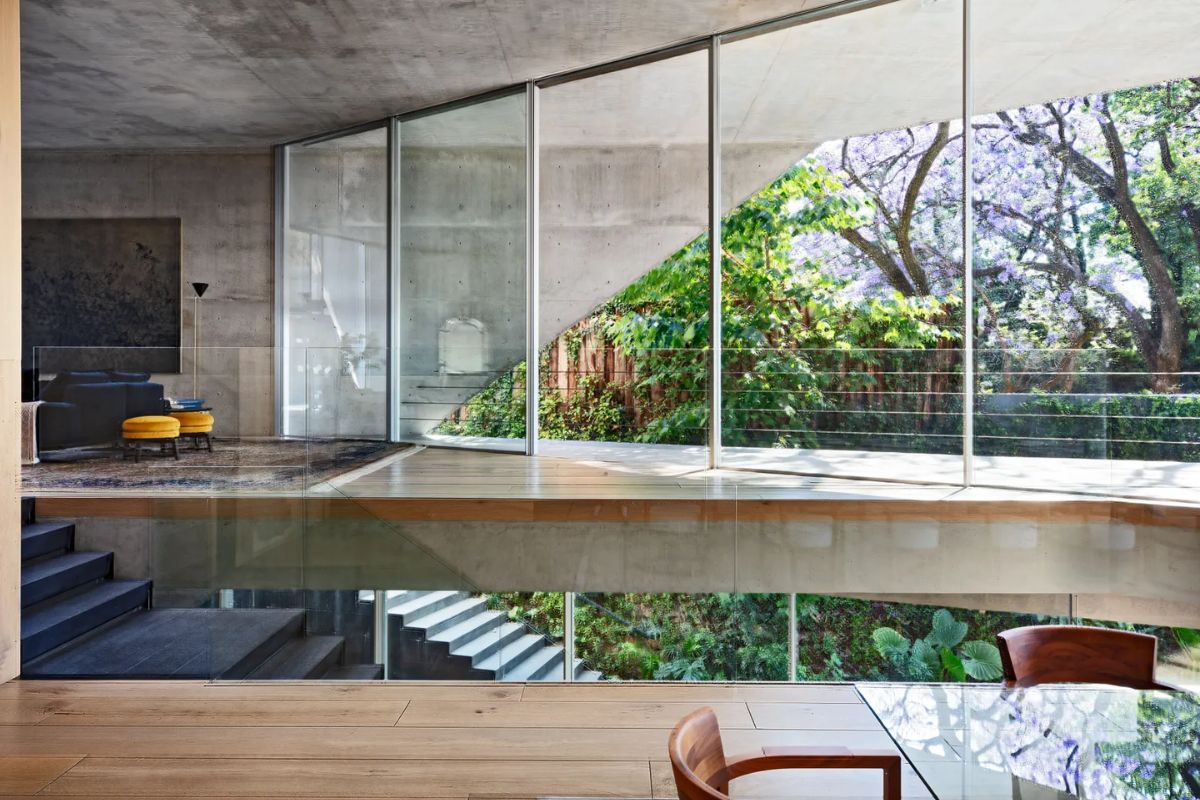
If architecture creates the frame, interior design is the canvas on which the story of everyday life is painted. Today, designing sustainable interiors does not mean giving up comfort or aesthetics, but carefully choosing materials, furnishings and processes that respect the environment and the people who will use them.
Furnishings in FSC certified wood are now a standard for high-end companies: brands like Riva 1920 work with reclaimed and reforestation wood, transforming them into unique pieces that last generations. restoration and upcycling are becoming design trends: instead of buying new furniture, many designers choose to give new life to vintage pieces, integrating them into contemporary contexts. This not only reduces waste, but adds character and authenticity to spaces.
Even the fabrics express this new sensitivity: organic linen, recycled cotton, certified wools, velvets in regenerated fibers create a warm and welcoming aesthetic. Companies like Kvadrat and Rubelli are experimenting with textile collections made with yarns from recycled plastic bottles or production waste, without compromising on tactile quality.
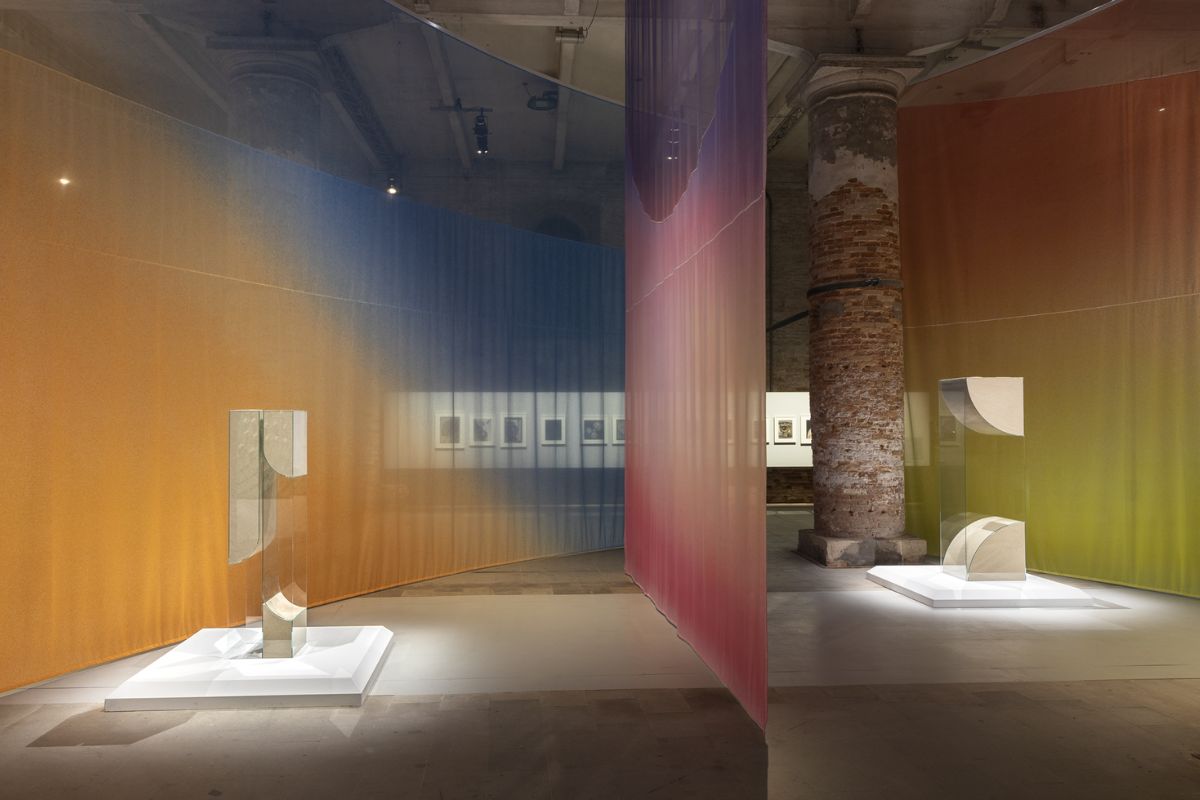
The chromatic paletteswhich are inspired by nature: botanical greens, ocher, sand, dusty blues and terracotta, shades that evoke landscapes and stimulate the emotional connection with the environment. Lighting also plays a crucial role: low-consumption LED lamps with color temperatures designed for well-being, integrated with dimmable systems and presence sensors, transform every room into a flexible and sustainable place.
Finally, attention is growing for artisanal supply chains : choosing locally made products means reducing transport and emissions, but also supporting communities and skills that would risk disappearing. Craftsmanship thus becomes not only an aesthetic choice, but an ethical act.
Green Design brands and design studios
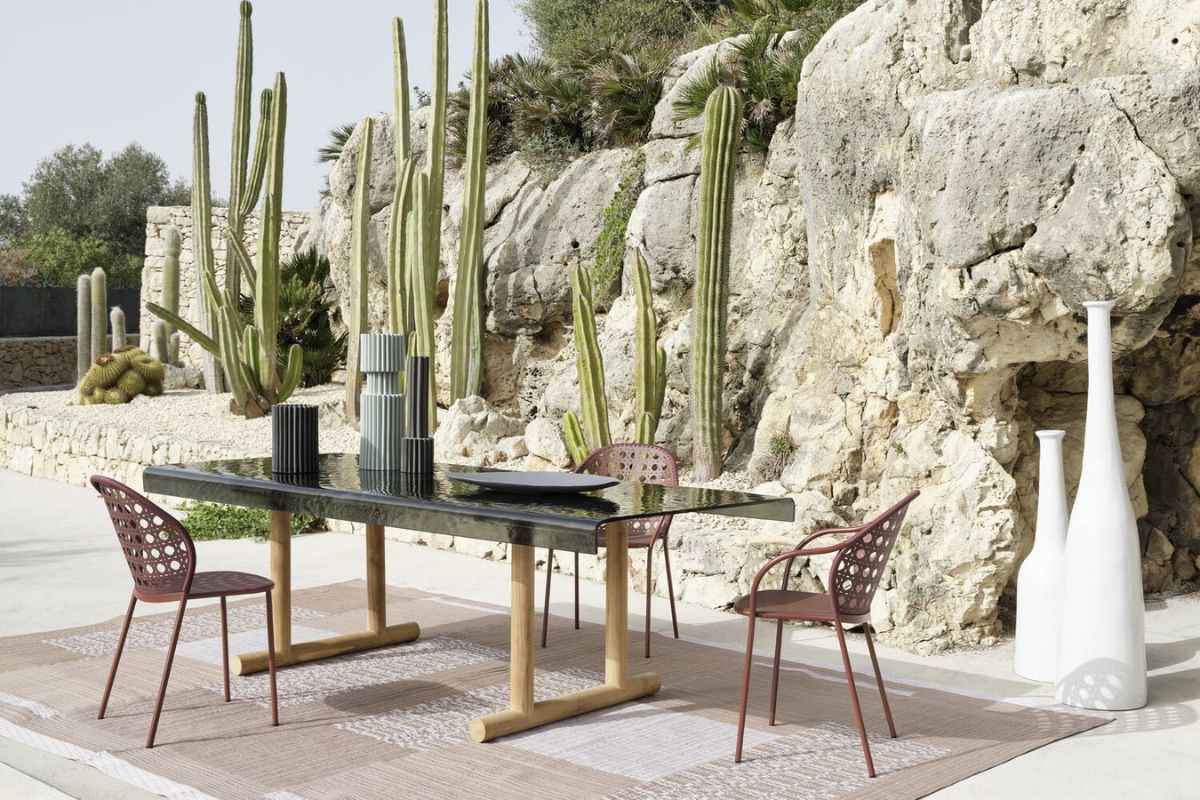
The green design panorama is today full of protagonists who are redefining the way of building and furnishing. Knowing them means coming into contact with the beating heart of sustainable innovation.
Among architects, Stefano Boeri is the symbol of urban forestation: the Vertical Forest has inspired green towers all over the world, from Eindhoven to Nanjing. Mario Cucinella , with his studio MCA Mario Cucinella Architects, carries out research on building with almost zero energy, designing schools, public spaces and residential complexes that become true laboratories of sustainability. At an international level, the Japanese Kengo Kuma has made wood and transparency his signature, while the BIG Bjarke Ingels Group is known for its visionary architectures that integrate public spaces, parks and green infrastructures in a single design gesture.
In the world of product design, Italian brands stand out for their ability to combine aesthetics and responsibility. Riva 1920 works with reused and reforestation wood, transforming them into furnishings with a sculptural character. Ethimo creates outdoor collections with resistant and sustainable materials, perfect for contract and residential spaces. Gervasoni , with its FSC certified production, demonstrates that sustainability can have a sophisticated and contemporary aesthetic. De Castelli , a metal specialist, uses recycling processes and natural patinas that transform the metal into a living surface.
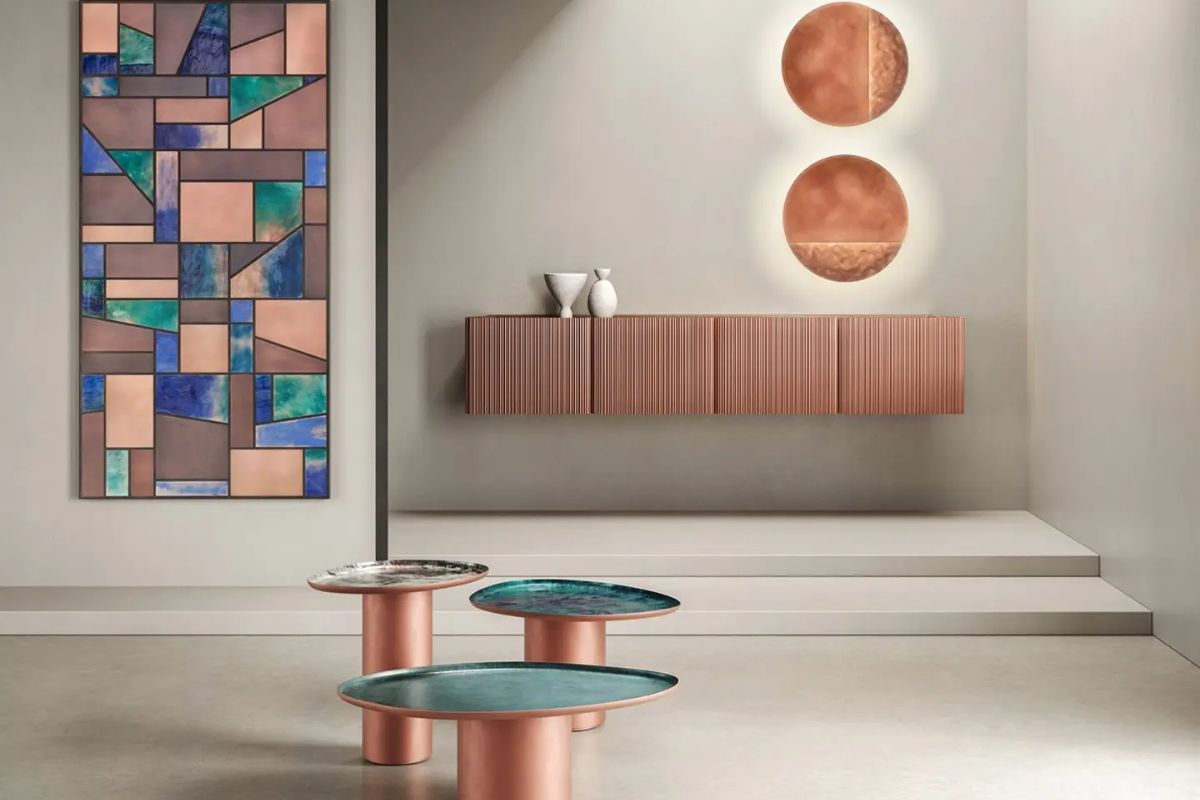
Also interesting are the emerging realities that work on circular design , such as startups that develop modular furniture designed to be dismantled and reused, or companies that offer take-back services to give a second life to their products at the end of their cycle.
These protagonists do not just represent companies and studios: they are spokespersons for a cultural change , which sees sustainability not as a technical constraint but as a creative driver for innovation.
A new idea of luxury
The true revolution of green design lies not only in innovative materials or intelligent technologies, but in the change of mentality that it brings with it. Sustainable living no longer means giving up, but choosing better: preferring natural light to artificial light, certified wood to disposable laminate, furniture designed to last forrather than an impulsive purchase.
From this perspective, sustainability becomes the new luxury: not ostentation, but silent quality, capable of improving everyday life and leaving a positive legacy. A green house is not only more efficient – it is a place that breathes, that adapts to the rhythms of those who live there, that restores well-being.
Every project, small or large, can be an act of respect towards the planet: from the choice of a low impact finish to the decision to integrate a vertical garden or a photovoltaic system. Green architecture invites us to build with awareness, to live in harmony with nature and to imagine cities in which green is no longer an exception but the rule.
In a world that runs fast, green design reminds us that the future of living is not made of quantity, but of quality and authentic connections with the earth, with light, with time.
Leave a comment