to designing spaces for technology , such as laboratories, research centers and development areas, requires careful planning and attention to several aspects. Creating functional environments, fostering collaboration, adopting inspiring design, and considering logistical and security issues are key to the success of technology projects. By following this guide, you will be able to design spaces that stimulate innovation, foster collaboration, and provide a comfortable and productive work environment for technology professionals.
1. Designing spaces for technology: creating a functional plan
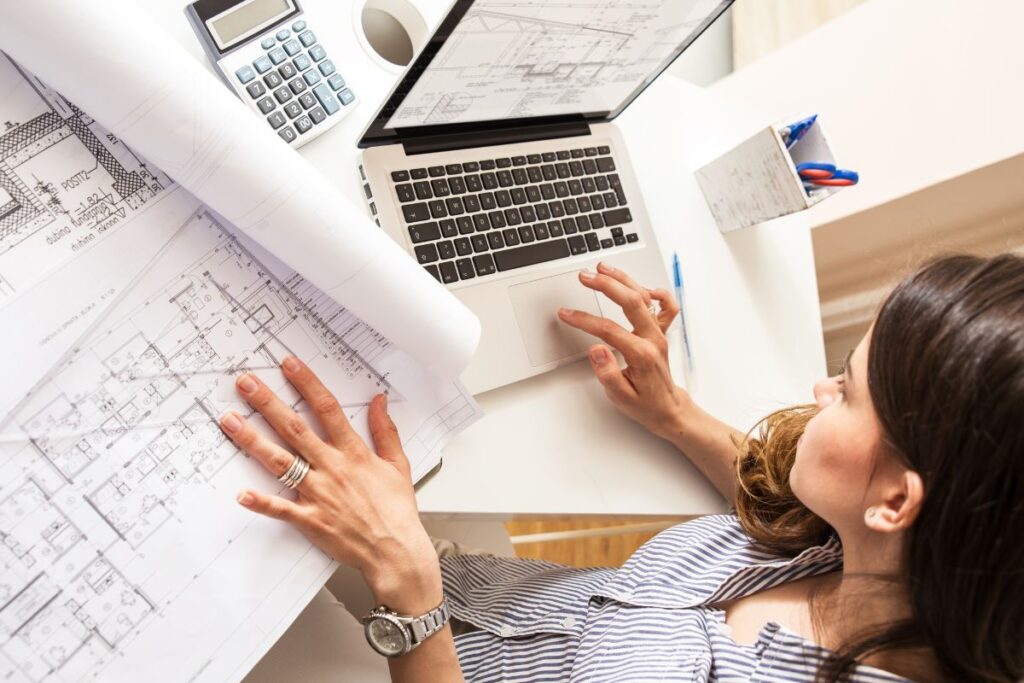
The first step in designing spaces for technology is creating a functional plan. This initial process involves evaluating the specific needs of the project and defining the objectives you want to achieve.
Identification of project objectives
Before starting to design the space, it is essential to understand the specific objectives of the project . This might include the need to promote collaboration between team members, provide dedicated areas for research and development, or create an inspiring environment to foster innovation. Clearly identifying the goals will help guide the design and ensure the space meets the needs of the project.
Technical needs assessment
Another important consideration in functional planning is the assessment of the technical needs of the project. For example, if the laboratory requires specific instrumentation, it is essential to ensure that there is sufficient space and the necessary infrastructure to support it. Assessing technical needs in advance will help avoid future problems and ensure an efficient design.
Definition of functional areas
When designing the space, it is important to define the functional areas according to the needs of the project. For example, you may need to have areas dedicated to research, prototyping, collaboration and administration. Each functional area should be designed taking into account the specific activities that will take place within it, ensuring that there is sufficient space and a logical organization of the areas.
2. Designing spaces for technology: promoting collaboration and interaction
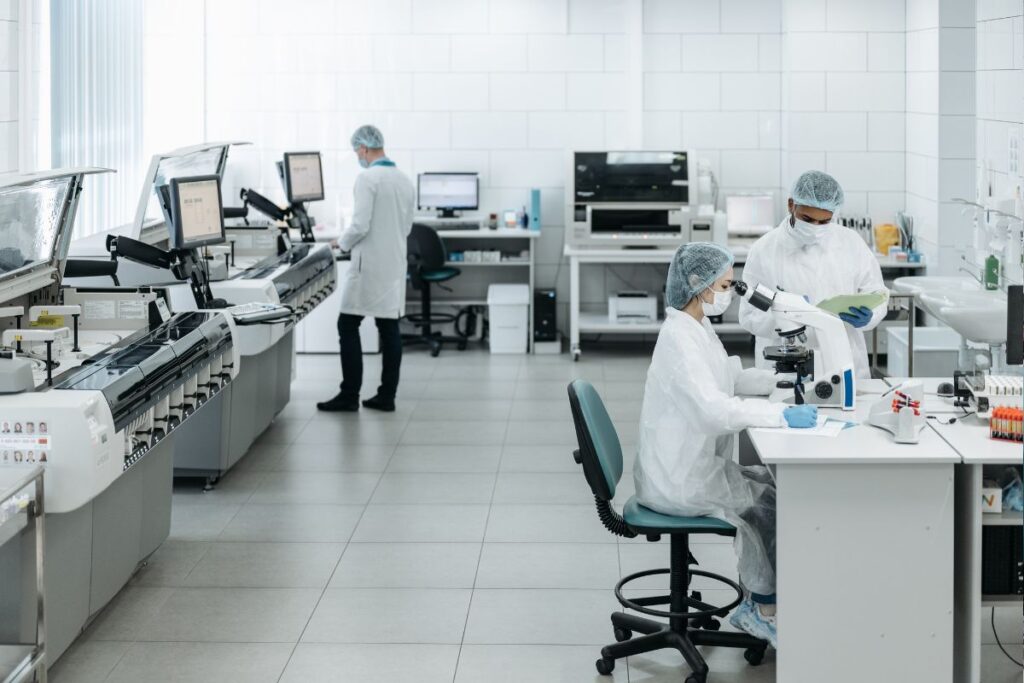
collaboration and interaction are essential elements for the success of technology projects. The design of spaces should favor these aspects, encouraging the sharing of ideas and communication between team members.
Common areas for meeting and discussion
Within the space, it is advisable to create common areas that encourage meeting and discussion between team members. These macawsand may include informal meeting spaces, lounge areas or conference rooms . Make sure these areas are accessible and welcoming, with furniture arrangements that facilitate communication and interaction.
Open and flexible spaces
The design of open and flexible spaces can foster collaboration and interaction between team members. Creating areas without partitions or with movable walls will allow professionals to work together, share ideas and make changes to the space as needed. The flexibility of the spaces will ensure that they are adaptable to future changes and different project needs.
Intelligent use of technology
The intelligent integration of technology in space can promote collaboration and interaction. For example, the presence of interactive screens or digital sharing tools can facilitate the presentation and exchange of ideas. Additionally, ensuring Wi-Fi connectivity is reliable and fast will allow professionals to work uninterrupted and access online resources quickly.
3. Designing spaces for technology: inspiring and comfortable design
An inspiring and comfortable environment can stimulate creativity and foster innovation . The design of spaces for technology should take into consideration the aesthetic appeal and comfort of the professionals working within the space.
Adequate lighting
Adequate lighting is essential to creating a comfortable and stimulating environment. Use a combination of natural and artificial lighting to ensure adequate brightness in the space. Furthermore, allowing the regulation of light intensity and the choice of warm or cold lights can promote the well-being of professionals working in the laboratory or research center.
Inspirational color and decor
The choice of colors and furnishings can influence the overall atmosphere of the space. Use bright, inspiring colors, such as shades of blue or green, to create a positive and inspirational atmosphere. Furthermore, providing ergonomic and comfortable furniture, such as height-adjustable chairs and spacious desks, will contribute to the well-being and productivity of professionals.
Green spaces and nature
The presence of green spaces and natural elements can help create a relaxing and inspiring environment. Adding plants, green walls or even outdoor areas to the laboratory or research center can promote the well-being of professionals and improve the overall quality of the space.

4. Logistical and safety considerations
In addition to the aesthetic and functional aspects, it is important to consideralso address logistical and safety issues when designing spaces for technology .
Flow of people and accessibility
Ensure that the space is designed in such a way as to ensure smooth flow of people . Place common areas, such as the meeting room or coffee area, in strategic locations that facilitate access by all team members. Furthermore, consider accessibility for people with disabilities, taking appropriate measures to ensure an inclusive environment.
Safety regulations
Security is a key consideration when designing spaces for technology . Make sure you adhere to relevant safety regulations , such as the presence of fire extinguishers, proper ventilation and adopting emergency procedures. Also evaluate data security and the adoption of protective measures to prevent unauthorized access to sensitive information.
Cable and infrastructure management
In the technological age, it is critical to have effective cable and infrastructure management . Make sure there are sufficient power outlets and connection points to support the necessary electronic equipment. Use cable management solutions to maintain order and prevent entanglements or hazards.
5. Monitoring and adaptation
Once the design of the space is complete, it is important to monitor the use and effectiveness of the environment . Gather feedback from professionals working in the space and make any necessary changes or improvements. Designing spaces for technology should be an ongoing process, adapting to the evolving needs of projects and the professionals who use them.
Leave a comment