designing spaces for the sports sector requires a combination of skills in architecture, ergonomics and knowledge of the specific needs of athletes. In this comprehensive guide, we’ll explore the key considerations for creating well-designed sports environments and provide practical tips for maximizing the use of space.
1. Space design for the sports sector: Layout and flow
General organization of the space
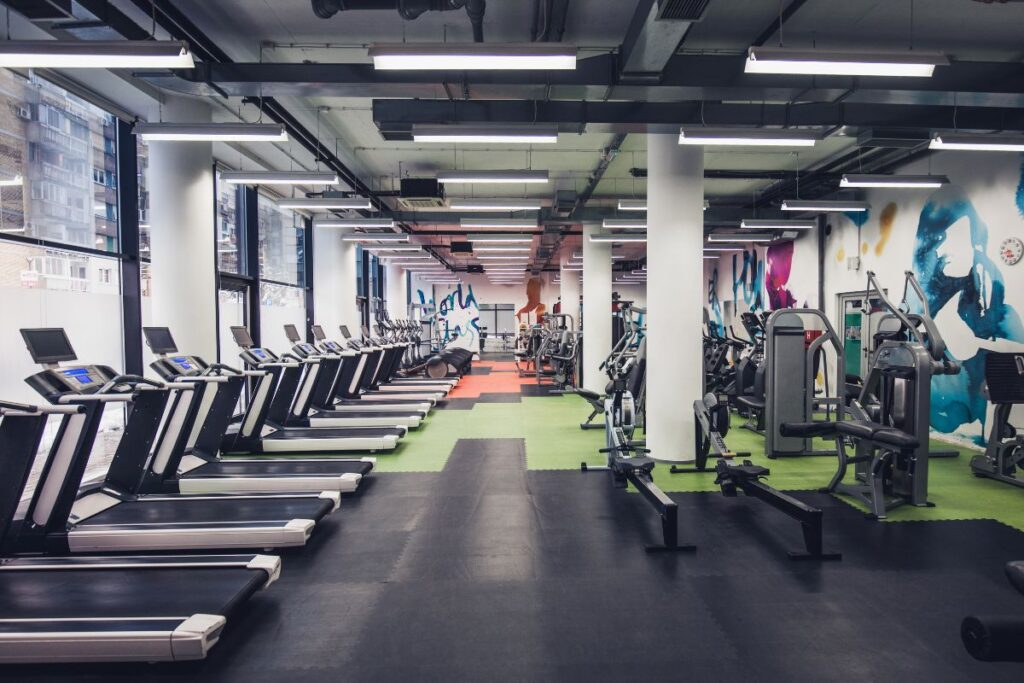
The first step in designing spaces for the sports sector , of a playing field or a sports center, is to define the general organization of the space. It is important to consider the number of activities that will take place at the same time, the size of the teams involved and the flexibility needed to adapt the space to different disciplines.
Traffic flow
Another crucial aspect is the flow of traffic within the space. It is essential to provide clear routes for athletes, avoiding intersections and possible congestion. Furthermore, it is important to consider accessibility for people with disabilities and ensure the safety of all users.
2. Design of spaces for the sports sector: Materials and equipment
Flooring and coverings
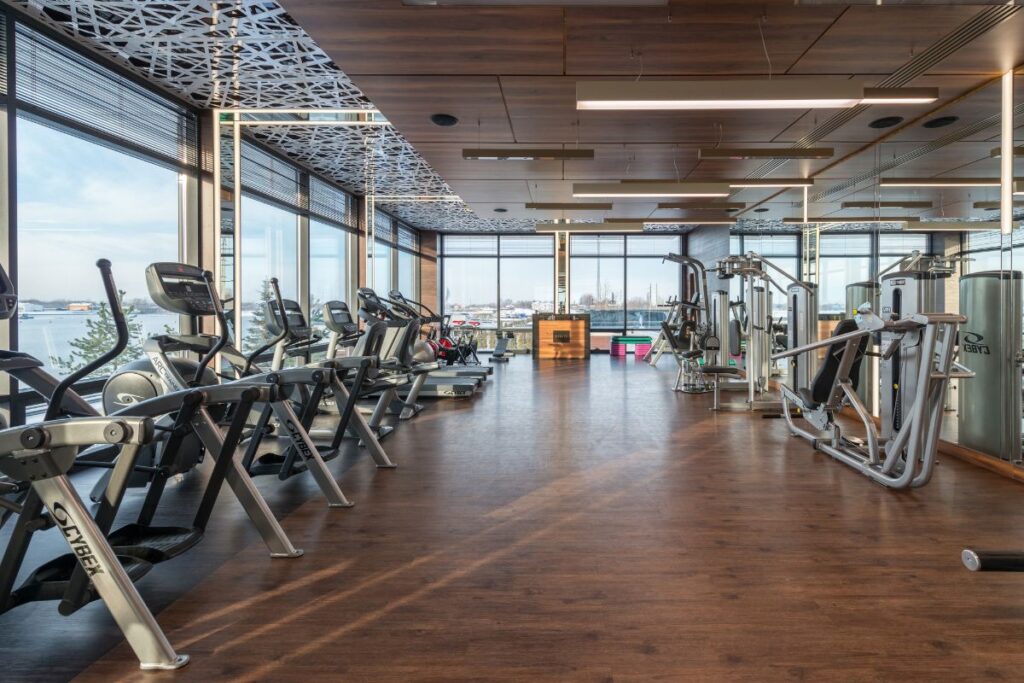
The choice of flooring material is essential to ensure safety, comfort and optimal performance. Non-slip flooring, for example, is essential for preventing injuries during intense workouts. Furthermore, it is important to consider materials that are resistant and easy to clean.
Equipment and furnishings
The equipment and furnishings chosen must be functional, safe and suitable for the different needs of the athletes. From the selection of fitness machines to the furnishings of social areas, each element must be carefully considered to maximize the effectiveness of the space.
3. Space design for the sports sector: Lighting and ventilation
Natural and artificial lighting
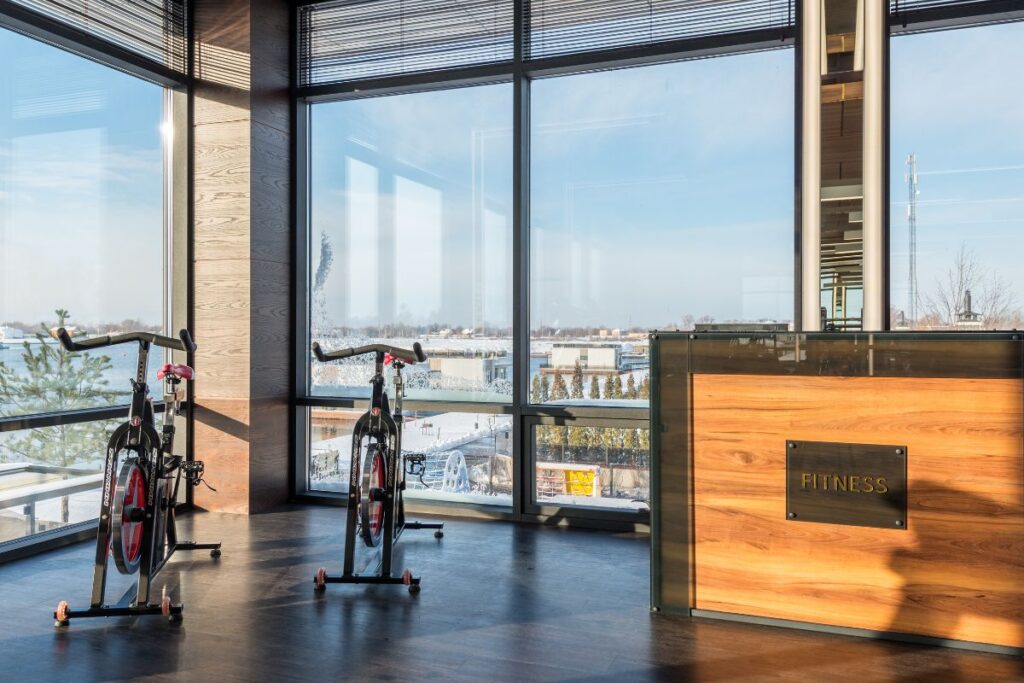
When designing spaces for the sports sector , the implementation of adequate lighting is essential to create a welcoming and functional environment. The use of natural light can help create a pleasant atmosphere, while artificial lighting should be well distributed and suitable for different areas of the space.
Ventilation and temperature control
A good ventilation system is essential to ensure quality air and a comfortable temperature during training. It is important to provide adequate ventilation systems to avoid the accumulation of humidity and bad odors.
4. P design of spaces for the sports sector: d design and branding
Internal and external design
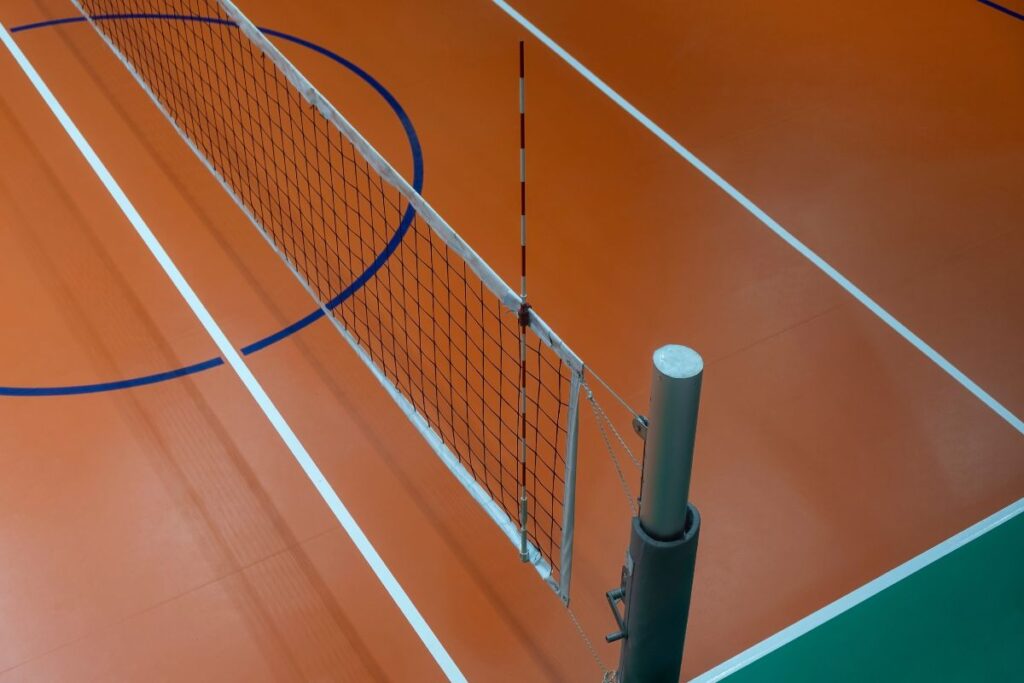
The design of sports spaces can significantly influence user experience. It is important to create an inspiring and aesthetically pleasing environment that reflects your brand identity. The use of colors, graphics and branding elements can help create a unique and engaging atmosphere.
Signs and directions
Clarity in signs and directions is essential to ensure good use of the space. Practitioners must be able to easily locate the different areas and available equipment. Using visual cues and clear text can help avoid confusion and improve the overall experience.
5. Space design for the sports sector: Safety and regulatory compliance
Structural safety
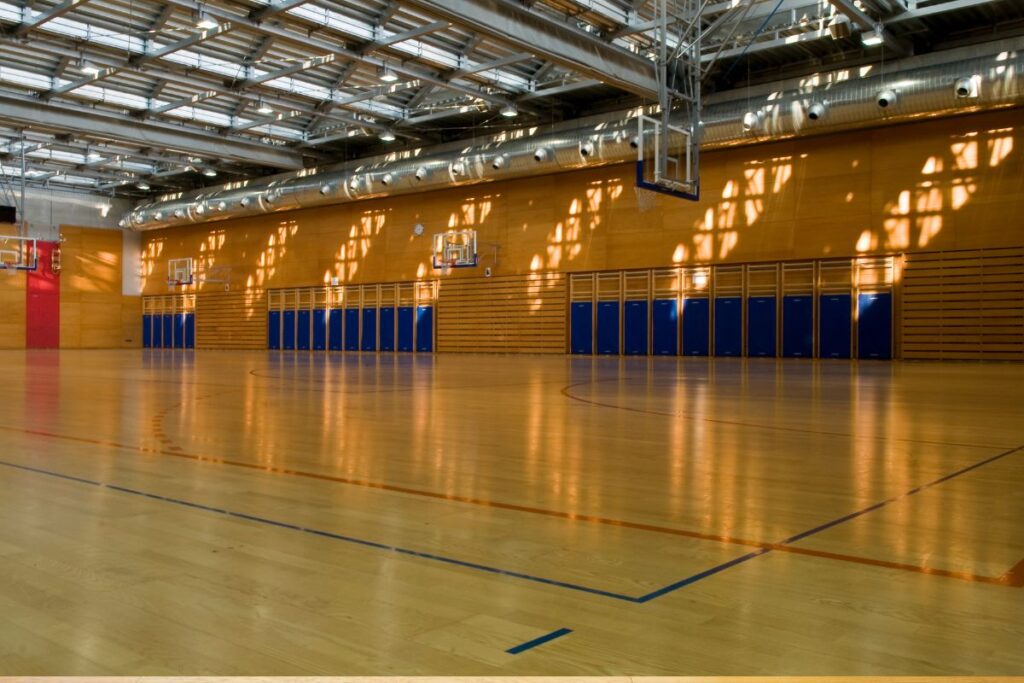
When designing spaces for the sports sector, structural safety is of primary importance. It is essential to ensure that the structures are solid, stable and in line with current safety regulations. Consultation with structural engineering experts is recommended to ensure maximum safety.
Safety regulations
In addition to structural safety, it is important to comply with all safety rules and local regulations. This may include the installation of fire prevention systems, accessibility for people with disabilities and appropriate emergency signage.
Leave a comment