Department stores are not simple shopping places: they are chapters in the history of design , stages where architecture, fashion and lifestyle meet and influence each other. Before retail became “experiential” and before concept stores redefined the relationship between brand and consumer, department stores had already introduced new forms of visual narration, new ways of displaying and new ways of experiencing spaces.
Places like La Rinascente , Selfridges, Harrods or Isetan have changed not only the way of shopping, but also the way of thinking about design: they have made the display central, elevated the shop window to a language, transformed internal paths into experiences, raised the everyday object to a cultural icon.
Today – in the era of digital, omnichannel and the search for emotional experiences – department stores continue to evolve: they experiment with new aesthetics, introduce artistic installations, welcome pop-ups of emerging designs, and become cultural as well as commercial destinations.
Today we talk to you about the most iconic department stores in the world , analyzing how they have changed interior design, visual merchandising and the relationship between people, products and spaces. A journey into the evolution of a model that continues to inspire architects, designers and contemporary retail professionals.
The evolution of department stores: from their origins to contemporary retail
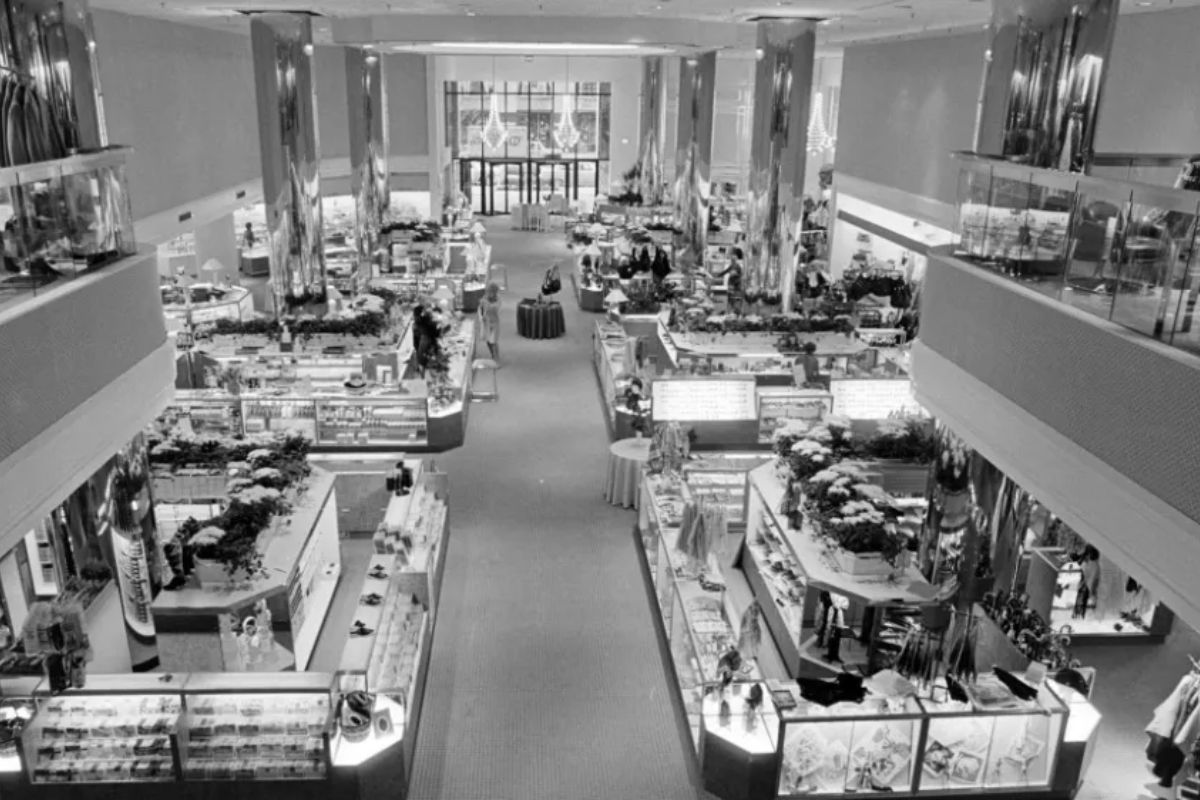
Department stores were born in the nineteenth century as a response to a new way of experiencing cities. With the industrial revolution, the arrival of the railway and the birth of the urban bourgeoisie, shopping ceased to be a functional gesture and became an experience. The first European department stores – designed to amaze, welcome and entertain – introduce scenographic windows, monumental staircases, bright galleries and unprecedented attention to product display.
These buildings were not just places of sale: they were symbols of modernity , capable of hosting cafés, theatres, social events and even artistic exhibitions.
The formula already anticipated the idea of ??contemporary retail: a place where the public did not come just to buy, but to experience an atmosphere, observe, discover .
In the twentieth century – with the arrival of industrial design, visual merchandising and the languages of fashion – department stores became true cultural laboratories , spaces where new styles, new materials and new aesthetics meet an increasingly international public.
Department stores as spaces of architecture and design
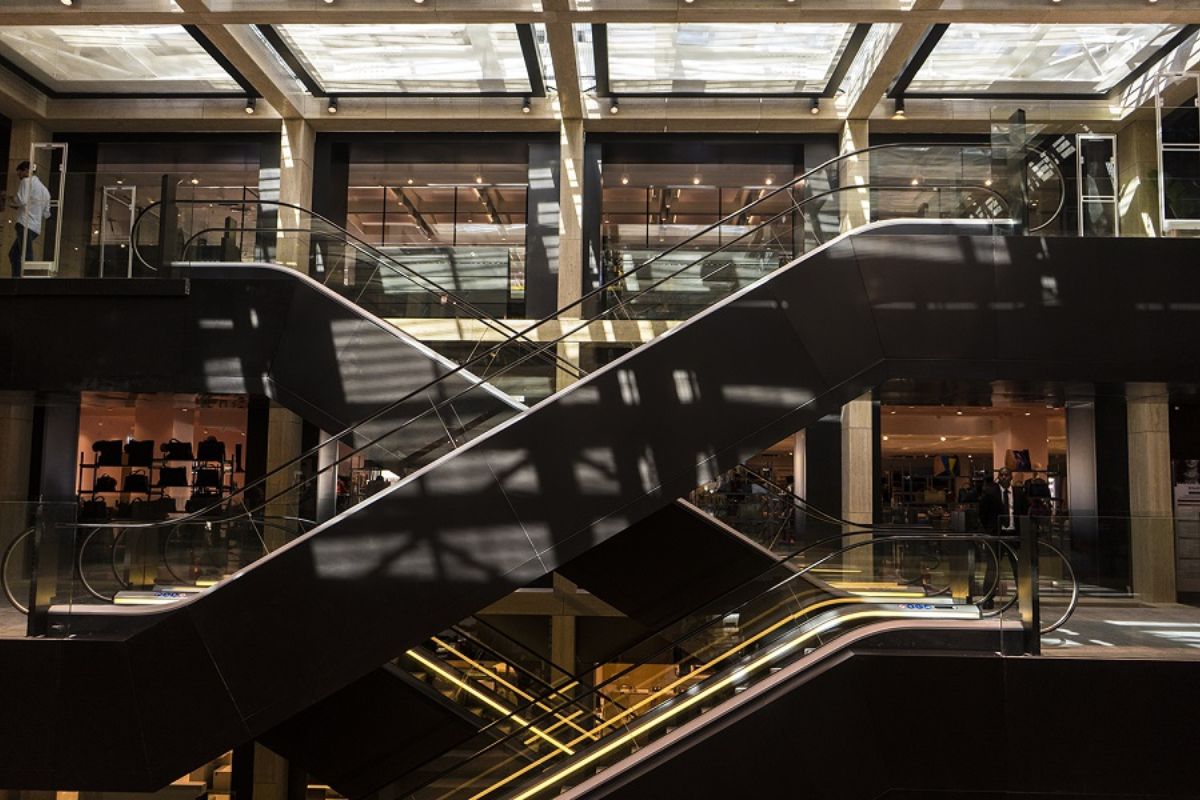
Born as containers for goods, department stores have over time become masterpieces of architecture and interior design. The historic Art Nouveau facades, the galleries covered by glass domes, the spectacular staircases, the suspended ceilings and the refined materials tell of an era in which the shopping experience had to be memorable .
In the 21st century the approach changes but does not weaken: department stores are transformed into multisensory ecosystems , in which colours, lights, scents, materials and layouts define a designed pathwith the precision of a film set.
Beauty areas that look like ateliers, design corners that recall small installations, gourmet galleries that mix steel and marble, panoramic terraces designed as open-air living rooms: this is where retail meets architecture and dialogues with the aesthetics of contemporary living.
The iconic department stores of Italy: tradition, innovation and lifestyle
Italy has given life to some of the most fascinating department stores in Europe, places where the meeting between fashion, design and Italian taste translates into fluid, elegant and recognizable spaces.
La Rinascente an icon of Italian retail
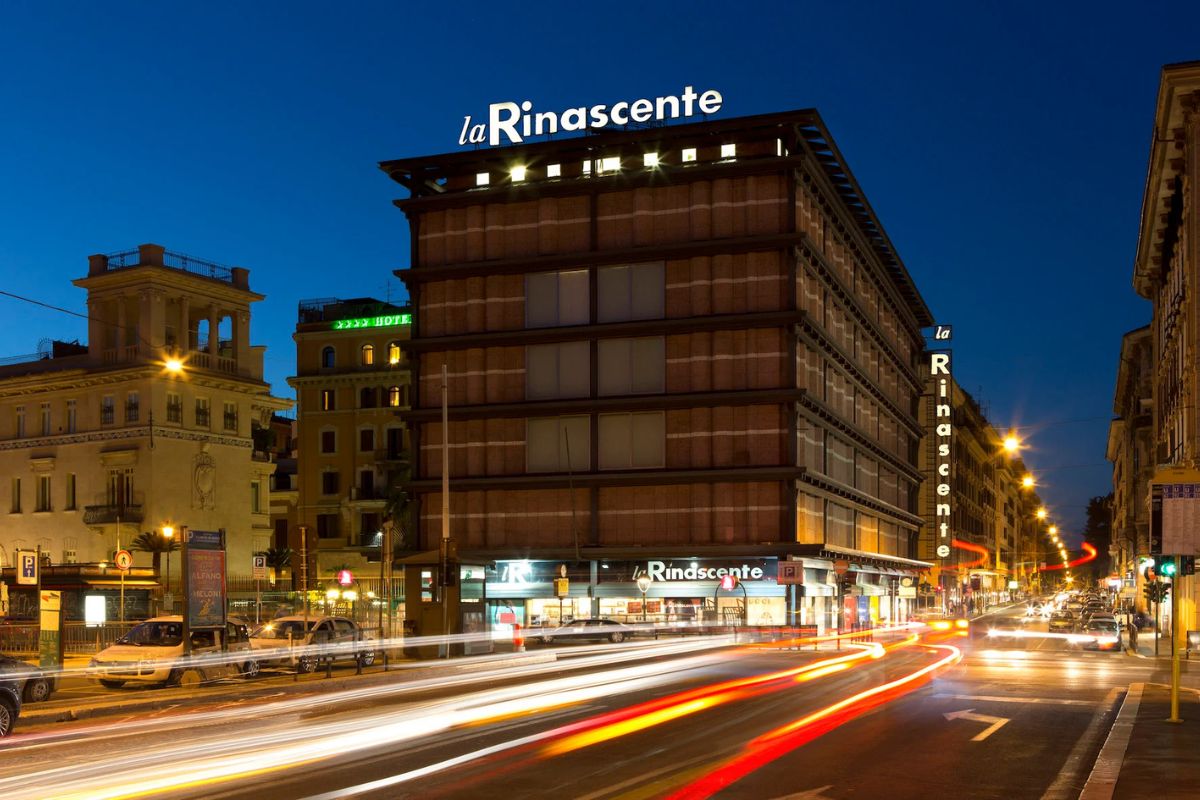
For over a century, La Rinascente has been a point of reference for design and fashion. The building in Piazza Duomo in Milan – a symbol of twentieth-century modernity and today renovated with a contemporary language – remains one of the most significant examples of how retail can dialogue with architecture, light and the city. Its artistic shop windows, the panoramic food hall and the curated selection of household objects make it a cultural destination even before a commercial one.
Coin Excelsior
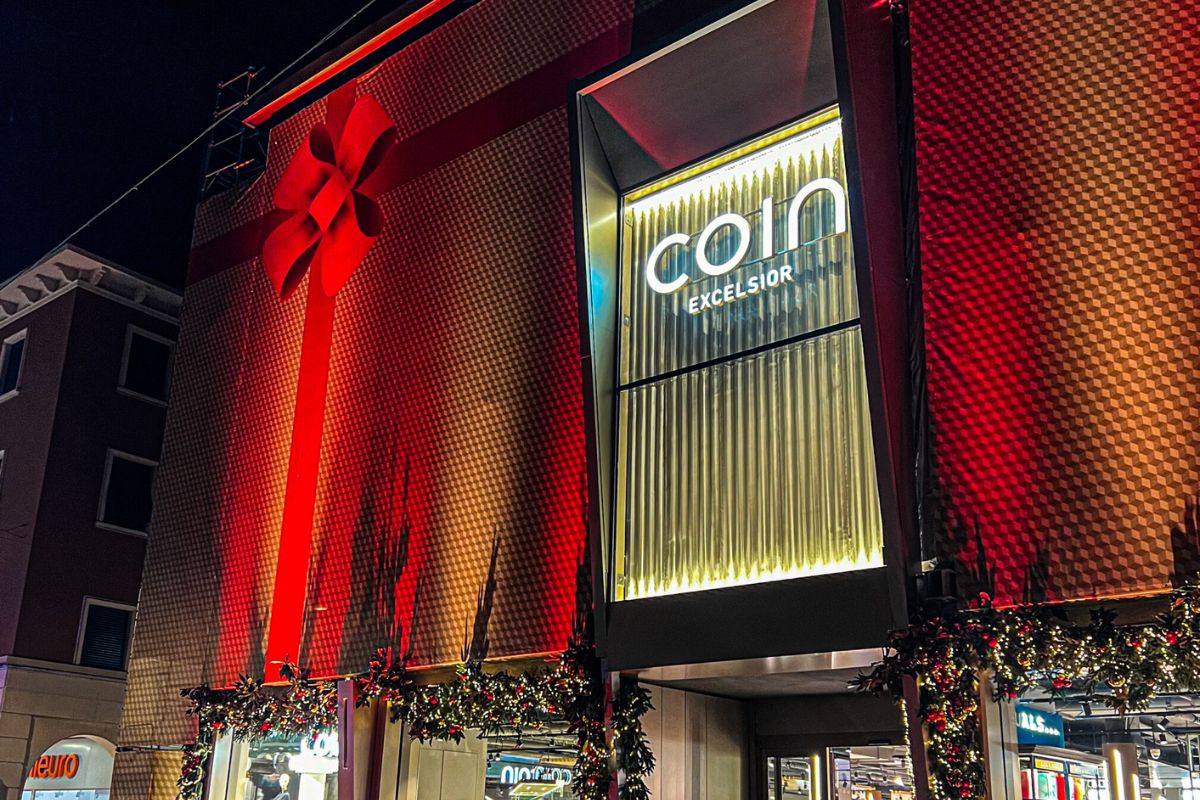
In Rome and Milan, Coin Excelsior offers a more compact and boutique format, with sections dedicated to research design, beauty and fashion. The interiors emphasize the relationship between natural materials, lighting and fluid paths.
Brian & Barry Building
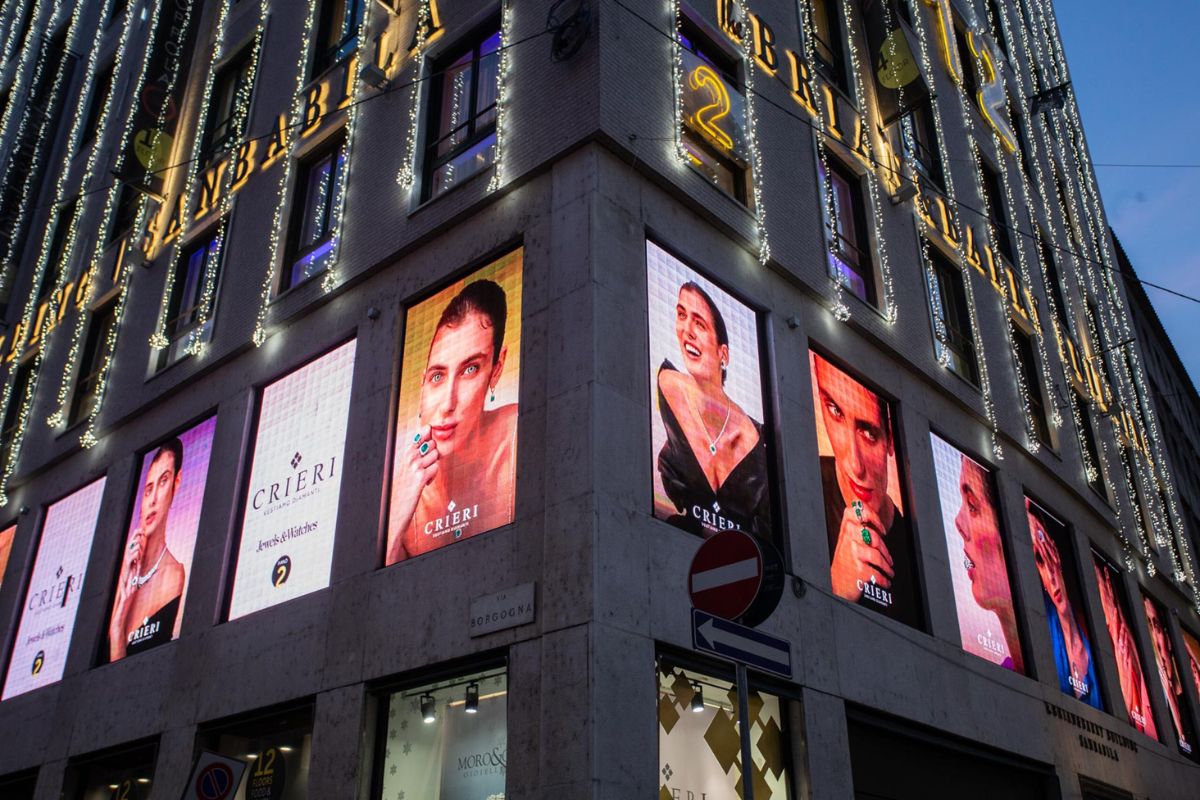
A historic building on ten floors, in the heart of Milan, which houses fashion, accessories, food and lifestyle objects. A project that interprets the idea of ??a vertical department store, thanks to the use of contemporary materials and visual storytelling.
Cavour Gallery (Bologna)
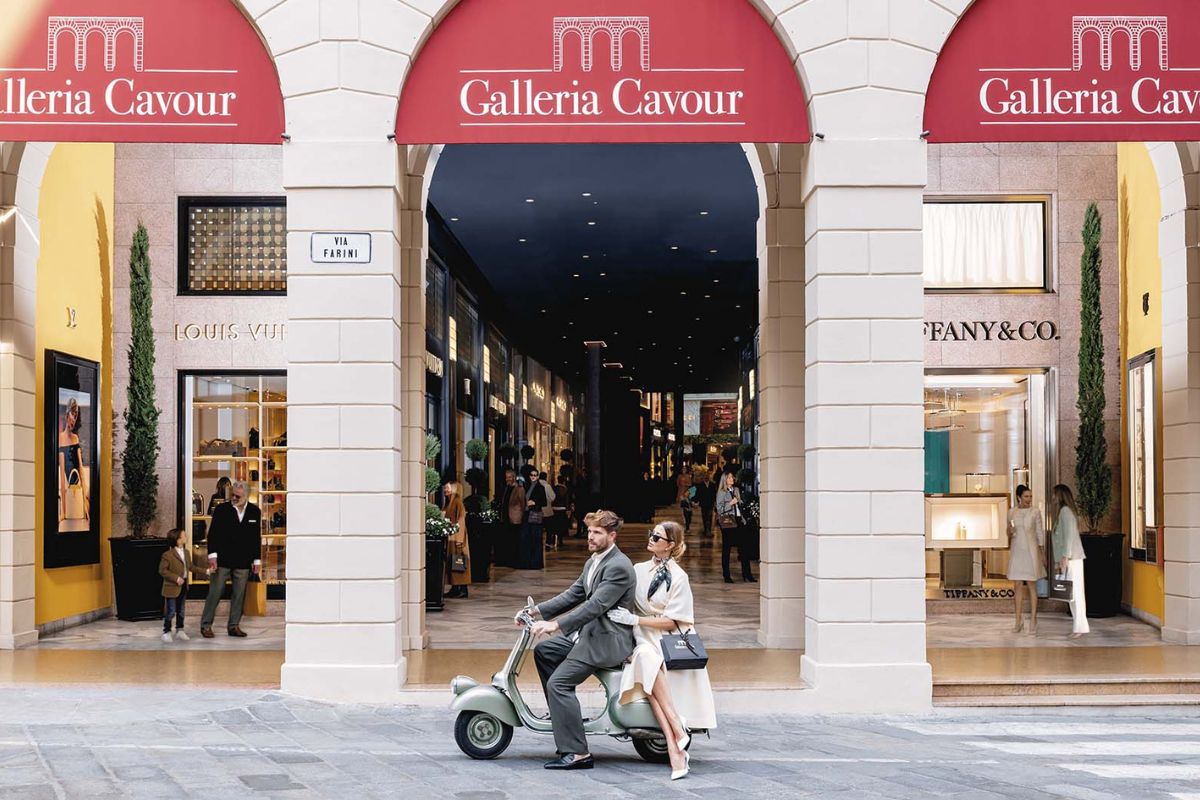
Not a real department store, but a luxury hub that functions as a large “indoor district”, where fashion, jewelery and design brands coexist in a scenographic architecture halfway between a shopping center and a museum boutique.
The most famous department stores in the world
Some department stores have become global icons: not only for their commercial offering, but above all for their ability to describe design and architecture through visionary displays and radical innovations.
Selfridges (London)
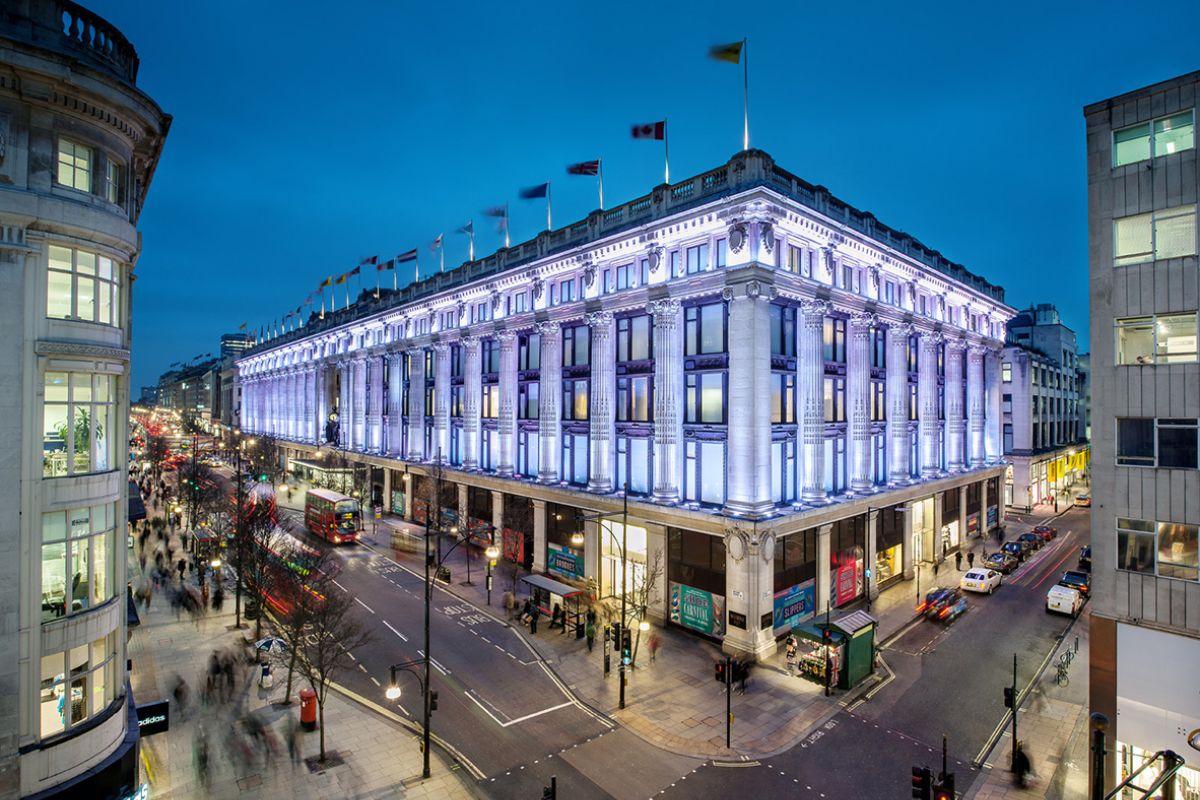
Pioneers of visual merchandising, Selfridges have transformed the shop window into an artistic language. Every season the flagship store offers immersive installations, experimental pop-ups and collaborations with emerging designers.
Harrods (London)
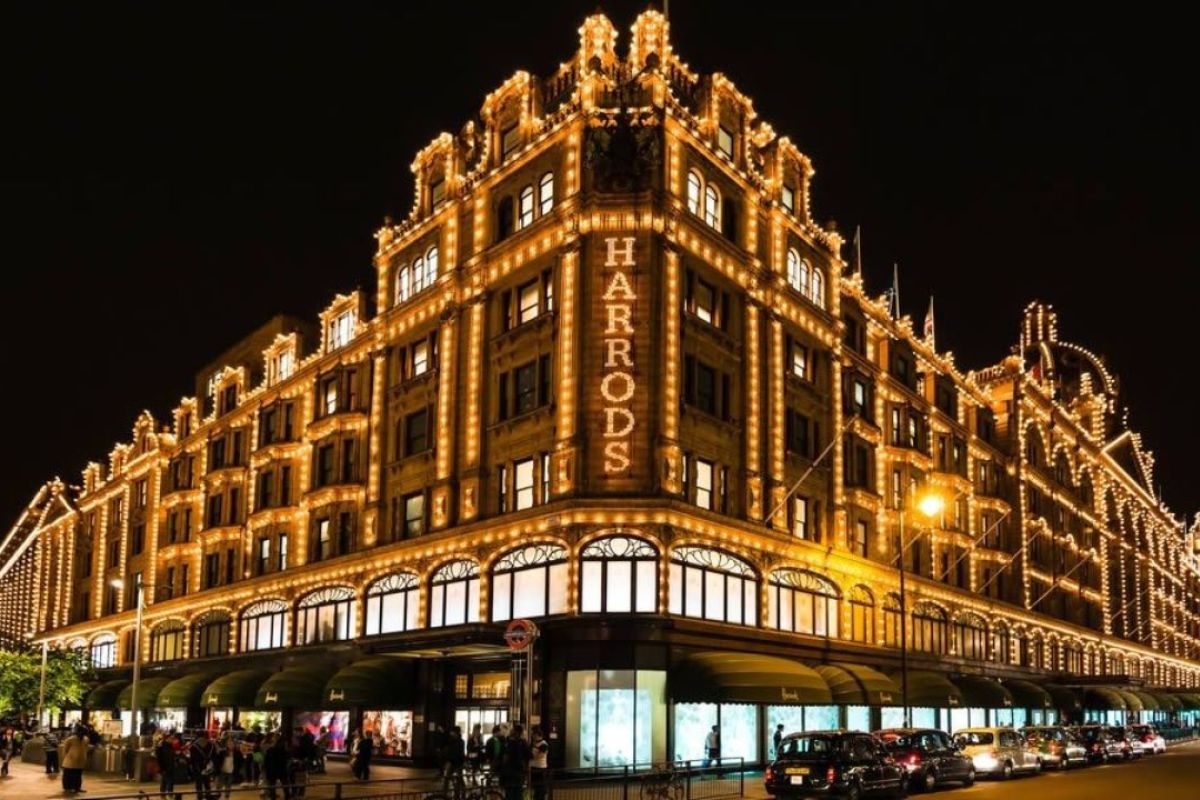
A temple of luxury, where each department is designed as a mini-world in itself: from the Edwardian-style Food Hall to the perfume rooms reminiscent of Parisian ateliers.
Galeries Lafayette (Paris)

The Art Nouveau dome is one of the most recognizable symbols of European retail. The seasonal displays and site-specific installations make the shop a cultural as well as commercial hub.
Isetan Shinjuku (Tokyo)

The department store in Japanif more influential: a perfect synthesis between minimalist aesthetics, meticulous art direction and layouts that combine tradition and avant-garde.
Nordstrom & Saks Fifth Avenue (USA)
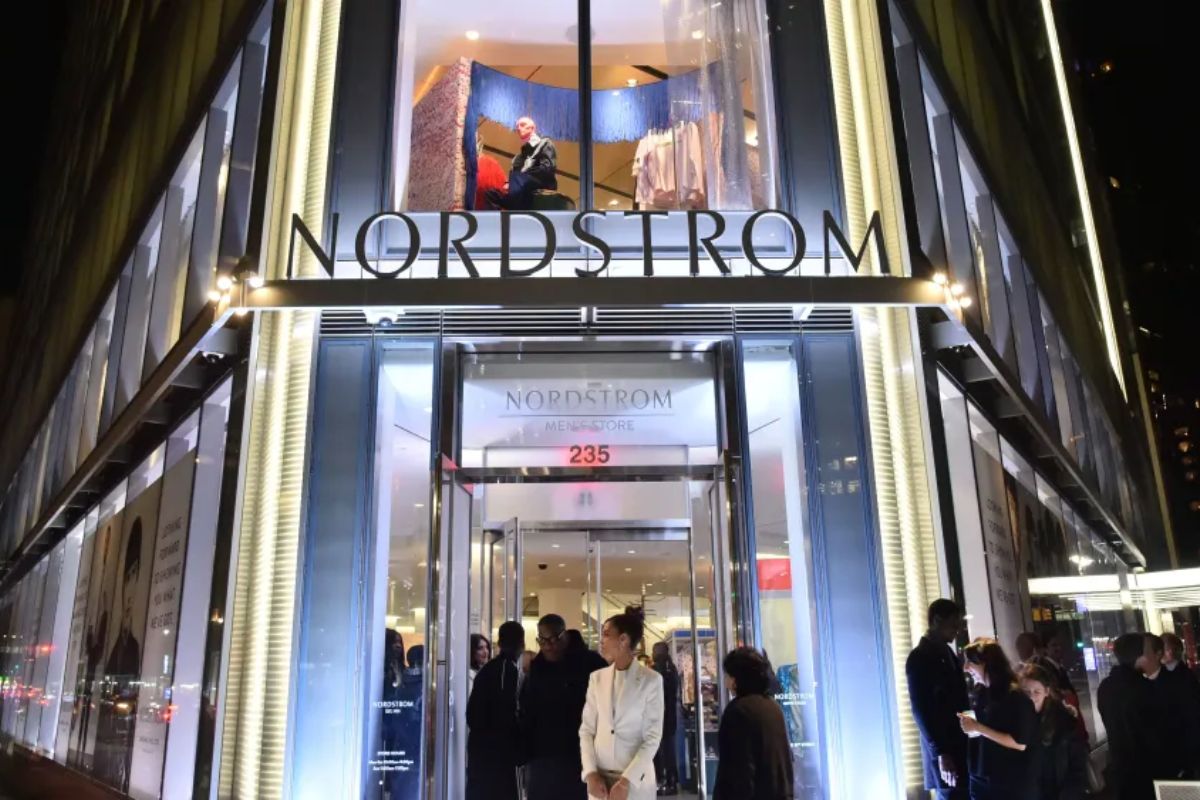
In the United States, department stores are evolving towards experiential contents: personal styling, events, lifestyle corners and modular spaces that change face every season.
How department stores revolutionized the way we shop
Department stores were the first to introduce concepts that are fundamental today:
-
the journey as narration
-
the shop window as an artistic language
-
the thematic display
-
selection as curatorship
-
the commercial event as a cultural event
They taught that retail is not just a transaction, but a visual and emotional experience , the ability to create an atmosphere, describe a world and make the product live as part of an imaginary.
Experience, food hall and new formats: department stores in contemporary culture
Over the past decade, department stores have expanded their identity. Not just fashion and design:
today they include panoramic food halls , gastronomic concepts, rooftop bars, event spaces and temporary art installations.
The result is a hybrid model, where the public comes to shop but stays for the experience. A language that department stores continue to innovate by integrating:
-
technology
-
sustainability
-
pop-up events
-
areas dedicated to emerging brands
-
immersive paths
These elements transform them into cultural hubs , dynamic spaces in which architecture, taste, art and design interact in an increasingly fluid way.
What they can teach designers and retail professionals today
Department stores are a valuable training ground for those involved in interior design, visual merchandising and retail experience. They teach:
-
the importance of fluidity of paths
-
the coherence between materials, light and brand identity
-
the centrality of sensory experience
-
the art of measuring full and empty spaces
-
the power of emotion in design
The future of retail passes through here: spaces capable of surprising, welcoming and telling a story, going beyond the simple commercial function.
Why department stores remain a design laboratory
An important part of the language of contemporary design is born from their spaces:
the shop windows, the lights, the materials, theinstallations, the daily scenography that accompanies those who enter.
And precisely for this reason, department stores remain, even today, one of the most interesting laboratories for those who study or work in the world of architecture, design and retail. Living places, in continuous transformation, where history and experimentation meet.
Why are department stores so important in the history of design?
Because they were the first places to integrate architecture, aesthetics, display and visual narration in a single space open to the public.
What is the most iconic department store in the world?
Selfridges and Harrods in London, Galeries Lafayette in Paris and Isetan in Tokyo are considered the most influential for design and innovation.
How has the role of department stores evolved in the digital age?
Today they combine retail, culture, food experiences and artistic installations, becoming places of experience more than simple points of sale.
What is the most iconic department store in Italy?
La Rinascente is considered the Italian symbol of luxury department stores, for history, architecture and selection of design.
Leave a comment