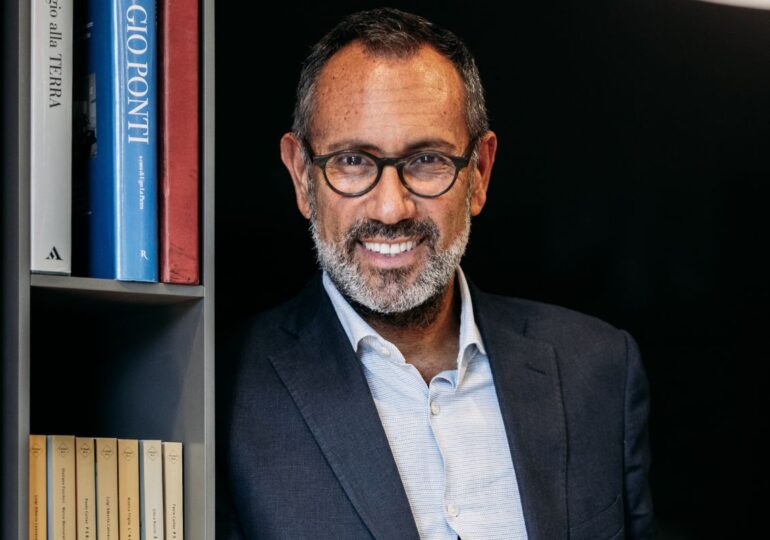
Known for his ability to transform spaces into personal narratives, Andrea Castrignano is today one of the most authoritative voices on the Italian interior design scene. His signature is recognizable not only in style, but above all in his approach: designing environments that can excite and tell the story of those who live there. From the contamination between art, fashion and technology to the valorization of Made in Italy as a cultural and creative heritage, Castrignano interprets design as a living language, capable of blending aesthetics, functionality and sustainability. In this interview with Archi & Interiors , shares reflections and visions on how the ways of living and designing the home are changing, and on what challenges await the design of the future.
Andrea Castrignano and the house as a story: between tailoring, emotion and innovation

In recent years, de sign and architecture have begun to dialogue with society in increasingly fluid and contaminated ways. What new design languages ??do you think are emerging today and how do you integrate them into your work?
Today, design and architecture are experiencing a stimulating phase: the boundaries between disciplines are dissolving and I see languages emerging that mix art and technology, interiors and fashion, physical and digital spaces. Aesthetics is no longer an end in itself, but a tool for describing values, experiences and lifestyles. In my work this translates into three approaches: extreme customization , because each project is a tailored suit made of colours, materials and details; contamination , taking inspiration from nature, art, fashion and digital; hospitality , with spaces that are both emotional and functional. The new language is not only linked to form or function, but to the story: every house is unique because it reflects who lives in it.
Living and urban spaces reflect and, at the same time, influence social transformations. What sociocultural trends are redefining the way we design and experience environments today?
The lockdown has radically changed the way we live. The home is no longer just a refuge, but also an office, gym, restaurant and cinema. The main trends I see are: Flexibility : multifunctional spaces that transform throughout the day thanks to furniture and mobile solutions. Wellbeing : more natural light, more nature, more technical comfort. The house should make us feel good. Integrated technology : home automation is increasingly invisible but fundamental, making spaces intuitive and safe. Identity and story : especially the new generations want the house to speak about them, becoming the setting for their lifestyle.
In your design approach, how important is the study of people’s habits and behaviors? Can you tell us how this dialogue with the inhabitants guides your design choices?

It is fundamental: it is always the starting point. The first question I ask is “and what color are you?”, because the color tells a lot about the personality of those who will live in the house. NotI never impose a style, I prefer to understand habits, needs and desires. From there a project was born made up of tailor-made spaces, materials and details. I don’t create “just any house”, but “their home”, which welcomes them and represents them every day.
More and more architects talk about “passage spaces”, environments that become experiences and are modeled on the needs of those who live there. How do you interpret these spaces and what role do they play in your projects?
I never consider them service areas, but real design opportunities. They are moments of transition that can excite and express the style of the house. I often use my box effect and add light or small furnishing details that transform the passage into an experience. Thus even a corridor becomes part of the story.
The furniture and interior design market is constantly evolving. What are, in your opinion, the most concrete and lasting trends that we will see consolidate in the next 3-5 years?
I don’t like talking about “trends”: interior design is not fashion, we can’t redo our house every season. A home must last and reflect those who live in it. But I see concrete guidelines: customisation, because unique solutions are sought; flexibility, with spaces adaptable to different times of the day; and living well-being, with more attention to light, color and overall comfort.
Which materials or technologies do you think are radically changing the way we design today and which will also have an impact in the long term?
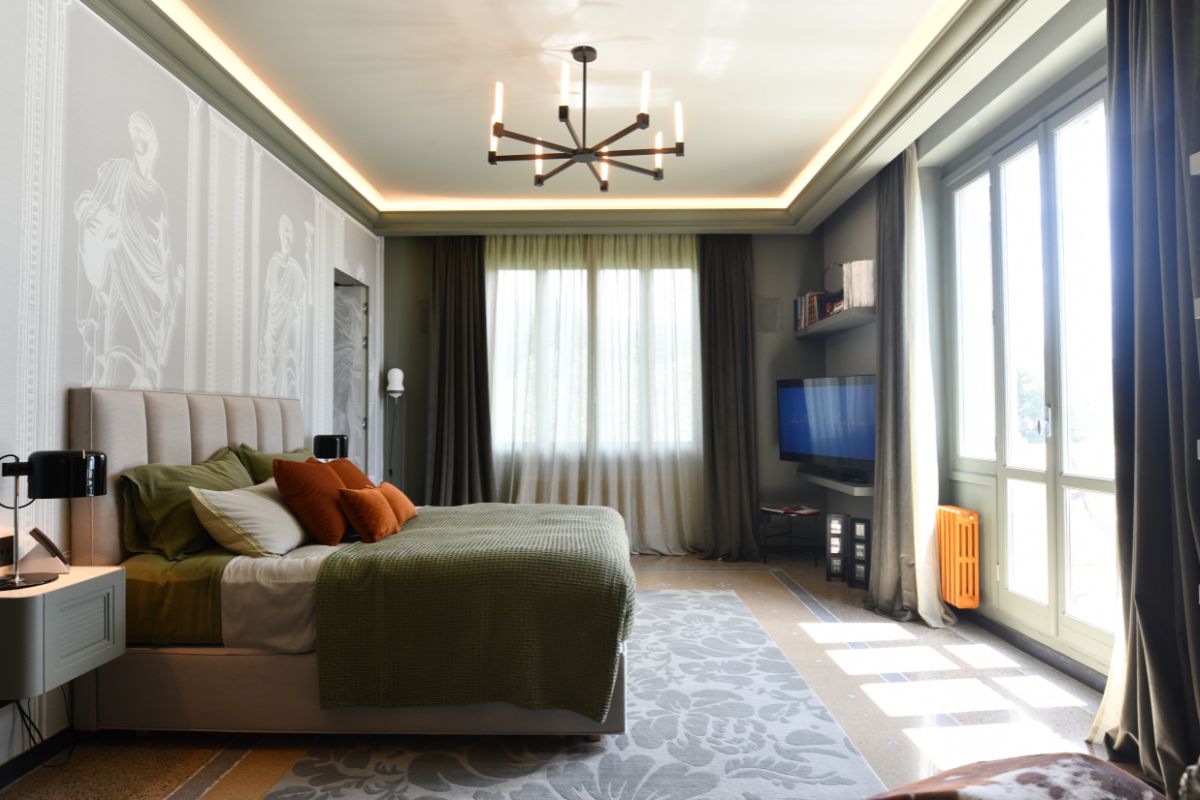
Sustainable and recycled materials are now a resource, not a compromise: certified woods, natural fabrics, innovative coverings. Home automation is transforming the project, making the home intelligent and efficient. And 3D printing opens up new scenarios, allowing you to create unique furnishings and details. It is a constant dialogue between tradition and innovation.
Italian design continues to be an international point of reference. How do you see the future of Made in Italy and what are the challenges to maintaining its excellence?
Made in Italy has a unique strength: it combines creativity, craftsmanship and innovation. For the future I see two main challenges: maintaining qualitative excellence, investing in the training of young people and in artisan skills; and be increasingly international, knowing how to communicate with different markets without losing identity. Our future lies in the balance between tradition and innovation.
Is there a recent project that you consider particularly significant for your career?
Yes, my new sea view suite, which I consider a manifesto of my philosophy. Every detail is designed to combine functionality and emotion: natural materials, clean lines, colors in dialogue with the landscape. Whoever enters must perceive harmony and well-being. This project summarizes my approach: starting from the context, interpreting it and returning it in a space that excites and knows how to welcome.
How to combine environmental responsibility and aesthetic quality in an uncompromising project?
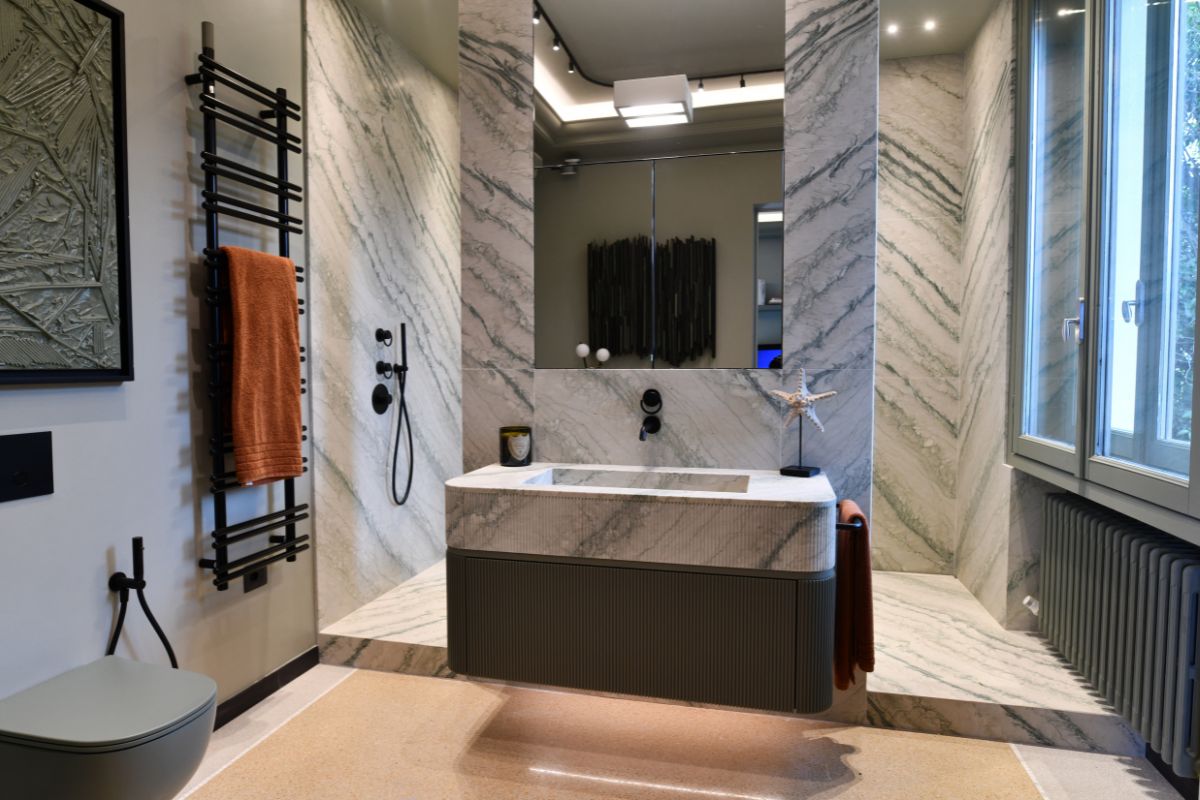
They are not conflicting concepts, rather they reinforce each other. The key is to select long-lasting and environmentally friendly materials and know how to interpret them with a design capable of exciting. True sustainability is also this: creating beautiful and timeless spaces that do not haveneed to be redone after a few years.
In the relationship with partner companies, what characteristics do you look for and how is a successful collaboration developed?
A quality project arises from teamwork. I am looking for reliable companies, attentive to detail and with a desire to innovate. Collaboration works when there is continuous dialogue and mutual listening: I bring the vision, they bring the technical know-how. The companies that I respect most are those that become creative partners, ready to experiment together: that’s where the real added value comes from.
If you had to describe living in 10 years in three key words, which ones would you choose and why?

Flexibility , because the spaces will have to adapt to the variable rhythms of daily life.
Emotion , because a house must convey well-being through light, color and materials.
Identity , because each project will continue to tell the story of those who experience it, like a tailor-made suit.