There are those who design houses and those who, like Laura Noé , teach them to breathe.
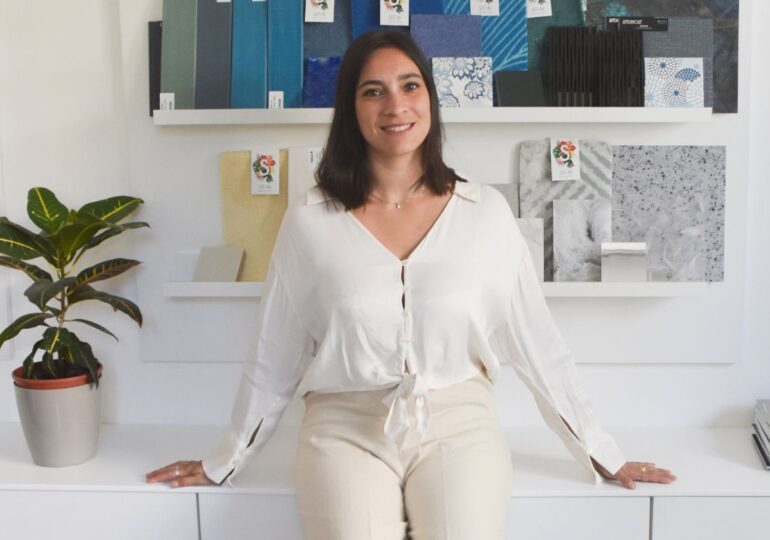
Interior, garden & biophilic designer, founder of the studio Ndesign , Laura has made the connection between nature and architecture her distinctive feature. In his first book, A house that breathes Design, plants and materials for living in harmony (crowdfunded on Bookabook ), he takes the reader on a journey between wellbeing, sustainability and housing awareness.
Through simple and accessible language, the author invites us to look at the house as a living organism, an ecosystem that communicates with those who live in it. From the choice of natural materials to the quality of the air, from light to indoor greenery, each chapter shows how design can become a form of care, capable of improving daily life.
In this interview, designer and author Laura Noé tells us about the genesis of the book, her “green turn” during the lockdown and the vision of a future in which living returns to being deeply human, sensitive and listening to nature.
Laura Noé and her book A house that breathes: when design becomes well-being
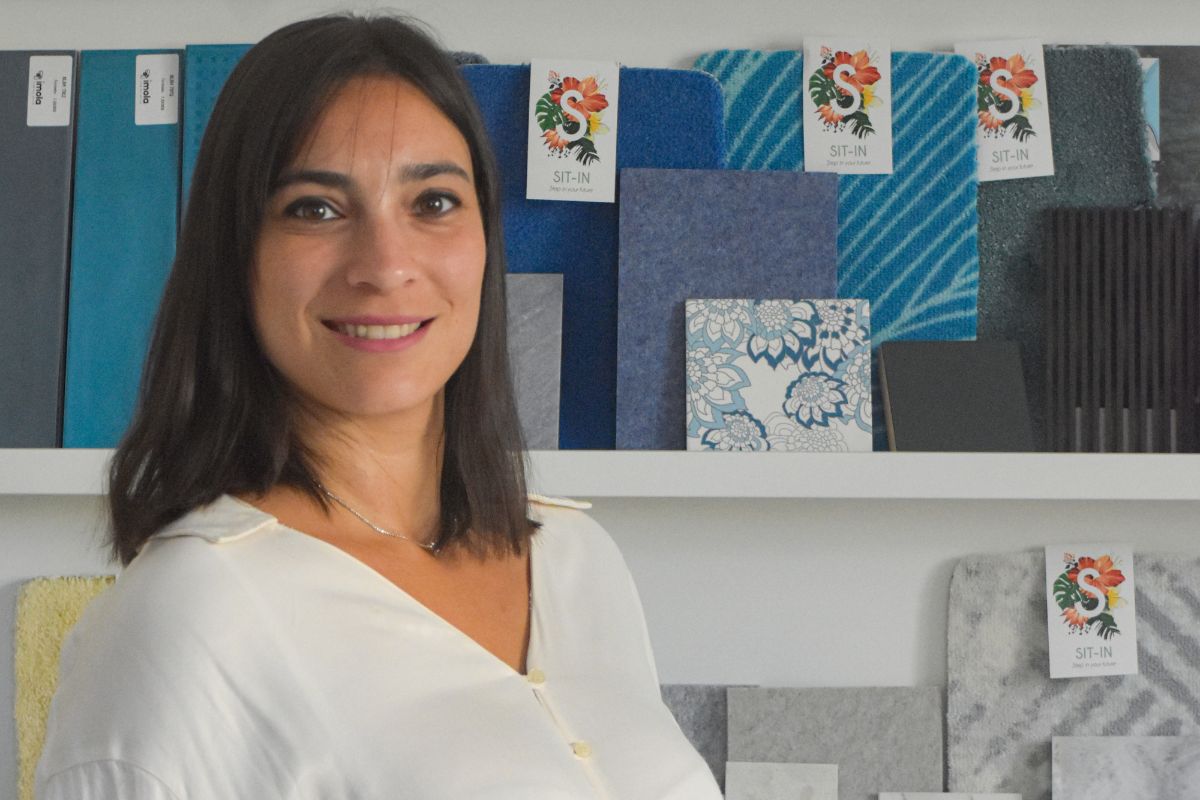
Let’s start from the title : what does A house that breathes mean to you?
The title comes from a simple but very powerful image: the house as a living organism. We often consider it just a container of objects or a space to furnish, but in reality it is an ecosystem that influences our mood, our sleep, even our health. A house that breathes is a house that communicates with those who live in it, that lets in light, air and nature.
Why did you feel the need to write this book now?
In recent years I have felt the need to make accessible themes that in my work as a designer are often “technical” or unclear to clients. I realized that people want to live better, but they don’t know where to start. If I then introduce myself as a biophilic designer, the majority roll their eyes! With this book I wanted to build a bridge between designers and inhabitants, to explain in a simple way concepts that can truly improve the quality of life.
In the book you mix theory, examples and practical advice. Who is it aimed at, in particular? Only professionals or all of us?
It is designed for everyone. I chose a clear language, without technicalities, because I believe that design should be a theme accessible to anyone who inhabits a space, be it a home, an office or a room, and can find concrete ideas to make it more harmonious and healthy. Above all, I tried to make the topic of indoor pollution, which I particularly care about, more understandable, precisely because no one talks about it enough and we see the consequences every day.
You write that with the 2020 lockdown there was your “green turning point”: what happened in your vision of the project?
That period changed our relationship with domestic spaces. Staying indoors made me understand how comfort, light and contact with nature affect our mental balance. From there I decided to study biophilic design in depth and integrate nature into every project, not as decoration but as an active part ofand well-being.
The term biophilia has been in fashion for some years: what does it really mean, beyond the textbook definitions?
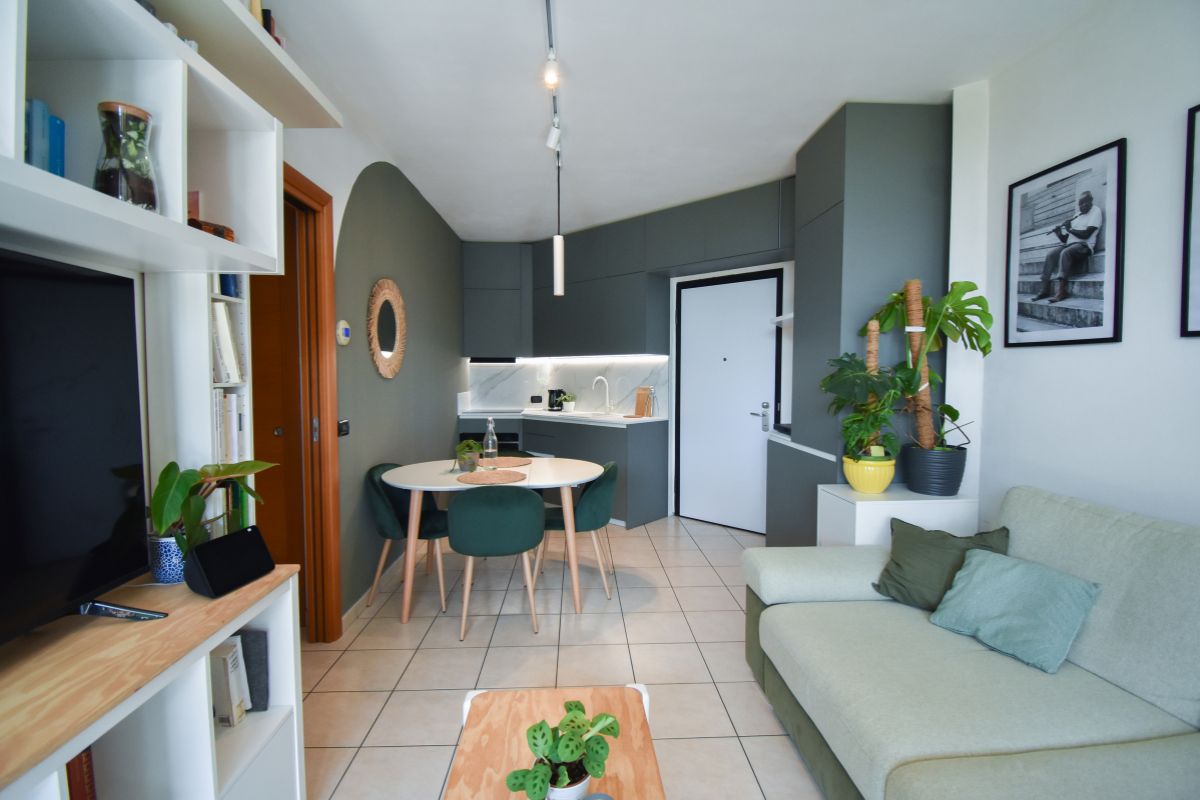
For me it means reconnecting to our most authentic nature. Biophilia is that innate bond we have with the natural world, which makes us feel good around greenery, sunlight, natural materials. It is a form of care, a design that puts life at the center, not just aesthetics. To put it in really simple words: for me it’s that regenerating walk you take in a forest or park after a terrible day. Think how everything would change if houses were as beneficial as a forest!
If you had to give 3 quick tips to make your home more “alive”, where would you start?
Natural light, plants and materials. Open the windows as much as possible and not hide them behind layers and layers of curtains, introduce greenery even in small gestures, such as a plant in the kitchen or on the work table, but also and, perhaps above all, choose natural and breathable materials, such as certified wood in the furnishings and lime on the walls instead of traditional paint. These three elements are enough to change the perception of an environment.
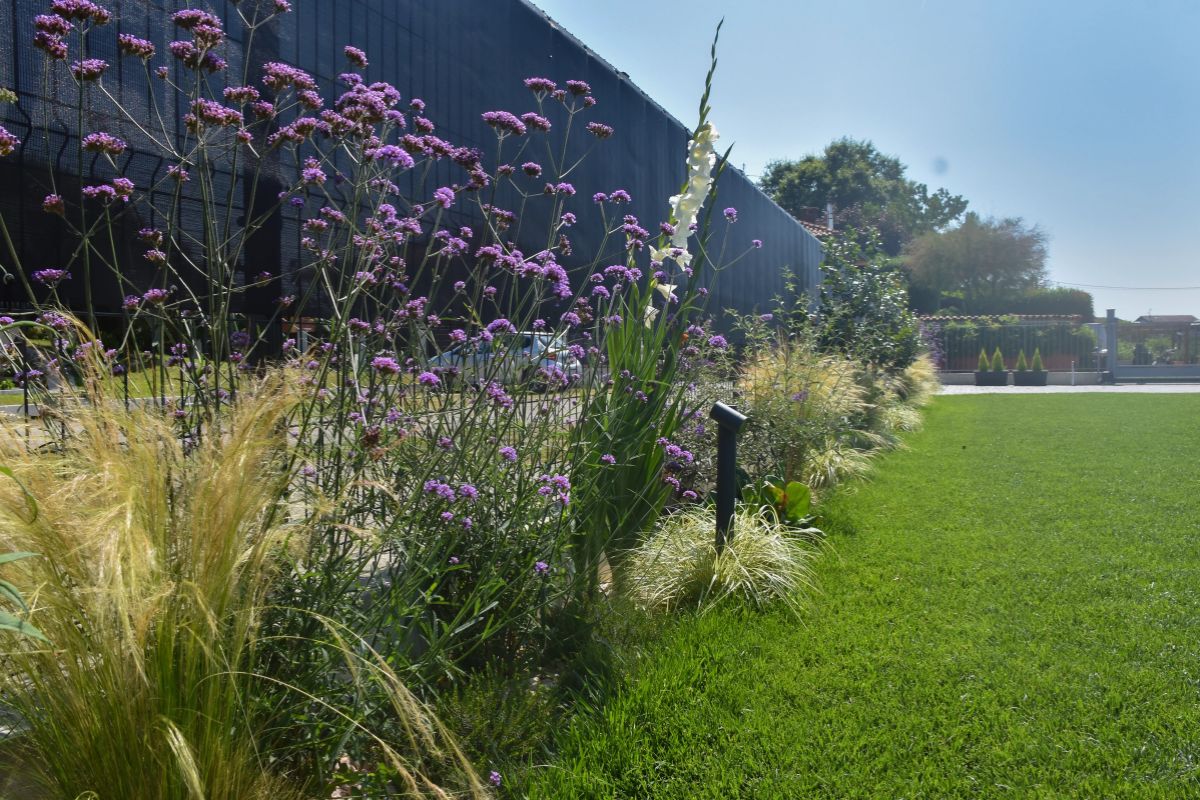
How much does the choice of materials really matter, compared to the layout of the spaces or the use of greenery?
It matters a lot, because materials are what we touch and breathe every day. Even a well-designed environment loses value if it is made with harmful substances. Sustainability, for me, starts from what cannot be seen: glues, paints, natural finishes. And it is almost always the element that no one considers because the only thing that unfortunately is looked at in these difficult times is the price. The question I often ask my customers is: “why do you think this piece of furniture costs so little?”.
You have a background that starts as a surveyor, goes through interior design and arrives at green design: how important was it not to “pigeonhole yourself”?
Fundamental. Each stage gave me a different perspective: the technical precision, the creativity of the project, the sensitivity towards well-being. I think that a designer should never stop learning, because the world of living is constantly evolving. Also for this reason I never stop questioning myself, I continue to study and listen to opinions different from mine at sector events! Books and art exhibitions are also essential to always be inspired.
You chose to publish the book via crowdfunding. What pushed you towards this editorial path?
I had been following Bookabook for some time and it inspired confidence in me from the first moment. As a teenager I had already self-published a fantasy book, after trying to send the manuscript to many publishing houses without receiving a response. With Bookabook it was different: they promise to respond to everyone and keep their word. I didn’t expect them to accept it right away! I like their approach: a publication born from dialogue with readers, just like this book.
I see that writing has always been part of you (you also published a fantasy as a teenager!): today how do you combine your creative side with your professional activity?
Writing has become an extension of my design worker. It helps me to describe the value of the spaces and the project in a more empathetic way. I have recently also collaborated with design magazines, and writing allows me to translate the most technical part of my profession into words that anyone can understand.
In your opinion, what is the biggest obstacle that stops people from living in healthier and more conscious environments?
Disinformation. There is still the idea that creating a healthy and sustainable home is complex or expensive, when in reality awareness and small changes are enough. The problem is that often no one explains it in a simple way.
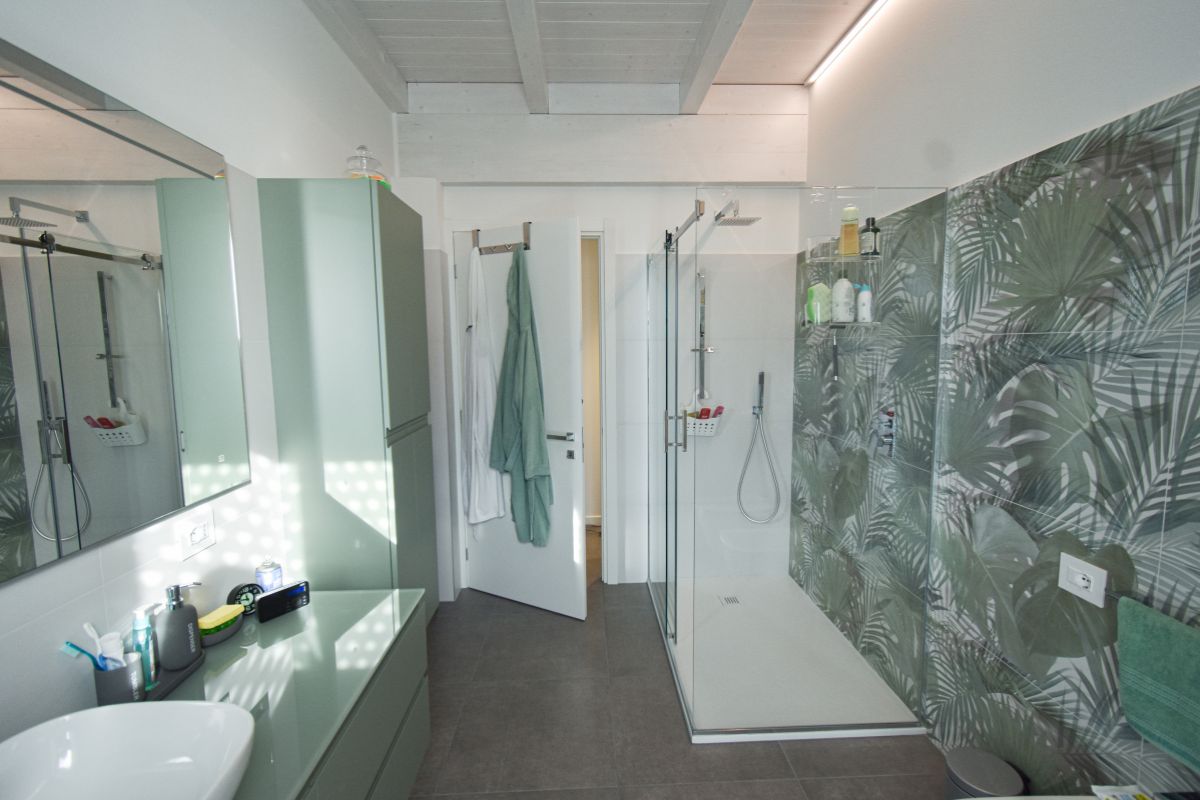
You don’t need major interventions to live better: do you want to close with a reflection on this key phrase of your book?
As mentioned earlier, I believe that real change begins in the small things. An open window, a plant, a warmer light. These are details that reconnect us to nature and improve our daily well-being. The house does not have to be perfect: it just has to breathe with us, in our times and according to our tastes.
How can we follow the book’s journey?
The book is available for pre-order on Bookabook: by purchasing it now you participate in the publication campaign and help bring it to bookstores throughout Italy. It’s a beautiful way to bring it together.
For those who want to believe in this project, at this link you can purchase in pre-order and then follow all the updates: https://bookabook.it/libro/una-casa-che-respira-design-piante-e-materiali-per-vivere-in-armonia/
What is your vision of the next 10 years for those who design and inhabit spaces?
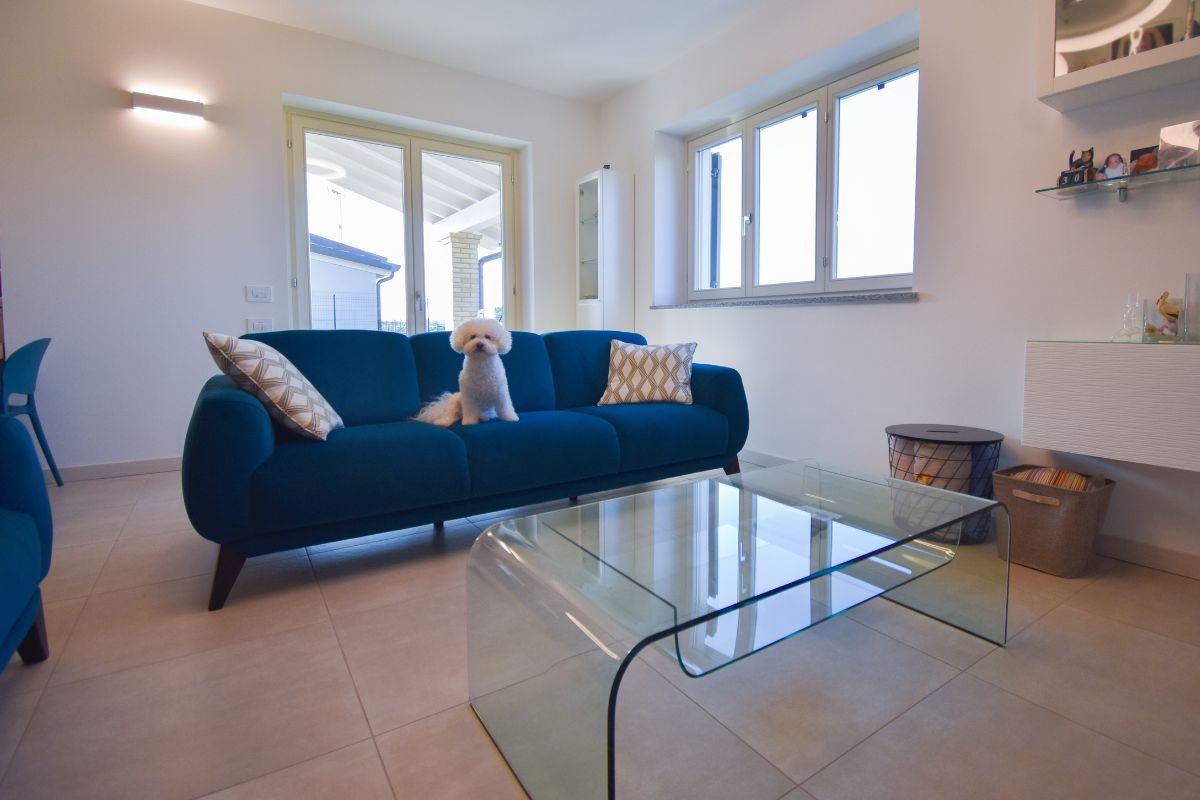
I believe in an increasingly humane, inclusive and well-being-focused design. The spaces of the future will have to welcome every person, regardless of age, ability or lifestyle, offering comfort and beauty to all. They will be flexible, regenerating and connected environments with nature, where the project does not simply “work”, but generates positive relationships. Those who design will have to combine empathy, technical knowledge, environmental and social sensitivity.
A question that they have never asked you but that you wish they would have asked you?
Perhaps: what does designing for people mean to you? For me it means listening. Really understand who is in front of you and create spaces that tell their story, not mine. That’s where design becomes life. It is also for this reason that I never impose my own style on anyone, but I connect to the true desires of those who have to live them every day.
Support the publication of the book A house that breathes by Laura Noé
A house that breathes is a book that not only talks about sustainability, but about empathy, attention and awareness.
An invitation to slow down, observe, and rediscover our most authentic connection with the spaces we inhabit.
?? Support the publication on Bookabook and find out how your home can start to breathe too.
https://bookabook.it/libro/una-casa-che-respira-design-piante-e-materiali-per-vivere-in-armonia/
Leave a comment