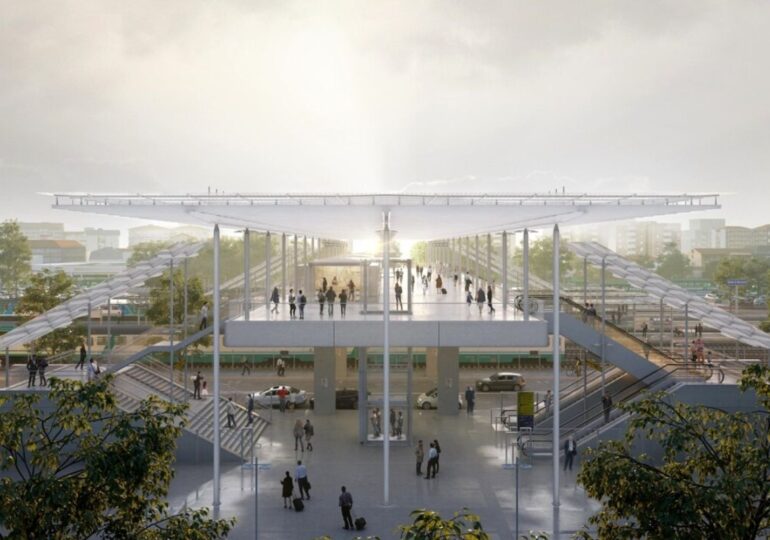
Italy is even in 2025 one of the European countries with the highest number of professionals active in architecture: according to official data, in 2020 approximately 153,692 architects were registered .
A fact that reflects not so much an overabundance as a strong tradition, a constant demand and – above all – a plurality of approaches to design: from the study of historic buildings to contemporary design, from the urban to the domestic scale.
In recent years the sector has recorded significant growth: the engineering and architectural services sector is estimated to be growing, with a significant increase in turnover between 2019 and 2024.
This is also thanks to new sensitivities – sustainability, regeneration, interdisciplinarity – and the growing demand for quality interventions, on existing or new properties, in Italy and abroad.
In this context, some figures stand out for their visibility, influence and innovation: they are the ones we often define as “starchitects”. It is from them – and from their work – that we can observe the current trends of Italian architecture, its regeneration capabilities and its international projection.
10 contemporary and internationally recognized Italian starchitects
Below is the list of the 10 most famous Italian starchitects in the world: for each name you will find a portrait and some reasons why they represent Italian excellence in the global architecture panorama today.
Renzo Piano: the humanist architect of modern design

He is perhaps the most globally recognized contemporary Italian architect. His works – from the Center Pompidou in Paris to The Shard in London, up to the Auditorium Parco della Musica in Rome – have defined new paradigms of urban, public and cultural architecture. His approach combines technology, modern materials and contextual sensitivity, often playing with transparencies, light structures and sustainability fundamental elements today in the global debate on architecture.
Massimiliano Fuksas
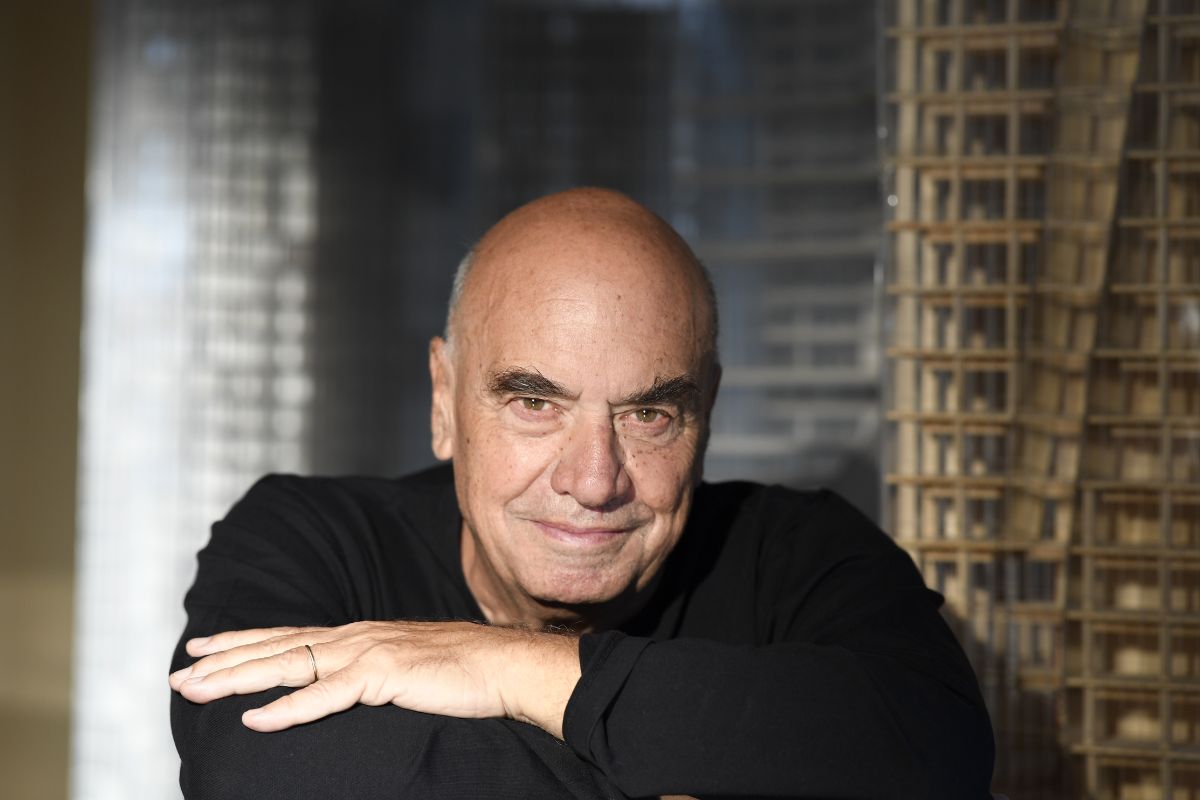
Stefano Boeri

It is the most recognizable voice of contemporary Italian “green” architecture, thanks to projects such as the Bosco Verticale in Milan, a symbol of integration between city and nature. Boeri interprets architecture as a tool for sustainable urban regeneration, pushing on issues of densification, environmental quality and social cohesion – today central to every debate on the future of cities.
Aldo Rossi (historic, but still influential)
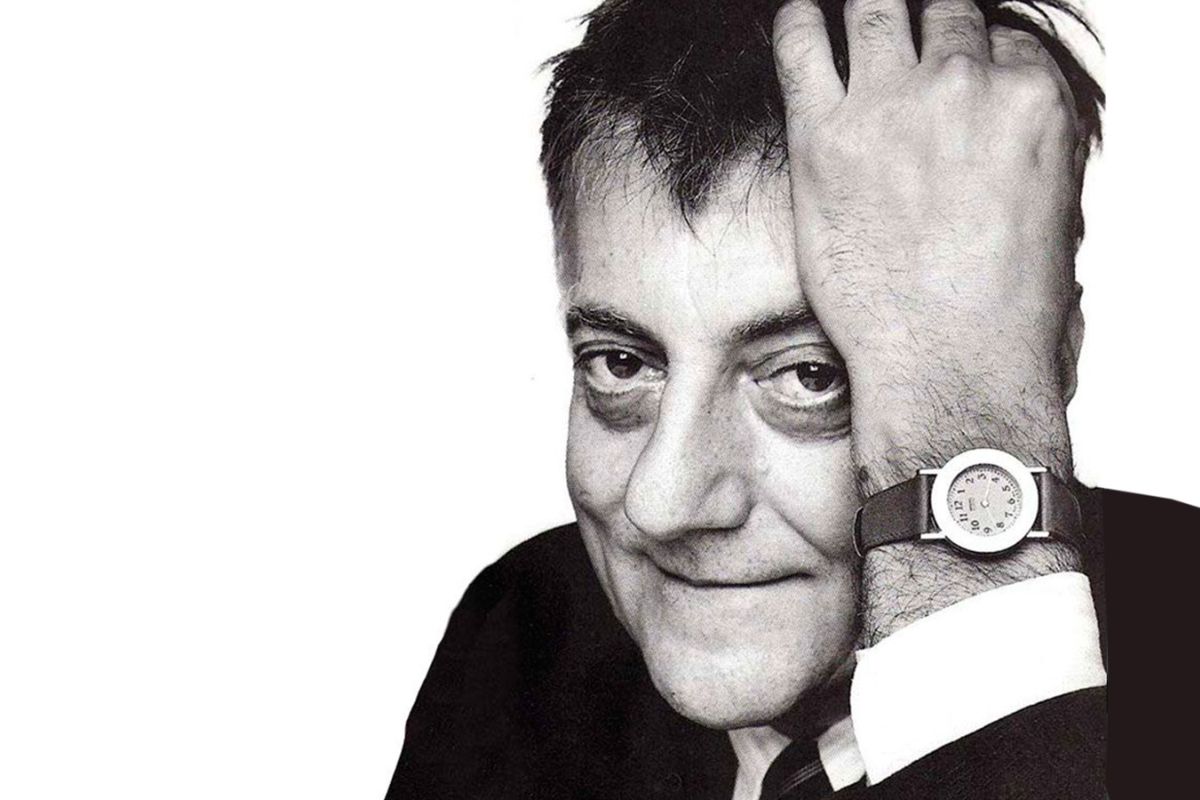
Despite belonging to a previous generation, Rossi’s legacy still profoundly influences contemporary architecture: his theoretical and poetic vision has redefined the relationship betweenra memory, context and form. The idea of ??”architecture as a city of ideas”, of formal rigor and attention to urban typology remains central to many current studies that look at the context as a design matrix.
Carlo Scarpa (twentieth century classic, constant reference)
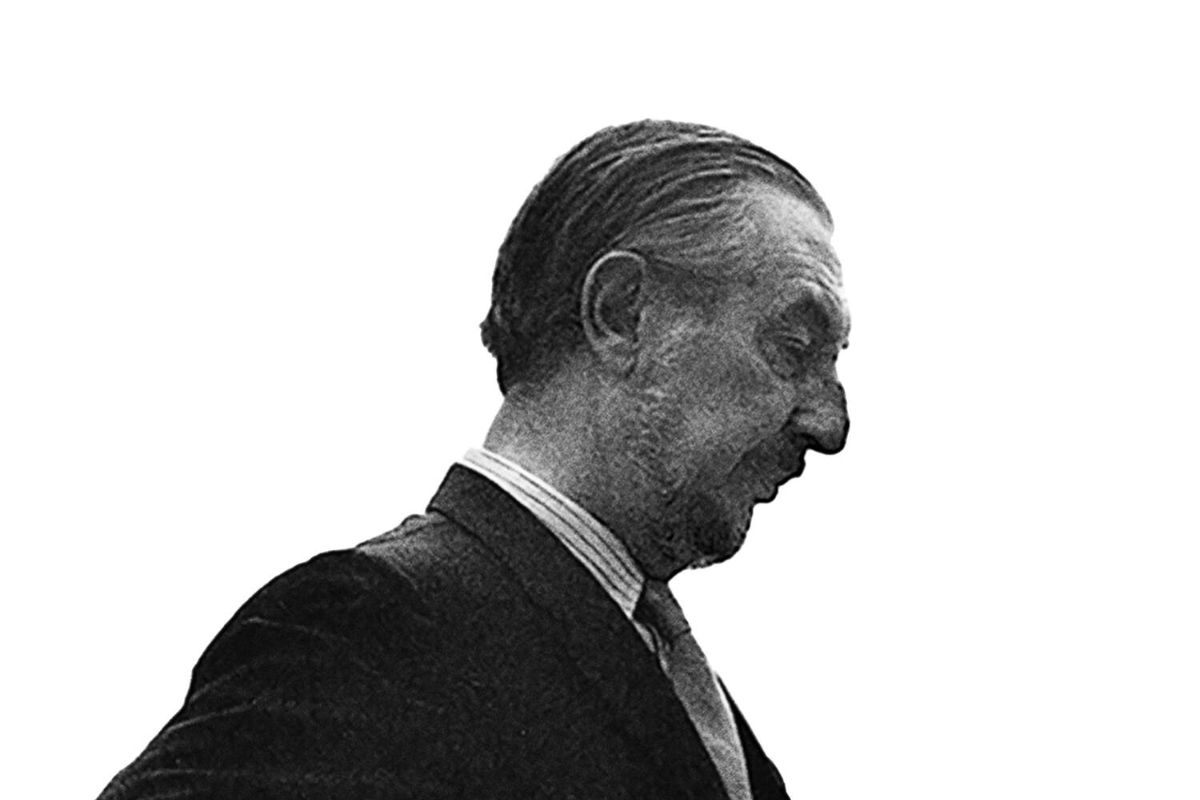
Scarpa remains a point of reference for the quality of detail, craftsmanship, the ability to blend materials and context with unique sensitivity. His work like the Brion Tomb in Altivole has become a model of integration between architecture, landscape and memory. His approach is still studied by those who today seek a balance between modernity, tradition and design culture – especially in recovery, restoration and small-scale architecture interventions.
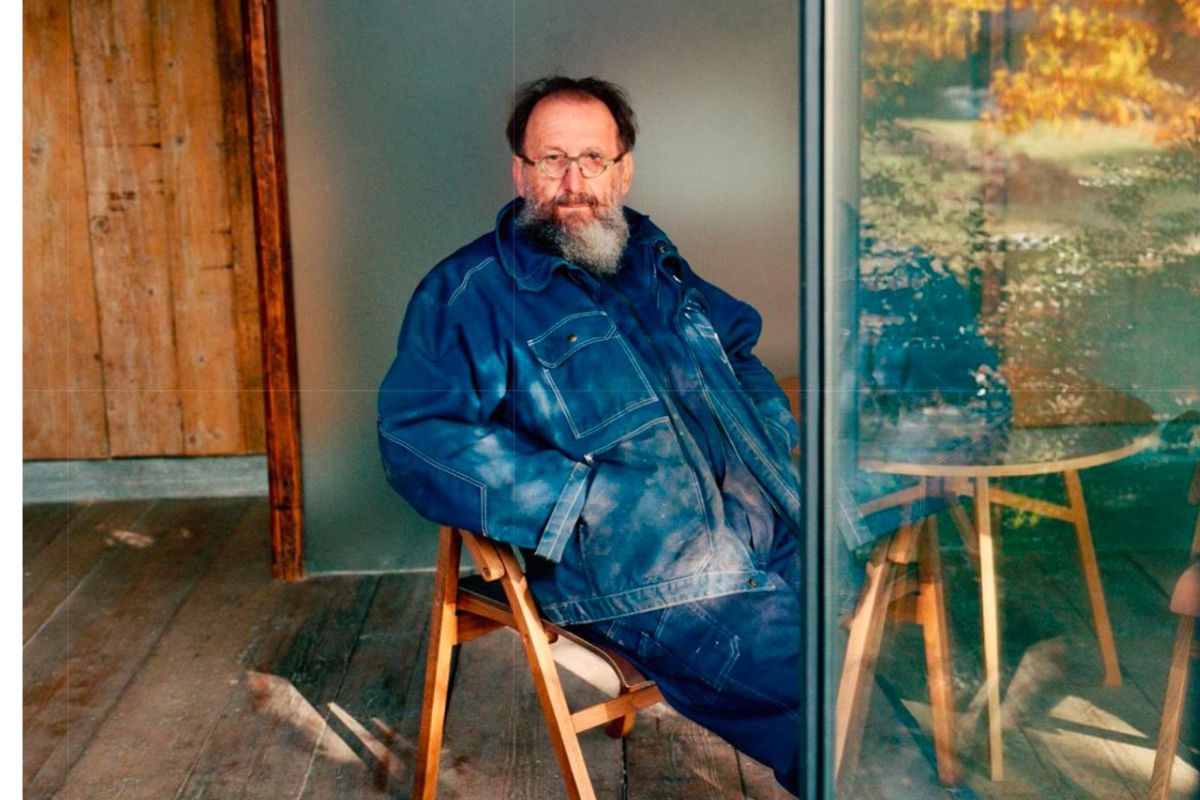
Michele De Lucchi
Vittorio Gregotti (historian, post-war protagonist)
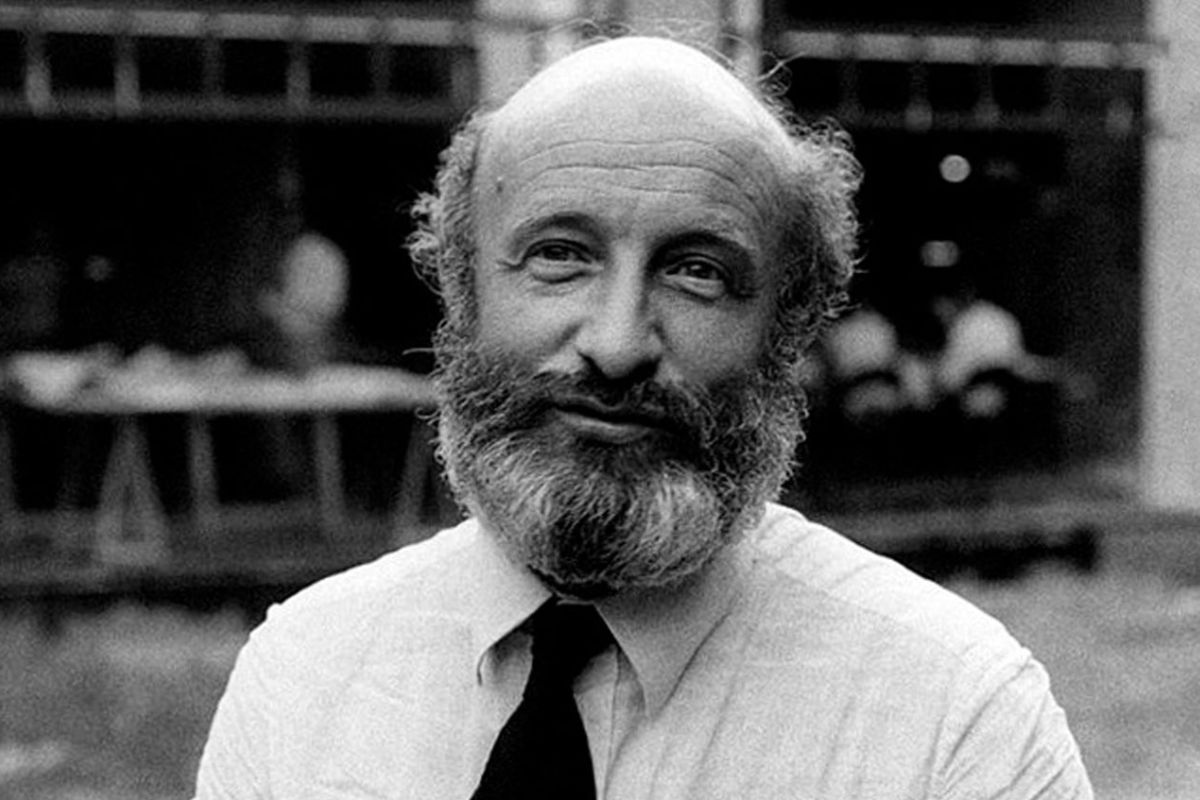
His work spans decades of urban and cultural transformations; Gregotti contributed to defining the language of Italian modernity of the second half of the twentieth century, with a balance between the social, urban and poetic dimensions. Many contemporary projects remain duly influenced by his attention to urban planning, context and human scale, from a perspective that is once again central today thanks to the challenges of urban reuse and recovery.
Stefano Giovannoni (interface between architecture, design and innovation)
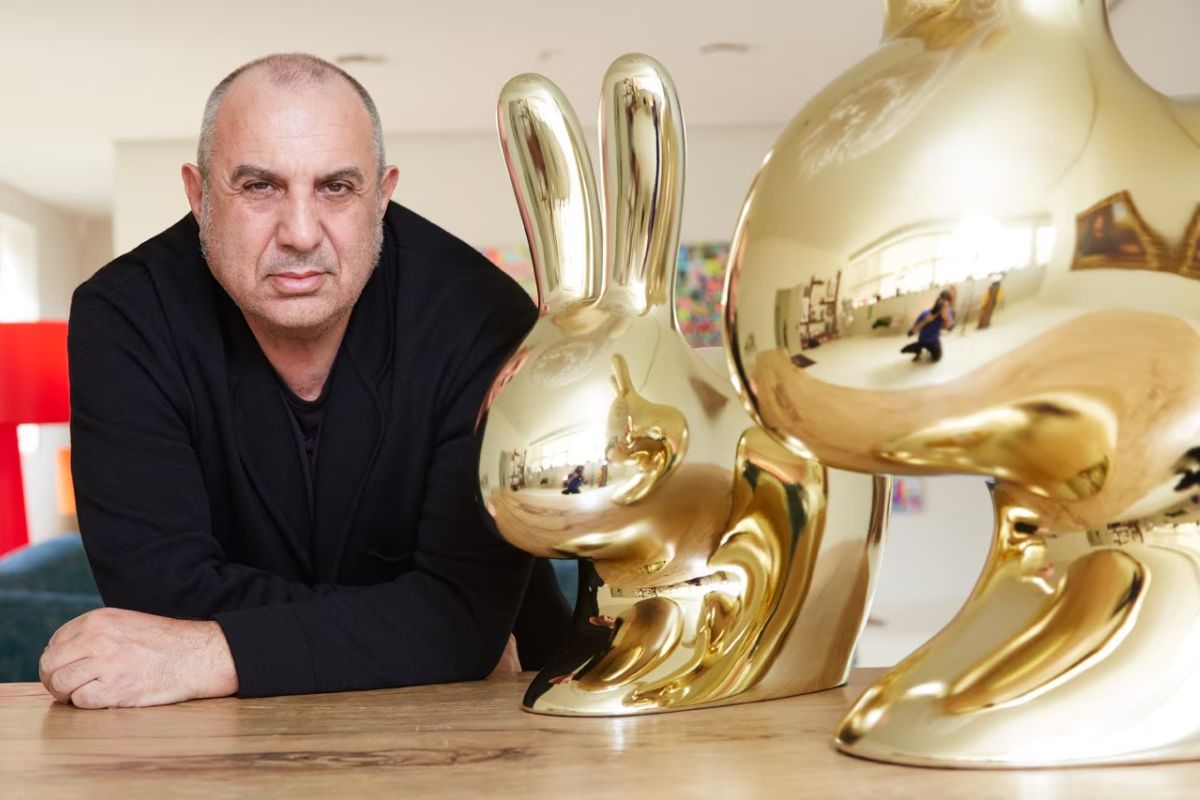
Even when he is not designing skyscrapers or museums, he represents one of the creative souls of contemporary Italian architecture: he designs spaces, objects, interiors, helping to define a recognizable Italian identity. His work highlights how today’s Italian architecture is not just construction, but 360° design culture, interdisciplinary and capable of dialogue with design, urban planning, arts – a horizon that many young architects are already exploring.
Cino Zucchi
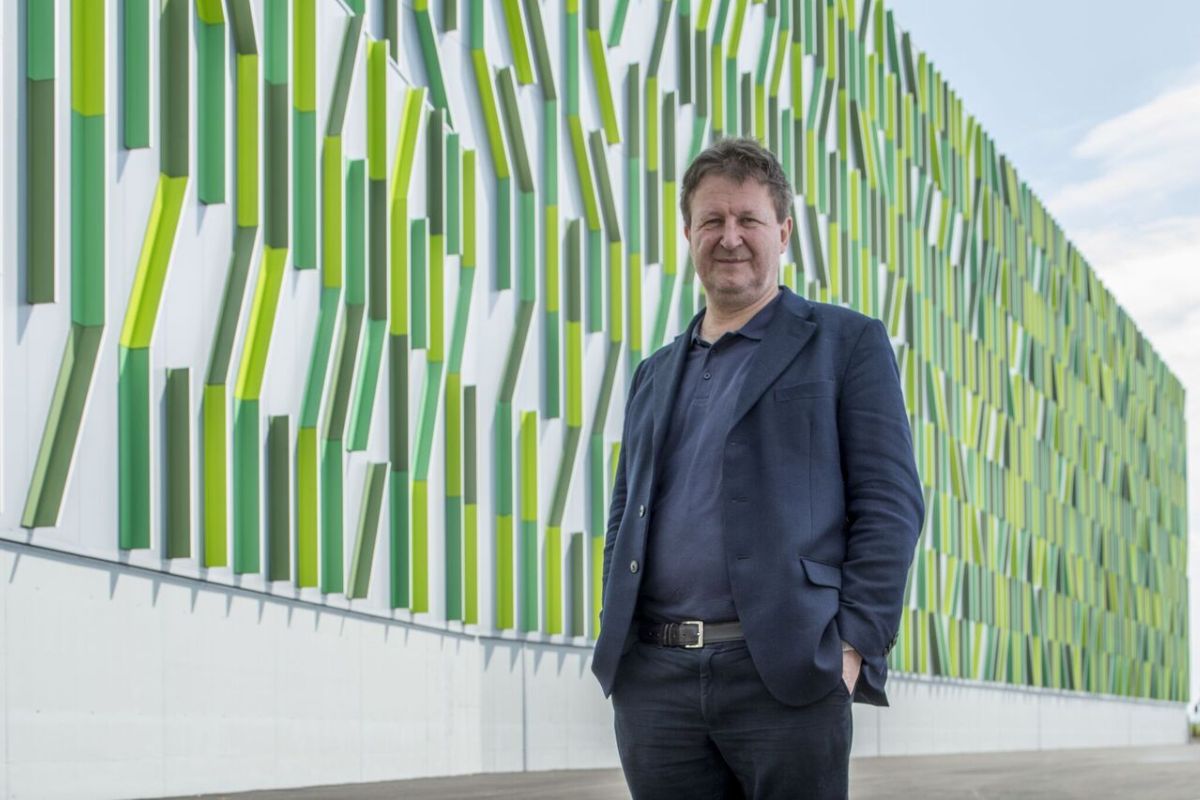
Architect, theorist and professor at the Polytechnic of Milan, Cino Zucchi is one of the most respected Italian designers at a European level for his sophisticated reading of the relationship between architecture and context.
His design research on existing buildings is among the most detailed in Europe. He has signed strategic urban interventions: the ex-Junghans area in Venice, the Darsena in Milan, the Milan Porta Nova masterplan. It is a reference in terms of “place-sensitive architecture”, one of the fundamental challenges of the future of Italian architecture.
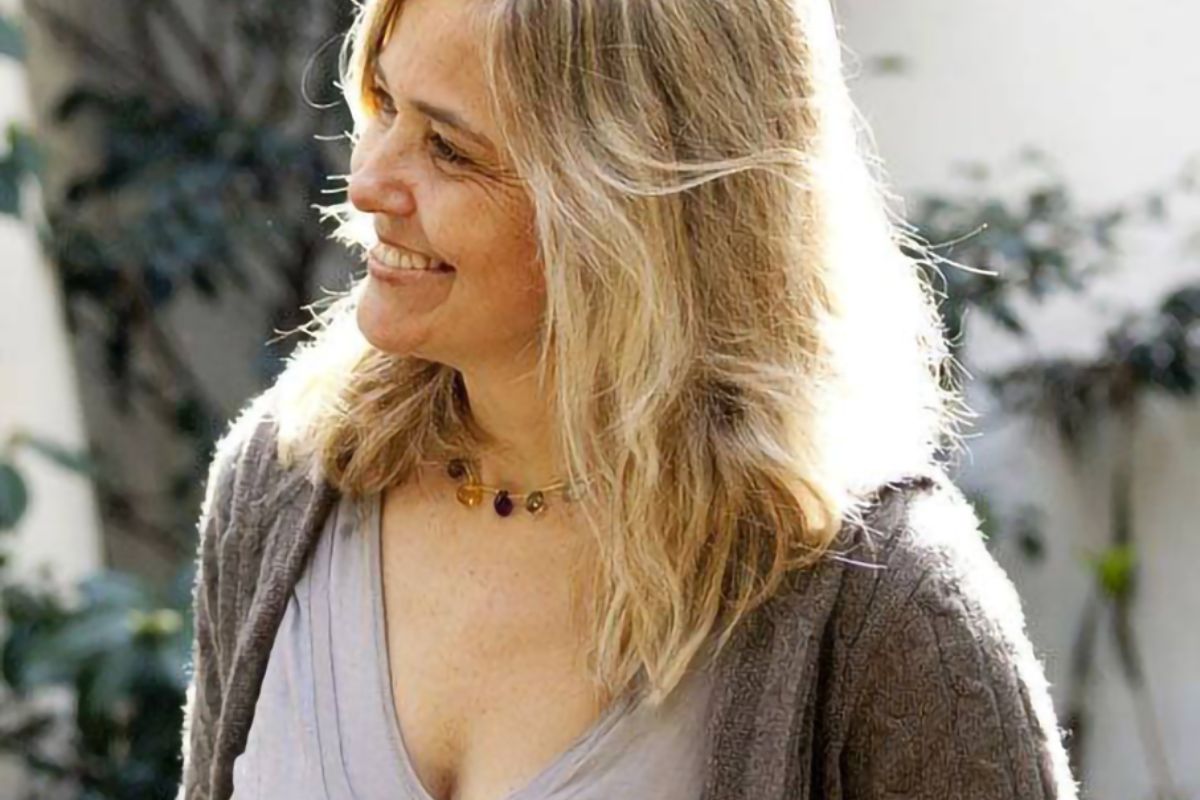
Patrizia Pozzi (for some emerging contemporary voices)
The numbers and some critical issues of the architectural profession in Italy
Italy has one of the highest absolute numbers of active professionals in Europe: approximately 153,700 registered as of 2020. However, many firms are “micro-firms”: a large part of architects work on their own, alone or in small groups.
Despite the high concentration of skills, the average income and remuneration of the profession remain relatively low: over time this has led to strong selection and a very competitive supply/demand relationship. However, the architecture and design services market has recorded significant growth in recent years, driven by urban regeneration, renovations and adaptation projects – a sign that, for those who know how to stand out, opportunities exist.
Why these names matter and what they say about the present of Italian architecture
These architects some historical, others contemporary testify to the versatility and complexity of the profession in Italy.
-
From those who work on a global scale (Renzo Piano, Fuksas) to those who interpret the city with environmental sensitivity (Boeri);
-
from those who combine craftsmanship and modernity (Scarpa, Rossi) to those who explore interiors and design (De Lucchi, Giovannoni);
-
from those who propose reflections on urban planning and the context (Gregotti) to those who experiment with new languages and materials (the emerging voices).
Roots, knowledge, technology, experimentation and social commitment coexist in them – the factors that today define an architecture capable of facing contemporary challenges: urban regeneration, sustainability, combating land consumption, valorisation of built heritage, quality of life.
Leave a comment