Milan is preparing to welcome the Design Week from 20 to 26 April 2026 , with the Salone del Mobile.Milano scheduled from 21 to 26 April at the Rho Fair in its most ambitious version of the last decade. Not a simple trade fair event, but a cultural device that extends and redefines the role of the city in the global panorama of the project.
In an international context in which the United States, South Korea and the Emirates are driving a new demand for signature design, while Europe is pushing towards bio-based materials and technological experimentation, Milan presents itself not as the capital of design, but as a geopolitical laboratory of the future of living.
2026 will be the year in which the Salone will definitively abandon its historical guise to transform itself into an interconnected curatorial ecosystem, designed to dialogue with new markets and an increasingly hybrid audience: designers, galleries, collectors, architects, tech brands, cultural institutions and manufacturing companies.
Salone del Mobile.Milano 2026: the most ambitious transformation of the last ten years
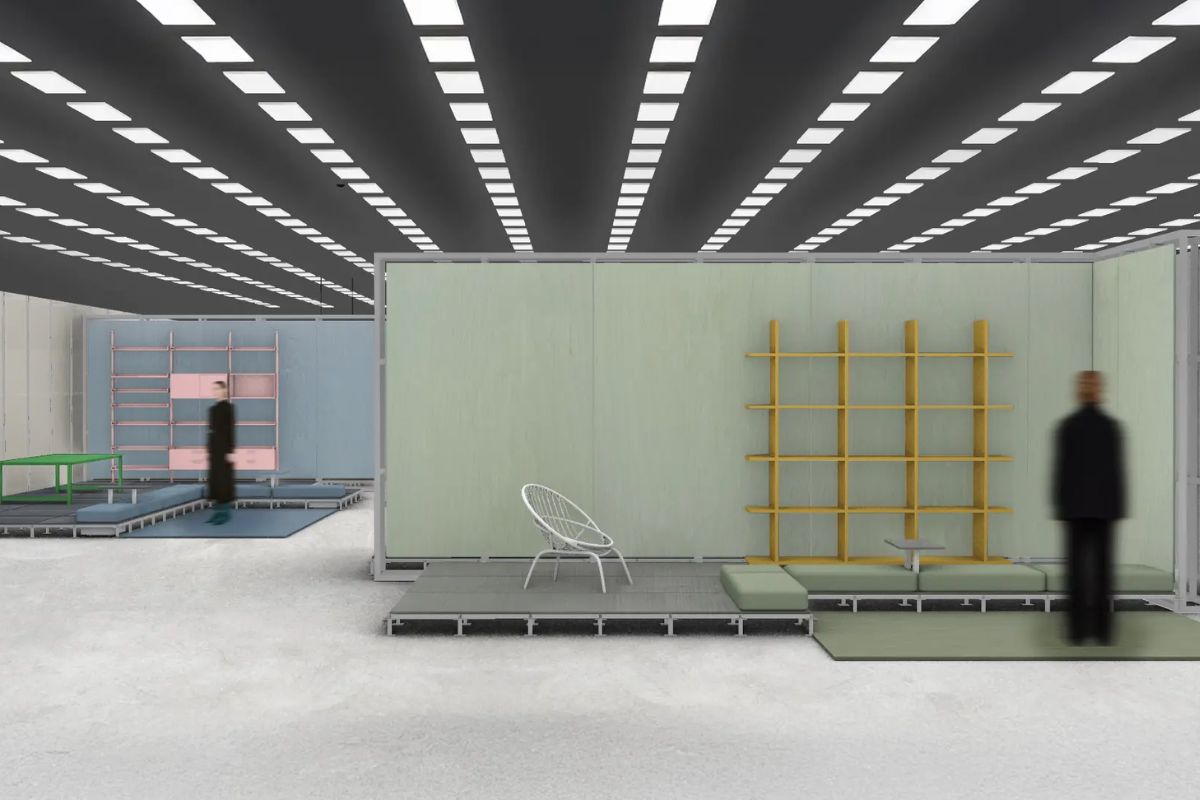
The Salone del Mobile 2026 arrives at a crucial moment. The Italian furniture sector closes 2025 with a slowdown in exports in some European markets, but with a significant recovery in the USA, South Korea and the Emirates, where the demand for designer designs, limited editions and collectibles is growing. It is precisely on this global dynamic that the new identity of the 2026 Salon is grafted, designed to go beyond the logic of the “merchandise fair” and definitively take on the form of a cultural and curatorial event.
Raritas: the Formafantasma project that changes the imagination of the Salon
The most significant innovation and already anticipated in the international press is Salone Raritas , the new exhibition itinerary conceived by Annalisa Rosso and designed by Formafantasma , which officially debuts in 2026 as a vertical platform dedicated to collectible design , to limited editions , to contemporary high craftsmanship and to dialogue with global galleries.
It is a precise signal: Milan wants to become not only the place of industrial production, but the meeting point with realities such as Carpenters Workshop Gallery, Friedman Benda, Etage Projects, Ben Brown Fine Arts, and with the collectors who are redesigning the international market.
The logic of the “unique piece” becomes central again. In an economy driven by AI-manufacturing and modular production, precisely the non-replicable becomes the most sought after value.
New pavilions, new geographies
2026 also marks a radical update to the layout:
-
more thematic itineraries and less product division;
-
spaces designed to accommodate immersive installations (great demand from American and Asian brands);
-
a new area dedicated to bio-based materials and textile experiments, a sector in which Northern Europe is pursuing much more than Italy.
The SaloIt thus responds to the growth of material libraries and the needs of designers who seek physical databases to select sustainable materials.
The strategic return of the United States
An important focus of 2026 is the massive return of American exhibitors and buyers, attracted by the fact that Milan is now the main European hub for:
-
high added value furniture,
-
artisanal lighting design,
-
outdoor luxury (market led by Florida, Texas and California).
For the first time – and it is a fact to keep an eye on – some US companies are considering a permanent presence in the city to dialogue directly with Milanese firms, which remain among the most influential in the world.
Design, Artificial Intelligence and cultural manufacturing
Salone 2026 includes a new exhibition cluster dedicated to generative design , where brands and startups will present:
-
prototypes developed with AI models,
-
smart materials,
-
self-adaptive modular furniture systems,
-
robotic micro-architectures,
-
new tools for parametric design.
It is not a simple “tech area”, but a place where design returns to being research, anticipation, cultural production. A response to designers’ growing demand for tools that integrate aesthetics, optimization, sustainability and predictive capacity.
Sustainability Beyond Green: the story that Europe is not yet telling
Sustainability is no longer described as a label, but rather as:
-
certified traceability,
-
circular production processes,
-
materials with transparent LCA,
-
artistic upcycling (very strong especially in Spanish and Dutch brands).
A very different approach from what is still seen in Italy, where “green” often means natural aesthetics and soft materials. The 2026 Show will instead propose a model closer to Northern European fairs, where sustainability is measurable, verifiable and can be described in terms of performance.
The districts of Milan Design Week 2026: a real map of the city that produces culture
Milan Design Week is no longer just a constellation of widespread events: it has become an urban ecosystem that redefines the role of neighborhoods, with recognizable identities, increasingly sophisticated curatorial programs and a growing attention to the quality of content. In 2026, the districts confirm already consolidated lines of research, strengthening collaborations with international brands, cultural institutions and galleries that are shifting the axis of discussion on the project.
Below, the real and not speculative map of the most influential districts.
Brera Design District: the barycentrecultural ro of the week
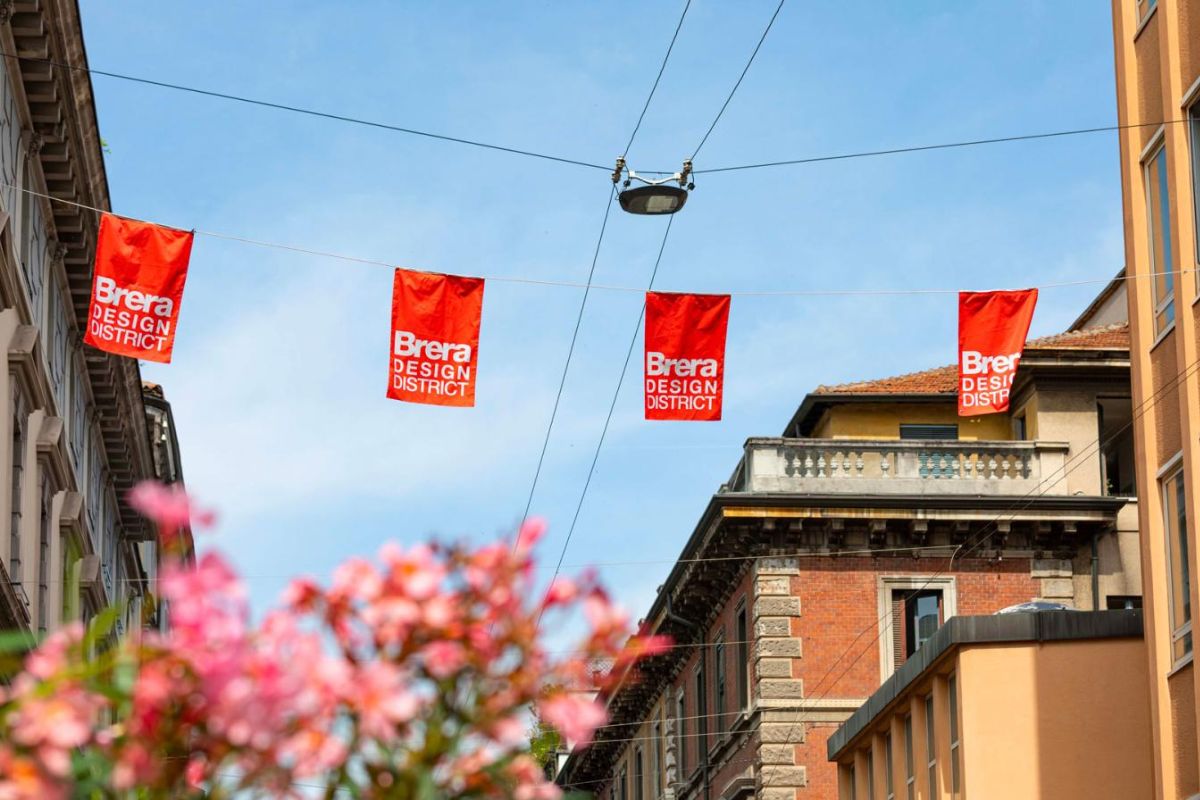
The Brera Design District remains the most recognizable and strategic nucleus of the Fuorisalone.
In recent years it has consolidated:
-
structured curatorial formats , with an annual theme and site-specific installations in historic courtyards;
-
a growing involvement of high-end brands (lighting, contemporary furniture, innovative materials);
-
an increasingly strong presence of Northern European designers and companies, thanks to the study and scouting work of the district.
For 2026, Brera will focus on the continuity of its main assets: dialogue between heritage and contemporary, collaborations with cultural institutions (such as the Brera Academy), initiatives that combine art, technology and living design.
5Vie: the district that pushes the boundary between design and artistic research
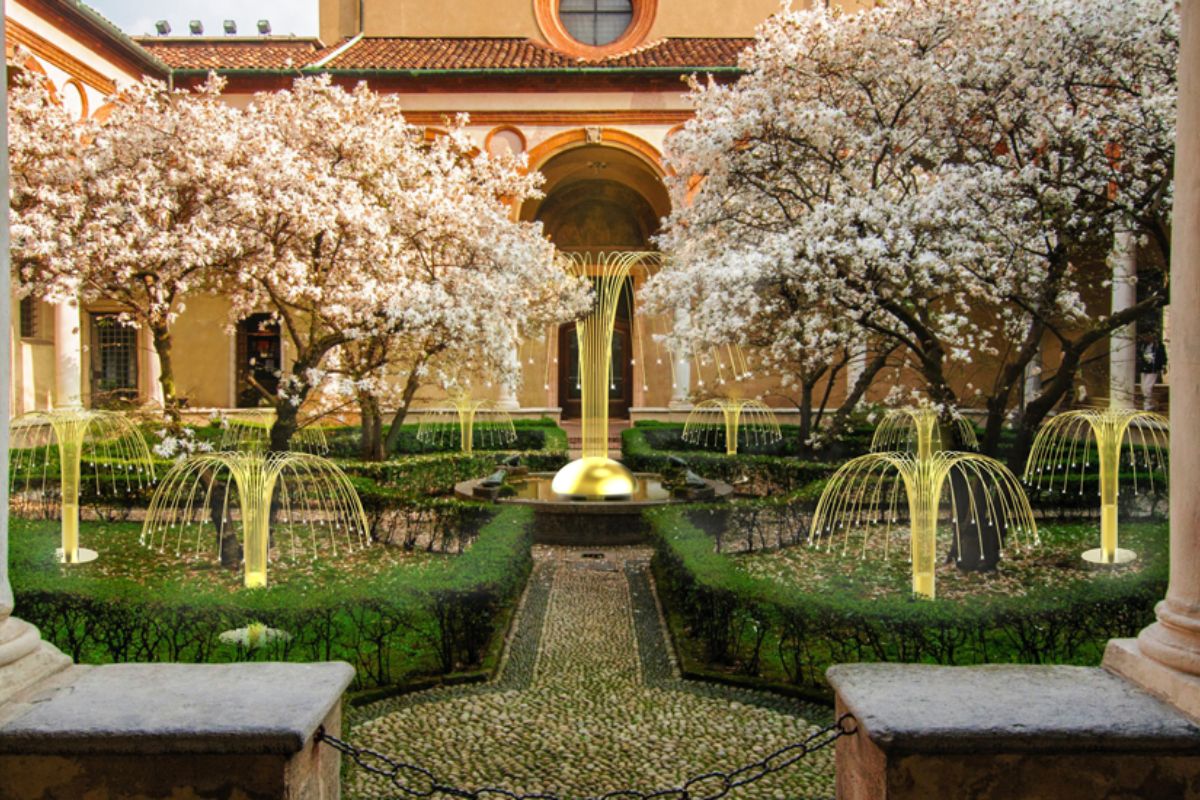
5Vie has for years been the place of advanced research , where galleries, independent designers, international collectives and curators who work on design as a cultural language and not just a commercial one meet.
Its strength is consolidated in three real elements:
-
curatorial exhibitions with a museum approach , often hosted in historic buildings;
-
constant attention to the dialogue between contemporary craftsmanship and experimentation;
-
collaborations with international designers and artists that are not seen in the pavilions of the fair.
In 2025, 5Vie introduced a more complex exhibition format to support emerging designers. It is realistic and consistent with the district’s path that in 2026 we will see projects that intertwine sustainability, applied art, project anthropology and new generation materials.
Tortona Design Week: the heart of innovation and large installations
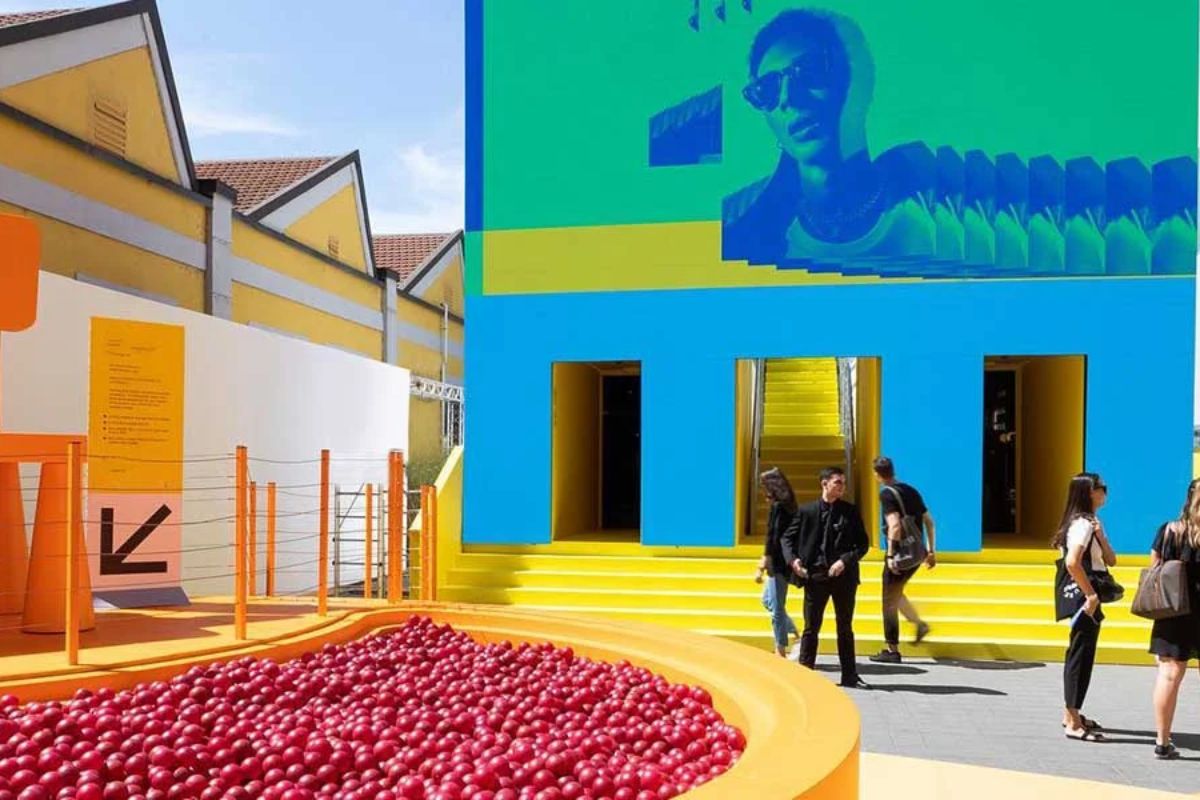
Tortona remains the platform closest to the “experiential” logic that has made the Fuorisalone famous throughout the world. This is where:
-
large international brands bring immersive installations and sophisticated exhibition concepts;
-
tech companies are experimenting with crossovers between home automation, AI, experiential retail and interactive devices;
-
fashion and design find common ground, following an already very strong trend especially in the 20222024 editions.
2026 will see the confirmation of three key presences:
Superstudio , Opificio 31 and the industrial spaces of the area, which continue to attract global brands thanks to the ability to orchestrate scenographic narratives of great impact.
Isola Design Festival: the district of the new generation
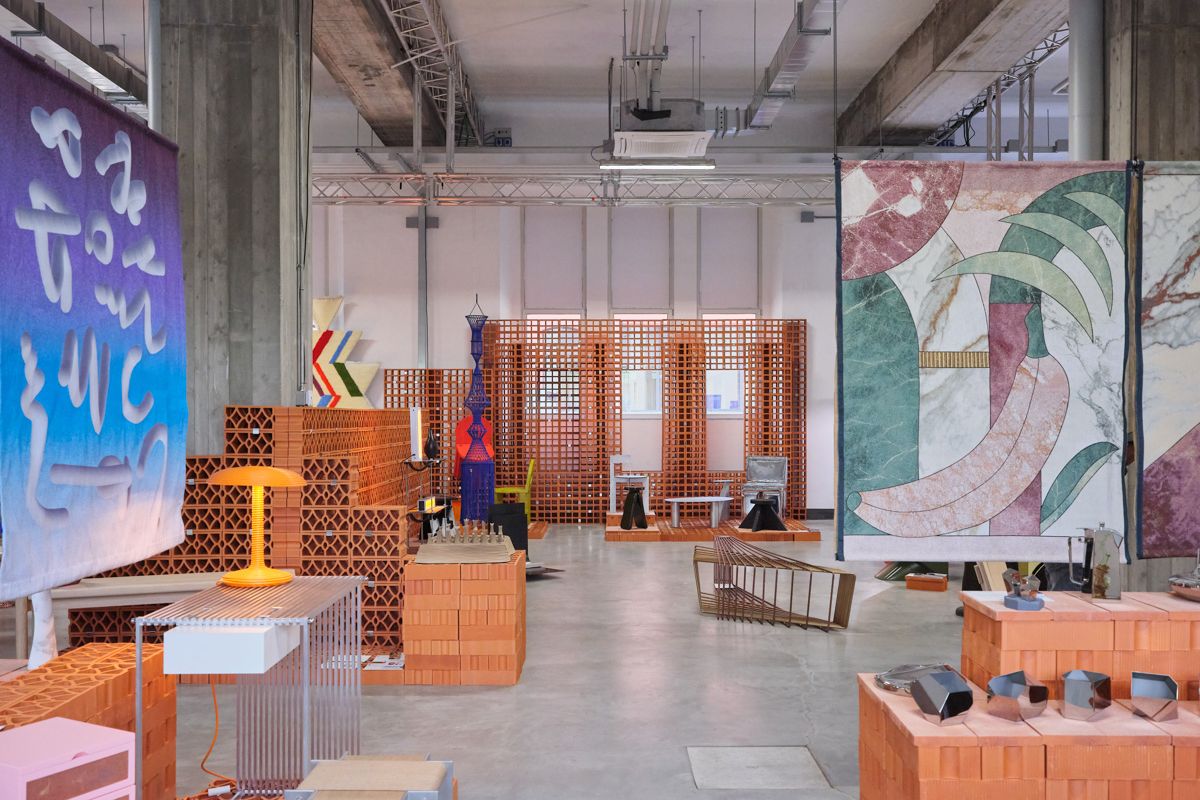
Isola is the hub of the next generation of design and continues to grow internationally. In recent years it has hosted:
-
European, Asian and Sudanese collectivesericani;
-
micro-brands oriented towards circular sustainability;
-
emerging designers working on upcycling, biomaterials, regenerative economy, 3D printing and digital craft.
The festival format, with a program distributed across courtyards, workshops, coworking and independent spaces, remains one of the most dynamic and young in the city.
Isola will confirm this identity in 2026, with an even stronger focus on measurable (non-aestheticised) sustainability and open source research.
Porta Venezia Design District: the new axis of lifestyle and cultural contamination
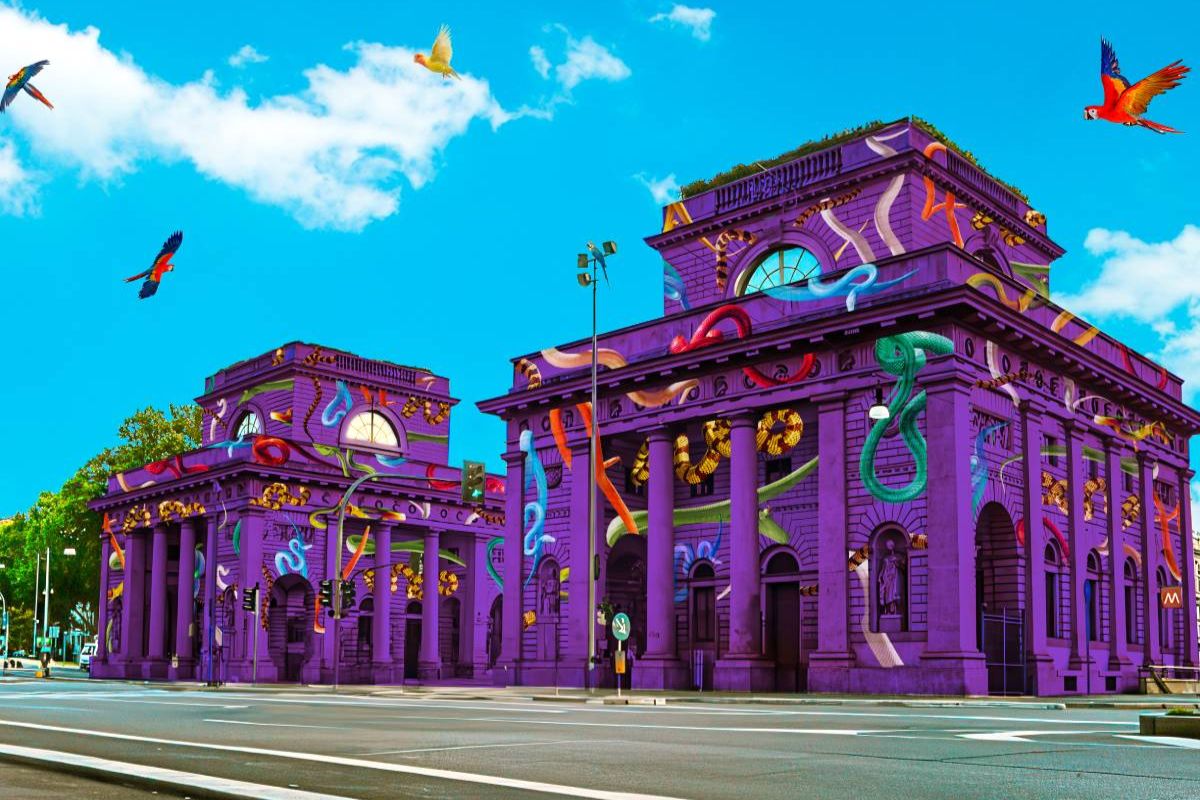
Born as a district dedicated to food, design and lifestyle, Porta Venezia is today one of the most strategic axes of Milan Design Week.
The reason is clear:
it is the only area capable of catalyzing a global audience by combining design, fashion, multiculturalism and urban contemporaneity.
2026 will likely see:
-
a consolidation of the format between showrooms, clubs and high-profile boutiques;
-
collaborations with international design and lifestyle brands;
-
a more marked focus on materials, colors and decorative trends, consistent with the identity of the neighborhood.
The dimension of “neighborhood design”, cosmopolitan and accessible, is its most authentic feature.
Other confirmed poles of the week
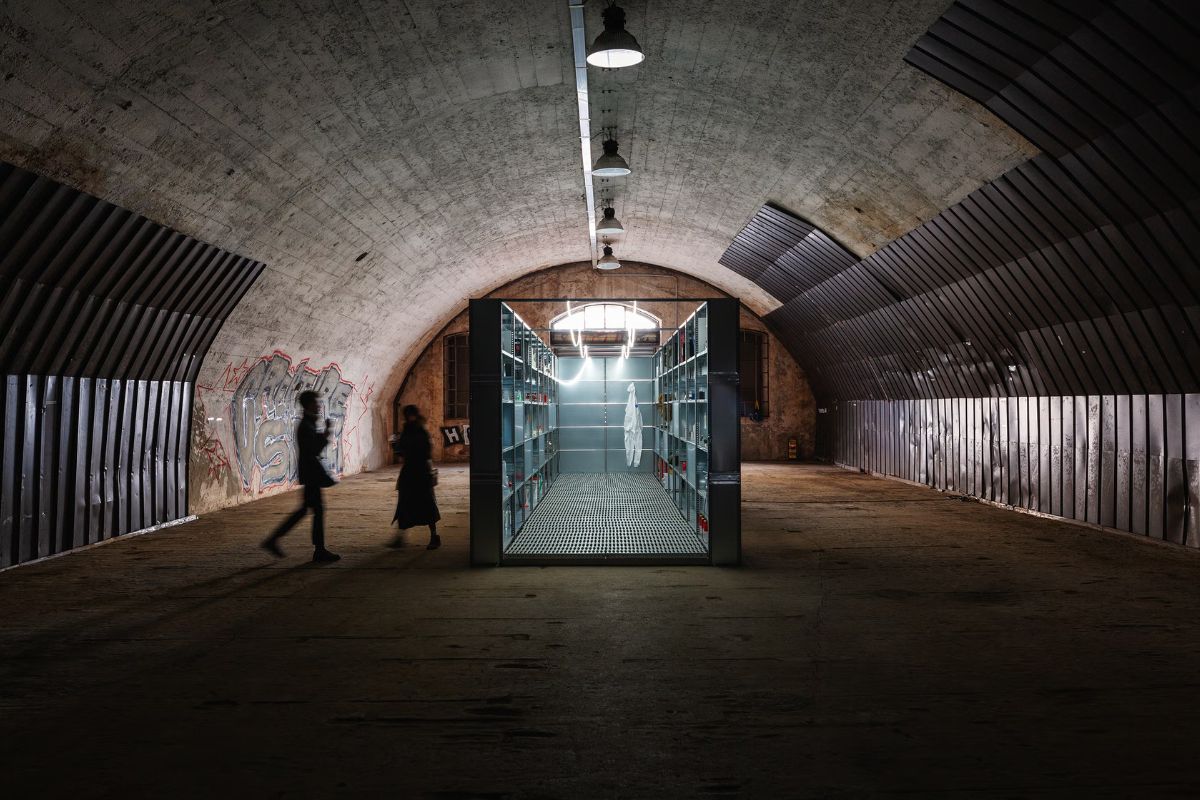
Worthy of mention, undoubtedly, are the following installations:
-
Alcova , a curatorial platform which in recent years has chosen increasingly monumental locations (historic hospitals, former barracks, military complexes), and which will return with an itinerant museum approach;
-
University of Milan Interni Magazine , with the installations of the Interni Design Re-Evolution circuit, which for years have represented the most institutional project of the Fuorisalone;
-
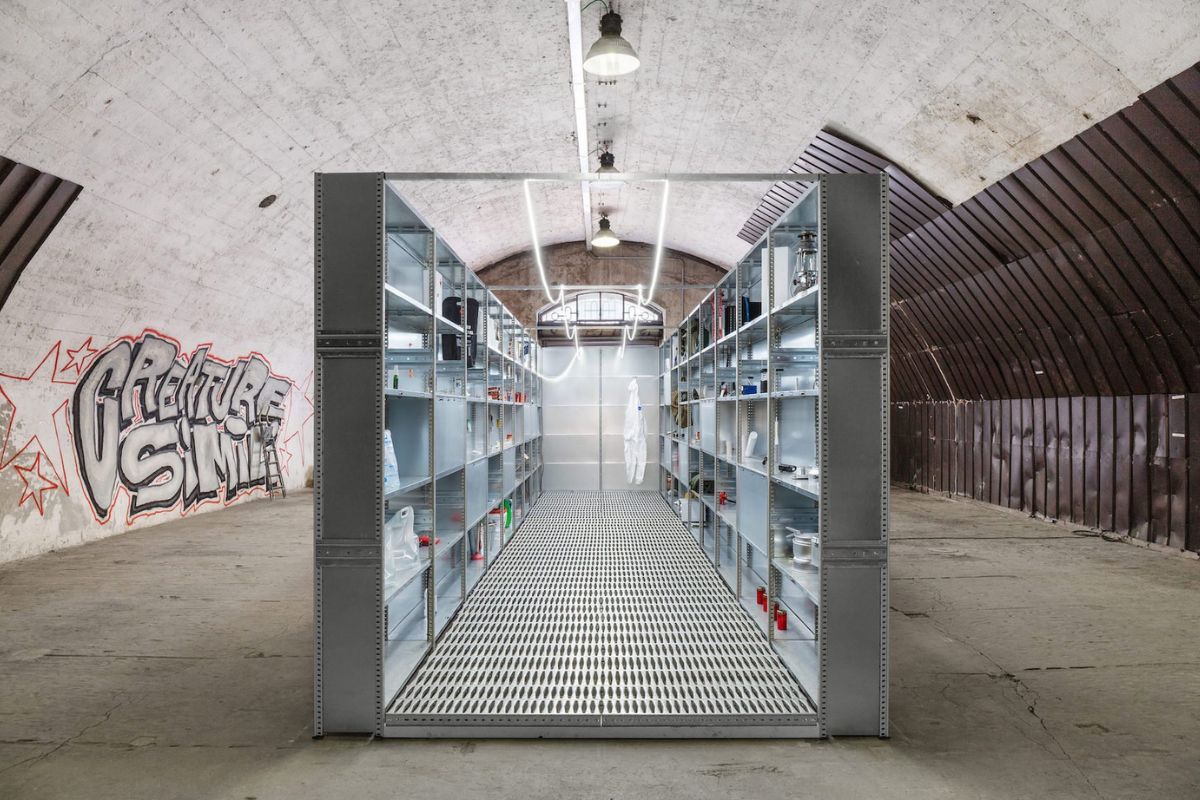
Dropcity , the center for architecture and design in the tunnels of the Central Station, which continues the line of research on experimentation, contemporary architecture and materials.
All elements acclaimed by the public in recent years.
What will really change at the Salone del Mobile 2026
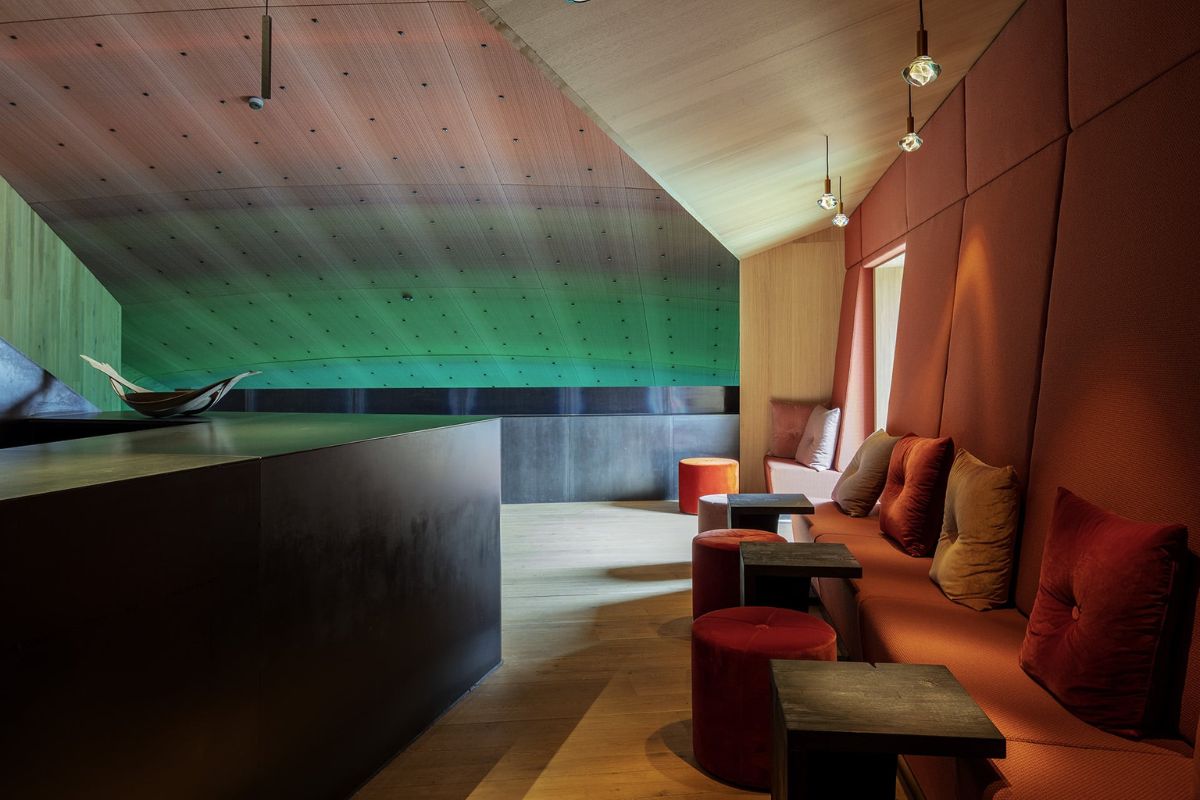
The Salone del Mobile 2026 will be remembered as the edition that definitively archives the historical structure of the fair. This is not an aesthetic evolution, but a systemic change that responds to three real drivers of the global market: the growing demand for high-end products, the crisis of standardized production and the advance of curatorial and collectible design.
The transformations already announced and those easily readable by analyzing the movements of the sector compose a very clear picture.
From the commodity model to the curatorial model
The main news of 2026 is the confirmation of the transition from a fair organized by product categories toa narrative platform built for paths, themes and thematic clusters.
This change responds to two concrete trends:
-
global buyers are no longer looking for “catalogues”, but visions ;
-
high-end brands want to showcase identities, not just products .
The inclusion of projects such as Salone Raritas , led by Annalisa Rosso, is not an isolated episode:
it is the arrival point of a path that leads the Salon to dialogue with galleries, collectors and museums, aligning itself with the large international art and collectible design fairs.
The structured entrance to galleries and limited editions
A change already visible in 20242025 and which becomes systemic in 2026: collectible design enters the Salone permanently.
This is not an abstract trend: it is a direct response to what is happening in the American, Korean and Middle Eastern markets, where:
-
the demand for unique pieces and limited series is growing;
-
collectors interested in design as a cultural investment are emerging;
-
authoritative collaborations between designers and galleries are increasing.
2026 will see the more structured presence of:
-
international galleries,
-
research atelier,
-
brands that produce limited series in dialogue with artists and artisans.
For Milan, this means consolidating a positioning that goes beyond industrial production.
New clusters dedicated to materials and technologies
The Show has already anticipated that 2026 will give greater space to emerging materials , to tactile libraries , to bio-based finishes and to textile experimentation .
This evolution is consistent with what happens in Northern European fairs and Asian design weeks, where:
-
the focus is no longer on the form, but on the “substance” of the project;
-
the innovation of materials has become the main lever of contemporary design.
In 2026, visitors will find clusters that combine industry, craftsmanship, research and technology, making the Show a platform increasingly close to the international Material Districts.
The entry of Artificial Intelligence as a project tool
2026 will not be the edition of technological gadgets, but the one in which AI will enter the Show:
-
as a tool for product development (generative design);
-
as a support for prototyping;
-
as a resource for smart materials and surfacesresponsive;
-
as part of the narrative language of some installations.
In 2025 we have already seen brands exploring these themes; in 2026 they will become part of the official program.
For the first time, contemporary design dialogues with AI not as a “tech innovation”, but as an element of design culture.
An increasingly international and polarized audience
The data from the latest editions confirm some concrete trends:
-
net growth in visitors from the United States ;
-
strengthening the presence of buyers from South Korea ;
-
increase in investors and developers from the Middle East ;
-
strong presence of professionals from Northern Europe .
2026 will accentuate this distribution: less general tourism, more professional public oriented towards high-end design, collecting and luxury contract.
A more mature relationship between Salone and the city
The fair-Fuorisalone relationship has been redefining itself for years, but in 2026 it becomes structural:
the city is no longer “the outside”, but the natural extension of the Salone’s story.
This results in:
-
stronger synergies between districts and brands;
-
curatorial contents that dialogue with those of the fair;
-
more coordinated programming;
-
a public that moves in an integrated way between Rho and the districts.
Milan is no longer the scenario: it is the cultural platform.
Less monumental, more narrative installations
The cost of maxi-installations and the new sensitivity to sustainability are leading to a real change in the language of the Fuorisalone.
2026 will favor:
-
smaller installations, but denser in content;
-
more cultural and less scenographic narratives;
-
a return to conscious planning, not to spectacularization.
A trend observed in many foreign design weeks, which Milan implements while maintaining its identity.
The trends that will influence design in 2026: what Milan cannot ignore
2026 will be a key transition year for the design sector. Not because superficial “news” will emerge, but because the processes already started today – in 2023-2025 – will reach a critical mass capable of redesigning corporate strategies, design languages ??and consumer behaviour.
The trends that follow are not hypotheses, but trajectories already documented in international fairs (Copenhagen 3 Days of Design, New York Design Week, Seoul Design Festival, Maison&Objet, Dutch Design Week) and in the choices of the most influential markets.
Milan in 2026 will have to deal with everythingThis.
The return of the collectible: design as a cultural investment
In the United States, Korea and the Middle East, the growth of collectible design is no longer a lateral phenomenon: it is a real market, involving:
-
international galleries
-
private collectors
-
foundations and museums
-
arc
Leave a comment