The importance of light in interior design
Light is one of the most important elements in interior design. Not only does it affect the aesthetics of a space, but it also has a significant impact on our mood and well-being. Choosing the right light can transform an environment, making it welcoming, functional and visually fascinating.
Artificial light and quality of life
Artificial light has a significant impact on quality of life. It allows us to extend our activities beyond sunset, improving productivity and socialization. Furthermore, good lighting can positively influence our mood and psychological well-being. However, it is also important to consider negative effects, such as light pollution, which can disturb sleep and affect health. Therefore, finding a balance in the use of artificial light is essential to maximize the benefits and reduce the disadvantages.
The use of artificial light during daylight hours

In our modern life, artificial light is used a lot even during daylight hours.
It is therefore necessary to consider the lights that mix with natural light and study the lights for the night hours. The night-time lights may be some that are turned on during the day, or they may be different ones.
The human being and natural light
We must never forget that human beings have lived for millennia without artificial light as we consider it today, and therefore on an anthropological level we were “built” so that the light came from the sun and nothing more! So a light that comes from Above! in fact our eyes are made to protect themselves with the eyelids that close at the top and with the closing of the pupil.
Another factor to consider is that natural light changes continuously, at any time of the day. The light changes intensity and color, regulating a biological clock that connects us to the passing of hours and time.
Analysis of natural light before artificial design
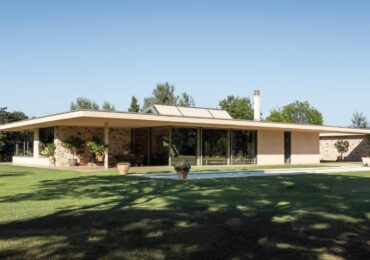
Before designing artificial light we must analyze how natural light intervenes in our environment, so that the different sources can communicate in accordance with the lighting project.
By knowing the modalities of natural light within our environment, we can study a night light that can work accordingly, or that on the contrary highlights different details that are not perceived or highlighted during the day!
I insist on this aspect, as many times we notice lighting engineering creations that do not take into consideration the architecture of the spaces as we see them during the day.
We find settings that say nothing about what already exists or the opposite, that is, it is not clear whether we want to accentuate what the interior designer has achieved or, on the contrary, whether we want to create an added aesthetic stratification of contrast.
Describing the environment through artificial light

With artificial light we can describe and make the environment perceived in a different way: we can stratify aesthetic information, we can underline elements or volumes, we can exclude details tohighlight others, we can broaden the sensation of space, etc.
Understanding the effect of light sources
But to govern all the elements we must understand how the various sources of light act.
Lighting engineering: beyond quantitative data
When carrying out a light design project, we must take all aspects into consideration, and not limit ourselves to giving a quantitative answer; satisfying the necessary lux requirements is not enough, we must not forget that we are human beings who for millennia have lived with very complex lighting characteristics in outdoor environments.
The three main types of light

Ambient Lighting
This is the main light of a room, which provides general lighting. It can come from chandeliers, ceiling lights or windows. It is important that it is uniform and does not create excessive shadows.
Functional Lighting
This light is designed for specific activities, such as reading, cooking, or working. Table lamps, spotlights and under-cabinet lights are examples of functional lighting. It must be sufficiently intense to ensure comfort and safety.
Decorative Lighting
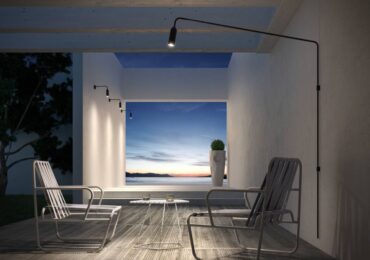
This type of light serves to highlight architectural or decorative elements, such as works of art or particular characteristics of an environment. Wall lights, floor lamps and LED strips can add a touch of style and personality.
Key aspects to consider
Color temperature
Color temperature, measured in Kelvin (K), plays a crucial role in the atmosphere of an environment. The warm lights (2700K-3000K) create a welcoming and intimate atmosphere, perfect for living rooms and bedrooms. Neutral lights (3500K-4100K) are ideal for work spaces, while cool lights (5000K-6500K) can be used in modern, minimalist environments, giving a more energetic and clean look.
Light distribution
It is essential to avoid shadow areas and ensure uniform light throughout the space. The use of different light sources, such as floor lamps, spotlights and ceiling lights, can help create balanced and harmonious lighting.
The importance of regulation
The ability to adjust the intensity of the light is another aspect to consider. Dimmers and smart lighting systems allow you to adapt the light to different needs and moments of the day, creating different atmospheres depending on the occasion.
Sustainability and innovation
Finally, let’s not forget the importance of sustainability. LED bulbs, for example, consume less energy and last longer than traditional incandescent bulbs. Choosing eco-friendly lighting solutions is not only beneficial for the environment, but can also reduce energy costs.
The impact of light on our daily lives

Artificial light has a significant impact on quality of life. It allows us to extend our activities beyond sunset, improving productivity and socialization. Furthermore, good lighting can positively influence theour mood and psychological well-being. However, it is also important to consider negative effects, such as light pollution, which can disturb sleep and affect health. Therefore, finding a balance in the use of artificial light is essential to maximize the benefits and reduce the disadvantages.
Light as a design tool
In summary, the right light is essential for creating design environments that are not only beautiful, but functional, welcoming and that allow us to feel good as human beings.
Experimenting with different types of lighting, color temperatures, and light distribution can make a difference in transforming a space.
Final considerations on the role of light
Man has a deep and fascinating connection with light, light is fundamental, without it we cannot perceive the world that welcomes us (except touching or feeling it).
Remember that light is not just a practical element, but a real design tool that can make a difference in the quality of life in all everyday environments. By quality I also mean aesthetic quality and not just functional (obviously).
The responsibility of the light designer
The light designer, having understood how important his work is, must delve deeper and have the sensitivity to create lighting solutions that seek to provide an answer to the complexity involved.
We must ask ourselves how the human user will feel, how he will be able to develop his functions in a positive way. It is certainly not a mission, but the planning actions must be responsible for the collective good and for improving human life, not the other way around.
Leave a comment