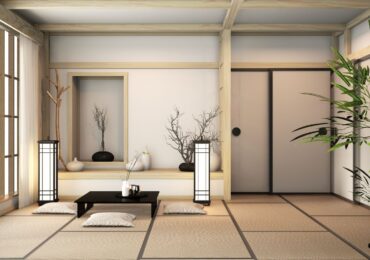
In the world of architecture and design, we often wonder what the difference is between an architect and a interior designer . Although both figures are linked to the improvement of spaces and their aesthetics, their roles, skills and areas of intervention are distinct. Let’s discover together the main differences between these two professions.
The difference between architect and interior designer: everything you need to know
Definition and role of an architect

The architect is a professional who deals with the design and construction of buildings and spaces, starting from the initial conception of the architectural idea up to the supervision of the construction works. Architects are involved in every phase of the design, from the preliminary phase to the final realization. They deal with the creation of structural and functional plans, studying the ergonomics, safety and aesthetics of the building.
An architect has expertise in structural engineering, urban planning and building planning, and must ensure that the project complies with local regulations and building laws. Architects work with building materials and infrastructure, creating buildings that are both functional and safe.
The main responsibilities of an architect include:
- Design of buildings, homes, offices, schools and other structures.
- Study of building codes and regulations.
- Supervision of construction works.
- Collaboration with engineers and other industry professionals.
Definition and role of an interior designer

The interior designer , on the other hand, is a professional who focuses on the design of the interior spaces of an environment, such as homes, offices, shops and commercial spaces. The interior designer’s goal is to improve the aesthetics, functionality and comfort of living spaces, selecting furnishings, materials, colors and lighting solutions that contribute to creating a harmonious and well-organized atmosphere.
While the architect deals with the overall structure of the building, the interior designer is more focused on the aesthetic and practical aspects of the interior, studying how to make the most of the available space and improve the user experience within that space.
The main responsibilities of an interior designer include:
- Interior design, from the choice of colors to the materials for floors, walls and furnishings.
- Optimization of the use of space and improvement of functionality.
- Selection of furniture, lighting, and accessories.
- Creation of environments that reflect the needs and tastes of customers.
Main differences between architect and interior designer
Training and skills
The training of an architect is generally longer and more complex. An architect must complete a bachelor’s degree in architecture and often a postgraduate specialization, followed by a state exam to obtain professional licensing. TheArchitects must acquire skills in mathematics, engineering, urban planning, and structural design. Their preparation makes them experts in designing buildings and managing complex projects.
An interior designer , on the other hand, follows a specific course of study in interior design, which includes courses in aesthetics, environmental psychology, design, and interior architecture. Despite having in-depth training in design, interior designers are not involved in the structural construction phases of a building and cannot alter the structure of the building.
Scope of intervention
The architect works on complete building projects , which include the design of the structure, foundations, infrastructure and external spaces. Architects are responsible for ensuring that the building is safe, functional, and compliant with regulations. An architect’s projects can range from the design of single-family homes, to large residential, commercial or institutional complexes.
The interior designer, on the other hand, deals exclusively with the interiors . This can include the choice of colours, furnishings, space layout, lighting and accessories. Interior designers are also experts in managing users’ emotions through the environment, designing spaces that promote the psychophysical well-being of the people who live there.
Autonomy in work
The architect has an independent and leadership role, especially in new construction projects. He is responsible for supervising the entire construction part and collaborating with engineers, builders and other professionals.
The interior designer is often involved starting from the most advanced stages of construction, working on the improvement and optimization of existing internal spaces. However, in some cases, interior designers may also be involved in preliminary design phases, such as in the definition of internal layouts and the selection of materials.
Collaboration between architect and interior designer

In many projects, architects and interior designers work side by side. For example, in a residential or commercial project, the architect is responsible for designing the structure of the building, while the interior designer focuses on the interiors. The collaboration between these two professional figures is essential to guarantee a harmonious and functional final result, which respects both structural and aesthetic needs.
When is an architect needed and when is an interior designer?
-
When do you need an architect? If the project requires major structural changes, new constructions, or renovations of existing buildings, the intervention of an architect is necessary. The architect is the central figure in guaranteeing the safety and functionality of a building.
-
When do you need an interior designer? If you already have a building and want to improve the appearance of the interior spaces, optimizethe use of spaces or renovating the furnishings, the interior designer is the most suitable professional figure. It can transform spaces, using design to make the environment more functional and welcoming.
The difference between architect and interior designer
Therefore, the main difference between architect and interior designer lies in the type of design that each deals with. While the architect is responsible for the design and construction of structures and buildings, the interior designer focuses on the aesthetics and functionality of interior spaces. Both are essential in improving and transforming environments, but each with a distinct focus and skill set.
Whether you are planning a new construction or a complete renovation, an architect is essential. If you want to optimize or renovate existing interior spaces, an interior designer can help you realize the aesthetic vision you desire.
Leave a comment