In the contemporary debate on high-end design , the concept of Italian luxury is undergoing a profound transformation. No longer linked exclusively to ornament or historical memory, luxury today is measured in quality of the project , in productive coherence and in the ability to dialogue with increasingly hybrid architectural contexts , from residential to contract .
Zanaboni has been positioned in this territory of balance for decades, carrying forward a vision in which the great Italian artisan tradition meets a continually evolving design language. Internal production , tailoring , noble materials and constant stylistic research have made the brand a point of reference in the panorama of high-end furniture , capable of interpreting contemporary classicism as a living and current language.
In this scenario, the most recent collections – from Zanaboni Edizioni to Zanaboni Edizioni NEXT – tell of an evolution of the brand’s language, in dialogue with international architecture and contemporary interior design.
On these themes Strings & Interiors spoke with Massimo Zanaboni , CEO of the company, to reflect on the present and future of luxury in design.
Zanaboni interview: identity, project and vision of Italian luxury
Zanaboni’s origins date back to the 1960s, in a creative context in which the Italian artisan tradition met an aesthetic vision already projected beyond the classic. Which aspects of that culture – technical, artistic, design – still constitute the permanent DNA of the brand today?
Our identity has its roots precisely in that extraordinary period in which Italian craftsmanship was confronted with a new aesthetic language, more international and oriented towards research. Since then, what we define today as the “Zanaboni DNA” has been built on some immutable values: craftsmanship, absolute attention to detail, the selection of noble materials and the desire to combine tradition and innovation without ever compromising.
That culture of the Sixties – made up of experimentation, dialogue between art and design, and attention to timeless quality – continues to guide all our design choices. Even today, our collections are born from the encounter between artisan techniques that we proudly preserve and a contemporary vision that looks beyond the fashions of the moment. This balance allows us to create objects that not only express beauty, but tell a story of competence, stylistic coherence and Italian passion.
Zanaboni is recognized as one of the brands that best combines classicism and contemporary interpretation. How have you contributed to the transformation of “Italian luxury” in the design sector, and what prejudices or expectations have you had to renegotiate over the years?
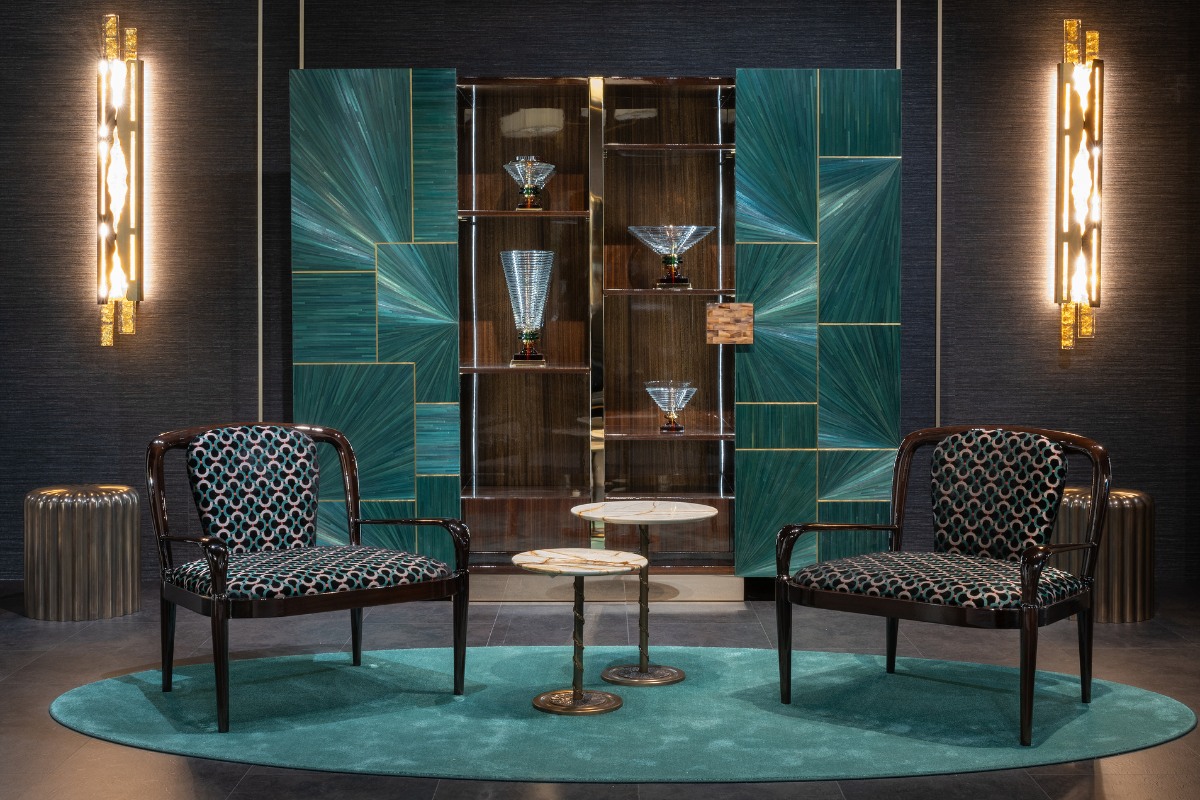
Our contribution to the transformation of “Italian luxury” arises from the idea that authentic luxury means harmoniousia between beauty, quality and design culture. Classic luxury is not necessarily linked to an immobile aesthetic, we have demonstrated that classicism can be a language, a heritage to be reinterpreted in a contemporary key through lighter proportions, innovative materials and ever-present stylistic research. Over the years, on the one hand, we have broadened the perception of Italian luxury, showing how excellent craftsmanship can coexist with advanced design and projects designed for an international audience.
On the other hand, we challenged the idea that the classic product could not dialogue with contemporary architecture or more minimal environments. Our collections today demonstrate that elegance, comfort and identity can coexist without rigid stylistic definitions. Combining memory with innovation: we preserve the culture of Italian making, but we apply it to an aesthetic that is constantly renewed. In this way we have contributed to redefining the concept of luxury, as a high quality aesthetic, material and cultural experience.
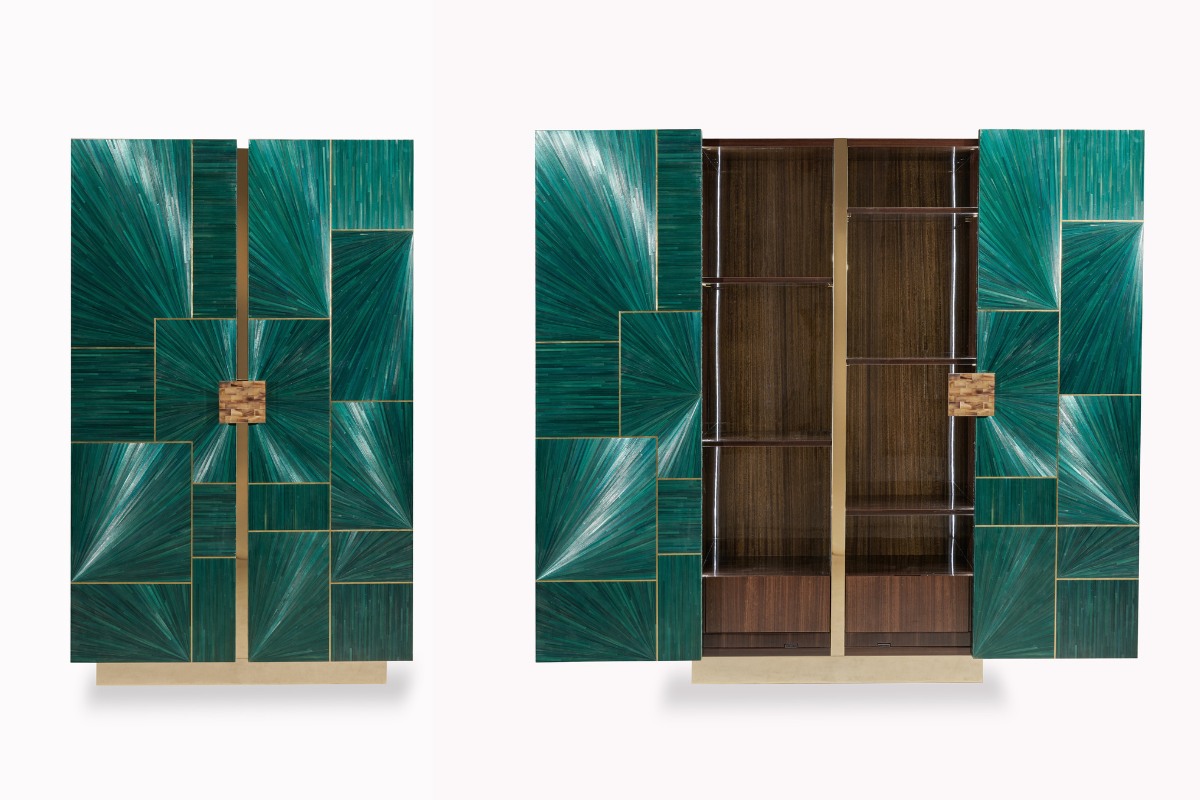
The modern collections – Zanaboni Edizioni and Zanaboni Edizioni NEXT – represent an important evolution. What is the most complex challenge today in maintaining a strong artisanal identity in a market that is conforming towards global minimalism?
The most complex challenge is to remain faithful to our identity without giving up the ability to dialogue with an international sensitivity which, in recent years, has tended towards an almost universal minimalism. For us, maintaining a strong artisanal identity means preserving knowledge that is the result of decades of experience, precise gestures, carefully selected materials and a direct relationship with our master craftsmen. This heritage cannot be sacrificed to global standardization. At the same time, with Zanaboni Edizioni and Zanaboni Edizioni NEXT we have chosen to interpret contemporaneity according to our language: more essential shapes, lighter proportions and innovative material research, always rooted in the culture of handmade. It’s not about chasing minimalism, but about giving an authentic and recognizable response to a demand for cleaner and more international design.
The true balance lies right here: knowing how to innovate without losing the complexity, depth and emotion that only a product made according to tradition can convey. In a market that tends towards homologation, our challenge is to reaffirm a luxury that is not reduction but quality, not anonymity but identity.
Lines such as Zanaboni Edizioni NEXT, Nouvelle Vague, Milo or Brera have marked a change of pace in the language of the brand. Is there a design background – an unexpected intuition, a hidden detail, an error transformed into innovation – linked to the birth of one of these pieces?
Our design always starts from a rigorous method, but deliberately leaves room for intuition, the sensitivity of the craftsman and the lively dialogue between design and material. This is also why the language of our collections evolves over time: it changes together with the context, the aesthetic sensitivities of the moment and the audience we address. The stylistic update has never been an imposed gesture, but a pnatural process, born from the need to follow (and at the same time anticipate) new needs and new desires of the market.
Your catalog combines classic proportions, precious materials and contemporary experimentation. How does the definition of the aesthetic language of a new collection come about internally?
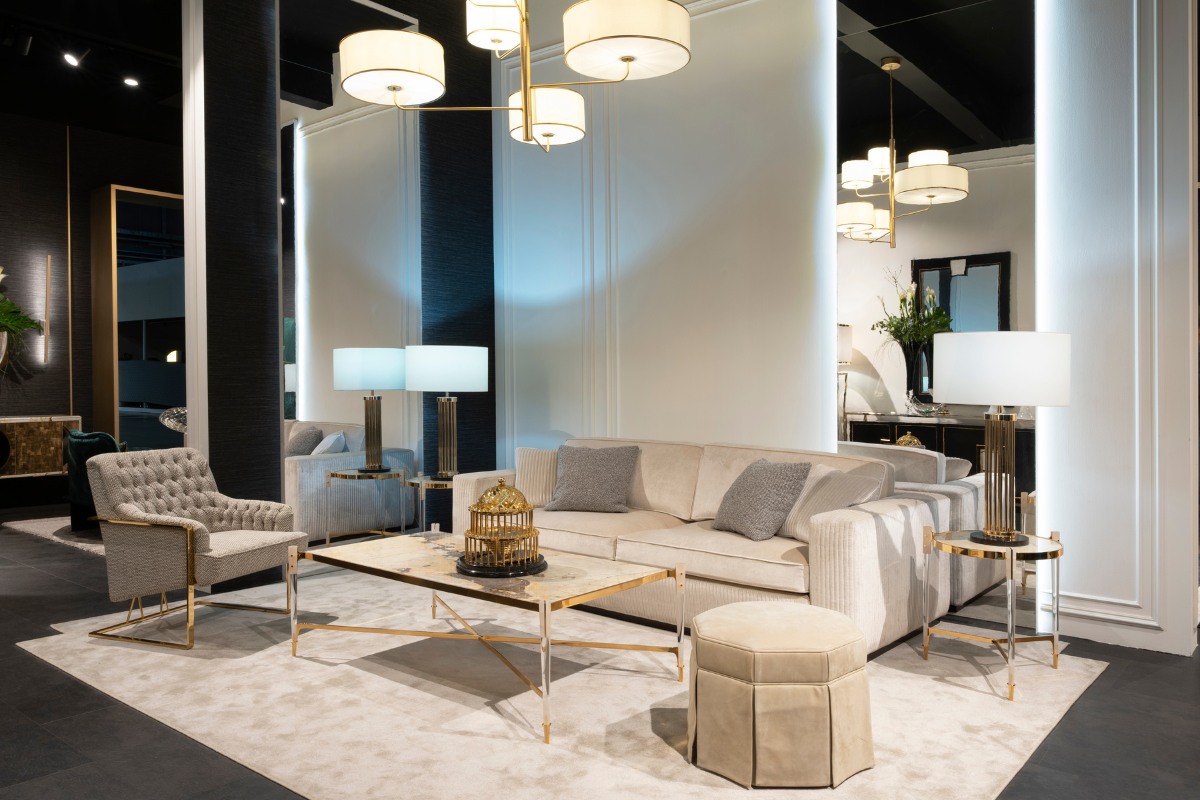
The definition of the aesthetic language of a new collection is a collective process, which arises from the encounter between our cultural heritage and contemporary design sensitivity. It all starts from a shared intuition: a theme, a material suggestion, a housing need that we perceive emerging from the international market. From there we start a journey in which designers, artisans and creative direction work side by side to create a dialogue between classic proportions, traditional techniques and new formal research.
We observe what happens in the world of architecture, art and design, but we filter every stimulus through our identity. The goal is not to chase a trend, but to give shape to an aesthetic that has our DNA, capable of speaking to a contemporary audience. The materials have a decisive role: they are often the ones who guide the evolution of the line, suggesting unexpected volumes, curvatures or construction solutions. In this sense, each new collection is the result of a complex balance: maintaining continuity with who we are, and at the same time opening a space for experimentation that allows us to anticipate the needs of tomorrow.
Internal production, tailoring, artisanal finishes, noble materials: what is the biggest challenge in maintaining a 100% Made in Italy production model in a sector that tends to compress time and costs?
Maintaining a 100% Made in Italy production model means taking on the responsibility of preserving ancient knowledge, guaranteeing superior quality and recognizing the value of human work. In a sector that pushes towards time and cost reduction, this approach requires a long-term vision and the awareness that excellence cannot be accelerated or simplified. Making each piece internally allows us to control every detail: from the selection of materials to the tailoring of the workmanship, up to the most delicate finishes.
At the same time it involves continuous investments in training, complementary technologies and the protection of our workers. It is a commitment that we defend because we believe that the true value of Made in Italy lies precisely in this mix of competence, culture and productive responsibility. In a globalized market, maintaining entirely Italian production is an act of identity. It means offering the customer a product that carries within it a story, a method and a level of care that no compression of time or costs can ever replicate.
Among your modern collections, which do you think best embodies your current identity? And why that one?
In all our lines, the elements of our tradition coexist naturally – the attention to detail, the choice of noble materials, the hand of the craftsman – with an evolution of the design language towards simpler, cleaner and more contemporary forms.
The Modern and Contemporary lines represent our way of interpreting modernity without giving up what defines us. They are collections that dialogue with international architecture thanks to their light proportions and a more essential aesthetic, but which always maintain a warm and recognizable soul. Here tradition is not simplified, but made more subtle, more current, more naturally integrated into today’s life. This is why we consider them an authentic synthesis of our current identity: collections capable of uniting memory with evolution, combining elegance, sobriety and craftsmanship in a balance that speaks to the present and the future.
Aesthetic sophistication, comfort, durability and tailor-made design: how do you manage to bring these four elements together in products intended for an extremely demanding international public?
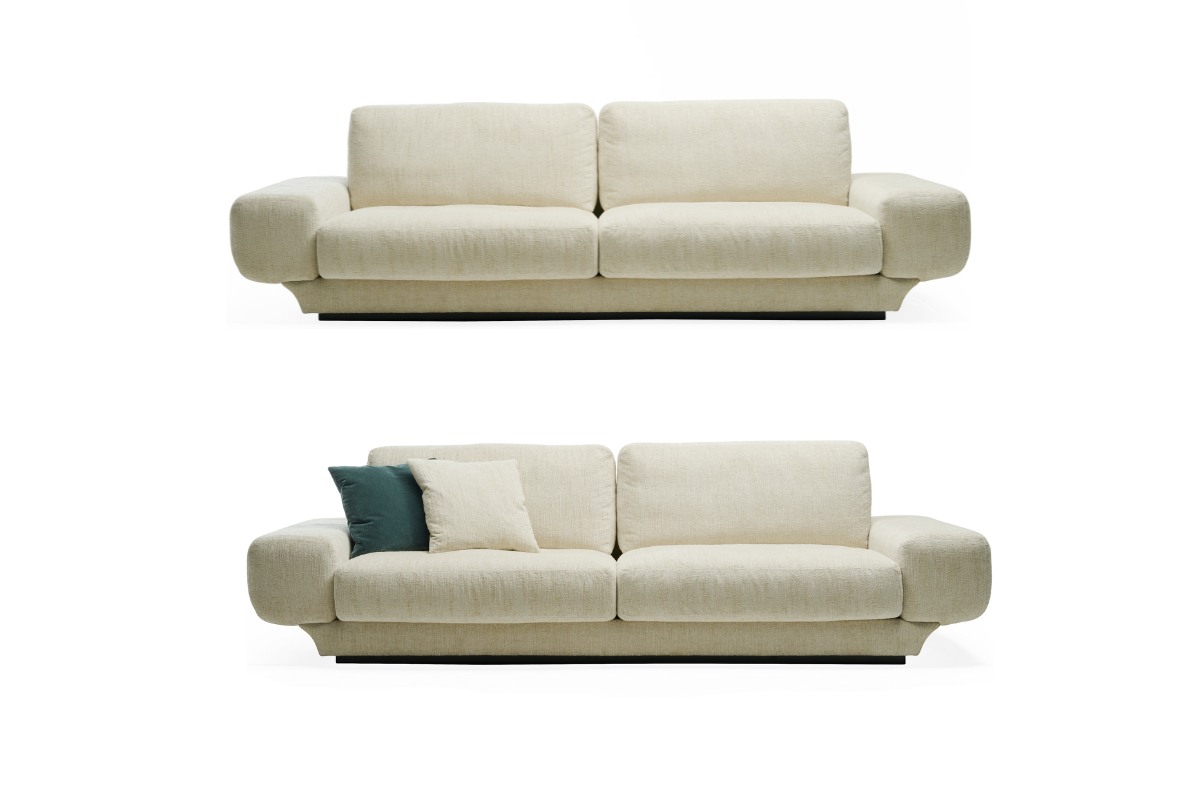
These four elements are parts of a single design process. Aesthetic sophistication comes from a clear and measured language, which enhances proportions, materials and details without ever losing sight of the experience of use. Comfort is an essential requirement: every line, every volume, every padding is carefully studied and tested, because true luxury today also means enjoying the object well, not just admiring it. Durability is a natural consequence of our production model: rigorously selected materials, internal processes and quality control deeply rooted in the Italian manufacturing culture. Finally, tailor-made design is what allows us to respond to the needs of an extremely demanding international public.
Each project arises from a dialogue, often very close, with architects, designers and clients: interpreting their needs and transforming them into objects consistent with our DNA is one of our most recognized skills.
Physical prototyping remains central to your process, despite the evolution of 3D. Why? And at what point do you understand that a project “works”: in the sketch, in the model, in the first prototype or in the manufacturing tests?
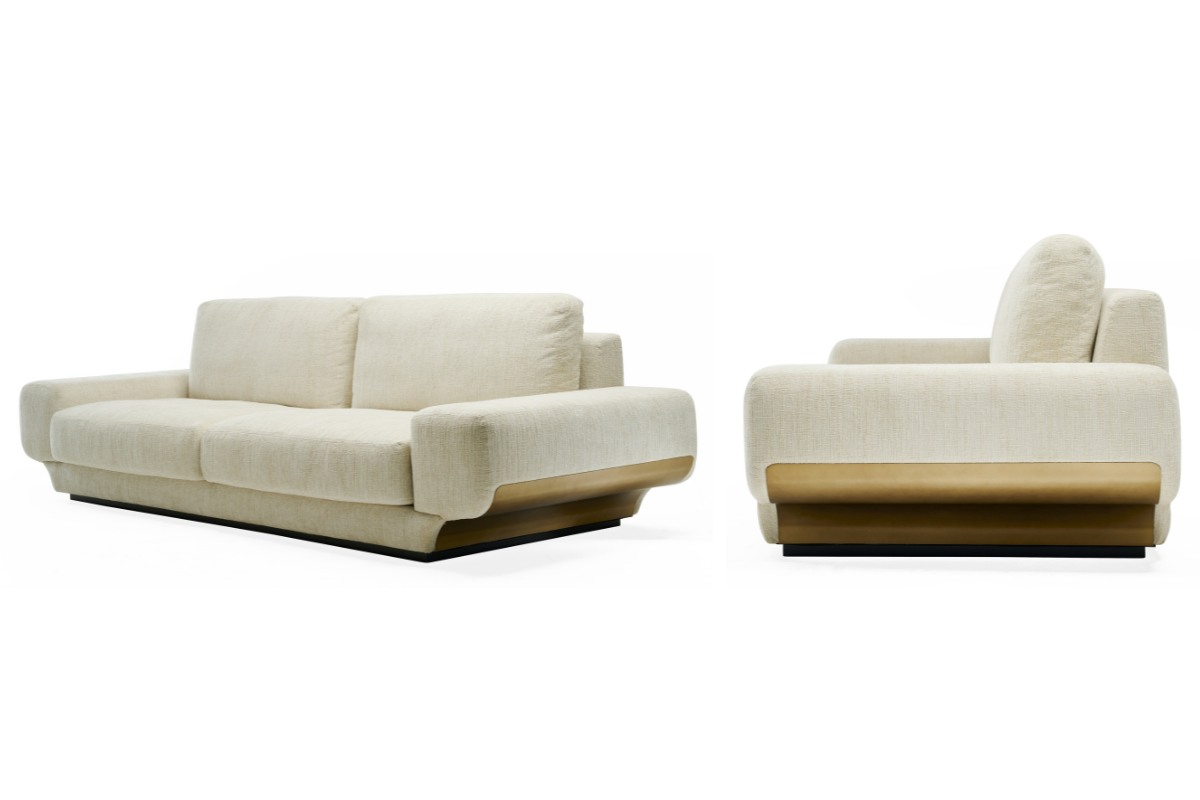
3D is an extraordinary tool that has transformed the way of designing, but for us physical prototyping remains an essential step. We work with materials, finishes, curvatures, volumes that must be touched, observed live, experienced in space. Some perceptions cannot be fully evaluated on a screen. The moment in which we understand that a project “works” can emerge in different phases, but almost never only from the sketch or virtual model. The drawing suggests the idea, the model refines the proportions, but it is with the first prototype that the shape really begins to tell its identity.
Collaborate with highly experienced designers, such as Castello Lagravinese Studio and Studio Mamo. How does creative dialogue arise and develop? What is the ideal balance between the vision of the designers and the Zanaboni identity?
Creative dialogue always arises from an open discussion, based on mutual respect. Collaborating with established studios and designers means sharing similar design sensibilities, but also leaving room for the diversity of their visions. The starting point is often a common intuition: a themeformal, a material suggestion, a need of the international market. From there begins a journey made of exchanges, prototypes and continuous adjustments.
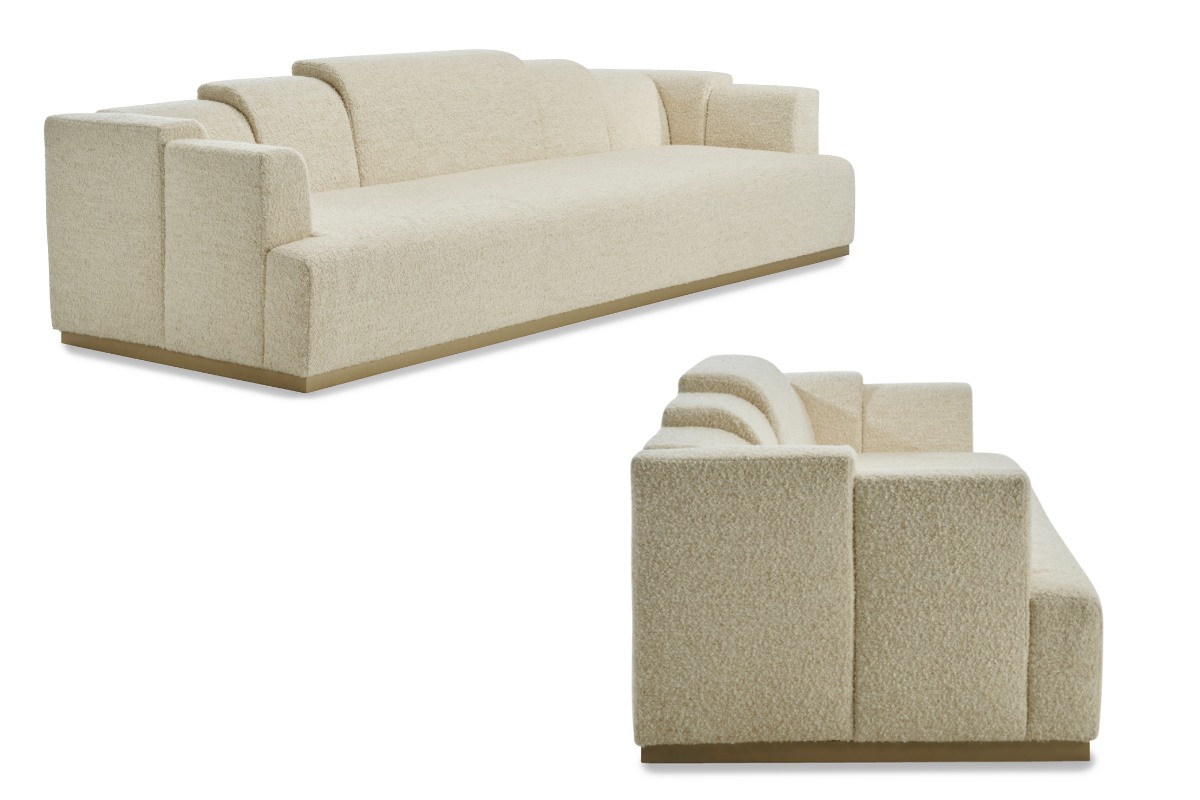
Our role is to safeguard the Zanaboni identity and, at the same time, create the conditions so that the designer can fully express his personality. The ideal balance is achieved when the designer’s creative vision meets our culture of making: artisanal precision, attention to proportions, the value of materials. The final result is a collection that speaks two languages ??simultaneously: that of the designer, with his formal research and his unique gaze, and that of Zanaboni, rooted in a tradition that is renewed through the project.
The contract world today requires volumes, customization, certain times and very high quality. How are you interpreting the new demand for “hybrid” hospitality, between hotels, residential spaces and bespoke projects?
Today contract spaces must be functional and resistant, but at the same time communicate a precise, welcoming and recognizable identity. This is why we are developing an approach that combines the flexibility of a tailor-made project with the solidity of a highly controlled internal production process. The stylistic breadth of our collections allows us to offer a wide range of solutions – from the contemporary classic to the more essential lines – easily integrated into the different languages ??of international hospitality. Customization allows us to dialogue with architects and developers by creating bespoke solutions in materials, finishes and proportions. Then there is the issue of quality: internal processes, rigorous selection of materials and constant control at every stage guarantee performance and durability, essential requirements in contemporary contract.
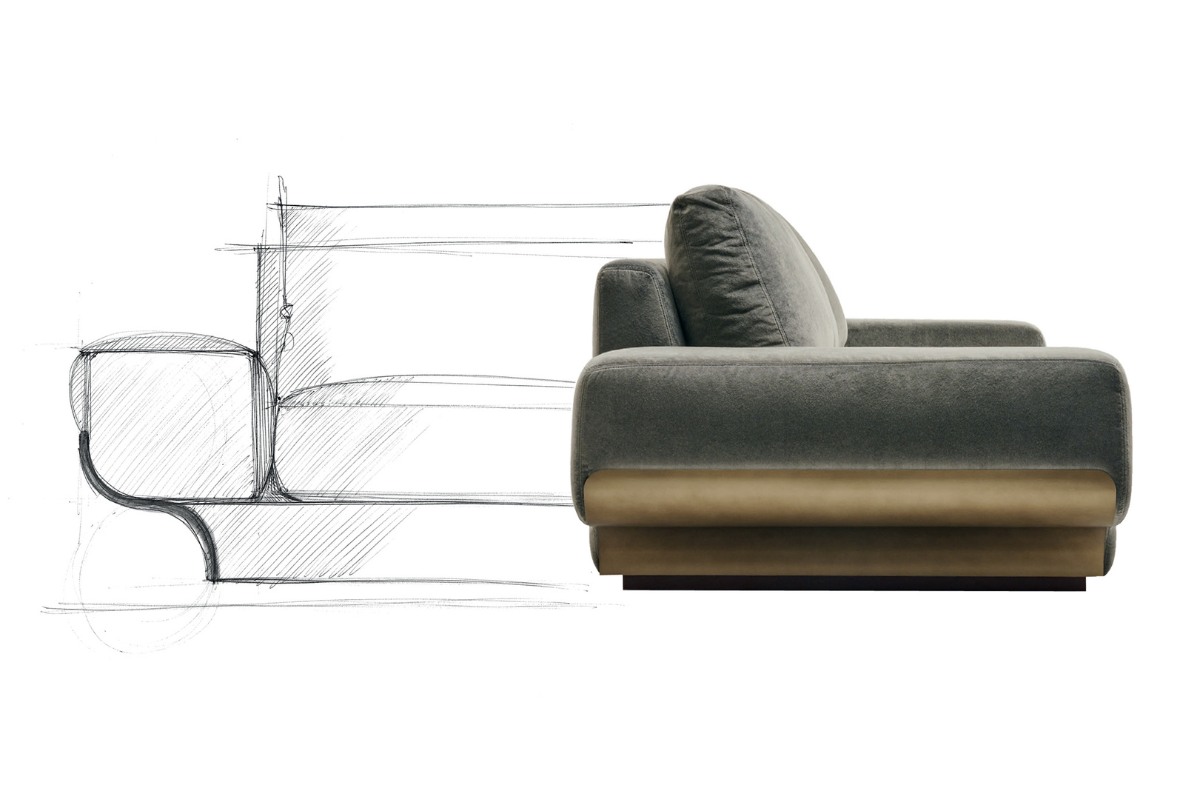
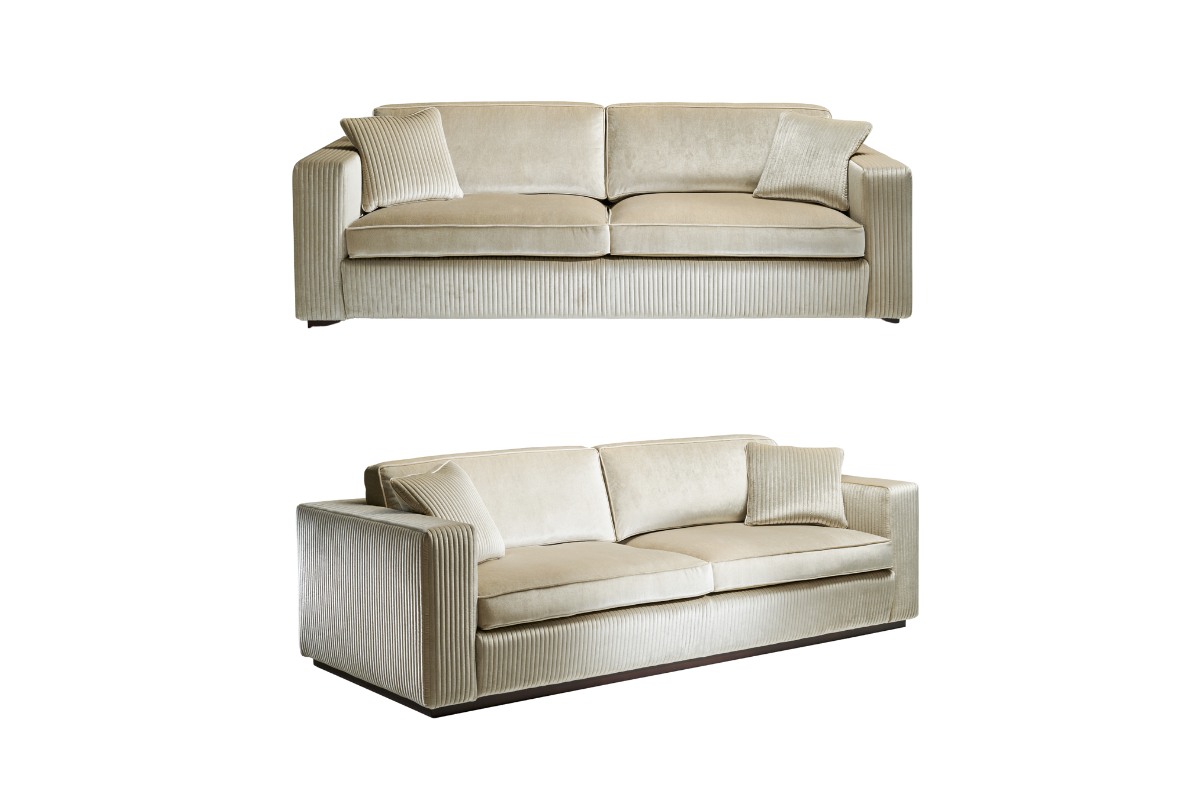
If you had to choose just one iconic product or just one collection that embodies the Zanaboni philosophy – tradition, contemporary experimentation and artisanal excellence – what would it be and why? Is it possible to share a sketch or concept study with our editorial team?
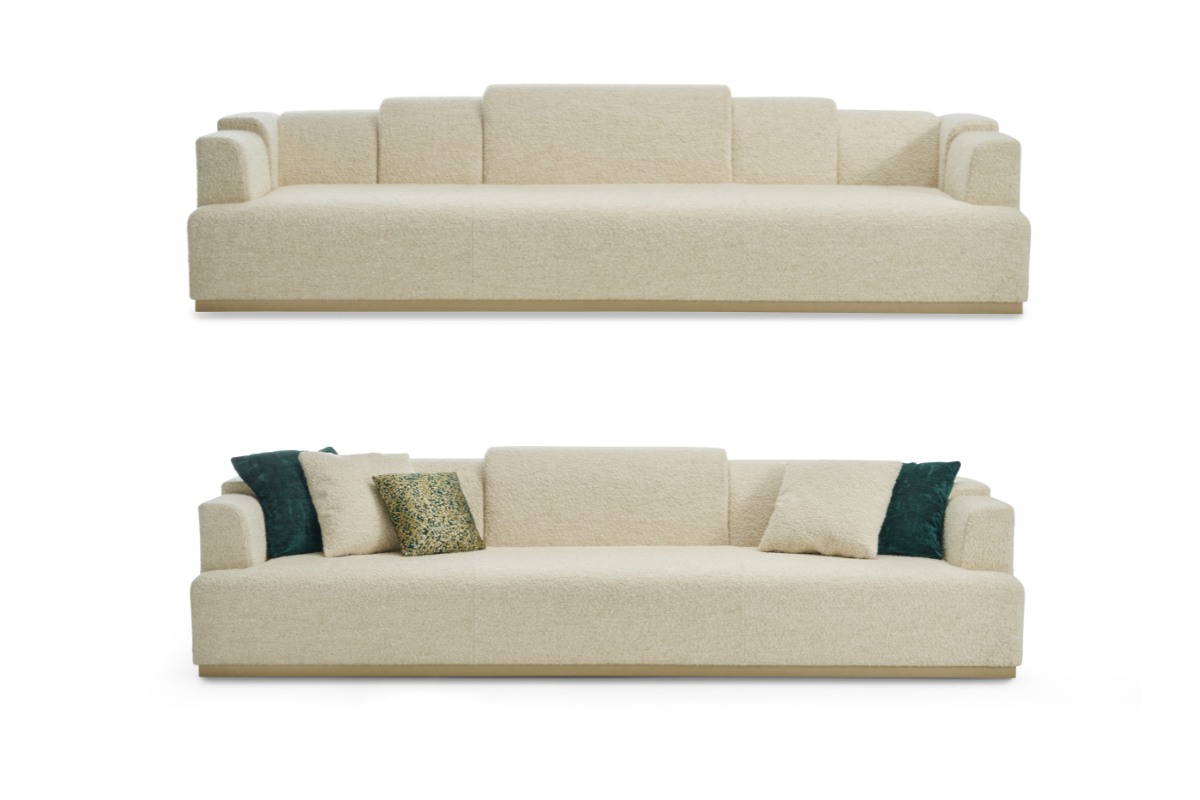
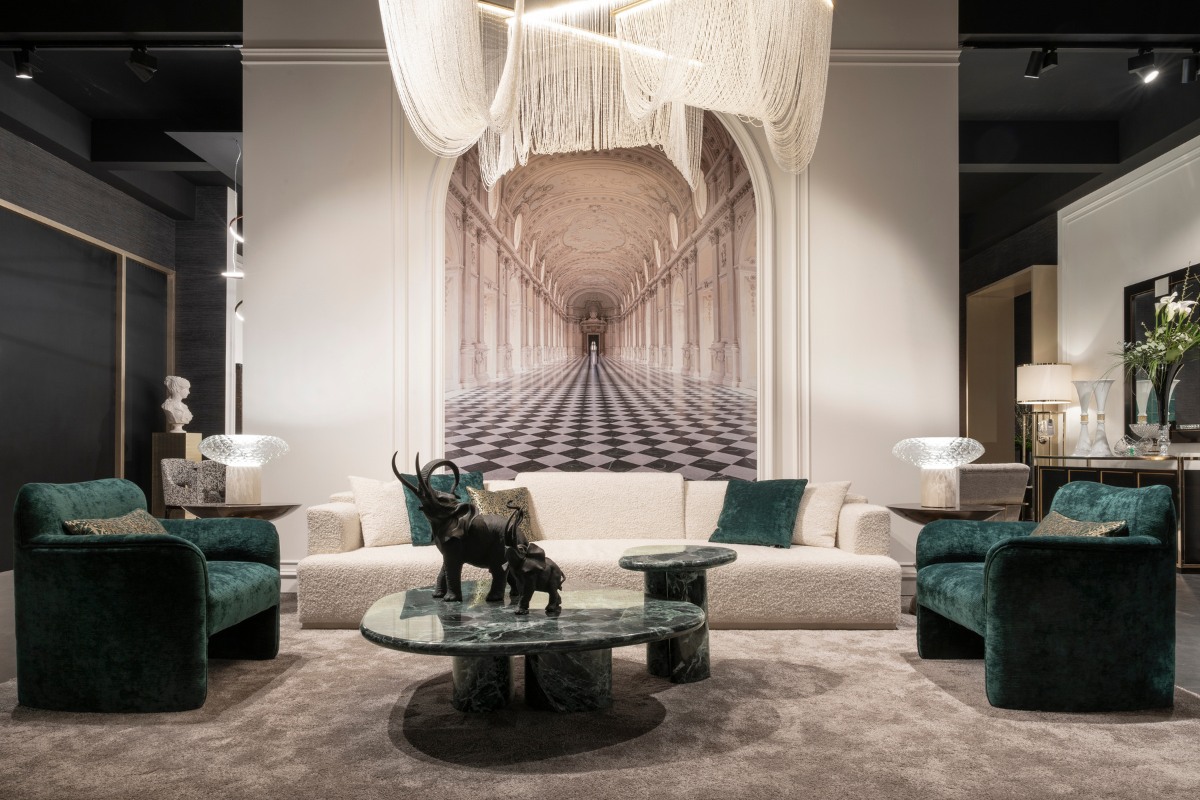
The Nouvelle Vague sofa represents the perfect balance between heritage and vision, reinterpreting the Art Deco style in a modern key through soft volumes, elegant geometries and sartorial details that highlight the company’s craftsmanship. Nouvelle Vague embraces a timeless aesthetic that summarizes the Zanaboni identity.
Internationalization today is made up of different micro-markets and cultures. Where is the demand for high-end furniture growing the most? And what cultural differences emerge in the way of understanding design and luxury?
Today the demand for high-end furniture is growing especially in those contexts where a new cultural and economic elite is consolidating. It is no longer a single “international market”, but a constellation of micro-markets, each with its own way of interpreting luxury, comfort and the representation of domestic space and hospitality. Our task is to interpret these differences without distorting the Zanaboni identity.
We work for offcreate a wide range, capable of speaking different languages ??- from contemporary classic to the most essential lines – while maintaining constant what is non-negotiable for us: quality, craftsmanship and a design culture that puts the person, and not just the image, at the center of the luxury experience.
Looking to 2035, what will remain unchanged about the Zanaboni DNA? And what, in your opinion, will be the next revolution – aesthetic, typological or material – that your brand will bring to the sector?
Looking to 2035, elements such as the centrality of internal artisan production, the artisanal attention to detail, the search for the noblest materials and the desire to create objects that last over time will certainly remain unchanged. Our identity arises from a unique balance between tradition and innovation, and this balance will continue to guide all our design choices. The next real revolution could be a service revolution that is already underway.
We are already experimenting and consolidating a 360° assistance model that accompanies the customer – private or professional – in every phase of the project. It is no longer just a matter of providing a product, but of offering a complete system: creative consultancy, advanced customisation, dedicated prototyping, contract project management, international logistical support and an after-sales service designed to guarantee continuity, care and reliability over time. A company capable not only of producing excellence, but of building tailor-made relationships and solutions, adapting to the needs of an increasingly hybrid and interconnected market.
The real innovation will therefore be to combine our artisanal identity with an ecosystem of high added value services, capable of transforming each project into a complete and deeply personalized experience.
Leave a comment