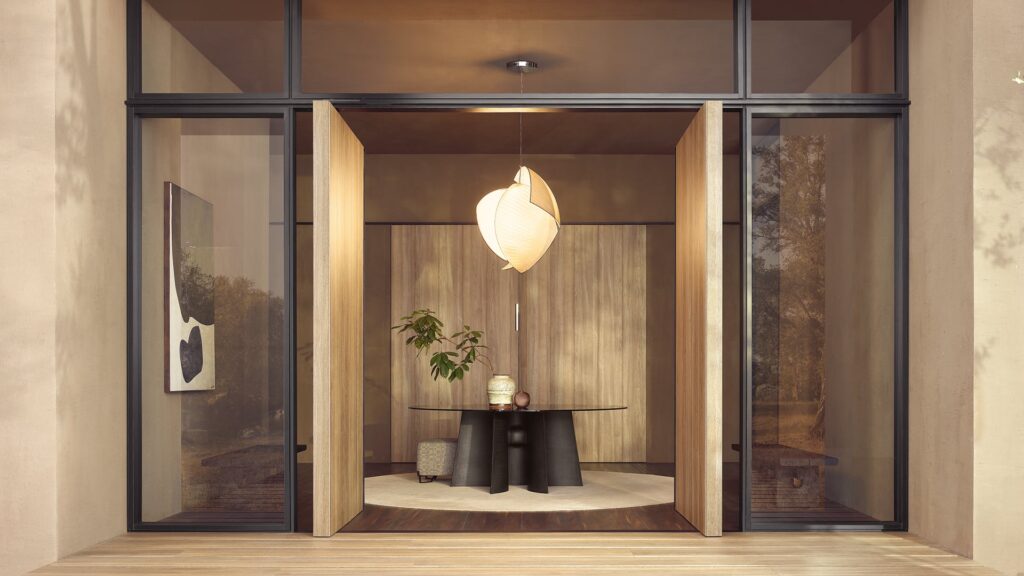
In 2026, trends can be recognized by very concrete details. One above all: the room stops being "beautiful only at certain hours" when the lighting project works on glare, depth and performance of the materials . This is why many interiors are repositioning their choices: fewer aggressive downlights and more stratified light, more walls "washed" …
In 2026, trends can be recognized by very concrete details. One above all: the room stops being “beautiful only at certain hours” when the lighting project works on glare, depth and performance of the materials . This is why many interiors are repositioning their choices: fewer aggressive downlights and more stratified light, more walls “washed” with precision, more devices that create atmosphere without invading.
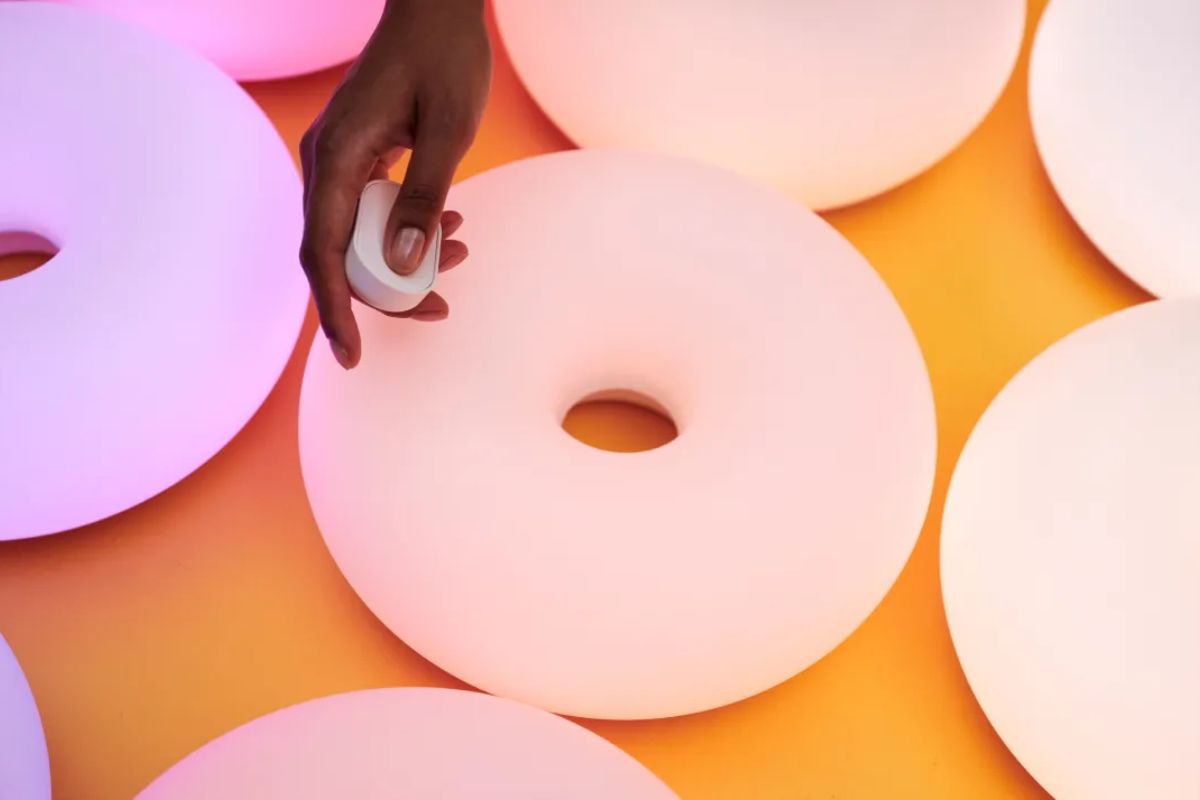
A second signal has become almost daily: the light moves. cordless and rechargeable lamps enter the home as atmospheric micro-architectures (living room, table, bedroom) and transform terraces and dehors into credible extensions of the interior. It’s not just a “decor” trend: it’s a new, very contemporary freedom of use.
Finally there is a more technical, but decisive theme: color quality becomes central again and there is increasingly talk of metrics beyond CRI, with the attention growing around TM-30 to specify color rendering in a more reliable way. In parallel, Euroluce continues to push a cultural reading of light as a transversal discipline “Light for Life. Light for Spaces.” that is, light as well-being, space and design responsibility.
Lighting trends 2026: the signals that matter in the project
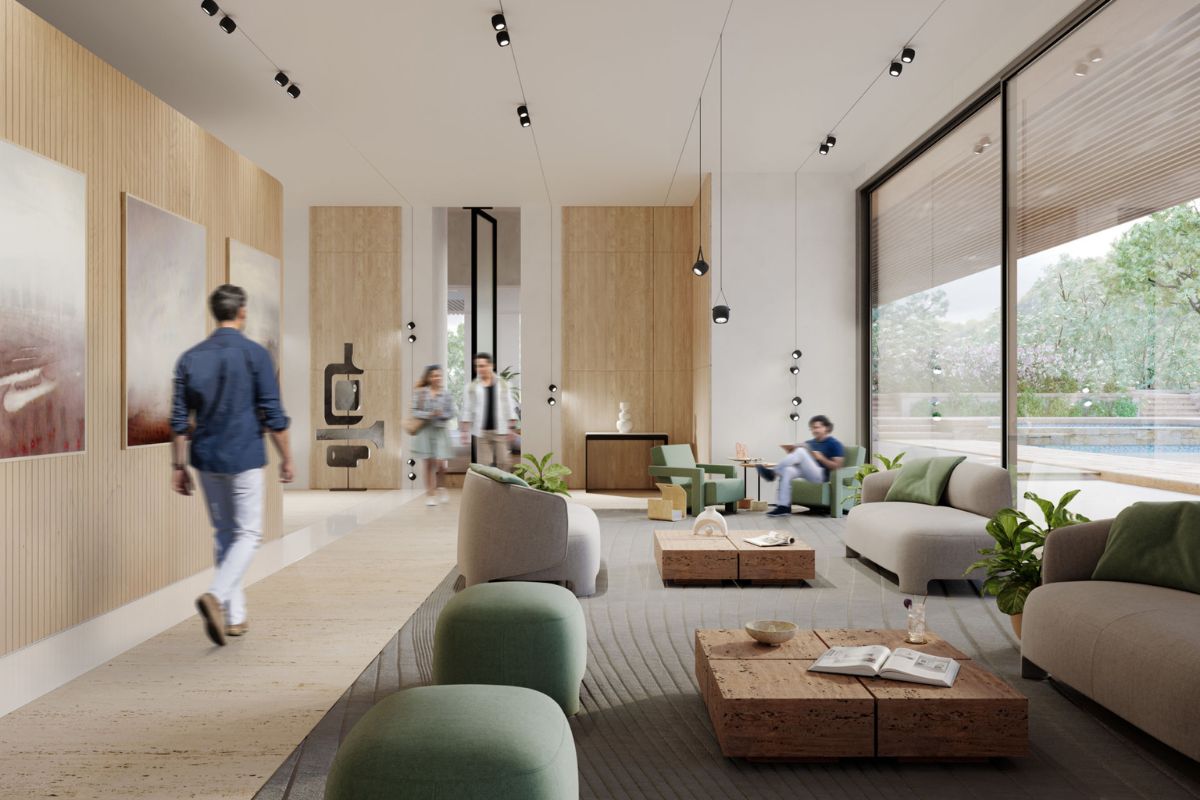
In 2026, lighting design trends can be read less in “fashionable” forms and much more in choices that change the quality of space: visual comfort , control of reflections, more accurate color rendering, portable devices that move the atmosphere where it is needed, increasingly discreet architectural integration. In other words: light is treated as a design material, with greater attention to perception and daily use.
To orient yourself, the most solid guidelines of the 2026 lighting trends are seven:
-
Visual comfort as a premium standard : shielded optics, glare under control, light that is “kinder” to the eyes.
-
Vertical light and readable walls : more wall washing and grazing light to give depth to materials and volumes.
-
Simple scenes, designed for the day : few bright, memorable, easy-to-use scenarios.
-
More serious color quality : not just CRI, but increasing attention to more comprehensive metrics (e.g. TM-30) when working with materials and skin tones.
-
Cordless and rechargeable : atmospheric micro-lights that follow life (table, bedside table, outdoor, hospitality).
-
Micro integration in architecture : compact profiles, continuous cuts of light, details that disappear and make the space work.
-
Adult sustainability : repairability, modularity, durability; and a more responsible idea of ??the outdoors, with attention to light pollution.
1) Visual comfort: the 2026 trend that can be perceived immediately
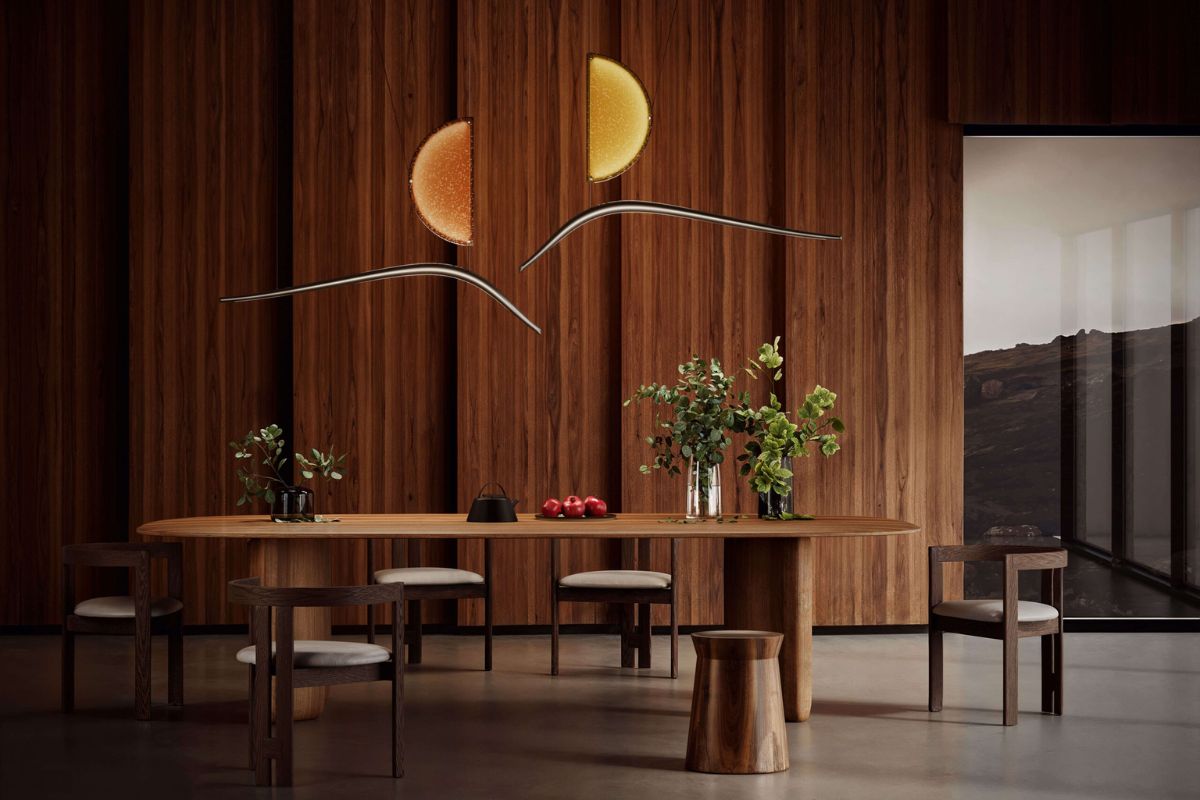
If there is a criterion that separates an ordinary lighting project from a high-level lighting project, in 2026 it is this: how it makes you feel . Visual comfort is not a “soft” word: it is applied techniqueto everyday life. It means reducing perceptive fatigue, making the space more balanced, making materials and furnishings work without stressing the eye.
What we see in the best projects (residential and contract)
-
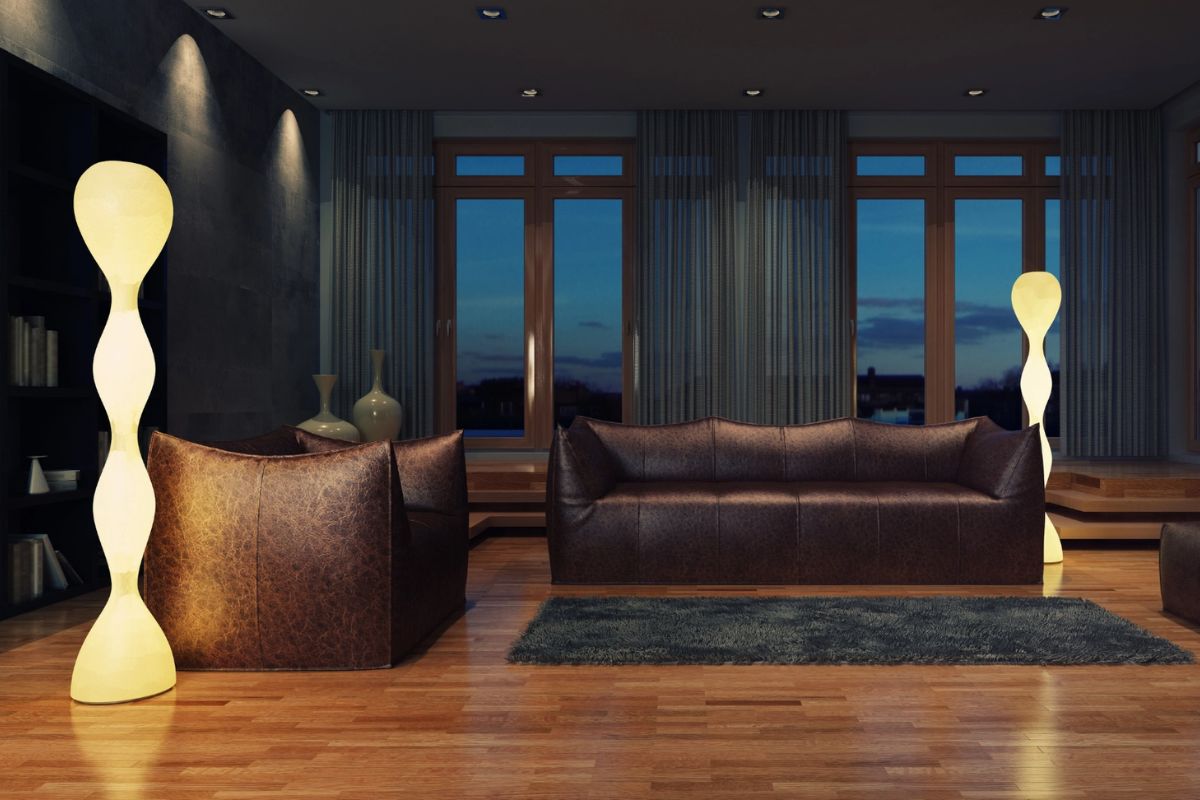
Less exposed source : luminaires with carefully designed optics and shielding, especially in living areas (living room, table, bed).
-
Designed contrast : the room avoids both uniform everything and aggressive cones; levels build depth.
-
Governed reflections : metals, lacquers, glass and shiny surfaces become part of the light scene, without creating disturbance.
Three choices that immediately raise the quality (even with the same budget)
-
More light on the walls (soft wall washing): increases the perception of spaciousness and visual cleanliness.
-
Indirect credible (continuous light base): the room changes tone without becoming theatrical.
-
Few and precise accents (objects, paintings, niches, textures): the visual hierarchy can also be read in the evening.
Here the trend is clear: in lighting design 2026 the room does not “light up”, it is composed .
2) Walls, textures, matter: light sculpts again
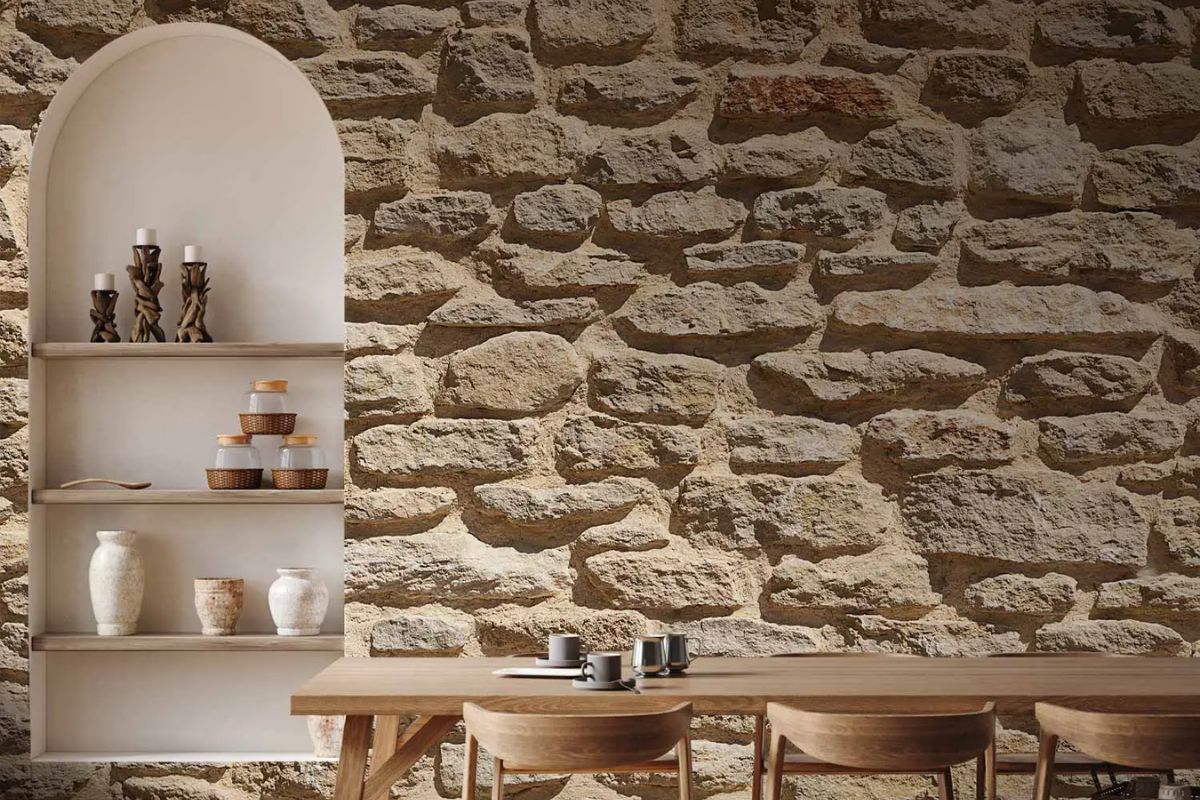
One of the most interesting developments of 2026 is the return of light as a tool for describing matter. There is no need to load the room with effects: just put a grazing light in the right place on a lime wall, on wood with a bright grain, on a stone with micro-reliefs. It is a very contemporary aesthetic because it works with precision: more design, less noise.
3) Scenes and rhythm: light as “usual direction”
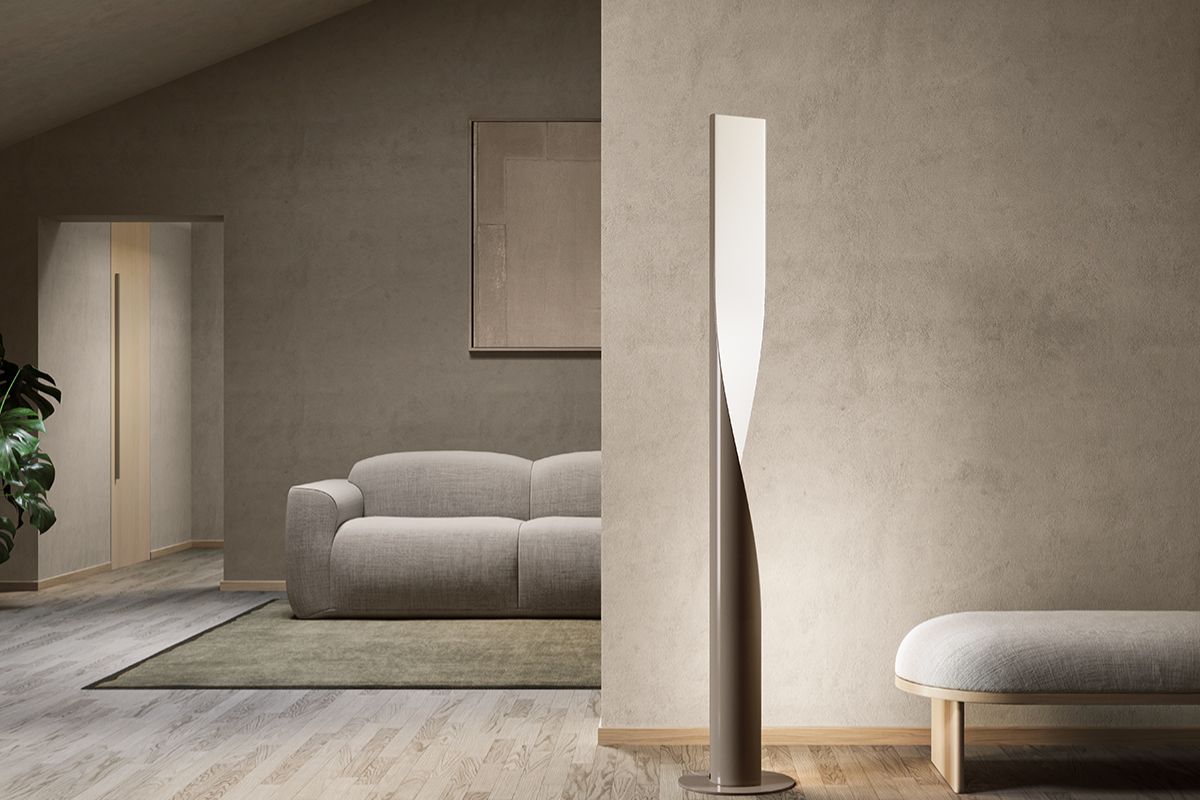
The key word of lighting design 2026 is not smart. It’s rhythm . The difference lies in designing light as a sequence of states: morning, work, conviviality, evening decompression, night. The theme also returns in the way in which Euroluce takes the discussion out of the pure product and into design culture: Light for Life. Light for Spaces focuses on perception, well-being and the relationship between light and behavior.
As can be seen, in good projects
-
Few clear scenes : 35 scenarios that are understandable upon first use (not 12 showroom presets).
-
Careful transitions : soft dimming, credible transitions between levels.
-
Vertical light as a quality base: not just the ceiling; walls and volumes become the main visual field.
The point is not to automate everything. It is to reduce friction: the light must be as easy to use as a well-designed handle.
4) Color quality: beyond CRI, with TM-30 as a serious lexicon
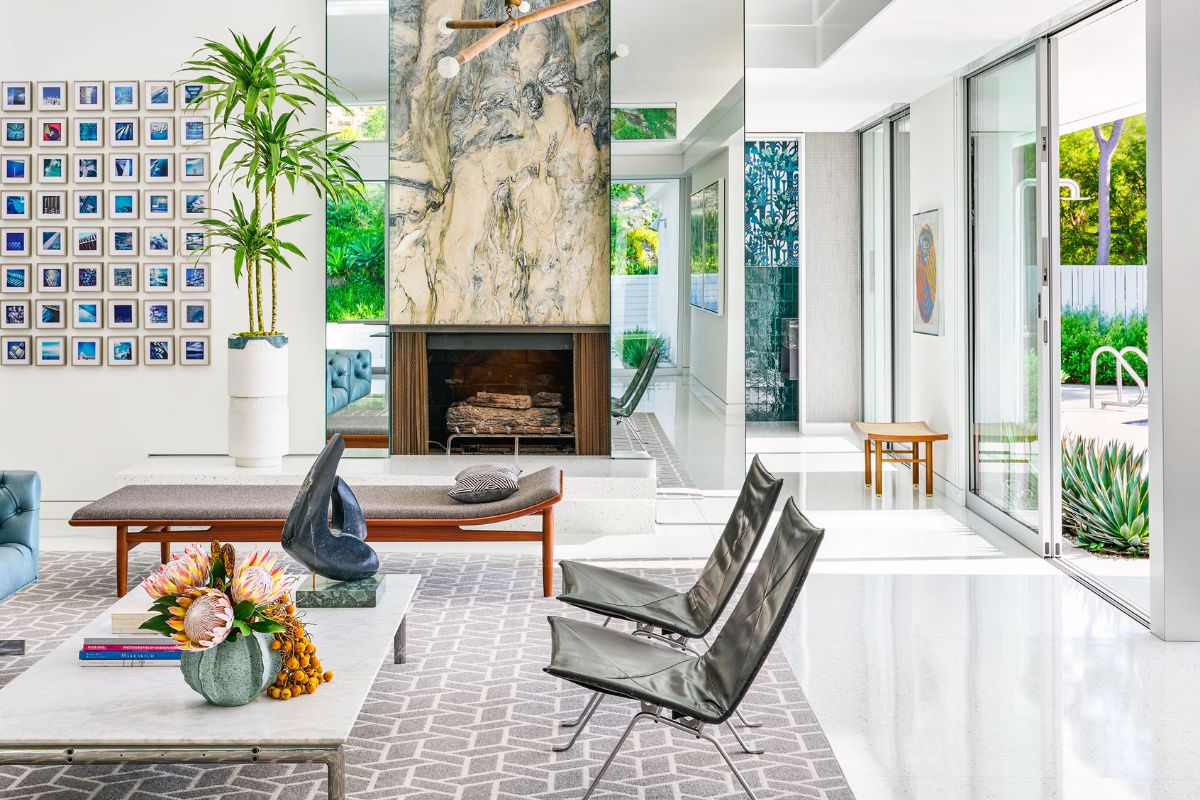
In 2026, attention is growing on how light renders colours, especially forbecause interiors and materials are being refined: warm woods, stones with undertones, textured fabrics, brushed metals, leathers, lacquers. Here the CRI is often not enough to describe the real yield.
TM-30 increasingly enters technical conversations because it offers a richer set of metrics to evaluate the color rendering of a source.
Because it is of interest to an interior project (not just to a lighting designer)
-
helps to understand if a light restores fidelity or rewrites the colors
-
makes subtle differences between similar finishes more readable
-
becomes useful in spaces where skin tone and materials coexist: bathroom, walk-in closet, hospitality, retail
Concrete choice from specifications
Ask suppliers sheets and reports that talk about color rendering in a complete way (not just high CRI). Even just asking the question changes the quality of the selection: it shifts the conversation from promise to data.
5) Portable and rechargeable: the new atmospheric light (mobile micro-architectures)
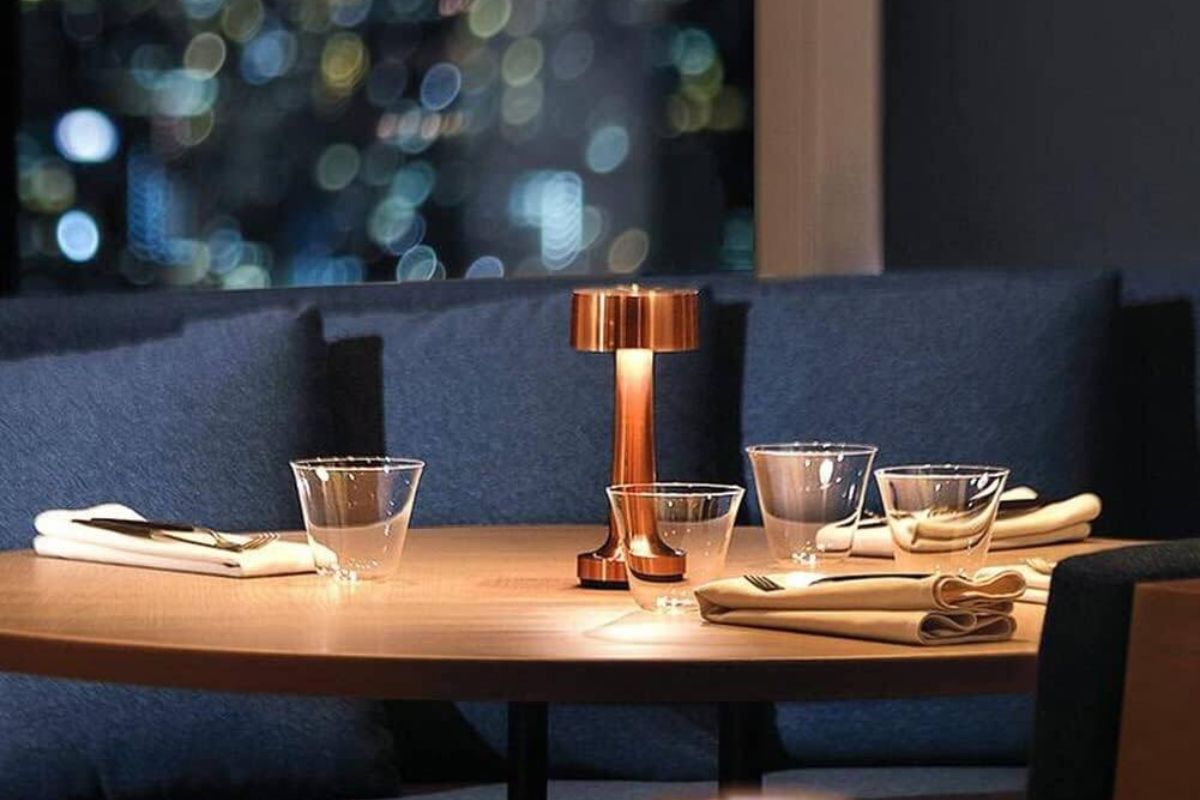
One of the most recognizable trends of 2026 is the normalization of cordless light : table lamps, bedside lamps, mobile light points for dining and outdoors, up to wireless solutions that avoid traces and invasive systems. It is a practical change: the atmosphere is no longer “fixed” in a corner, it follows the scene.
Because it is more than a trend
-
allows you to build bright islands (table, armchair, conversation) without turning everything on
-
improves terraces and dehors: less infrastructure, more composition possibilities
-
in hospitality gives an immediate advantage: controlled intimacy, operational flexibility
The 2026 criterion (from magazine, but true): the laptop works when it is sober and well calibrated. If it becomes a bright gadget, it ages in a season.
6) Micro architectural integration and silent intelligence
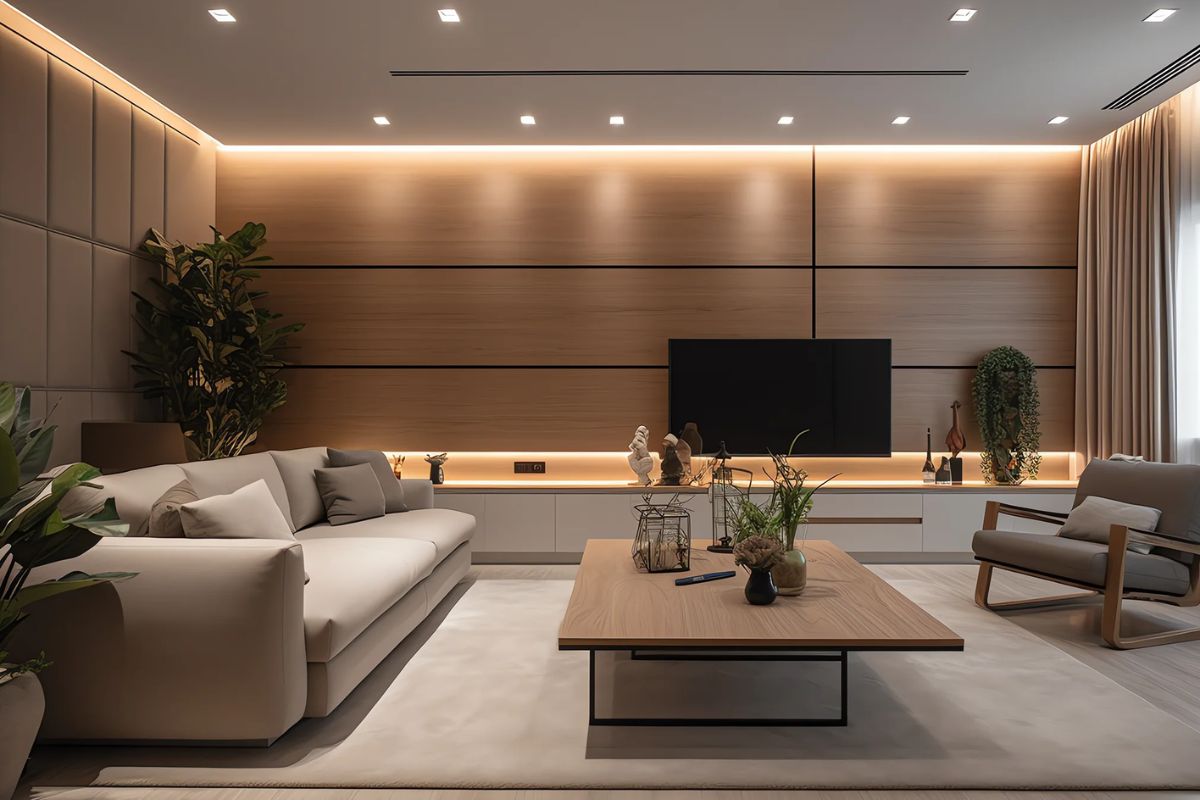
Here the trend is not to make the lamps disappear. It’s making light work as an architectural detail: continuous cuts, compact profiles, clean recesses, precise optics. The room gains visual order and the light seems to “belong” to the architecture.
This trend also includes a technological theme that will become more concrete in 2026: interoperability. When standards and platforms (e.g. Matter compatible ecosystems) really simplify daily use, the smart home stops being a separate project and becomes an extra level of lighting control.
What to look for (without turning the house into a control panel)
-
simple controls: recallable scenes, consistent dimming, few clear controls
-
optical quality before functions: smart does not compensate for mediocre light
-
coherence between luminaires: same grammar of light, even if the bodies change
7) Adult sustainability: duration, repairability and right to darkness
In 2026, sustainability in lighting also means something very clear: designing the night without attacking it . The discussion on obtrusive light and light pollution is increasingly structured; the CIE has published a Position Statement dedicated to the topic, highlighting impacts and the need for responsible practices.
Translation into the project (outdoors, facades, terraces, gardens)
-
light where it is needed, not everywhere: paths, thresholds, critical points
-
shielded and directed luminaires: reduces dispersion and glare
-
lower levels + dimming: this is often where elegance comes from
-
times and sensors: the light welcomes when needed, then withdraws
-
color temperature consistent with context and materials: especially outdoors, the perceived quality increases when the light does not “whiten” everything
And there is a second level: durability and repairability . In 2026, a credible project is not limited to choosing the “efficient” LED: it thinks about maintenance, replaceability of components, construction quality. It’s less spectacular, but it’s what distinguishes a system that ages well from one that becomes meaningless after two years.
Lighting trends 2026
The most solid 2026 lighting trends are not styles: they are criteria. Visual comfort, vertical and material light, scenes of use, more accurate color rendering (TM-30), rechargeable portable, discreet architectural integration, sustainability that also includes darkness. Euroluce has pushed the discussion precisely onto this scale: light as design culture, not as an accessory.