4 architect’s secrets for best designing outdoor lighting
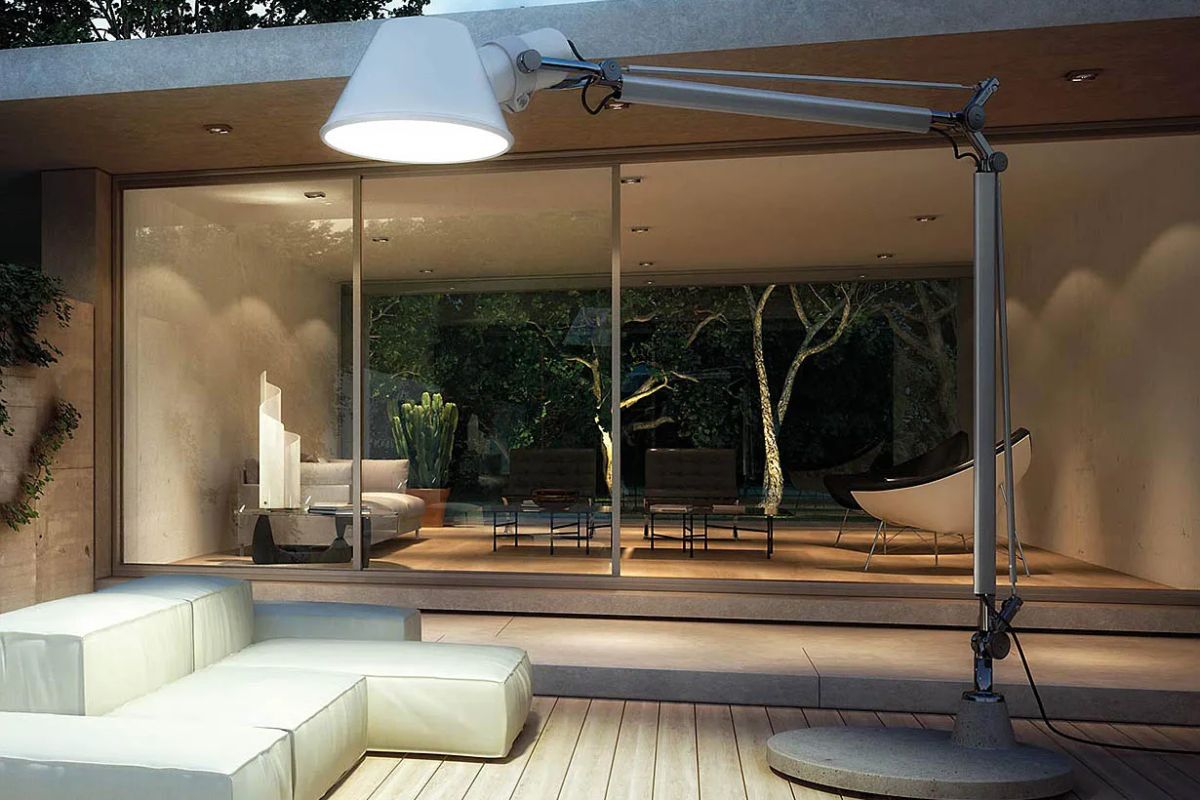
Before the “secrets”, a premise that must be shared: external light is not designed for objects, but for behaviors. It doesn’t start from the catalog of the lighting fixture, but from how the space is used after sunset: where you walk, where you stop, what you look at, what should remain in the background. This is where many projects fail: they add light points instead of building hierarchies. Successful outdoor lighting is that which guides without being noticed, enhances without dazzling, provides safety without “hospitalising” the atmosphere.
In practice, the architect no longer seeks light: he seeks the right light, in the right point, with the right optics , and above all with a clear idea of what must emerge (materials, volumes, thresholds) and what must remain in the shadows to maintain depth. It is on this grammar – levels, accents, continuity and glare control – that the following four secrets are built.
Secret 1 Start from the “use map” and build the light forlevels (not for light points)

The first secret is also the most counterintuitive: outdoor lighting is not designed starting from the lighting fixtures , but from the way in which the space will be crossed and experienced. In practice, the architect first draws a night map made of gestures: entrance, route, stop, conviviality, view. Only then does it decide which light is needed, where and with what intensity .
The method is that of stratification, because an exterior works when the light is organized in levels :
-
Orientation light (paths, steps, gaps): must guide without dazzling. It is the “backbone” of security, but it must not steal the scene from architecture.
-
Accent light (façade, texture, material details, vertical elements): it is the light that enhances, sculpts, restores depth and rhythm. Here you decide what deserves attention.
-
Atmospheric light (outdoor living areas, porch, table, relaxation area): it is the light of permanence. It must be comfortable, lateral when possible, and consistent with the idea of ??intimacy of the space.
This approach avoids the most common mistake in outdoor spaces: a single and uniform light (often too strong) which flattens the garden and “empties” the facade. Quality, on the contrary, arises from a hierarchy: some things must be visible, others only intuitable. The penumbra is not a defect: it is the instrument that maintains the depth.
If you want a simple rule to apply immediately: first decide on the scenes (arrival, passage, stop), then assign a light level to each scene, and only at the end choose the lighting fixtures . This is how outdoor lighting stops being a sum of lamps and becomes a project.
Secret 2 Design against glare: the light must arrive, but the source must not “shout”
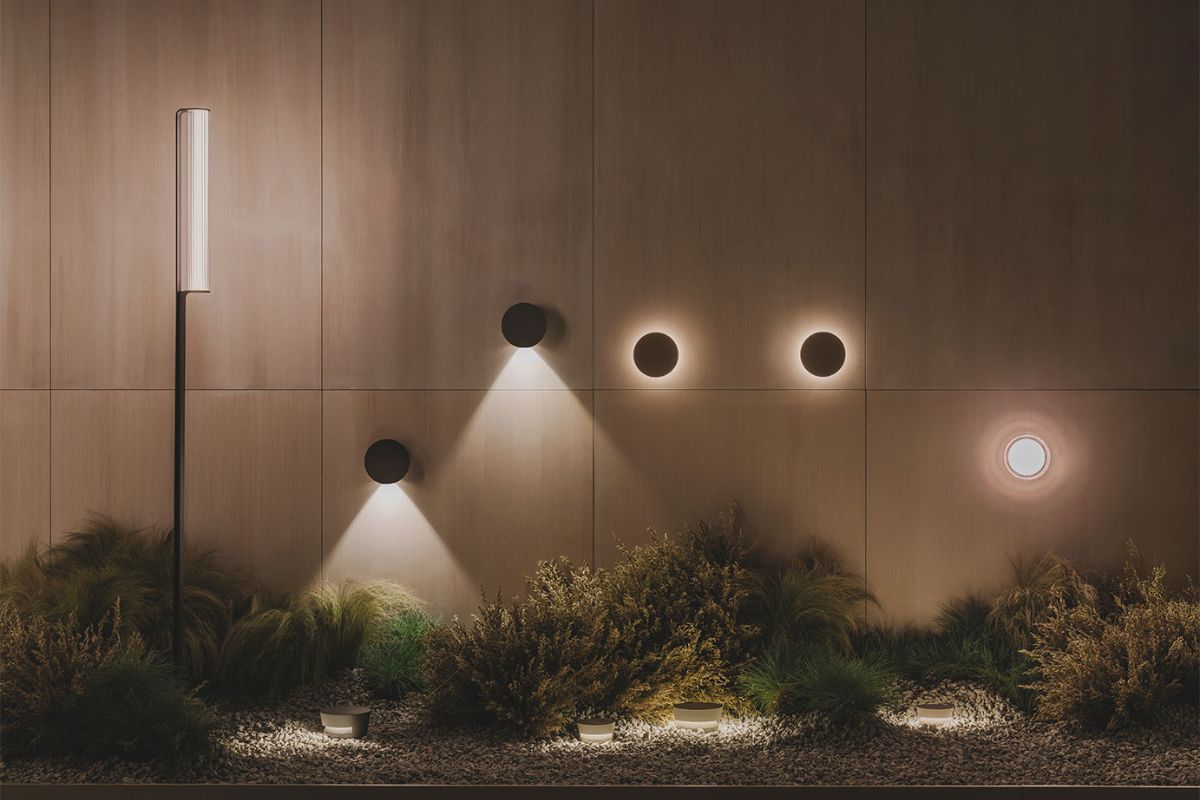
The second secret is what distinguishes a “beautiful” outdoor from a professional outdoor : controlling glare . In the evening the eye works in different conditions, with a more open pupil and greater sensitivity to contrasts. A visible, unshielded or poorly positioned source not only causes annoyance: cancels the perception of the surrounding areas, reduces real safety and worsens aesthetic quality.
For the architect, therefore, the question is not “how much light” but where it comes from and with what visual comfort . Three practical criteria:
-
Correct shielding and optics : better luminaires with controlled optics and recessed source. The light must be directed, not dispersed.
-
Intelligent positioning : avoid lighting fixtures at eye level along the paths or in front of the seats. Functional light should work cutting, not in your face.
-
Fewer cones, more shavings : when you can, favor soft shavings and washes (even low) rather than beams aimed everywhere. The result is more elegant and much more readable.
Glare is often the reason why a garden seems “lit” but not very liveable. If after 10 minutes you feel like turning everything off, the problem isn’t the taste: it’s the design.
Secret 3 Choose color temperature as your material choice (and use color with discipline)
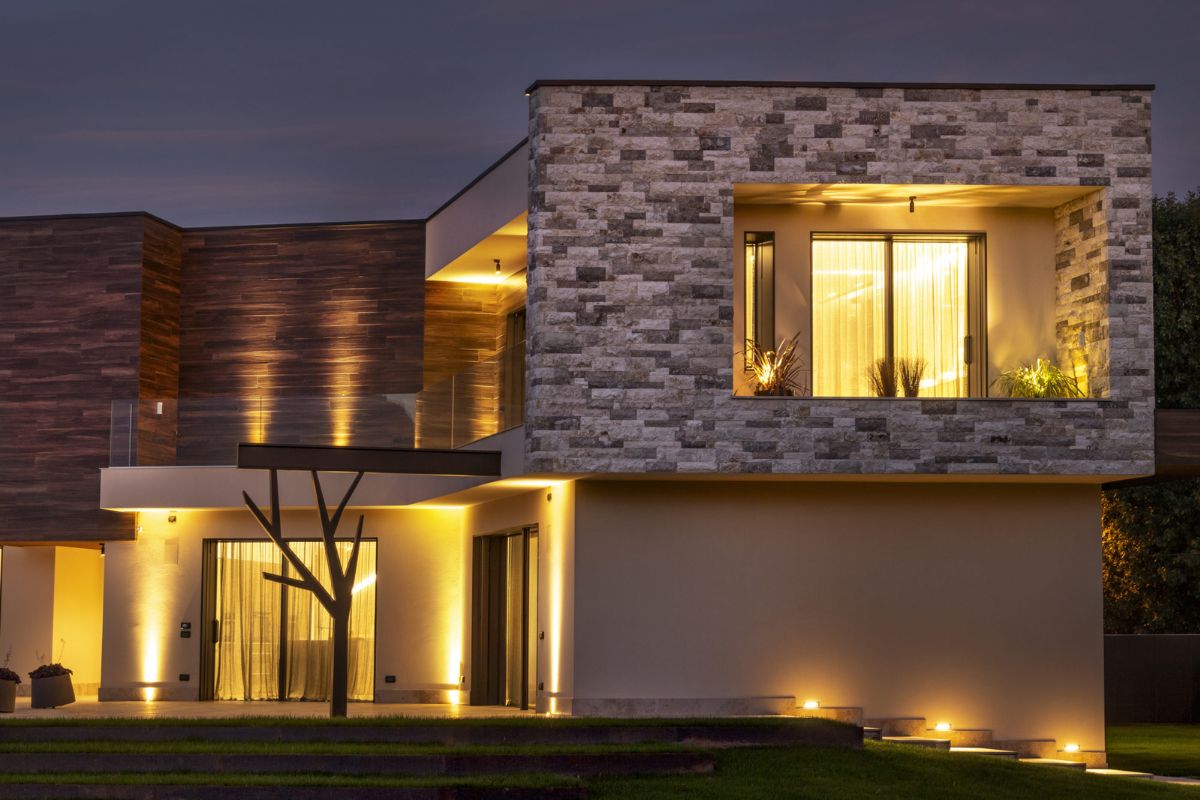
The third secret is the most underestimated part of all: the color temperature is not a technical detail , it is an architectural decision because it changes the material. A stone may feel warm and deep or cold and flat. The wood can appear alive or dull. Green can become velvety or unnaturally bright. And above all: the facade, at night, can become credible or artificial.
Discipline is needed here: less variations, more coherence . In general:
-
Warm and natural materials (wood, limestone, bricks, earthy plasters) tend to perform better with warm and soft shades: they restore atmosphere and continuity with the interior.
-
Contemporary architecture with metals, light cements, more “technical” finishes can support more neutral shades, but without becoming clinical.
-
Vegetation : the light must respect the green, not “color” it forcibly. Green already has a color: it is often more elegant to suggest it than to over-illuminate it.
The objective is not to create special effects, but perceptual fidelity : to ensure that, at night, the surfaces remain recognisable. When the color temperature is wrong, the outdoors loses its identity: it looks like a set, not a home.
Secret 4 Design the scenes and govern the time: dimmers, sensors and control are part of the project
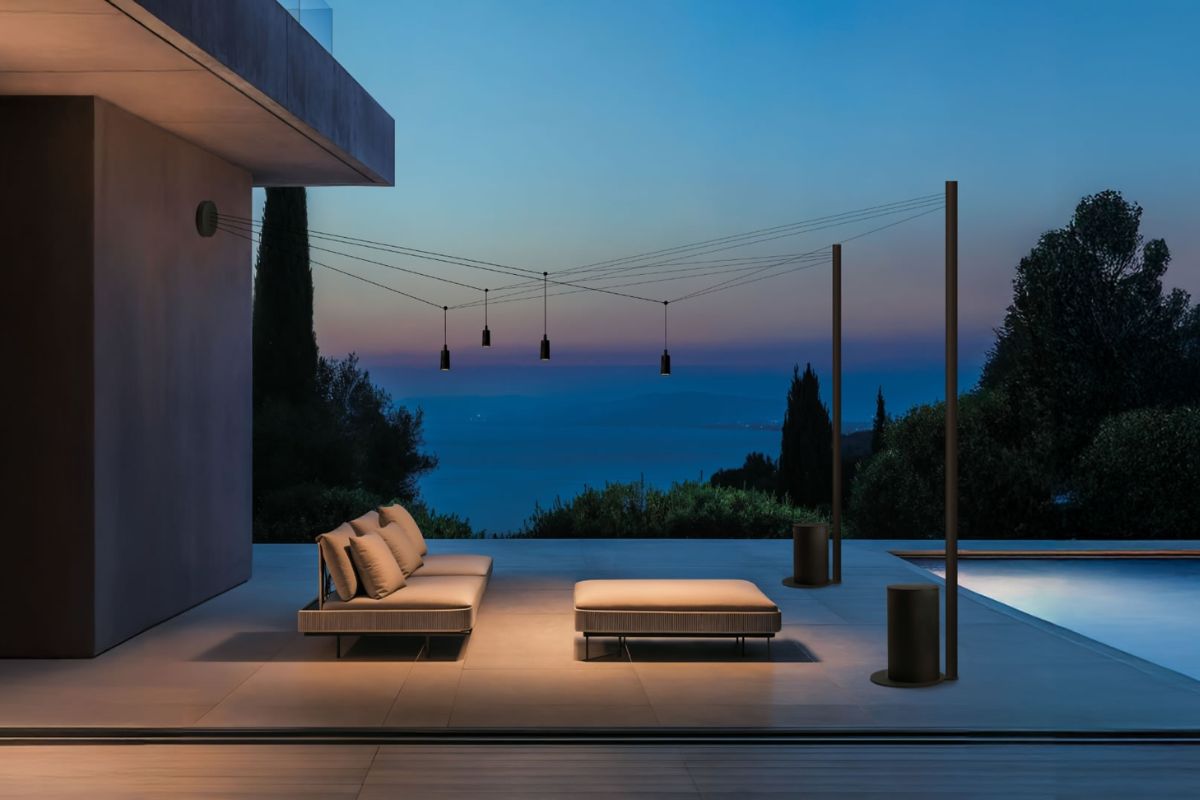
The fourth secret is the one that brings outdoor lighting into 2026: the light is not “on or off” . It is a system that changes over time, because the uses change: arrival, dinner, relaxation, night safety, waking up. A well-made system does not force you to choose between atmosphere and functionality: it allows you to switch from one to the other naturally.
Here control comes into play, which is not “gadget” home automation, but management:
-
Preset scenes : arrival (more orientation), conviviality (more atmosphere), night (safety minimum), cleaning/maintenance (temporary full light).
-
True dimming : Reducing the intensity is often the easiest way to achieve quality. Too high light ruins facades, greenery and visual comfort.
-
Sensors with design logic : automation is good, but with criteria. A sensor that turns everything on all of a sudden can be more annoying than helpful. Better progressive ignitions or only on the orientation lines.
This secret also has an ethical and environmental value: less waste, less dispersion, less light pollution . Quality today increasingly coincides with responsibility: an elegant exterior is not what you see from three blocks, but what you experience well up close.
Bonus: design brand to design the illuminaoutdoor tion
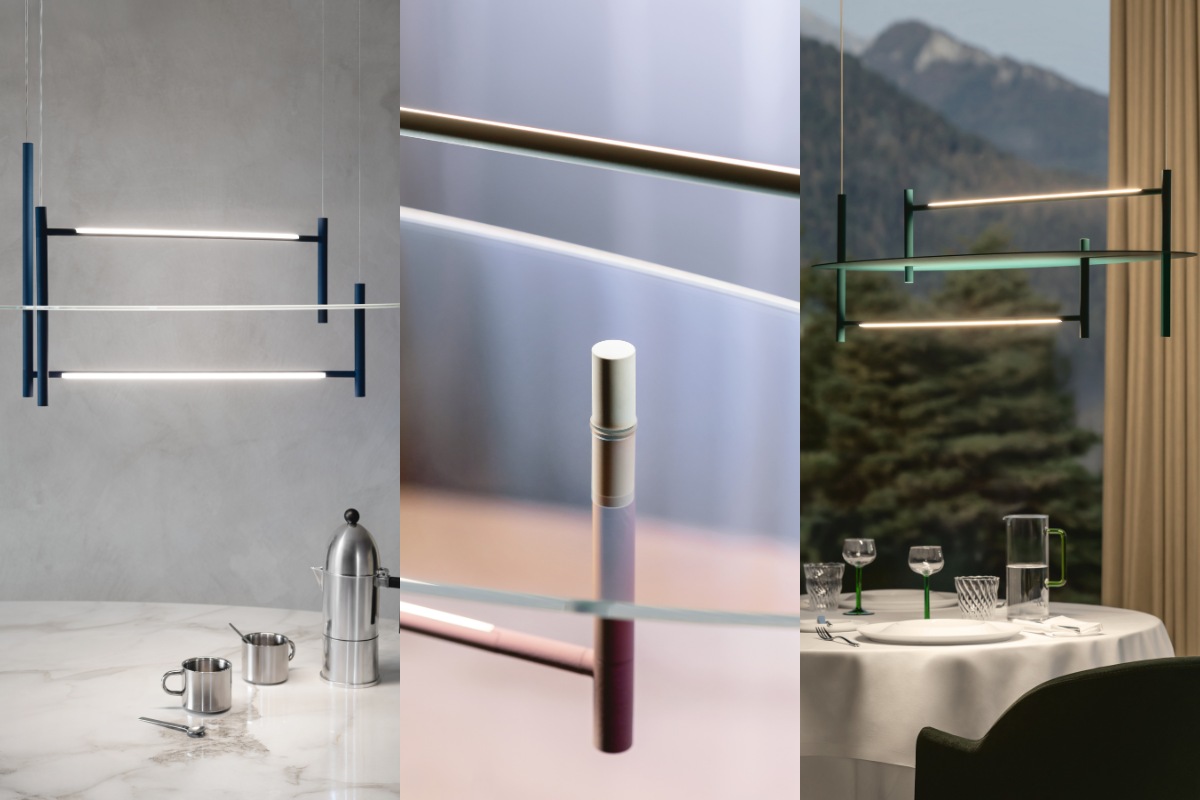
In lighting everything changes based on optics , glare control , durability over time and coherence with the architectural language. Having said that, if you are looking for the best designer lighting companies for the outdoors – for design quality and formal cleanliness – this is a perfect mini selection for you.
-
iGuzzini very strong on the architectural side : outdoor solutions designed to guide, last and enhance the space (paths, facades, parks, advanced residential).
-
Artemide (Architectural Outdoor) Collections for building outdoor lightscapes with attention to perception and the relationship with the environment.
-
Flos Professional Outdoor Interesting choice when you want an outdoor with a contemporary identity but without losing technical rigor (bollards, recesses, professional solutions).
-
Platek Specialist outdoor company: high-performance decorative and architectural collections, often very convincing in gardens and residential/contract contexts where durability really counts.
-
SIMES Brand to keep in mind if your priority is “clean”, reasoned external lighting, with attention to the ethical theme and the impact of light on the context.
-
L&L Luce&Light Excellent when working on facades, walls and details: systems and optics designed for different needs (grazing, asymmetric, etc.), with a very serious “construction site” approach.
-
Accent Accent was born as a vision of visual comfort and adjustable/dimmable light (Hu.Li Human Lighting), more in the interior and hospitality perimeter. But if you are designing an exterior experienced as an interior (portico, closed pergola, outdoor room), it is a consistent name for perceptive quality and control of light.