A lighting designer is the director of perception: he designs light as one designs a material. It builds legibility, hierarchies, rhythm and comfort , governing what the architecture tells and what the space allows you to do. He is a decisive figure because he brings together visual culture and technical precision: quality of light, control, …
A lighting designer is the director of perception: he designs light as one designs a material. It builds legibility, hierarchies, rhythm and comfort , governing what the architecture tells and what the space allows you to do. He is a decisive figure because he brings together visual culture and technical precision: quality of light, control, system integration and on-site verification.
In Italy this discipline has deep roots. Our design culture has always treated light as part of architecture, not as ornament: the so-called Castiglioni Method is often cited as one of the moments in which the figure of the lighting designer is structured and becomes a method, capable of training schools and professionals.
For this reason we have selected 35 profiles among Italian (or Italian-based) studios and designers who are making a difference in the sector today. The criterion is not notoriety, but what can be verified: real projects, recognizable method, continuity of research, credibility in the sector and ability to interpret the themes that are redefining lighting design (from intelligent control to sustainability, from the relationship with darkness to urban design, from hospitality to heritage).
Following them means reading trends in the right way: not as aesthetics to be replicated, but as design choices that anticipate where the project is going when light truly becomes the protagonist again.
How we chose them for this selection:
-
Published and documentable projects : completed works, not “concept” renderings.
-
Consistency of language : a research recognizable over time, not a fluke.
-
Complete design ability : interior/exterior, architectural light, detail, relationship with materials and installation.
-
Credibility in the sector : collaborations, commissions, awards/mentions or presence in professional contexts.
-
Contemporaneity : active today, with a living and evolving path.
This is not a ranking. It is a map for orienting yourself in the light when you stop “making a scene” and start making a plan.
35 contemporary Italian lighting designers to keep an eye on
Before entering the list, a note: you will find already established signatures and more discreet studies, often less cited, but decisive for understanding where the project is going. Because the most interesting design does not always coincide with the most visible: sometimes it is the one that works in silence, in the calibrations, in the prototypes, in the details that sustain a space over time.
The common thread is the same for all: project that becomes constructed light concept, luminaires, control, commissioning between indoor and outdoor, hospitality and retail, heritage and public spaces. Here are the 30 profiles selected.
1) D’Alesio & Santoro (study)
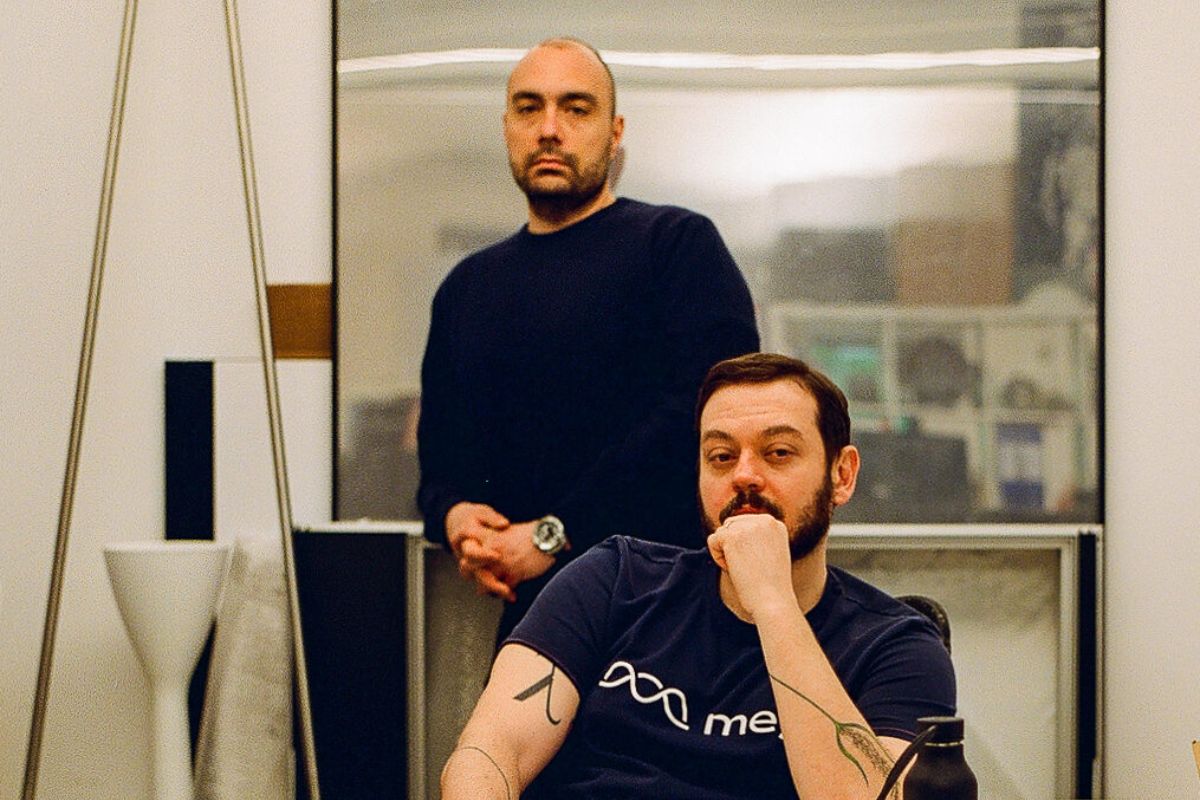
Among the studies that make clear how lighting design is culture + technology , D’Alesio&Santoro worksfrom Milan since 2010 with a rare slant: light as an instrument of identity (for spaces), but also as a field of applied research. Their signature tends to avoid the “scenography” effect: it prefers to build perceptive precision , control and narration through optics, materials and rhythm of intensities. In the collaborations, contexts emerge where the light must be impeccable and credible: Casa Panerai (Milan, Paris, NYC and various international boutiques), Watches & Wonders in Geneva, cultural projects with Triennale di Milano , and exhibition productions with Balich Wonder Studio for Buccellati .
Since 2018 they have also started MEG , a spin-off in applied photobiology , and are involved in several affiliations/patents linked to light systems (also with 3M).
2) Carlo D’Alesio
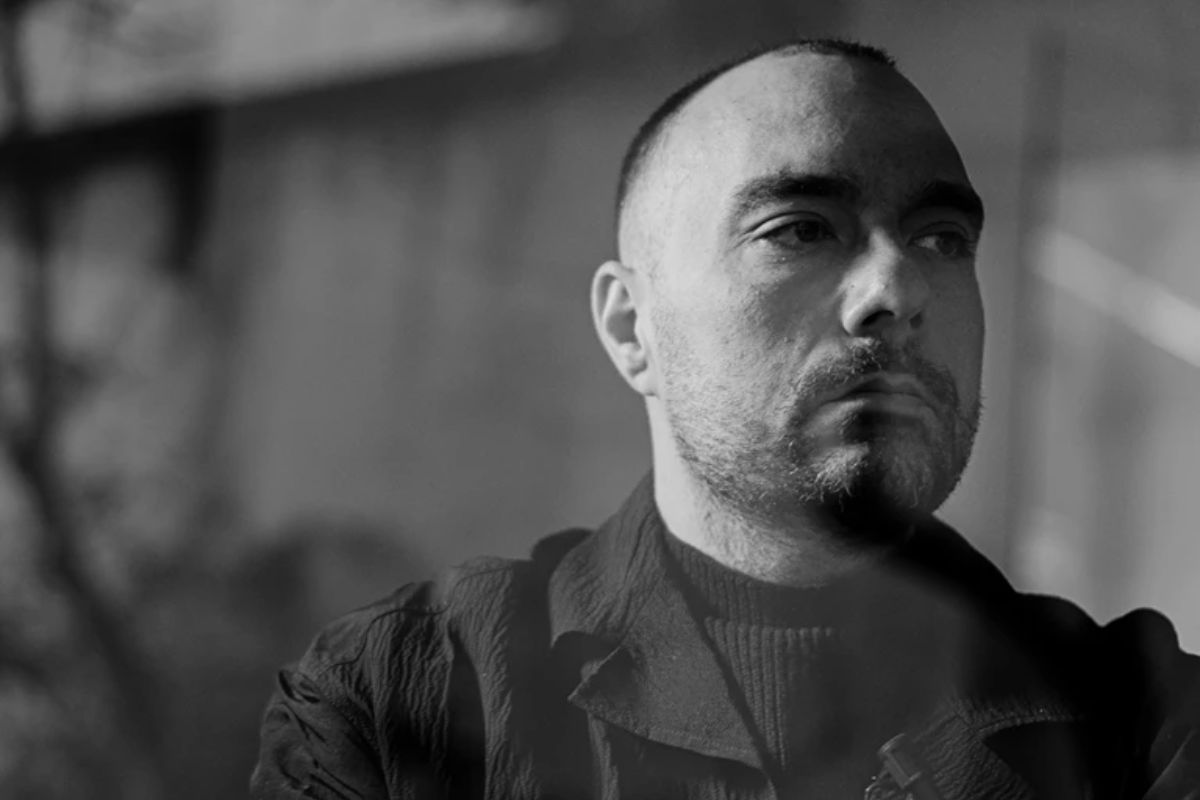
His profile is interesting because it moves lighting design beyond just the “atmosphere”: he treats it as a cultural and scientific discipline , where perceptive quality arises from method, measurement, experimentation. Co-founder of D’Alesio&Santoro (Milan), D’Alesio works on light projects in the architectural field with an approach that holds together narrative and performance : identity of space, optical control, coherence between light and matter. In parallel, he founded MEG Science (spin-off launched in 2018) oriented towards applied photobiology and non-human lighting , a territory that is increasingly central in 2026 (agritech, well-being, circadian cycles, systems). He is also Adjunct Professor at the Polytechnic of Milan (Lighting Theory/Lighting Design) and is active in international contexts as a lecturer on unconventional applications of light (PLDC).
3) Piero Santoro
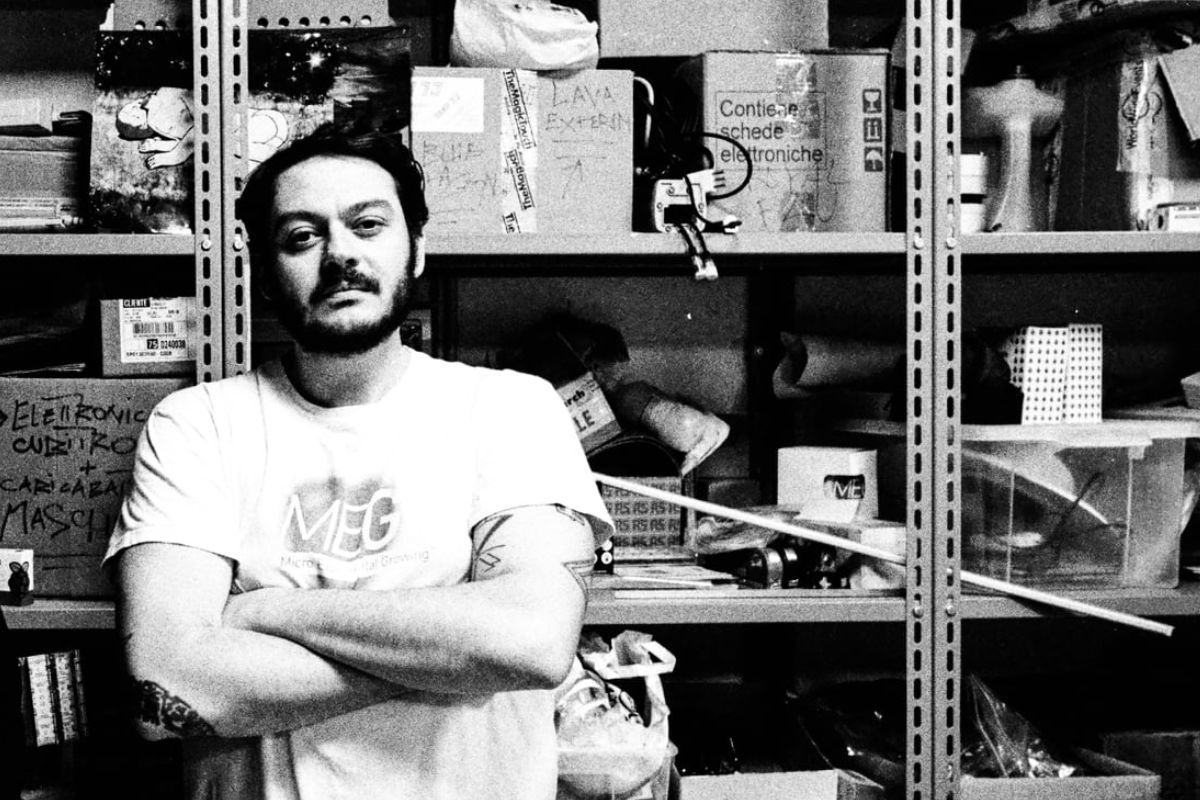
If Carlo D’Alesio is often the “cultural” face of research, Piero Santoro brings a very concrete component to the project: technology, engineering, R&D . He is co-founder of D’Alesio&Santoro (Milan) and, in parallel, key figure in the spin-off MEG dedicated to applied photobiology an area in which light stops being just “atmosphere” and becomes a measurable system (spectra, photometries, performances, cycles).
His design style can be recognized precisely here: less scenic gesture, more control and technical responsibility , with a sensitivity for everything that happens “behind” the light (optics, integration, regulation, reliability over time). In the studio’s projects – between retail and culture – high-level collaborations and contexts appear such as Panerai (Casa Panerai and Watches & Wonders), Balich Wonder Studio for Buccellati , and interventions with Triennale di Milano.
4) LOOMIT Studio (Bologna / Milan)
LOOMIT works on architectural and urban light with a very “public project” approach: it builds credible nocturnal identities, works by hierarchies and by measurement, and always maintains rigorous attention to the relationship between lighting and context – historic centersici, landmarks, open spaces, routes.
With operational offices between Bologna and Milan , the studio moves towards interventions where light must not “decorate”, but organize : orient, ensure safety, provide legibility without saturating.
Among the works that help to frame its positioning is the intervention in Genk (Belgium) for the transformation of a central area, where LOOMIT is accredited as lighting design/product company and Susanna Antico as lead designer (phase completed October 2024 ).
5) Susanna Antico
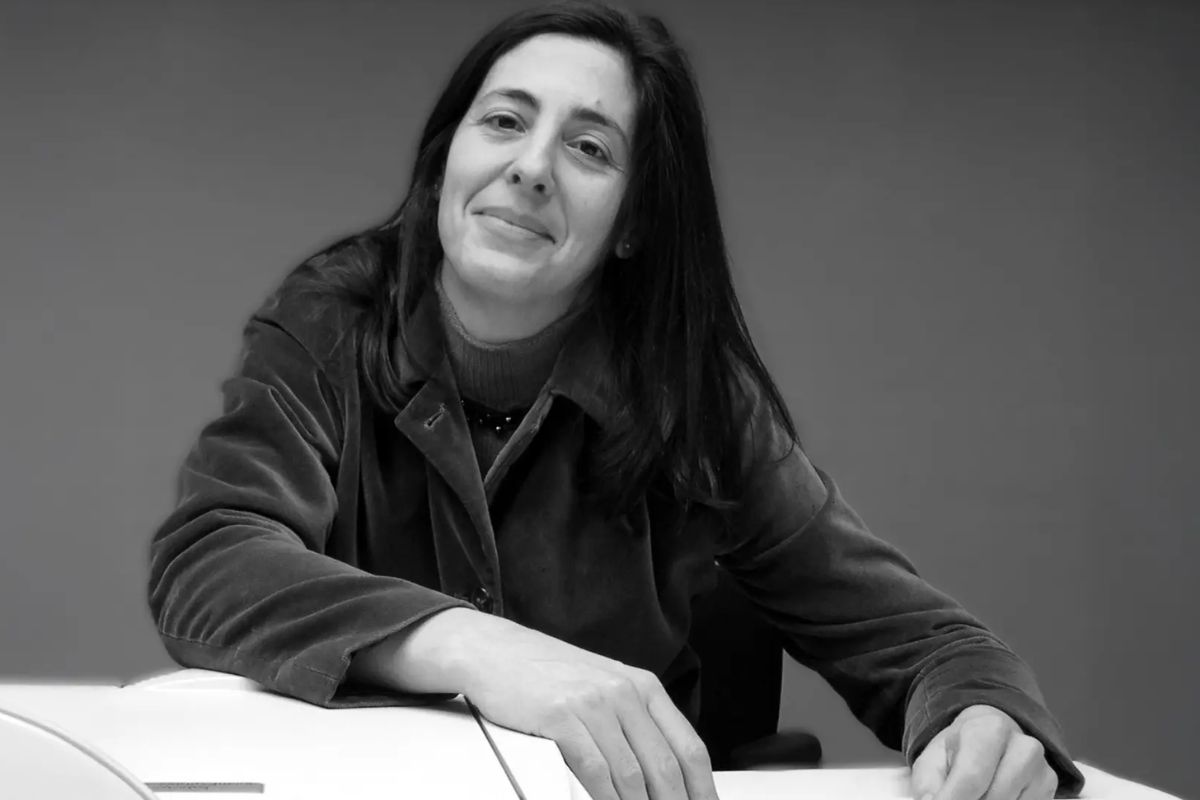
Susanna Antico is a figure particularly focused on the theme of tomorrow’s planning because she brings together narrative and urban responsibility . In his works, light is never an “effect”, but a legible night scene : clear hierarchies, perceptive safety, attention to the sustainability of nocturnal identity and the way in which a place is crossed and understood after sunset.
His profile is also strengthened by belonging to international professional networks APIL, IALD, Concepteurs Lumière Sans Frontières and by research that intertwines practice and teaching , with an approach that does not separate perceptual quality from technical solidity.
In the public portfolio there are interventions in Belgium (for example Antwerp Central Station , as well as projects on Grote Markt and Cathedral ) and, in Italy, the start of work on the UNESCO area Arab-Norman of Palermo : Cathedral, Palazzo dei Normanni , San Giovanni degli Eremiti , Martorana and pedestrian redevelopments, where light becomes a tool for protecting and reading the heritage, not overwriting.
6) Metis Lighting (Milan)
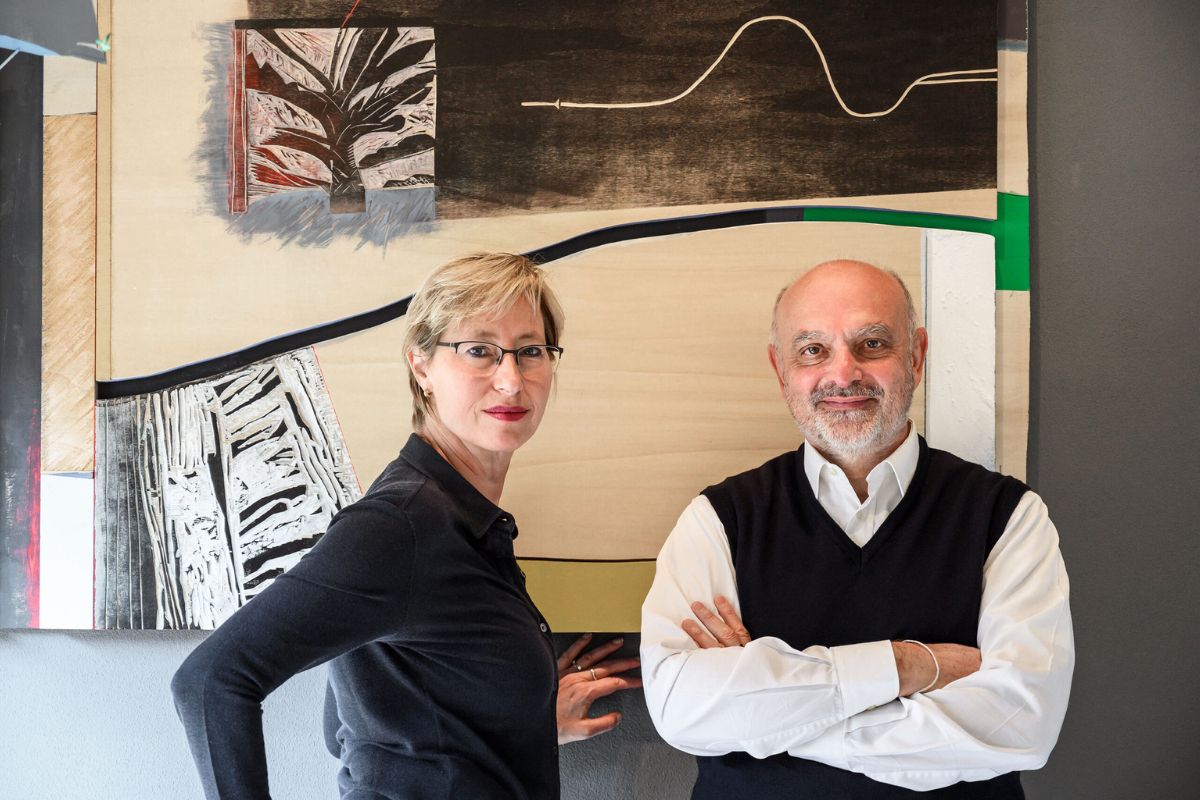
Metis is a “solid” studio for those who want to understand where the sector is going when light becomes process , not just image: coordination with the project teams, mock-ups, checks, on-site control, and a rare ability to handle complex contexts – retail, hospitality and public spaces – without slipping into easy effect.
Founded in Milan in 1990 by Marinella Patetta and Claudio Valent both trained in the practice of Piero Castiglioni Metis brings with it a culture of light made of method and continuity, where the atmosphere is the result of controlled choices, not a coup de theatre.
Among the collaborations declared by the firm, there are relationships started in the early years with clients such as Credit Suisse , Dolce & Gabbana and Bulgari Hotels : a sign of “high” positioning and, above all, reliability in contexts where light is part of the identity and cannot afford improvisation.
7) Marinella Patetta
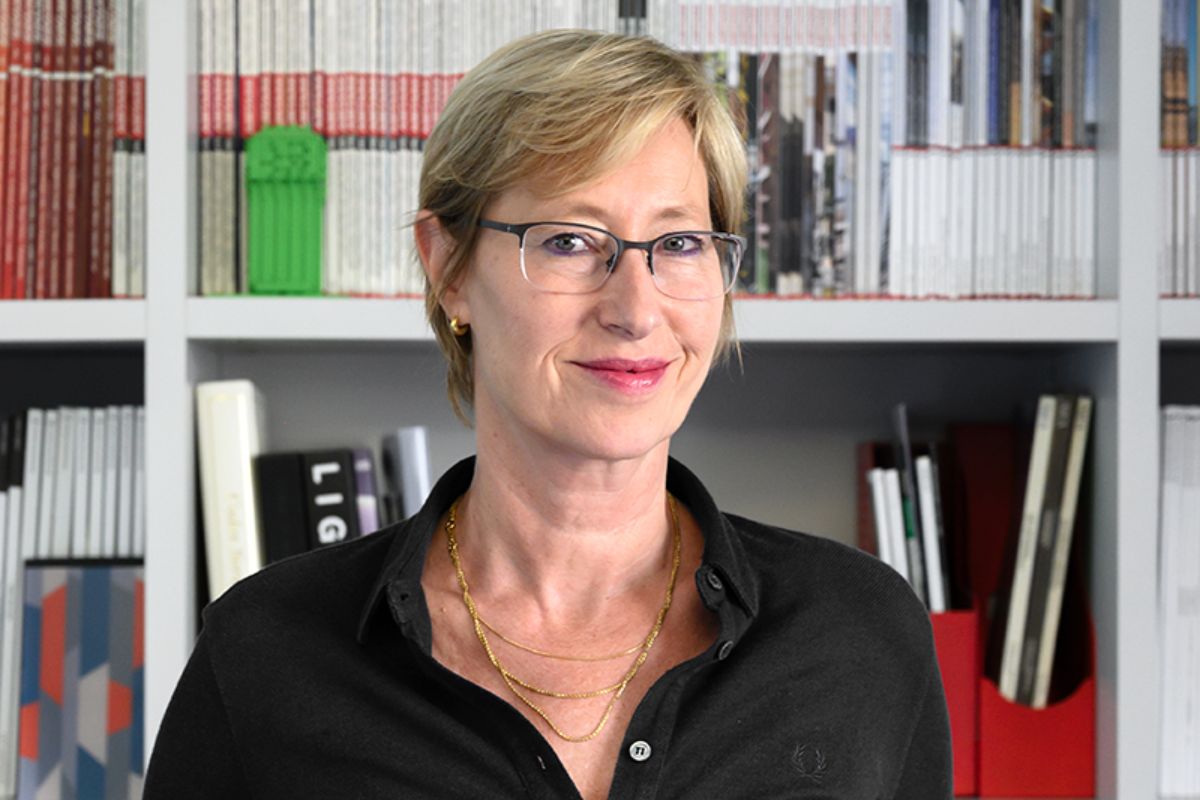
Patetta is the “holding” part of Metis: in the firm’s profile she is described as the figure who accompanies the projects until completion , with a concrete presence on site and widespread attention to detail the one that makes the difference between a successful light idea and a truly functioning, coherent, stable light over time.
Graduated from Politecnico di Milano and with Master in Lighting Design , she has been co-founder of Metis since 1990 . Alongside her practice, she is also indicated as a teacher in Industrial and Lighting Design courses (Bachelor/Master) and as a founding member of APIL : a profile that brings together project, method and transmission of the discipline.
8) Claudio Valent
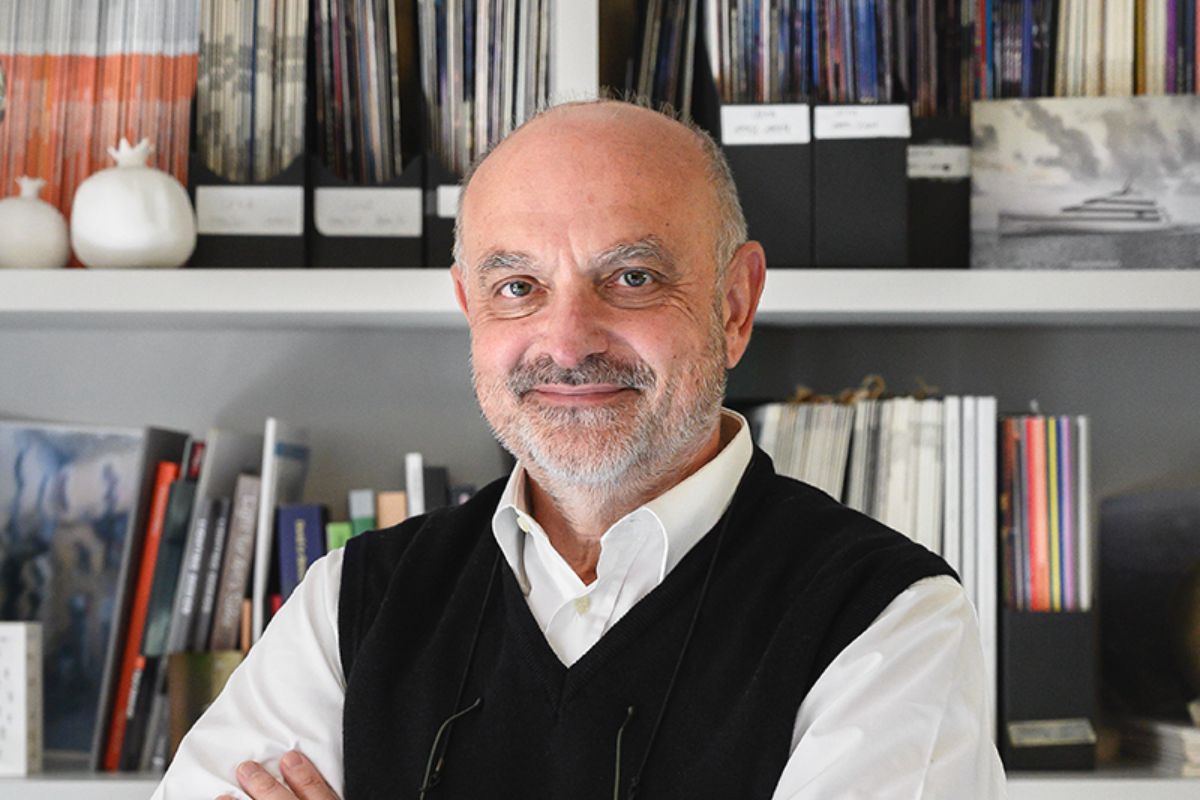
Valent is the other half of the Metis DNA: in the official profile he is presented as the “mind” of the studio, the one who pushes the project towards the solution – research into components and technologies, comparison with manufacturers and accessories, and the ability to build custom alternatives when the catalog is not enough. It is a decisive role in contemporary lighting design: transforming an intention into a system that really holds up, without losing perceptive quality.
Also graduated from the Polytechnic of Milan and with Master in Lighting Design , he co-founded Metis in 1990 . And, like Patetta, he combines practice with an educational dimension: he is indicated as being involved in teaching activities at Politecnico di Milano and at ISAD , as well as being a founding member of APIL .
9) Studio Piero Castiglioni (Milan)
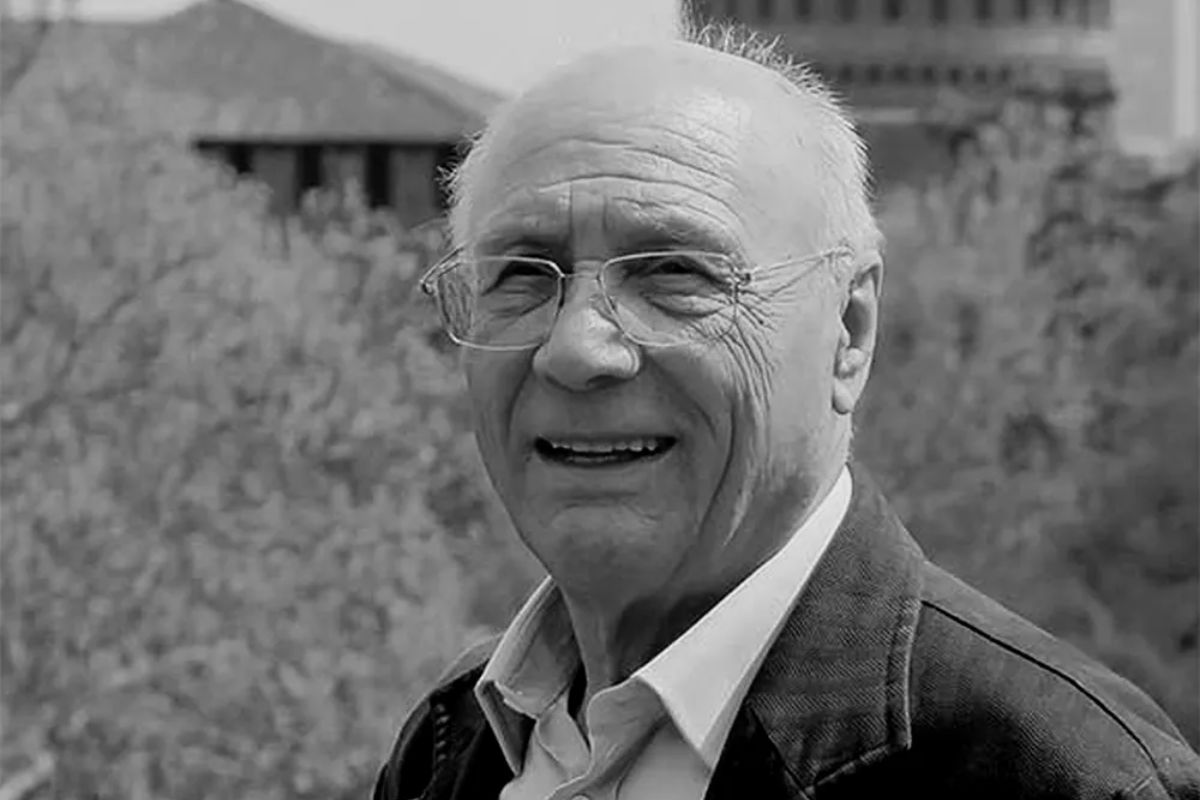
Here the point is not just the “signature”: it is a way of understanding light as the material of architecture . The studio’s practice is structured and complete: from the concept to the construction site, through calculations, scenarios, regulations and – when really needed – also the development of tailor-made solutions. It is the difference between “illuminating” and designing a light that lasts over time, consistent with space, materials and use.
In recent and recurring work, frame projects appear that make it a reference: on the homepage are cited MUSE Science Museum , Expo 2015 , Fondazione Luigi Rovati . These are cases in which light cannot be accessory: it must support a story and real complexity.
In terms of declared collaborations, the studio lists a very broad network with architects and companies including Renzo Piano Building Workshop , David Chipperfield Architects , BIG and companies in the sector such as iGuzzini and FontanaArte . A clear signal: when light is a structural part of the project, you work with those who know how to maintain the same level of rigor.
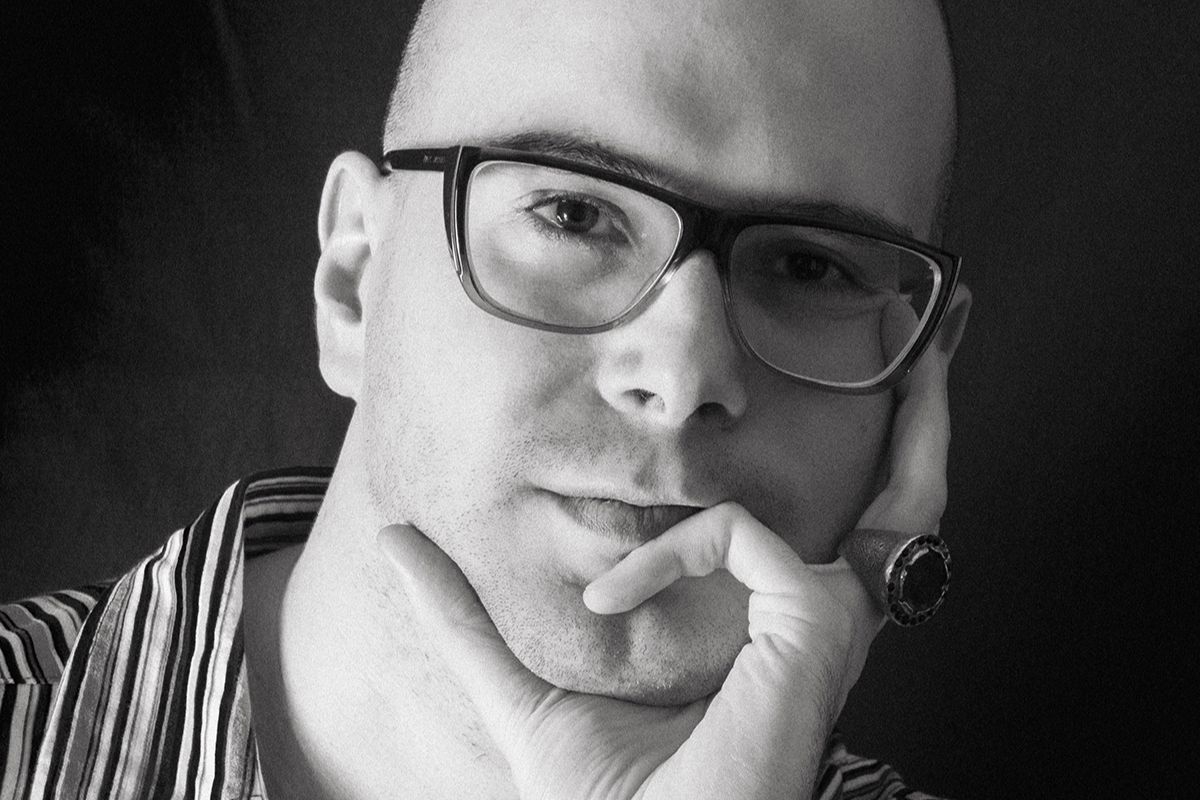
10) Sergio Boccia (Light Me Design)
13) Marco Petrucci