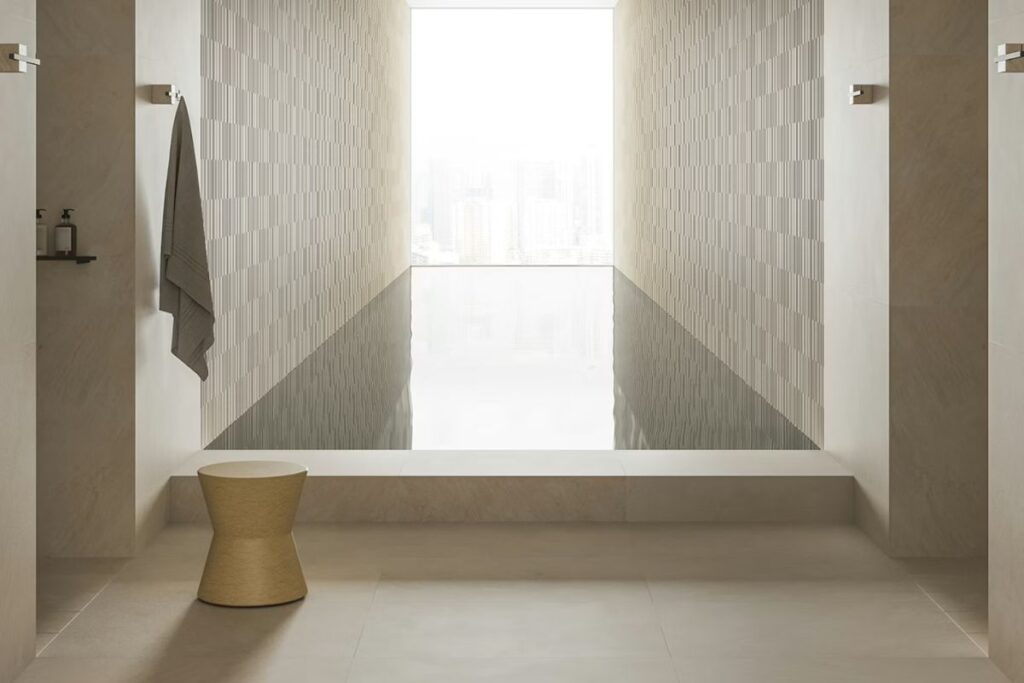
Since 1983 Cerasa has been one of the reference names in Made in Italy bathroom design , with production entirely made in Italy that combines advanced craftsmanship, internal control of workmanship and a strong vocation for customizing bathroom furnishings . Born in the province of Treviso, the company has transformed the bathroom from a technical …
Since 1983 Cerasa has been one of the reference names in Made in Italy bathroom design , with production entirely made in Italy that combines advanced craftsmanship, internal control of workmanship and a strong vocation for customizing bathroom furnishings .
Born in the province of Treviso, the company has transformed the bathroom from a technical environment to a truly identifying space for living, anticipating trends that are central in the sector today: modularity, freedom of composition, certified materials and constant dialogue between aesthetics and performance.
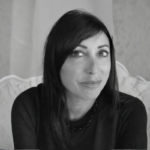
At the helm of the brand, the General Director Roberto Riboldi has built a path that combines manufacturing tradition, sartorial design and an international vision of contemporary bathroom design .
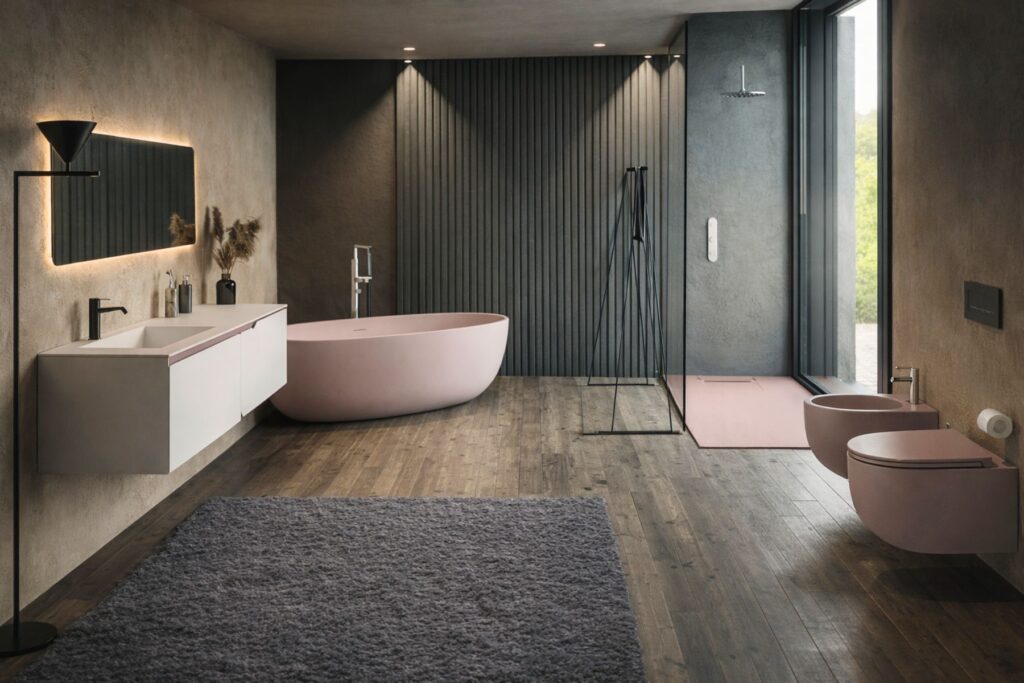
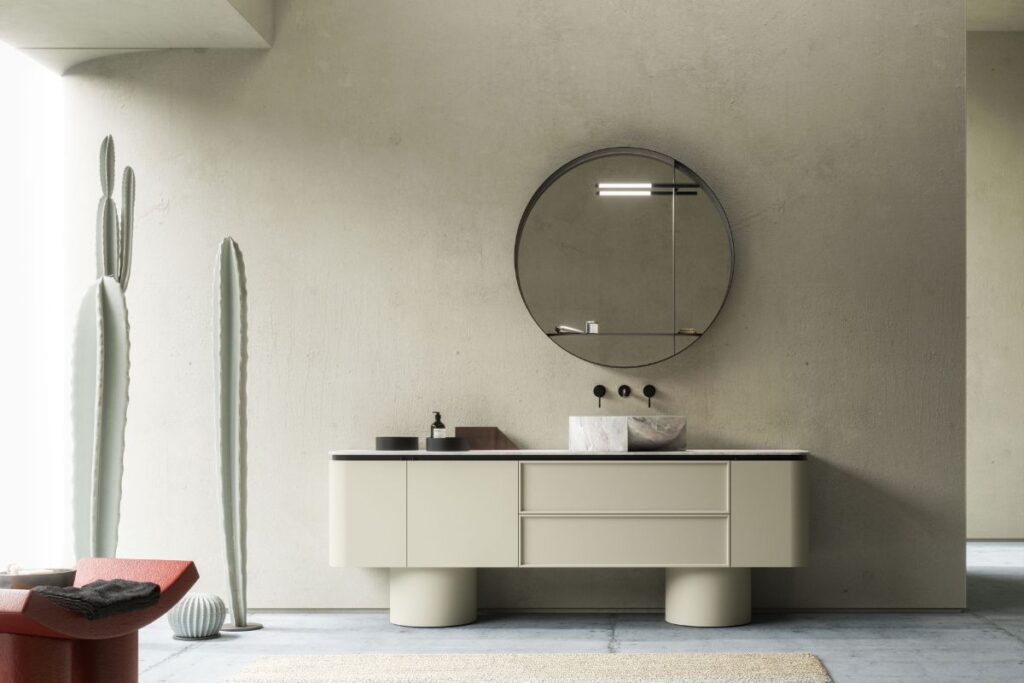
The Cerasa collections from DES Evolution to Suede, Maori, Eden and Free tell of different languages, but a single philosophy: offering designer bathroom furniture solutions capable of responding to residential and contract needs, without sacrificing the quality of true Made in Italy.
We met him to delve deeper into the company’s DNA, the role of prototyping, the relationship between craftsmanship and technology and the new challenges of the bathroom sector between sustainability, customization and internationalization of Italian design .
Made in Italy designer bathroom furniture: the Cerasa vision of craftsmanship, customization and innovation
The origins of Cerasa date back to 1983, in the province of Treviso, and are rooted in a deeply artisanal production tradition. Which aspects of that culture – manual, ethical, stylistic – have become the permanent DNA of your way of designing bathroom furniture?
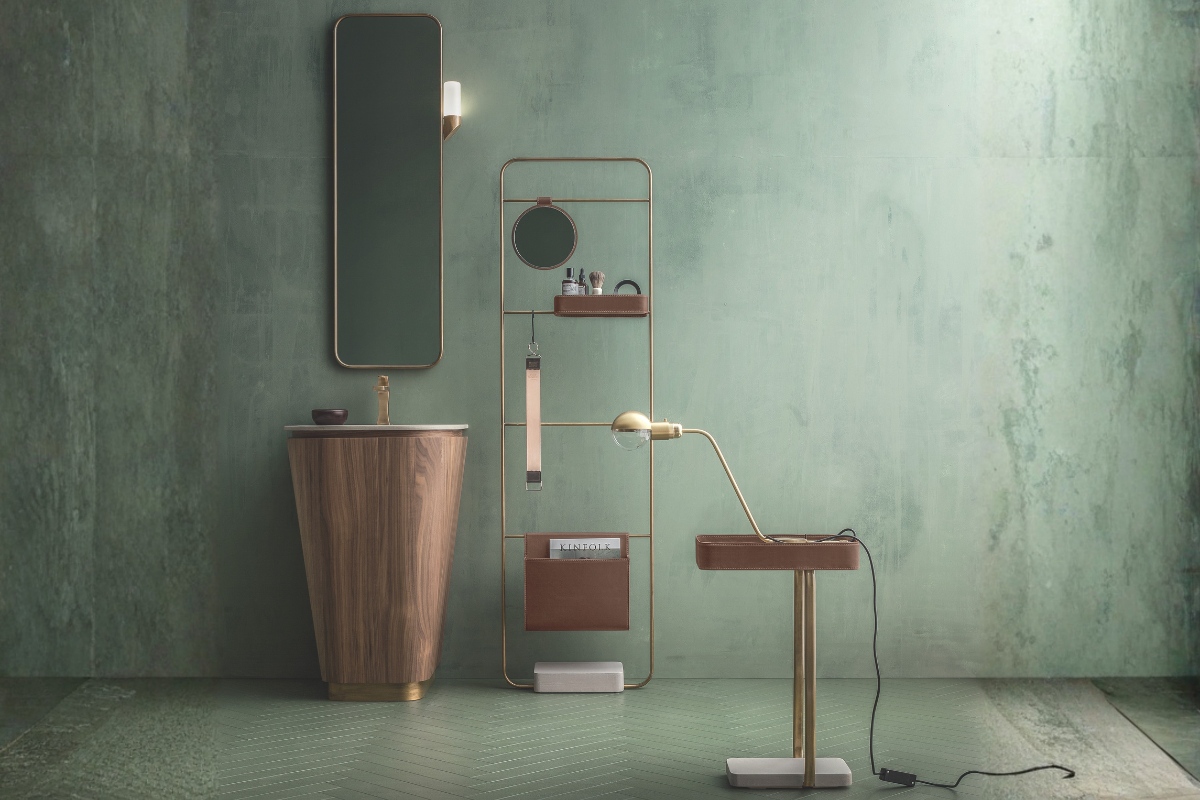
The artisanal origins of Cerasa are much more than a memory: they represent the backbone of everything we still do today. In 1983 work was first and foremost manual skill, dedication and a sense of responsibility towards what was achieved. This approach has become our DNA.
From the manual point of view, we have retained the idea that the product must be “touched”. Even if today we use advanced technologies, some particular processes and attention to detail are entrusted to our “expert eyes and hands”.
On an ethical level, the strongest legacy is the culture of well-made : knowledge and respect for materials, transparency in processes and the commitment to creating furnishings that last over time. Sustainability, for us, is not a recent trend but the natural evolution of a mentality that does not waste, does not improvise and does not “run” to the detriment of quality.
Finally, the stylistic aspect : our particular sensitivity for balance and proportion that distinguished us at birth, today is expressed in contemporary design, but the root is the same: creating environments that combine function, beauty and authenticity.
In essence, that artisanal heritage is not just part of our history: it is the way in which we continue to interpret the present and plan the future of bathroom furnishings.
In recent years the bathroom has gone from a technical environment to an identity spaceI about living. How has Cerasa contributed to this cultural change and what prejudices have you had to overcome in the Italian and international market?
In recent years the bathroom has undergone a radical evolution, going from a simple service environment to an intimate and identifying space , capable of expressing the personality of those who experience it. Cerasa accompanied and partly anticipated this cultural change. We have always worked to overcome the idea of ??the bathroom as a purely functional place, proposing collections that dialogue with the world of contemporary furnishings.
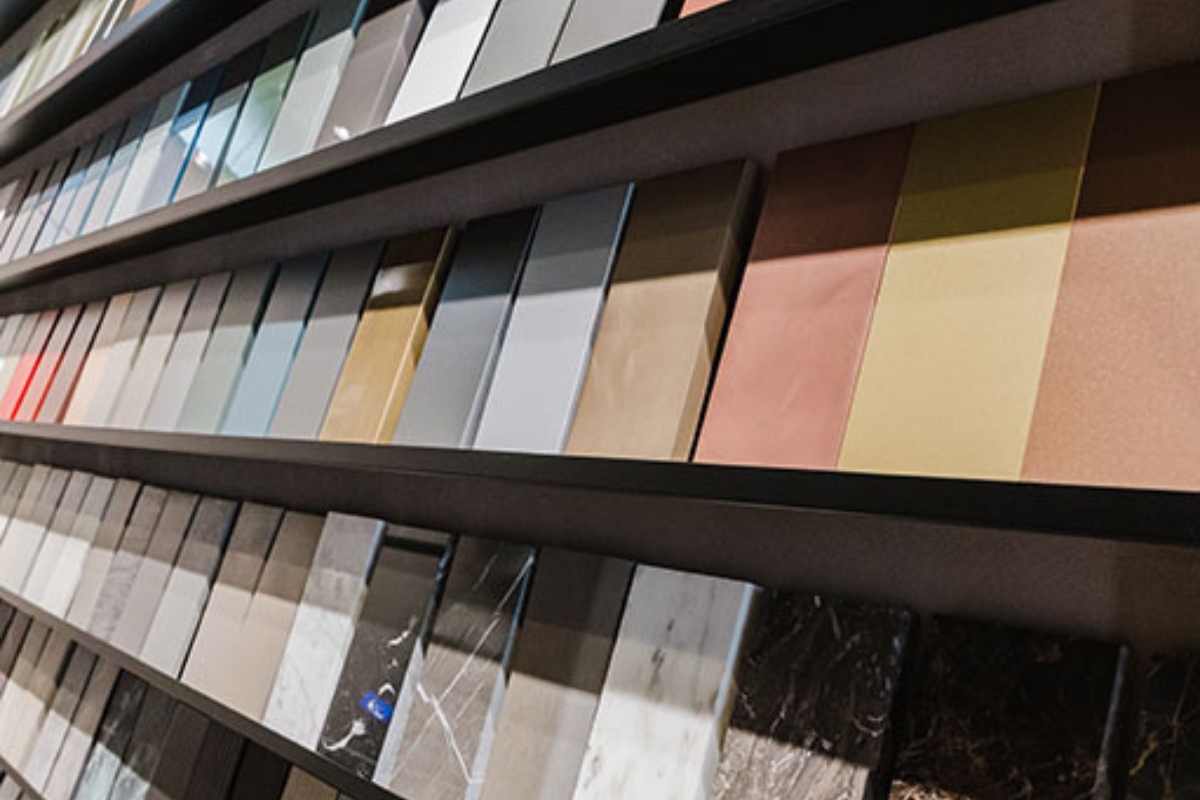
We have introduced materials, finishes and compositional solutions that come from living and contract, bringing a richer, more transversal and design language into the bathroom . In this sense, I believe that our contribution was to open up new possibilities of expression, transforming the bathroom space into an environment to be designed with the same aesthetic care reserved for the rest of the house, also inserting new solutions; I’m thinking, for example, of the ceiling towel rails, the island and peninsula compositions, and the reduced depth furniture that we were the first to propose.
From the technical bathroom to the identity bathroom: how the language of bathroom furnishings changes
At the same time, for us experimenting does not only mean creating alternative products, but also being able to interpret spaces with new solutions . Obviously, there was no shortage of prejudices to overcome. In the Italian market, for example, bathroom culture was strongly anchored to an idea of ??standardization: few materials, few functions, a very “technical” vision. We had to demonstrate that a more advanced piece of furniture, more sophisticated in details and finishes, was not only beautiful, but also reliable and durable.
Consequently, abroad the challenge was different: to make people understand that Italian design – the authentic one, made up of stylistic research and production quality – can coexist perfectly with different needs, from contract supplies to markets more oriented towards functionality. We have worked to break the prejudice that associates Italian design only with aesthetics, showing that our solutions can combine form, technology and customization .
We believe we have contributed to making the bathroom a place where the identity of living finds full expression. And we continue to do so through a design that tells our story, but opens up with curiosity to changes in lifestyles and living cultures.
Your philosophy focuses on customization, compositional freedom and Made in Italy quality. What is the most complex challenge today in maintaining a tailored production model in an increasingly industrialized sector?
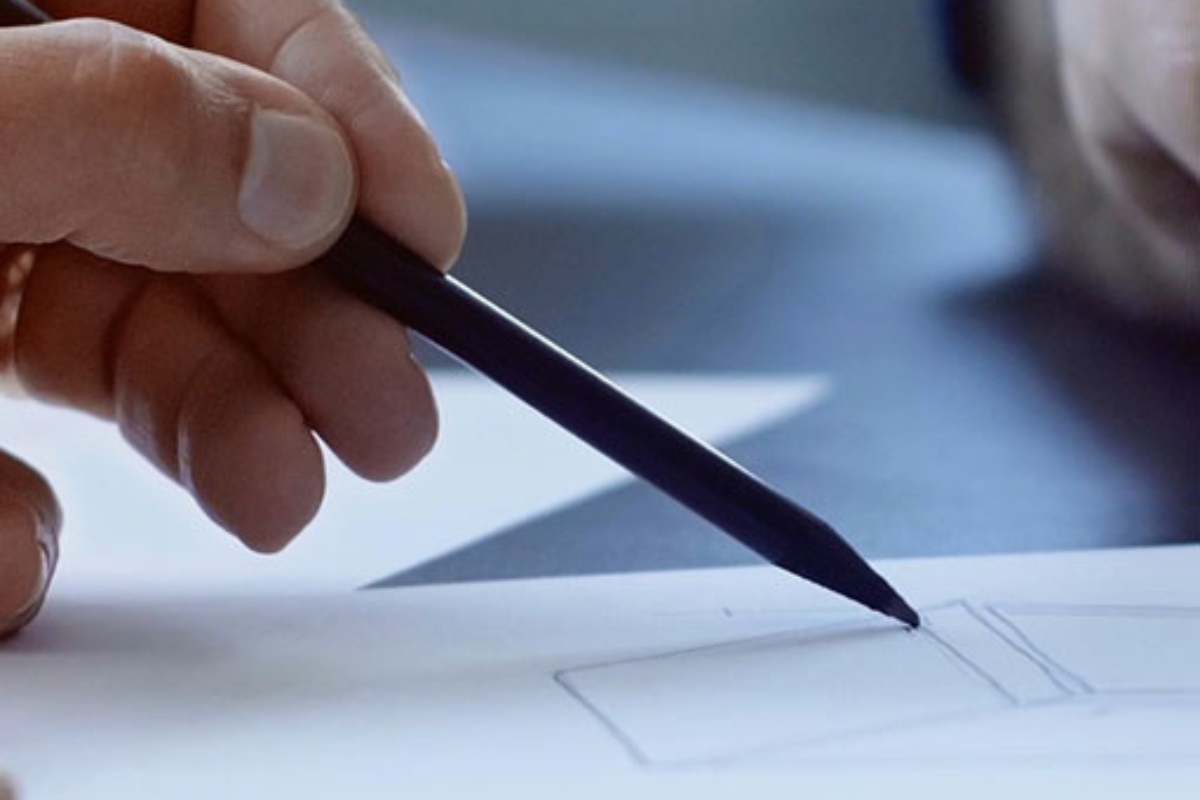
The most complex challenge today is maintaining a tailored approach without giving up the efficiency that the market requires. customization is in our DNA , but it means managing a large variety of materials, finishes and technical solutions with impeccable quality standards.
The point is to find the right balance: on the one hand artisanal flexibility, which allows us to adapt each project to the customer’s needs; on the other a structure pmodern production system, capable of guaranteeing certain times, continuity and precision.
The challenge is complex, but also what sets us apart: bringing the culture of Made in Italy to an increasingly industrialized sector, without losing that attention to detail that makes each of our products unique.
DES Evolution, Honey, Suede, Maori, Eden and Free represent six very different languages. Is there a design background – an unexpected intuition, an error transformed into value, a hidden detail – linked to the birth of one of these collections?
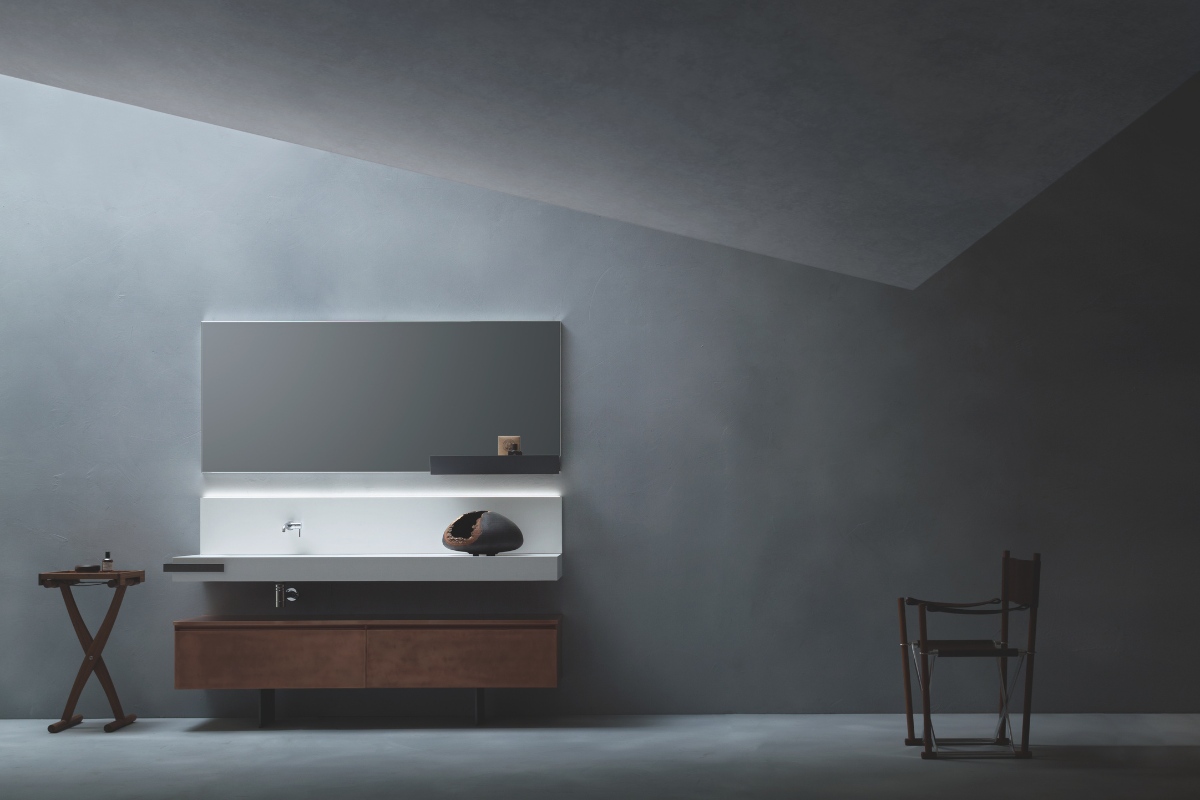
Each collection has its history, but there is an episode that I remember with particular clarity, linked to DES Evolution, the restyling of our historic DES collection , born years ago from the intuition of Stefano Difesatto and inspired by the world of fashion, in particular by the non-conformist aesthetics of Elsa Schiaparelli . The revolutionary idea, then, was to bring typical haute couture details into the bathroom, such as fabric inserts: an almost provocative gesture for the sector.
In rethinking the collection today, we realized that that spirit did not simply need to be updated, but evolved. The world of fashion remains our main source of inspiration, but in a more contemporary interpretation: the bathroom becomes a wardrobe to “wear”, capable of dressing different personalities through materials, colors and free combinations.
The real background is that, working on the restyling, we realized that the original concept still had enormous strength: it didn’t need to be changed, but expanded. And this is how DES Evolution found its identity, faithful to its roots but projected onto a more current and transversal language.
The other collections arise from stories of travels and different cultures, reported in objects which, inserted into the environment, testify to their entire identity, helping to give a new character to each environment.
Each of your collections has a precise imagery: Art Deco, Japanese essentiality, new industrial, identity archetypes. How does the definition of the aesthetic language of a new line come about internally?
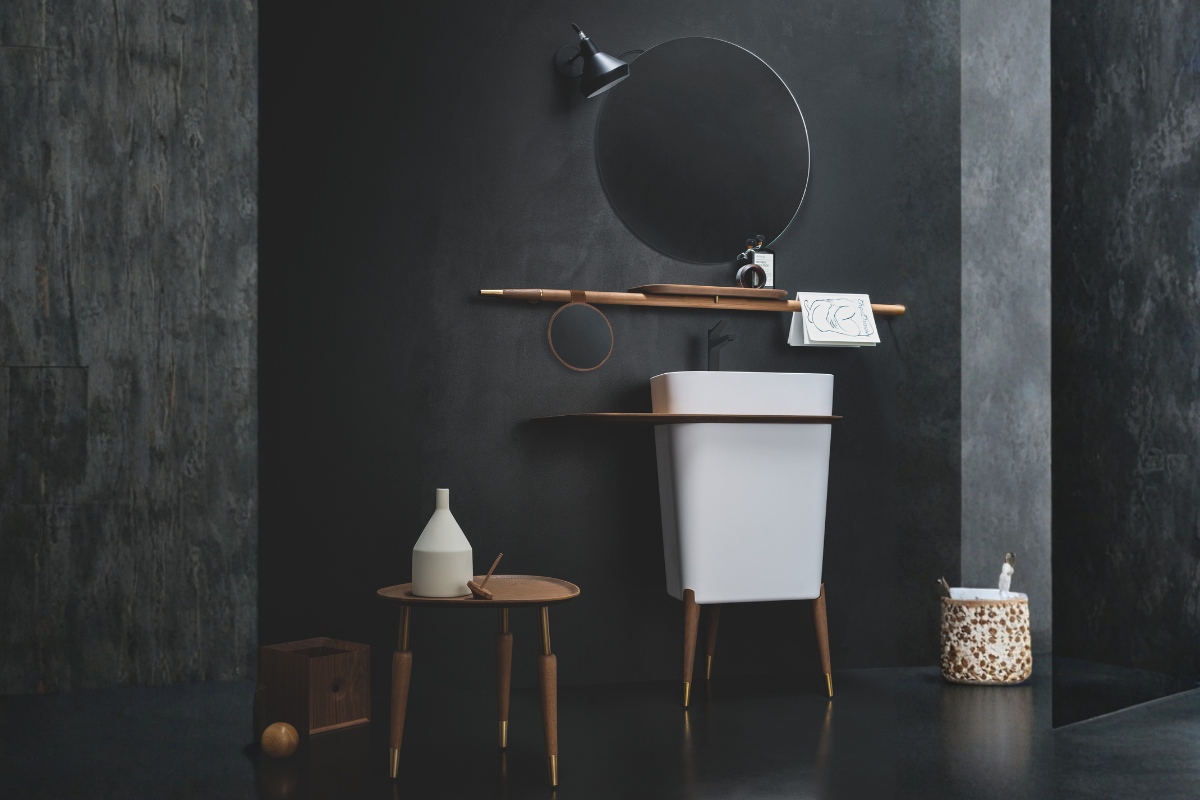
The definition of the aesthetic language of a new collection arises from a very shared internal process. We always start from a vision: a theme, a cultural inspiration, an atmosphere that we want to translate into shapes and materials.
From there a comparison opens between design, product and marketing, in which we analyze trends, lifestyles and people’s real needs. The next step is selecting a coherent imagery be it Art Deco, new industrial or a more essential aesthetic and understanding how to make it ours.
The objective, in fact, is never to replicate a style, but to reinterpret it in a Cerasa key : functional, contemporary, close to everyday living. Each collection is therefore born from the meeting between aesthetic research, market observation and our design identity. It is a choral work, in which every detail contributes to defining a precise and recognizable story.
Internal production, control over workmanship and the use of certified materials are pillars of your identity. What is the biggest challenge in the manta rayBlack a 100% Made in Italy model in a globalized sector?
The greatest challenge is to be able to combine quality and competitiveness . Producing internally means controlling every phase, guaranteeing certified materials and workmanship that reflect our standards, but requires continuous investments in technology, skills and sustainability.
In a market where many choose delocalisation to reduce costs, our challenge is to demonstrate that the added value of Made in Italy attention to detail, reliability, traceability is not a cost, but a guarantee for the customer.
Maintaining this model means defending a productive culture and at the same time innovating it, to remain up to date in a constantly evolving global context.
The Suede, Maori, Eden and Free collections have become points of reference for Italian bathroom design. If you had to choose one that best represents your current identity, what would it be and why?

If I had to choose a collection that best represents our current identity, I would undoubtedly say DES Evolution . It perfectly embodies our way of understanding design: unique and recognisable, but at the same time profoundly flexible.
The great variety of materials and finishes, all of high quality, and the rich choice of modules allow you to respond with style to practical, dimensional and personal needs. Furthermore, its creation necessarily requires a high level of manual skill, an aspect that is fundamental for us: it is the most authentic expression of our evolved artisanal identity.
DES Evolution is therefore the best expression of what we like to call MADE IN CERASA .
The bathroom is one of the most complex environments from a technical point of view: humidity, electricity, materials, modularity, durability. How do you manage to bring together aesthetics, functionality and performance without compromise?
The bathroom is certainly a complex environment, and for this reason we have always considered aesthetics, functionality and performance as inseparable elements. The key lies in integrated design: each piece of furniture is created with rigorous attention to materials, finishes and modularity, but also to technical needs such as resistance to humidity, stability and safety of electrical and plumbing systems.
At Cerasa, we never make compromises: we select certified materials, verify every process and combine artisanal skills with advanced technologies . Only in this way can we guarantee beautiful, versatile and durable collections, compliant with current regulations and daily needs without sacrificing style.
Physical prototyping, despite the advancement of 3D, remains central to your process. Why? And at what point do you understand that a project “works”: in the sketch, in the model, in the first prototype or in the technical tests?
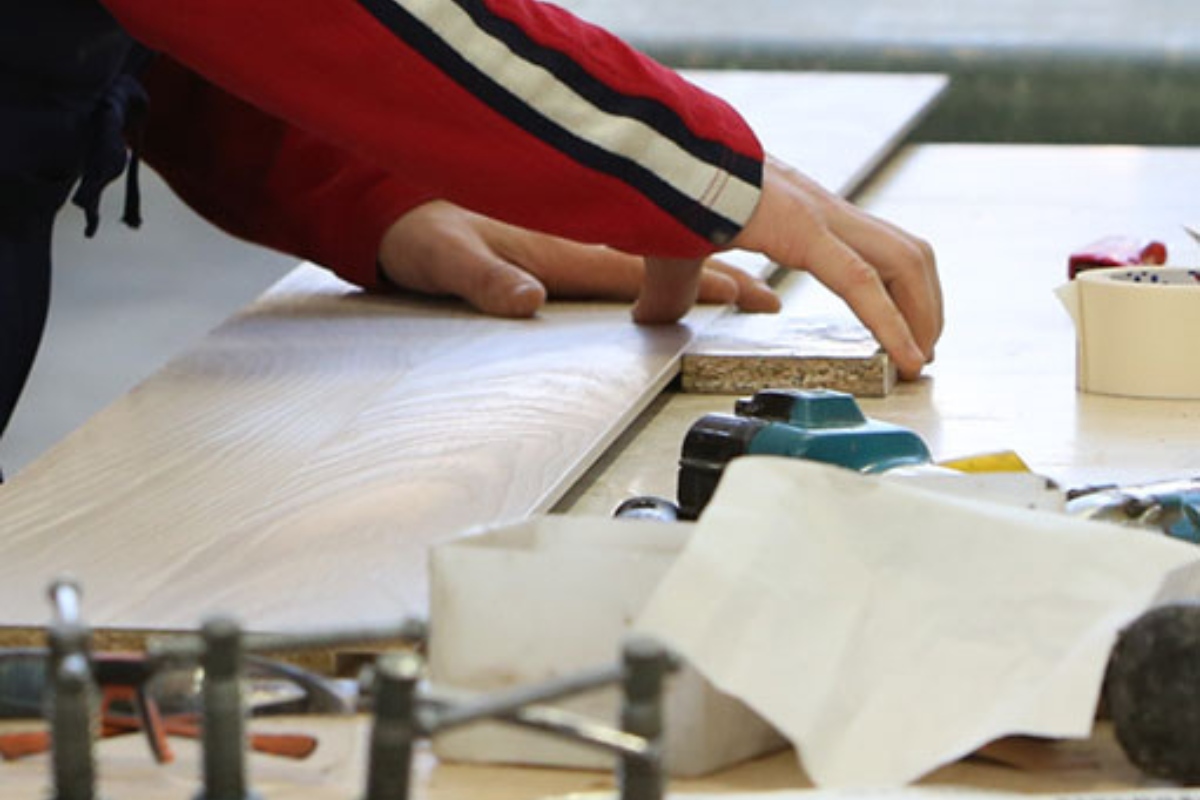
Despite the evolution of 3D, physical prototyping remains fundamental because it allows you to touch with your own hands what digital cannot provide: textures, finishes, tactile sensations and real proportions.
It is at that moment that the project really comes to life and is measured against reality. Understanding whether a project “works” is a gradual process: the sketch and the 3D model serve to define the idea and the harmony of the shapes, but the first physical prototype is decisive.
Only by concretely testing it can we verify ergonomics, modularity, quality of materials and technical integration. Subsequent tests refine details and performance to ensure that aesthetics, functionality and durability coexist without compromise.
Collaborate with designers and planners with different sensibilities. How does creative dialogue arise and develop? What is the ideal balance between the designer’s vision and the Cerasa identity?
Creative dialogue always arises from mutual respect and listening. Cerasa brings experience, knowledge of materials, processes and technical needs, while the designer brings his interpretation of reality, ideas and original gaze.
The ideal balance is found when these two components integrate: the designer’s vision can express itself freely, but must be translated into concrete solutions that respect our identity, made of quality , modularity and attention to detail. The result is always a project that tells something new, but remains consistent with the style and values ??of Cerasa.
The contract world today requires modularity, customization, certain times and very high durability. How are you responding to the new demand for “hybrid” hospitality, including boutique hotels, private wellness and flexible residences?
The contract world today requires versatile, durable and quick to implement solutions; reaction time is fundamental and Cerasa has worked precisely in this direction. Our experience in modularity and customization allows us to design bathroom environments that adapt to very different contexts: boutique hotels, private wellness or flexible residences.
Thanks to the combination of certified materials, latest generation machinery and craftsmanship, we are able to guarantee aesthetics, functionality and durability even in contexts with high rotation or with very specific needs. In other words, our “hybrid” approach allows us to offer ad hoc, tailor-made solutions, without sacrificing the style and quality that define Cerasa. I can state with certainty that customization, fundamental in this sector, is our winning weapon.
If you had to choose just one “iconic” product or just one collection that embodies the Cerasa philosophy – balance between emotion, technique and Made in Italy – what would it be and why? Is it possible to share a sketch or concept study with our editorial team (and our community)?
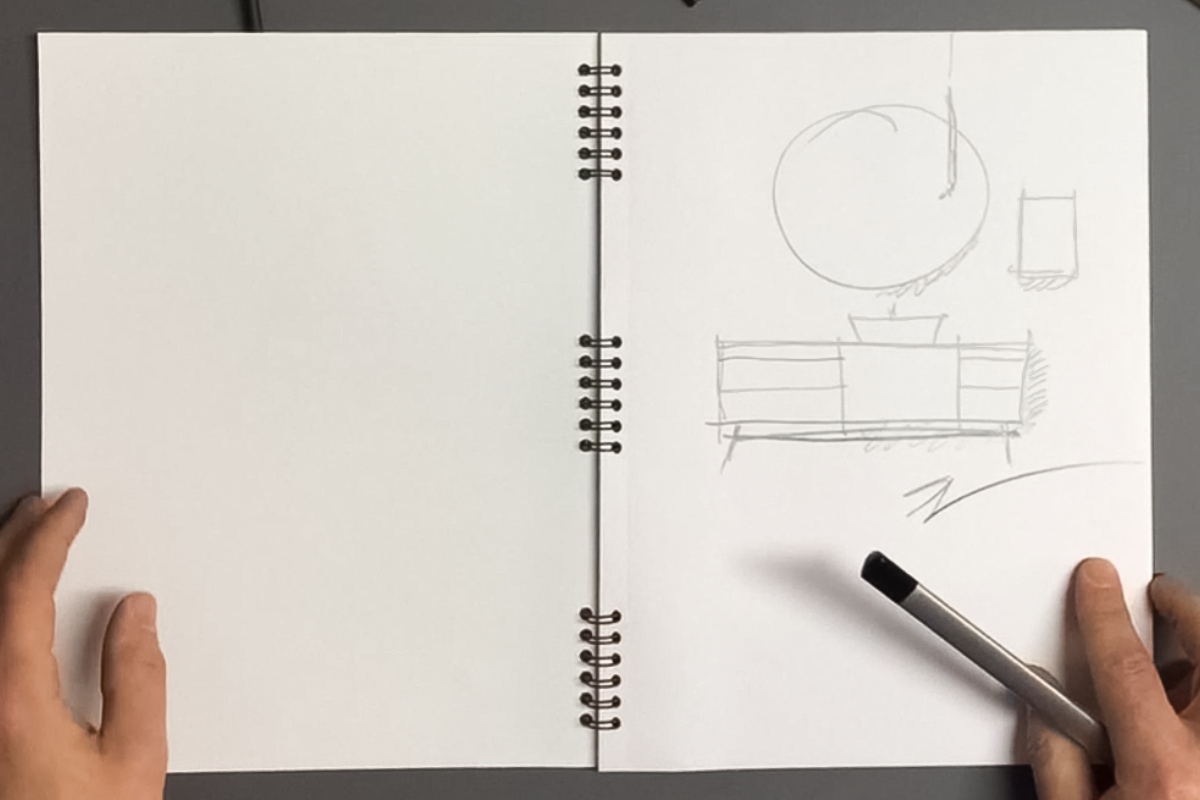
If I had to choose just one product or collection that best embodies the Cerasa philosophy, I would say DES Evolution. It is the perfect synthesis of our approach: it combines emotion, unique and recognizable design, a solid technical component, quality materials, modularity and craftsmanship.
DES Evolution also represents Made in Italy in its most complete expression: refined aesthetics, attention to detail, customizable solutions and ability to adapt to different needs,size and style. In short, it is the collection that best explains who we are and how we conceive the bathroom today.
The internationalization of the bathroom is changing: smaller markets, different cultural needs, new ways of living. Where is the demand for designer bathroom furniture growing today? What differences do you perceive between the markets?
The demand for designer bathroom furniture is growing today in more dynamic international markets, where customers are looking for personalized and quality environments, not just functional ones.
In addition to the traditional European markets, we are experiencing great interest in North America, the Middle East and Asia , where the culture of living is rapidly evolving towards more aesthetic and lifestyle-oriented solutions.
The differences between the markets are evident: in some contexts, such as Northern Europe and Japan, the demand focuses heavily on minimalism and essentiality, while in other areas, such as the Middle East, luxury, decorative details and extreme customization are valued.
The challenge is to be able to offer products that maintain coherence with our design and Made in Italy, while adapting them to the cultural and functional specificities of each market.
Looking to 2035, what will remain unchanged about the Cerasa DNA? And what, in your opinion, will be the next revolution aesthetic, typological or technological that you will bring to the sector?
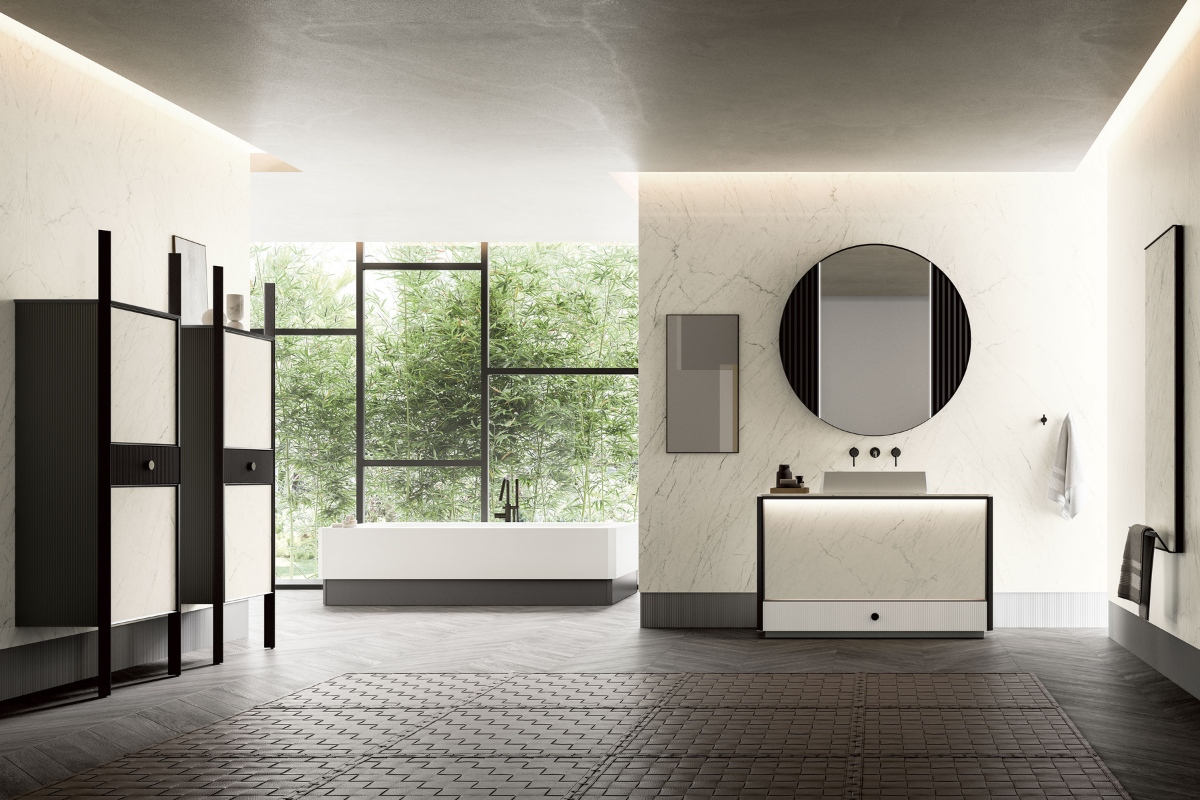
Looking to 2035, some fundamental pillars of the Cerasa DNA will remain unchanged: the craftsmanship, attention to detail, the quality of the materials and the ability to combine aesthetics and functionality in a recognizable way. These values ??will continue to guide all our choices, even in the face of market and technological developments. As for the next revolution, I believe it will be hybrid: aesthetic, ecological and above all technological.
We will continue to develop modular and customizable collections, increasingly integrated with smart, sustainable and multifunctional solutions, capable of responding to new lifestyles and living. The bathroom will increasingly become an experiential environment , where design, technology and customization will be at the service of everyone’s physical and psychological well-being.