There is a new form of elegance that arises from contrast: one that does not seek perfection, but authenticity. The apparently rustic but elegant furniture is the most sophisticated response to the cold minimalism of recent years: a visual language that combines raw materials and refined details, imperfection and measure, warmth and light. This is …
There is a new form of elegance that arises from contrast: one that does not seek perfection, but authenticity.
The apparently rustic but elegant furniture is the most sophisticated response to the cold minimalism of recent years: a visual language that combines raw materials and refined details, imperfection and measure, warmth and light.
This is not a reworked “country” style, but a new aesthetic of the natural , in which simplicity becomes luxury and materiality tells of time.
The lived-in surfaces are combined with essential lines, raw wood meets satin marble, stone meets glass, iron dialogues with linen.
It is a poetics of calibrated waste : nothing is random, everything is designed to seem spontaneous.
This balance between rusticity and refinement runs through contemporary architecture, interior design and craftsmanship today.
From country houses reinterpreted as designer retreats, to urban penthouses that integrate raw materials with custom-made furnishings, elegant rustic has become the language of modern comfort: natural, sensorial, timeless .
The origin of the new contemporary rustic: from wabi-sabi to Italian material elegance
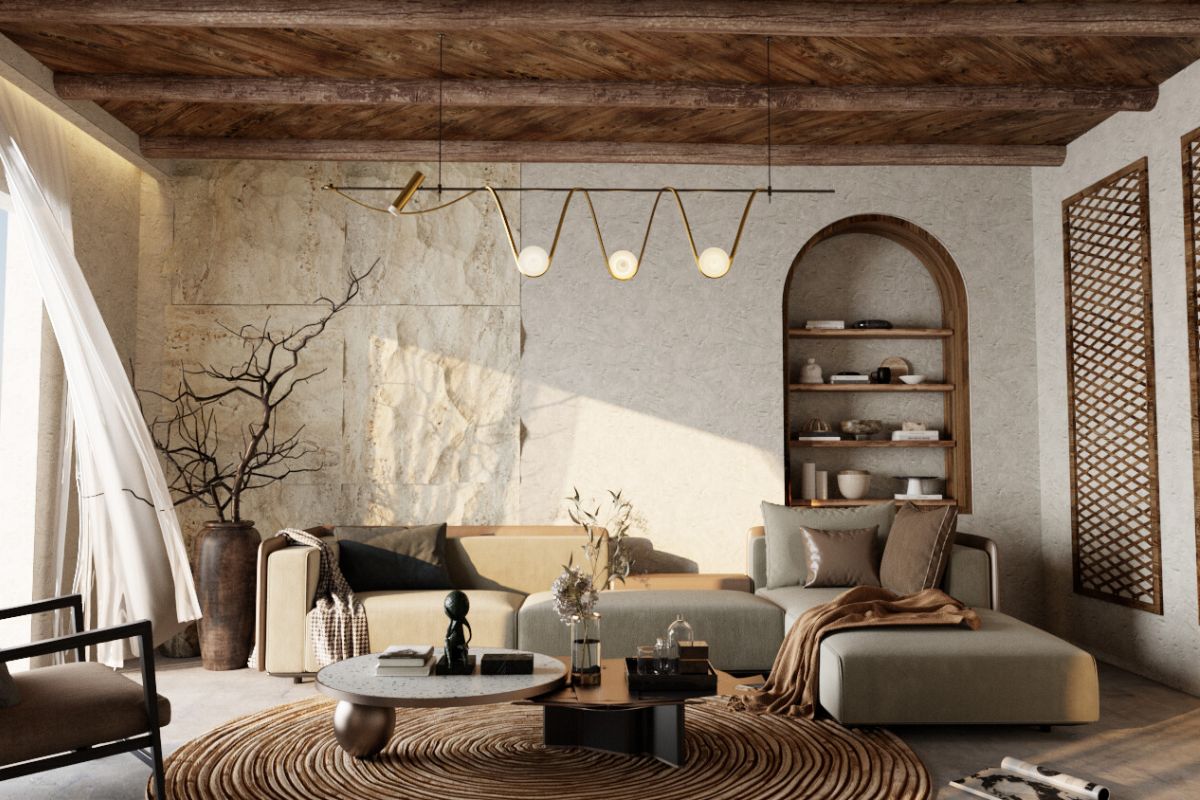
But what is it actually called apparently rustic but elegant furniture ?
Designers define it as contemporary rustic or, with a more evocative term, material elegance : a style that combines the authentic roughness of natural materials with the sartorial precision of bespoke design.
It is a way of living that shuns excess and apparent luxury, preferring the sensorial quality of surfaces, natural light, the proportion of spaces.
Its roots lie in different but complementary traditions. From Japan comes the philosophy of wabi-sabi , which teaches us to recognize beauty in imperfection and the patina of time; from Northern Europe, the cozy Scandinavian style , which translates domestic warmth into essential lines and tactile materials; from Italy, the culture of craftsmanship and matter, where the human gesture is an integral part of aesthetics.
Together, these three languages ??build what we today call natural luxury .
To enhance a rustic be it a stone farmhouse, a converted barn or a loft with exposed beams the contemporary approach is to subtract, not add. Letting the structure breathe, respecting the irregularities, balancing the materiality with furnishings with a thin profile: a light linen sofa, a blown glass lamp, an oiled oak table next to a patinated iron chair. The secret lies in the calibrated contrast between rough and refined , between what appears natural and what is designed with measure.
According to furniture trends 2026 , this direction will continue to grow.
Homes will become more sensorial, sustainable and narrative , with raw materials combined with soft-touch finishes, neutral colors that fade towards sand, dove grey, clay, and warm lights integrated into the architectural volumes.
The objective will not be pno longer show, but make you feel : the visual comfort of a dusty tone, the tactile pleasure of a lime surface, the scent of natural wood after the rain.
In this panorama, terms such as rustic or vintage change meaning.
They no longer refer to the past, but to a new way of understanding time and matter.
vintage , today, is what brings memory without melancholy: an object with an authentic history, inserted in a contemporary context.
And rustic becomes synonymous with true , honest , lived .
This is, after all, the profound meaning of apparently rustic but elegant furnishings:
not the recovery of a style, but the recovery of a feeling .
Materials, palettes and details: the sensorial grammar of the elegant rustic
The strength of apparently rustic but elegant furnishings is all in the material.
It is not an aesthetic that arises from form, but from touch : surfaces that breathe, finishes that capture the light, colors that seem to belong to nature itself.
It is a slow language, built through sensorial harmonies.
Wood, stone, lime: the triad of the new natural
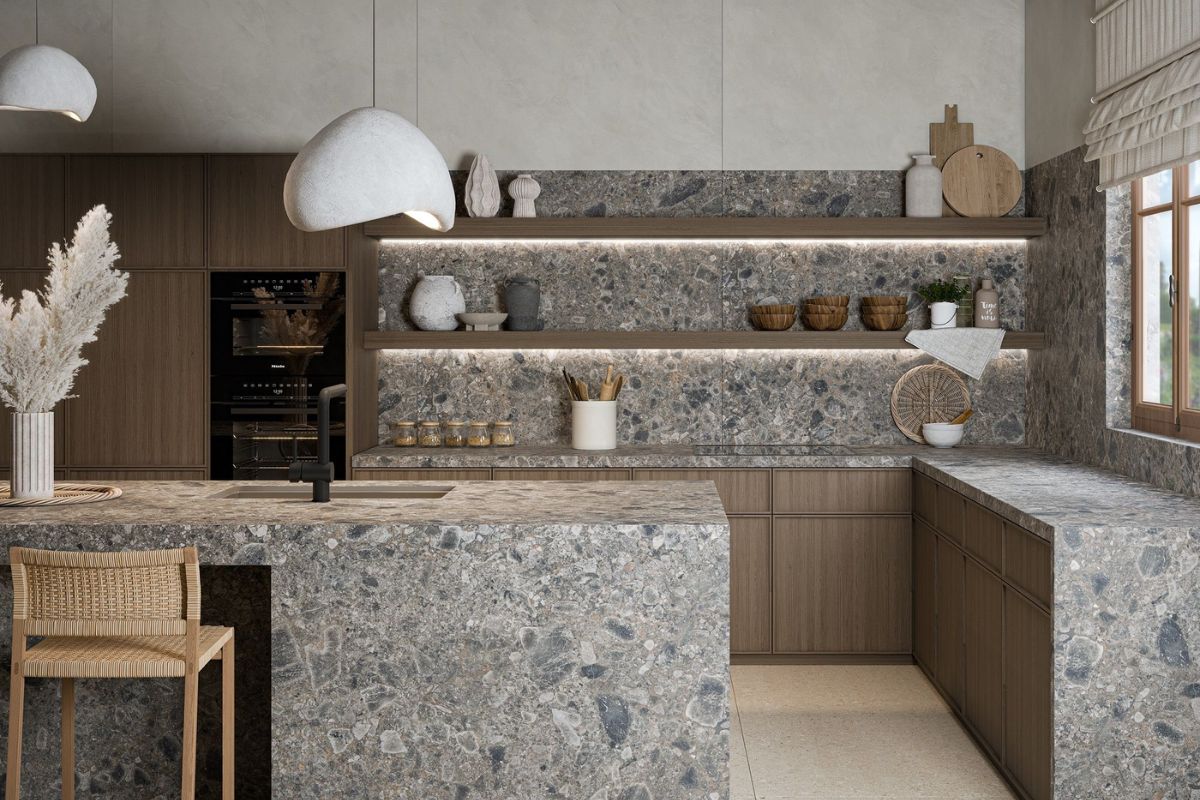
Wood is the first sign of truth.
In contemporary projects, we choose heat-treated oak, brushed larch, reclaimed oak , with oil or natural wax finishes.
We don’t look for the perfect wood, but what it tells.
The light travertine , the Credaro stone or the Ceppo di Gré bring the mineral solidity of the landscape into homes.
On the walls, lime plasters or natural pigments create soft and vibrant textures.
Interpreting this language are companies that have made material a sign of identity: Gervasoni and Meridiani for wood and natural fabrics, Salvatori and Pietra Naturale Autentica for stone, Kreoo for hand-sculpted surfaces.
In their approach, the material is not ornament, but substance.
Fabrics and metals: the dialogue between softness and structure
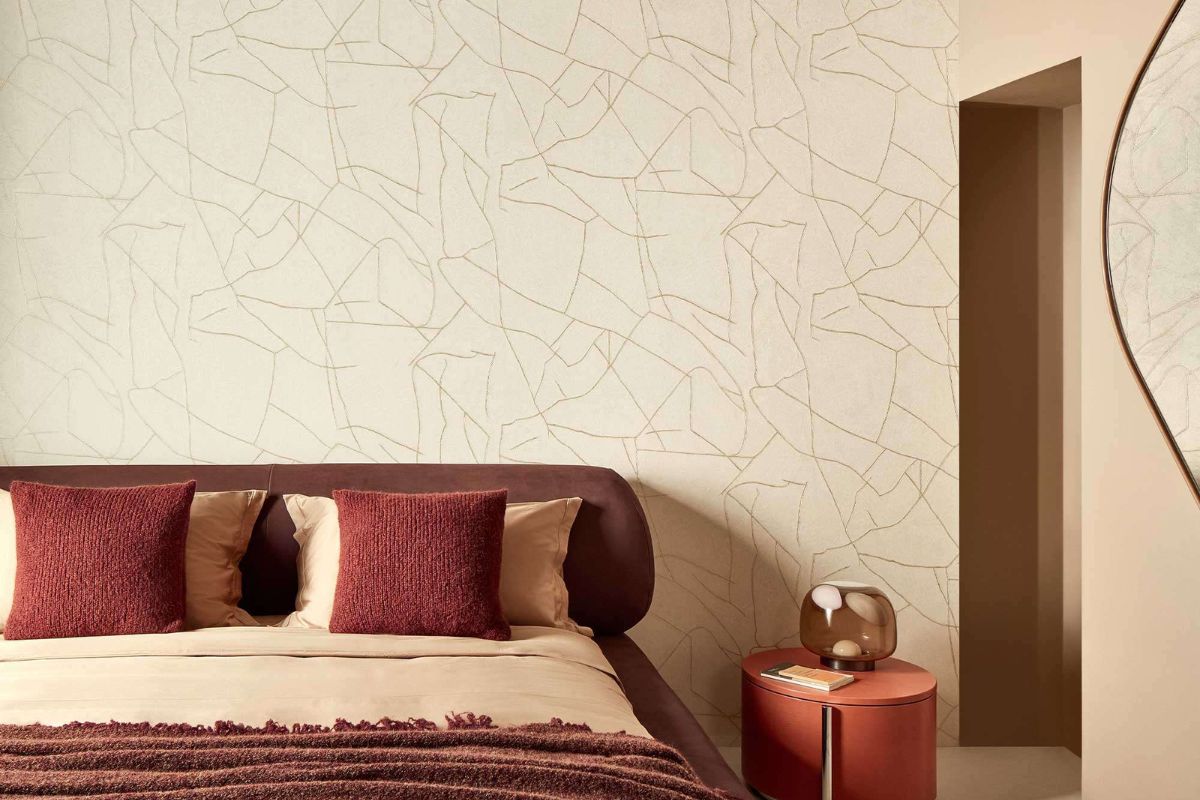
The textile in the elegant rustic is a sensorial counterpoint.
The washed linens of Society Limonta , the brushed wools of Filippo Uecher , the material velvets of Elitis introduce warmth without excess, translating tactility into visual comfort.
Curtains, carpets and upholstery become filters that soften light and sound.
Alongside, the metals become discreet: antiqued bronze, brushed brass, burnished steel , never shiny.
Brands like De Castelli or Gallotti&Radice transform them into poetic elements, capable of reflecting light as if it were coming from afar.
Color palette: the calm of earth tones
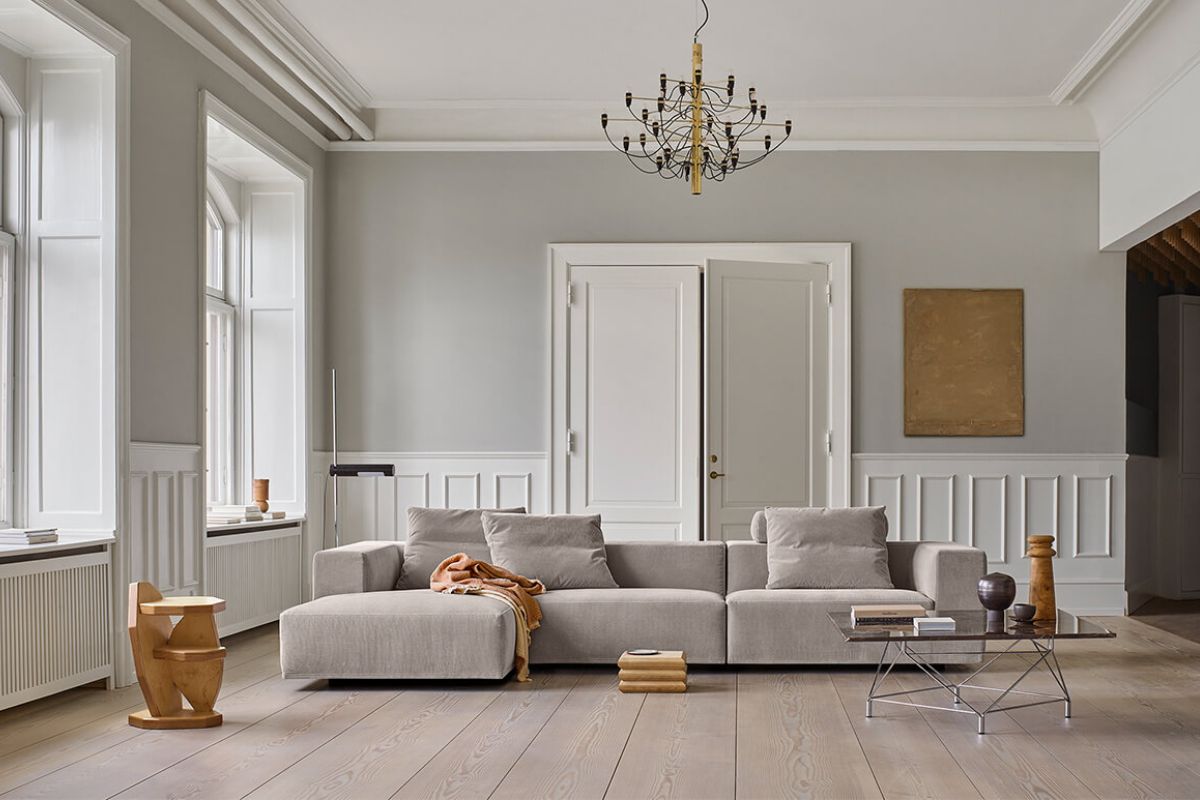
The palette of the apparently rustic but elegant furnishings is not neutral, but organic .
He moves among the dusty beiges, the warm sandsand, stone grey, matt ivory and sage green, with touches of charcoal or rust that define the geometries.
It is an atmospheric palette , which varies with daylight.
The walls are tinged with clay, the ceilings remain light to amplify natural light.
In the collections of Eilersen , Kristalia , Ditre Italia , this balance between materiality and visual lightness is found.
Light as a design gesture
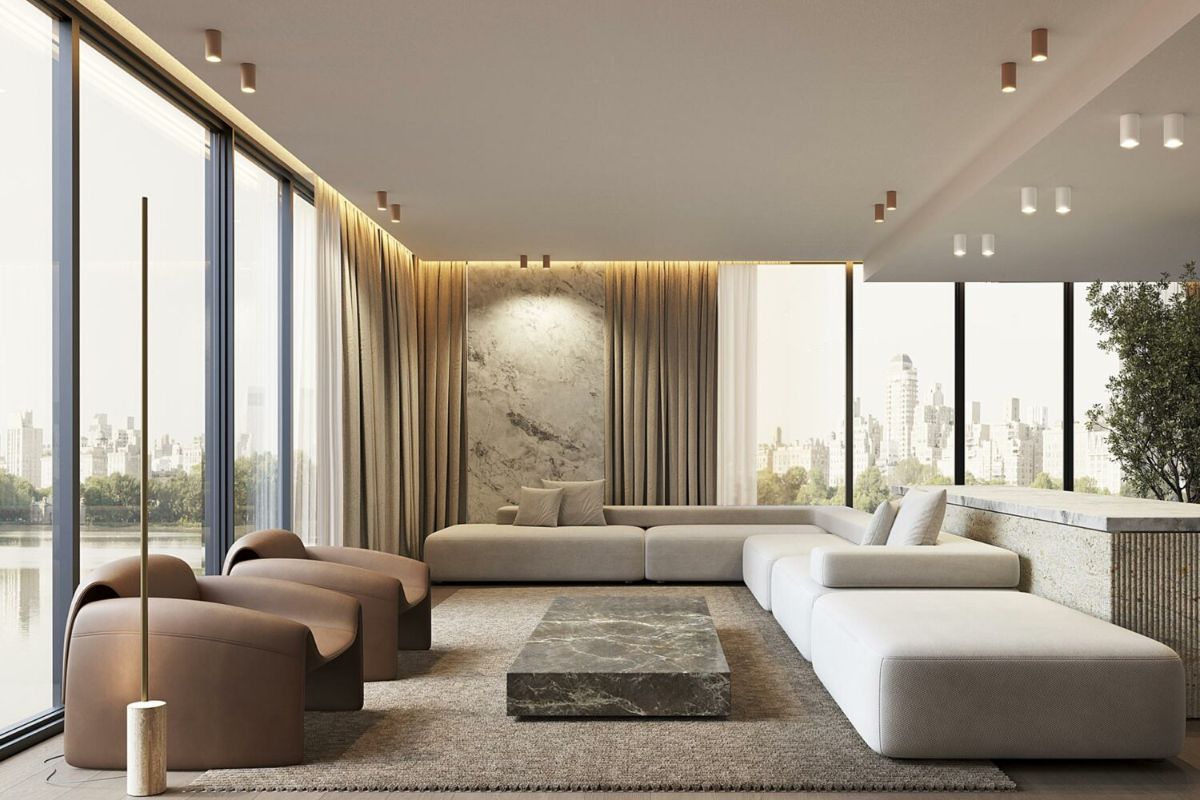
Light does not decorate: it sculpts.
In rustic but elegant furnishings, warm, indirect light is part of the architecture itself.
Panzeri , Brokis , Catellani & Smith and Davide Groppi interpret this principle with lamps that seem to suspend time.
The objective is not to illuminate everything, but to create areas of quiet, intimate perspectives, breathing atmospheres .
The invisible details
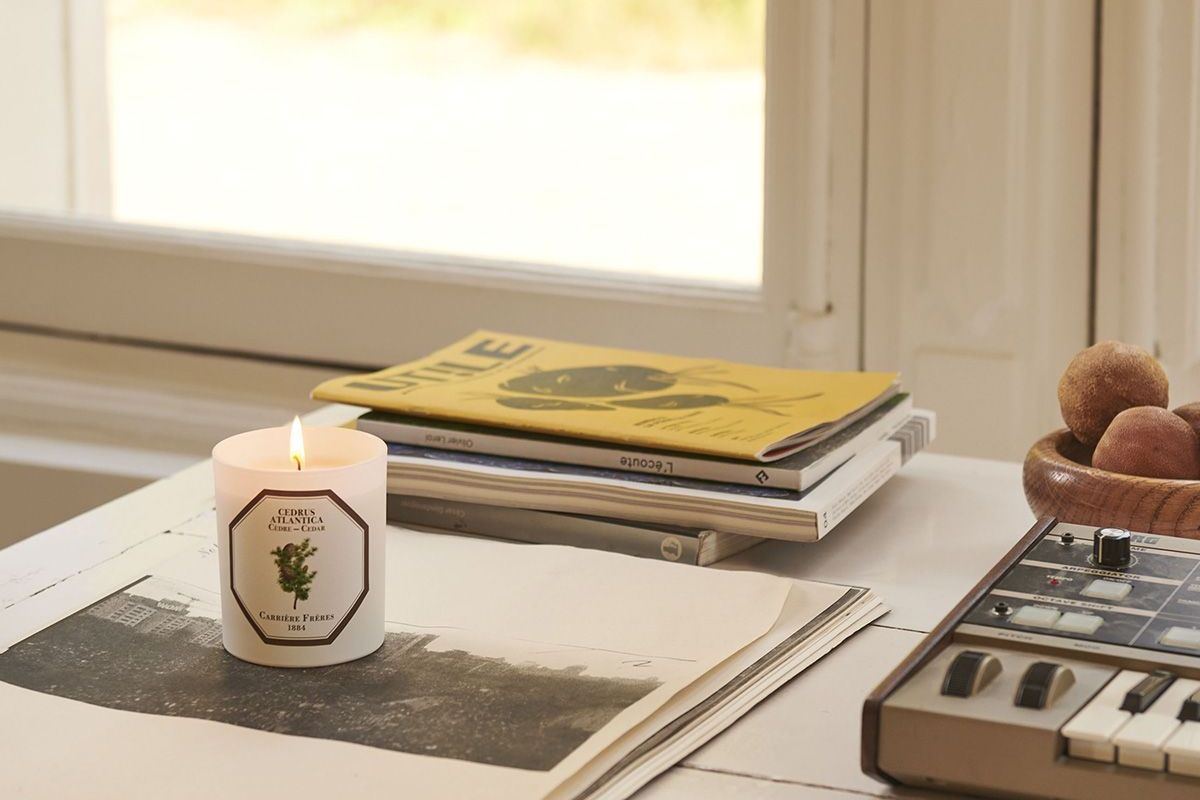
Finally, what truly defines the discreet luxury of this style: silence and perfume.
Artisanal air diffusers such as Laboratorio Olfattiva Biancofiore , Carrière Frères Cedar or Muschieri Venezia complete the perception of space, evoking wood, earth, resin.
Acoustic comfort – guaranteed by natural materials, fabrics and solid wood flooring – transforms the house into a perceptive refuge.
In this balance of touch, light and sound, the apparently rustic but elegant furniture stops being a style and becomes a sensitivity.
It is the search for a luxury that is not shown , but is felt – in the light that slides on a wall, in the scent of wood, in the silence of a living room.
From the project to daily life: how to interpret the elegant rustic style in the home
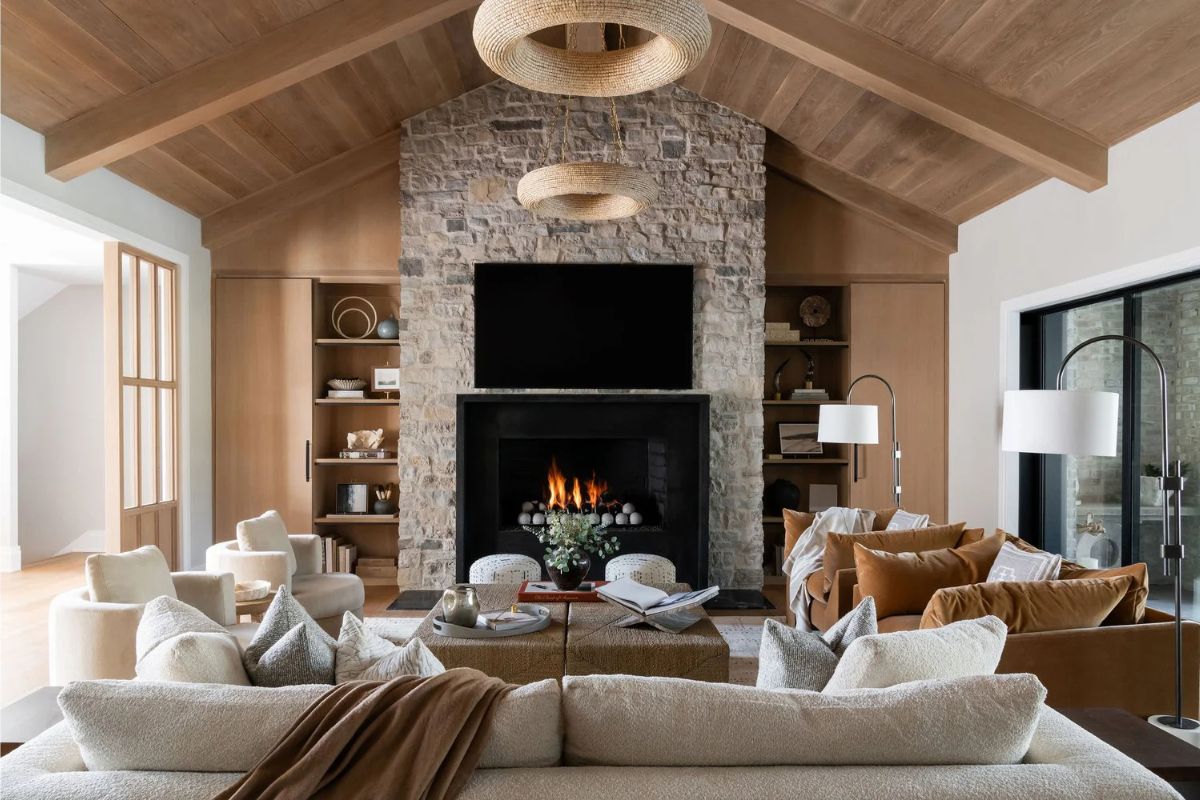
The apparently rustic but elegant furniture is not a formula to be replicated, but a language to be translated according to one’s own sensitivity.
It is an idea of ??home that is built over time, through gestures, choices and relationships between materials.
Every environment – from the kitchen to the bedroom – can become the place where simplicity dialogues with grace.
Living area: light, matter and lightness
The living room is the narrative heart of the house.
To express the charm of the elegant rustic, you need a composition of textures : a brushed wooden floor, a washed linen sofa, a massive table with pure proportions, surrounded by light chairs in iron or woven straw.
The light must slide, not explode: pendant lamps in opaque glass or lampshades in raw fabric as in the collections of Brokis or Tooy transform the atmosphere into an intimate, almost tactile dimension.
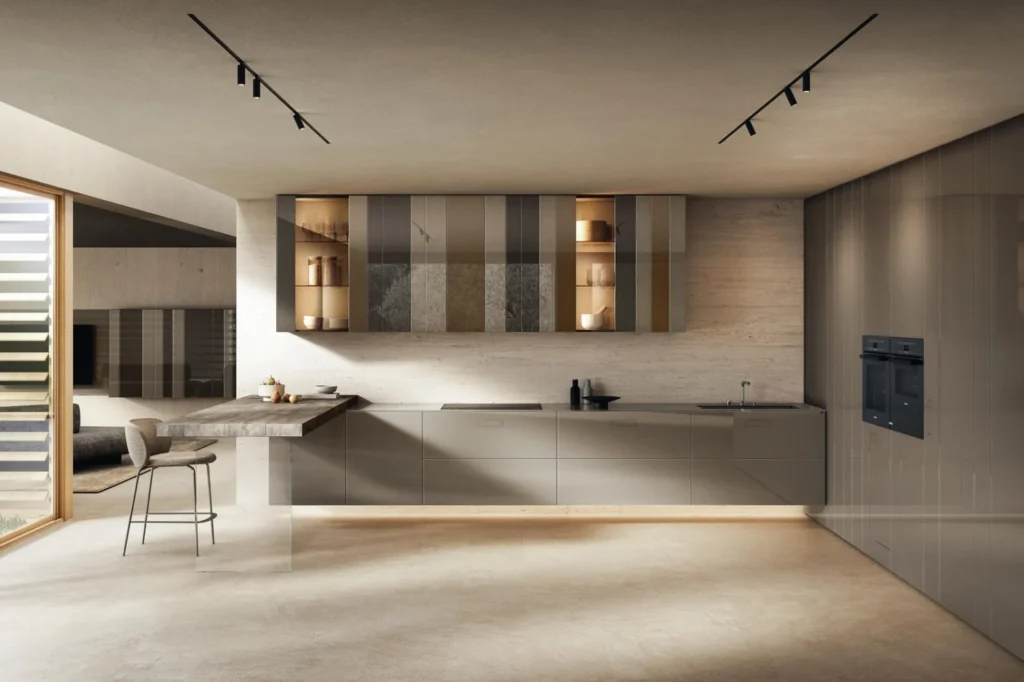
Cuisine: authenticity and functionality
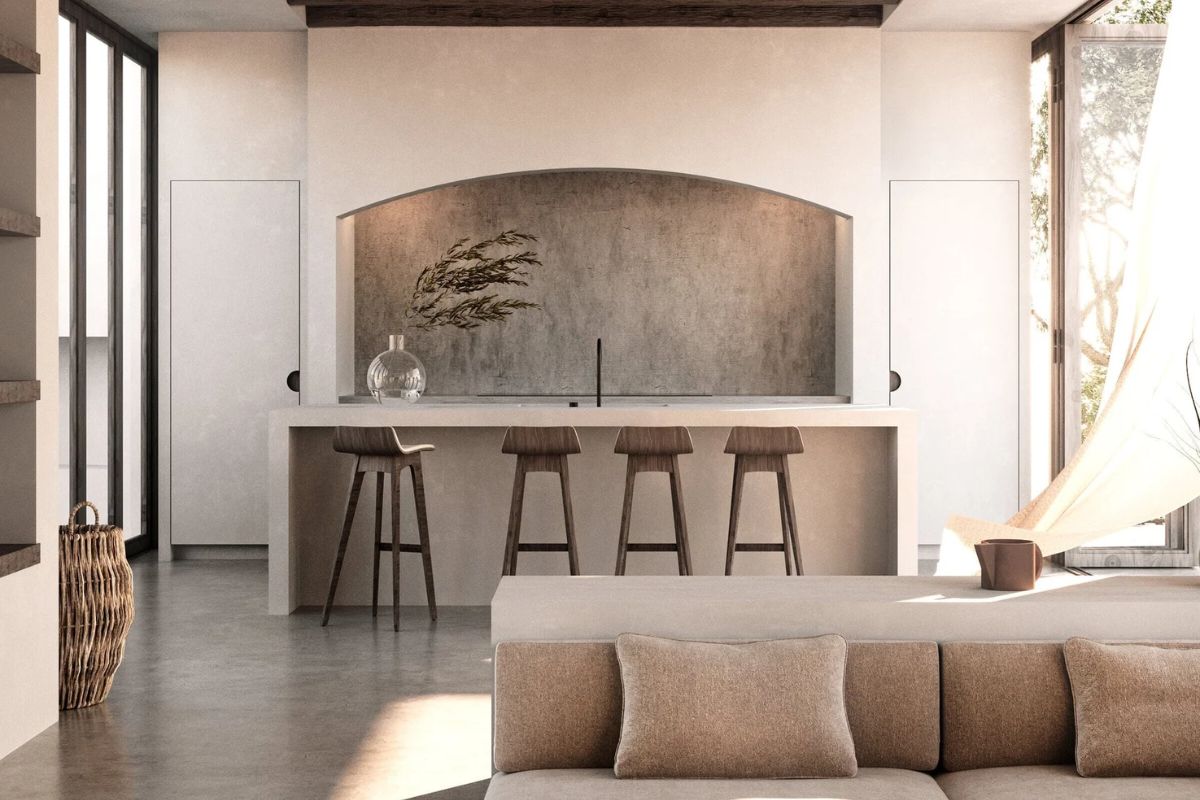
The kitchen is the place where the rustic meets the everyday.
Furniture with clean lines in solid wood, tops in natural stone or quartzite, integrated handles, elements in burnished steel: everything speaks of balance.
The compositions of Arclinea , Binova or Falper Cucine interpret this duality with a discreet elegance, where the material is never hidden, but enhanced in its essentiality.
A touch of soul comes from the details: a handcrafted sideboard, exposed ceramics, the warm light that filters between the shelves.
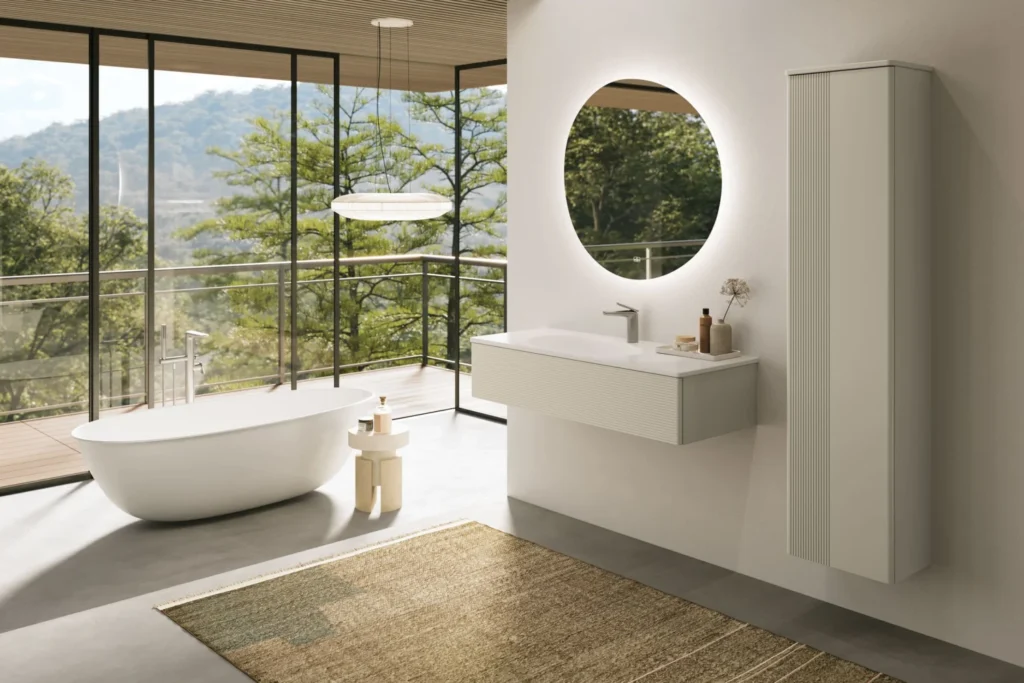
Bathroom: the luxury of quiet
In the bathroom, the key word is sensory comfort .
Stone surfaces, polished marble sink, wood treated with natural finishes, scent of resins and essential oils.
The collections of Agape , Antonio Lupi and Kreoo interpret this aesthetic with sculptural volumes and materials that evoke private spas, where water meets stone and silence becomes part of the furniture.
Bedroom: the perceptive refuge
The bedroom is the place of softness and calm.
Light wood floors, spatula-painted lime walls, linen or organic cotton sheets, and diffused lighting with adjustable sconces or brushed brass reading lights.
Brands like Flou , Frigerio , Porada or Ethnicraft offer collections that reinterpret comfort with elegance without excess.
The result? An environment where you can hear the muffled sound of footsteps and the smell of living matter.
Objects, memory and rhythm
Finally, the most important detail: what is experienced .
A chair with a story, a terracotta bowl, a rough wool carpet, a painting faded by time.
They are objects that are not chosen for aesthetics, but for empathy.
This is the most human aspect of the elegant rustic: the ability to welcome, not to show .
In an era where design is racing towards the digital future, rustic yet elegant furniture reminds us that beauty lies not in novelty, but in continuity.
In the wood that warms up in the sun, in the light that changes during the day, in the silence that accompanies the winter evenings.
It is an invitation to plan and live with authenticity.
FAQ Apparently rustic but elegant furnishings
What do you call an apparently rustic but elegant piece of furniture?
It is defined as contemporary rustic or material elegance : a style that combines the natural simplicity of materials with the precision of modern design.
It is not a “country” style, but a new form of discreet luxury, where wood, stone and lime meet essential lines and harmonious proportions.
How to enhance a rustic house without giving up elegance?
To enhance a rustic environment, it is necessary to preserve its soul : leave visible beams, stone walls, original floors and balance them with contemporary furnishings with clean lines.
The warm light, natural fabrics and opaque metals (bronze, brushed brass) create continuity and sophistication without erasing the memory of the place.
What are the furnishing trends in 2026?
Trends 2026they reward sensorial and authentic materials : raw woods, local stones, lime finishes and earthy neutral colours.
Furnishings return to being a perceptive, sustainable and silent experience, where comfort and naturalness become the new signs of luxury.
What is meant by vintage furniture in the context of elegant rustic?
In contemporary design, vintage no longer means ancient, but authentic : an object with memory that dialogues with the present.
In the elegant rustic, vintage serves to create rhythm and warmth, alongside custom-made furniture or modern design pieces.
What is a synonym for rustic in the language of interior design?
Consistent synonyms are natural , material , essential , organic or earthy .
They all refer to an aesthetic that enhances living and imperfect matter, transforming simplicity into elegance.
What does “cozy” style mean and how is it linked to elegant rustic?
Cozy means welcoming , but in design it is something more: it is the ability to create sensorial well-being through light, fabrics and proportions.
The cozy style shares the same search for intimacy and authenticity with the elegant rustic style, but refines its language with greater attention to detail.
Which materials to use for rustic but refined furnishings?
Prefer natural and unfinished materials : solid wood, stone, lime, linen, raw cotton and satin metals.
The secret is in controlled contrast: rough versus smooth, warm versus cold, matte versus shiny.
The result is an elegant environment that preserves the authentic soul of the rustic.
What colors to choose for an elegant rustic interior?
Sand, clay, dove grey, warm gray and sage green are the dominant shades.
They are colors that amplify natural light and convey visual calm.
For a more contemporary touch, insert accents in matte black or bronze, always in balance with the material.
What is the difference between rustic and country chic?
The elegant rustic style focuses on the essentiality and quality of materials, while the country chic favors decoration and romantic atmospheres.
The first is architectural and sober, the second more ornamental and nostalgic.
Both share warmth, but in different ways: elegant rustic speaks the language of design.