Home heating is changing. At a time when energy efficiency has become a real priority and energy costs impact daily choices, new generation electric heaters represent a flexible and intelligent solution to integrate or replace traditional systems. Small, portable and increasingly advanced, today they are no longer "bathroom emergencies" but low-consumption technological comfort tools. Today …
Home heating is changing. At a time when energy efficiency has become a real priority and energy costs impact daily choices, new generation electric heaters represent a flexible and intelligent solution to integrate or replace traditional systems. Small, portable and increasingly advanced, today they are no longer “bathroom emergencies” but low-consumption technological comfort tools.
Today the market offers a wide range of ceramic, infrared, oil heaters and smart fan heaters , designed to guarantee targeted heat, safety and savings. Companies – many Italian – have invested in inverter motors, self-regulation systems and eco-mode functions capable of reducing consumption by up to 40% compared to models from a few years ago.
This guide analyzes the best brands of electric heaters , with the aim of offering a concrete overview: how much they heat, how much they consume, how much they cost, why choose them and what users really think about them.
For each brand we will see real data, price range, average power and consumption-performance ratio , so as to help you identify the model best suited to your space – be it a living room, a study or a service room. Because today, even when we talk about heaters, the difference is performance, technology and energy awareness .
Why a space heater today is a smart choice
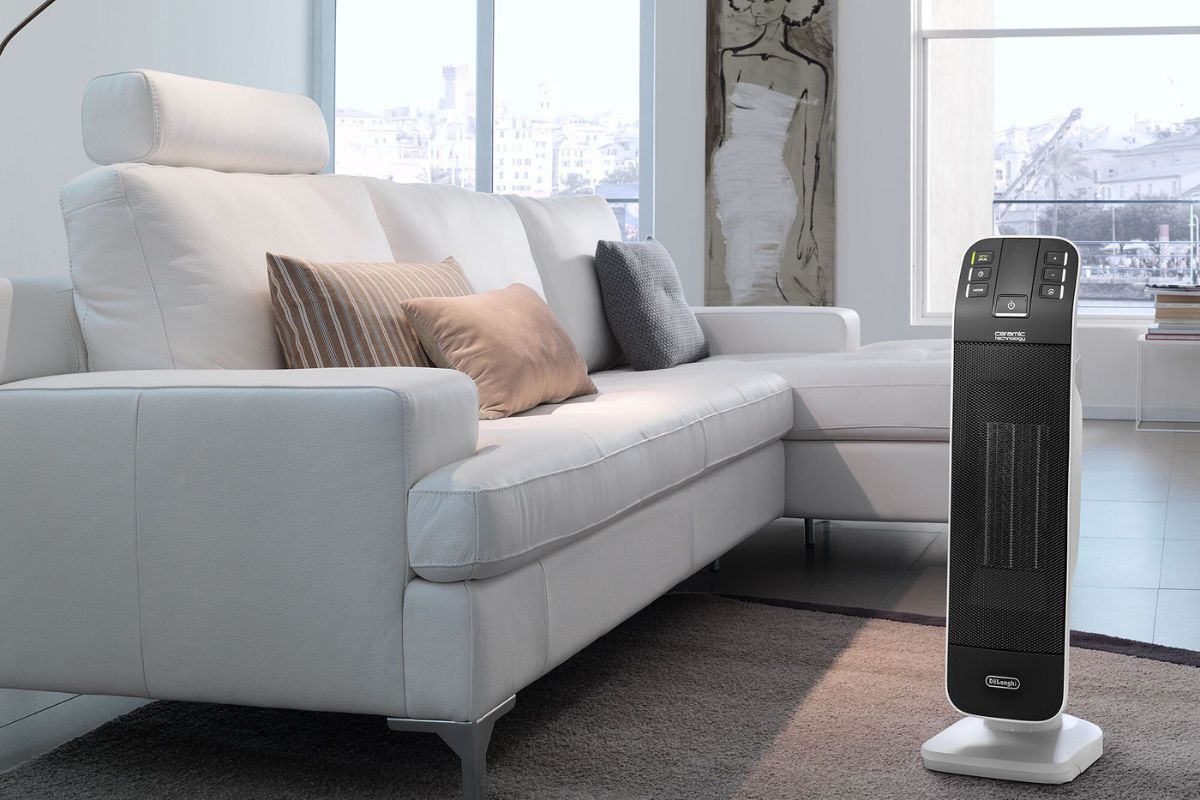
Rising energy costs and greater attention to sustainability have changed the way people heat their homes.
The new generation electric heaters are establishing themselves as versatile solutions for heating small and medium-sized rooms, offering efficiency, safety and precise temperature control.
Support for traditional systems
Many users today choose to use the heater as an integration to centralized systems : turning it on in a targeted room (study, bathroom, bedroom) allows to limit the use of the main heating , reducing overall consumption.
The result is localized and personalized comfort, with more predictable usage costs.
Average consumption: how much does it really affect the bill
The consumption of a space heater depends on three factors: power, usage time and electricity cost.
On average, a 1,500 W heater used for 3 hours a day consumes approximately 4.5 kWh , equivalent to 1.20 per day (considering 0.27/kWh).
However, low-power or Eco-function models operate between 600 and 1,000 W , reducing the daily cost to 0.300.70 .
These numbers explain why more and more people prefer a modern electronically controlled heater over older radiators or non-adjustable quartz heaters.
Power and heatable surface
As a rough guide, a good electric heater covers:
-
400800 W ? rooms up to 10 m²
-
1,2001,500 W ? rooms up to 20 m²
-
1,8002,000 W ? rooms up to 30 m²
Beyond this threshold, it is better to opt for a fixed or hybrid system.
Most home models allow you to set the power on two or three levels , so as to adapt the energy delivered to the actual conditions of the room.
Technology and security
Modern space heaters are not just more powerful: they are safer and smarter .
The best brands integrate:
-
Tilt and overheat sensors
-
Timer and automatic switch-off
-
Digital displays and precision thermostats
-
Eco Mode and Smart Standby
Some premium models, such as those from De’Longhi or Xiaomi , offer remote control via app and real-time consumption monitoring.
Others, such as Imetec or Olimpia Splendid , work on silence and quality of the air flow , ideal for night-time use or in work environments.
Average prices in 2025
On the Italian market, the prices of electric heaters vary according to the technology:
-
Basic models (quartz, 400800 W) ? from 25 to 50
-
Ceramic models or fan heaters ? from 60 to 120
-
Oil heaters or smart Wi-Fi ? from 100 to 250
Power is not always synonymous with quality: price differences often depend on thermal stability, durability and precision of the thermostat , rather than on nominal watts.
The best brands of electric heaters 2025
In 2025, the electric space heater market has reached a balance between efficiency, design and technology.
Alongside historic Italian brands – such as De’Longhi, Imetec, Olimpia Splendid and Argo – European and international producers are establishing themselves who focus on advanced materials, smart functions and digital control of consumption. Here are the most reliable and appreciated companies in Italy today.
1. De’Longhi Reliability and Italian engineering
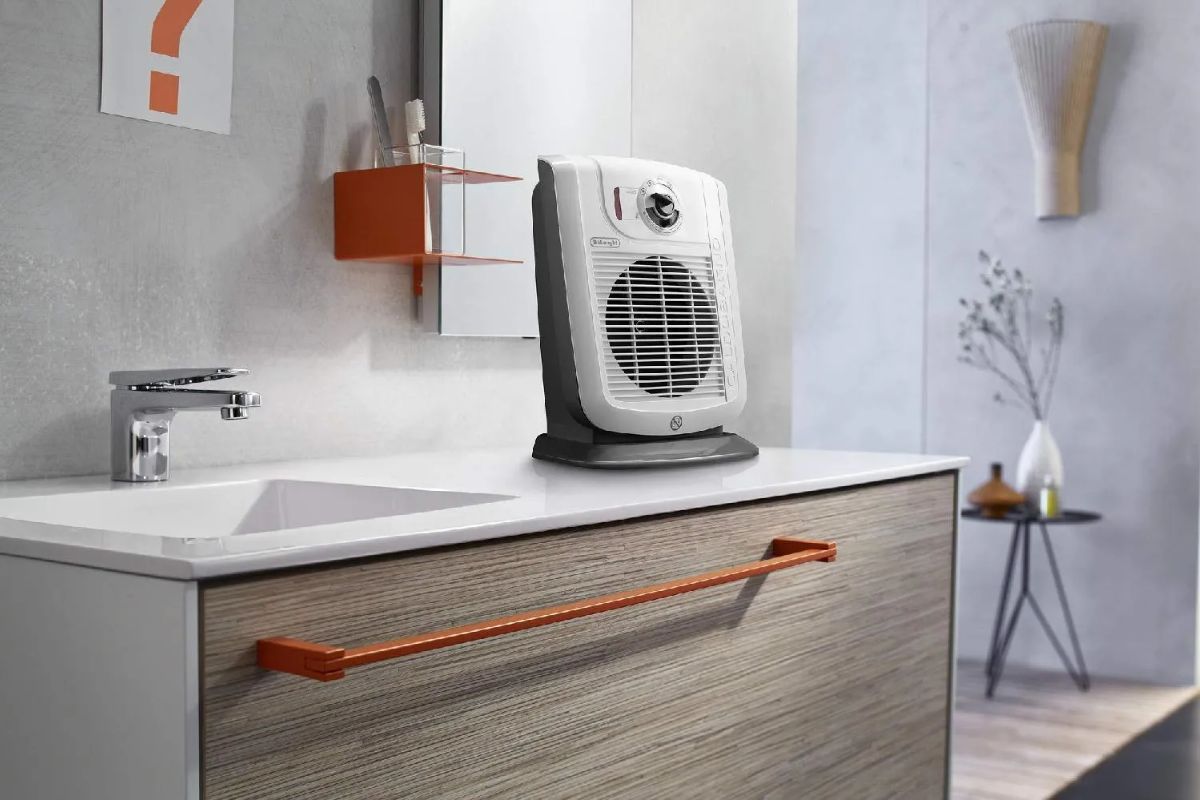
Origin: Treviso, Italy
Technology: Ceramic fan heaters and oil radiators
Average power: 1,2002,000 W
Price range: 70200
Average consumption: 0.300.70/h in Eco mode
Why choose it: Brand synonymous with reliability and safety, with features such as EcoPlus and digital thermostats that optimize consumption.
What users say: Extremely silent and solid construction; Radiant models retain theheat for longer, even after switching off.
2. Imetec Silent efficiency
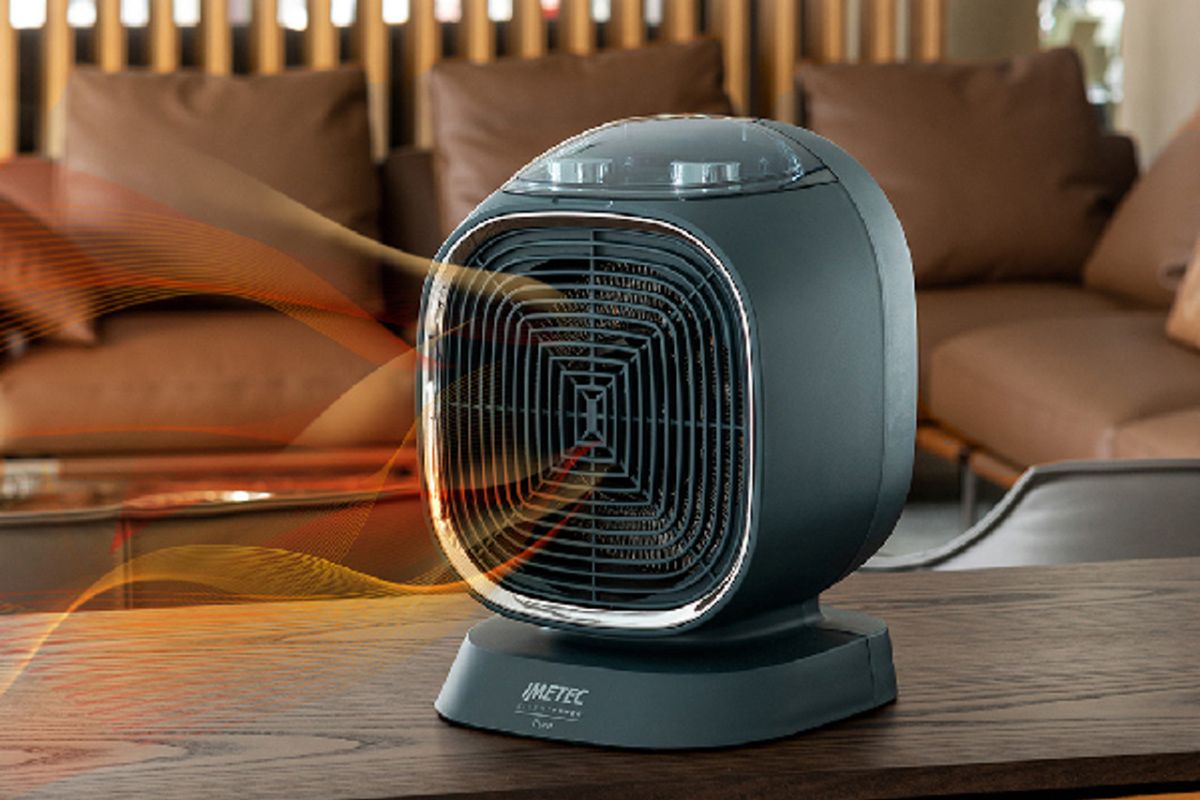
Origin: Bergamo, Italy
Technology: Low consumption fan heaters and stoves
Average power: 1,0001,800 W
Range of price: 60120
Average consumption: 0.250.50 /h
Why choose it: Models like Silent Power Eco are among the quietest in the category (<40 dB). Excellent air flow management.
What users say: Appreciated for its durability and acoustic comfort, ideal for night use or work environments.
3. Olimpia Splendid Compact design and Eco technology
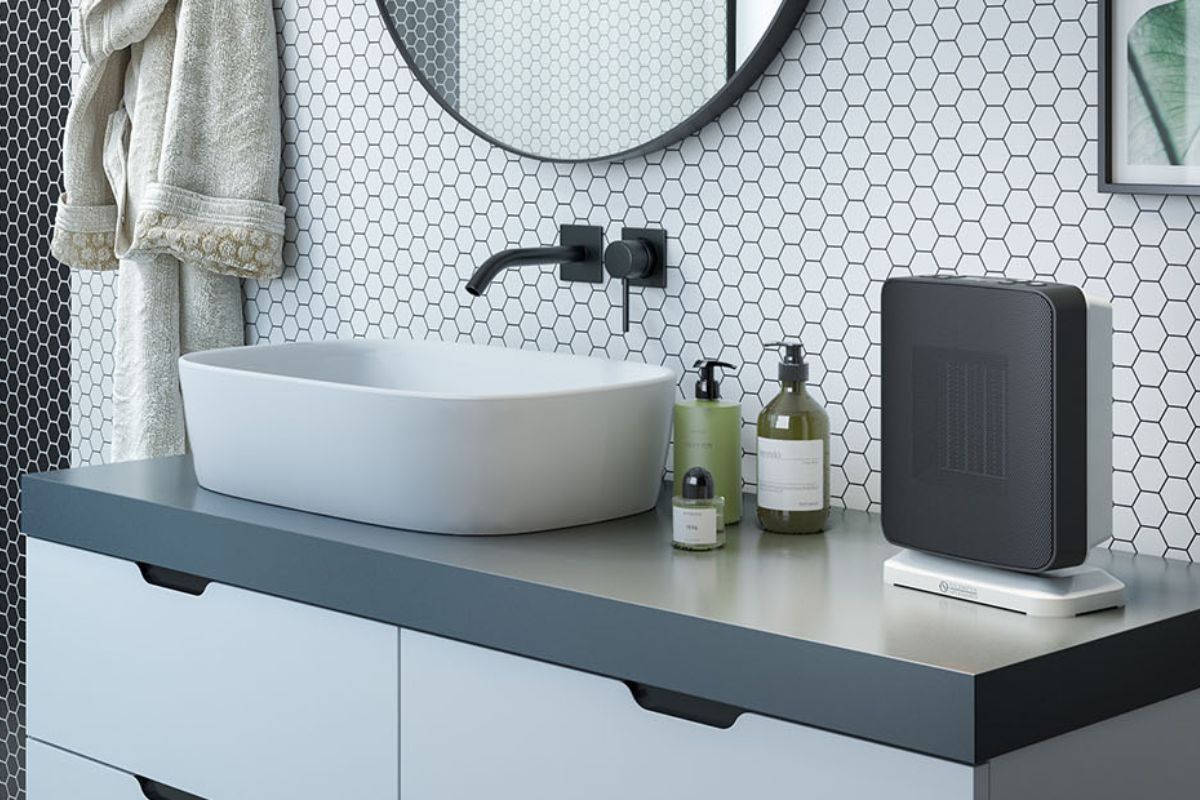
Origin: Cellatica (BS), Italy
Technology: Ceramic stoves and radial fans
Average power: 8002,000 W
price: 50130
Average consumption: 0.350.60 /h
Why choose it: It combines efficiency and made in Italy design. Models like Calyspo or Solaria Evo have anti-frost functions and intelligent temperature regulation.
What users say: Excellent relationship between dimensions, heat emitted and consumption. Good aesthetics, ideal for small spaces.
4. Argo Tradition and sustainability
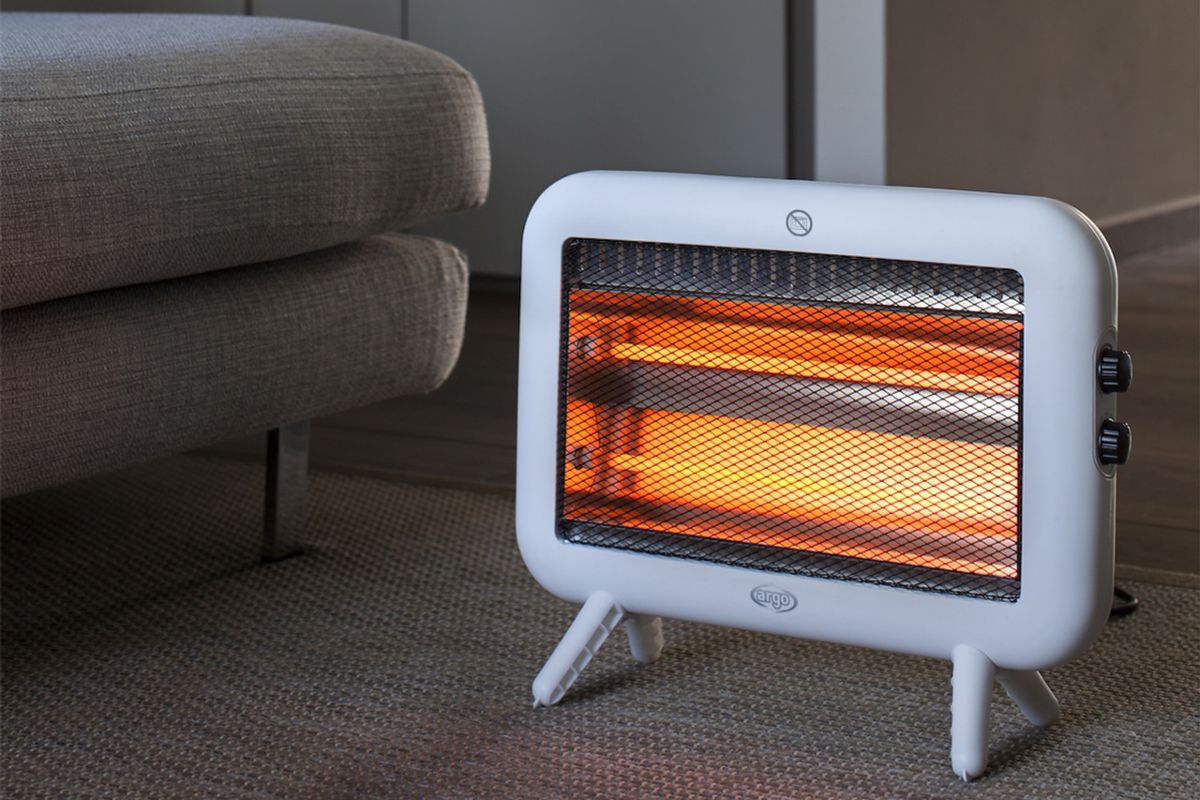
Origin: Gallarate (VA), Italy
Technology: Ceramic heaters and fan heaters
Average power: 1,2002,000 W
Price range: 50110
Average consumption: 0.350.65/h
Why choose it: Historic Italian brand in home comfort. Eco functions, IP21 protection for bathroom use, simple design.
What users say: Highly rated safety modes and thermal stability; some models are louder at high settings.
5. Ardes Practicality and competitive price
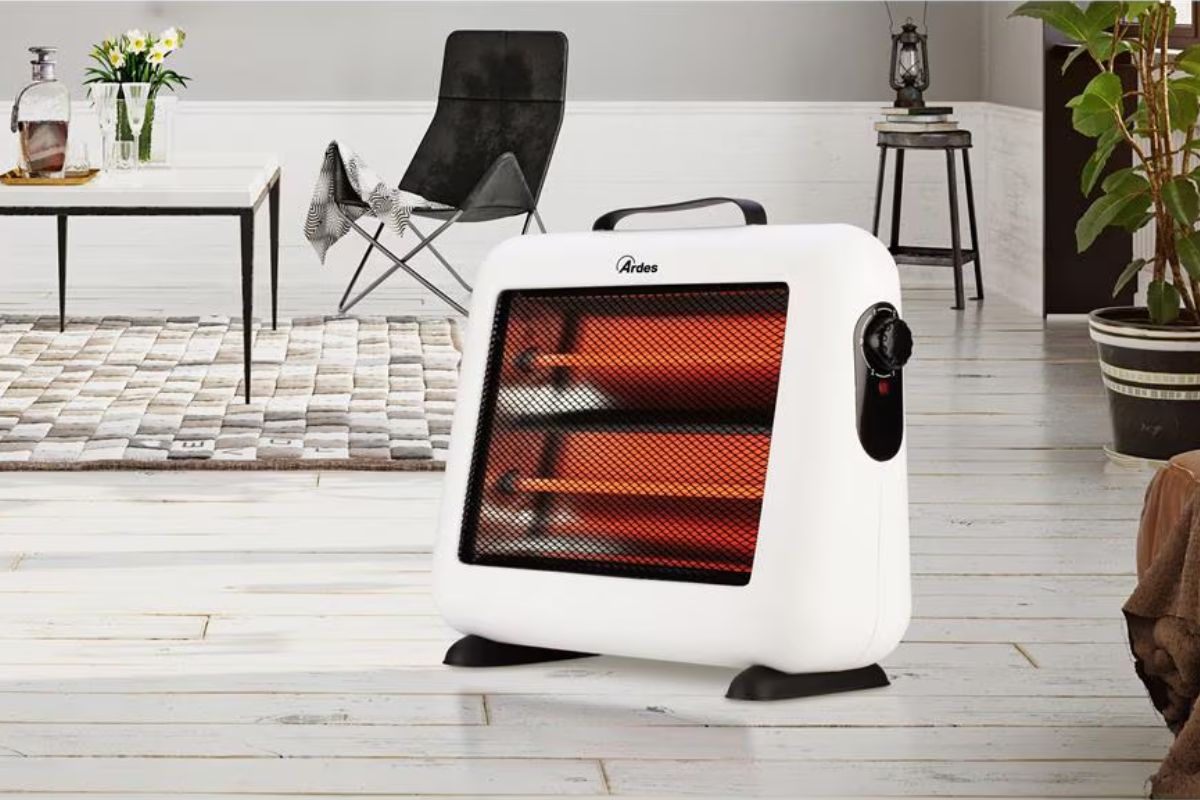
Origin: Milan, Italy
Technology: Quartz stoves and fan heaters
Average power: 8001,500 W
Price range: 3080
Average consumption: 0.200.40/h
Why choose it: Excellent entry point into the economical segment. Simple, immediate and reliable.
What users say: Quick heating, but less suitable for large rooms. Perfect for bathrooms or small studios.
6. Beper Small appliances, great practicality
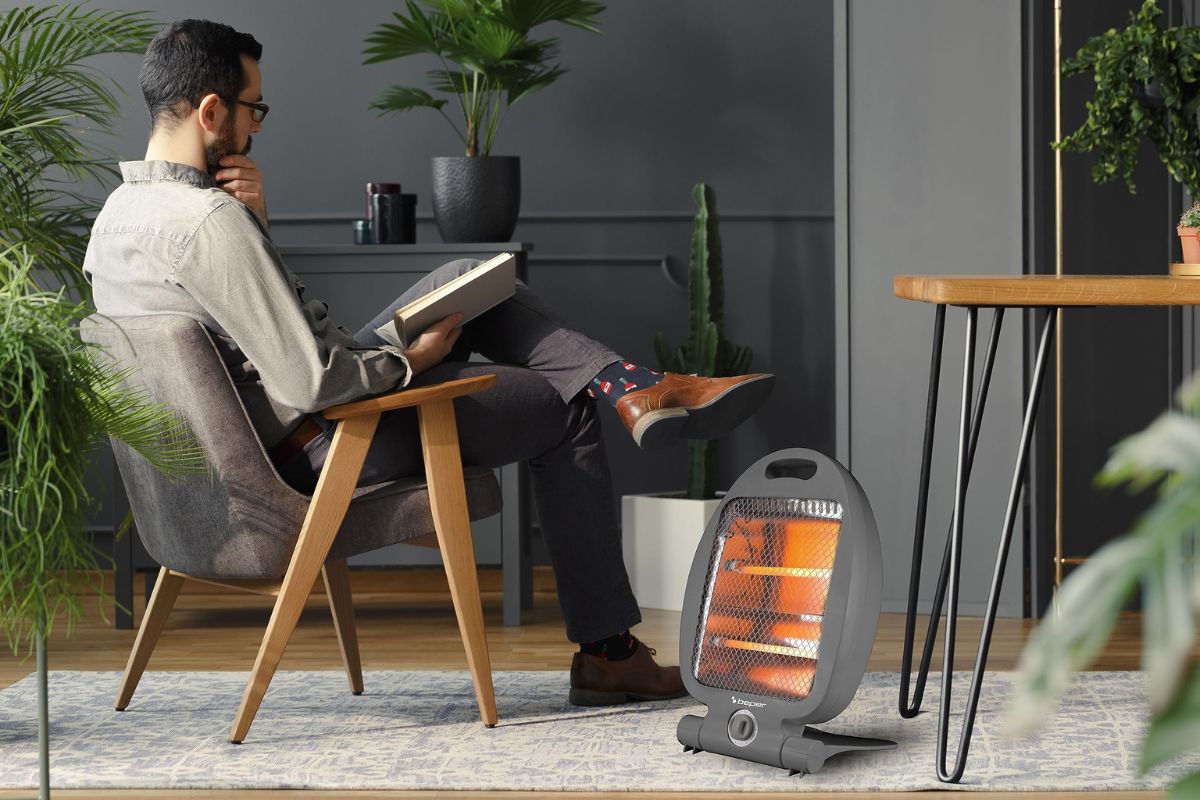
Origin: Verona, Italy
Technology: Electric ceramic heaters and portable fan heaters
Average power: 1,0002,000 W
Range price: 3580
Average consumption: 0.300.60/h
Why choose it: Beper is a butItalian brand specialized in small domestic appliances. Its heaters stand out for compact design , anti-overheating protection and Eco function , perfect for bedrooms, bathrooms or small offices.
What users say: Much appreciated for the immediacy of the heat and the ease of transport ; some report that the fan is audible in the cheaper models, but the quality/price ratio remains among the best in the entry-level segment.
7. DCG Functional simplicity
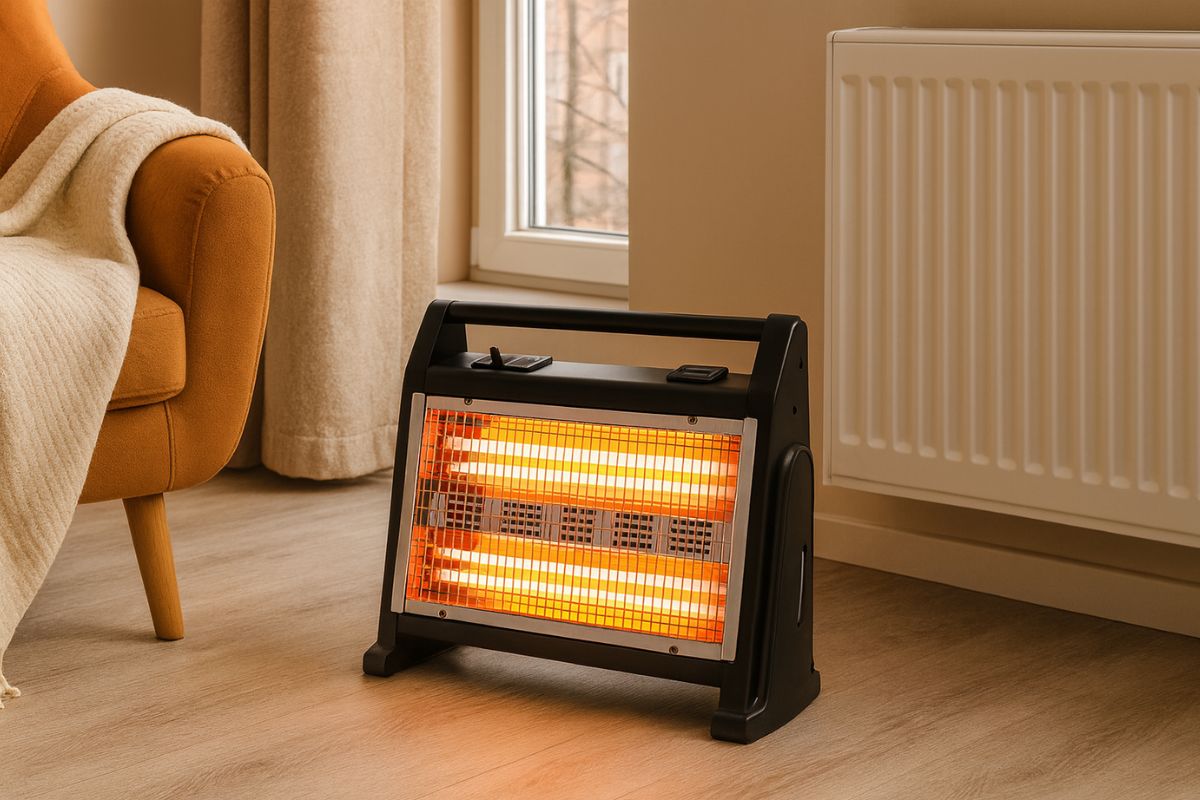
Origin: Brugherio (MB)
Technology: Carbon and ceramic electric stoves
Average power: 8001,800 W
Price range: 40100
Average consumption: 0.300.50/h
Why choose it: Wide range of models, reliable and durable. Easy to find and with good safety certifications.
What users say: Excellent quality/price ratio; the design remains basic.
8. Macom Small spaces, great yield
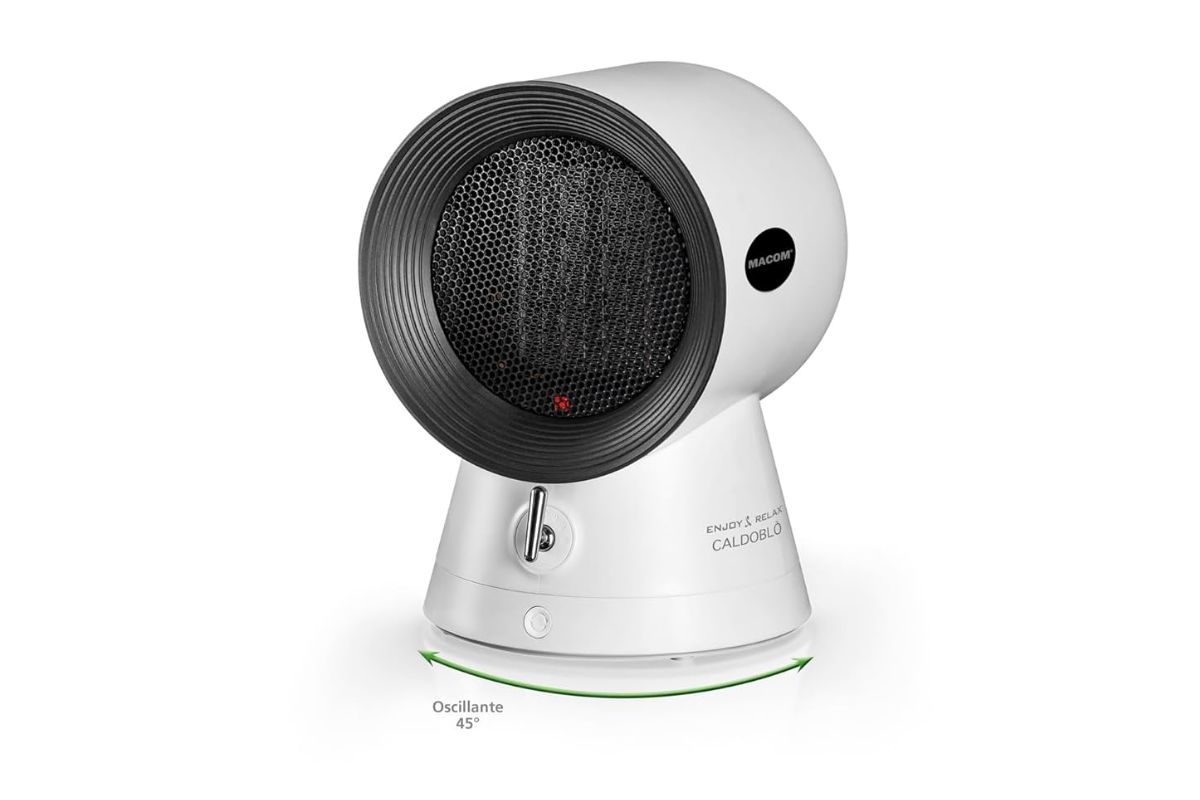
Origin: Milan, Italy
Technology: Convection stoves and mini fan heaters
Average power: 5001,200 W
Price range: 4090
Average consumption: 0.200.35/h
Why choose it: Designed for those who want immediate heat in confined spaces.
What users say: Positive reviews on the compactness and ease of movement.
9. Zephir Essentiality and convenience
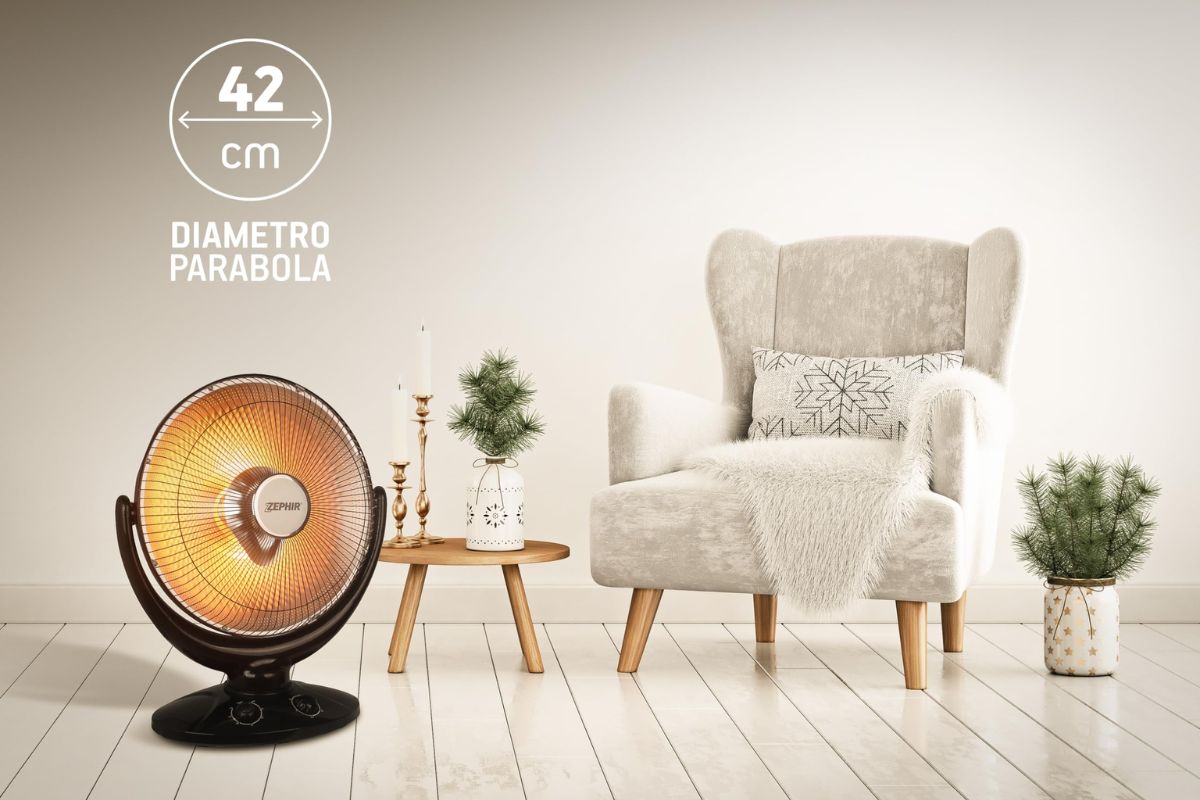
Origin: Italy
Technology: Quartz stoves
Average power: 6001,200 W
Price range: 2050
Average consumption: 0.150.30/h
Why choose it: Practical and lightweight models, perfect for temporary or occasional use.
What users say: Good immediate heat, but little thermal autonomy: they cool down quickly.
10. Rowenta European technology and precision
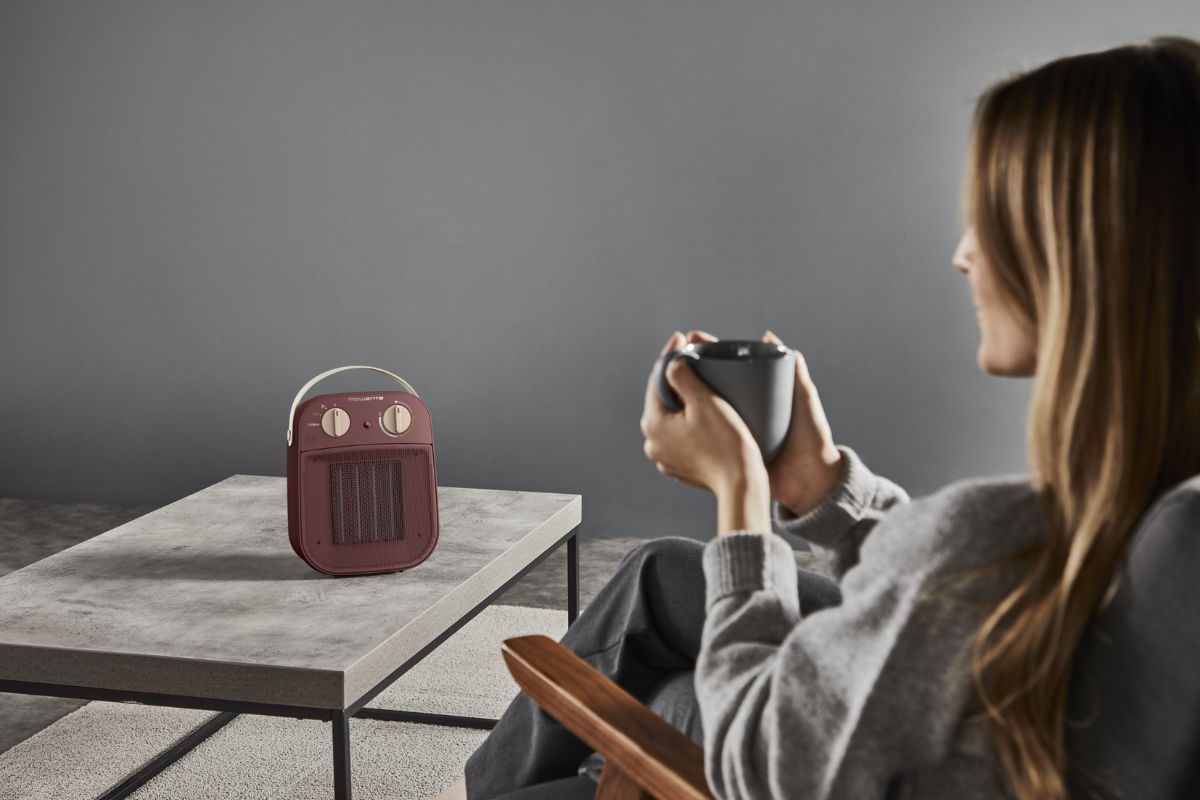
Origin: Germany / France
Technology: Ceramic fan heaters
Average power: 1,2002,000 W
Price range: 70130
Average consumption: 0.350.60 /h
Why choose it: Models like Instant Comfort offer electronic regulation and dual power levels.
What users say: Reliable and durable; only limit: the slightly larger than average size.
11. Klarstein German design and savings
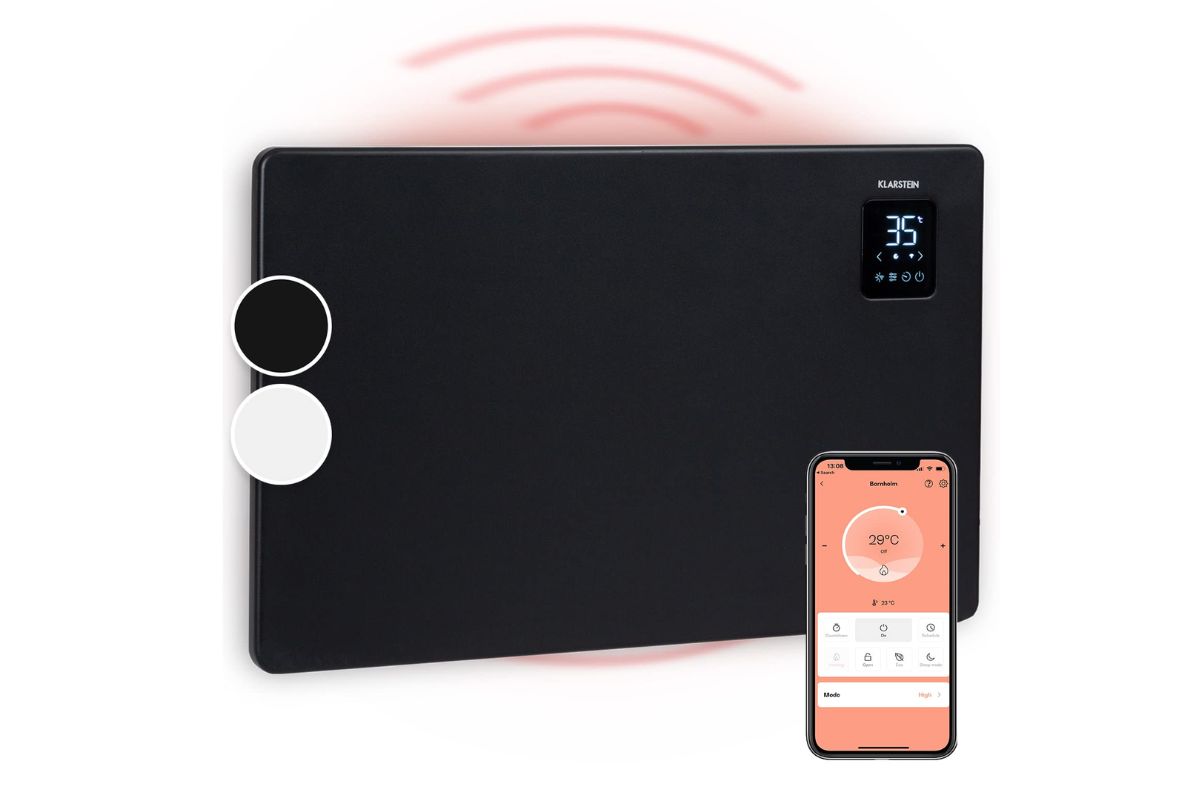
Origin: Germany
Technology: Radiant panels and digital fan heaters
Average power: 1,0002,200 W
Price rangeezzo: 80180
Average consumption: 0.300.70 /h
Why choose it: Excellent mix of design, power and smart functionality.
What users say: High satisfaction with perceived quality and ease of use. Appreciated the modern design.
12. Stadler Form Elegance and silent comfort
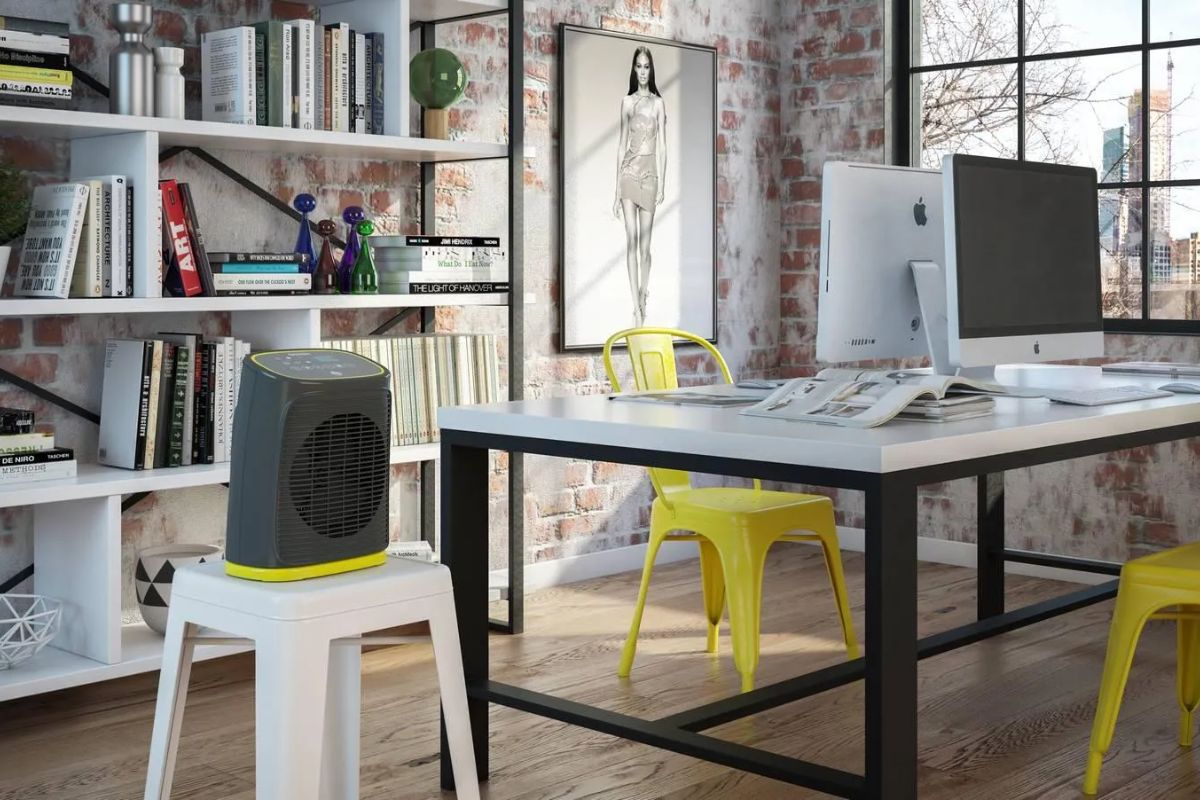
Origin: Switzerland
Technology: Premium ceramic stoves
Average power: 8002,000 W
Price range: 130250
Average consumption: 0.400.70 /h
Why choose it: Iconic design and high-quality components. Ideal for modern environments and living spaces.
What users say: Silent and impeccable construction; higher price, but consistent with the quality.
13. Xiaomi Smart heating and remote control
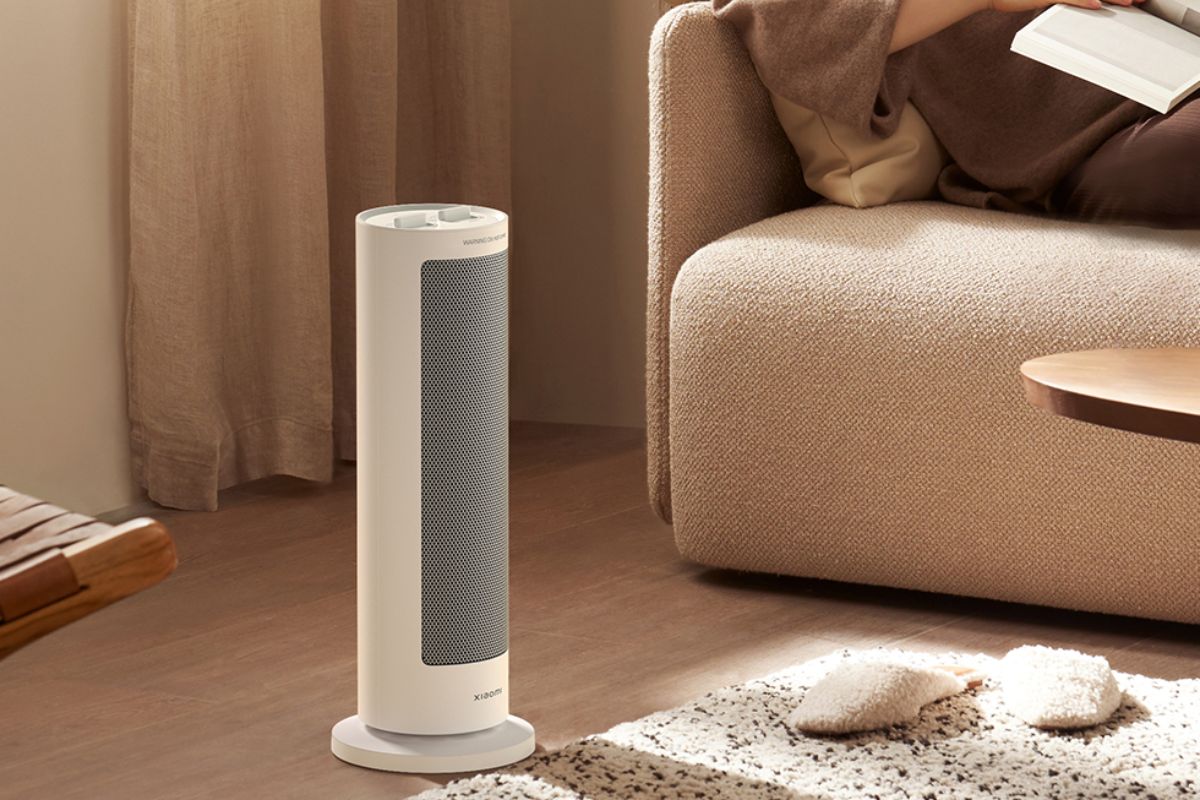
Origin: China
Technology: Wi-Fi stoves and smart radiant panels
Average power: 1,2002,000 W
Price range: 80150
Average consumption: 0.350.60 /h
Why choose it: Management via app Mi Home , voice control, minimal design.
What users say: Very easy to use and integrate into the smart home; only the physical thermostatic wheel is missing.
14. Cecotec Accessible innovation
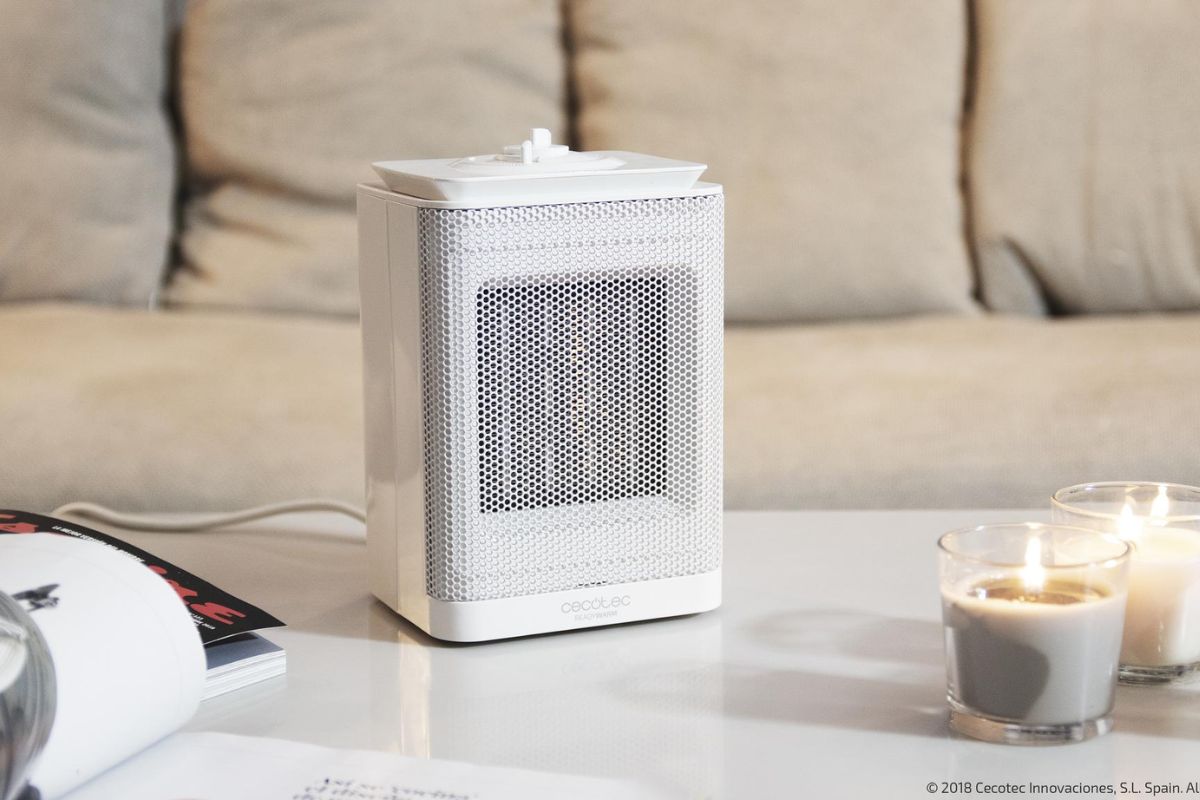
Origin: Spain
Technology: EcoHeat ceramic heaters and fans
Average power: 1,5002,000 W
Price range: 50100
Average consumption: 0.300.55 /h
Why choose it: Excellent quality/price ratio, good heat output and compact design.
What users say: Effective and stable; some limitations in heat distribution in entry-level models.
How to choose the right heater for your home
Choosing an electric heater today means finding the right balance between power, consumption and intended use .
There is no absolute best model, but there is the one best suited to your environment , the frequency of use and the type of comfort you want.
1. By room
Bedroom ? silent oil or ceramic heater (6001,200 W)
Perfect for maintaining a constant temperature without noise.
Oil models release heat gradually, even after turning off, and do not dry the air.
? Ideal: De’Longhi Radia S, Imetec Silent Power.
Bathroom ? fan heater with IP21 protection (1,2002,000 W)
Rapid and temporary heating, with maximum safety against humidity.
? Ideals: Argo Chic Silver, Olimpia Splendid Calypso.
Study or home office ? adjustable ceramic heater (8001,500 W)
Allows you to maintain comfortort localized, avoiding heating the entire house.
? Ideal: Klarstein Bornholm Curved, Cecotec ReadyWarm 5250.
Living room or open space ? radiant panel or tower stove (1,8002,200 W)
Greater power and thermal stability, with digital thermostat and timer.
? Ideal: Stadler Form Anna Big, Xiaomi Smart Heater S.