Founded in Rimini in 1918, APIR takes its name from the initials of its founder, Pietro Angelini. In over a century of history, it has spanned four generations of the same family, transforming from a small engraving workshop into a company capable of exporting worldwide. From the first handcrafted plaques to hotel products developed in …
Founded in Rimini in 1918, APIR takes its name from the initials of its founder, Pietro Angelini. In over a century of history, it has spanned four generations of the same family, transforming from a small engraving workshop into a company capable of exporting worldwide.
From the first handcrafted plaques to hotel products developed in the post-war period, through to international growth and consolidation in the high-end hôtellerie sector, APIR has built its identity around quality, artisanal craftsmanship, innovation, and personalized design.
In this interview, Pietro Angelini, the company’s CEO, retraces the fundamental stages of this evolution and explains how APIR continues today to interpret detail as an essential part of the project, encompassing signage, wayfinding, electrical plates, and bespoke solutions for contemporary hospitality.
APIR was founded in 1918 as an engraving workshop and is now in its fourth generation. What were the key steps that transformed an artisanal reality into an international company chosen by hotel chains and high-end projects?
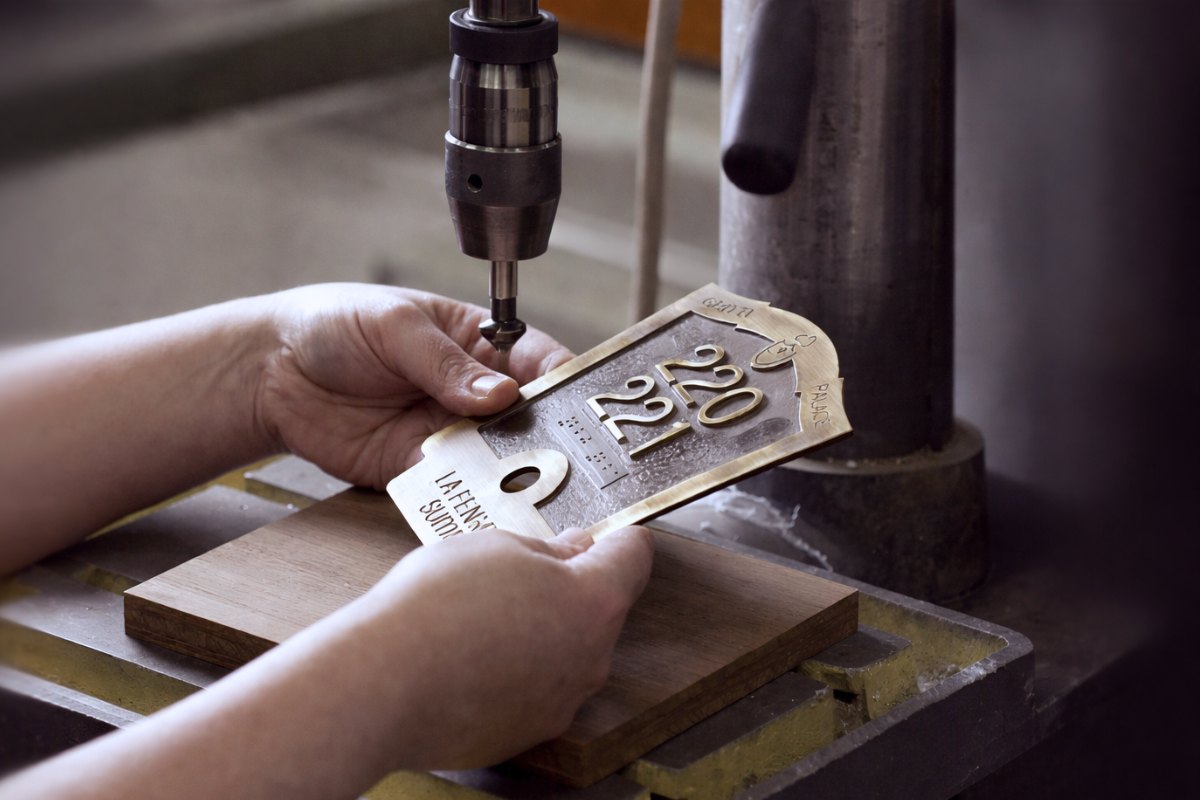
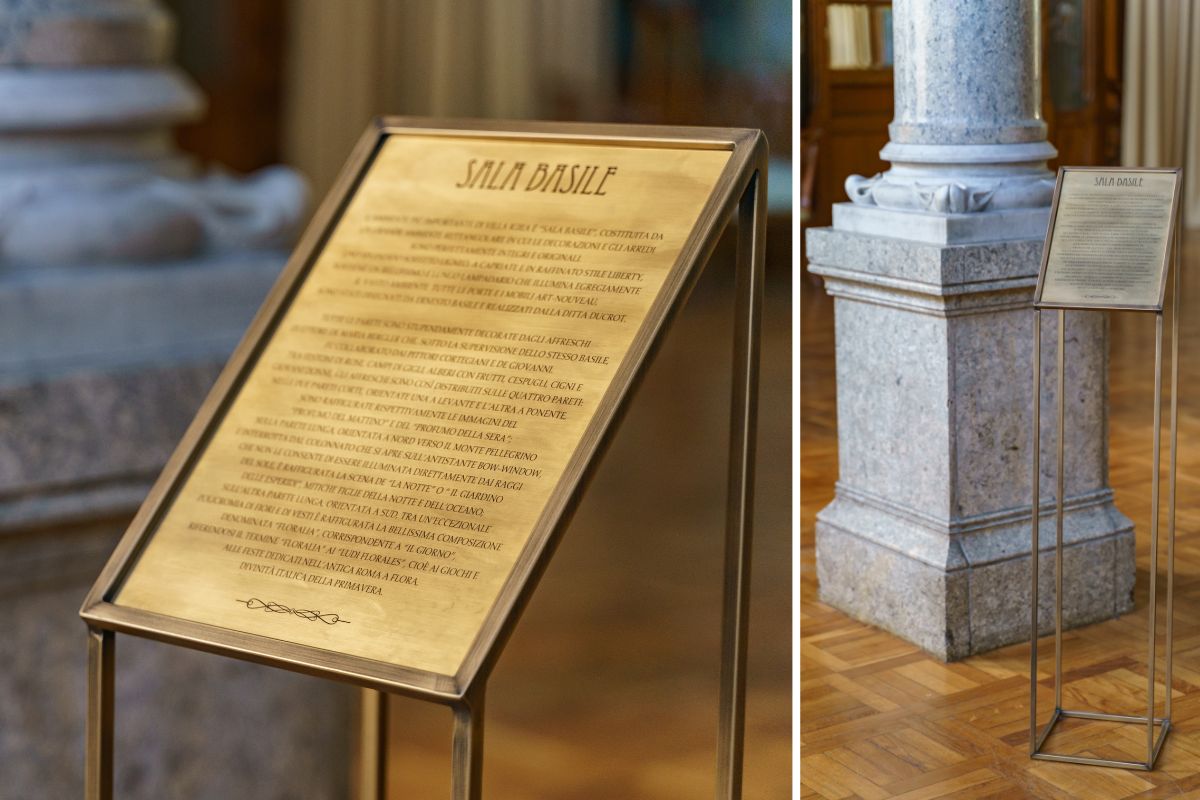
APIR was founded in 1918 as an artisanal engraving workshop, and in these 108 years, growth has been constant. The first decisive step in the company’s growth occurred in the post-war period, when the strong tourism development in our area of the Romagna Riviera and the increase in hotels prompted us to design and produce signage and accessories specifically for the hotel sector.
Since the 1960s, we have progressively expanded our offering to the entire world of hospitality. To respond adequately to growing demand, the production structure also changed in parallel: from the original shop, we moved to the first industrial warehouse, which was later expanded in the early 2000s to support growth.
Another important turning point came with the introduction of CNC machine tools, which allowed us to make a leap in quality and production capacity. Constant investments in machinery and technology have therefore accompanied the evolution from an artisanal workshop to a structured company capable of working on international projects.
Pietro Angelini, today you lead APIR as CEO: what have you carried with you from the family history and what, instead, did you have to relearn from scratch? Is there a principle, a phrase, or a rule that you still use as a compass when you have to make a decision?
I certainly carry with me a great respect for the company’s history and for the work of the generations that preceded me. Growing up in the family, I have also always felt a strong sense of responsibility toward the business and its healthy growth.
At the same time, I had to learn some things almost from scratch, especially in change management, building a strategic vision, and reading the market. At a certain point, it became fundamental to understand which segment was most consistent with our history and our skills: that of high-end hôtellerie.
From there, the decision matured to focus more and more on high-end products, because it is the market that best values the quality, design, and attention to detail that are part of APIR’s DNA.
The compass I try to follow in decisions is precisely this: to grow and innovate, while remaining consistent with our identity and the values on which the company was built and on which it has evolved over all these years.
Your roots are in the mark: engraving, precision, material. How do you preserve this artisanal heritage and how do you reinterpret it in a contemporary key through design, technology, and personalization?
We keep our artisanal tradition in engraving alive, translating it today into a contemporary key through sophisticated design, precious and finely worked materials, high quality, and great attention to detail. Technology also allows us to customize every product, combining tradition and innovation to meet the needs of modern and sophisticated projects.
Today APIR works on an ecosystem of details: signage, plates, wayfinding, accessories. How do you maintain consistency of language across different categories, avoiding the “supply” effect and instead achieving a unified project?
To ensure consistency between different categories, we adopt a “Total Look” approach, taking care of every finishing detail according to a unique stylistic key. In this way, from signage to furnishing accessories and electrical plates, every element speaks the same language, avoiding the “supply” effect and creating a unified and harmonious project, almost always with strong elements of personalization based on client requests.
The electrical plate has become an identity element. Which choices truly matter today for architects and interior designers (finishes, compatibility, thicknesses, dimensional customization, integration with special controls)? Where do you see the most evolved demand?
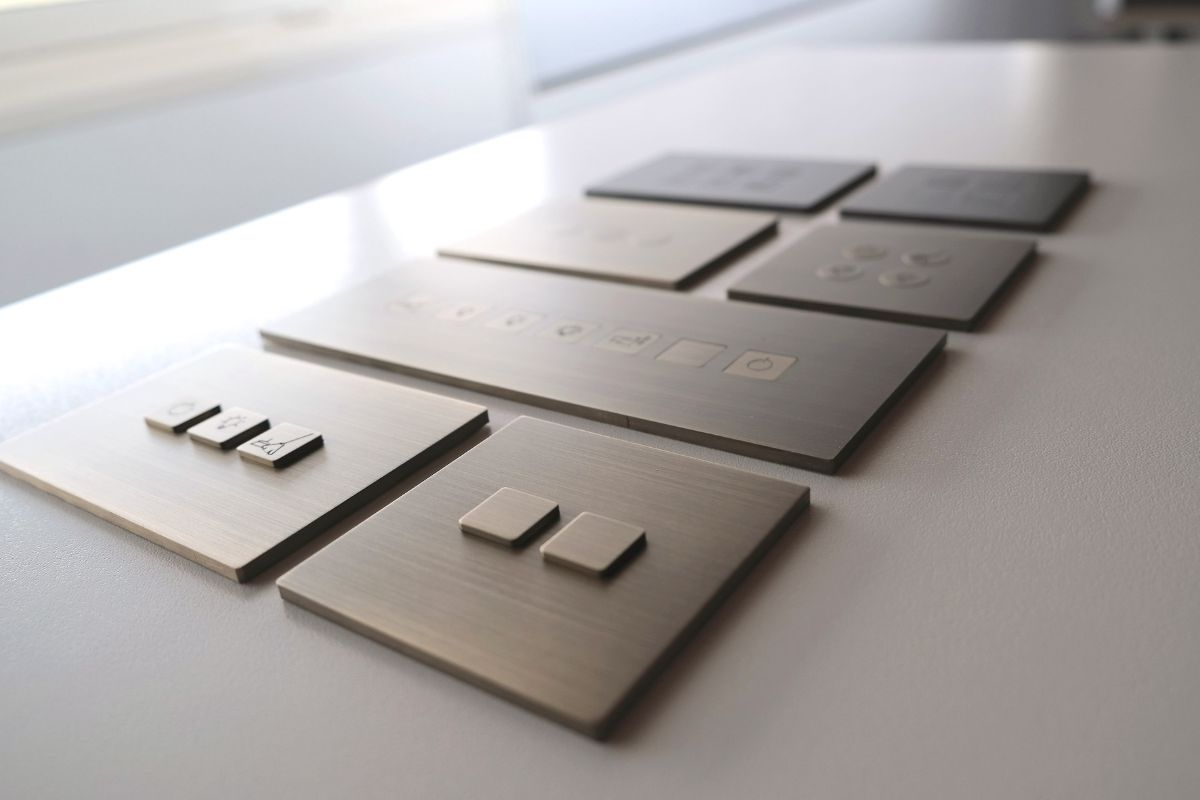
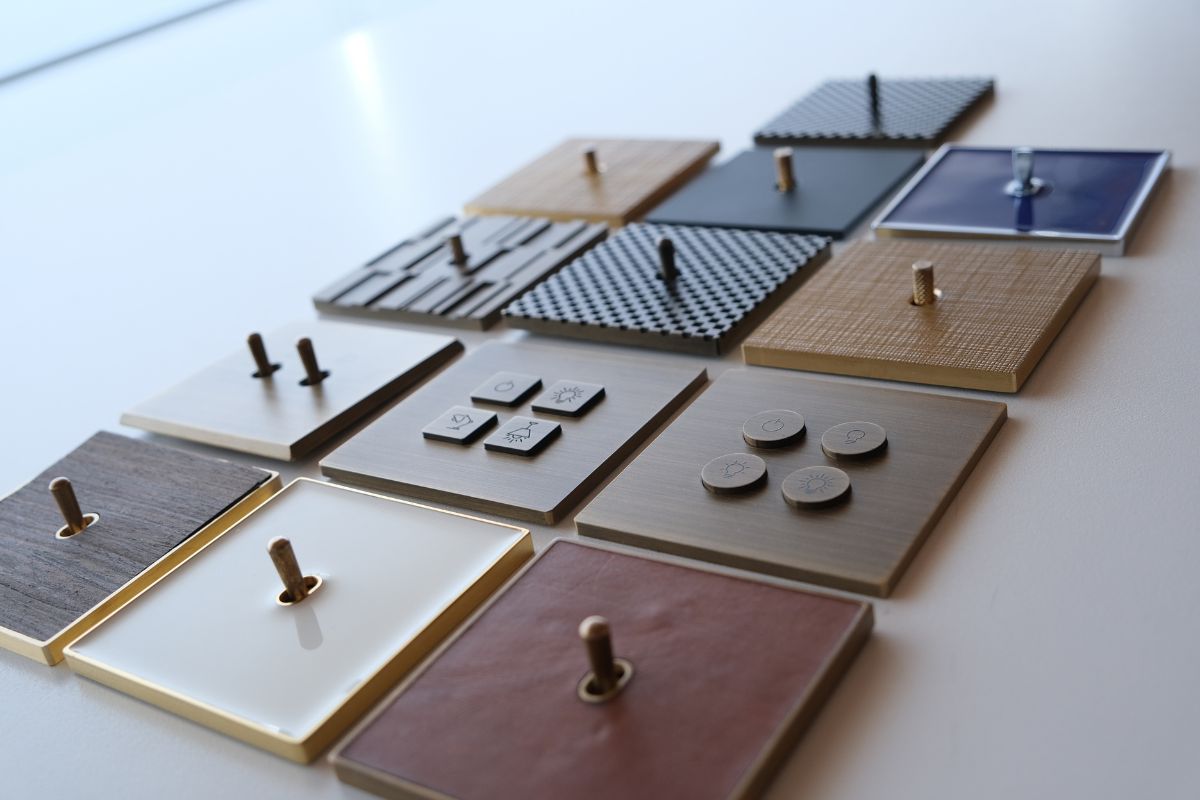
Today, the electrical plate is much more than a simple functional element: it is a true style element, especially when it comes to exclusive contexts.
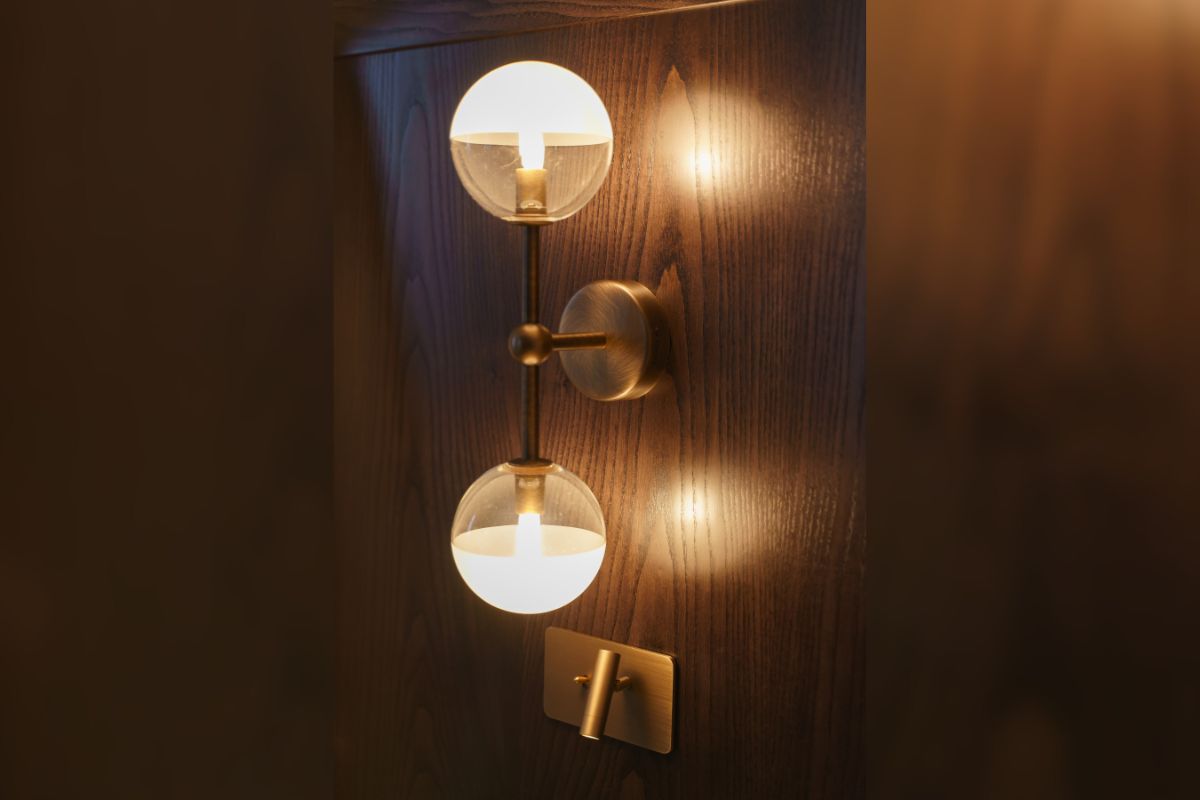
The choice to create electrical plates in brass represents a true plus for Apir, a break from market standards, and gives the object a strong preciousness, as well as a tactile material effect.
When we present our collections to architectural firms and interior designers, the response is always very positive: the most evolved demand concerns the possibility of freely choosing aesthetics, finishes, and dimensions, also integrating special controls. Where possible, we manage to fully satisfy these requests, transforming the plate into a true distinctive element of the project.
Wayfinding: when orientation becomes an experience. What is the most frequent error in projects when signage arrives “at the end,” and what changes when it comes into play as early as the concept phase?
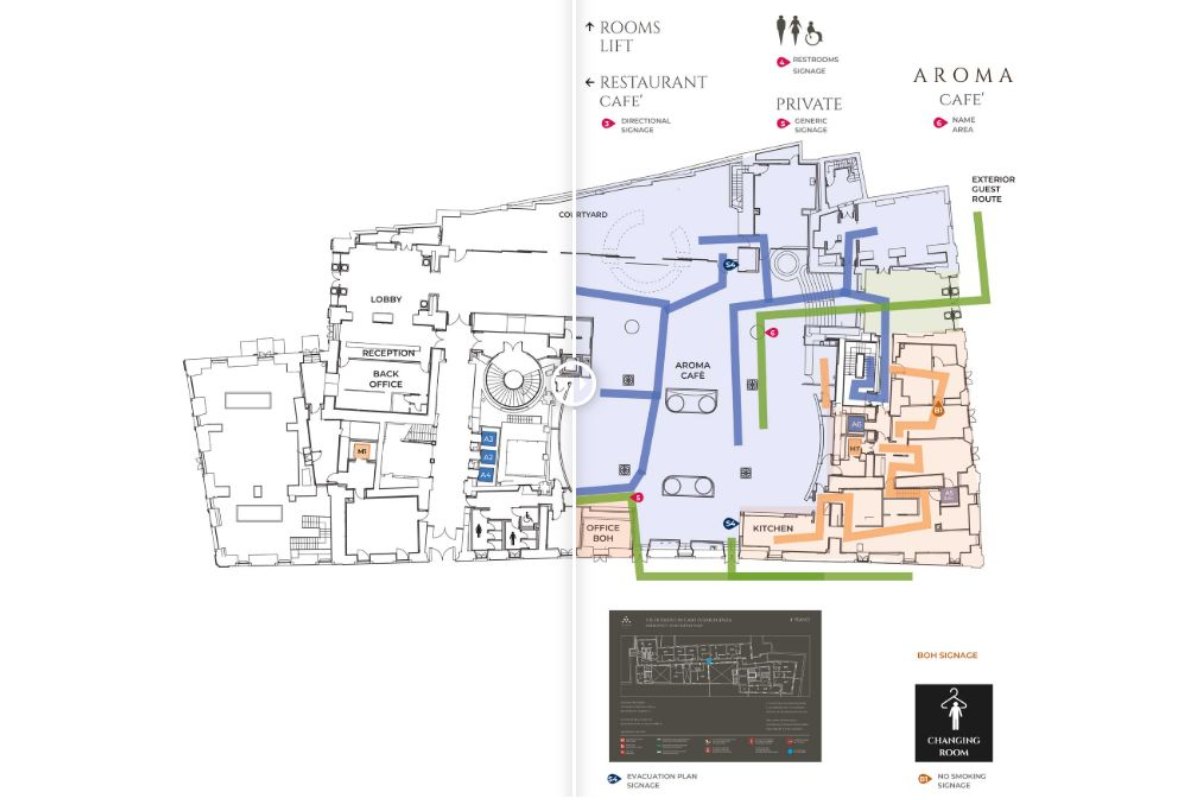
The most frequent error is considering signage only at the end of the project, with the risk that it becomes an added and disconnected element relative to the context.
Instead, if wayfinding is included as early as the concept phase, two aspects change substantially: first, the number of elements to be included can be significantly reduced without compromising the ease of orientation within the structure, also benefiting the stylistic cleanliness of the environments; secondly, our collaborators are able to study the signage so that it integrates perfectly with the style of the structure, becoming an integral part of the experience and the design language.
International standards, brand books, maintenance: the project must last. How do you design a detail that is simultaneously “on-brand,” robust, and manageable over time (spare parts, consistency across multiple locations, rapid replacements)?
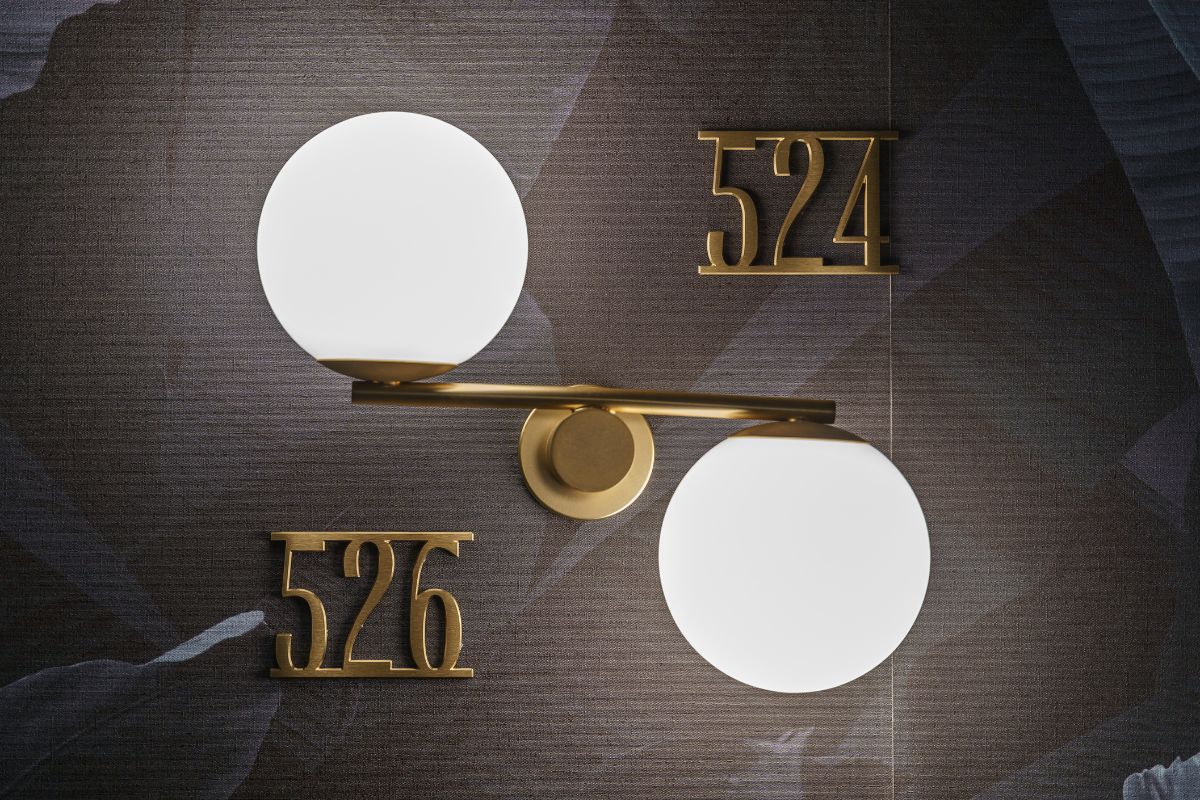
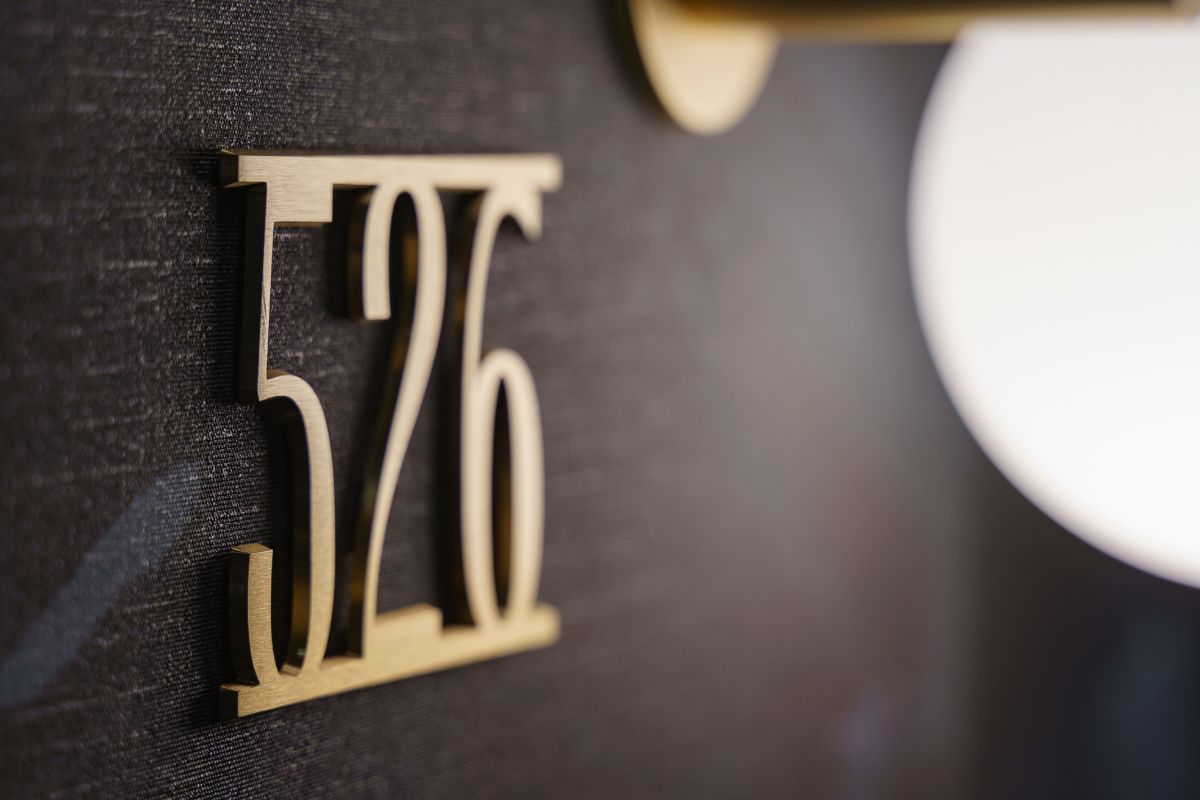
Our solutions are designed to require little maintenance, thanks to construction choices and materials selected based on the intended use, whether for interiors or exteriors. In this way, we guarantee aesthetic consistency across multiple locations and simple management over time, without compromising design and functionality, but above all to create solutions designed to last.
You work with some of the most demanding realities in international hôtellerie and with very high-end projects. To name a few: Cheval Blanc, Bvlgari Hotels, Four Seasons, Mandarin Oriental, St. Regis, and The Ritz-Carlton Yacht Collection.
What truly makes the difference for you when working with groups with such high standards—in terms of quality, timing, flexibility on bespoke requests, technical management, and continuity over time?
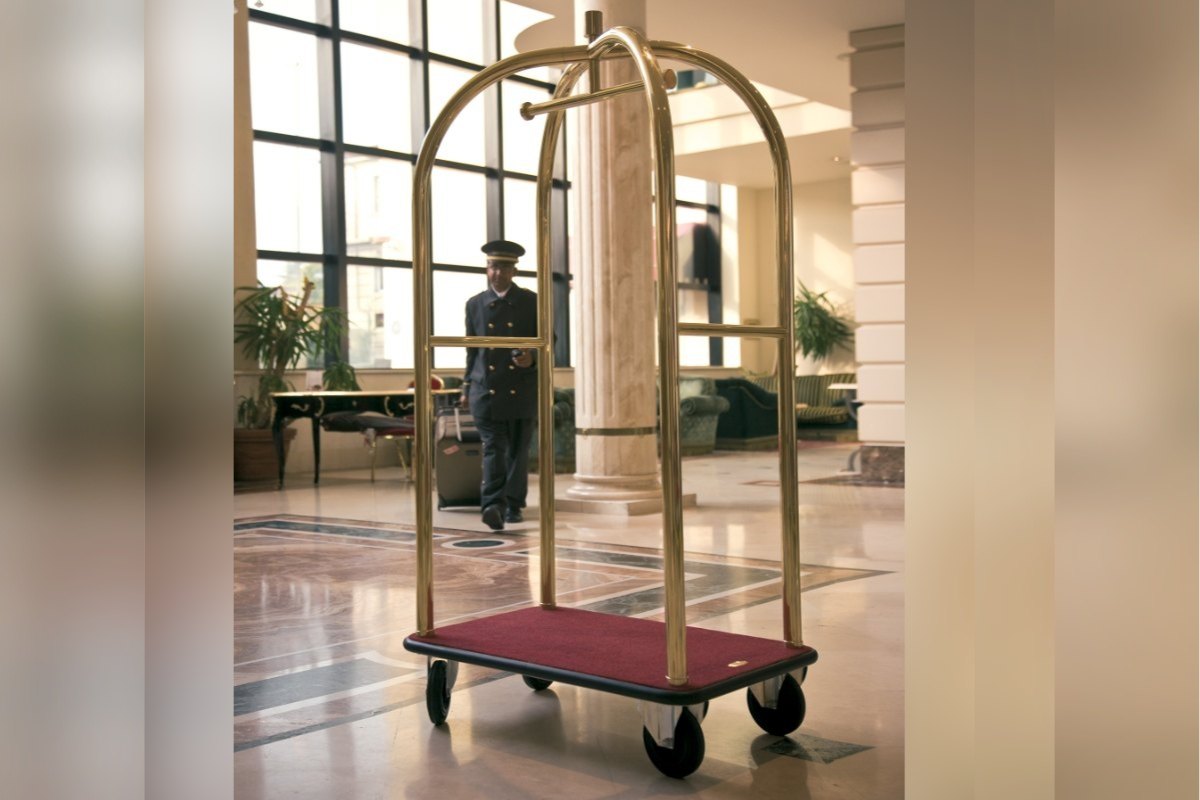
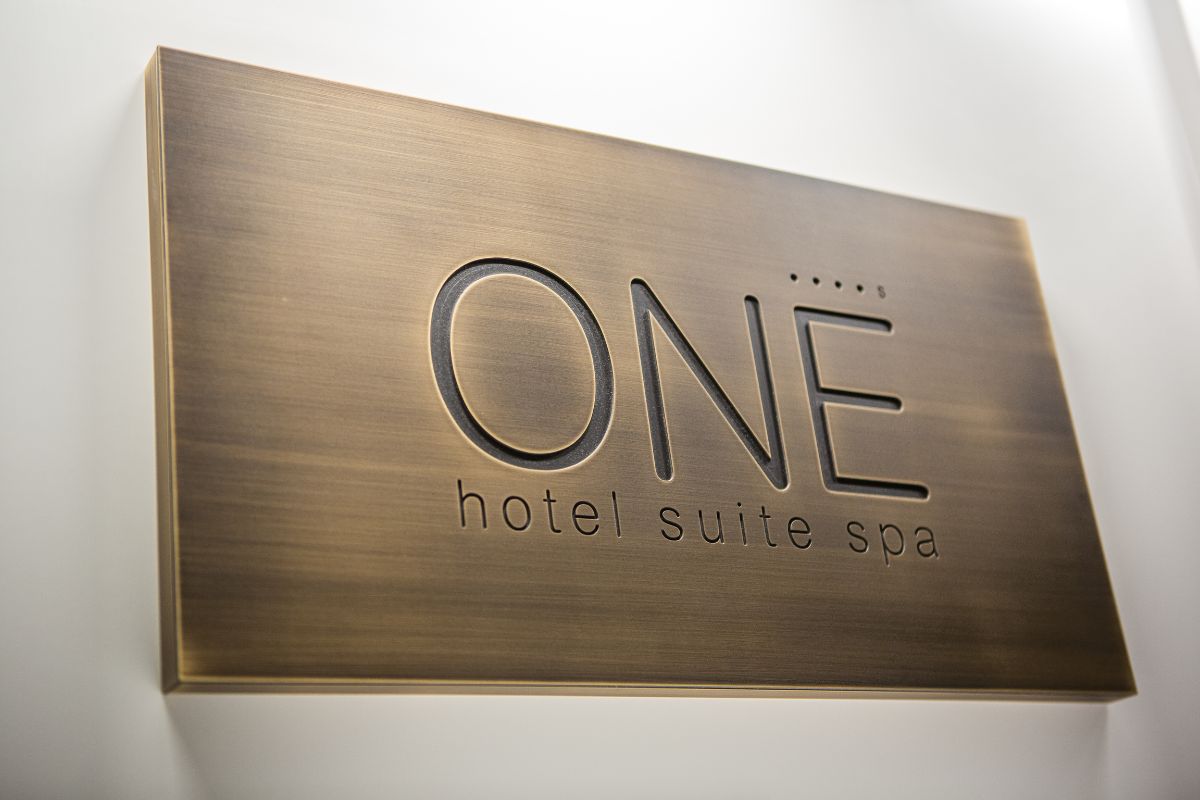
The difference is made first and foremost by service and the willingness to listen: understanding the specific needs of each project and knowing how to propose concrete solutions is fundamental. Alongside this, we focus on a Total Look approach, taking care of every detail so that every element integrates harmoniously into the overall project.
The quality of materials, precision in execution, and flexibility on bespoke requests allow us to guarantee high standards, ensuring continuity and consistency even across multiple locations and over time.
“100% in-house production” and “personalization”: strong words. What does “in-house” concretely mean for APIR? Which processes do you oversee directly and which skills make the difference in quality and timing?
For us, “100% in-house production” means that all stages of the process are carried out directly within the company. This gives us full control over quality and allows for virtually unlimited margins of personalization, adapting materials, finishes, and details to the needs of each project. The ability to manage every process internally—from engraving to material finishing—is what truly makes the difference in precision and aesthetic consistency.
Which objects or systems are becoming more strategic in hôtellerie (because they touch the guest experience) and how do you design them to be beautiful but also reliable?
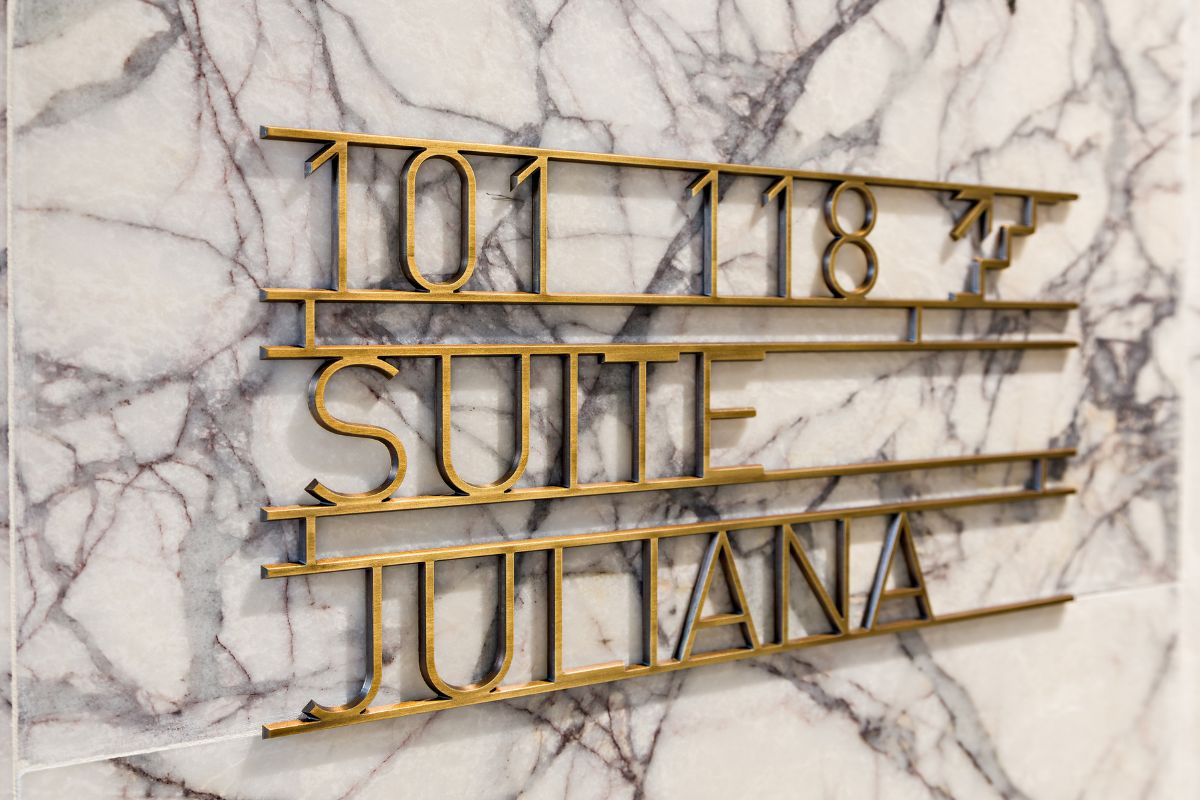
There are no strategic objects or systems in themselves, but they become so when they are included in a project designed to respond to the guests’ needs for using the environment.
In this context, wayfinding takes on a fundamental role. Our experience, spanning over 100 years in signage design, allows us to apply the same principles to plate projects: it is not simply about providing switches, but about thinking of the entire room layout in stylistic and functional terms, minimizing the number of elements and placing them in the most logical points. In this way, we guarantee a comfortable, intuitive, and positive experience for guests, without ever compromising aesthetics and quality.
Collaboration with firms and designers: what do you expect from a designer (and what do you offer) so that the relationship is not just supply, but a project partnership?
Every successful project is born first and foremost from careful listening to the needs and objectives that the designer wants to achieve, both on a stylistic and functional level. We stand by their side, providing 108 years of experience and offering the possibility to customize every detail based on their needs.
Thanks to our complete offering—which includes signage, electrical plates, and accessories, all coordinatable and customizable in finishes—we can guarantee stylistic consistency throughout the project, transforming the relationship from simple supply into a true partnership.
Are you developing “work tools” (technical libraries, sample kits, custom data sheets, graphic support for wayfinding, ready-to-use files, configurations, etc.)? Which ones are requested the most?
We are developing several tools to support designers and firms, but among the most requested remain color samples and product samples. Thanks to our 100% in-house production, we can create them quickly and to measure, adapting them to each client’s specifications. This allows designers to evaluate finishes, materials, and details in advance, making it easier to make consistent and precise decisions for every project.
Innovation and sustainability: where is your commitment truly measured in daily production (materials, finishes, durability, repairability, waste, supply chain, packaging)? And what do you think the sector will become more demanding about in the coming years?
Our commitment in terms of innovation and sustainability is measured above all in the choice of materials and their processing. We primarily work with brass, a highly recyclable, durable, and timeless material: it can be refinished multiple times with different styles, allowing for the renewal of an environment’s aesthetics without replacing pieces and without generating waste.
This flexibility allows the project to be adapted to stylistic evolutions over time, ensuring durability and sustainability.
In your sector, “validation” often comes more from projects, references, and publications than from awards. Which external milestones have given you the most credibility in recent years (collaborations, iconic projects, presence in industry media, certifications) and why?
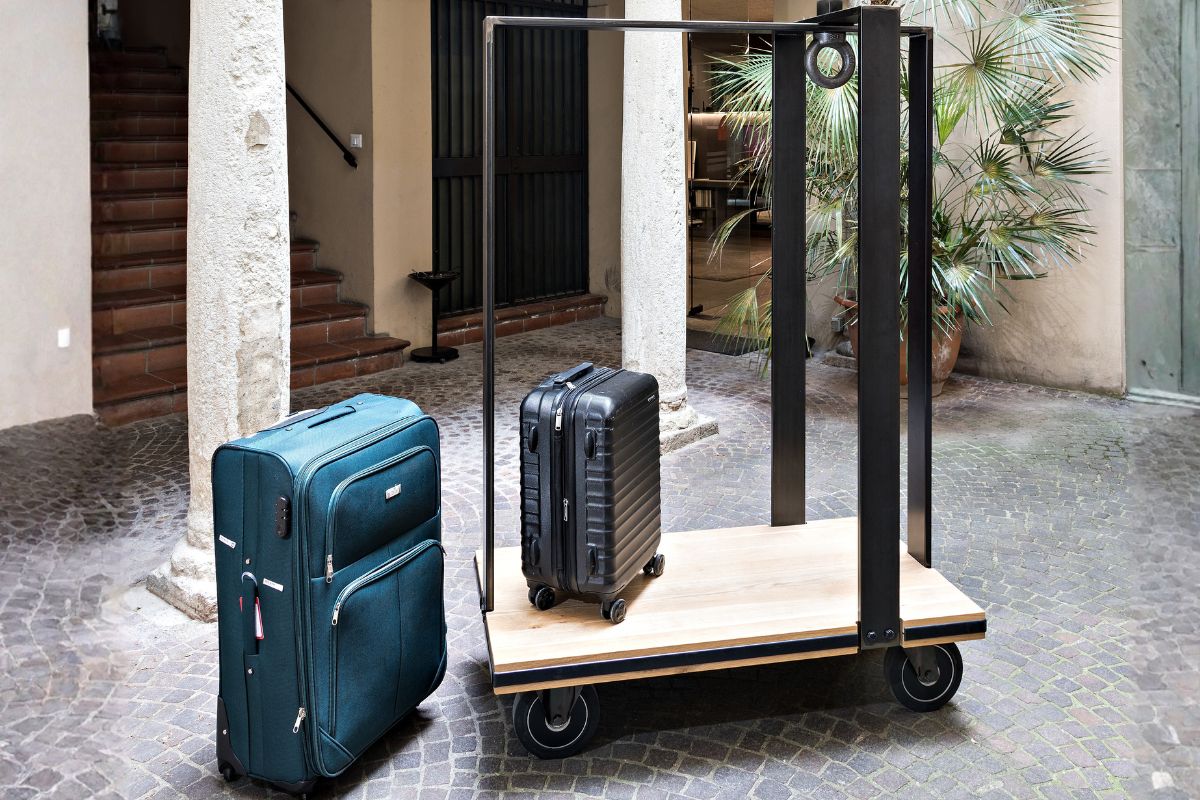
References are undoubtedly an important piece that has helped build our credibility over all these years: working with high-end realities such as Bvlgari Hotels, Four Seasons, Mandarin Oriental, Six Senses, Lutetia, St. Regis, and The Ritz-Carlton Yacht Collection concretely demonstrates the quality, reliability, and consistency of our work.
These collaborations become concrete showcases, more effective than awards or recognitions, because they show how our experience and solutions can meet extremely high standards and be replicated across multiple locations and international contexts.
APIR is also present with offices in San Marino and Paris. Which markets are becoming more strategic today and what are they teaching you (tastes, standards, timing, expectations)?
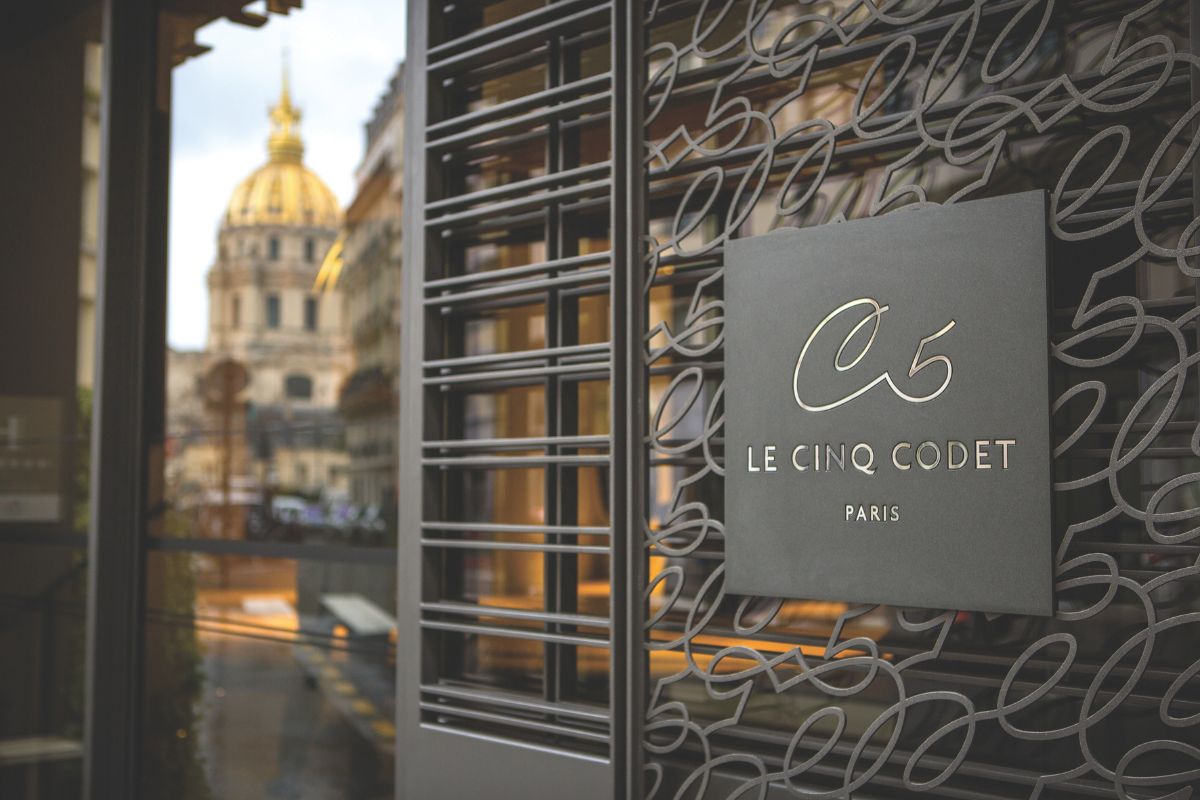
Today, the most strategic markets are those where high-end hôtellerie is growing: the spaces we have in San Marino and Paris allow architects to experience the finishes and personalization possibilities firsthand, and at the same time, they help us gather valuable information on how to manage complex wayfinding projects and understand what is truly needed in terms of paths and element positioning.
What are the development priorities in the coming years: new products, new finishes/materials, service enhancement, commercial expansion, strengthening of the structure?
We are working on several projects to respond more promptly to the requests we receive. We are developing tools such as a digital configurator that will allow users to see the product and the chosen finish for each project in real time. In parallel, our research and development continues incessantly to study new finishes, materials, and solutions, with the aim of expanding the offering and providing even greater possibilities for personalization.
Iconic product: which object or line do you consider the APIR symbol? Tell us how it was born: the first drawing, choices, difficulties, and when you realized it would become “yours.”
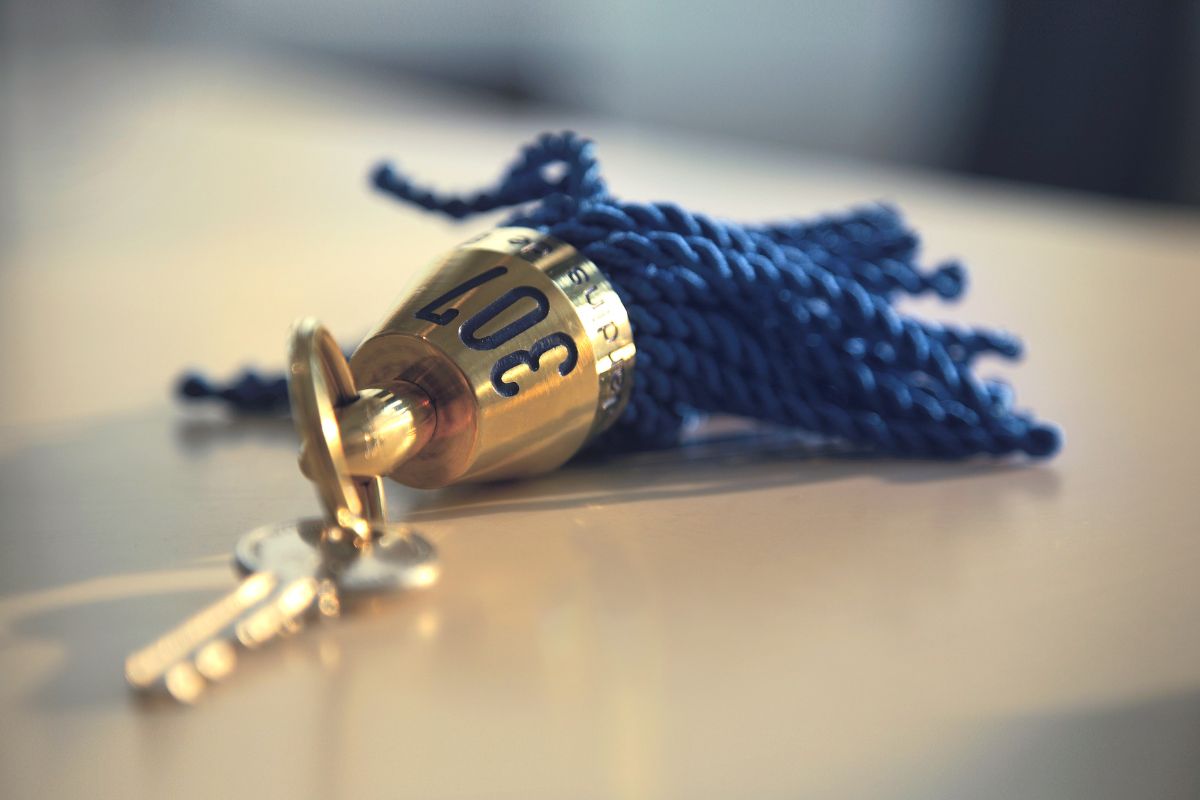
One of the most iconic products for APIR is the “Air” key ring. It is a simple object, but with a strong identity, born for the world of hôtellerie and designed to combine functionality and elegance.
Over time, it has become a true symbol of luxury hôtellerie, also thanks to its presence in highly prestigious hotels, such as the Chateau Marmont in Los Angeles, where this key ring has acquired a value that goes beyond daily use, so much so that it has become part of the structure’s merchandising as a souvenir of the stay.
It was at that moment that we realized it was no longer just a functional product, but an iconic object, capable of telling a story and becoming part of the imagery of high-end hôtellerie.
Three words. If you had to describe APIR in just three words, which would you choose and why?
History, because APIR was born over a century ago and this heritage continues to guide our way of working.
People, because behind every project there are skills, will, and passion: it is the people who give value to the company every day.
Style, because our goal is always to create products that are not only functional but contribute to defining the aesthetic identity of the spaces in which they are placed.
Close your eyes: it is 2036. How do you imagine the company, the products, and the people who will live (and work) with your creations in ten years?
With continuity in its identity built over more than a century, but with solid and sustainable growth. The goal will be to continue evolving while maintaining our trademark: a very high standard of quality, both in products and service.
Growth must always be compatible with this level of excellence, without compromise, so as to continue creating solutions with attention to detail and designed to last over time. I like to think of a company that will continue to work with passion in strong synergy with architects and designers, creating products that will accompany people’s experiences in the spaces where they live and stay.