Today, the word design is used everywhere. We use it to describe objects, spaces and images, but at times it becomes nothing more than a convenient label to say that something is beautiful or well finished. In reality, design is not only form: it is a project that requires thought, method and responsibility. When everything …
Today, the word design is used everywhere. We use it to describe objects, spaces and images, but at times it becomes nothing more than a convenient label to say that something is beautiful or well finished. In reality, design is not only form: it is a project that requires thought, method and responsibility.
When everything becomes design, nothing truly is. We risk losing the ability to distinguish between what is carefully designed and what is simply built to appear attractive. The uncontrolled spread of the term does not only concern the way we speak. It also reveals how our gaze on the objects and images around us is changing: more and more often, what seems designed is confused with what is merely presented in an appealing way.
A great designer such as Bruno Munari taught us that design is not only art or style, but a project that must function, communicate and respond to a need. An object or service must be useful and meaningful, not only beautiful. This vision is not simply an aesthetic matter, but a matter of responsibility: every design choice produces consequences, and ignoring them means emptying the project of its meaning.
This distinction is where the strength of Italian design can still be found today: not in style, but in method. A method that starts from understanding problems and building solutions. This approach requires time, observation and critical ability, elements that are often sacrificed today in favor of speed and immediate impact. In this sense, designing also becomes an act of awareness: deciding how to design means deciding how to intervene in reality, taking responsibility not only for how something works, but also for its cultural impact.
The role of the designer, therefore, is not only to create forms, but to work with method, observe, analyze and build solutions. Design thus becomes a process, not an immediate result. To be the project means embodying an approach: placing the human being at the center, understanding the context and developing coherent responses. It also means accepting that a project is never neutral: every choice communicates an idea, a value, a vision of the world.
Many of the concepts we now define as human-centered design were already present in Munari’s thinking. The difference is that today they are often treated as innovations, when in reality they are contemporary reworkings of principles already established within Italian design culture. This shows that design is not only a matter of trends, but a field in which certain fundamental ideas remain valid over time precisely because they are rooted in human experience.
Italian identity in design is therefore not only a matter of style, but a combination of methods, sensitivities and the ability to read reality. It is precisely this continuity between past and present that makes Italian design still interesting: not as a static tradition, but as a system in evolution.
However, when observing the current landscape, a contradiction also emerges. In many areas, design seems to have moved away from this vision: aesthetics often prevail over function, image over substance. In this scenario, the project risks becoming an exercise in style rather than a response to a real need. This phenomenon is particularly evident in digital contexts, where production speed and the search for visibility tend to favor immediate impact over project quality.
A significant case that shows how this design approach can still exist is Prada. The choice to use nylon in the brand’s bags was not driven by a purely aesthetic need, but by a precise design logic: functionality, lightness and resistance become central elements, together with the desire to redefine the codes of luxury. In this case, design is not surface but structure. It is not only what we see, but what builds the meaning of the project.
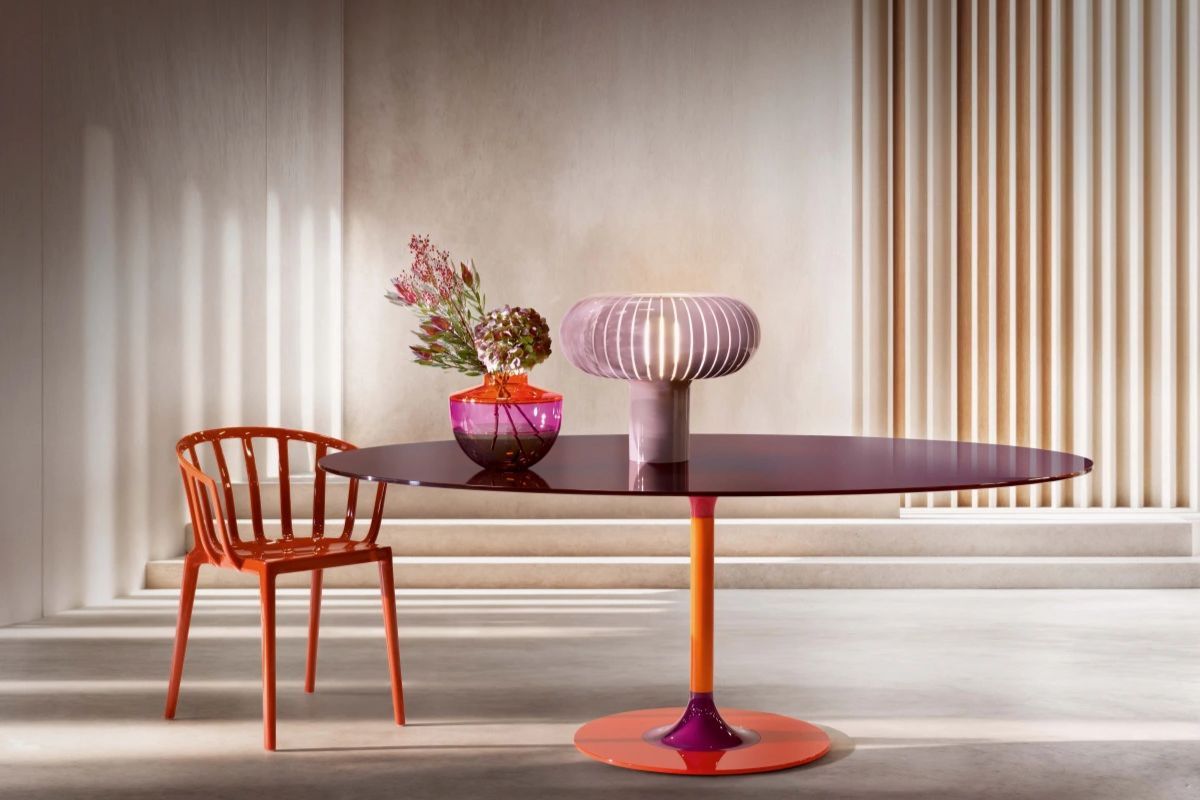
Introducing a technical material into a luxury context represents a precise choice, one that questions established expectations and opens up new ways of interpreting the product. This approach is not isolated, but can be found in several areas of Italian design, from the design focus in Kartell furniture to the product culture developed by companies such as Olivetti, where aesthetics and function are built together.
There are still examples, therefore, in which the project maintains a depth coherent with the Italian tradition. In these cases, design does not stop at form, but integrates function, identity and communication. This is exactly where a continuity with Munari’s thinking can be recognized: in the ability to build something that is not only beautiful, but also meaningful and useful. The ability to combine different elements is perhaps one of the most distinctive aspects of Italian design, which never fully separates the technical dimension from the cultural one.
Talking about Italian identity today therefore means going beyond clichés. It is not simply about elegance, quality or tradition, but about a specific way of understanding the project: a balance between aesthetics and function, culture and industry, vision and concreteness. It is precisely this design approach, even more than a recognizable style, that makes contemporary Italian design still relevant.
To be the project today means exactly this: not merely producing objects or images, but taking responsibility for what is created. It means designing with people, context and impact in mind. At a time when design risks becoming only surface, returning to this vision is not only useful, but necessary. Because designing does not simply mean giving form, but also taking a position.
This contribution was selected among the 5 winners of the “Be the Project” contest, promoted by Archi&Interiors together with Hdemy Group, NAD – Nuova Accademia del Design and Accademia Cappiello.