The best office chair brands, Italian and international: EN 1335 certified ergonomics, signature design and the criteria for choosing the right task chair.
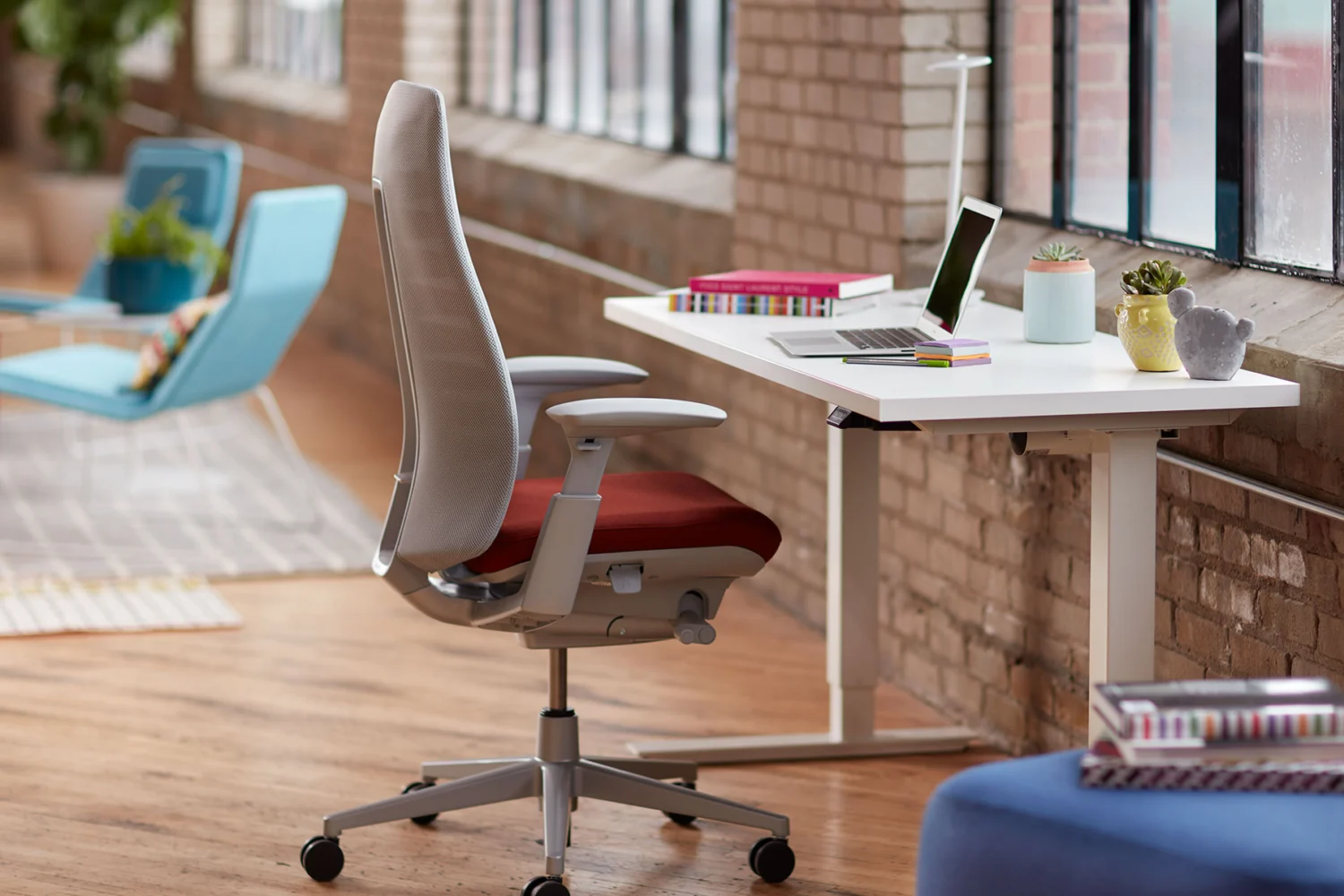
A guide to the companies designing task and executive seating, between certified ergonomics, signature design and Italian manufacturing. With the criteria for choosing the right chair according to working hours, body and space.
The office chair is the design object we spend the most time on in adult life, and at the same time the one we pay the least attention to when we buy it. We have noticed that the question almost always starts with a discomfort: a back that gives way in the middle of the afternoon, remote work improvised on a dining chair, an open-plan office to furnish on a fixed budget. The answer, however, is not a model but a company, because behind a good task chair there are patented mechanisms, durability tests and, in Italy, a supply chain with more than sixty years of history. In this guide we look at the best office chair brands, Italian and international, and the criteria the Archi&Interiors editorial team used to select them.
Best office chair brands: the Italian companies
The Veneto district between Treviso, Pordenone and Vicenza concentrates most of Italy’s office seating production, with companies born as upholstery workshops or artisan studios that have grown into major contract projects. Alongside them are the design brands that have taken the task chair out of the traditional office and into homes and coworking spaces.
1. Kastel
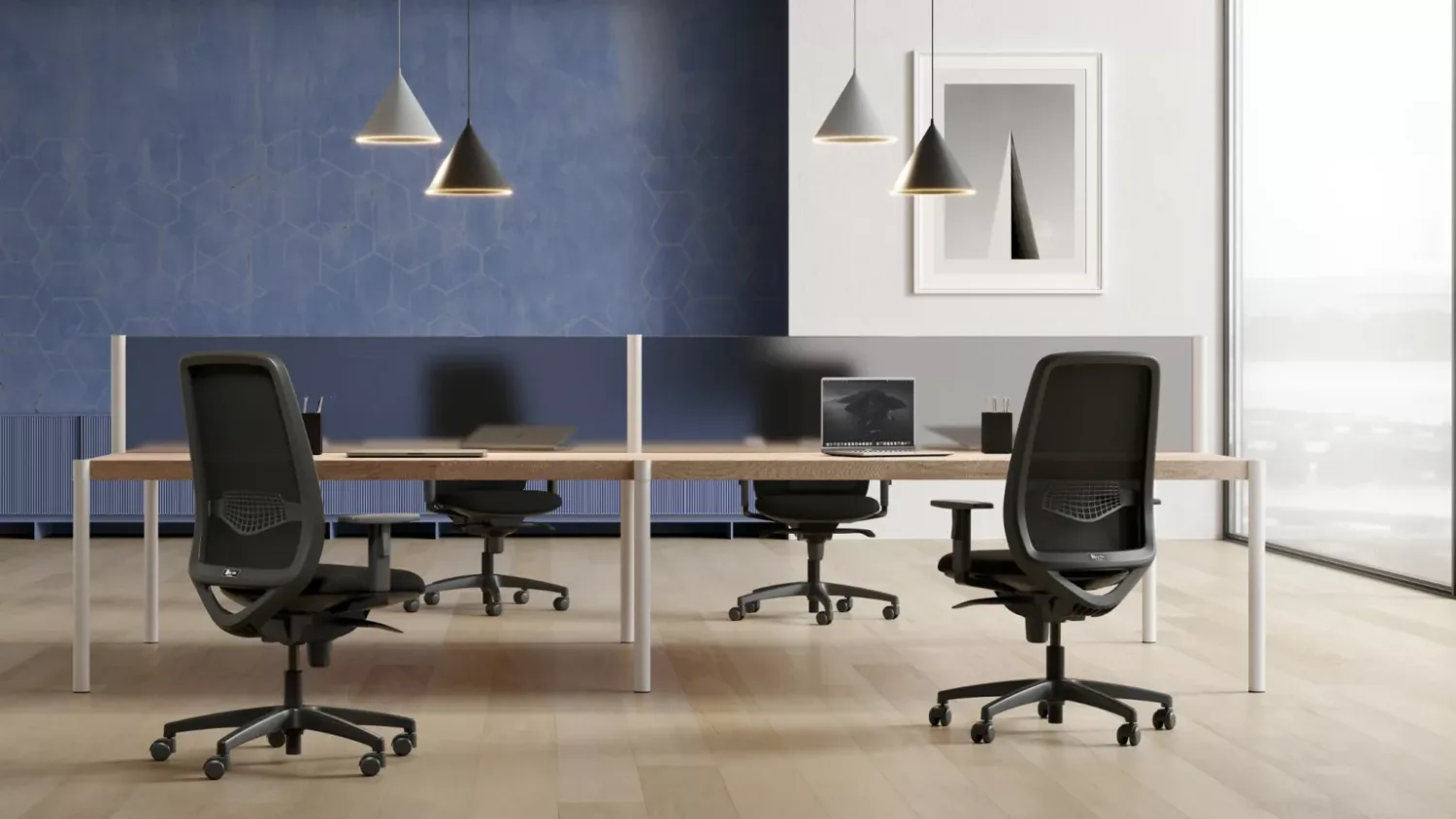
Founded in 1979 in San Vendemiano, in the province of Treviso, Kastel is one of the most solid names in Italian task seating. The catalogue covers task chairs, executive armchairs, seating for public spaces and lounge pieces, with a declared focus on regulatory compliance: products meet the EN 1335 and EN 16139 standards and Italian Legislative Decree 81/2008, and the company was among the first in Italy to certify swivel office chairs back in the days of Decree 626/1994. For those working on public tenders, Kastel provides CAM documentation, a detail that simplifies life for design studios.
2. Sitland
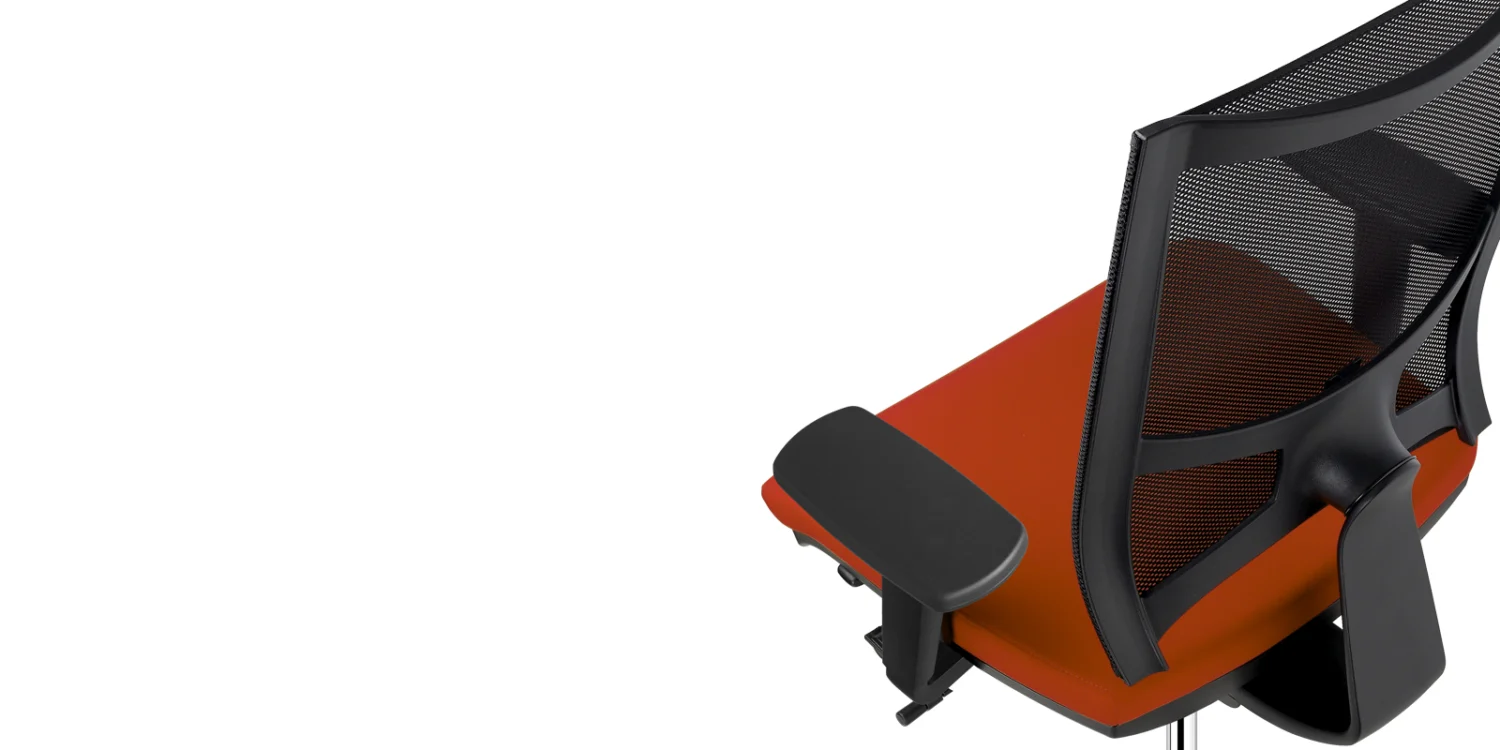
Born in 1977 as Tappezzeria Veneta and renamed Sitland in 1996, the company from Roveredo in Piano, near Pordenone, has built more than fifty product lines across task, executive, auditorium and public seating. Collaborations with Dorigo Design, Robin Rizzini, Elena Trevisan and Baldanzi & Novelli have brought several Good Design Awards and Red Dots, and since 2022 the Econa programme has steered production towards waste reduction, lower emissions and end-of-life circularity. It is one of the most credible Italian companies when a specification asks for design and certifications together.
3. Emmegi
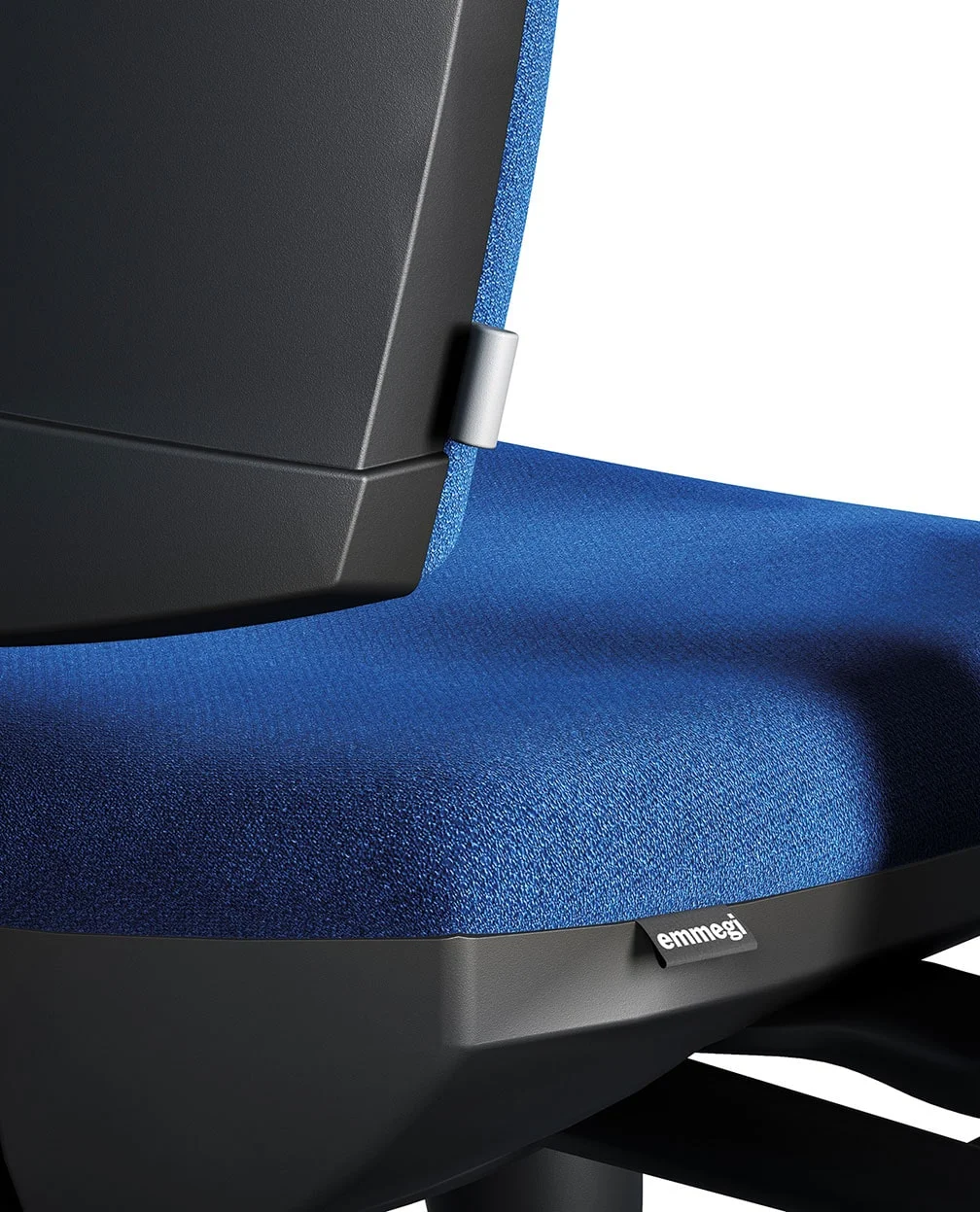
An artisan workshop for office seating founded in 1962 in Monselice, Emmegi joined the Frezza group in 1993 and combined the craftsmanship of its origins with industrial production. The catalogue includes task and executive armchairs, soft seating and seating for large spaces and auditoriums; the Elle chair, selected by the Permanent Design Observatory for the ADI Design Index 2009, remains the project that best tells the brand’s story. It is a name to keep in mind when furnishing an entire office with a single supplier, since Frezza also covers desks and partitions.
4. Luxy
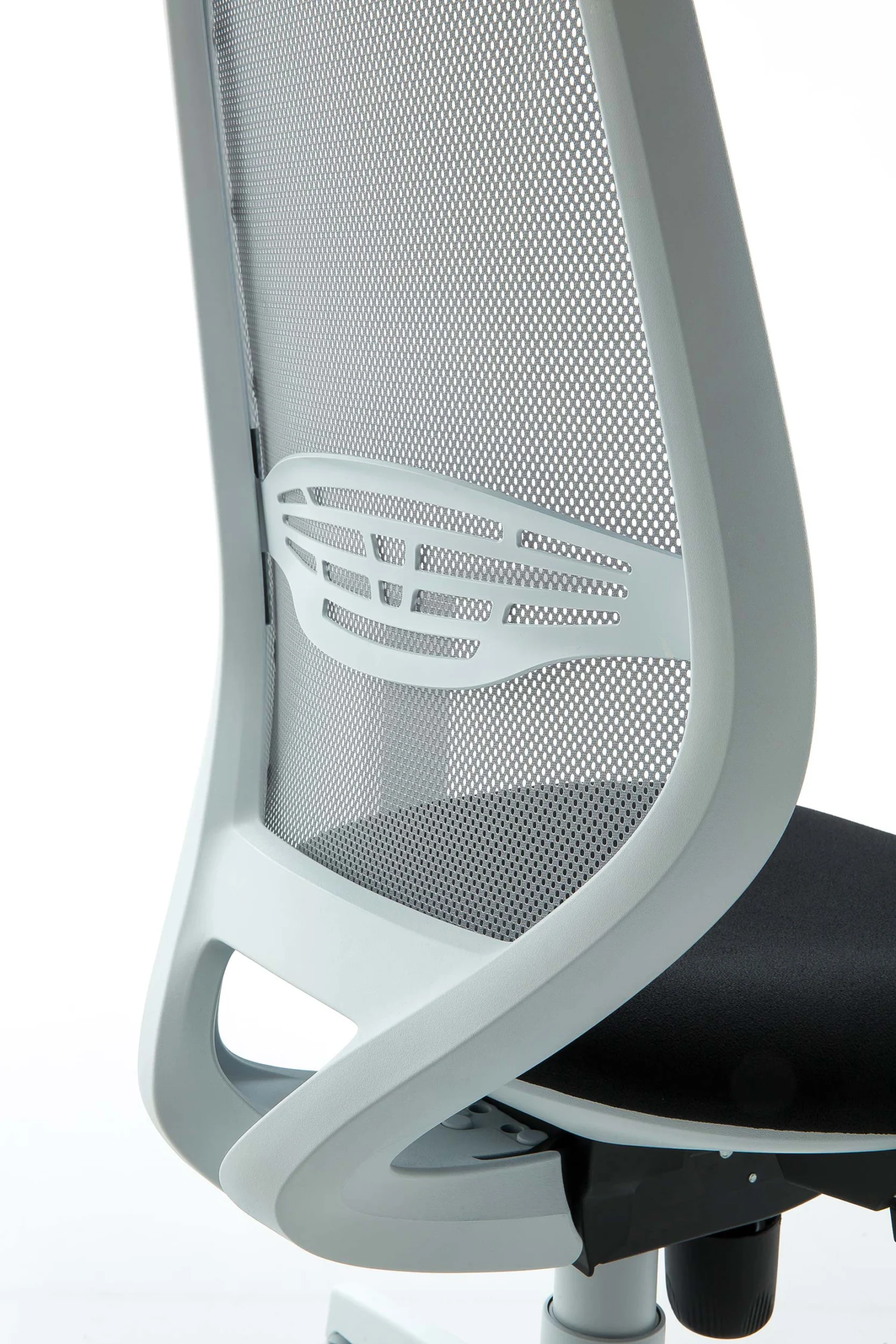
Founded in Lonigo, near Vicenza, in 1976, Luxy celebrated its fiftieth anniversary by entering, on 28 April 2026, Italy’s Special Register of Historic Brands of National Interest. It was the first Italian furniture company to obtain B Corp certification, and it distributes to more than forty countries seating that holds comfort, durability and a clean aesthetic together, with the Post and Italia task ranges among the most widespread in professional offices. A brand to consider when sustainability must be documented and not merely declared.
5. Diemme
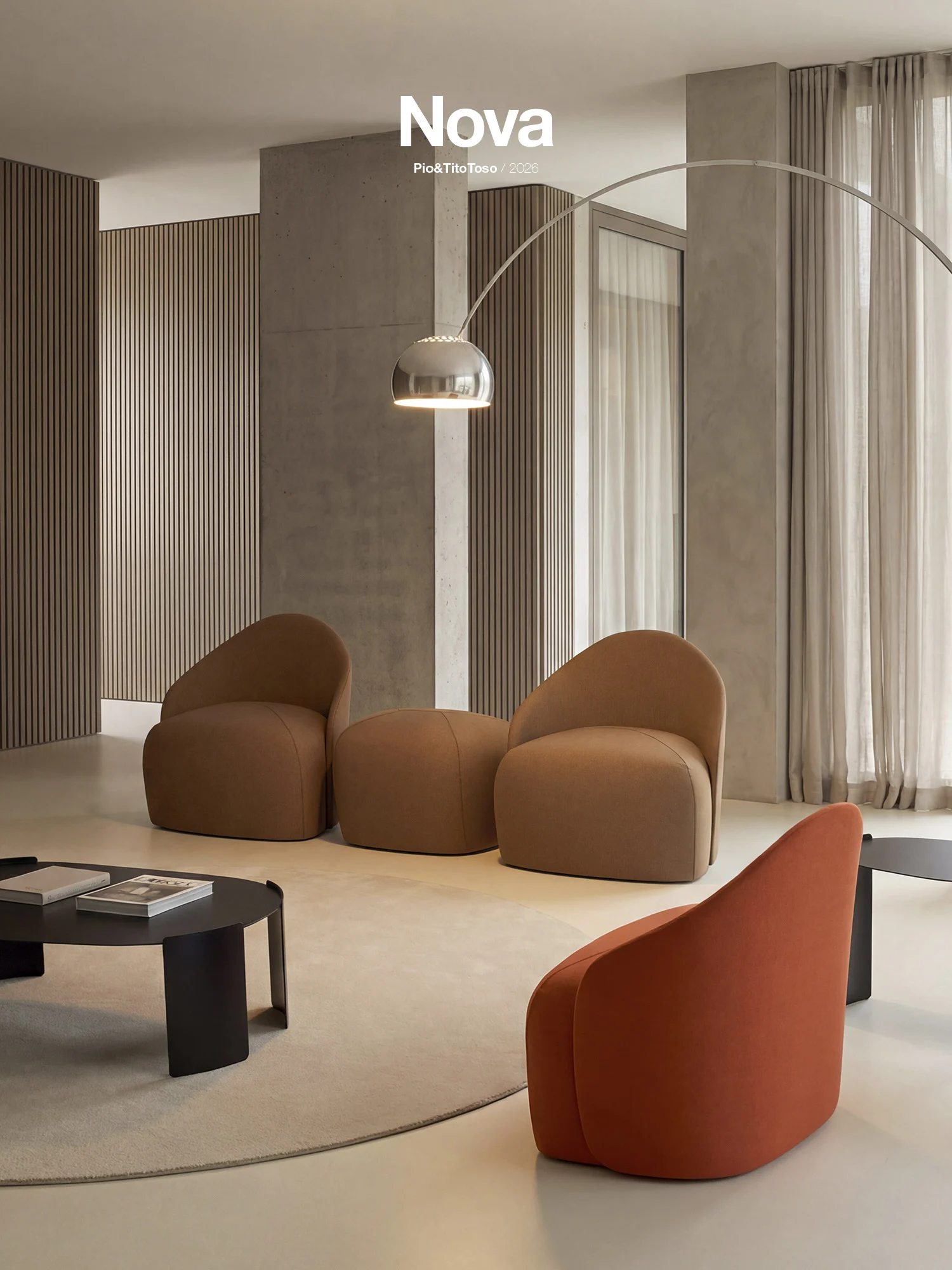
Diemme was founded in 1995 in Codognè, in the Treviso area, and produces task and executive chairs, stools and armchairs for office, contract and home use. The Arpeggio seating system, designed by PrincipioAttivo Architecture Group, received the Gold Award in the Product Design category at the IIDA Italy International Design Award 2025, and the company declares a systematic use of recyclable materials and chemically safe components. Its positioning is mid-range: accessible contract prices, but with a formal research above the segment average.
6. Quinti Sedute
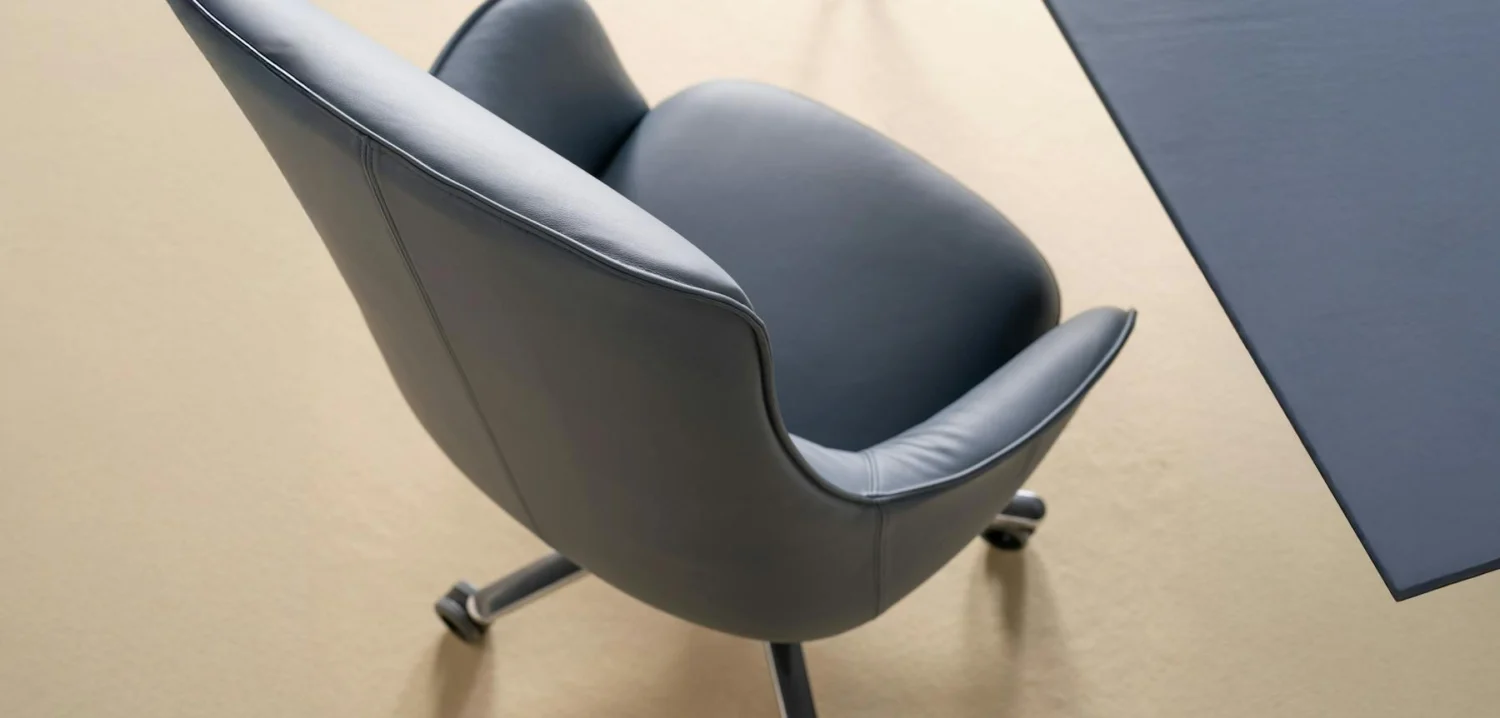
With headquarters and showroom in Cesa, in the province of Arezzo, Quinti is the Tuscan voice of the sector. It produces chairs, armchairs, stools and tables for office, home and hospitality, and the Not Guilty collection is its most recognisable task chair, alongside Overland and The Season Net. The ReMade in Italy certification, obtained in 2025, attests to the recycled material content of its products, an argument that carries increasing weight in tenders and in projects with environmental targets.
7. Arper
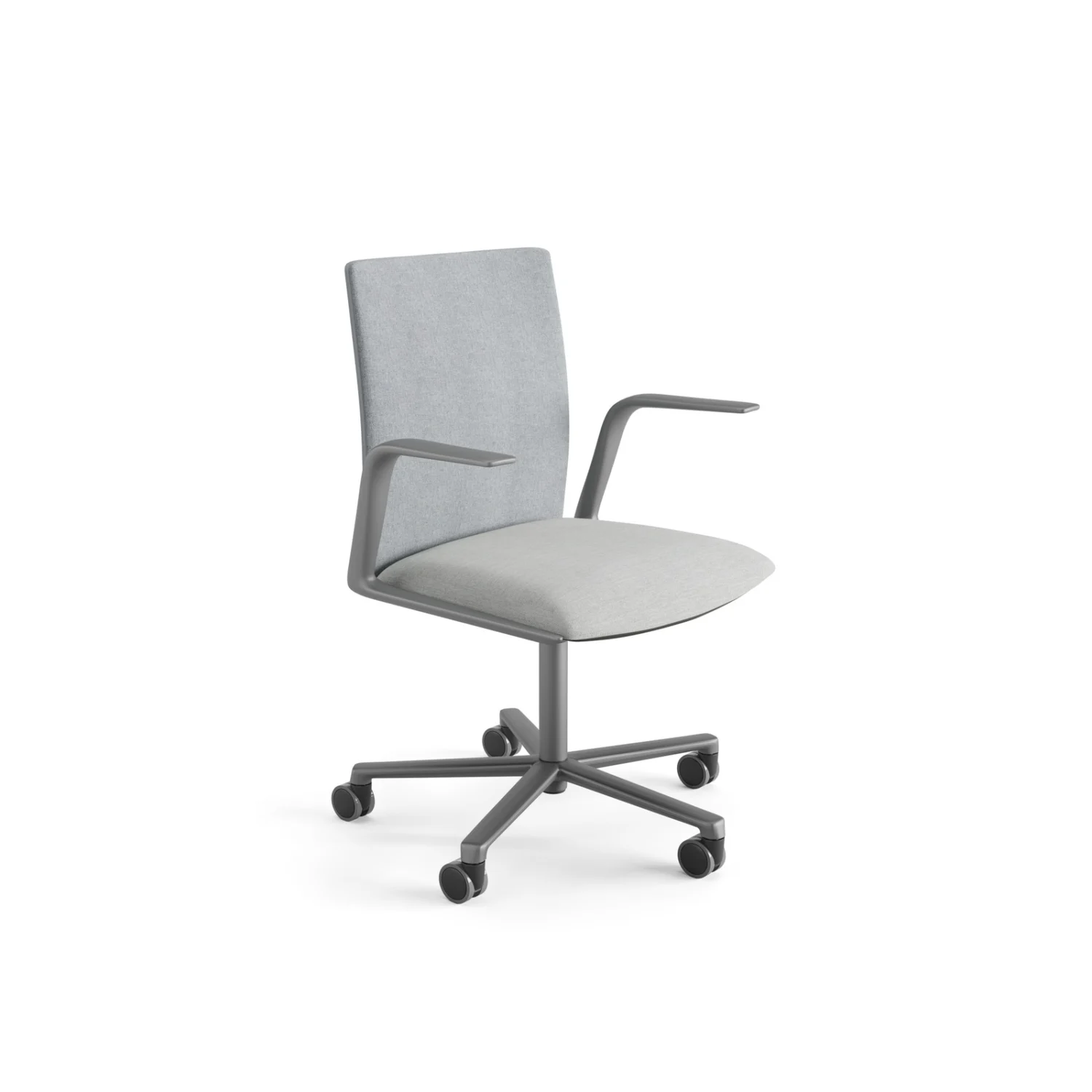
Arper, from Monastier di Treviso, is the company that brought residential design aesthetics into the task chair. Kinesit, designed by Lievore Altherr Molina, hides its adjustment mechanisms beneath a slim shell and made the office chair acceptable in a home or an architecture studio without giving up lumbar adjustment, height and tilt. It is the brand to suggest when a client asks for “an ergonomic chair that doesn’t look like an ergonomic chair”.
8. Pedrali
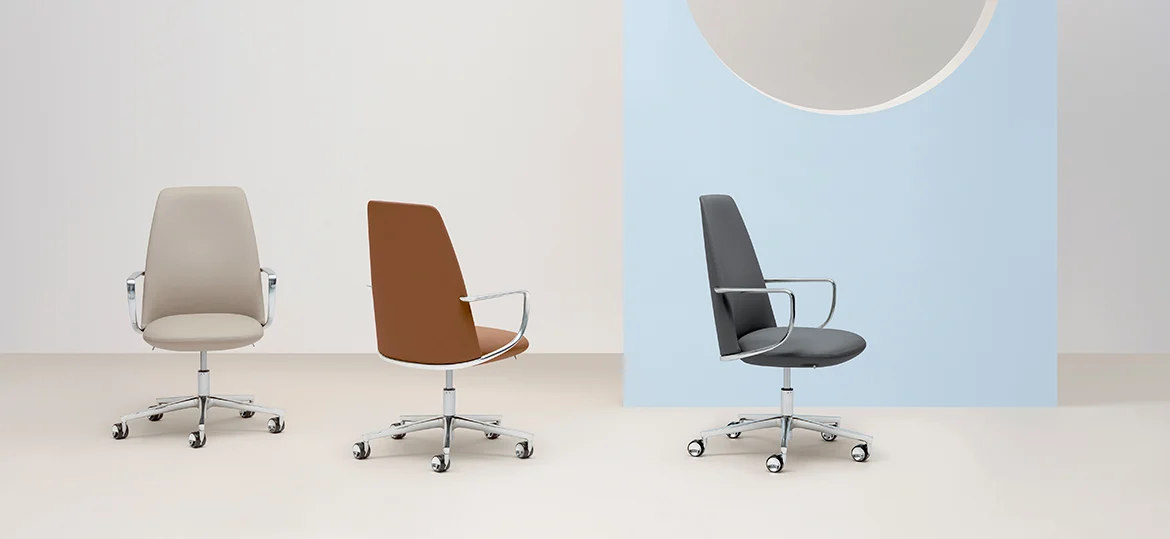
From Mornico al Serio, in the Bergamo area, Pedrali manufactures contract and office seating entirely in Italy, with a task range that includes Ester by Patrick Jouin, Elinor by Claudio Bellini and the Babila family. Its strength is the consistency between meeting, task and lounge chairs, which allows an entire office to be furnished with a single language, together with a competitive pricing policy for the design segment.
9. Kartell
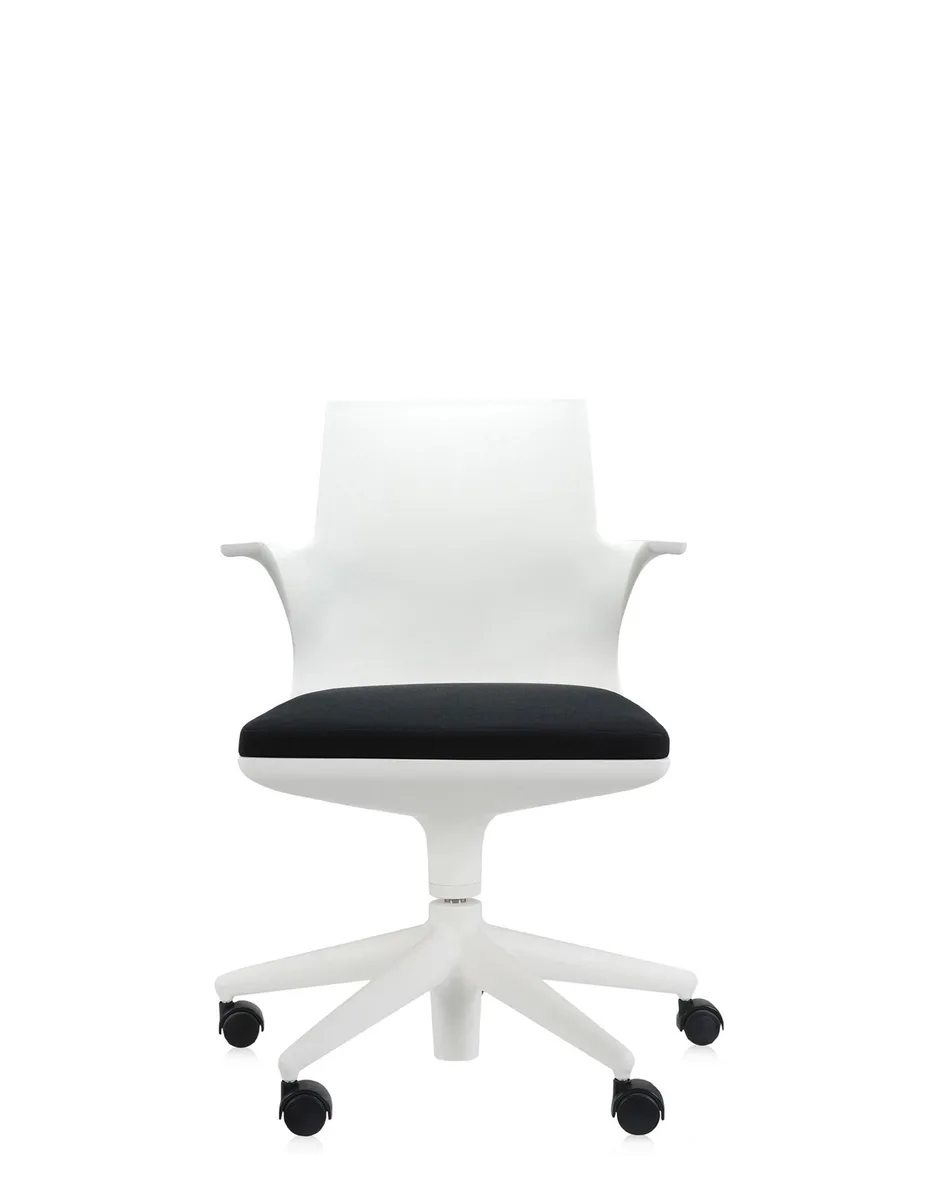
Kartell, from Noviglio, has applied its expertise in moulded plastics to the office chair. Spoon Chair by Antonio Citterio, with its flexible backrest and transparent base, has become a classic of professional studios, and the swivel Maui line has brought the idea into a more accessible price bracket. It is not the choice for those seeking twelve hours of adjustments, but it is unbeatable when the office is also a space of representation.
10. ICF
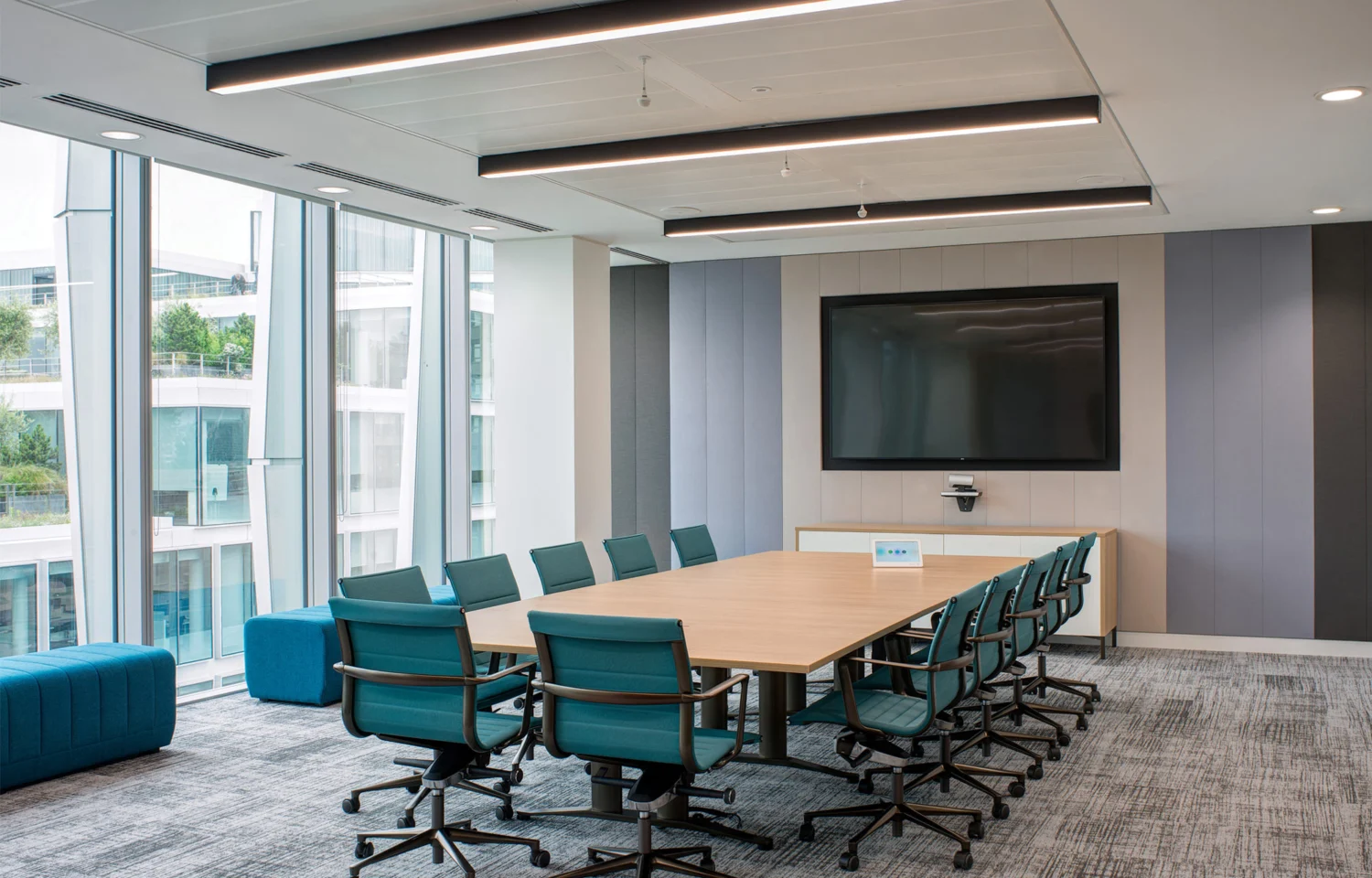
A historic company from Vigevano, ICF has in its catalogue two of the most elegant task chairs made in Italy: Stick Chair, with its lightweight aluminium structure designed for meeting rooms and shared workstations, and Una Chair, in the management version with mesh and full adjustments. Production remains entirely in Lomellina and distribution covers Europe and the United States, which makes ICF a frequent partner in international offices designed by Italian studios.
The international reference brands
Foreign companies have defined the standards against which a task chair is still measured today, from suspended mesh to mechanisms that adapt to the weight of the sitter. These are the names found in the specifications of corporate headquarters and which, through the certified second-hand market, have also entered private homes.
11. Herman Miller
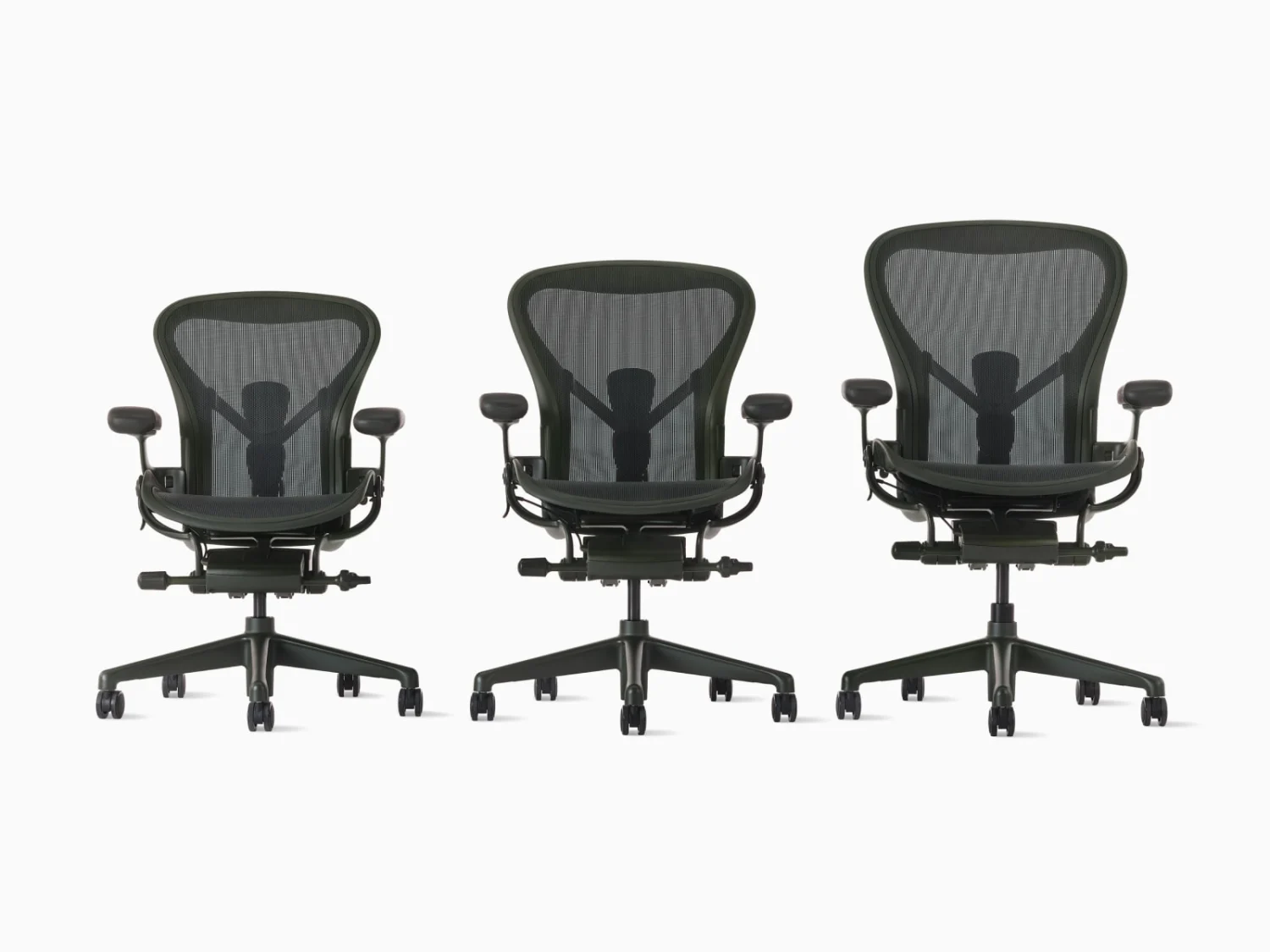
Aeron, designed by Bill Stumpf and Don Chadwick in 1994 and remastered in 2016, is the most recognisable office chair in the world, with Pellicle mesh in place of padding and three sizes to fit different bodies. Alongside Aeron, Embody and Cosm by Studio 7.5 complete a range that the MillerKnoll group guarantees for twelve years. It is the reference for those who work long hours and want a chair that follows the body rather than holding it in a single position.
12. Steelcase
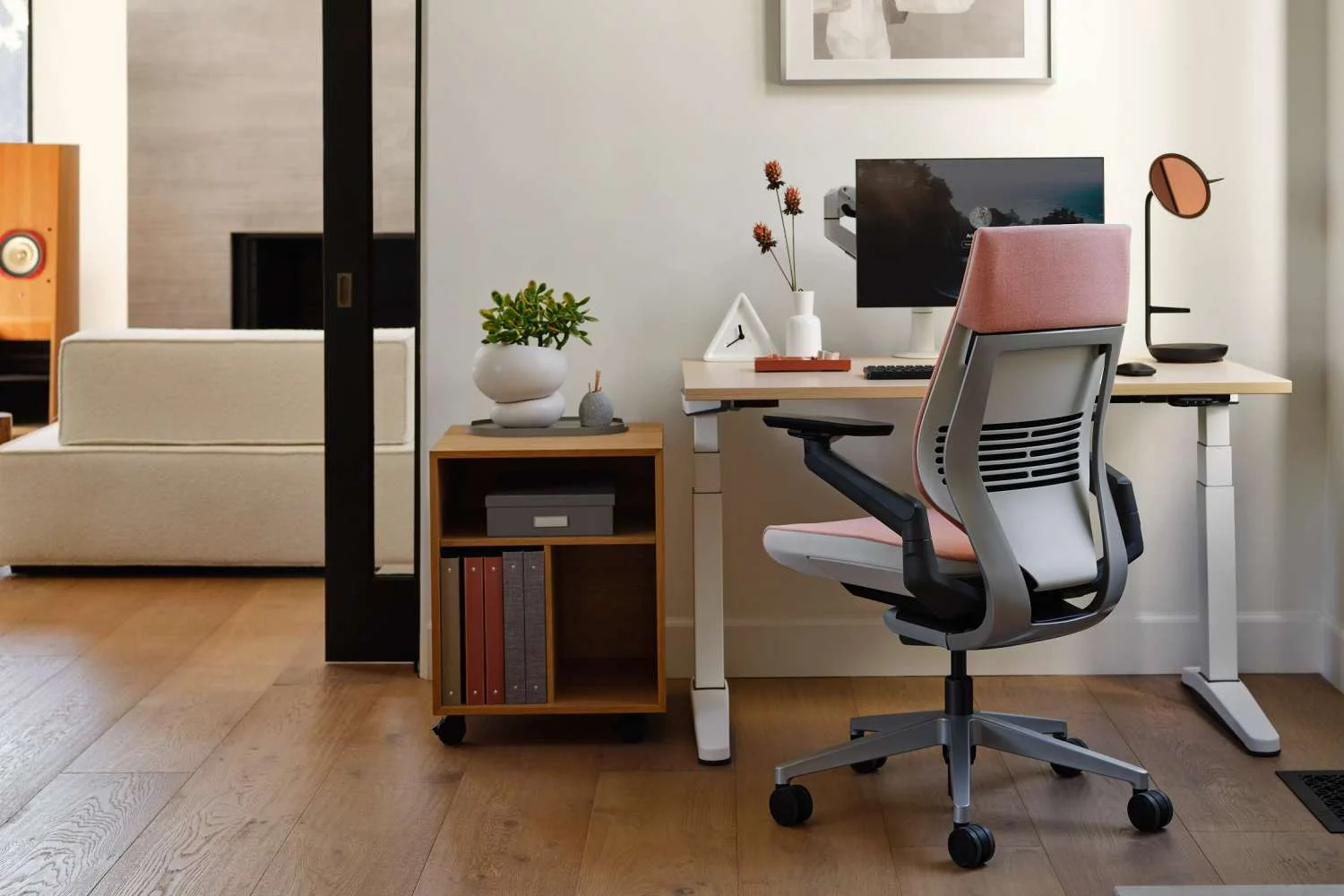
Leap, launched in 1999, and Gesture, born in 2013 from a global study of the postures induced by smartphones and tablets, are the two models that built the reputation of the Michigan company. The more recent Karman, extremely lightweight, answers the demand of hybrid offices with unassigned desks. The warranty, lifetime on the frame and twelve years on mechanisms and upholstery, is among the most extensive in the sector.
13. Vitra
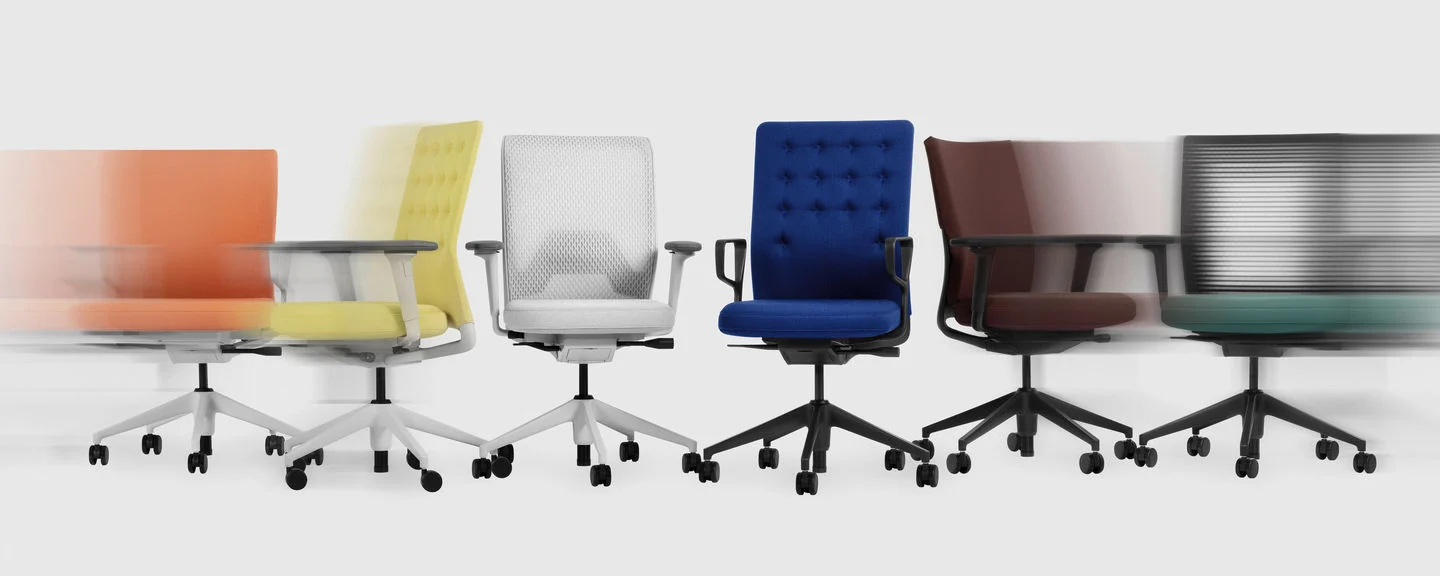
From Birsfelden, Switzerland, Vitra has entrusted its task seating to two authors: Antonio Citterio, with ID Chair and the more recent ACX, and Alberto Meda, with Physix, where a single elastic band replaces the backrest padding. It is the brand architecture studios choose when the chair must converse with the rest of the project, and the warranty of up to thirty years on some models says a great deal about the expected lifespan.
14. Humanscale
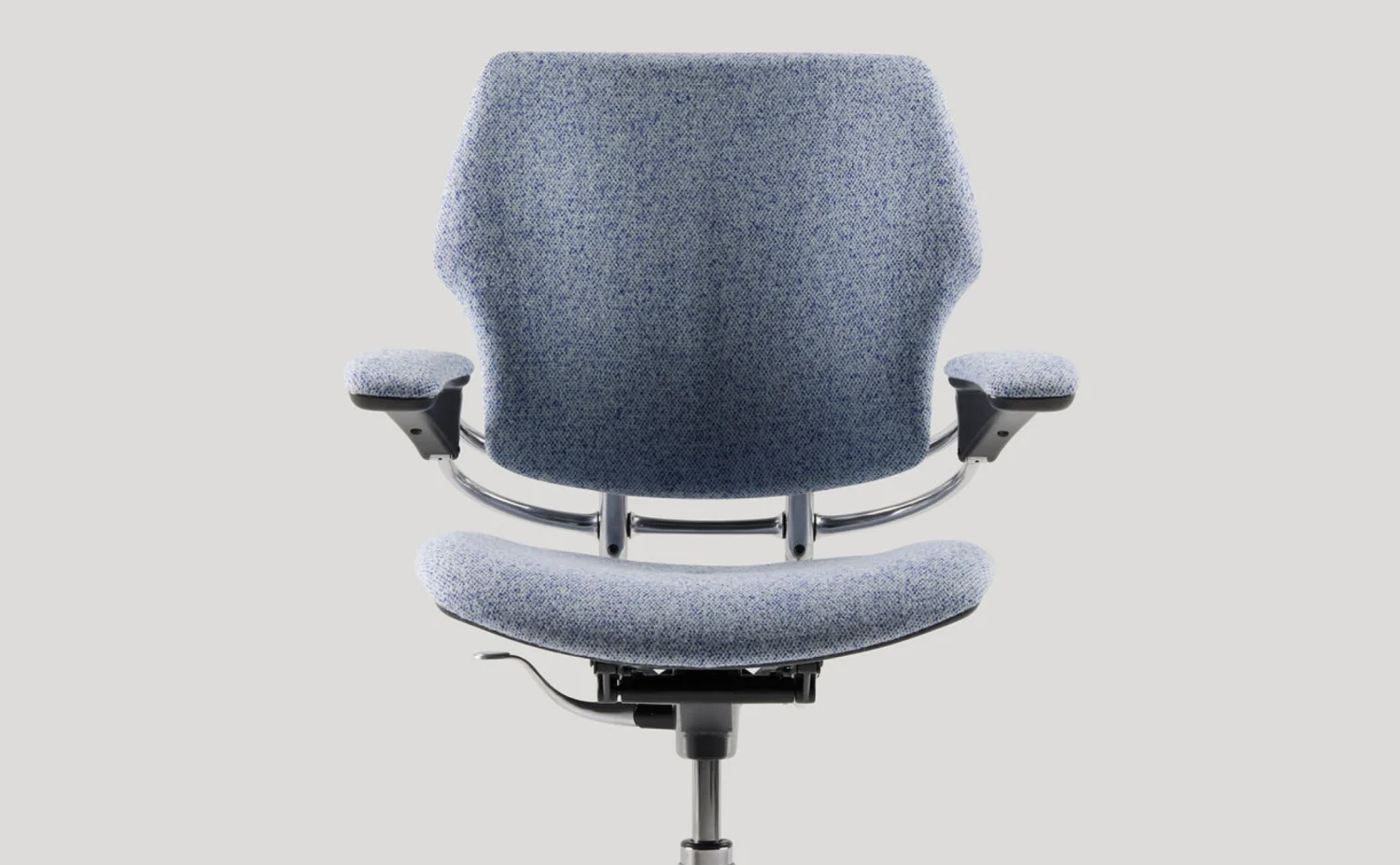
The New York company built its method on the idea of eliminating adjustments: Freedom, designed by Niels Diffrient in 1999, adapts to the weight of the sitter without levers, and the logic was carried into Liberty, Diffrient World and Path, designed by Todd Bracher with a high percentage of recycled plastic. The fifteen-year warranty is a strong argument in corporate purchasing.
15. Okamura
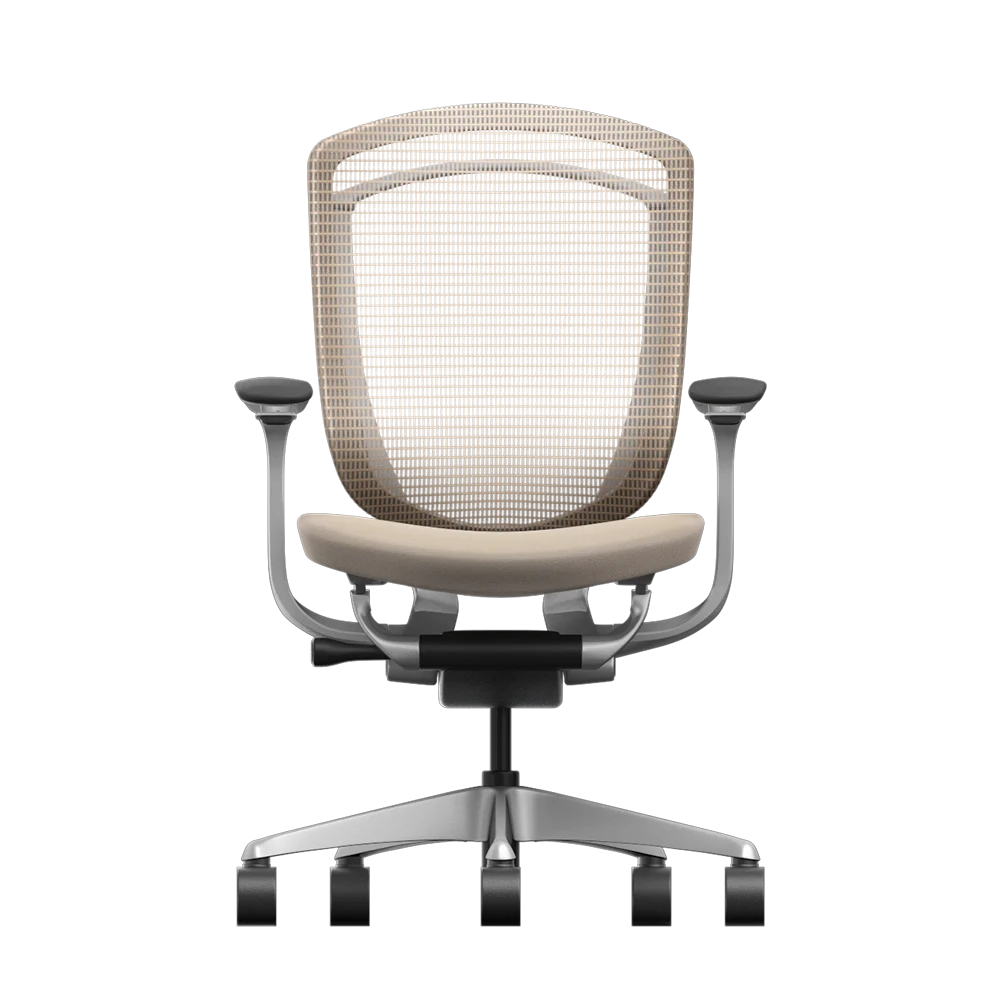
The Japanese manufacturer entered the European imagination with Contessa, designed together with Giugiaro Design and now in its second generation, and with the more compact Sylphy. Okamura seating is calibrated for small to medium builds and for prolonged working sessions, with controls integrated in the armrests that avoid searching for levers beneath the seat.
16. Sedus
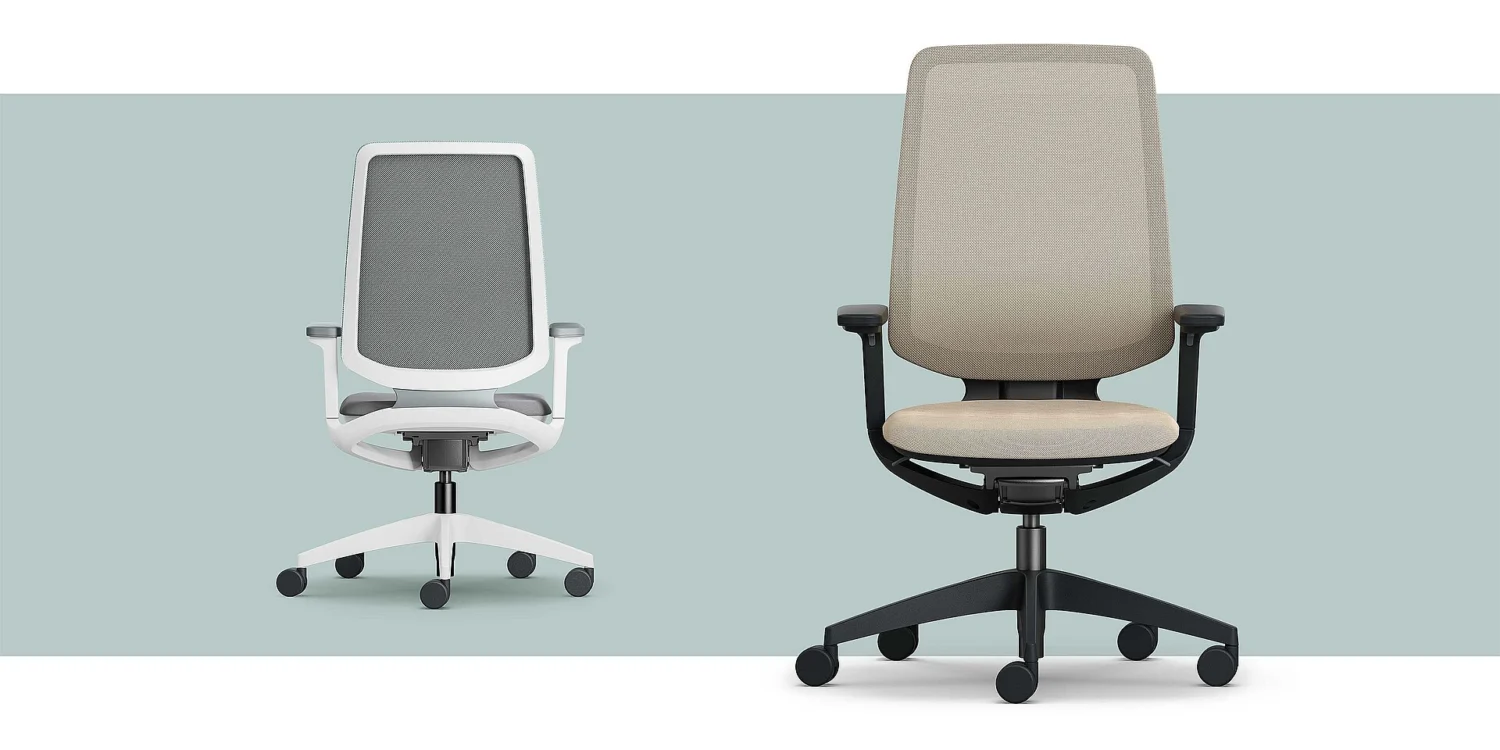
Founded in 1871 as Stoll, the German company from Dogern is among the oldest in the sector and among the most attentive to recycling and European production. The se:flex, se:joy and se:motion lines cover the whole spectrum from fixed workstations to coworking, with synchronised mechanisms that adjust almost automatically. It is a recurring choice for large companies wanting a single supplier, from the chair to the height-adjustable desk.
17. Interstuhl
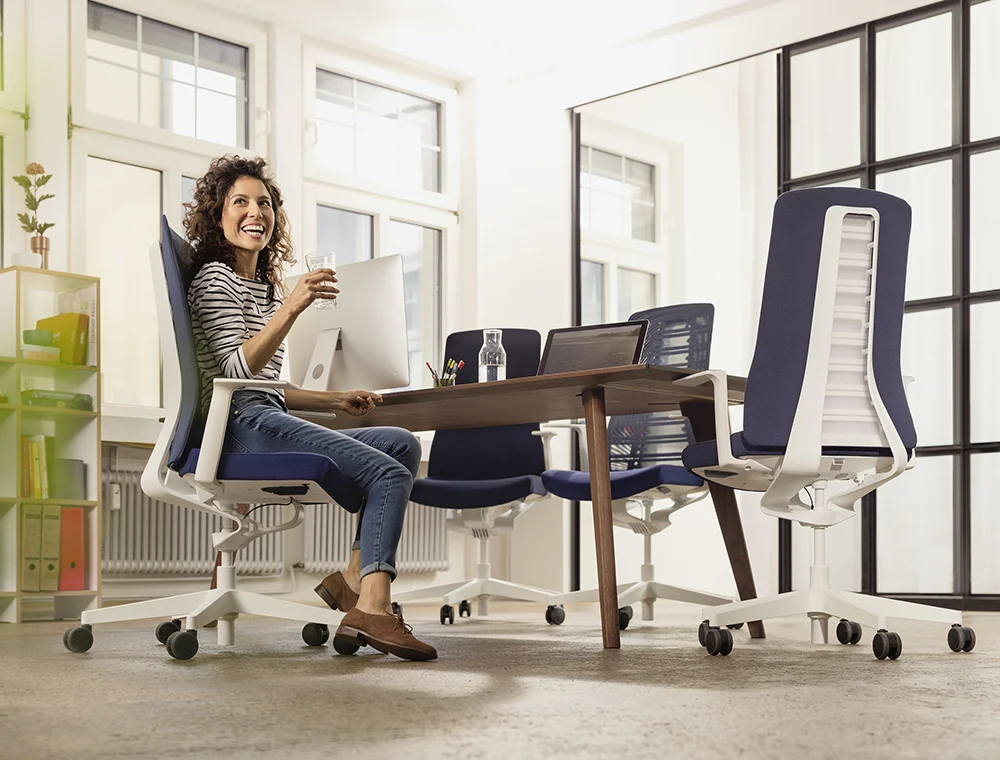
Since 1961 in Meßstetten-Tieringen, in Baden-Württemberg, Interstuhl has produced task seating with particular attention to three-dimensional mechanisms. PURE, with a shell that follows lateral movements, and the Every family are the most widespread proposals, and the company publishes environmental product declarations that studios can use in building certification protocols.
18. Wilkhahn
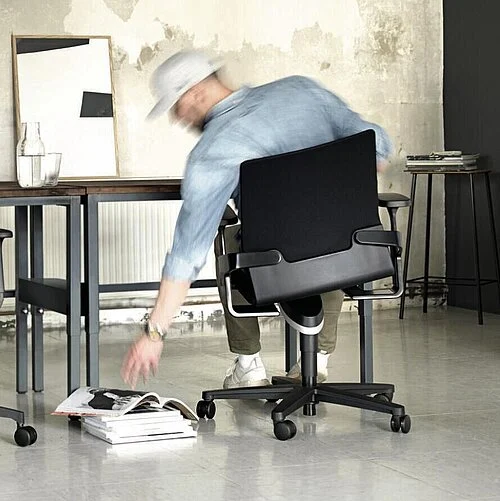
From Bad Münder, in Lower Saxony, Wilkhahn introduced with the ON chair, in 2009, the Trimension kinematics that allow seat and backrest to follow the body in three dimensions, a principle later extended to IN. It is the brand of boardrooms and executive floors, with a quality of finish that justifies its price positioning.
19. Haworth
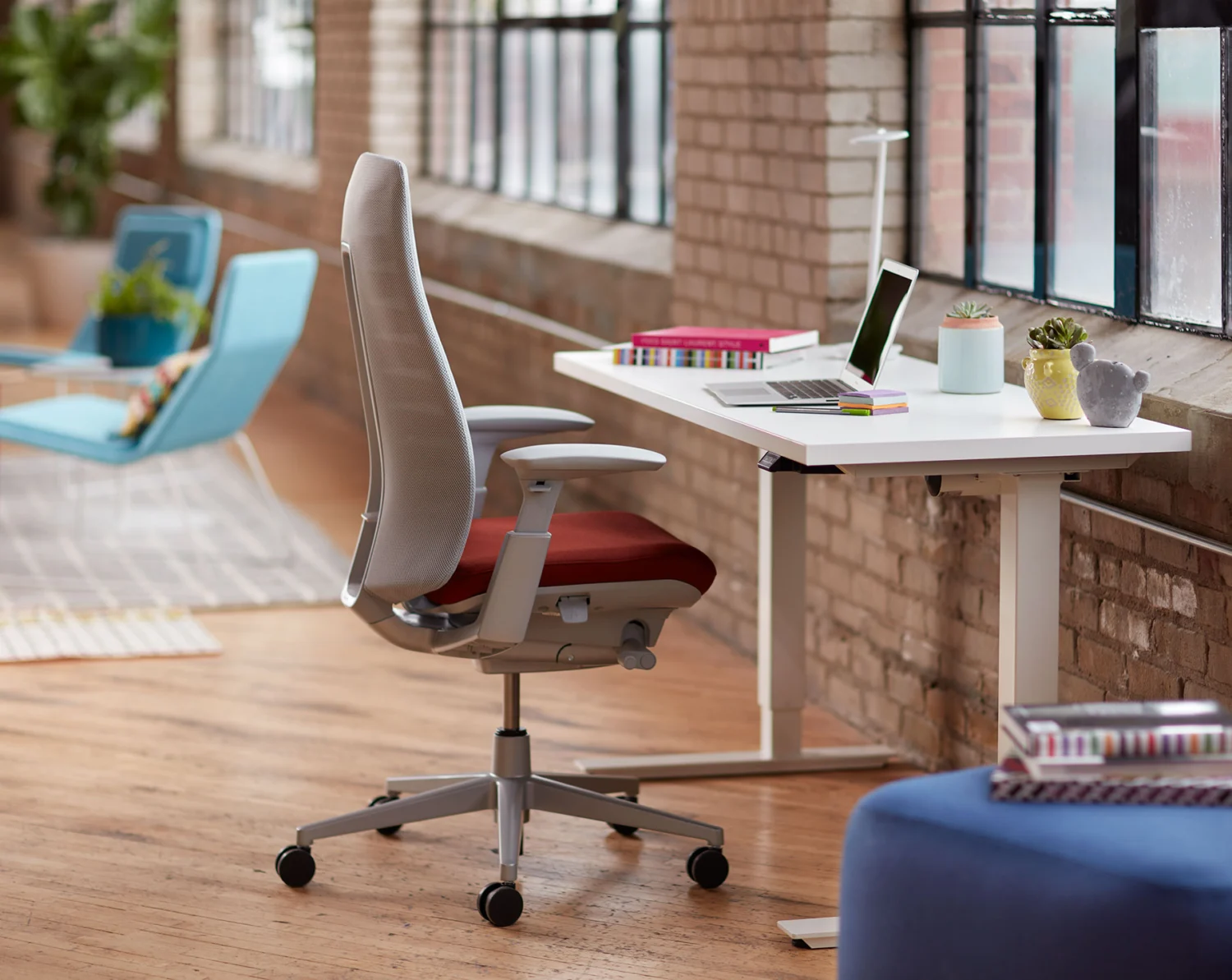
The company from Holland, Michigan, is known for Zody and for Fern, whose flexible “leaf” structure distributes the load on the back differently according to movement. Haworth carries BIFMA and Greenguard certifications and, thanks to its manufacturing presence in Asia and Europe, is often the brand multinationals choose to standardise their offices.
What the standard says: EN 1335 and the Italian workplace safety decree
Those buying for a company do not start from design but from the law. In Italy, Legislative Decree 81/2008 requires employers to provide adequate seating for anyone working at a display screen for more than twenty hours a week, and the European standard EN 1335 is the tool with which manufacturers demonstrate that adequacy. The standard is divided into three parts, covering dimensions and mechanical safety, durability and strength, and test methods, and sets some concrete parameters: the seat must adjust in height by at least ten centimetres, with a range covering roughly 42 to 53 centimetres from the floor, the usable depth sits between 38 and 42 centimetres, the backrest must have a lumbar support adjustable by at least five centimetres, and a five-star base guarantees stability. Armrests are not mandatory but strongly recommended, with at least height adjustment. An EN 1335 certificate is also the documentation that protects a company in the event of inspection or dispute, which is why the Italian brands above display it so explicitly.
Task, executive or meeting: understanding what you need
Manufacturers divide their catalogues into three families that answer different uses. The task chair is the eight-hour chair: synchronised mechanism, full adjustments, mesh or technical padding, and it is where it pays to invest the most. The executive armchair favours presence, with a high backrest, leather or fine fabrics and a simpler mechanism, because its user stands up and moves around often; we have dedicated a guide to the best armchair brands to that segment. The meeting chair, finally, gives up many adjustments in exchange for lightness and stackability, and here what counts most is aesthetic consistency with the table and ease of movement.
Mesh, padding or shell: choosing the materials
Suspended mesh, made famous by Aeron, dissipates heat and adapts to the body without sagging over time, but not everyone finds it comfortable in winter or with light clothing, and the quality of the technical fabric makes an enormous difference between a premium product and an imitation. Polyurethane foam padding with differentiated density remains the most widespread choice in Italian seating and offers more freedom of upholstery, from fabric to leather, with a clear advantage in representative offices. Flexible polypropylene or polyamide shells, which Kartell and Arper have made desirable, reduce weight and components and simplify end-of-life recycling, a theme that companies with B Corp or ReMade in Italy certification are making measurable.
The adjustments that really matter
You do not need a chair with twenty levers, but you do need the right four. Seat height allows the feet to rest on the floor with the knees at ninety degrees; seat depth, often overlooked, prevents the edge from pressing behind the knee; height-adjustable lumbar support follows the curve of the back instead of imposing one; armrests adjustable in height, and ideally in width, unload the shoulders while using mouse and keyboard. The synchronised mechanism, which tilts seat and backrest at different ratios, is what separates an eight-hour chair from a two-hour one, and in the most recent models the resistance adapts automatically to body weight, as in Humanscale’s Freedom or Herman Miller’s Cosm.
The office chair at home: remote work has changed the brief
Since 2020 the task chair has entered the home, and manufacturers have responded in two directions. On one side they have lightened the aesthetics, with Arper’s Kinesit, Kartell’s Spoon Chair or Pedrali’s Ester sitting comfortably beside a dining table; on the other they have opened direct channels and a refurbished second-hand market that has made Aeron, Leap or Contessa accessible to private buyers. For those working from home, the editorial team’s advice is not to go below the threshold of a synchronised mechanism and an adjustable lumbar support, and to consider the chair as one element of a workspace we have already explored in our guide to the best Italian office furniture brands.
Finding your way between price and warranty
The warranty is the most honest indicator of expected quality. American and Swiss brands offer twelve to thirty years, German and the best Italian ones five to ten, and below three years it is wise to be wary. On price, an EN 1335 certified task chair made in Italy starts at a few hundred euros, while the international icons easily exceed a thousand. In an office, the cost should be measured against hours of use and the days of absence for postural problems that the wrong chair helps to cause; in that calculation, the most expensive chair is rarely the one that costs the most.
Frequently asked questions about office chairs
What are the best Italian office chair brands?
Among Italian companies with certified production and complete catalogues, the editorial team points to Kastel, Sitland, Emmegi, Luxy, Diemme and Quinti for contract projects, and Arper, Pedrali, Kartell and ICF for those seeking task seating with a stronger design signature.
How much should a good office chair cost?
An EN 1335 certified task chair with a synchronised mechanism and adjustable lumbar support starts at a few hundred euros from Italian brands, while iconic international models such as Aeron, Gesture or ID Chair exceed a thousand euros. The most useful reference remains the length of the warranty.
What does it mean for a chair to comply with EN 1335?
It means it has passed the dimensional, safety and durability tests set out by the European standard for office seating, with minimum adjustments of seat height and depth and lumbar support. It is the requirement that allows an employer to comply with Italian Legislative Decree 81/2008 for display screen work.
Is a mesh chair better than a padded one?
Suspended mesh favours breathability and adapts to the body, and is preferred by those working long hours in warm environments; padding offers a wider choice of upholstery and a more traditional comfort, and remains the most common solution in executive and representative offices.
Can a gaming chair replace an office chair?
Generally not: gaming chairs prioritise looks and an enveloping backrest, but rarely have the synchronised mechanism, seat depth adjustment and EN 1335 certification that characterise a professional task chair.