Maurizio Riva talks about Riva1920: solid wood as a culture of design, from reclaiming the briccole of Venice and kauri wood to the future of Made in Italy.
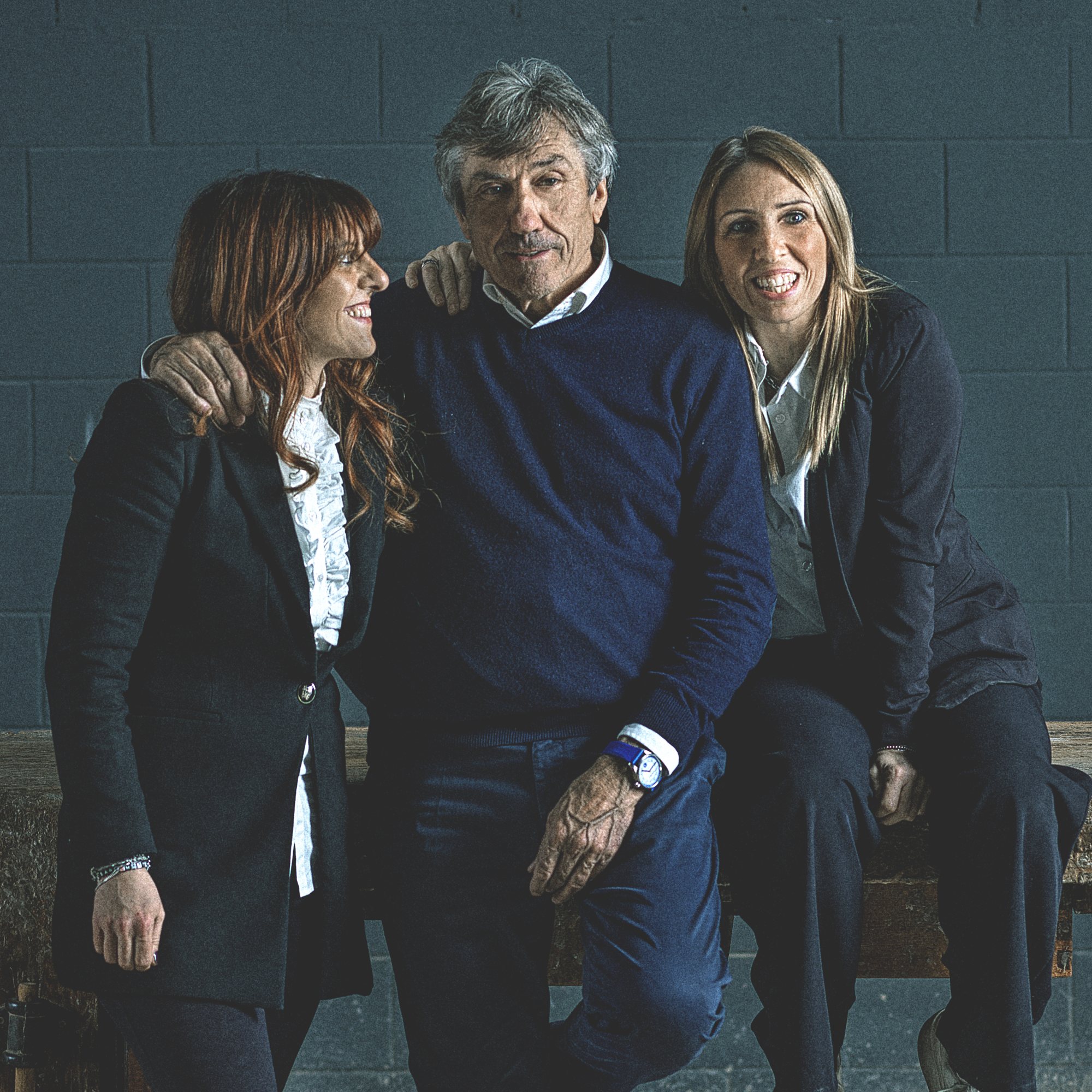
In Cantù, in the heart of Brianza, Riva1920 has been working solid wood for more than a century, guided by a conviction that time has not worn away: a piece of furniture is made to be handed down. It is the idea that Maurizio Riva, son and grandson of furniture makers, carries forward with the same loyalty to the material as those who came before him, and which today, in a market racing towards fast, standardised products, sounds like a deliberately countercurrent choice.
From the briccole of Venice to kauri wood, our conversation with Maurizio Riva traces the choices through which Riva1920 has been giving new value to reclaimed wood since the 1990s. With rare frankness, Riva explains how the history of the wood guides the company’s work with designers and reflects on the challenges facing Made in Italy. To find out more about its collections and products, see the Riva1920 brand page.
Solid wood, memory and future: the interview with Maurizio Riva
Which values from the family’s history still shape Riva1920’s identity today?
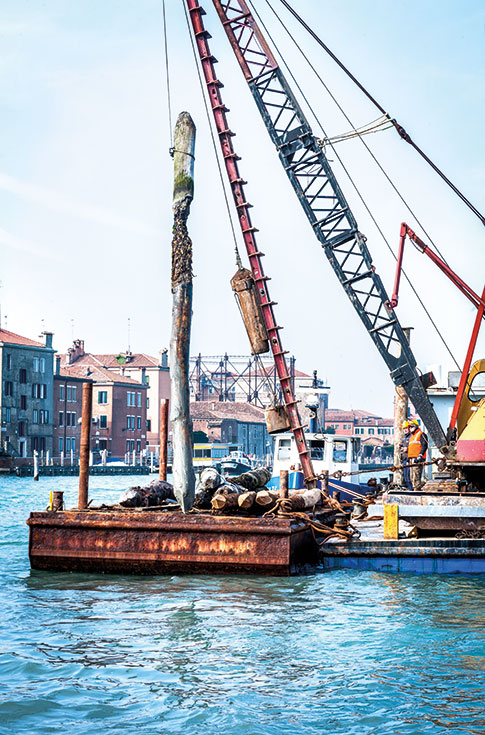
We have carried on the way of making furniture that I learned from my grandfather and my father, updating it with more modern machinery. We have stayed faithful to edge banding, to working solid wood and to dovetail joints in the drawers. To make them, we still use only solid wood and plywood. Alongside this way of working we have made a clear commitment to making the most of resources, reclaiming woods such as the briccole of Venice and giving them a new life in our furniture.
The values, however, remain those with which my grandfather and my father made furniture: giving value to a product meant to be handed down.
What does it mean to work solid wood in a market racing towards faster, more standardised products?
It means going in a different direction. Perhaps we will not win the war, but we will win a few battles by producing this way, because we want to make things to be handed down. We also want craftsmanship and manual skills not to be lost, in a world where furniture is made from standardised panels, chipboard and paper.
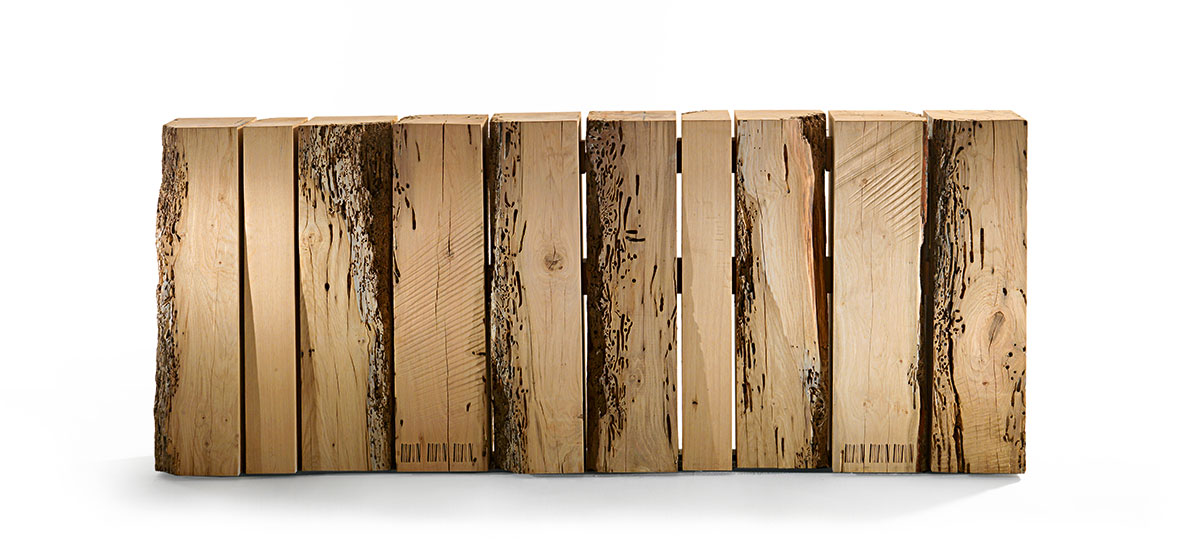
We work so that a piece of furniture can have a second and a third life, and we also use materials that have already been reclaimed: the barrels are on their third life, and so are the briccole.
How important is it to teach people the value of durability and genuine materials?
We work every day to get this across, but people do not understand what can be handed down. We could never hand down a chipboard chest of drawers without dovetailed drawers. An iron frame, perhaps by a great designer, at least we know it is iron, and perhaps it can be handed down. But a product without a soul cannot be handed down. This is our path.
What is the relationship between material, memory and design, between briccole, Kauri and reclaimed wood?
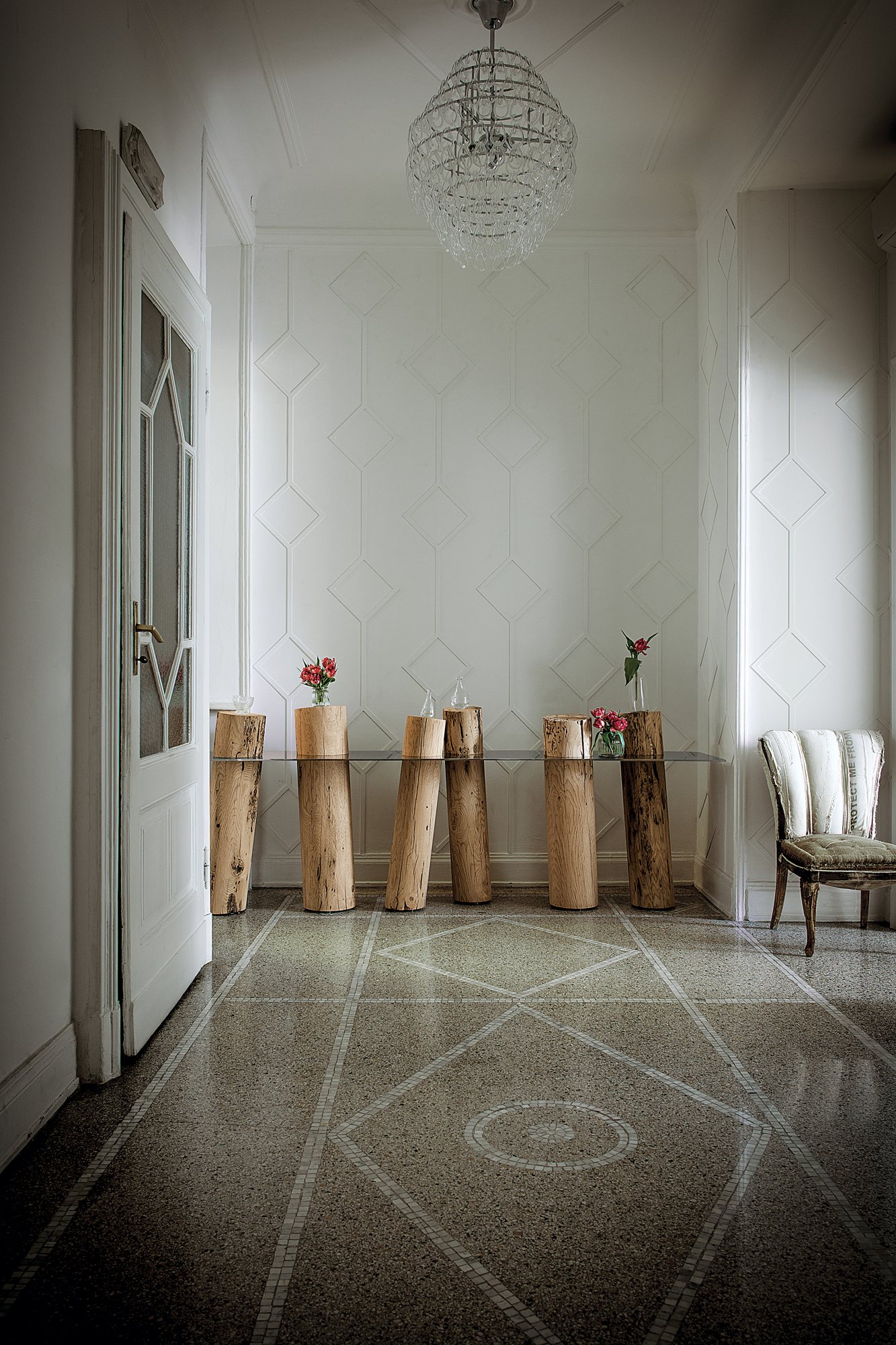
Our way of working is age-old: using what nature hands down to us and what has been made by man, to provide a service to people. We reclaim it, instead of destroying it.
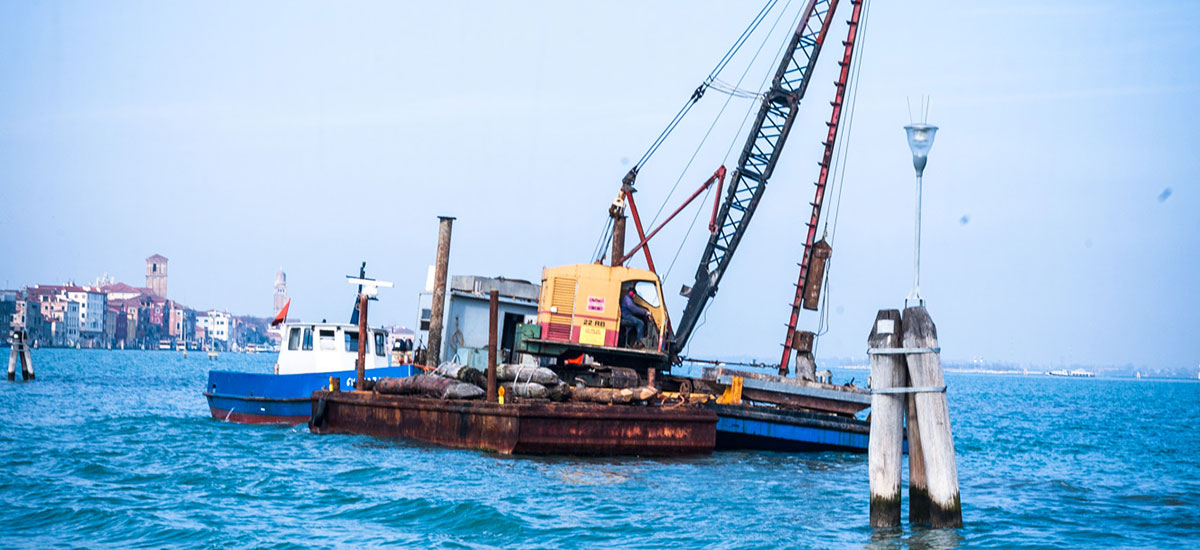
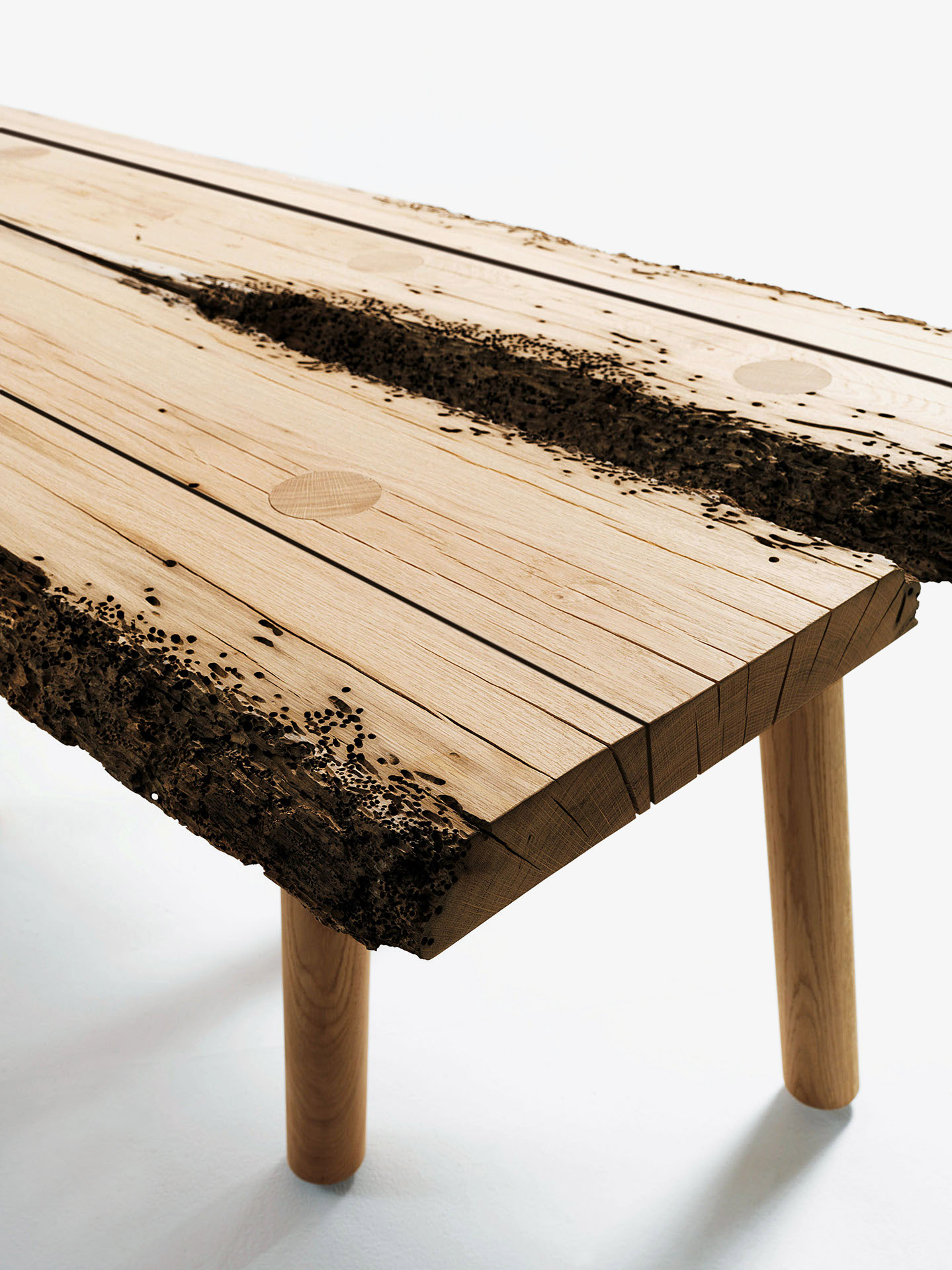
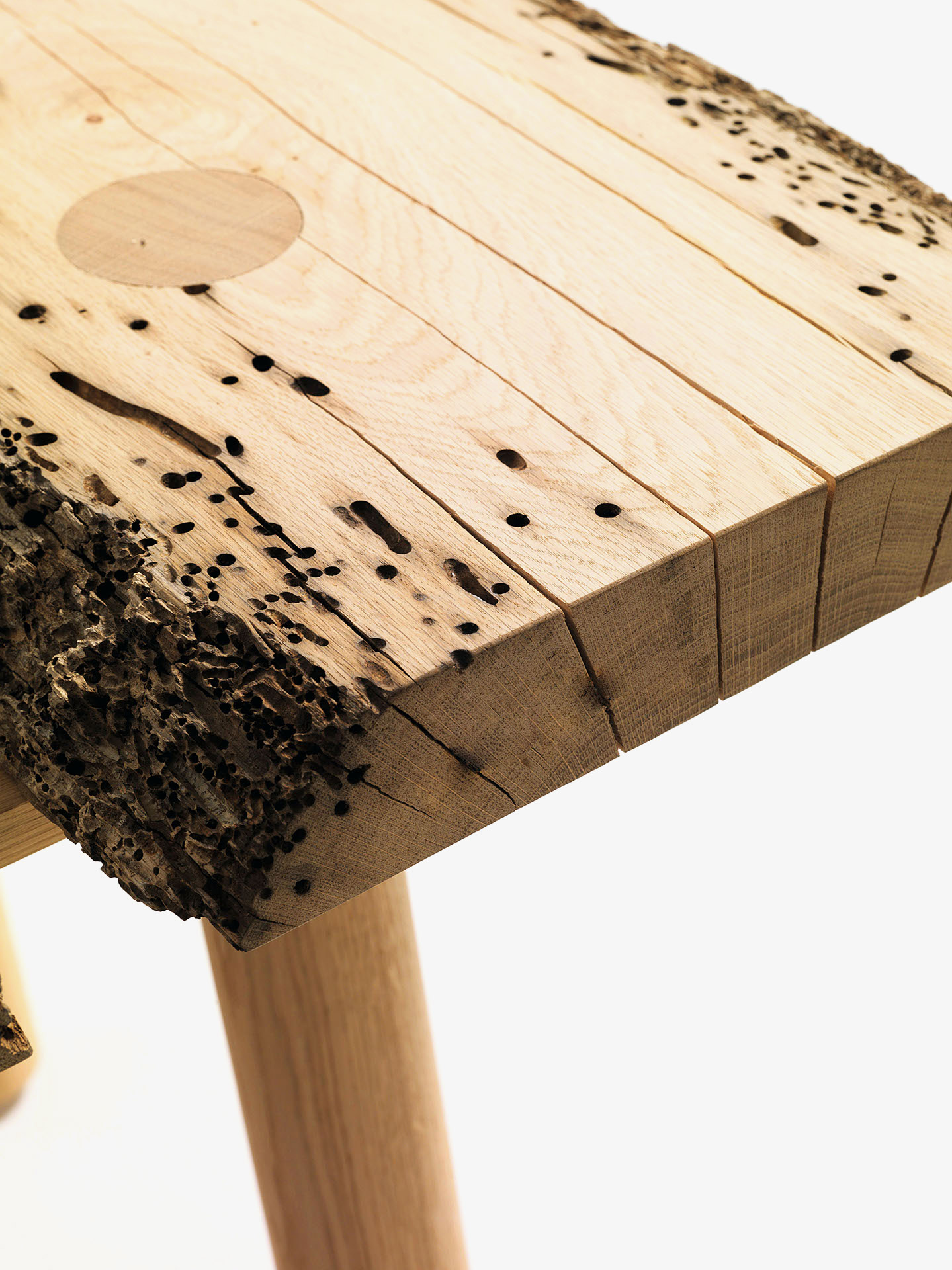
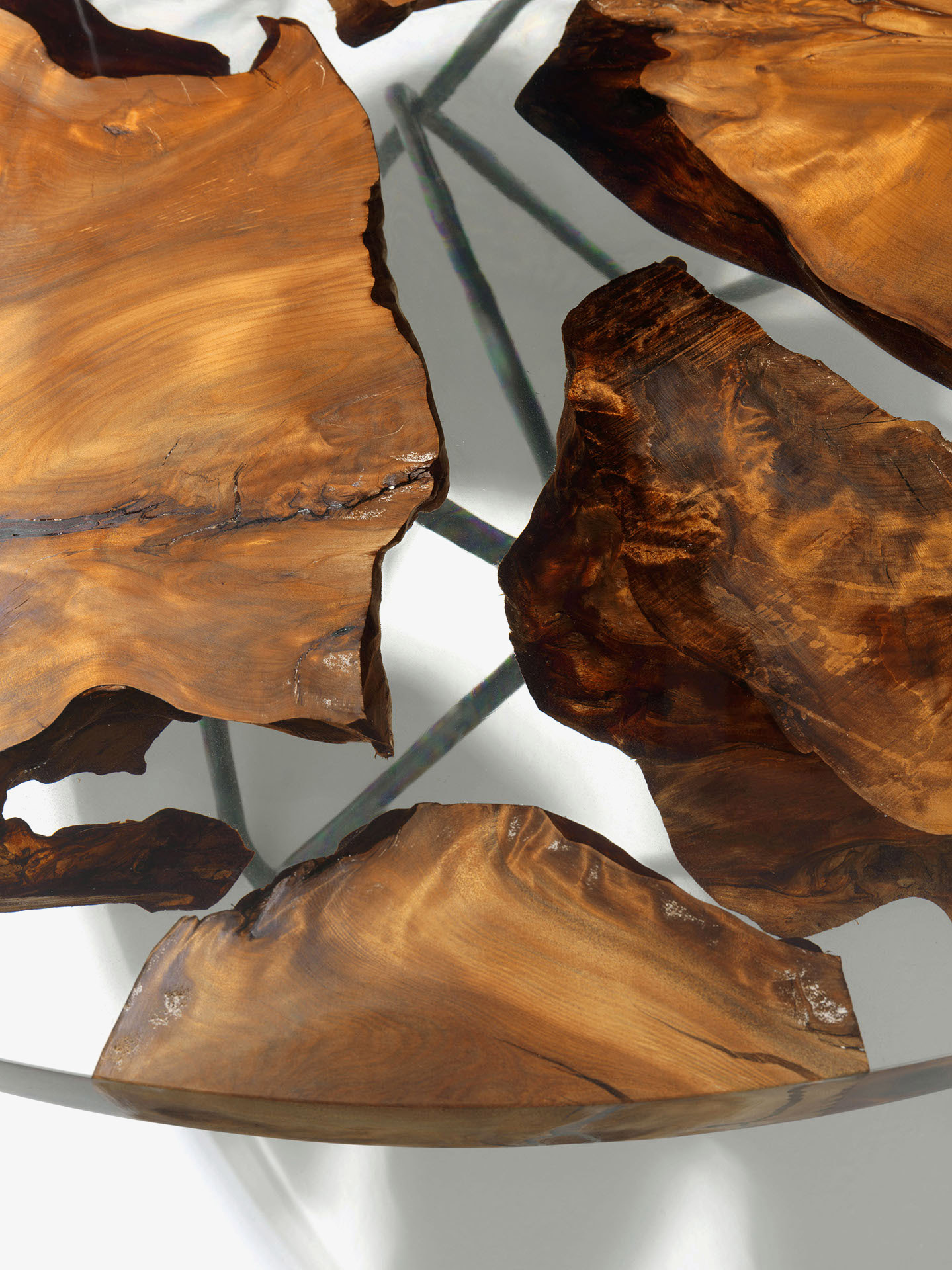
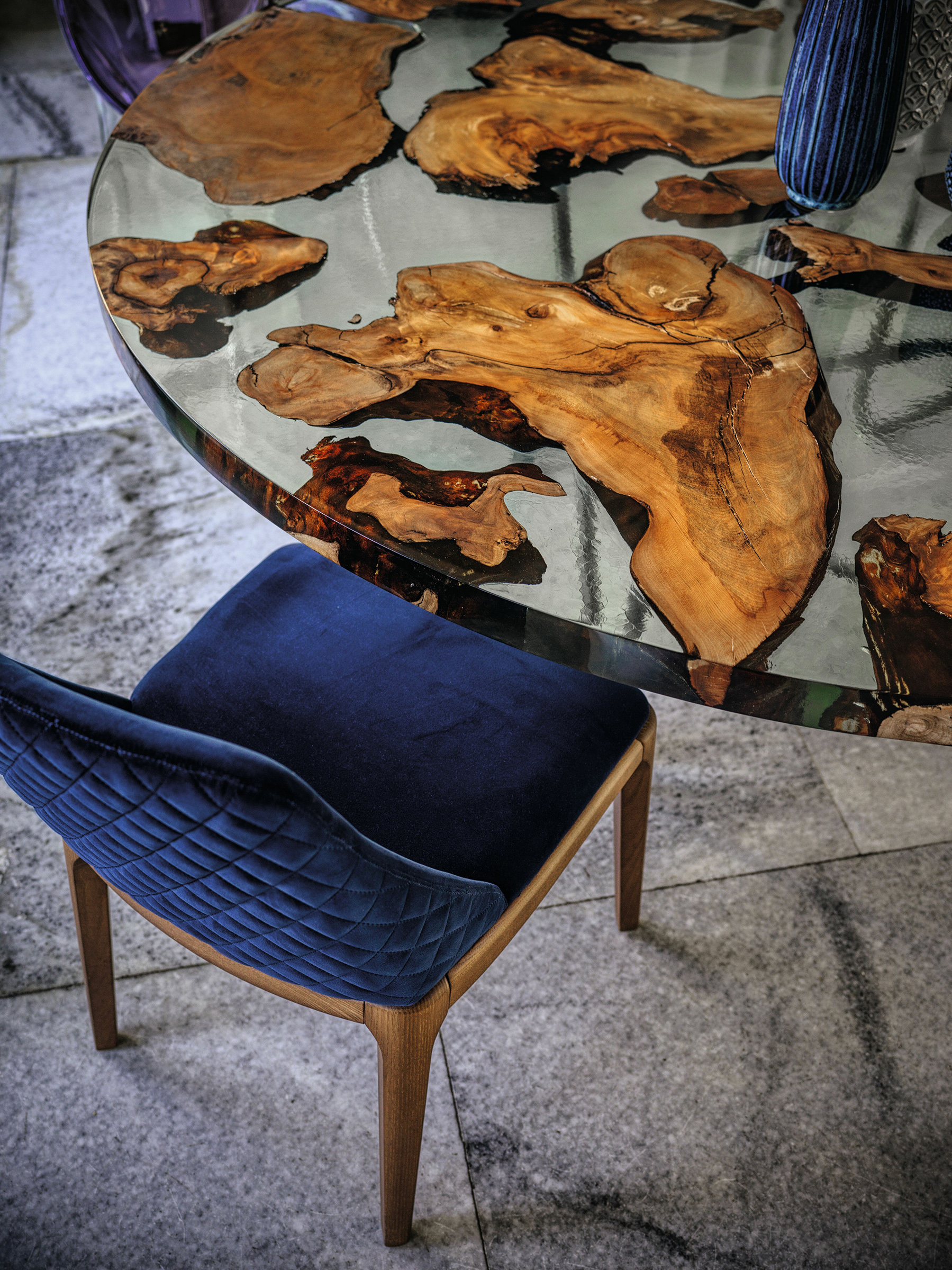
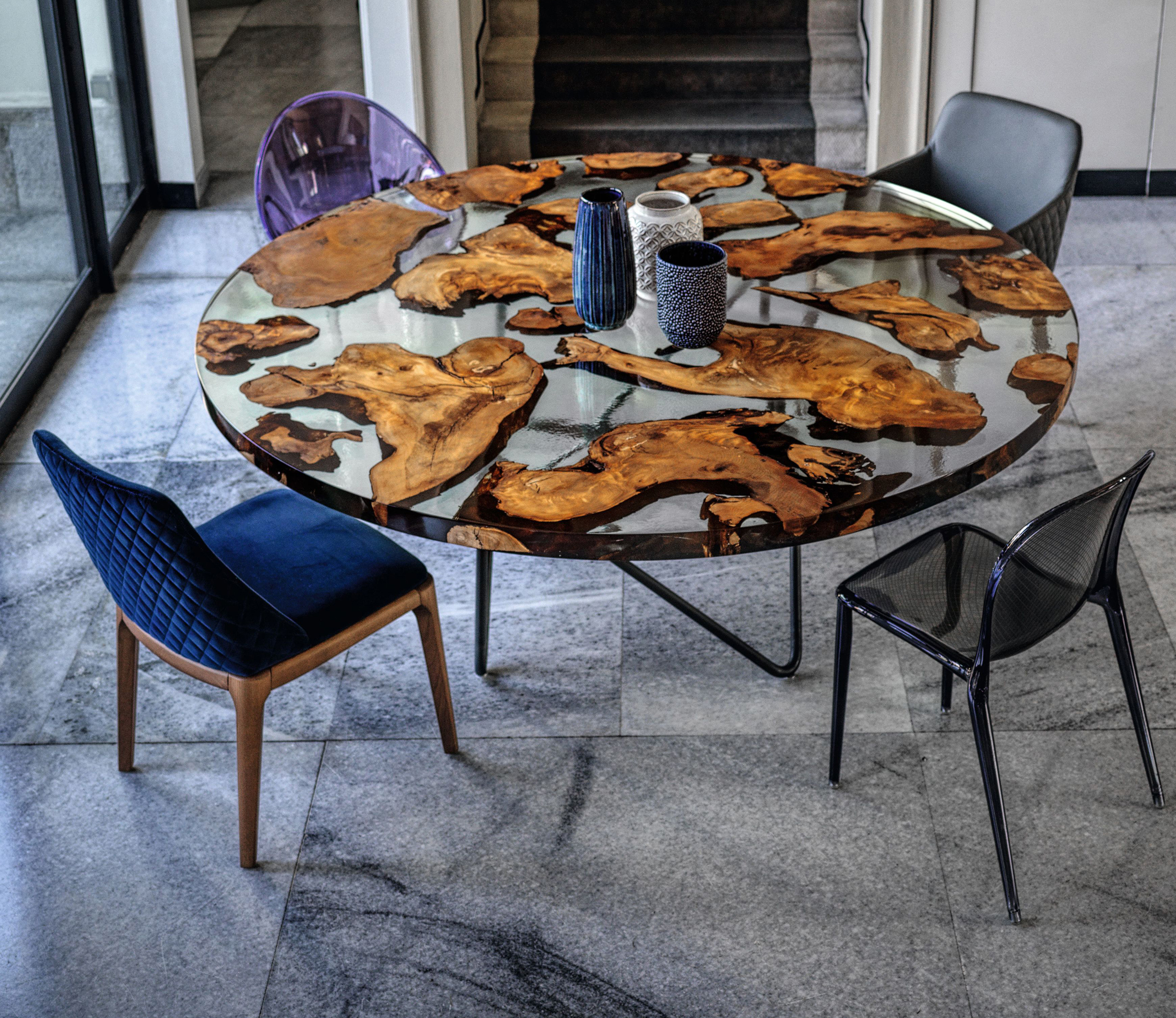
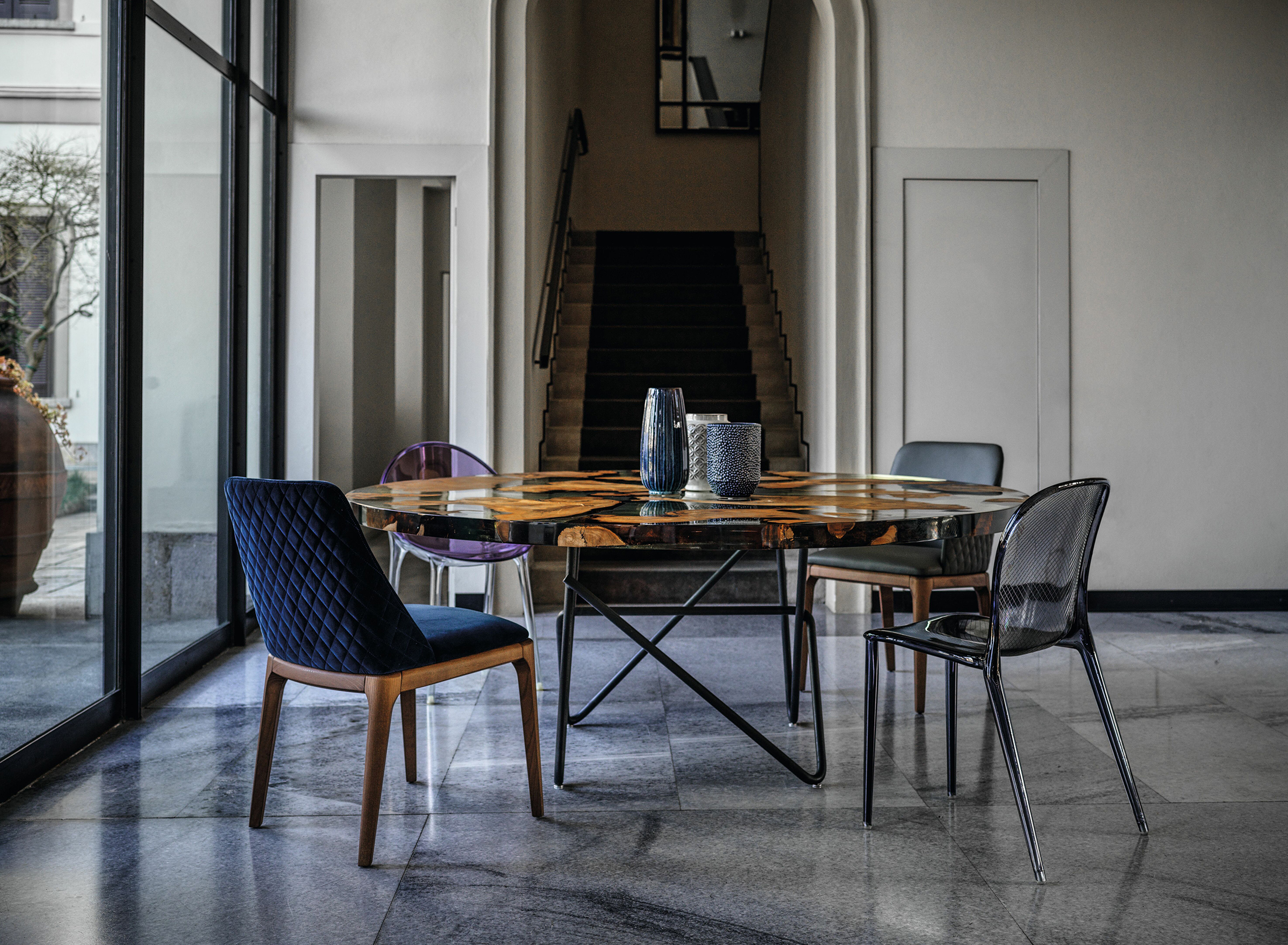
I think of the briccole, worked by the shipworm, a mollusc that has left its mark on those trunks driven into the lagoon to mark out the waterways. Kauri is also an excellent material, but here we become less sustainable: we are sustainable as far as the wood is concerned, less so for the resin, for the simple reason that we have to make tables, and you cannot eat at a table with parts of the trunk missing. For us this is extremely important.
What do you personally look for in a collaboration with architects and designers?
First of all, getting to know the architect, and letting them get to know us for what we do. We stick to the architect’s ideas: if they do not convince us, we say no; if they do, we say yes. I think designers learn by visiting companies, and that ideas then travel elsewhere too. That is fine: the country grows, designers grow, everyone grows.
What matters is managing to create recognisable, iconic products.
Is there a product or a project you are particularly attached to?
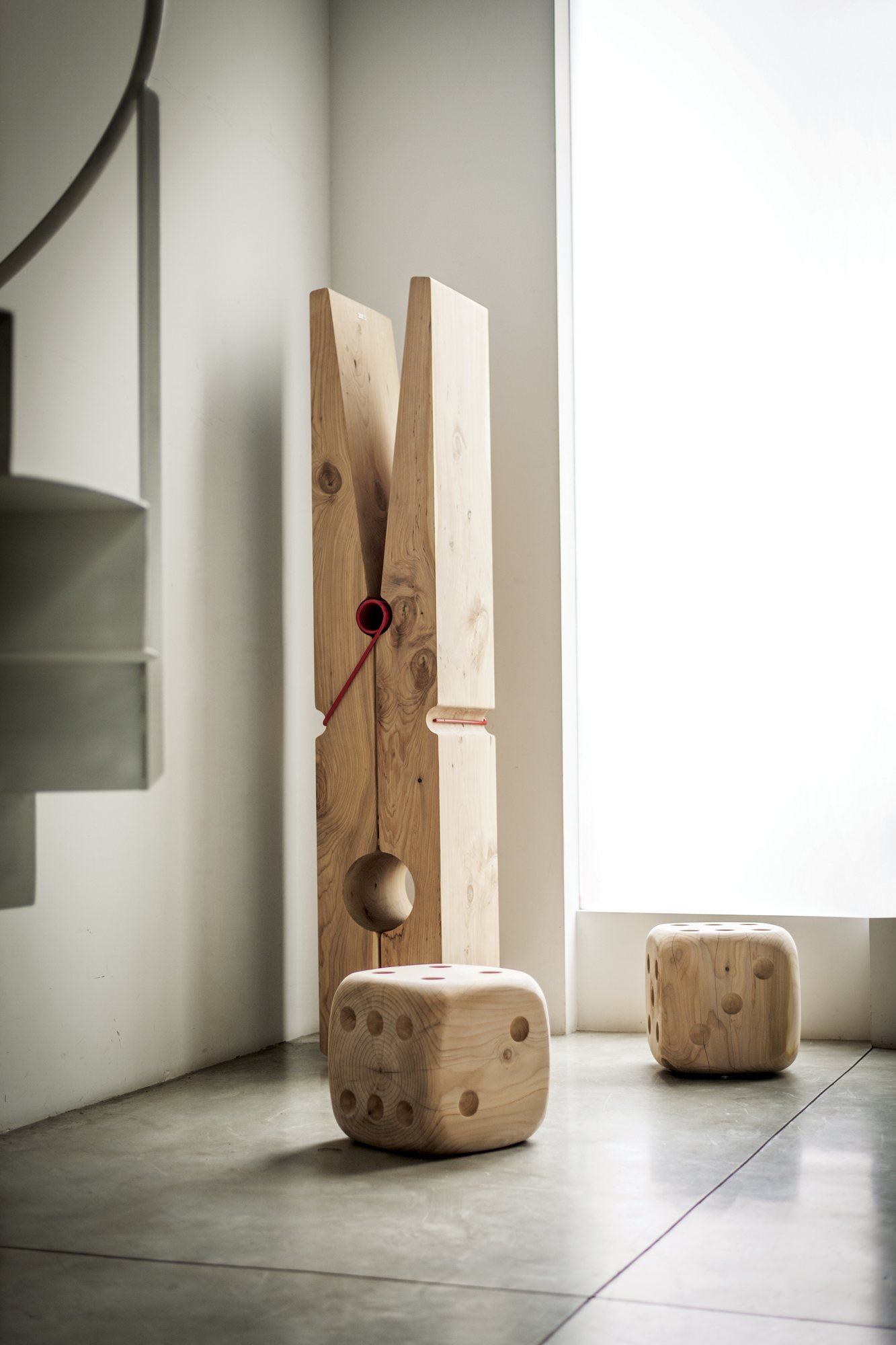
I am very attached to the products that sell, and that matters, but I am attached to all of them, because each one gave rise to a relationship with its designer: from the youngest and least known to very important names, such as the architect Piano and his son, without taking anything away from the others.
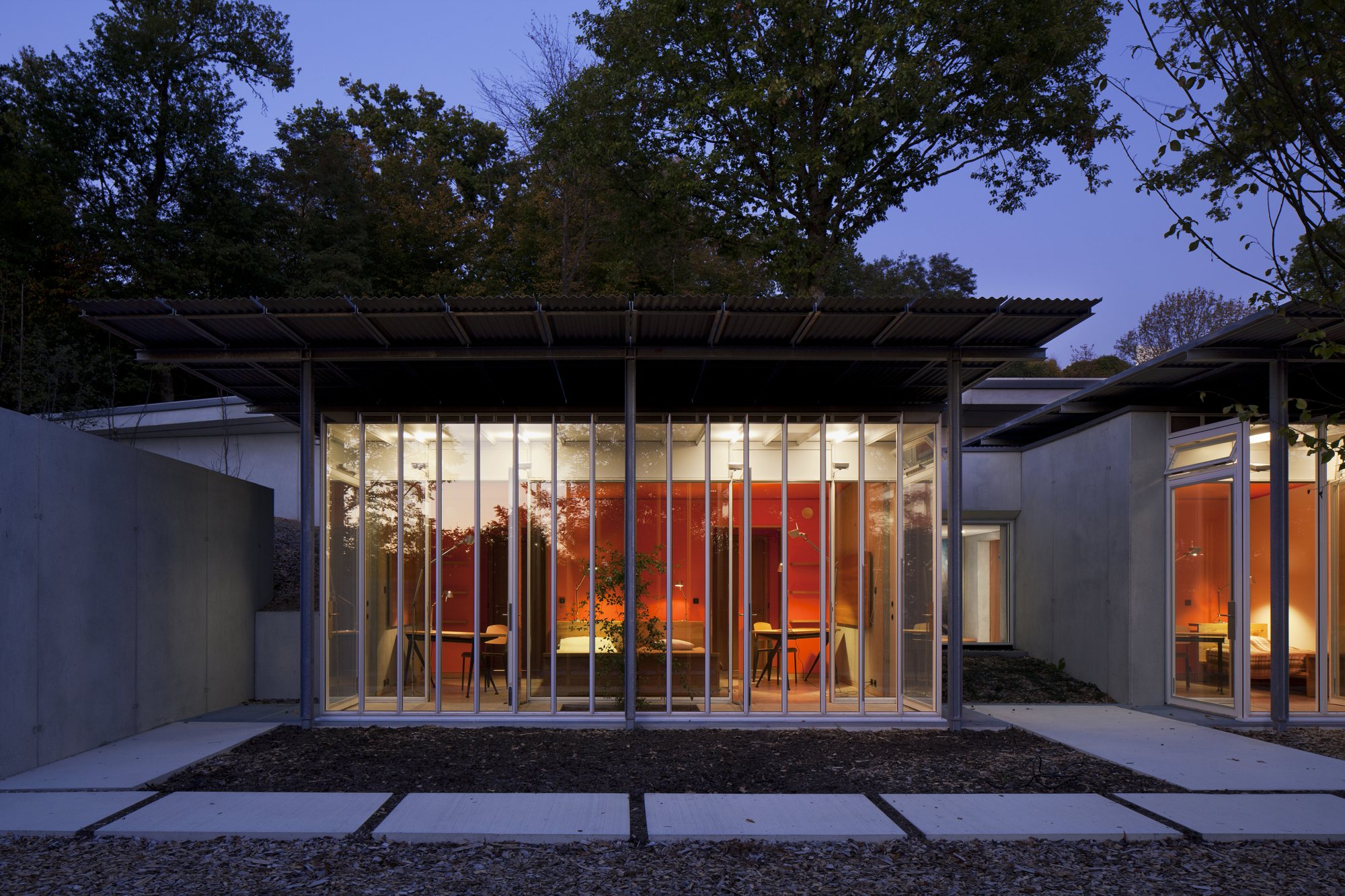
With all the designers we have worked with, there have been many wonderful moments: they have given me a great deal and, probably, we have given them something too.
What requests are architects, interior designers and clients making today for bespoke work?
Architects and interior designers are asking for bespoke projects more and more. At the very highest levels, people look for pieces that are almost their own, one of a kind. Then there are requests for hospitality and contract, where the range goes in every direction.
How do you make the most of resources in the production of your furniture?
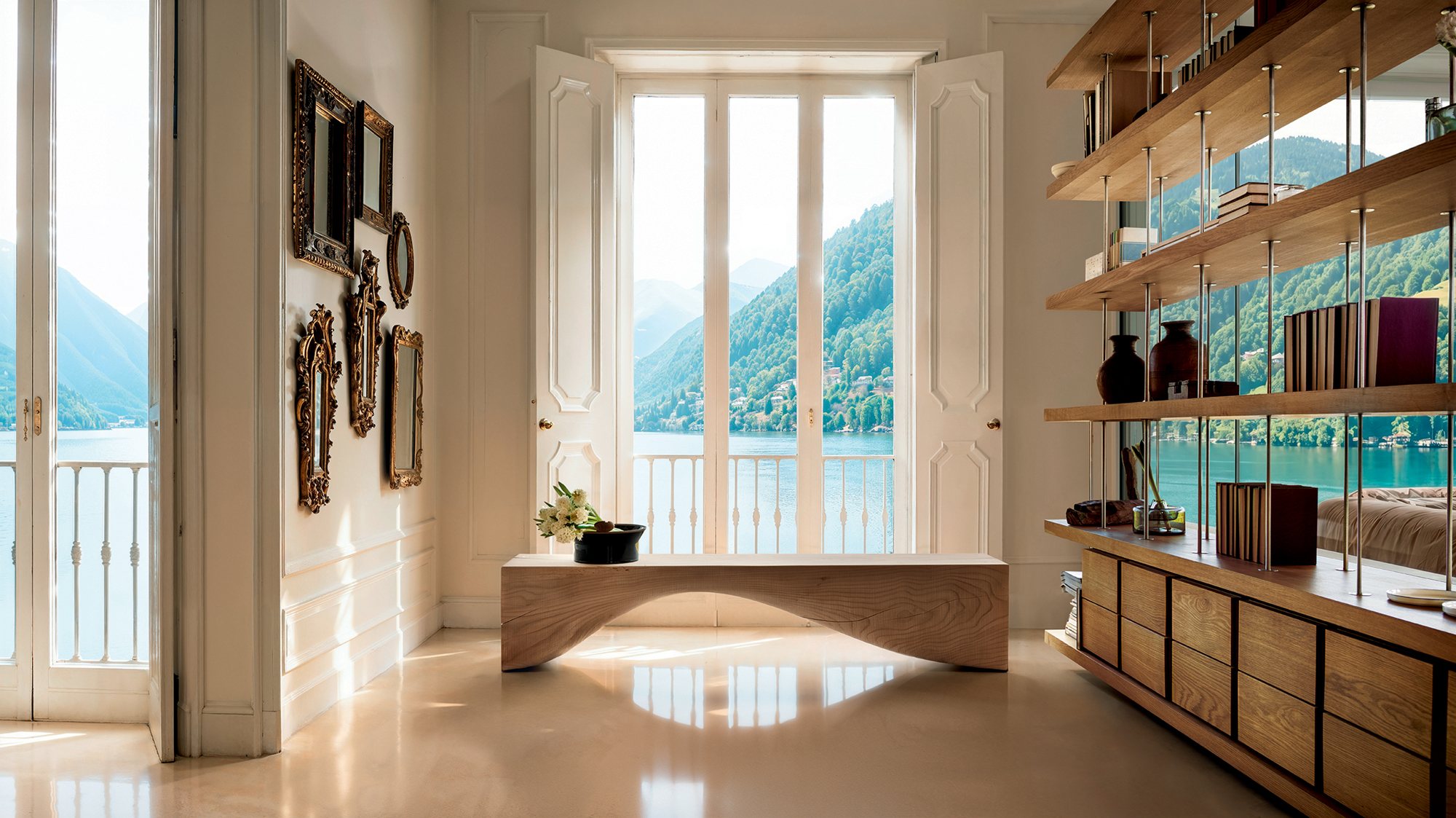
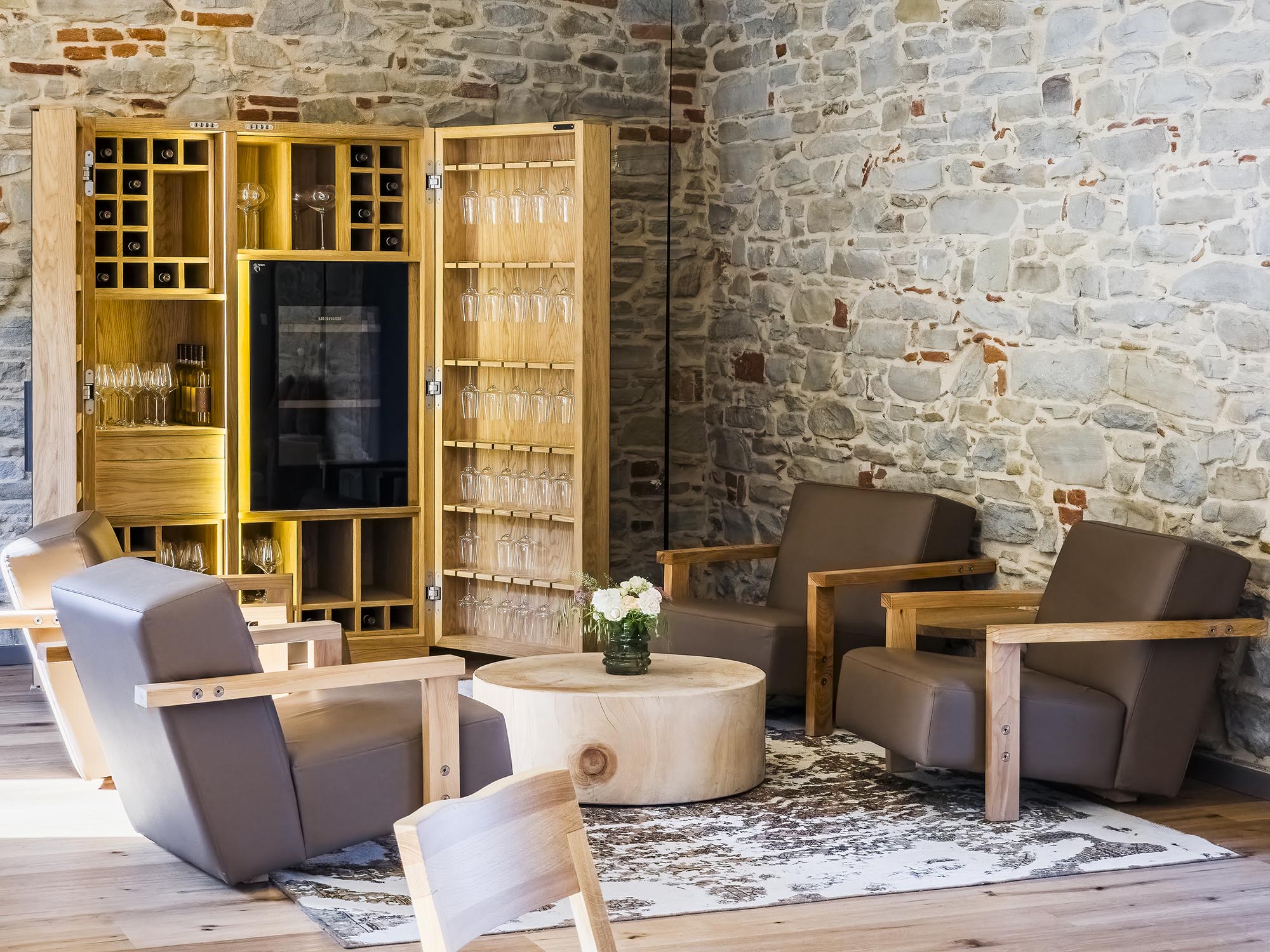
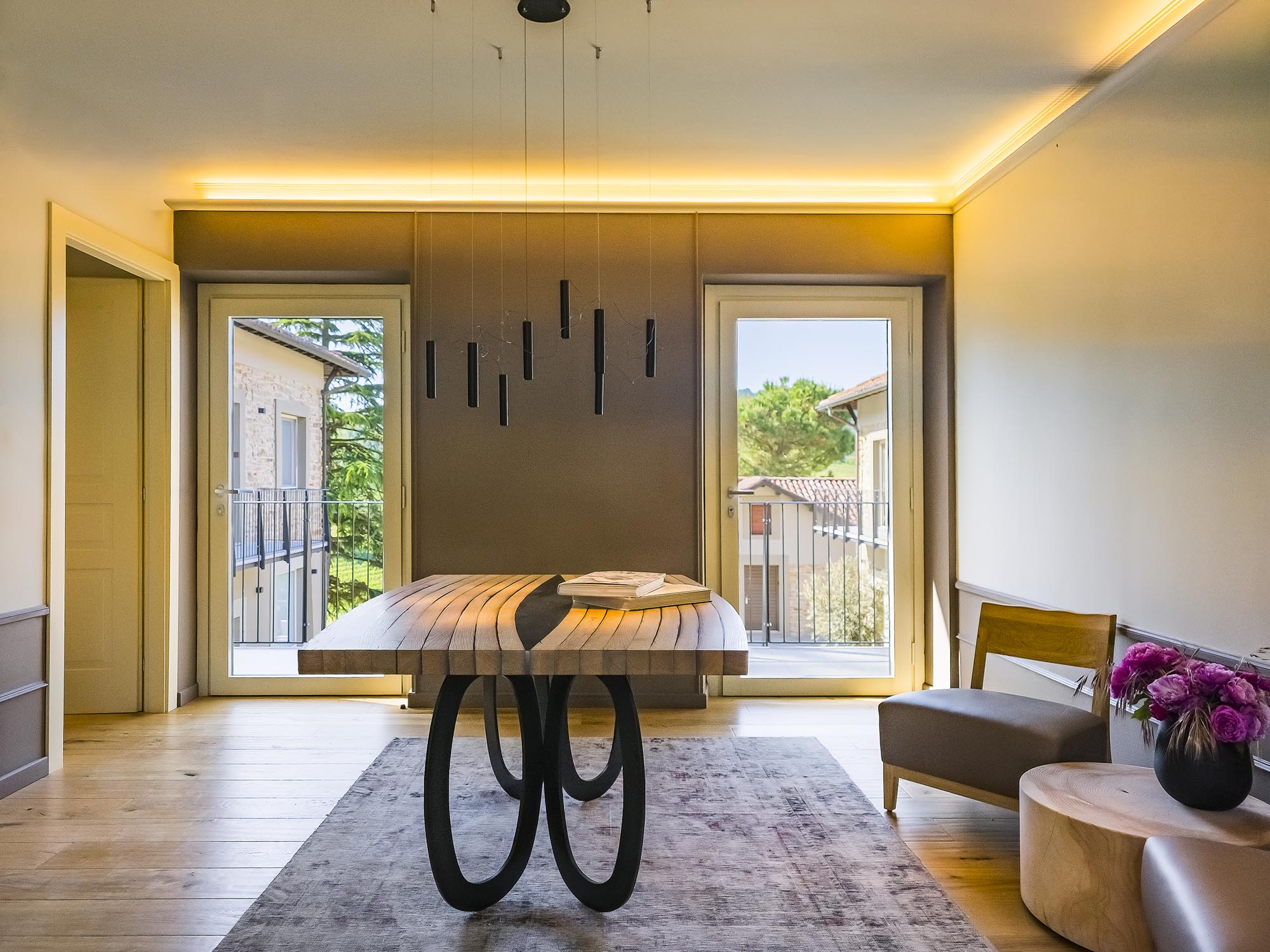
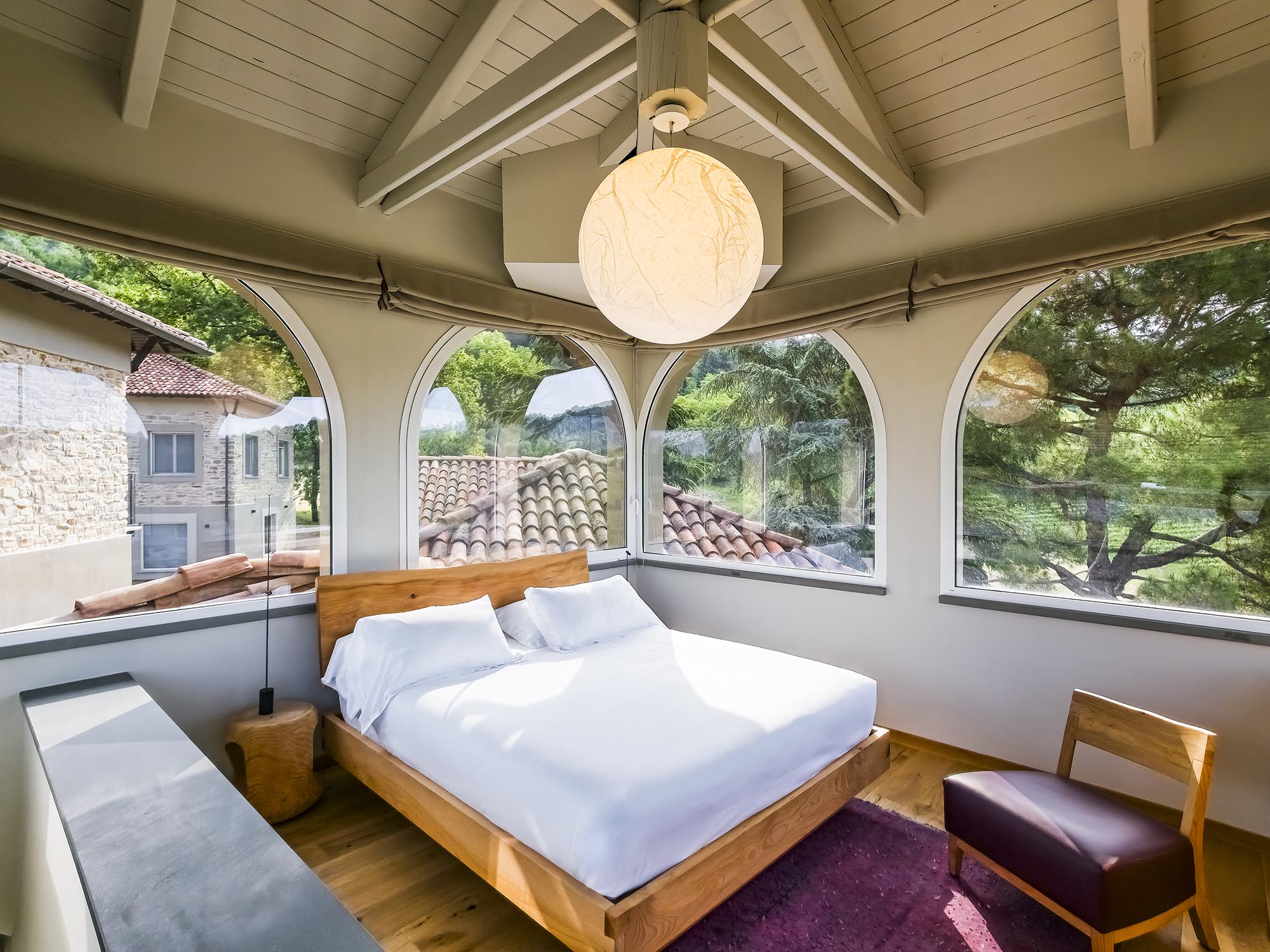
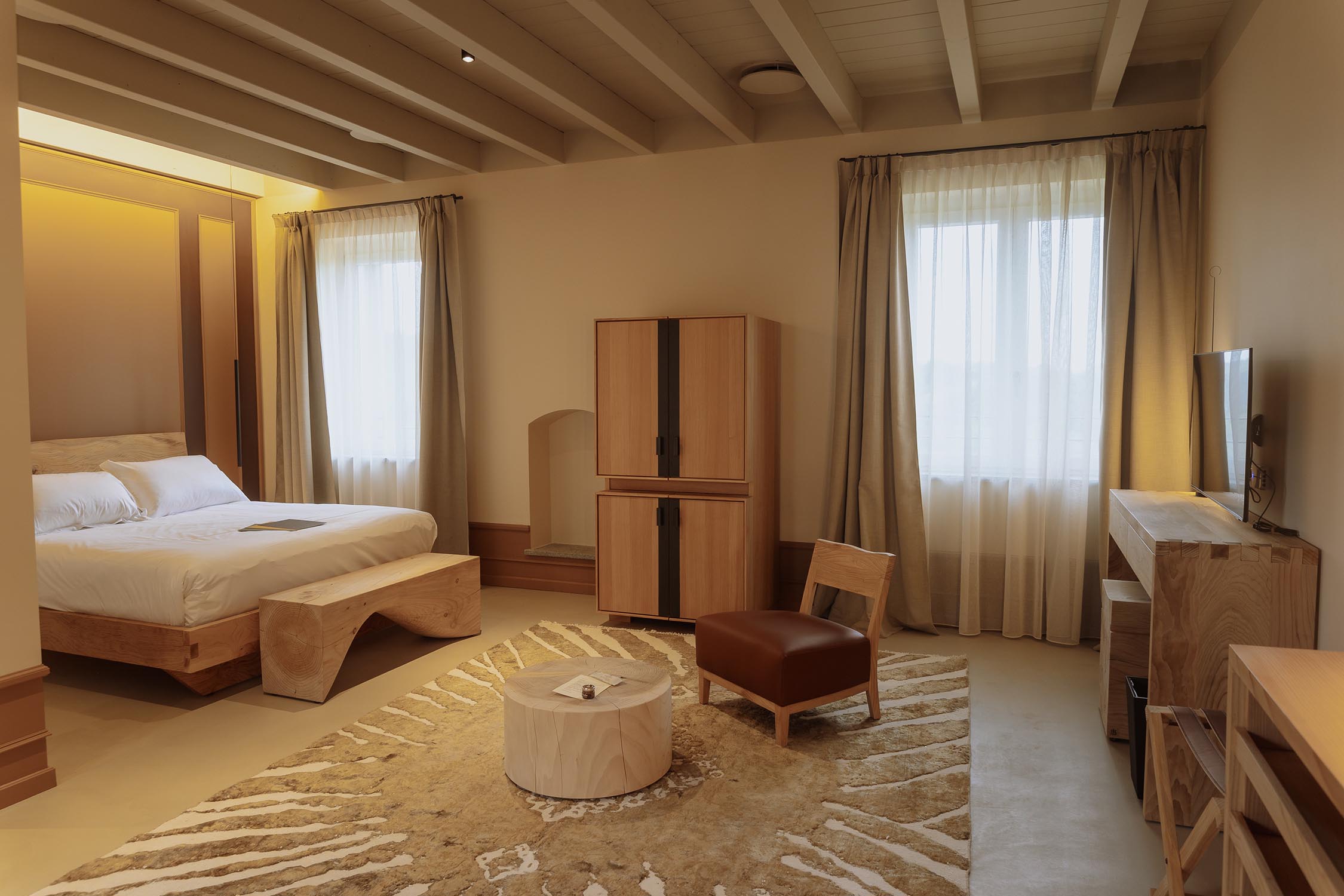
For us it is a question of how you work in the workshop. We reclaim woods such as the briccole of Venice, use natural finishes and still do some of the work by hand. These are choices we have been making since the 1990s, with the same attention to materials we already had when we made bespoke furniture.
For me, a piece of furniture must be well made even where you cannot see it. When I open a drawer, I look at how it is built, how the joints are made and what material is inside. That is where you see the carpenter’s work. That is why we keep choosing solid wood and plywood.
What does it mean today to take to the world an idea of Made in Italy founded on authenticity, material and respect for the environment?
First of all, let us not be too quick to think we are good, because a mountain is coming down on us: the whole world, especially those who were constrained and tied down, has untied those knots and thrown itself into producing, learning and doing. There are very large countries, such as China, India, and also Russia and South Korea, and I believe that, in the way of doing business, we have now been overtaken. There is still a very good Made in Italy, but we keep clinging to the great masters of the past, as if from the 1960s onwards there had been no more design and no more architects, and companies keep reissuing the masters of the 1940s, 1950s and 1960s.
We all need to renew ourselves. I am 72 and I have to accept my age, but the company carried forward by future generations must be renewed: not thinking only of the great masters of the past, but building up the great masters who have been working from the end of the twentieth century to today, with the responsibility that lies in their products.
How do you see solid wood design evolving in the years ahead?
The future will be very hard, because of a combination of factors linked to the way work is done in Italy. I, for example, would pay employees more, but things need rebalancing: more rights and more duties.
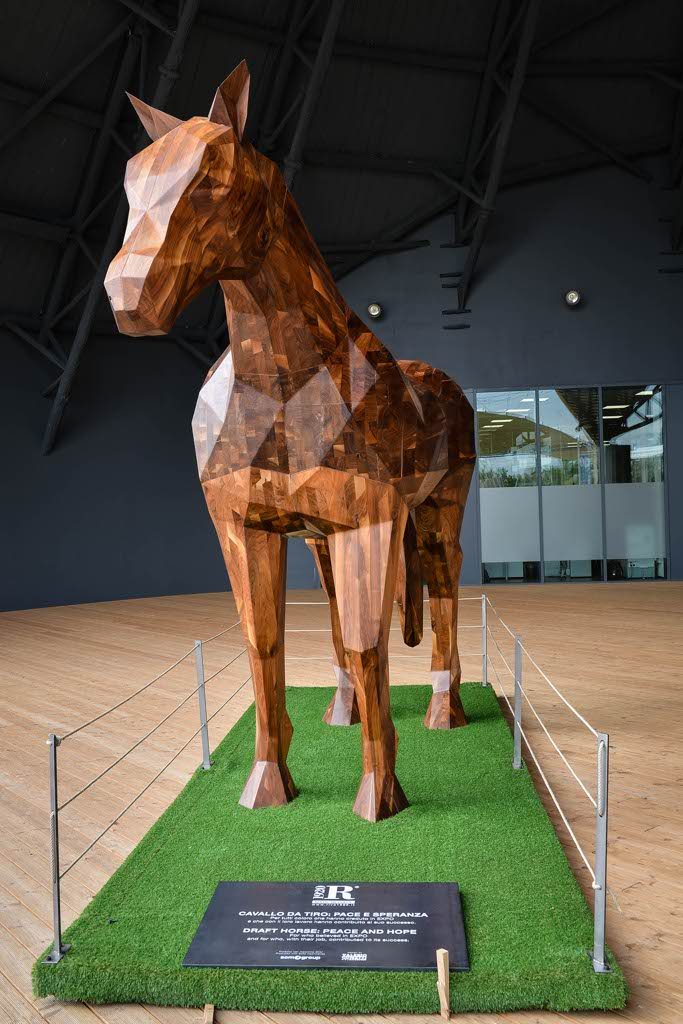
As for solid wood, the further we go, the greater the risk of losing it, even though nature gives us new wood growth every year. We need to be very careful not to waste these woods: there are a great many species. I do not know what the future will hold, but we are trying to carry on our way of doing things: probably, as there will be few of us left, we will have a good market.
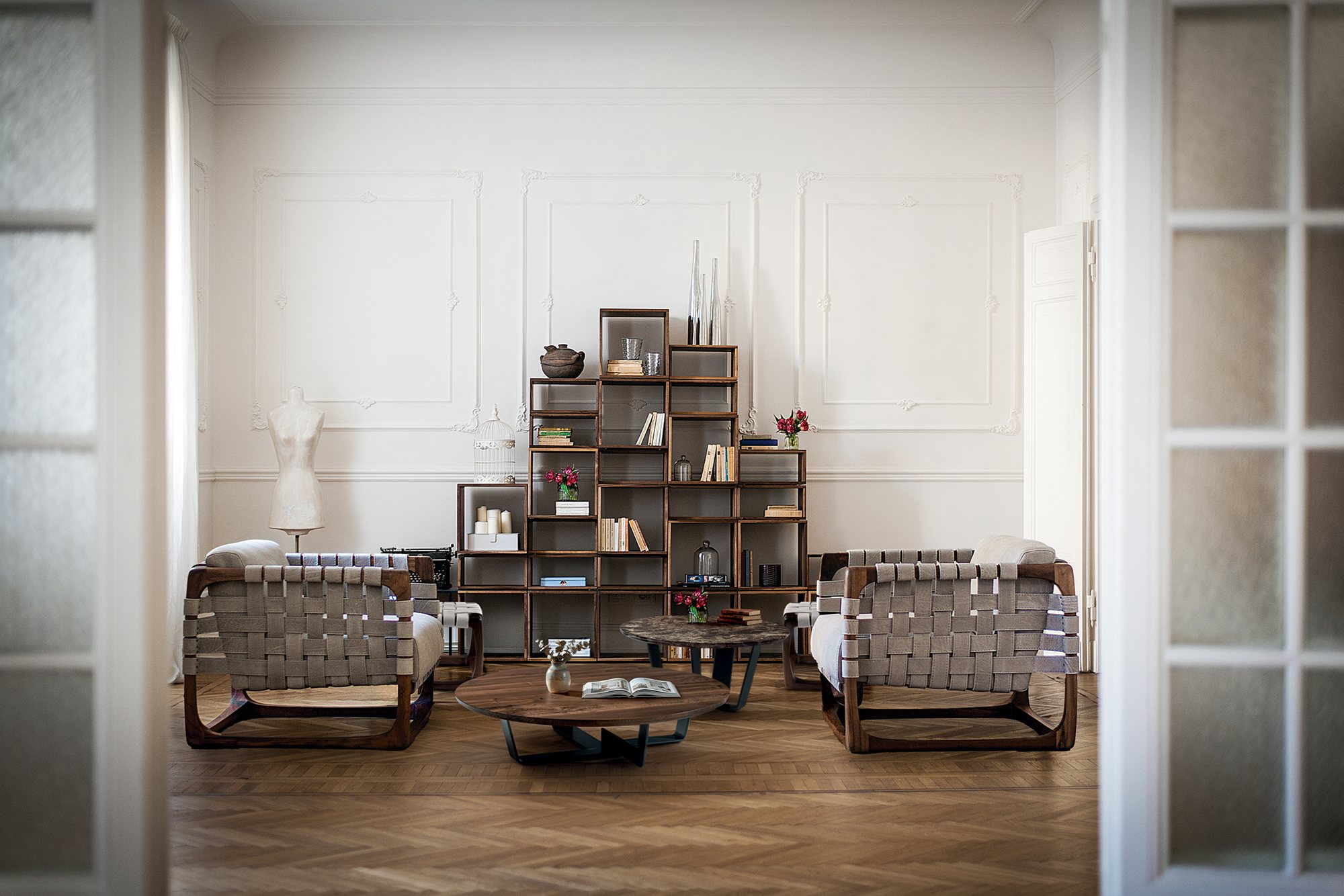
A material with a soul
In this conversation with Maurizio Riva, the idea of handing down returns like a common thread: a piece of furniture must be able to pass from hand to hand and, to do so, it needs genuine material, respected craftsmanship and a soul. At the centre is nature, which gives new wood every year and must be respected without waste: what is handed down to us by nature, as by man, is reclaimed rather than destroyed, from the briccole of Venice to Kauri and to woods that have already lived several lives. It is a countercurrent choice that Maurizio Riva defends forcefully and which, for those who design and those looking for a purchase meant to last, makes clear what distinguishes a product made to be used from one made to be replaced.
To discover its history, collections and most representative products, visit the Riva1920 brand page on Archi&Interiors.