Working out what to see at Fuorisalone 2026 as early as March means reading the first signals of Milan Design Week 2026 carefully, before the calendar fills up completely and attention shifts to the race for the event of the day. At this stage, what matters are the previews already announced, the districts gaining the …
Working out what to see at Fuorisalone 2026 as early as March means reading the first signals of Milan Design Week 2026 carefully, before the calendar fills up completely and attention shifts to the race for the event of the day. At this stage, what matters are the previews already announced, the districts gaining the most momentum and the projects that, because of their venue, concept or cultural value, already hint at where the most interesting events will be concentrated. With the return of established hubs such as Brera, 5VIE and Triennale, the growth of the Porta Venezia Design District and the buzz around venues such as Alcova, Fuorisalone 2026 is already mapping out a clear geography of historic palazzos, immersive installations, unusual spaces and new openings to watch.
When is Fuorisalone 2026?
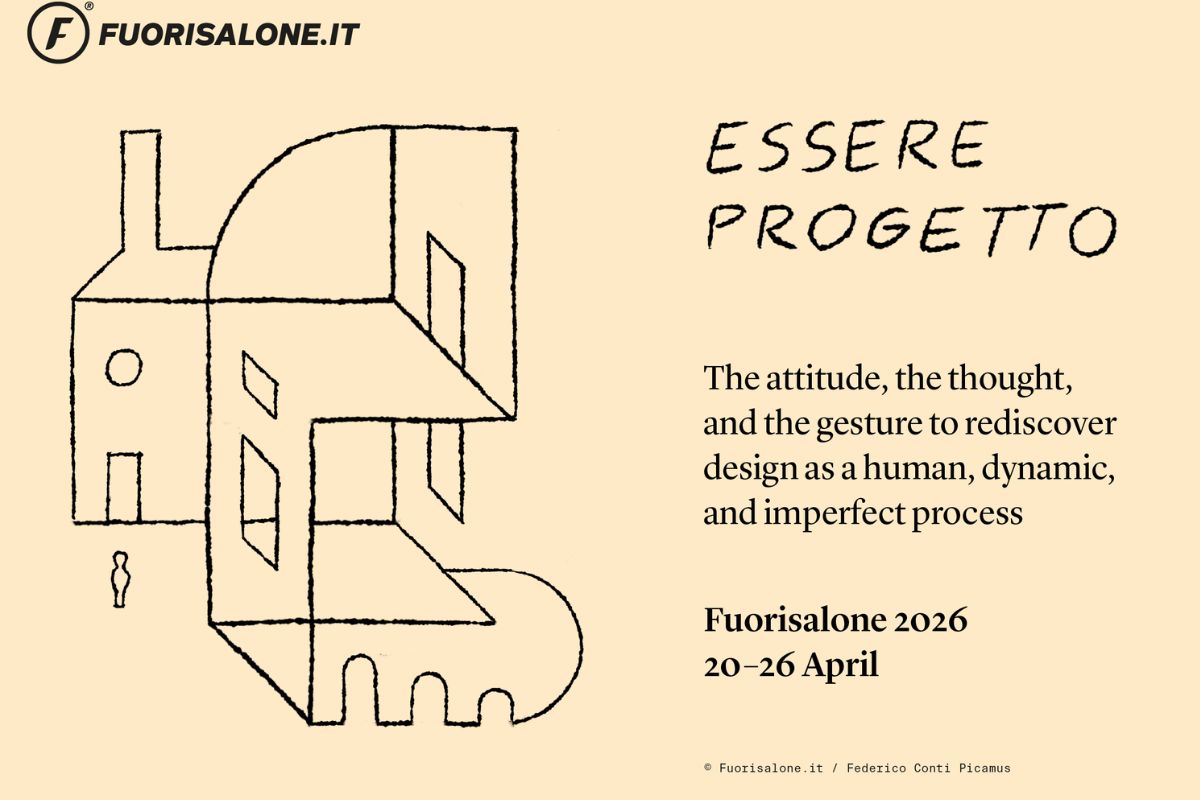
Fuorisalone 2026 takes place in Milan from April 20 to 26, 2026, during Milan Design Week. This year’s edition revolves around the theme “Be the Project”, also presented in Italian as “Essere Progetto”: a concept that puts design at the center as a process, a responsibility and a force for transformation, rather than simply a finished object.
“Be the Project” is not just the theme chosen for Fuorisalone 2026, but a statement of intent that reflects an increasingly visible shift in perspective across the design world. The focus moves from the finished object to the process that creates it: from idea to experimentation, from error to transformation. In this sense, designing is no longer just about giving shape to things, but about taking on cultural, social and environmental responsibility.
With “Essere Progetto”, Fuorisalone invites visitors to see design as an open, constantly evolving practice that connects materials, technology and vision. The result is an approach less tied to aesthetics alone and more attentive to the value of the connections, methods and stories behind each project, giving design a deeply contemporary dimension.
Milan Design Week 2026: the Fuorisalone districts to follow now
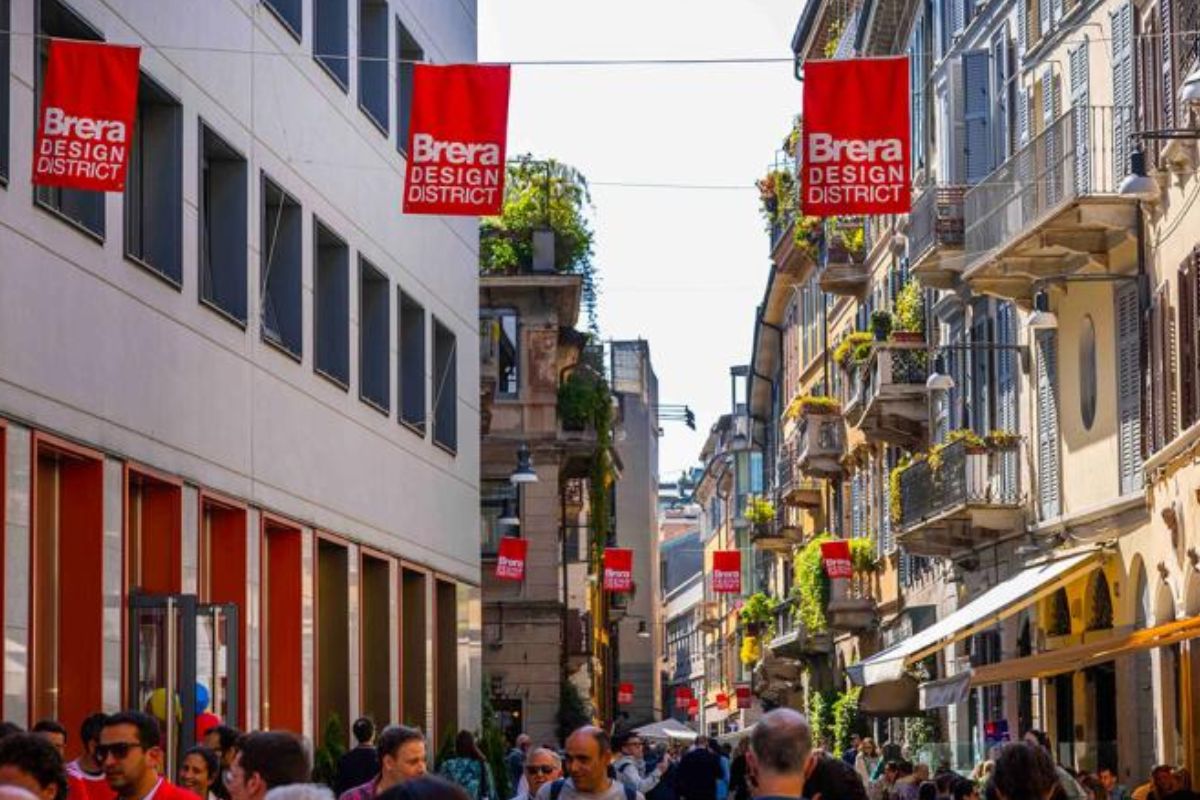
While the calendar is not yet final in March, the places where Fuorisalone 2026 will take shape are already fairly clear. As every year, Milan Design Week is built on a widespread geography of districts, neighborhoods and cultural hubs that, more than individual events, are what really help visitors find their way.
Between confirmed favorites and new energy, a few areas already deserve attention.
Brera Design District
Brera remains one of the most solid landmarks of design week. Here Fuorisalone takes on a more recognizable and continuous character, made up of permanent showrooms, historic courtyards and installations spread across the neighborhood. It is the district where design engages most directly with the city, with established brands, new installations and projects that favor quality and continuity over shock value.
For first-time Fuorisalone visitors, Brera is often the natural starting point. For those who already know it, it remains a place to observe how brands evolve over time, keeping a steady presence that is renewed each year.
5VIE Design Week
In Milan’s most historic core, among palazzos, courtyards and ateliers, 5VIE continues to stand out for a more personal, sensory approach. Here design works in a different register: less spectacular, more intimate, often linked to fine craftsmanship, materials and experimentation.
It is one of the districts where you are most likely to discover unexpected projects, intimate installations and work that calls for a slower gaze. It is not always the loudest, but it is often the one that stays with you most.
Porta Venezia Design District
In recent years this has been the district with the most visible growth, and in 2026 it looks set to take another step forward. Porta Venezia is becoming an increasingly dynamic area, combining immersive installations, urban projects and collaborations spanning fashion, design and visual culture.
Venues such as the historic public swimming pools, repurposed public spaces and new openings toward the Città Studi area are helping to build a more open, widespread and contemporary district. This is where many of the most hybrid and experimental projects are concentrated, often designed to engage directly with the city.
Alcova
More than a district, Alcova is a fully independent hub, and every year it becomes one of the most anticipated destinations of Fuorisalone. The reason is simple: it is not just a selection of designers, but an experience built around extraordinary venues, often open to the public only during design week.
For 2026, interest is already high in the chosen spaces and in Alcova’s ability to bring together international research, architecture and atmospheres that are hard to find anywhere else. It is one of those places you visit not just to see objects, but to experience a setting.
Triennale Milano
Alongside the districts, Triennale Milano remains one of the most important venues for reading Fuorisalone through a cultural lens. During design week, its spaces host exhibitions, installations and projects that often offer a broader, more reflective view than the pace of the city.
It is not necessarily the most spectacular venue, but it is one where design is presented with the greatest depth, connecting history, the present and future scenarios.
Fuorisalone 2026 events already announced: dates to save
If the districts help you get your bearings, it is specific projects that really show where attention will be focused during design week. As early as March, a number of events are emerging that, because of their venue, concept or visual impact, seem to have everything it takes to become central to the story of Fuorisalone 2026.
It is not yet a definitive list, but it is already a useful first selection of where to look.
Alcova at Villa Pestarini and the Ospedale Militare di Baggio
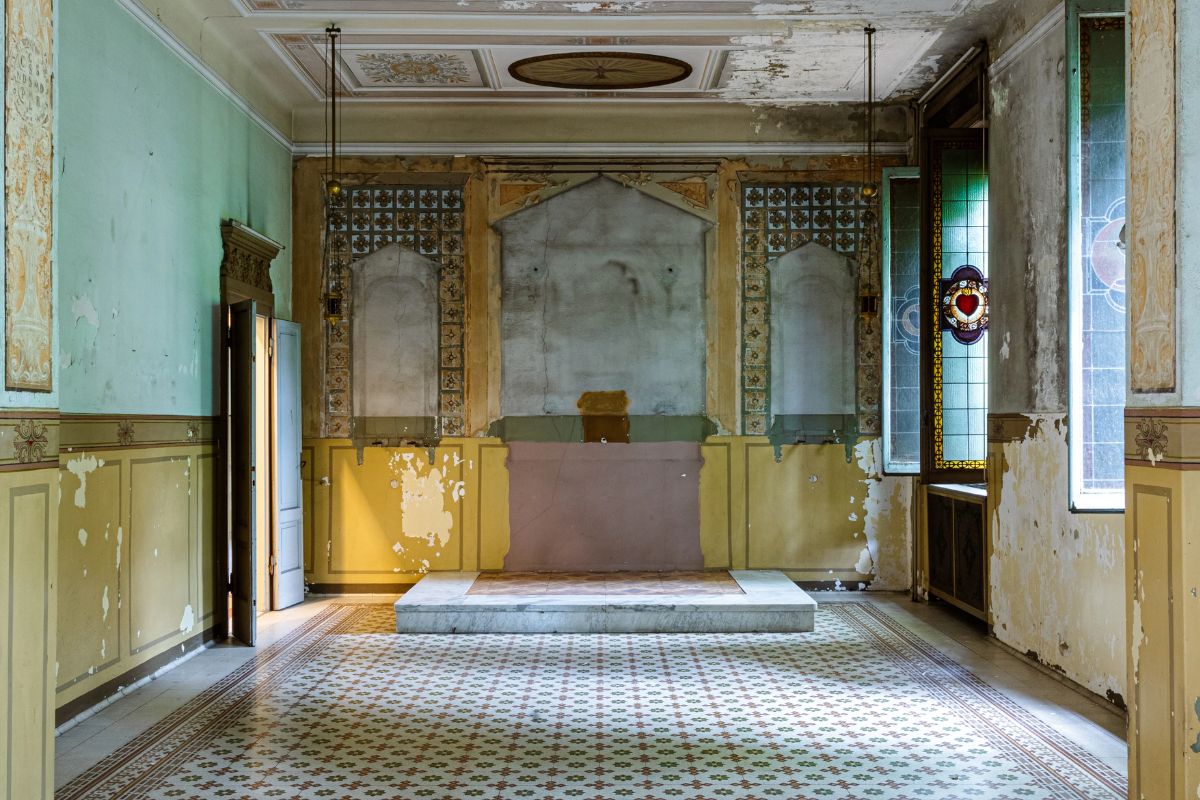
Once again, Alcova is among the most anticipated events, and in 2026 it spans two very different but equally powerful venues: Villa Pestarini and the Ospedale Militare di Baggio (Baggio Military Hospital) complex.
Alcova’s value lies not only in its selection of international designers, but in its ability to transform normally inaccessible spaces into immersive experiences. Access to unseen architectural settings, combined with a very free curatorial approach, makes this one of the most intense and least predictable events of the week.
Palazzo Donizetti with L’Appartamento by Artemest
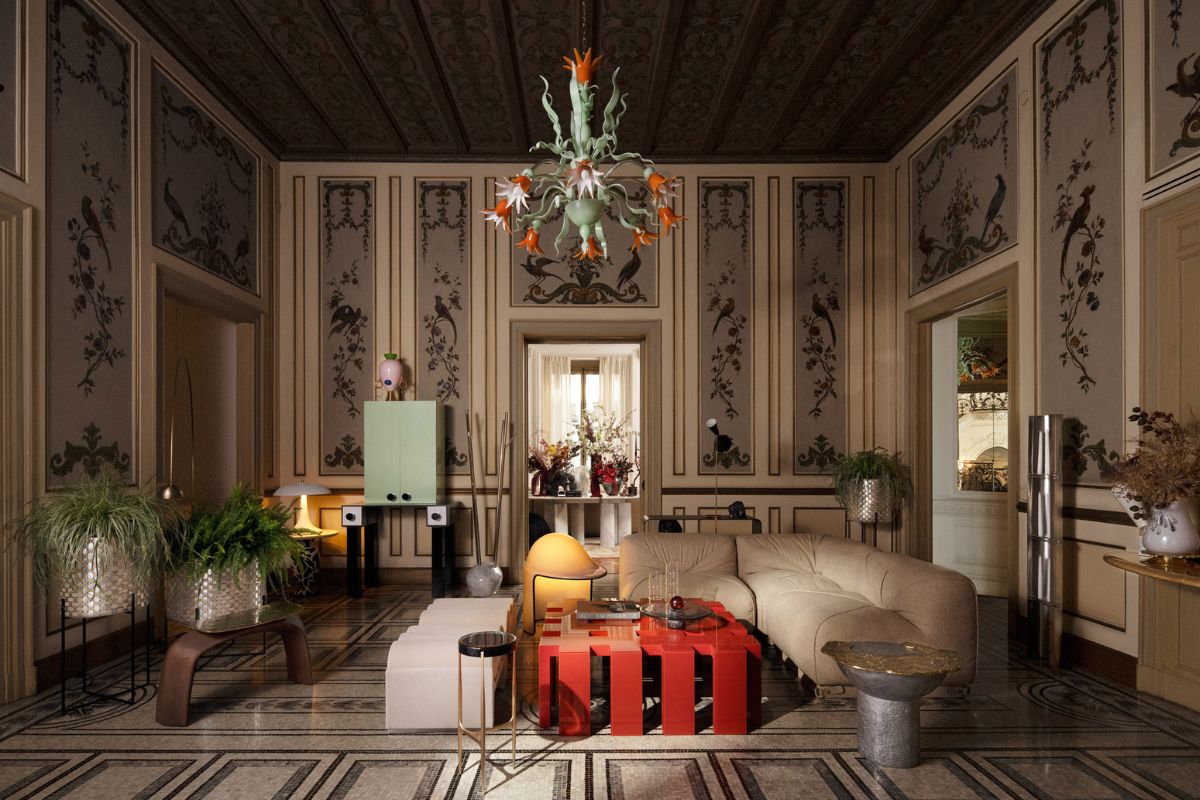
More theatrical and staged, but just as central, is the return of Artemest to Palazzo Donizetti with “L’Appartamento.” Here Fuorisalone strikes a different tone: historic rooms transformed into elegant installations, curated by international studios and created with pieces of fine Italian craftsmanship.
It is one of the events that best captures the most refined and visually powerful side of design week, where every room becomes a coherent narrative of materials, light and decoration.
Palazzo Litta with MoscaPartners Variations
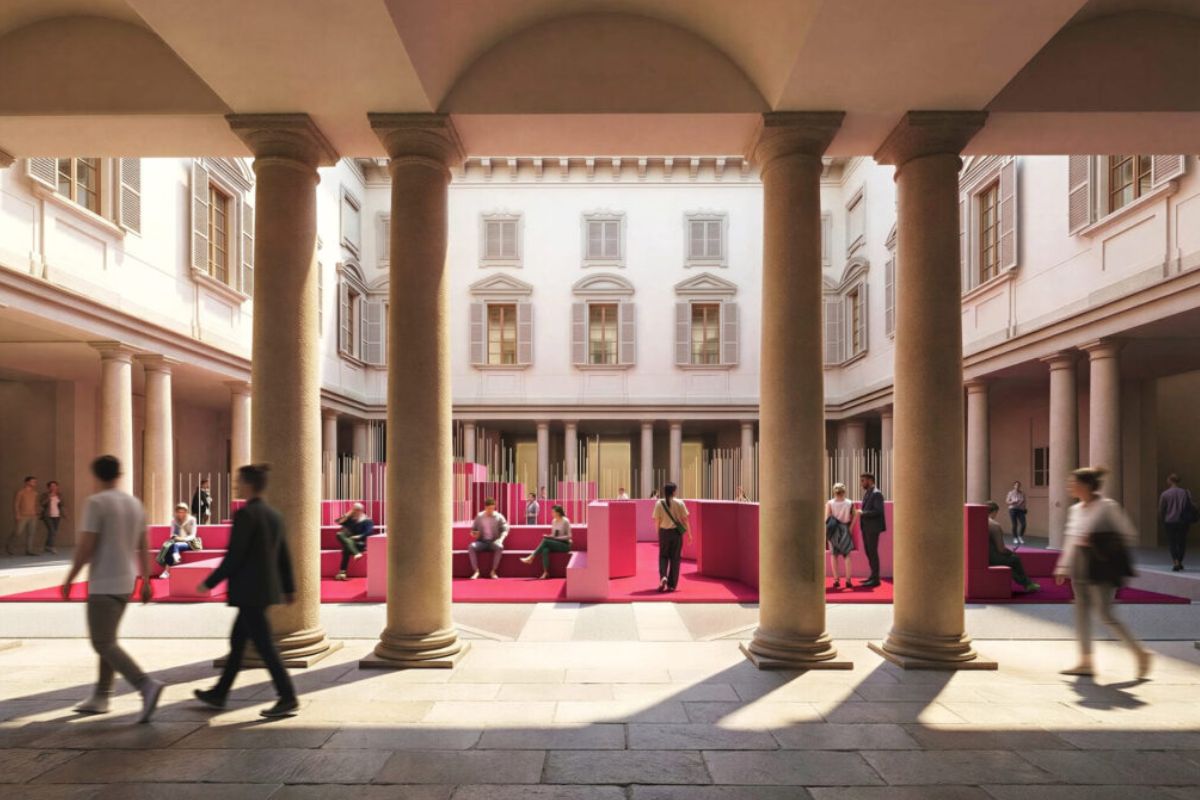
Palazzo Litta also confirms its place among the most important Fuorisalone venues, with MoscaPartners Variations. Every year, the courtyard and interiors become the stage for site-specific installations that engage with the building’s historic architecture.
For 2026, the project revolves around the theme of transformation, with works that explore movement, perception and the relationship between space and body. It is one of those places where Fuorisalone becomes both a visual and a physical experience.
Porta Venezia at Piscine Cozzi and Piscina Romano
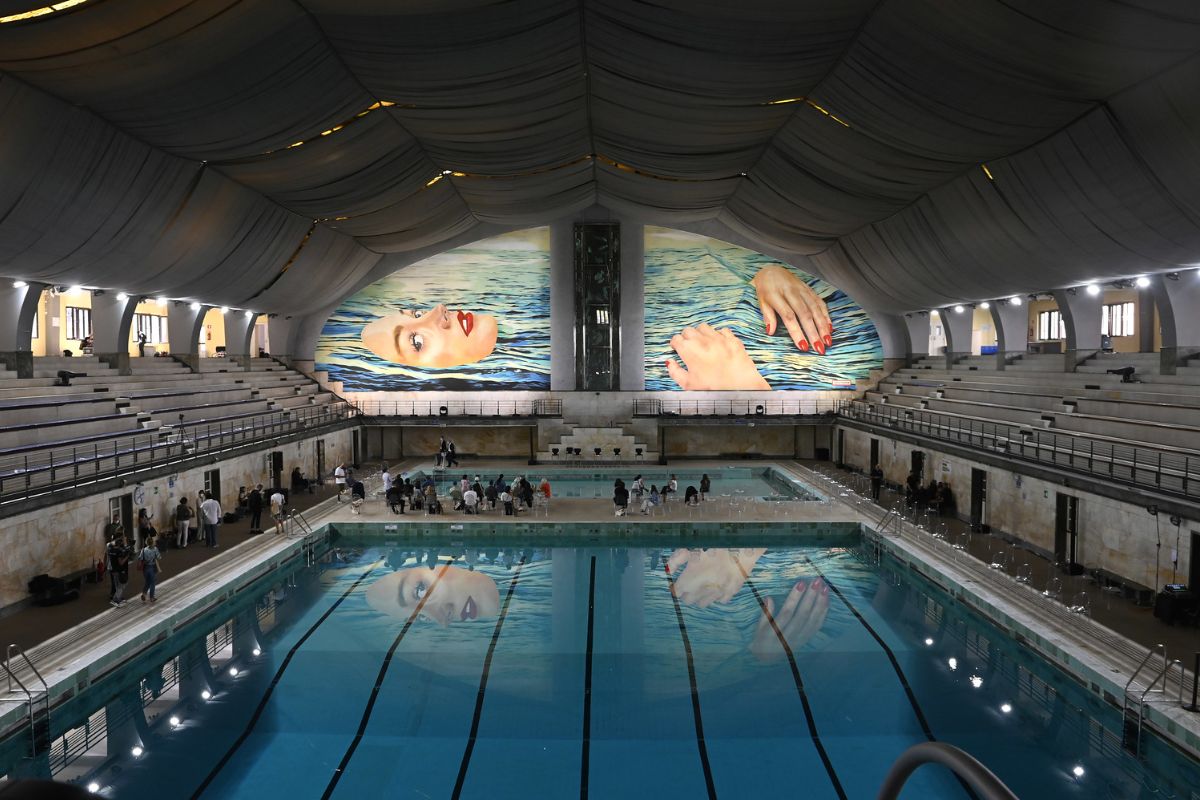
The Porta Venezia district is home to some of the most interesting installations in terms of their relationship with the city.
At the Piscine Cozzi, a historic public swimming pool, a curatorial project linked to culture and fashion puts the spotlight on the people and stories behind design, with an intervention that also extends into the surrounding urban space. Nearby, the Piscina Romano becomes the setting for an immersive exhibition on contemporary glass, where light and reflections completely transform the space.
These are clear examples of how Fuorisalone increasingly works with reimagined public spaces that change their character during the week.
Palazzo Isimbardi with Rimadesio
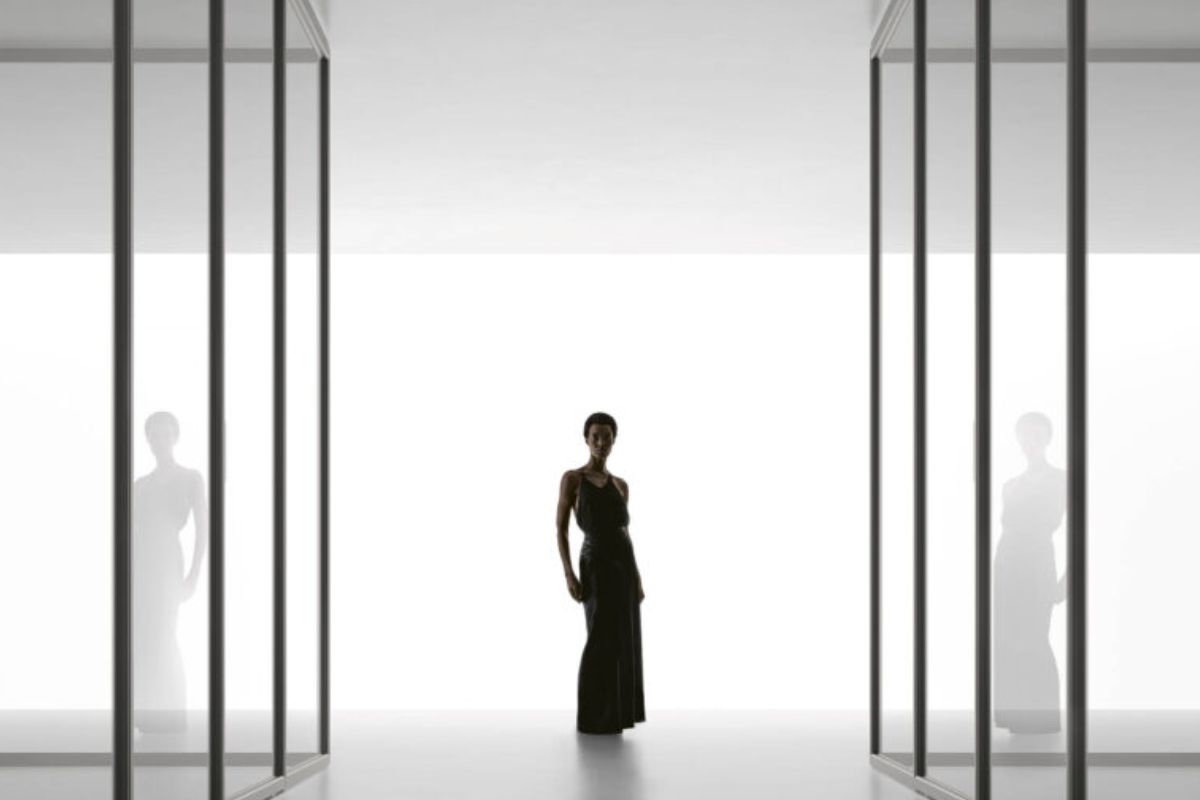
Among the most compelling projects in narrative terms is Rimadesio, which has chosen Palazzo Isimbardi to create an immersive story about its history and vision.
Here design is interwoven with memory and brand identity, through installations that work with light, materials and perception. It is an example of how companies are turning their Fuorisalone presence into fully fledged editorial projects.
Torre Velasca and new spaces in the city
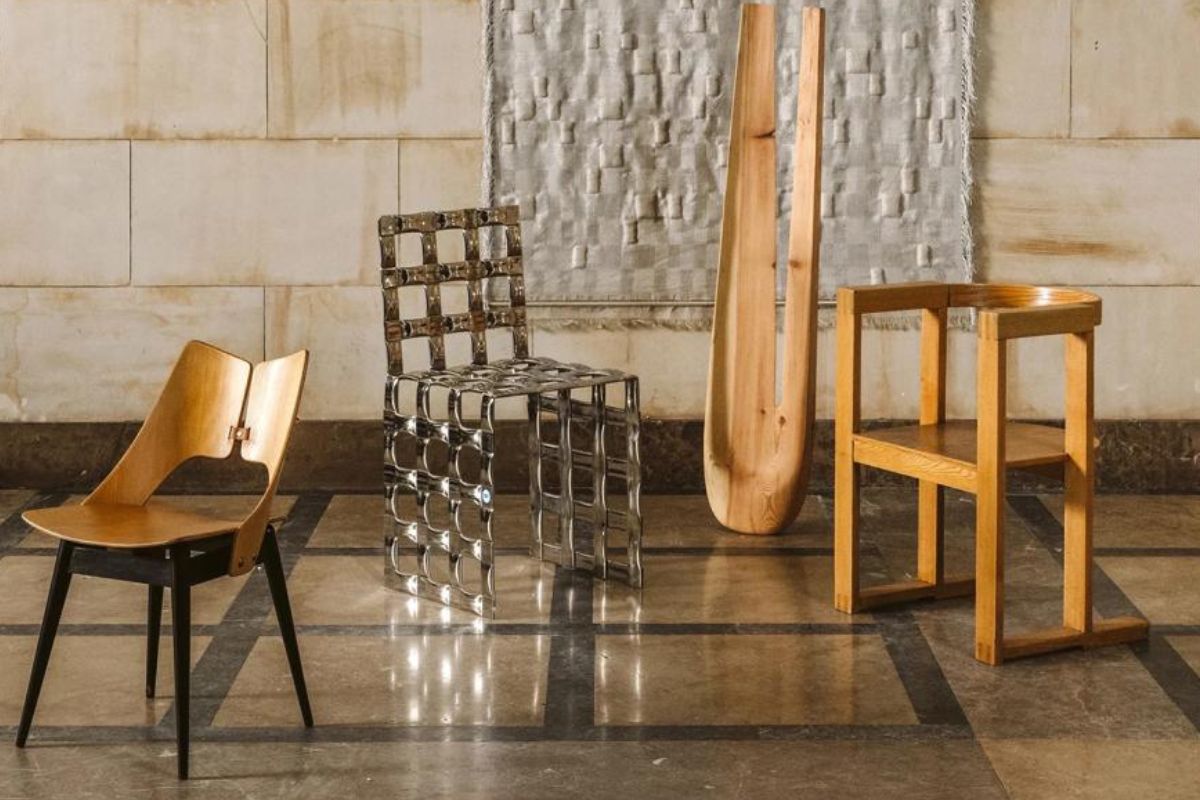
Among the city’s symbolic venues, Torre Velasca also returns to center stage, hosting Polish Modernism. A Struggle for Beauty by the Visteria Foundation. The exhibition places historic works in dialogue with contemporary objects to reinterpret Polish modernism from a strong yet accessible cultural perspective. Here, the value of the event lies not only in its content but also in its relationship with one of Milan’s most recognizable buildings, which inevitably takes on extra weight during design week.
Nilufar at the Depot and on Via della Spiga
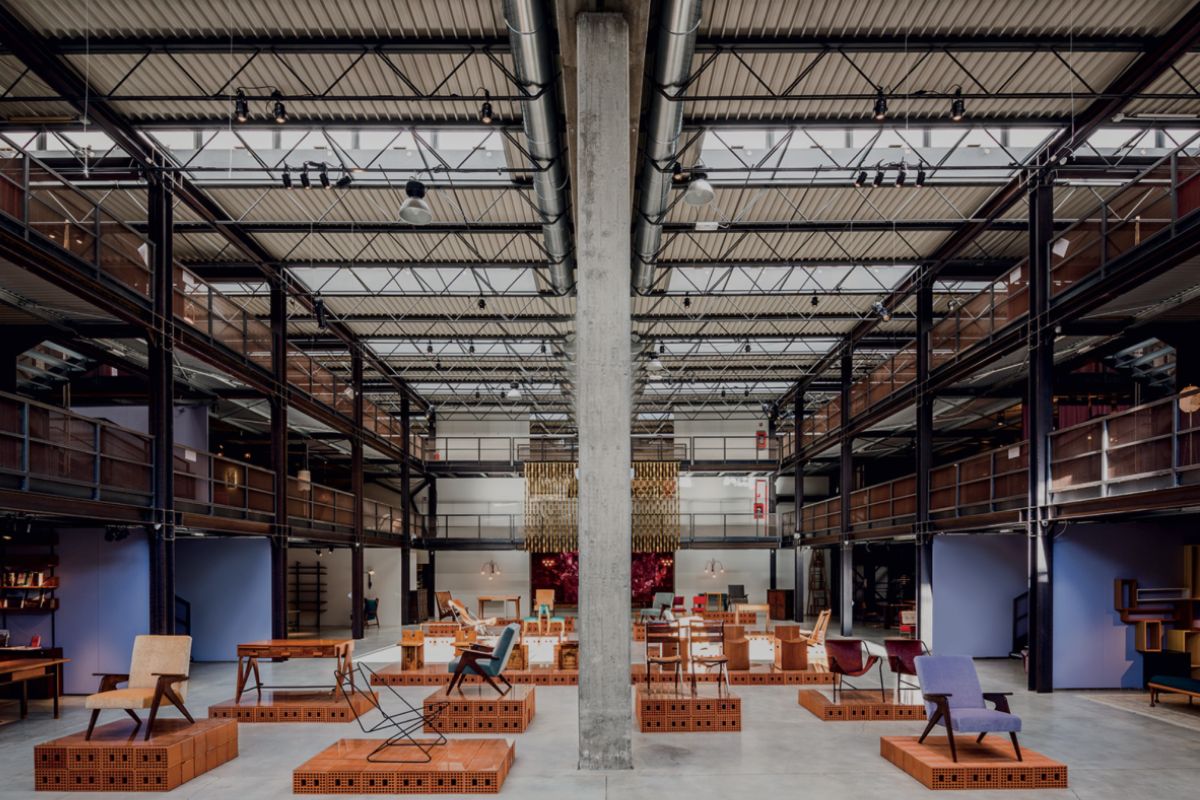
Another event to follow is Nilufar, which during Fuorisalone 2026 creates a route across two different but complementary venues. At Nilufar Depot, Nilufar Grand Hotel reinterprets the theme of hospitality through collectible design, turning the space into a narrative of rooms, atmospheres and curatorial research. On Via della Spiga, meanwhile, La Casa Magica takes a more visionary approach, exploring the symbolic, almost ritual dimension of domestic life. It is one of those cases where design week becomes storytelling, atmosphere and imagination, going beyond a simple display.
Fornasetti on Via Senato

Fornasetti also stages one of the most recognizable events of this early phase of Fuorisalone 2026. At its flagship at Via Senato 2, Forever Fornasetti. New Encounters. reinterprets the brand’s universe together with the international studio Tutto Bene, turning the store into a more immersive, narrative space. The result is an experience that plays on the boundary between installation, interior and brand identity, confirming Fornasetti as one of the most consistent and theatrical presences on the Milan circuit.
Portanuova with Blooming Imperfections
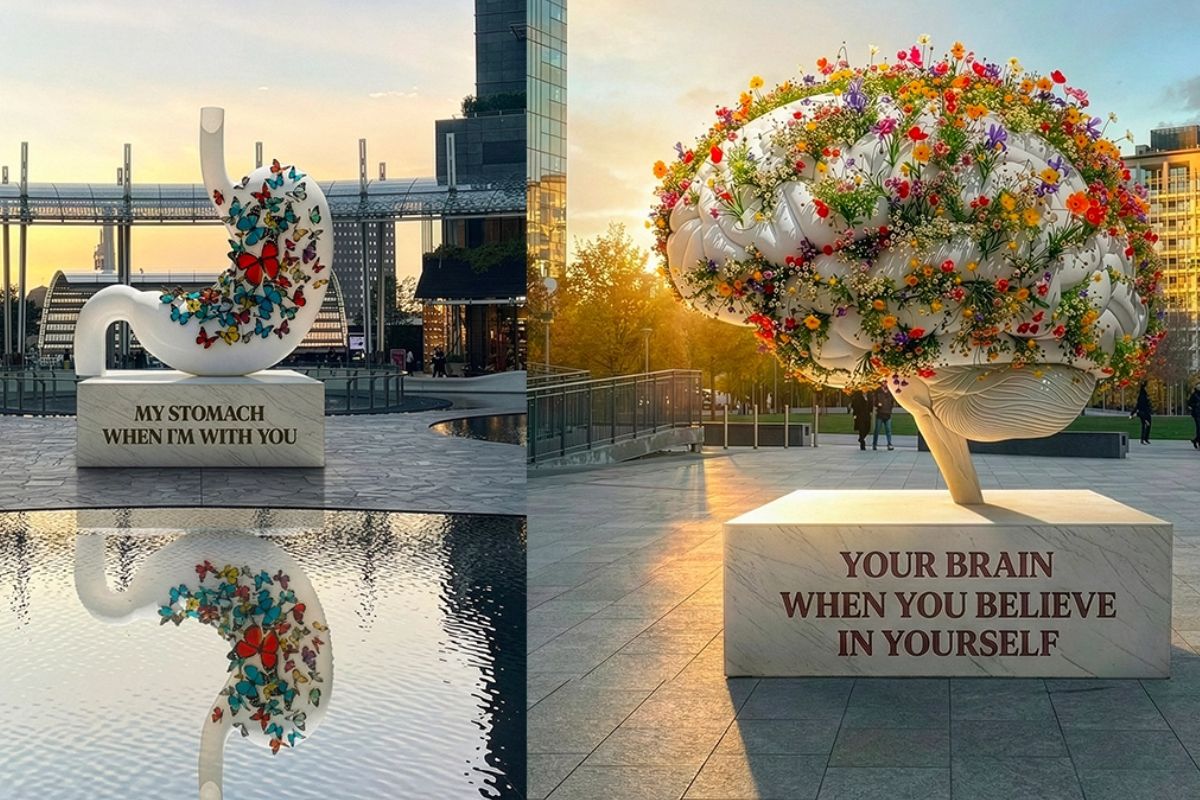
Another project worth considering is Blooming Imperfections – Relationships in Progress, which brings Fuorisalone to the Portanuova area. Here design opens up to a broader reflection on relationships, through installations across the district by Andrea Olivari, audio narratives, content accessible via QR code and meetups open to the city. It is an interesting presence because it extends design week beyond its usual locations, building a direct dialogue with urban space and with a broader public.
CUPRA’s Beyond the Known at Fuorisalone
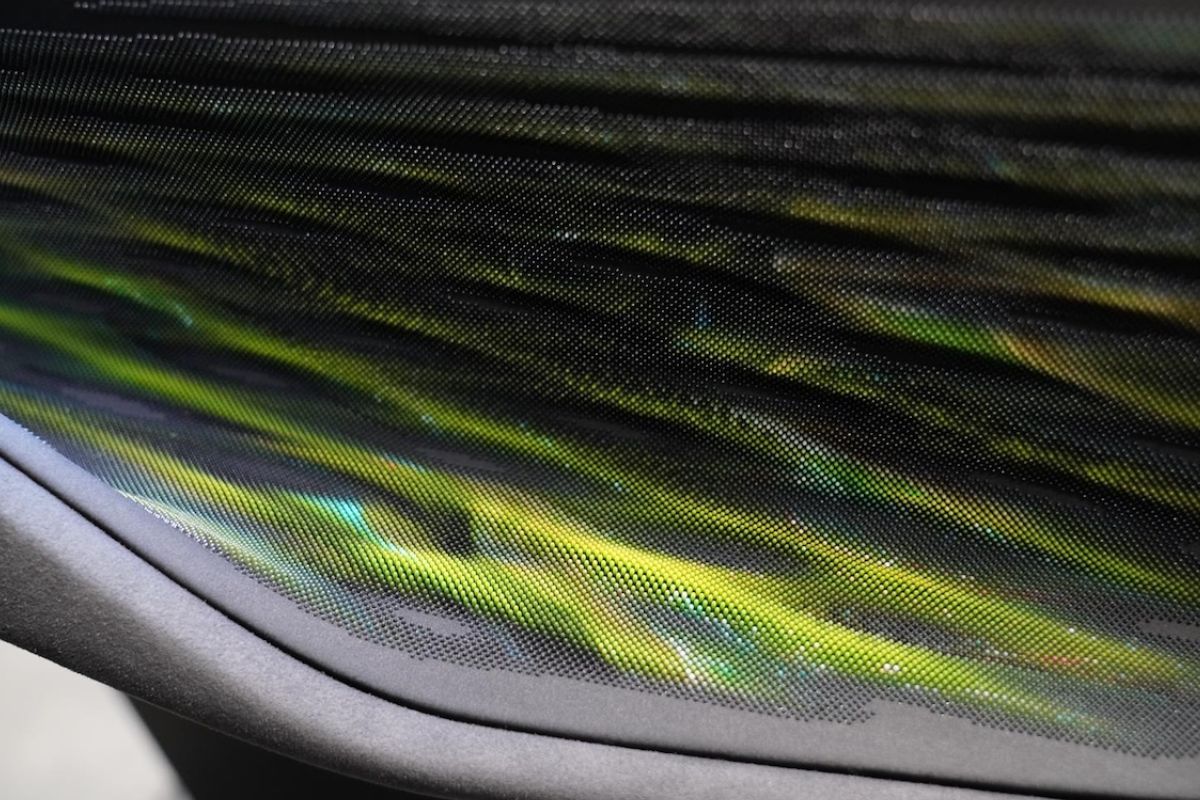
CUPRA is also among the projects already announced, with Beyond the Known, an immersive experience that unfolds between CUPRA Garage Milano, at Corso Como 1, and Piazza XXV Aprile. The project focuses on the creative process as an ongoing dialogue between material, technology and vision, working with surfaces, textures and visual experimentation. It is one of those interventions that confirm how Fuorisalone keeps engaging with different worlds, from mobility to the most experimental design, without being limited to a purely exhibition-based approach.
Palazzo Moscova with glo for art
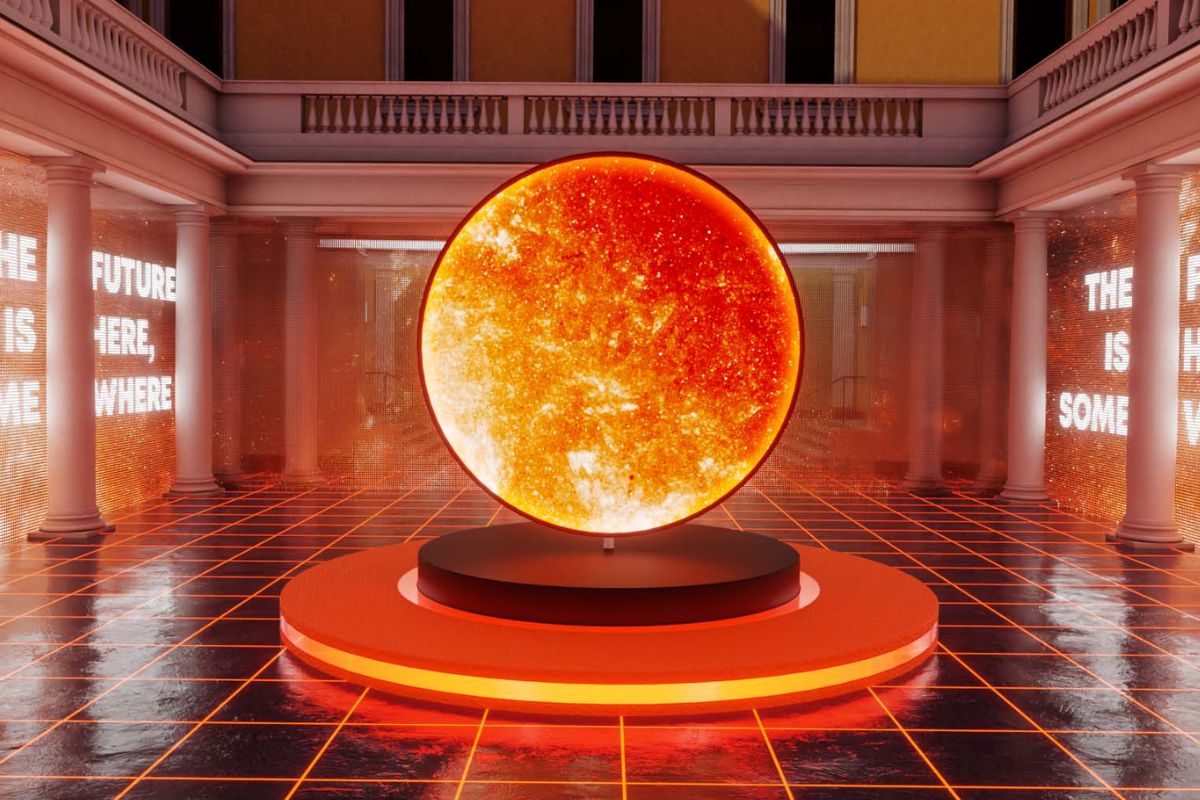
Among the most immersive events already announced is glo for art at Palazzo Moscova, with an installation by Numero Cromatico. The project unfolds as a changing environment built around light, color, words, sound and perception. It is one of those stops that clearly focus on the experiential, multisensory dimension, and it could draw attention precisely because of its ability to engage visitors directly, beyond simply contemplating the installation.
Brera, from Castello Sforzesco to new openings
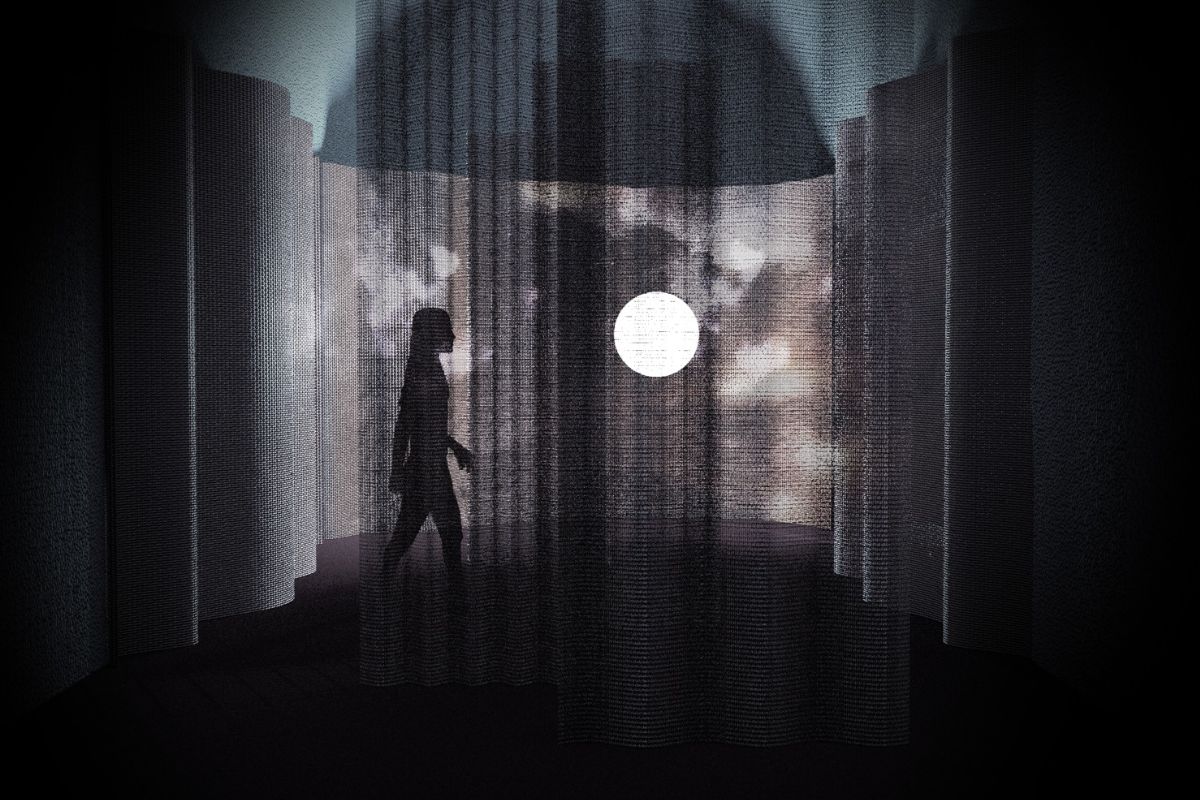
Brera Design Week also deserves a place among the events already announced: in 2026 it confirms its status as one of the city’s strongest hubs, with 217 permanent showrooms, 9 new openings, more than 190 temporary exhibitors and over 300 initiatives planned. Among the highlighted projects, Albori by Stark at Castello Sforzesco guides visitors through three phases of the design process — listening, intuition and composition — using sound, light and materials. It is a good example of how Brera remains central not only for the sheer number of participants, but also for its ability to activate the city’s symbolic places with a language consistent with this edition’s theme.
Triennale with Casa Ultrapiega
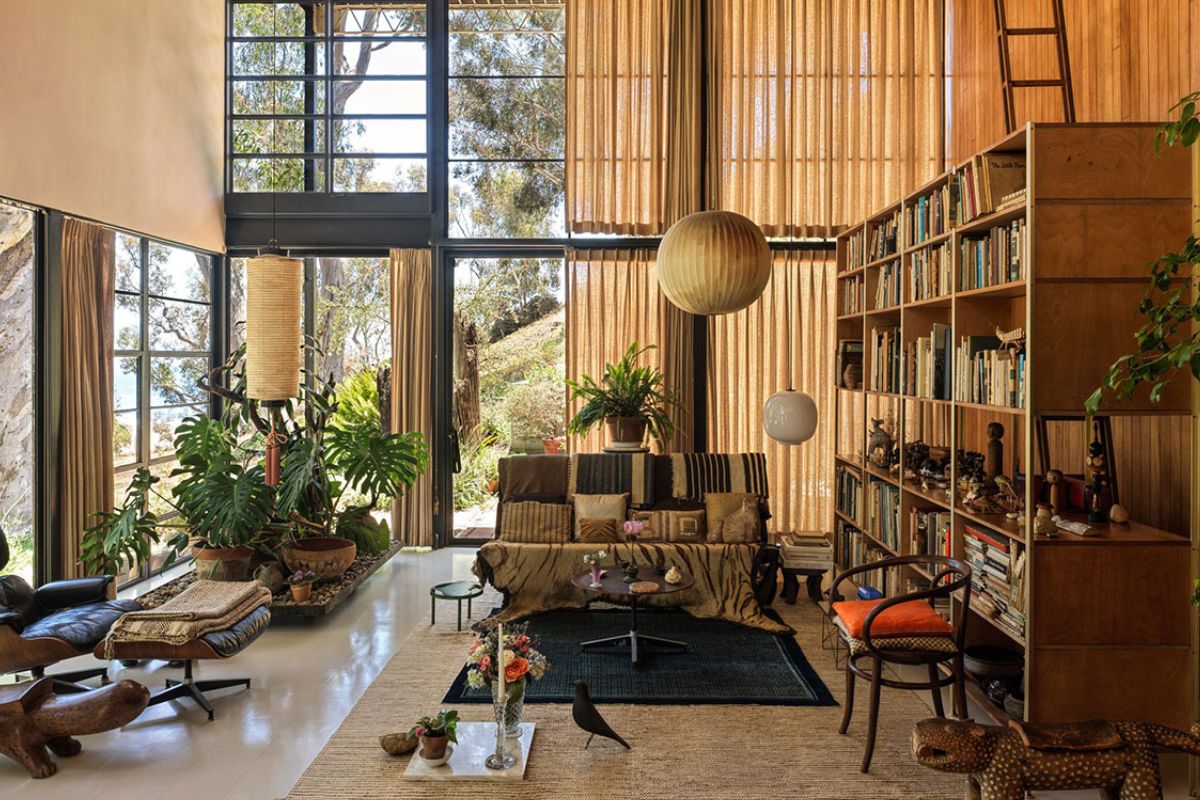
The Triennale Milano program may also include Casa Ultrapiega, an installation by Anonima Castelli designed by Spalvieri & Del Ciotto for the institution’s garden. Here the tone is less spectacular and more design-driven, but that is precisely what makes it useful for conveying one of the most solid sides of Milan Design Week: the one that pairs visual impact with a more thoughtful reflection on research, method and design culture.
Fuorisalone 2026 FAQ: key questions answered
When is Fuorisalone 2026?
Fuorisalone 2026 takes place in Milan from April 20 to 26, 2026, during Milan Design Week. It is already one of the most searched-for details at this stage, because it marks the start of planning for anyone who wants to organize visits, appointments and routes through the city’s districts.
What is the theme of Fuorisalone 2026?
The theme chosen for Fuorisalone 2026 is “Be the Project”, also translated into Italian as “Essere Progetto”. The idea is to refocus attention on design as an ever-evolving process that can redefine the relationship between people, objects and the environment, with a more conscious and responsible vision of design.
Which Fuorisalone 2026 districts should you follow?
The areas to watch most closely include Brera Design Week, 5VIE, Porta Venezia Design District, Alcova and Triennale Milano. Based on the first official previews, these are the hubs emerging as the most active in terms of number of events, quality of venues and ability to shape the story of Milan Design Week 2026.
Which Fuorisalone 2026 events have already been announced?
Projects already revealed in official previews include Alcova at Villa Pestarini and the Ospedale Militare di Baggio, L’Appartamento by Artemest at Palazzo Donizetti, MoscaPartners Variations at Palazzo Litta, events in the Porta Venezia Design District, as well as projects by brands and organizations such as Nilufar, Fornasetti, Rimadesio, glo, CUPRA and the Visteria Foundation.
Will Brera Design Week 2026 still be one of the main districts?
Yes, Brera is once again one of the central hubs of Fuorisalone in 2026. Early announcements point to 217 permanent showrooms, 9 new openings, more than 190 temporary exhibitors already confirmed and over 300 planned initiatives, figures that reinforce its role as a key district of Milan Design Week.
Archi & Interiors at Fuorisalone 2026
In March, Fuorisalone 2026 is still a map in the making, but it is already defined enough to identify the venues, districts and projects that deserve attention. This is precisely the stage at which you can build a more informed view of design week, rather than just chasing the final schedule, and start reading the directions, atmospheres and curatorial choices that are emerging.
In April, with the full calendar and a broader view of the events, we will be back with a new in-depth feature: an updated, more detailed and even more selective guide to what is really worth seeing during Milan Design Week.
The editorial team at Archi & Interiors will continue to follow Fuorisalone 2026 with a careful, independent eye, covering not only the most anticipated events but also the projects capable of leaving a mark on the way we think about and live with design today.