
Renovating a home does not necessarily mean tearing everything out and starting from scratch. More and more often, the quality of a contemporary renovation lies in understanding what should be removed and what can be transformed intelligently instead. In this context, the question of installing new flooring over existing floors has become increasingly relevant. Completely replacing the current surface means dealing with more invasive work, longer timelines, dust, debris, demolition costs, and waste removal. Choosing to install new flooring over existing floors, by contrast, can be a practical way to save money during a renovation and reduce the overall impact of the job site.
That does not mean, however, that it is the right solution in every situation. Installing new flooring over existing floors is a real option, and often a very effective one, but it requires a careful assessment of the existing conditions. The stability of the substrate, the flatness of the surface, the presence of moisture, door and threshold clearances, and the compatibility of materials all influence the final result. So the real question is not only whether you can renovate a home without removing the existing floors, but also when it truly makes sense and what precautions are needed.
Today, the available options are broader and more advanced than they used to be. From thin porcelain tile to SPC vinyl flooring, as well as resin, microcement, and floating systems designed to minimize thickness and shorten installation times, homeowners now have a range of practical solutions to consider. But a successful renovation does not depend on the material alone. It depends on the quality of the overall plan, the proper preparation of the existing surface, and the ability to strike the right balance between cost savings, durability, visual impact, and technical performance. That is why the real question is not simply “Can it be done?”, but also “Is it really the best choice for this home?”
Can You Really Install New Flooring Over Existing Floors?
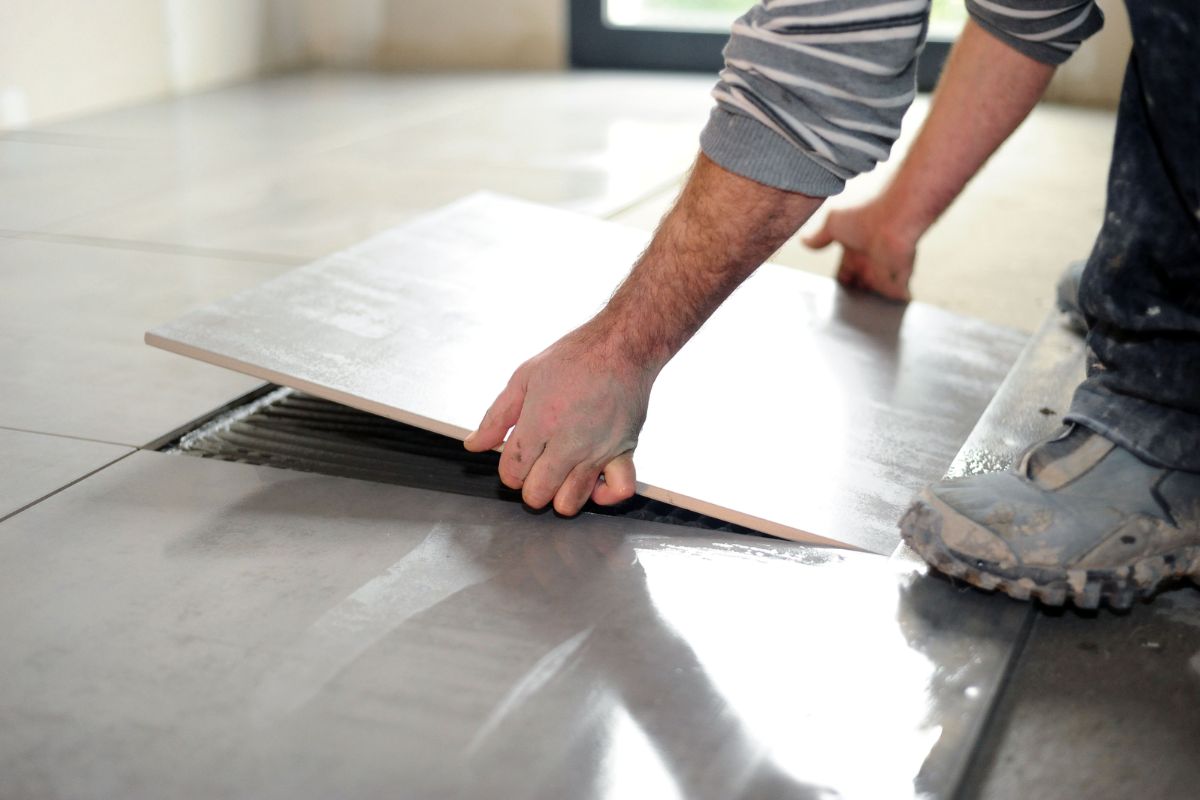
Yes, in many cases it is absolutely possible to install new flooring over existing floors, and that is exactly why this approach is so often considered by homeowners who want to renovate while saving time, avoiding demolition, and reducing extra costs. Overlay installation is not automatically a compromise, nor is it a second-rate solution. When it is done properly, it can be an effective, clean, and visually coherent option within a modern renovation project.
That said, it would be a mistake to treat it as a one-size-fits-all solution. It is not always possible to lay new flooring over an existing surface, and it is not always the most cost-effective decision in the long run. Feasibility depends on a few very specific conditions that need to be checked before work begins. The existing surface must be stable, firmly bonded to the substrate, free from visible signs of loosening or detachment, and reasonably level. If the floor shows movement, major cracks, noticeable unevenness, or moisture issues, covering it without addressing the underlying problem may simply transfer those defects to the new floor.
There is also another major factor that is often underestimated: added height. Any new flooring layer adds thickness, and that can affect doors, thresholds, transition points between rooms, built-in cabinetry, appliances, and bathroom fixtures. This is where a proper technical evaluation makes the difference between a smart renovation choice and a solution that only looks easier at first.
In other words, renovating a home without removing the existing floors is possible, but only when the base underneath offers enough structural reliability and when the new material is technically compatible with the existing conditions. Today there are flooring systems specifically designed for this kind of renovation, with reduced thickness, strong performance, and highly convincing aesthetics. But the existence of suitable materials does not eliminate the need for a careful preliminary inspection. Real savings in a renovation do not come from skipping due diligence, but from making the right decisions before the work starts.
So the point is not just whether a new floor can go over an old one. The point is understanding when that solution is truly practical, durable, and aligned with the kind of home you want to create.
When Does It Make Sense to Install New Flooring Over Existing Floors?
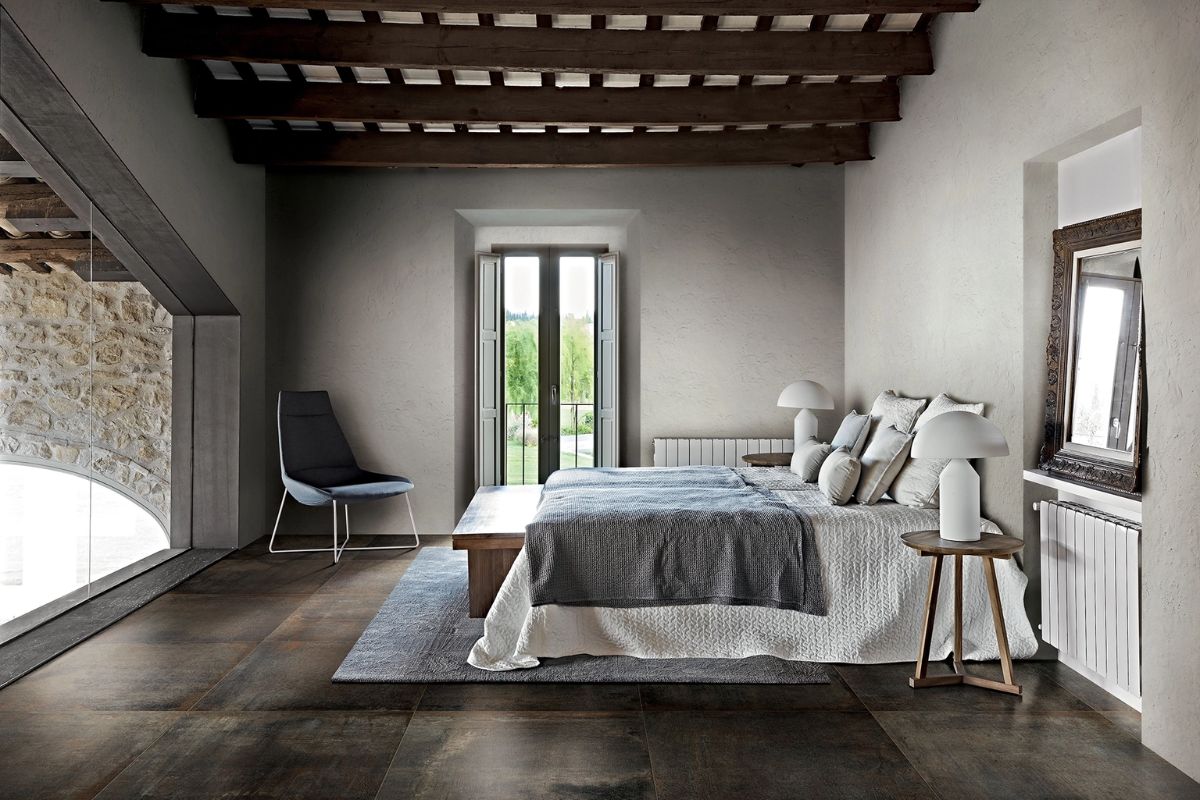
Installing new flooring over an existing floor makes the most sense when the goal is to refresh the home without taking on a highly invasive renovation. It is a particularly good option when the current floor is still structurally sound, but no longer works aesthetically or no longer fits the new interior design direction. In those situations, adding a new surface can dramatically change the feel of a home while limiting demolition, dust, noise, and downtime.
It is also a smart choice when timing matters. In many light renovation projects, installing new flooring over the existing floor can help speed up the construction timeline, reducing not only demolition and disposal work, but also the complications that come with all the phases that follow. This is especially helpful in occupied homes, rental properties, vacation homes, or any situation where the space needs to remain functional as much as possible.
Then there is the economic reason, which remains important but should be approached realistically. Renovating on a budget does not mean automatically choosing the cheapest option upfront. It means figuring out where costs can be reduced without compromising long-term quality. If the existing floor is still in good condition, removing it may simply be an avoidable expense. Demolition is usually followed by debris removal, surface repair, and a series of secondary tasks that affect the overall budget more than many people expect.
Overlay installation is especially appropriate when the chosen materials are designed for this kind of use, such as thin porcelain tile, SPC flooring, next-generation vinyl floors, resin, or microcement. These materials generally work well where minimal thickness and design flexibility are both important. In a contemporary home, they can help create cleaner, more cohesive, and more updated surfaces without requiring a full rebuild of the substrate below.
Convenience, of course, should not be measured only in financial terms. In many cases, installing new flooring over existing floors makes sense because it makes the renovation faster, less disruptive, and easier to manage, especially when the project needs to balance efficiency, aesthetics, and cost control. It is an intelligent solution when it comes from a clear technical evaluation, not when it is used to hide problems that should really be addressed first.
The right standard is simple: overlay installation makes sense when the existing base is reliable, when clearances and floor levels allow it, and when the new material has been chosen with both technical and design considerations in mind.
The Advantages of Installing New Flooring Over Existing Floors

One of the biggest advantages of installing new flooring over an existing floor is speed. Skipping the demolition phase makes the project faster, cleaner, and easier to manage. In a residential renovation, that matters more than many people realize. It usually means fewer workdays, less noise, less dust, and a simpler overall process.
Another major advantage is cost savings. When the existing substrate is in good condition, installing new flooring over it can help you avoid the costs associated with removing the old finish, hauling away debris, and restoring the base layer underneath. So the savings do not come only from the flooring installation itself. They also come from eliminating a range of secondary costs that can significantly affect the final renovation budget.
There is also a benefit that matters a great deal to homeowners who are already living in the property or need to get it ready quickly: reduced disruption. Choosing a renovation solution that does not require tearing out the old floor makes the work less invasive, reduces the amount of waste produced, and makes the project more compatible with day-to-day life. In some cases, that practical advantage matters almost as much as the financial one.
From a design standpoint, overlay installation can now produce much better results than it could in the past. Contemporary materials offer thin profiles, strong technical performance, and increasingly refined aesthetics. That means it is possible to update a home in a meaningful way using surfaces that evoke stone, wood, concrete, or resin, without necessarily turning the entire renovation into a structural intervention. In other words, installing new flooring over existing floors is not just a practical shortcut. It can also be fully consistent with a clean, current, and well-considered interior design approach.
Finally, there is a sustainability-related benefit. Avoiding demolition means reducing the amount of waste generated and limiting some of the heavier activities on the job site. That alone does not make a renovation sustainable, but it is still a meaningful factor in projects that aim to balance aesthetics, efficiency, and responsibility.
Of course, these advantages are real only when the choice is technically sound. Assuming that installing new flooring over existing floors is always the best option would be a mistake. It works well when the base is reliable and when the renovation plan takes into account thickness, floor levels, transitions, and the intended use of each space.
The Drawbacks to Consider Before You Start
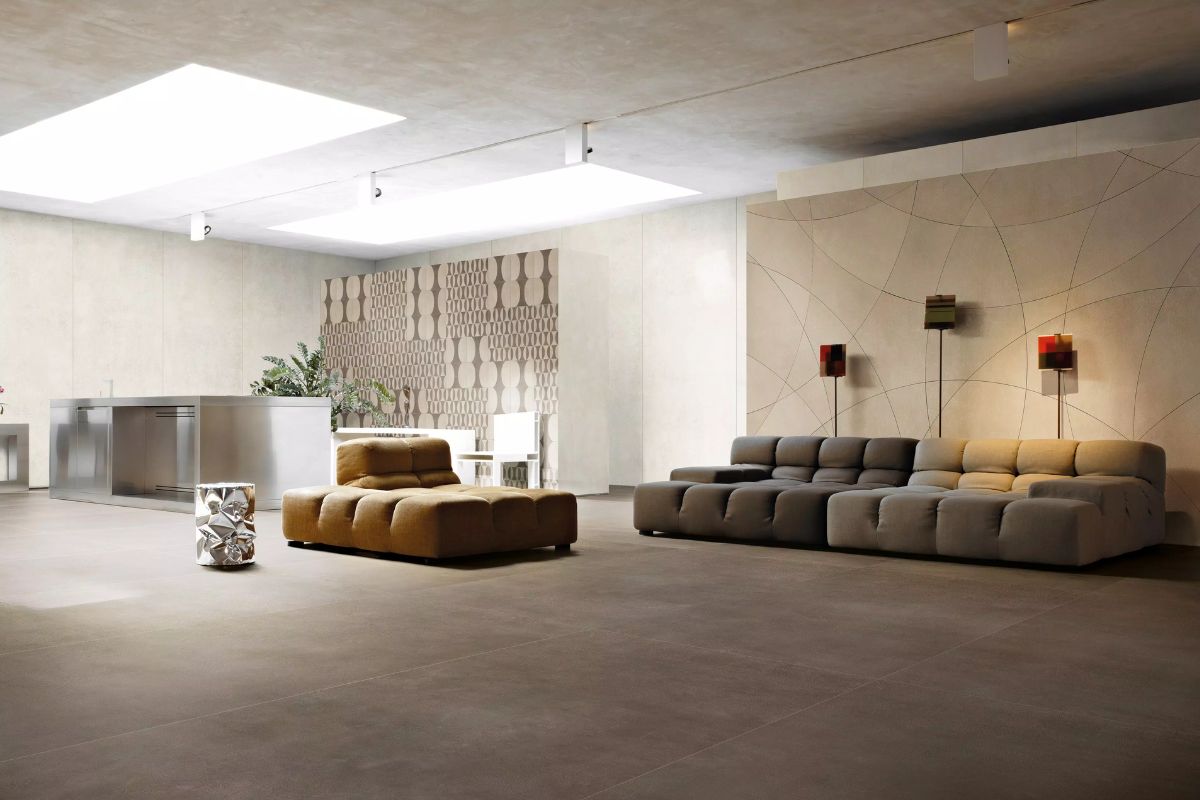
As effective as overlay installation can be, it is not without drawbacks. The first major issue is added thickness. Even when thin materials are used, the new floor still raises the finished level, and that can interfere with interior doors, patio doors, thresholds, baseboards, transitions between rooms, and built-in furniture. In a well-planned renovation, this is checked from the beginning. If it is overlooked, it can undermine both the appearance and functionality of the final result.
Another limitation concerns the condition of the existing substrate. Installing a new floor over an old one does not eliminate the problems already present beneath the surface. It simply covers them. If the current floor has detachment issues, cracks, depressions, movement, or moisture problems, the new layer may eventually be affected too, creating the risk of cracking, poor adhesion, or premature wear. This is where one of the most common misconceptions falls apart: the idea that overlay installation is always easier. In reality, when the substrate is not healthy, it can become a choice that only looks cost-effective on paper.
There is also the issue of design continuity. Not every room responds equally well to this kind of intervention. In bathrooms, for example, drainage, fixture heights, slopes, and shower thresholds need to be evaluated carefully. In kitchens, appliance clearances, toe kicks, and cabinet levels become important. In circulation areas, the key concern is often the transition to adjoining floors. That means renovating a home without removing the existing floors can work very well, but only if it is understood as part of a broader plan for the home, not as an isolated decision.
There is also a limitation related to long-term durability. In some cases, especially when the work begins without a proper preliminary assessment, the result may look acceptable at first but prove less solid over time. A faster project does not automatically mean a better one. If the substrate is not suitable or the material is poorly matched to the conditions, the initial savings can eventually turn into a more expensive repair later.
It is also important to remember that not all flooring materials perform the same way over an existing surface. Some require specialized adhesives, others need careful surface preparation, and others perform well only when the substrate meets specific standards for stability and levelness. That is why material selection cannot be based only on appearance or price. It must also account for technical performance, compatibility, and the intended use of the space.
In short, the main drawbacks of installing new flooring over existing floors come down to three issues: floor height, substrate condition, and design accuracy. These are not automatic deal-breakers, but they do need to be addressed clearly and honestly.
What Materials Can Be Installed Over Existing Floors?
Not all materials are equally well suited to a renovation that keeps the existing floor in place. The best options today are generally the ones that combine minimal thickness, strong visual appeal, compatibility with overlay installation, and maintenance that fits contemporary home life. In most cases, the most practical solutions include thin porcelain tile, SPC flooring, rigid vinyl flooring, certain floating or engineered wood products, and continuous finishes such as microcement or resin.
Thin Porcelain Tile

Thin porcelain tile is one of the most interesting solutions when the goal is to achieve a more architectural, cohesive, and durable result, especially in renovations where minimizing thickness is a real advantage. It works particularly well in projects that aim for a more seamless and elevated look, while still keeping floor buildup under control.
Large-format thin porcelain surfaces can also help create greater visual continuity, especially in open-plan interiors or spaces where the goal is to reduce visual interruptions. In these cases, what matters most is not just the look of the tile itself, but the overall design logic: choosing a ceramic surface with a thin profile and refined finish can make the renovation feel cleaner both aesthetically and technically.
SPC and Next-Generation Vinyl Flooring
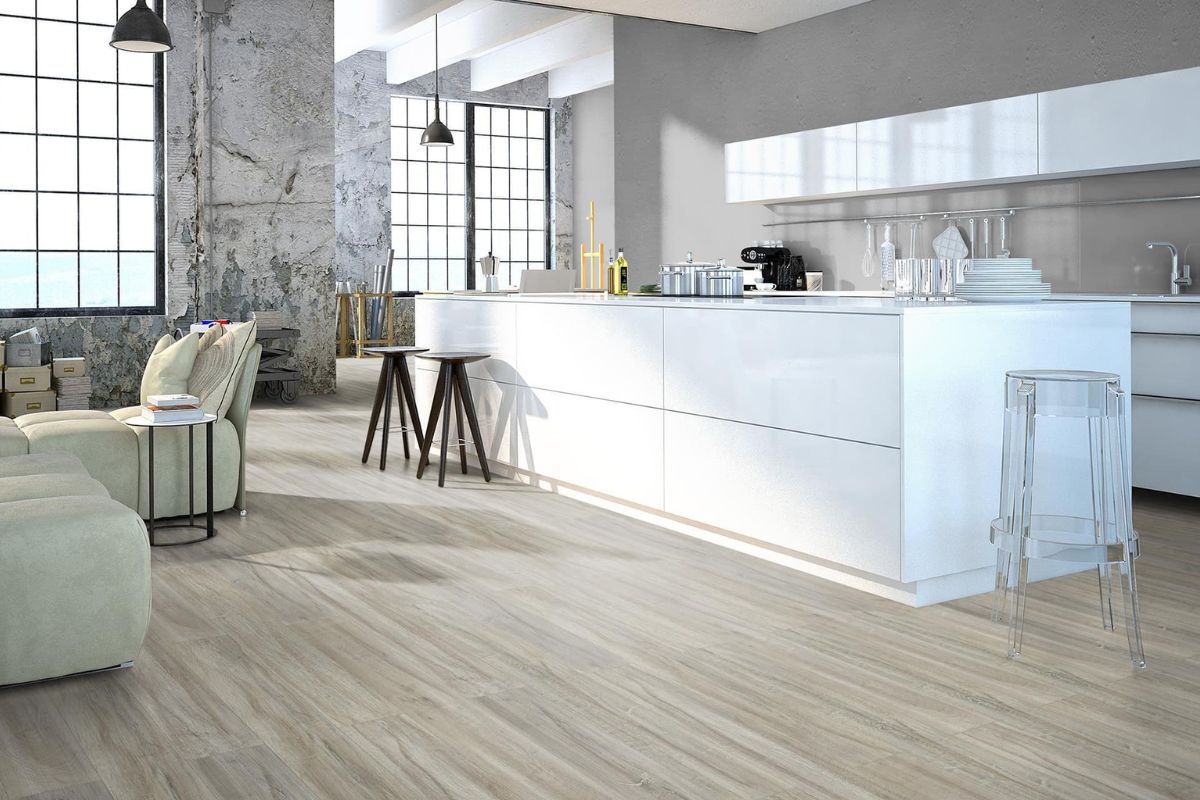
When the goal is fast installation, reduced thickness, and easier project management, SPC flooring and rigid vinyl flooring are often among the most practical choices. They are especially useful in renovations where the project needs to move quickly and where minimizing disruption is a priority.
These types of floors often offer features such as integrated underlayment, straightforward installation, compatibility with many existing surfaces, and resistance suited to everyday use. What makes them especially attractive in overlay installations is the combination of thin construction, quick installation, and flexible design options.
Floating Parquet or Engineered Wood

Installing wood flooring over existing floors requires a little more caution, but it is certainly not out of the question. In some cases, floating engineered wood systems can work well over an existing surface, provided the conditions underneath are appropriate.
Wood remains a highly desirable option in renovation because of the warmth and character it brings to a space, but it also requires closer attention to moisture, substrate stability, flatness, and how the material will behave over time. That is why wood flooring can be a good solution in overlay projects, but only when the technical conditions are properly evaluated beforehand.
Resin and Microcement
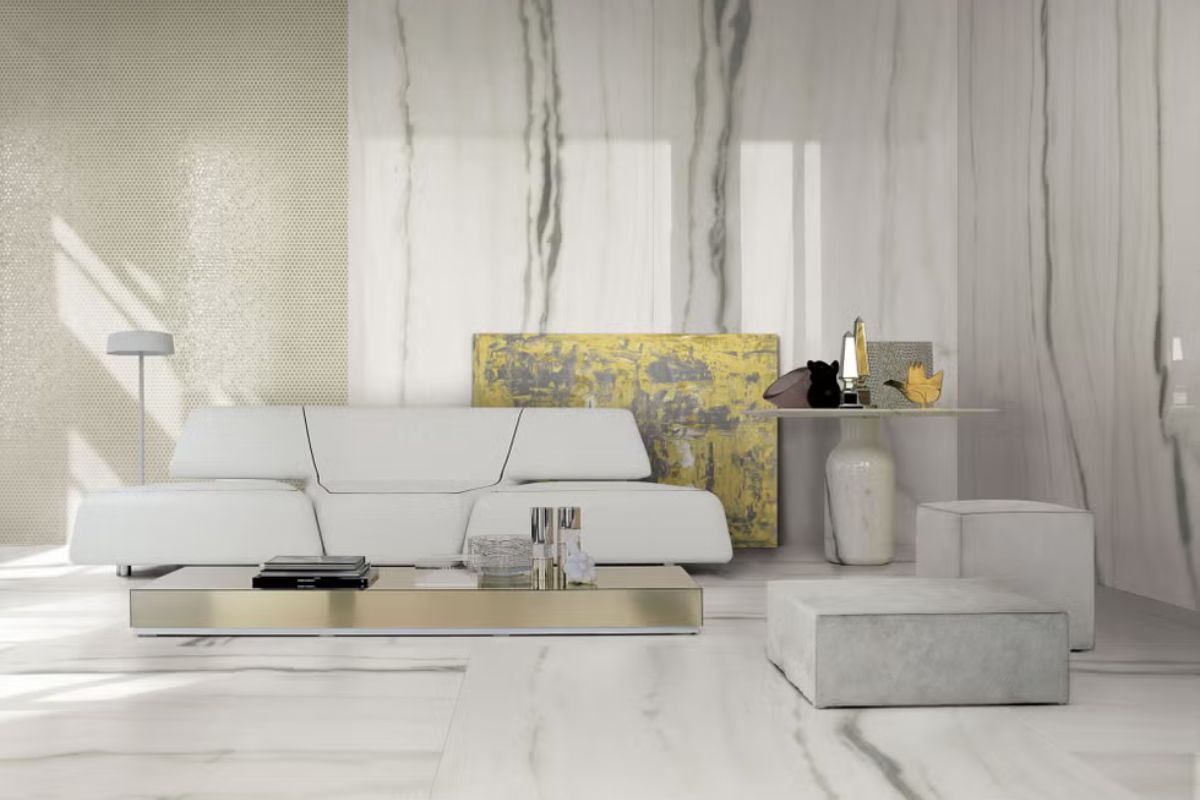
Alongside tile, vinyl, and wood, it is also worth considering continuous finishes, especially when the design calls for a more minimal, textured, and contemporary result. Microcement and resin are particularly interesting because they can often be applied in very thin layers, which makes them appealing in renovations where controlling floor height is essential.
Their greatest advantage is the ability to create a seamless surface with no visible grout lines or joints, which can dramatically change the feel of a space. These materials are especially appealing in homes where the goal is not just to cover an outdated floor, but to create a more intentional, design-driven atmosphere.
More broadly, renovating without demolition can involve very different material choices. Thin porcelain tile, SPC, rigid vinyl, floating engineered wood, microcement, and resin all respond to different needs in terms of aesthetics, thickness, installation method, and long-term performance. That is why the most important decision is not just choosing a product, but choosing the material that best matches the existing substrate, the available clearances, and the character you want the finished space to have.
When Is It Not a Good Idea to Install New Flooring Over Existing Floors?
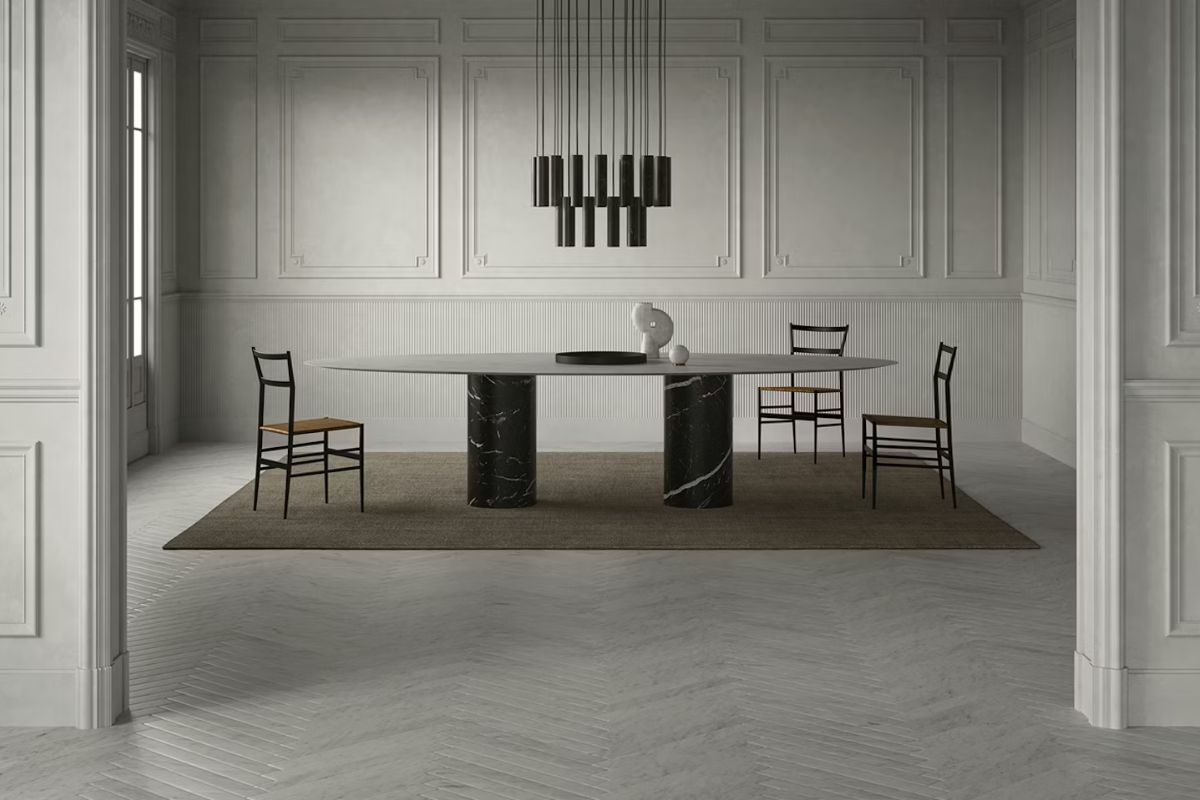
Installing new flooring over existing floors is not always the right move. Even though many modern materials are designed specifically for renovation without demolition, there are still situations where overlay installation is not recommended or may lead to a result that is fragile, short-lived, or technically unsound.
The first situation involves floors that show visible movement, major cracks, detachment, or areas that are no longer firmly bonded to the substrate. If the old floor is unstable, covering it does not solve the underlying problem. It only hides it temporarily, which means those defects may eventually show up in the new floor as well. In these cases, demolition is not wasted money. It is a necessary step to restore the surface to reliable condition.
Another obvious limitation is the presence of moisture problems, including rising damp, infiltration, or visible signs of deterioration in the substrate. Overlay installation works well only when it starts from a sound, dry base. If unresolved issues exist below the surface, the visual result and the long-term performance of the new floor may both be compromised.
There are also situations where clearances and floor levels make overlay installation impractical. If adding even a small amount of thickness creates problems with doors, thresholds, sliding systems, balconies, plumbing fixtures, or built-in elements, the original convenience of the solution starts to disappear.
A highly irregular substrate is another red flag. Significant dips, uneven surfaces, or inconsistent support conditions still require corrective work. In some cases, leveling compounds or surface preparation can solve the issue. In others, it simply makes more sense to start from a properly restored base rather than building over a compromised one.
Bathrooms and kitchens deserve special attention, because they involve technical issues that go beyond the floor surface itself. Drainage, slopes, shower entries, plumbing connections, appliance fit, and continuity with fixed elements can all make overlay installation more complex. In those spaces, the question is not just whether a new floor can go over the old one, but whether doing so will actually produce a clean, functional, and visually balanced result.
In short, overlay installation should be avoided when the existing substrate is unstable, damp, severely uneven, or incompatible with the required finished floor height. That is often where the quality of a renovation is tested: not in choosing the fastest shortcut, but in recognizing when an apparently simple solution is not the right one.
How Much Can You Really Save by Installing New Flooring Over Existing Floors?

The financial advantage of installing a new floor over an existing one starts with a simple fact: demolition costs money. And the cost is not limited to the material being removed. It also includes labor, job site management, debris removal, transportation, and surface preparation.
That is why installing new flooring over existing floors can reduce costs in a meaningful way. When the substrate is in good condition, it can help you avoid demolition work, disposal costs, and at least part of the prep work that would otherwise be needed before the new floor goes in. In many cases, that can significantly reduce the overall renovation budget and make the project faster and less disruptive.
That said, the savings should be described honestly. You do not save money simply because overlay installation is always the cheapest option. You save money when the existing floor is stable, dry, level enough, and technically suitable for the new material. In those situations, leaving the old floor in place can be a smart, efficient, and fully defensible decision.
On the other hand, if the existing floor is affected by moisture, instability, cracks, detachment, or major unevenness, installing over it is no longer a real saving. It becomes a false economy, because the problem is being covered rather than solved, and that can lead to higher repair costs later.
So the most accurate conclusion is this: yes, installing new flooring over existing floors can save money, but only when the decision is based on a proper technical assessment. The goal is not to cut corners at any cost. The goal is to avoid unnecessary demolition when the existing floor is already good enough to support a durable, well-designed result.
FAQ: Installing New Flooring Over Existing Floors

Can you install new flooring over existing floors?
Yes, in many cases you can install new flooring over existing floors, as long as the current surface is stable, dry, well bonded, and reasonably level. Feasibility also depends on the thickness of the new material and how it affects doors, thresholds, and room-to-room transitions.
Is installing new flooring over existing floors a good way to save money?
Often, yes. The biggest advantage is that it can help you avoid demolition, debris removal, and some of the surface restoration work, which can reduce both construction time and overall costs. The savings are real, however, only if the existing substrate is in good condition.
What materials work best for overlay flooring installation?
Some of the most suitable options include thin porcelain tile, SPC flooring, rigid vinyl flooring, floating engineered wood in certain cases, and continuous finishes such as microcement or resin. The best choice depends on the existing substrate, the room itself, and the look you want to achieve.
When should you avoid installing new flooring over an existing floor?
You should avoid overlay installation when the existing floor shows detachment, major cracks, moisture issues, serious unevenness, or structural instability. It may also be a poor choice when the added thickness creates problems with doors, fixtures, built-ins, or transitions.
Do you always need to remove the old floor first?
No, not always. One of the main advantages of this approach is that it can eliminate the need for demolition when the existing floor is sound and the new plan allows for it. If the substrate is compromised, however, removing the old floor may still be the most technically correct option.
Can wood flooring be installed over an existing floor?
Yes, in some cases it can. Floating engineered wood systems are often the most practical option when installing wood over an existing floor. That said, wood requires more attention than many other materials, especially when it comes to moisture, substrate stability, and long-term movement.
Is thin porcelain tile a good option for renovation without demolition?
Yes. Thin porcelain tile is one of the most effective options for renovation without demolition because it combines reduced thickness, durability, and strong visual appeal. It is especially suitable for projects that aim for a more architectural and contemporary look.
Should you consult a professional before deciding?
Yes, it is strongly recommended. Even when the project seems simple, evaluating the substrate, levelness, clearances, and material compatibility is essential if you want to avoid mistakes that could compromise the final result over time.
Leave a comment