


Contemporary architecture is facing unprecedented challenges, largely due to climate change and the growing frequency of extreme events. In this scenario, homes must evolve to respond to real threats such as fires, which strike with a violence never seen before. Los Angeles, a city that lives on constant alert against devastating wildfires, was the scene of an unprecedented tragedy in January 2025. However, one fact attracted worldwide attention: the only homes that managed to resist the fury of the flames were those designed with innovative fire prevention criteria. Today we talk to you about the architecture of fireproof homes , analyzing how design and technology are adapting to protect homes from natural disasters, with Los Angeles as an emblematic case study.
The beginning of a new paradigm: the January 2025 tragedy in Los Angeles

In January 2025, a devastating wildfire hit Los Angeles, prompting over a thousand families to evacuate their homes. The destruction was widespread and indiscriminate, but one thing became clear: homes designed with advanced fire safety solutions managed to survive. Houses with facades made of resistant materials, active protection systems and integrated emergency plans have demonstrated surprising resilience, while many other traditional homes, built according to more obsolete parameters, have been destroyed. This event marked a point of no return for the architecture and construction sector, which had to adapt quickly to respond to new environmental realities.
Why have fire houses survived?
The homes that managed to resist had in common an integrated approach that goes beyond the simple choice of fireproof materials. Fire rated homes designed in Los Angeles have been based on clear principles: thermal insulation , effective protective barriers , automatic fire containment systems and advanced detection technologies . The design of these buildings saw a synergy between architectural design, material innovation and smart technology, which transformed the traditional concept of home into a structure designed to survive extreme events.
Design and materials: fundamentals of fire protection architecture
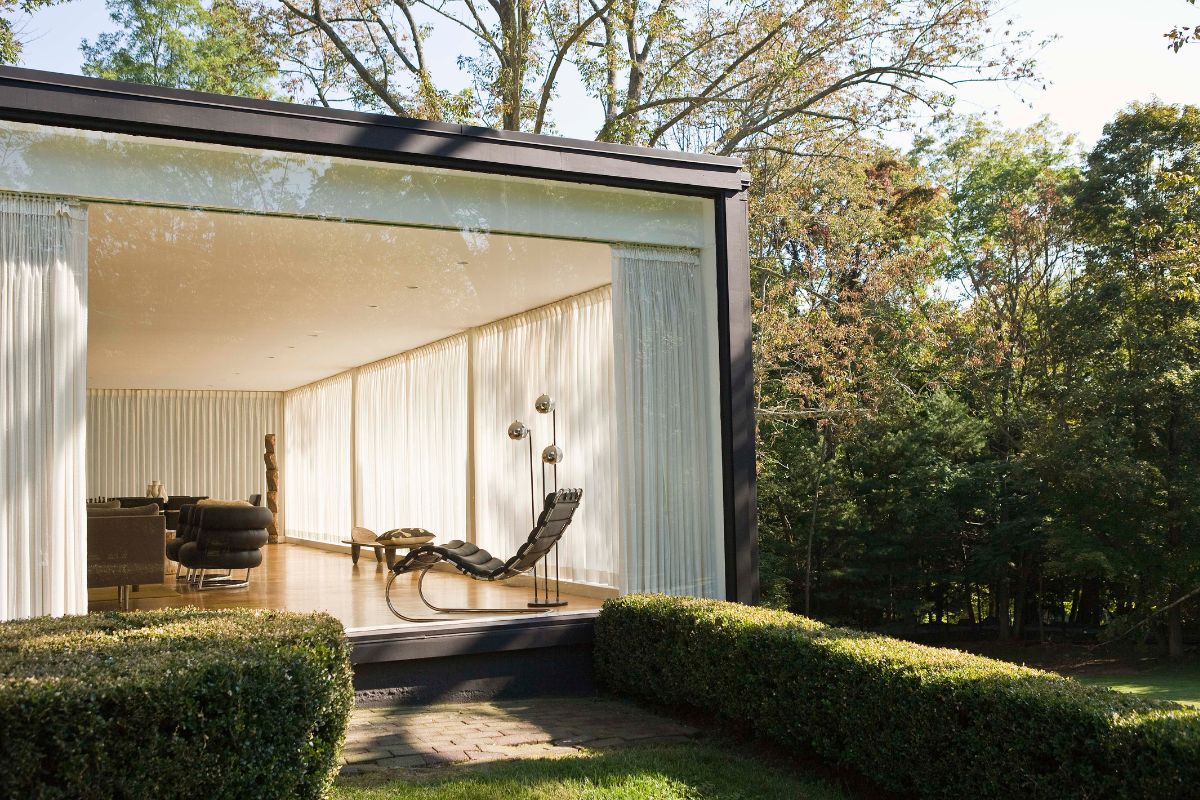
The design of fireproof homes is not just a matter of aesthetics, but a practical response to the growing threat of forest fires. Architects of Los Angeles, starting from the tragic events of recent years, have begun to consider risk as an integral part of the design process. Highly fire-resistant materials, protective technologies and unique architectural solutions have been incorporated into projects that challenge traditional living conventions.
Materials: strategic choices for safety
ceramic and concrete , materials typically used in modern residential structures, have acquired a new centralty. These materials are not only fire resistant, but also offer thermal protection that limits heat transmission. The use of fire-rated glass and steel for external facades has replaced more vulnerable traditional materials such as wood. In particular, the growing diffusion of tempered and multilayer glass in windows and doors has significantly improved safety against the entry of flames, while maintaining an aesthetically attractive design.
Innovative solutions for facades: from protection to beauty
The facades of fireproof houses are designed not only to be resistant, but also to harmonize with the surrounding landscape, creating a symbiosis between safety and beauty. The cladding in natural stone or recycled marble , together with large protected windows , allow to maintain abundant natural lighting, while avoiding the propagation of heat. These elements are combined with a design that prioritizes energy sustainability , using materials that reduce energy requirements for cooling and heating.
Advanced technologies and active protection systems

By 2025, technologies integrated into homes have reached a level of sophistication that can prevent, contain and, in some cases, extinguish fires before they become devastating. Los Angeles is leading the way in this regard, with a growing adoption of automatic fire protection systems .
Advanced sprinklers and detection systems
Many of the homes that survived the January 2025 fire were equipped with automatic high-pressure sprinklers and advanced detection systems , which not only warn residents but also alert firefighters. These systems can detect the start of a fire and immediately activate protection, limiting the damage. Furthermore, the automated ventilation system in some homes is designed to interrupt the flow of air to vulnerable areas, preventing the spread of flames.
Protective barriers and thermal insulation
In addition to active protection systems, homes in Los Angeles are equipped with fireproof barriers that activate automatically when heat reaches a certain threshold. These barriers, often embedded in ceilings and walls, create an impenetrable defense against fire entry. The thermal insulation of homes, designed to reduce heat transmission, plays a fundamental role in maintaining structural integrity.
Architectural design: resilience, aesthetics and functionality

The architecture of fireproof homes in Los Angeles does not limit itself to implementing technical solutions for safety, but also integrates aesthetic principles. The design of modern homes, in fact, not only takes into account fire protection, but is committed to creating comfortable and functional environments. The spaces are designed with particular attention to intelligent distribution of energy, natural ventilation and connection with the surrounding environment .
Fire architecture: open spaces and connection with nature
The landscape of Los Angeles, marked by hills and forests, is a central element in the design of the houses. The homes are designed to be well distanced from fire risk areas, but without giving up a visual and physical connection with the surrounding natural environment. The use of terraces , dry gardens and green areas not only add aesthetic value, but also offer natural protection, creating a buffer zone between the house and potential fire sources.
The future of fire architecture
The case of Los Angeles, where houses designed with fire safety criteria managed to resist the January 2025 fire, marks a turning point in residential design. The growing awareness of the need to protect homes from climate risks has pushed architects and builders to explore new solutions. In a future increasingly vulnerable to fires, fireproof architecture will become not only a necessity, but a distinctive element of modern residential design, combining safety, functionality and aesthetics. The lesson from Los Angeles is clear: only through innovation and the integration of advanced technologies and resistant materials can we create truly safe and resilient homes.
Leave a comment


