In common language, especially when talking about interior design, fashion and trend are often used as synonyms . In reality they are not. And confusing these two concepts is not just a semantic error: it means losing sight of the way in which design dialogues with society, the economy, industry and cultural changes. In the …
In common language, especially when talking about interior design, fashion and trend are often used as synonyms . In reality they are not. And confusing these two concepts is not just a semantic error: it means losing sight of the way in which design dialogues with society, the economy, industry and cultural changes.
In the interior design sector, talking about trends is not an exercise in style nor a chase for the latest aesthetic novelty. It is, first of all, a tool for reading the present . Trends serve to decode how behaviors, priorities, living models and collective sensitivities change. They tell what is happening outside the showrooms and inside homes, even before in the catalogues.
Fashion, on the contrary, responds to a more rapid and cyclical logic. It thrives on seasonality, accelerations, frequent replacements. In design – and in particular in interiors – time is different: slower, more stratified, more linked to duration, to investment, to the relationship between space and daily life. For this reason, when we talk about trends in design, we are not talking about what is “in fashion” , but about what is emerging as a response to real living transformations.
For manufacturers, trends are a strategic tool to guide research, development and product positioning. For designers, they represent a key to building contemporary, credible and innovative proposals, without falling into the sterile replication of images seen elsewhere. Finally, for enthusiasts and end users, trends help to understand why certain languages, materials or solutions become central in a specific historical moment. This is why, in the world of interior design, we always talk about it . Not to chase the new at all costs, but to interpret the present with greater awareness.
Fashion and trend: two different concepts, two different functions
To understand why we talk so often about trends in design, it is necessary to make a clear distinction between fashion and trend . These are two concepts with completely different times, objectives and impacts .
What is a trend
fashion is, by definition, a rapid phenomenon. It follows short, seasonal cycles and thrives on continuous replacement. Its main function is to generate desire, novelty, attention. It works through acceleration: what is relevant today may already be outdated tomorrow. In the world of fashion, this mechanism is structural and necessary for the production system.
What is a trend
The tendency , however, does not arise through substitution but through emergence . It is the result of deeper changes: social, economic, cultural, technological. A trend does not “arrive” suddenly, but manifests itself over time, through weak signals that gradually become recognisable. In design, trends are not limited to aesthetics: they concern the way we live, produce, consume and attribute value to spaces.
This difference is fundamental because interior design does not work on speed, but on duration . An environmentdesigned today must work for years, often decades. It must respond to real needs, not just a temporary imaginary one. For this reason, in design talking about trends does not mean chasing what is “in fashion”, but interpreting what is changing .
A colour, a material or a shape become “trendy” in design not because they are liked more, but because they respond to new needs: sustainability, flexibility, well-being, adaptability of spaces, hybridization between functions. The trend is therefore an indicator, not an end.
This is also why trends in design have longer cycles than fashion. They don’t end in one season, but evolve, transform, stratify. Some disappear, others become consolidated languages, others still integrate silently into everyday life.
Understanding this distinction is the first step to correctly interpret the role of trends in interior design: not as aesthetic impositions, but as tools for understanding the present .
Why design trends are not aesthetics: they are a socio-economic indicator
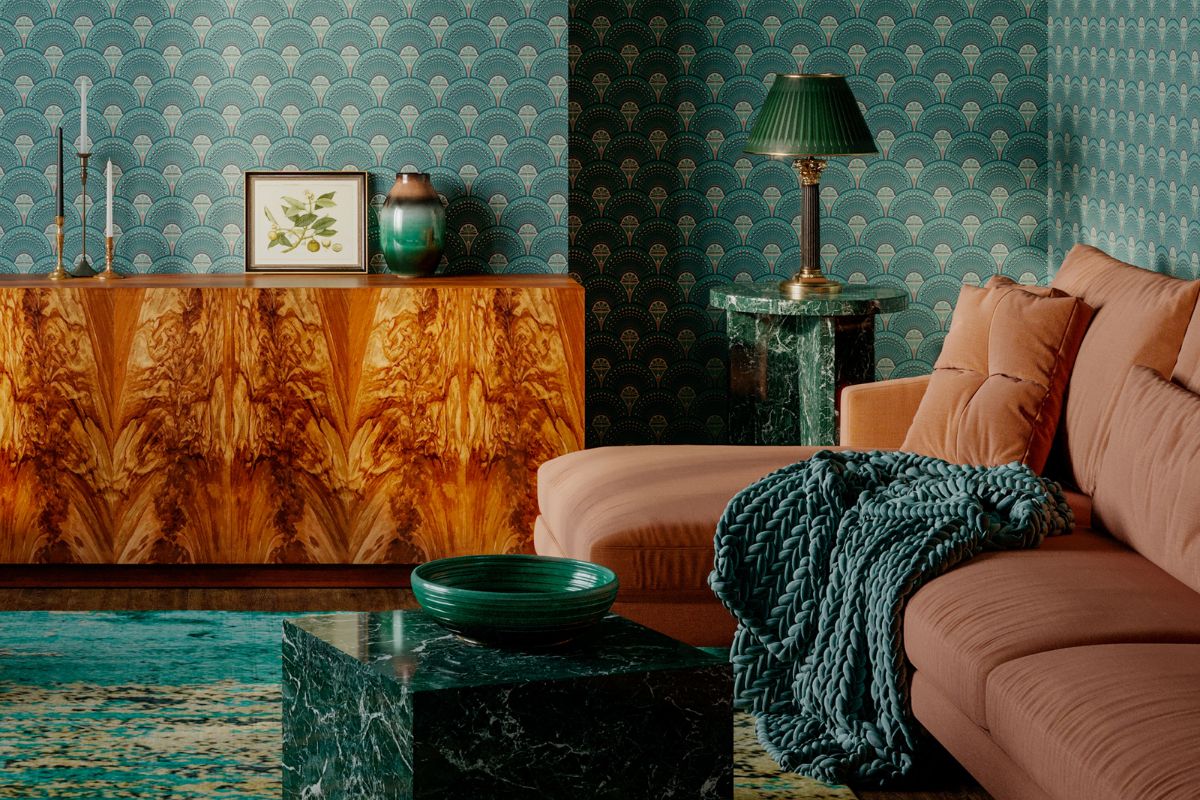
In design (and especially in interiors) the word “trend” is often misunderstood because it is read as a visual fact: colours, materials, shapes. In reality, a trend is first and foremost a signal . It doesn’t just describe what people like: it describes what is changing .
This is the reason why, in the world of design, trends are observed with an almost “analyst-like” attention. The most solid trend forecasting platforms, such as WGSN, define their work as a forecasting system based on cultural and behavioral changes, with the aim of supporting decisions on products, collections, spaces and positioning. In other words: they don’t talk about “fashion”, they talk about change and how to translate it into design choices.
This approach is consistent with a broader definition of design as a strategic discipline. The World Design Organization describes (industrial) design as a problem solving process capable of driving innovation, business success and quality of life. It is also a useful framework for interiors: if design is a structured response to real needs, then trends are a tool for understanding which needs are emerging .
What are trends for, concretely
For manufacturers , trends are a system of orientation. They help decide where to invest in research and development, which materials and finishes will make sense in 1836 months, which formal languages ??will be consistent with new consumer behaviors. It’s not a matter of taste: it’s risk management, industrial planning, brand coherence.
For designers , trends function as a contemporary grammar. Not to replicate “what is going”, but to build credible proposals: solutions that dialogue with what is happening in homes, in work spaces, in hospitality, in ways of living. In this sense, trends also become a common language with companies and customers: a tool for arguing choices and positioning them in the present.
For enthusiasts and consumersbulls , trends have another function: to make change legible. They explain why at a certain point themes such as sustainability, reuse, durability, comfort, hybridization of spaces become central, or why some aesthetics return (or resist) when economic conditions and priorities change. Reports on consumption and transformations in purchasing behavior – such as those that monitor the evolution of consumption habits and brand preferences – show how the economic and cultural context directly influences what people search for, buy and desire.
The trend, in design, is also a business theme
There is a further reason why trends are taken seriously in design: because design is not an “embellishment”, but a factor of competitiveness. Widely cited research in the managerial field (such as that of McKinsey on the value of design) links the maturity of design in the company with superior performance, highlighting that design – when integrated and strategic – can become a measurable advantage.
This is why, in interior design, we always talk about it: because trends are a way to read reality in advance and transform it into more intelligent choices. They are not the answer. They are the right question: what is changing, and how do I translate it into a project?
When a trend becomes fashion (and when it becomes a design language)
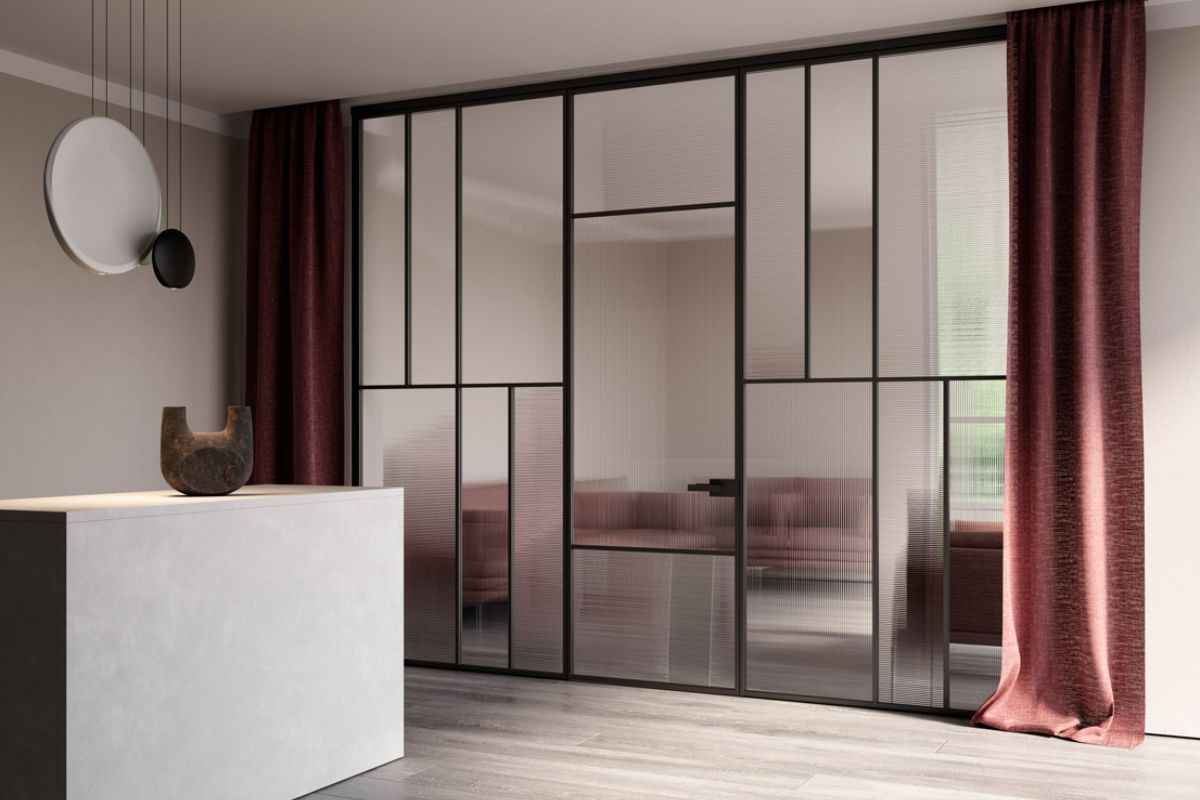
Not all trends have the same fate. Some pass through design as short episodes , others settle down to become lasting design languages ?? . Understanding this difference is fundamental for those who design, produce or observe design with awareness.
A trend becomes fashion when it is isolated from the context that generated it and reduced to a visual sign. In this passage it loses depth and becomes replicable: a colour, a texture, a recognizable shape that can be applied quickly, often without a real functional or cultural need. It is the moment in which the trend accelerates, spreads quickly, is consumed and, just as quickly, replaced.
In interior design this often happens when an aesthetic element is extrapolated from its original meaning. A material is born as a response to sustainability or durability needs, but is adopted only for its visual impact. A color emerges as a reaction to an economic or social climate, but is replicated as a formula. In these cases the trend ends, because it does not stand the test of time and real use.
On the contrary, a trend becomes language when it is absorbed by the project in a structural way. When it does not manifest itself as a style, but as a principle. In this case, a form is not copied, but a logic is internalized: flexibility of spaces, reduction of waste, attention to comfort, hybridization of functions, centrality of the human experience.
This is why some trends do not “pass”, but evolve. They don’t disappear, they transform. They enter the project as new normalities. Let’s think about how certain themes – sustainability, modularity, the multifunctionality of environments – were born as eme signalsrgents and today are an integral part of the way of designing, regardless of the style adopted.
What trends are really for: industry, project, market and public
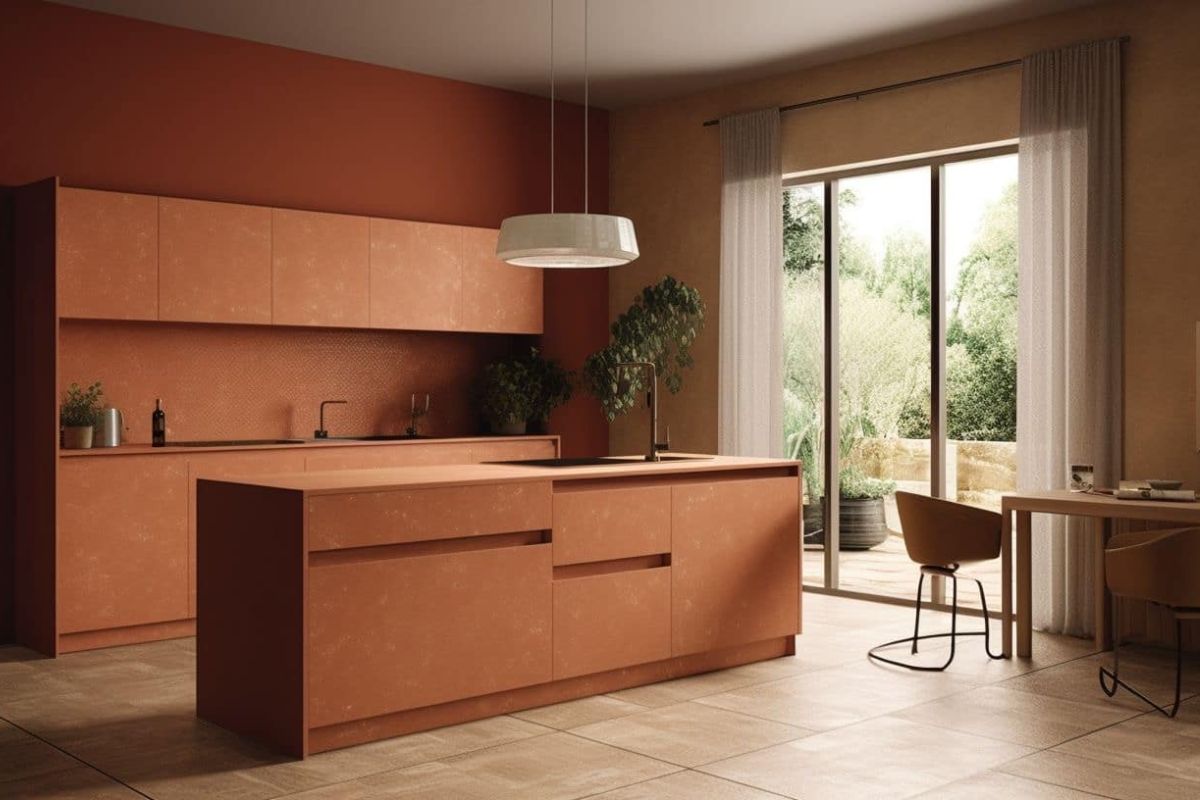
If we constantly talk about trends in design it is because these perform a precise function within the project ecosystem. They are not a communicative device, but a orientation device that connects industry, planning and society.
For producers: reduce risk and guide innovation
For companies in the design and furniture sector, trends are a strategic tool. They serve to read the market in advance , to understand which needs are emerging and which languages ??will be coherent in the medium term. In this sense, the trend does not dictate “what to do”, but helps to avoid short-sighted decisions.
Orienting a collection, investing in a material, developing a new type of product means taking on an industrial risk. Trends, read correctly, allow to contextualise innovation , making it more solid and less exposed to rapid obsolescence. They don’t drive creativity, but they make it more aware.
For designers: building contemporary and reasoned proposals
For those who design spaces, trends are not a list to follow, but a cultural framework . They serve to dialogue with the present, to build proposals that are in tune with the way people live, work and live today.
In this sense, knowing trends also means knowing how to contextualise and filter them . The designer does not apply them automatically, but interprets them, adapts them, transforms them into solutions consistent with the project and the customer. Trends thus become an argumentation tool: they help to explain choices, to make them legible, to insert them into a broader discussion.
For the market: creating a shared language
Another fundamental role of trends is to create a common language between different actors: companies, designers, media, distributors, end customers. Talking about trends means building a shared grammar that allows the system to dialogue.
Without this language, the risk is fragmentation: products that do not communicate with each other, projects that are disconnected from the context, communications that speak only to a niche. Trends, in this sense, do not standardize, but make the system legible .
For the public and enthusiasts: understanding the change
For those who observe design from the outside, trends have a cultural function. They help to understand why certain themes become central in a specific historical moment: the return of natural materials, attention to durability, the search for comfort, the transformation of domestic spaces into hybrid environments.
They are not used for “copying”, but for interpreting . They offer an interpretation that makes design less elitist and more understandable, linking aesthetics and social context.
Therefore, trends in design are not used to say what will be “beautiful” tomorrow, but they serve to understand why certain choices become relevant today. This is why we always talk about them in the interior sector: because they help keep project, industry and society together, without reducing design to simple decoration.
Fashion and trends in design: frequently asked questions
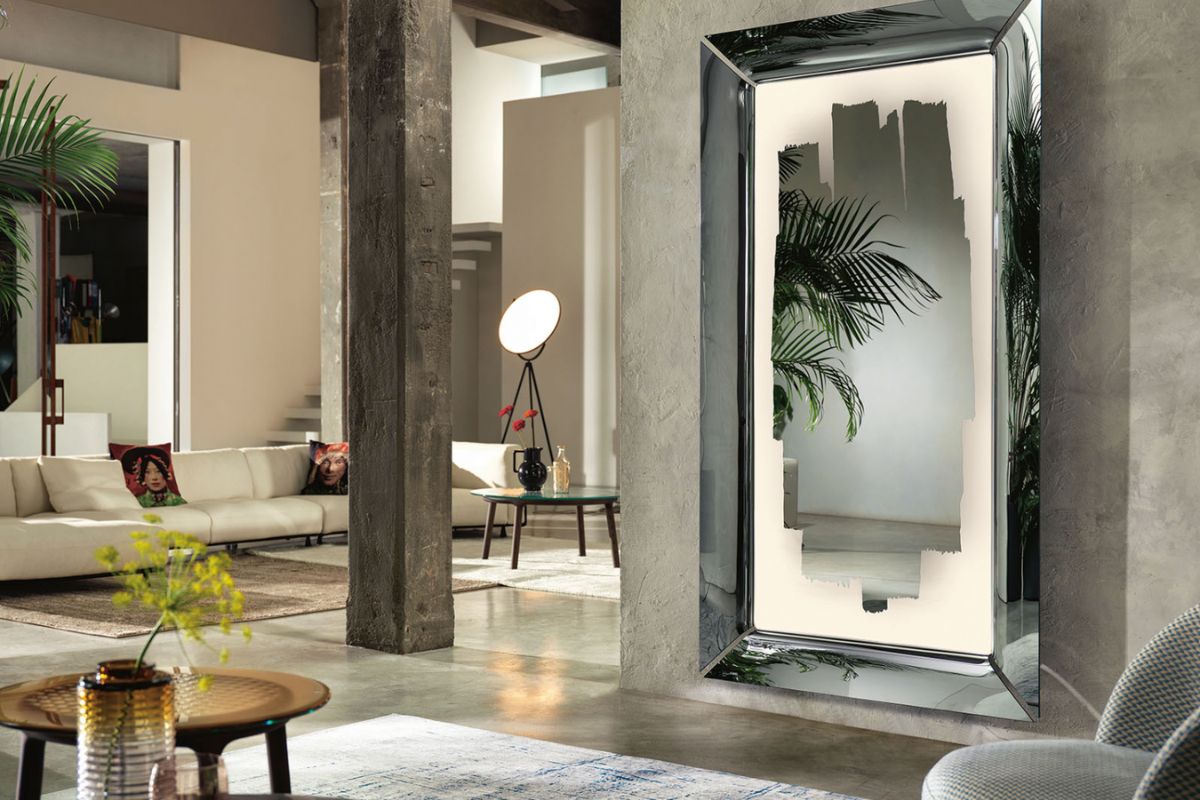
What is the difference between fashion and design trends?
Fashion in design is a rapid and cyclical phenomenon, linked to the logic of novelty and replacement. The trend, however, arises from deeper social, economic and cultural changes and has a longer duration. In design, a trend does not just indicate what is “new”, but what is emerging as a response to real needs.
Why do we always talk about trends in design and interiors?
Because trends help to interpret the present. In design they do not serve to impose a style, but to read how behaviors, ways of living and the priorities of people and the market change. They are an analysis tool, not a trend to follow.
Are design trends just an aesthetic issue?
No. In design, trends also concern materials, functions, sustainability, organization of spaces and production processes. Aesthetics is only the visible part of much larger transformations.
What purpose do furniture and design producers need?
They serve to guide strategic decisions: investments, research and development, materials, finishes and product positioning. Trends help manufacturers reduce industrial risk and design collections consistent with future scenarios.
Why are trends important for interior designers?
Because they allow us to build contemporary, credible and well-argued proposals. Trends offer a cultural framework that helps the designer explain his choices and place them in the current context, without limiting himself to the replication of images seen elsewhere.
Does following trends mean giving up design identity?
No. Following trends consciously means interpreting them, not copying them. The design identity emerges precisely from the ability to filter trends and translate them into solutions consistent with the project, the client and the context.
When does a trend become just fashion?
When it is reduced to an aesthetic sign and deprived of the context that generated it. In these cases the trend turns into fashion, accelerates, spreads rapidly and loses relevance over time.
Do design trends last longer than fashion?
Yes. In design, trends have longer cycles because they have to deal with the duration of spaces, objects and investments. Often they do not disappear, but are transformed and become part of the design language.
Do trends also serve design enthusiasts?
Yes. For the public and enthusiasts, trends help to understand why certain materials, colors or solutions become central in a certain historical period, making design more readable and less superficial.
Are design trends a marketing tool?
They can become one, but they don’t hideor for this reason. In their deepest meaning, trends are a tool for understanding change. They only become marketing when they are simplified and used without a real understanding of the context.