Design is never only about shapes, materials or trends. It is a cultural language, a way of reading the present and imagining how the spaces where we live, work, meet and recognise ourselves will change. Within this language, women have played, and continue to play, a decisive role: as architects, designers, product designers, interior designers, …
Design is never only about shapes, materials or trends. It is a cultural language, a way of reading the present and imagining how the spaces where we live, work, meet and recognise ourselves will change. Within this language, women have played, and continue to play, a decisive role: as architects, designers, product designers, interior designers, creative directors, curators, entrepreneurs, home stagers, researchers and sensitive interpreters of the new needs of living.
With this article, we launch Women in Design, a new Archi&Interiors editorial series dedicated to the professionals who are helping shape the culture of design today. This is not a ranking, nor a definitive list, but an open observatory on careers, visions and design languages that deserve attention.
This first edition brings together 30 Italian women to follow in 2026: figures from different generations, fields, styles and approaches, united by their ability to give form to a broader idea of design. Some work in product design, others in architecture, interiors, surfaces, property enhancement, curatorship or visual communication. Their work describes a plural design system, where quality is not measured only through aesthetics, but also through the ability to read the social, cultural and domestic changes of our time.
The selection comes from an editorial perspective focused on the quality of each career path, the consistency of research, the strength of the design language and the ability to open new perspectives on the world of living. We have chosen authoritative, innovative or particularly significant profiles to understand where Italian design is heading today: towards greater attention to materials, sustainability, spatial identity, the relationship between home and wellbeing, cross-disciplinary exchange, product storytelling and female presence in the places where design is imagined, produced and communicated.
Women in Design begins here: from the desire to give continuity to a necessary narrative, one that moves beyond occasional celebration and builds, article after article, a living map of the professionals leaving a mark on architecture, interiors and design today.
Women in Design: 30 Italian female designers to follow in 2026
From architects to product designers, from interior designers to professionals working on surfaces, installations, visual communication, material research and new ways of living: this first selection of Women in Design is conceived as an open map of Italian design today.
It does not follow a hierarchy and does not aim to create a ranking. Instead, it connects different careers, different generations and different ways of understanding design: as space, as object, as language, as cultural responsibility, as domestic and collective storytelling.
Paola Navone – architect, designer and art director
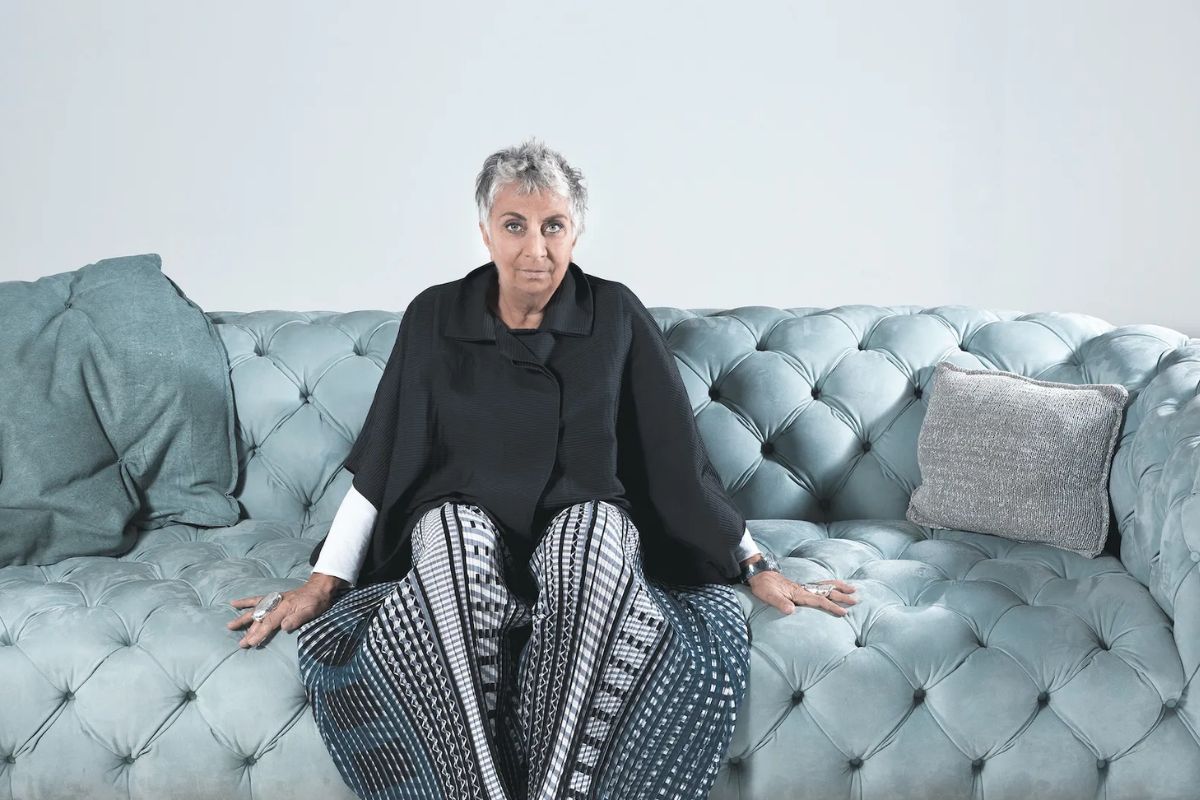
Paola Navone is one of the freest, most transversal and most recognisable figures in Italian design. Architect, designer, interior designer and art director, she has built over time a language open to travel, craftsmanship, cultural contamination and the ability of objects to preserve stories. Her work moves naturally across furniture, interiors, installations, styling and creative direction.
She is an important presence in this selection because she represents a way of designing that is neither rigid nor academic, able to move between the refined and the everyday, between industry and craftsmanship, between memory and freedom. Navone has helped make Italian design more open, more porous and more able to welcome imperfection, colour, matter and different origins. Following her means observing a design mind that continues to escape formulas.
Cristina Celestino – architect, designer and creative director
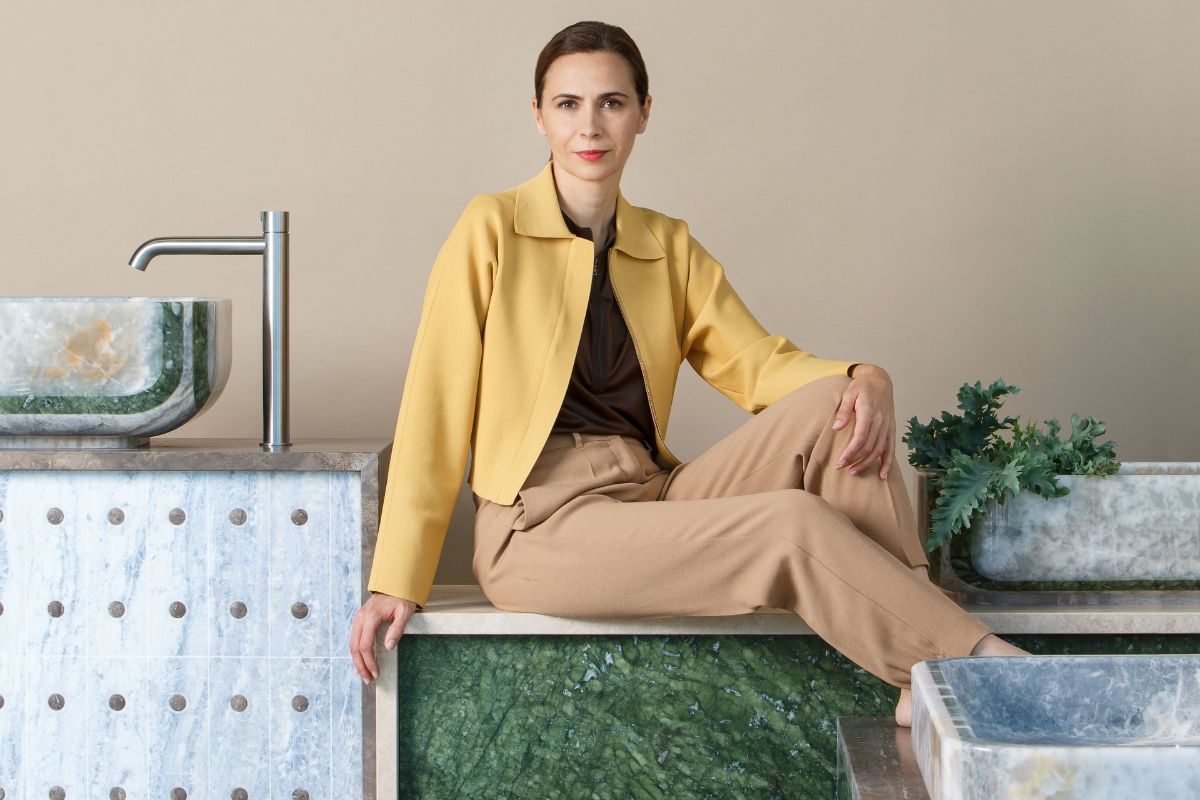
Cristina Celestino is one of the most refined voices in Italian design today. Her work moves across product design, interiors, hospitality, installations and creative direction, with an aesthetic identity built on cultured references, attention to detail, sensitive use of colour and a constant dialogue with the history of decorative arts.
In her projects, decoration is never simple ornament. It becomes language, depth, memory and atmosphere. Celestino works on objects and spaces that seem to belong to a precise imaginary, where femininity is not a declared theme but a design sensitivity: the ability to observe details, proportions, materials and rituals of living. She is a figure to follow because she brings together aesthetic research, visual culture and architectural precision.
Elena Salmistraro – product designer, artist and illustrator
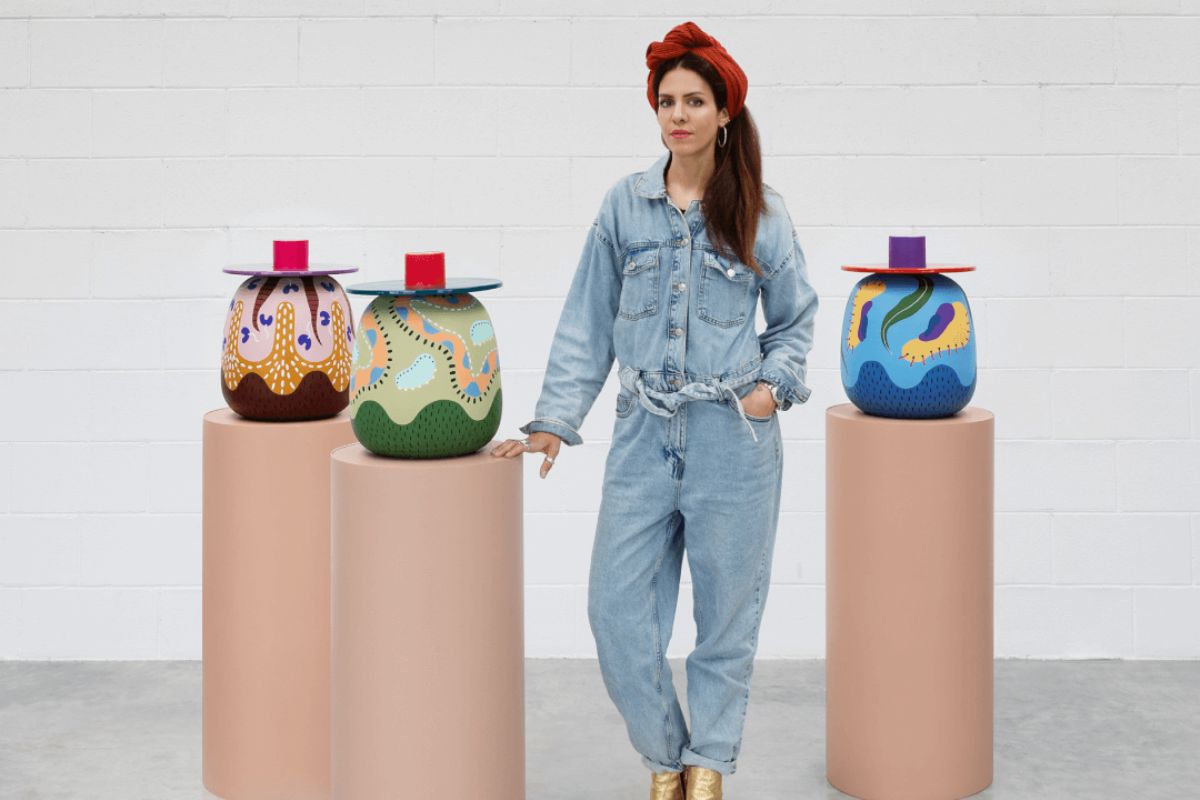
Elena Salmistraro brings a powerful, figurative and highly expressive imaginary into Italian design. Product designer, artist and illustrator, she works on objects, surfaces, furniture and figures that seem to belong to a personal symbolic universe, inhabited by colour, graphic signs, matter and storytelling.
Her work matters because it does not seek neutrality. In a context where many projects tend towards reduction, Salmistraro chooses presence, character, image and, at times, controlled excess. Her objects have an almost totemic strength: they do not simply occupy a space, they activate it. She is a designer to follow because she reminds us that design can still be vision, energy, narrative and visual identity.
Francesca Perani – architect, interior designer and visual designer
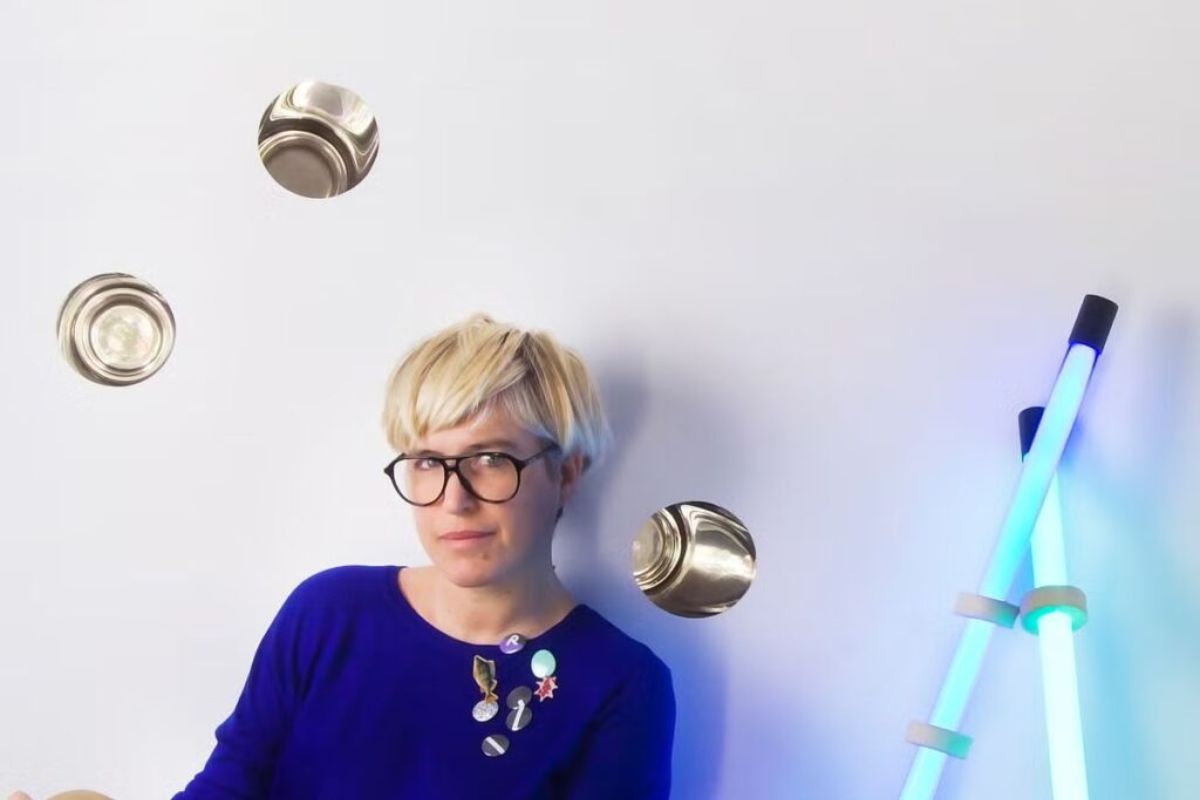
Francesca Perani is one of the most interesting figures to follow in order to understand how architecture can now dialogue with interior design, graphics, branding and cultural activism. Her work is not limited to the design of space, but builds complete visual identities where colour, sign, material and message become part of the same narrative.
Her approach has a rare freedom: interiors are never neutral, but expressive, communicative places capable of taking a position. Perani works with a lively, ironic and inclusive design language, often far from the more conventional codes of architectural minimalism. She is also one of the founders of RebelArchitette, a project that helped bring the visibility of women in architecture back to the centre of the Italian debate.
Sara Ricciardi – designer, artist and installation author
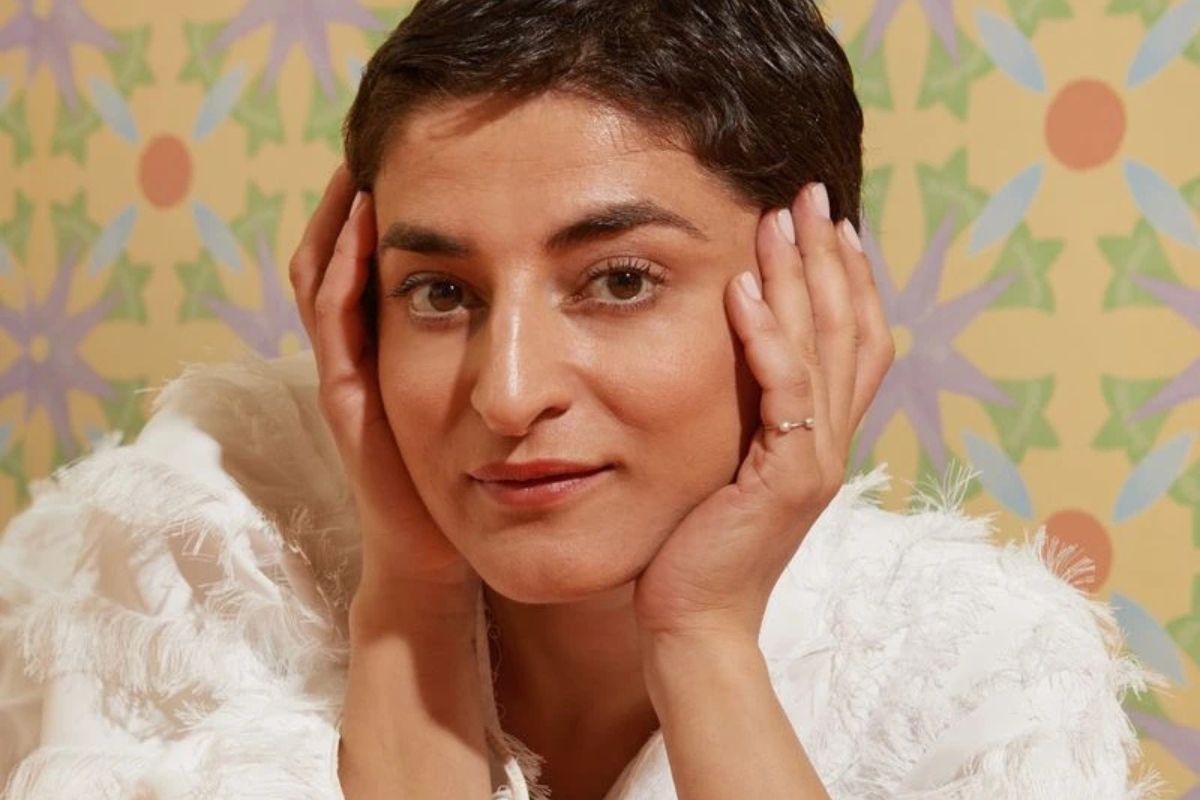
Sara Ricciardi interprets design as a narrative, sensory and symbolic territory. Her work spans product design, installation, art direction, performance and experiential design, with strong attention to the emotional dimension of objects and spaces.
In her projects, design is never only function. It is story, ritual, gesture and relationship between body and environment. This ability to transform design into experience makes her a particularly significant voice in the Italian scene. Ricciardi brings a poetic and theatrical component into design, without losing the concreteness of making: her work speaks of matter, memory, imagination and presence.
Federica Biasi – product designer and art director
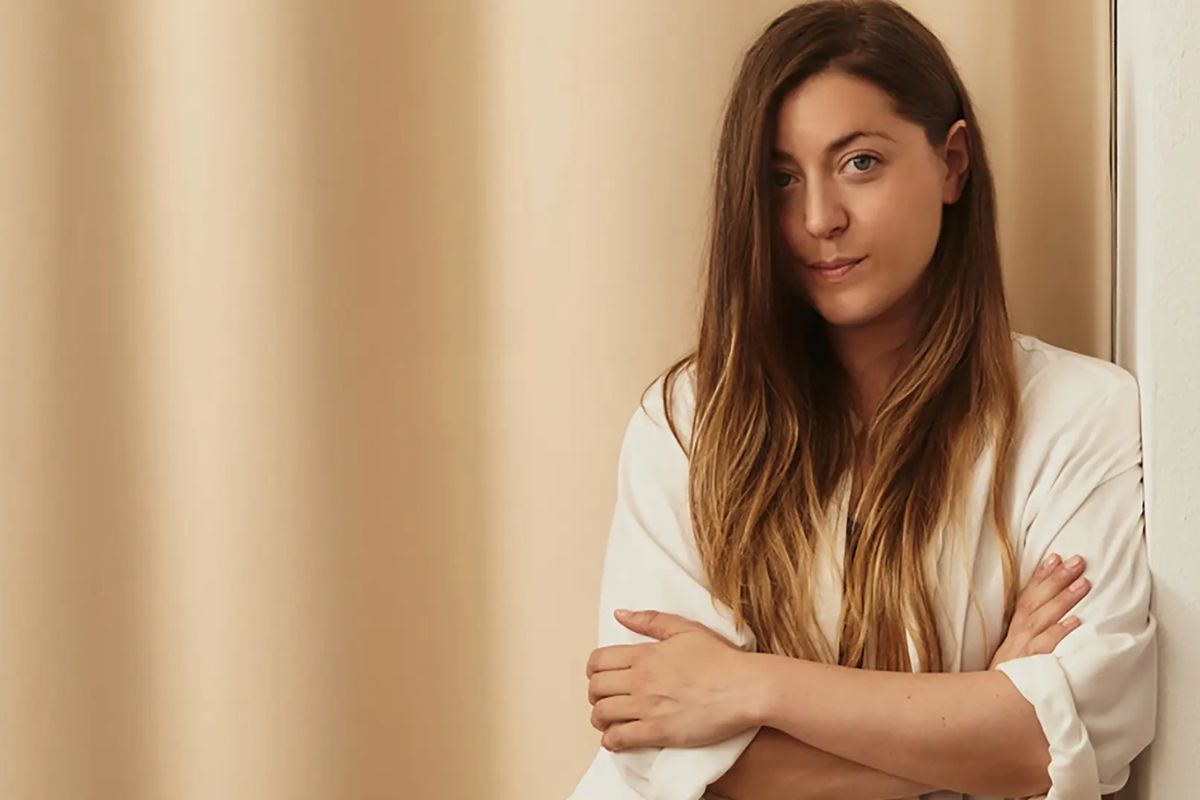
Federica Biasi represents a very current direction in Italian design: essential, soft, measured, yet never cold. Her work focuses on the quality of proportions, the tactility of materials and an idea of the object that can enter everyday life without imposing itself.
Her research is interesting because it moves away from immediate effect. In her projects, strength does not come from a spectacular gesture, but from the balance between form, function and atmosphere. Biasi works on furniture and accessories that express a new sobriety in design: quieter, more precise and closer to the real needs of living today.
Chiara Andreatti – designer and creative director
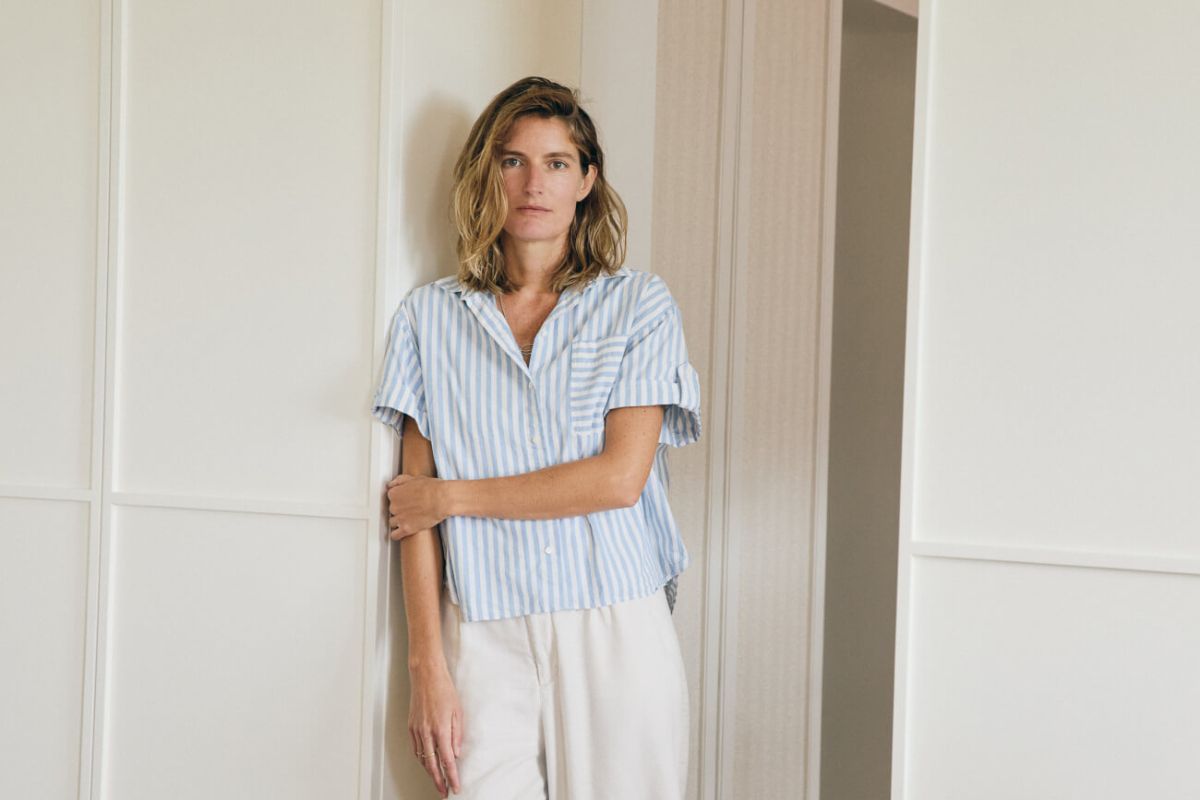
Chiara Andreatti works on a cultured, material-focused design language deeply connected to the quality of detail. Her career spans furniture, textiles, objects, installations and creative direction, with a measured, elegant and recognisable style.
In her projects, materials always play a central role. Wood, ceramics, fabrics, metals and surfaces are not simple aesthetic components, but tools for building atmospheres. Andreatti represents a way of designing that does not seek visual noise, but duration, coherence and precision. She is a figure to follow because she interprets a very current Italian sensitivity: discreet, refined and attentive to the dialogue between craftsmanship and industry.
Serena Confalonieri – product, graphic and textile designer
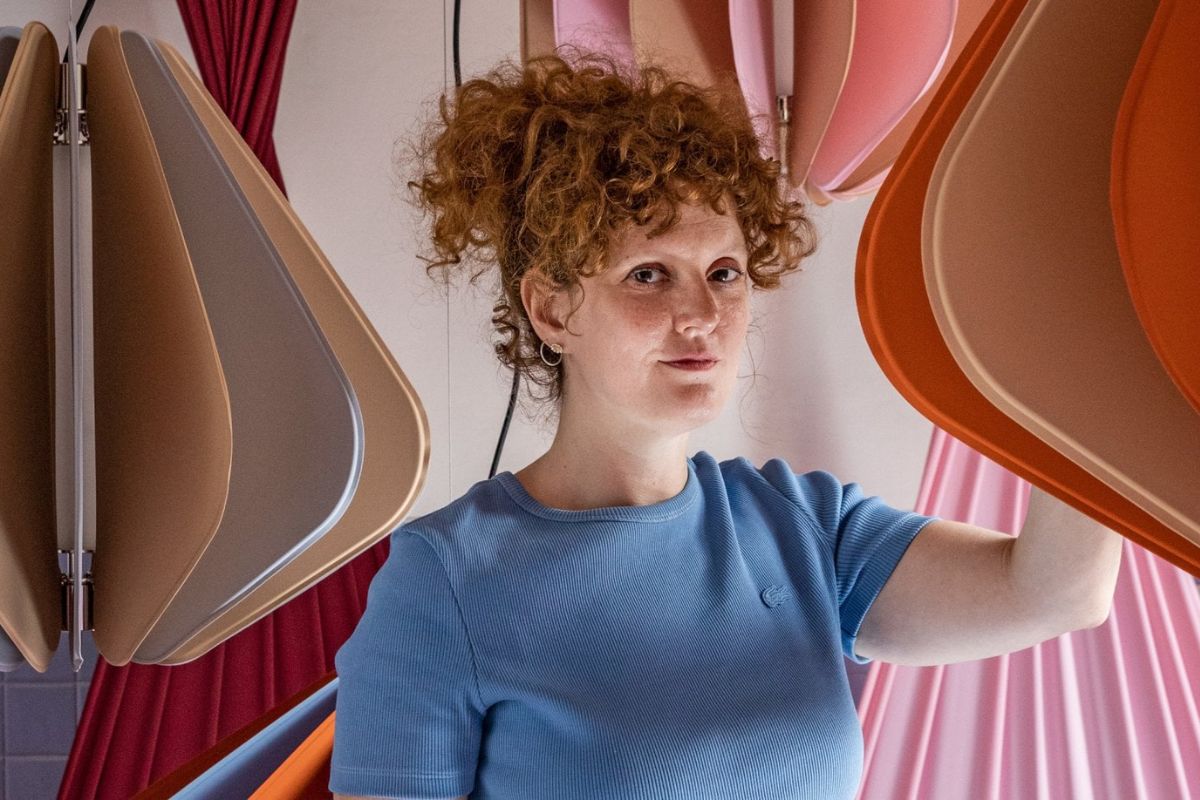
Serena Confalonieri brings a strong culture of colour, sign and surface into design. Her work moves across product design, graphics, textile design, installations and special projects, building an immediate yet never superficial visual language.
Her research shows how current design can no longer be understood only through the shape of an object. Rhythm, texture, pattern and the ability to generate imagery matter as well. In her projects, colour becomes structure, identity and narrative. She is an interesting designer because she works on that fertile boundary where product, decoration and visual communication meet.
Elisa Passino – surface, tile and colour designer
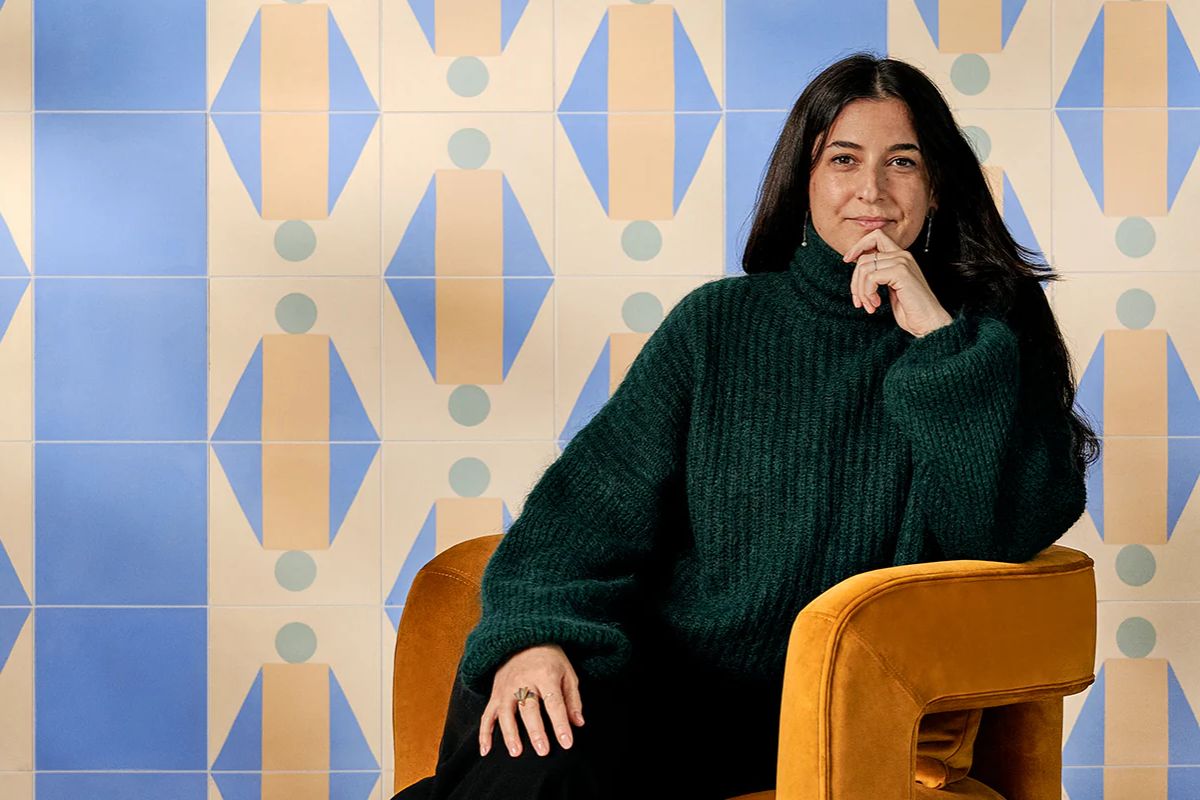
Elisa Passino is a figure to follow in order to understand the increasingly central role of surfaces in design today. Her work focuses on colour, patterns, ceramics, coverings and visual languages applied to interiors.
At a time when walls, floors and finishing materials are no longer secondary elements, but real tools of spatial identity, her profile becomes particularly relevant. Passino works on the surface as if it were a design skin: something that defines the character of an environment, guides its perception and builds a direct relationship between space, colour and the sensitivity of living.
Maddalena Selvini – designer and material researcher
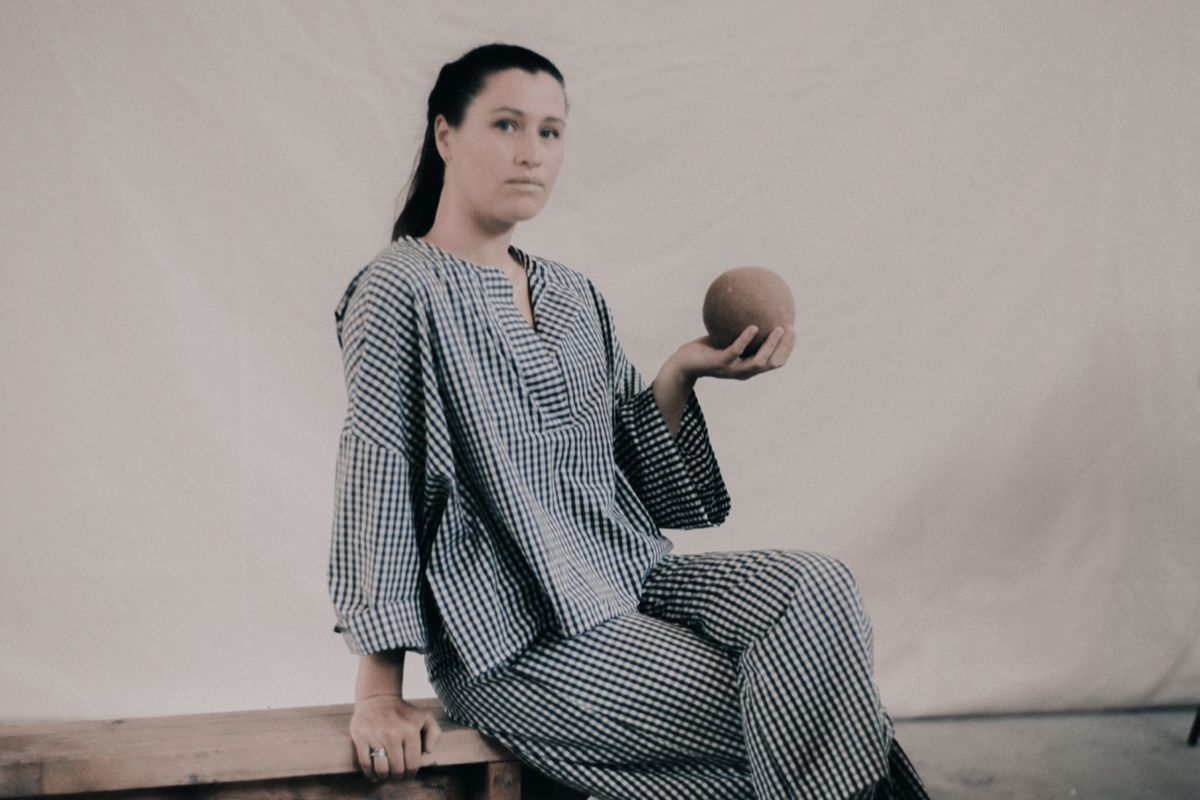
Maddalena Selvini brings to design a research practice linked to materials, experimentation and production processes. Her work sits in an interesting area between product design, set design, food design and material investigation, with an approach that sees design as a practice of transformation.
She is a designer to follow because she represents a generation attentive not only to the final shape of an object, but also to its origin, composition, life cycle and the hidden possibilities within less conventional materials. Her research speaks of sustainability without reducing it to a communication formula: she brings it into the process, into the very physical nature of the project.
Chiara Lionello – architect, designer and researcher
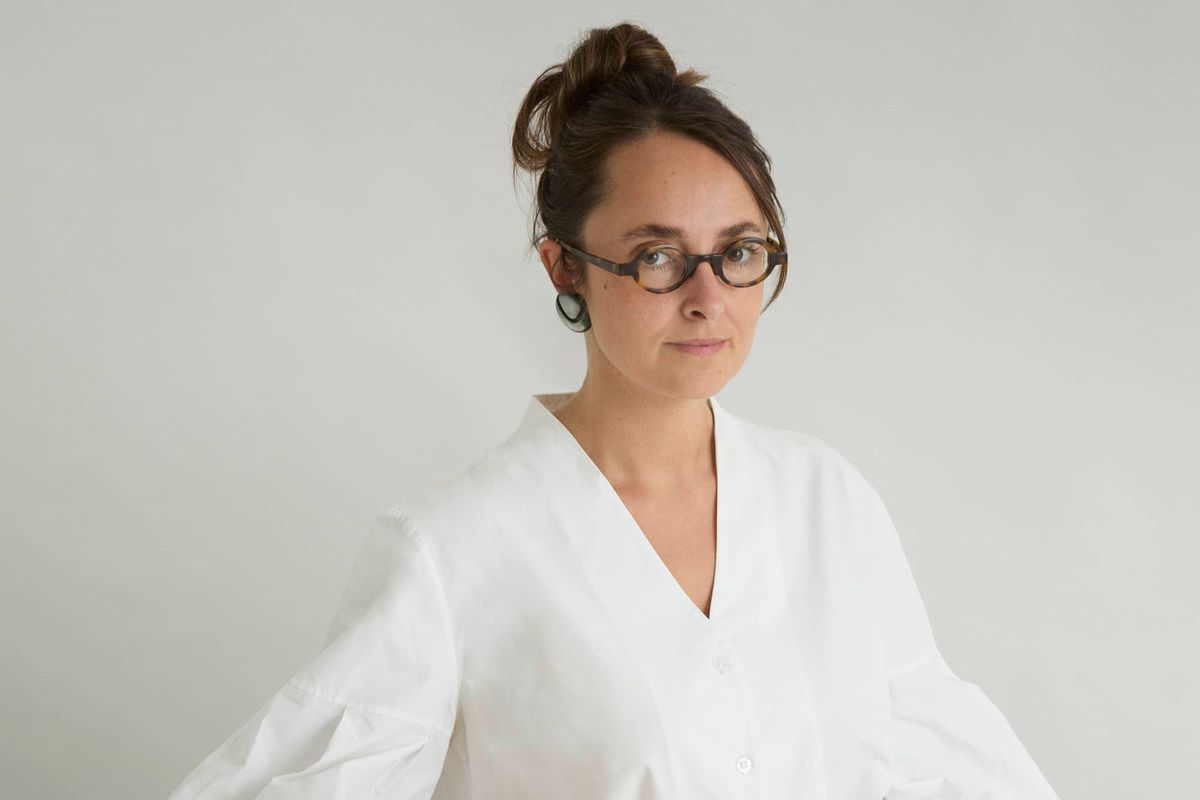
Chiara Lionello belongs to a new generation of Italian designers working across architecture, interiors, product design, exhibition design and research. Her profile is interesting because she does not separate disciplines rigidly, but moves through them with an experimental eye.
Her work reflects a current sensitivity, attentive to the relationship between space, object and perception. She is a figure to watch because she represents a direction increasingly present in Italian design: less tied to traditional categories and closer to a cross-disciplinary practice, where design becomes a cultural, visual and spatial device.
Francesca Lanzavecchia – industrial designer and researcher
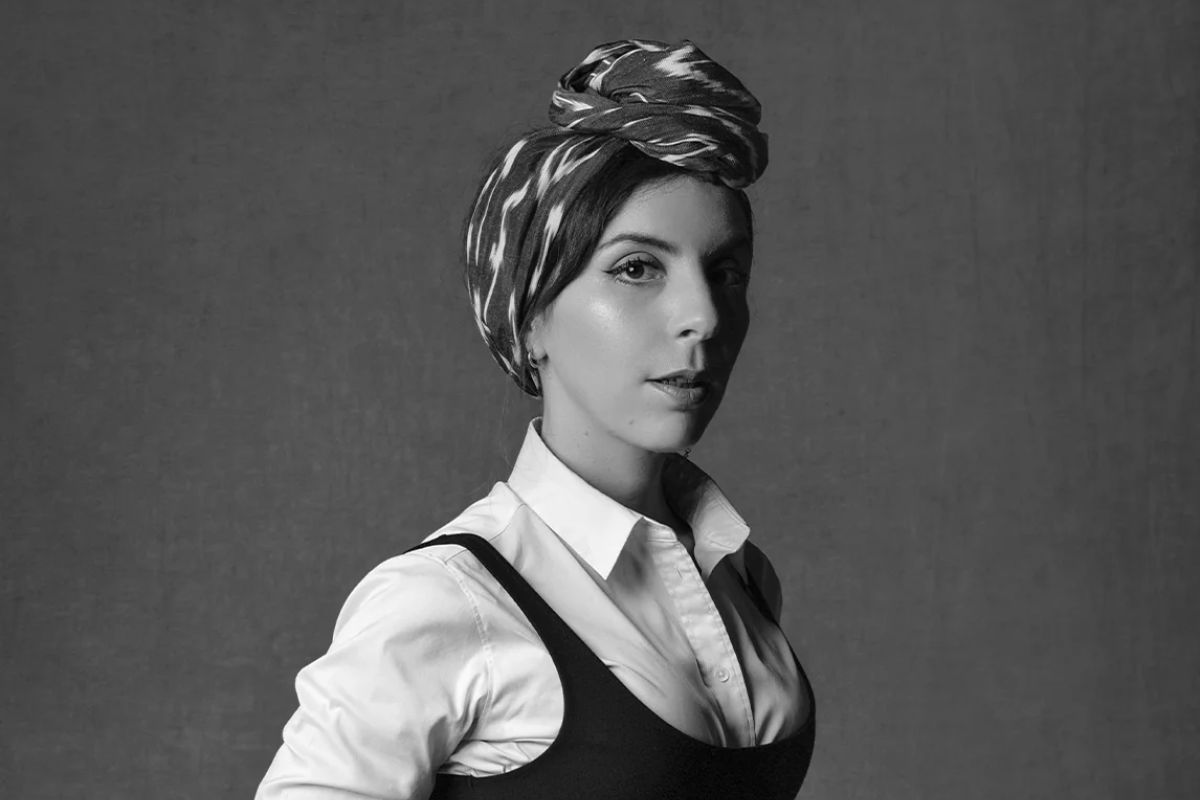
Francesca Lanzavecchia works on a design approach that places the body, care, autonomy and the transformations of everyday life at the centre. Her research, also developed through the path of Lanzavecchia + Wai, addresses themes related to accessibility, fragility and the relationship between people and objects.
Her contribution is important because it moves design beyond the purely aesthetic dimension and brings it back to its deepest function: improving gestures, possibilities and relationships. In her projects, the object is never only a furnishing element, but a tool for interacting with the world. She is a designer to follow for those looking for empathetic, intelligent and genuinely necessary design.
Giorgia Zanellato – product designer and material researcher
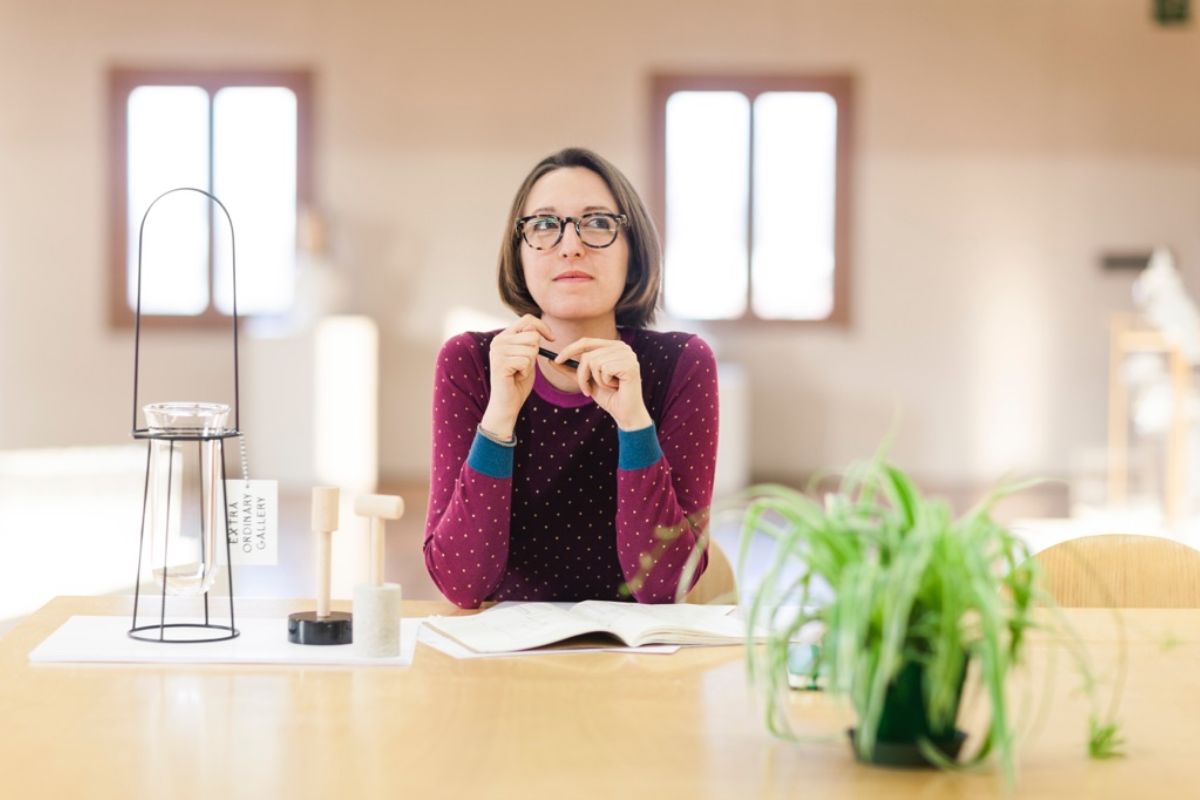
Giorgia Zanellato works on a design language that brings together memory, territory, craftsmanship and material research. Her career, also within the Zanellato/Bortotto studio, describes a design approach attentive to surfaces, colours, processes and the cultural layers of objects.
In her work, material is never just a support; it becomes narrative. Fabrics, finishes, textures and techniques create a connection between design today and traditional know-how, without nostalgia. She is a designer to follow because she interprets one of the most interesting directions in Italian design: the return to material as a place of identity, research and innovation.
Elisa Ossino – architect, interior designer and set designer
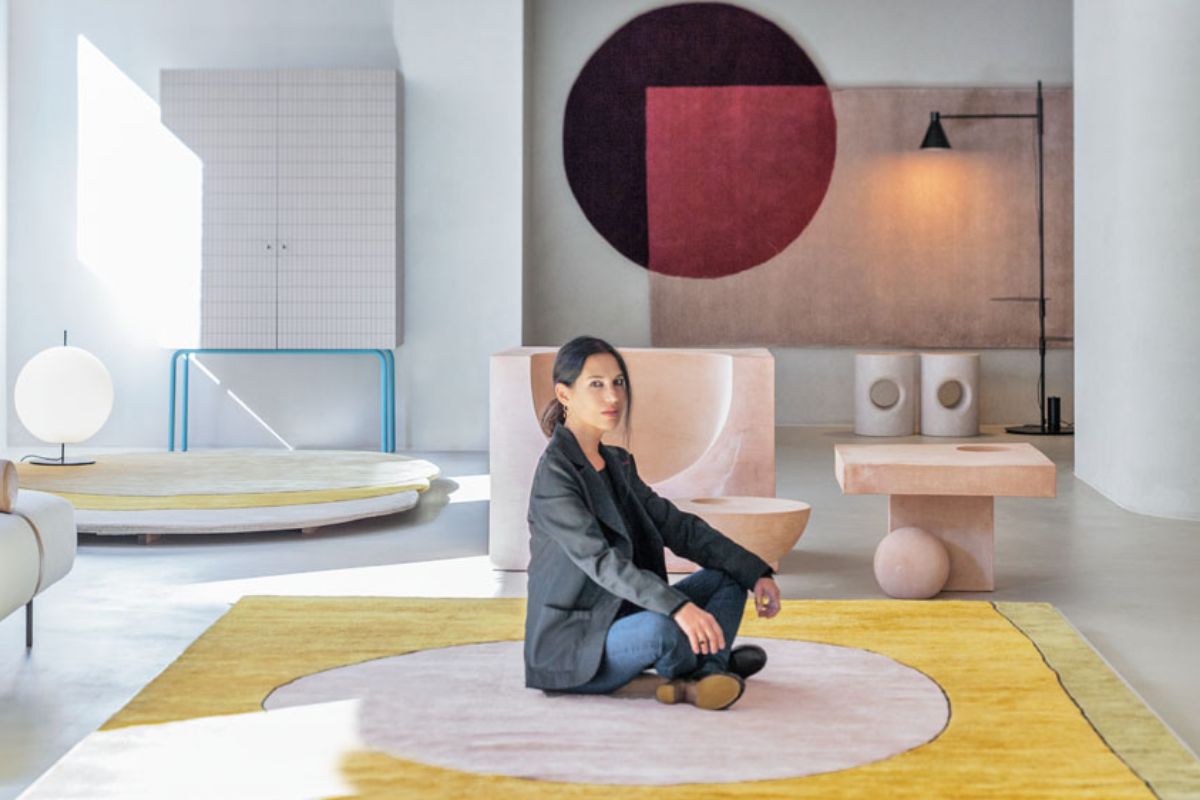
Elisa Ossino works on an idea of space built through balance, geometry, light and composition. Her practice spans architecture, interior design, product design and set design, with a very precise visual signature: rarefied environments, selected objects, calibrated colours and surfaces conceived as elements of a silent yet extremely controlled scene.
Her work is interesting because it takes interior design beyond a simply decorative logic. Each space appears as an architectural, almost pictorial composition, where nothing is accidental and every element contributes to the creation of an atmosphere. Ossino is a figure to follow because she interprets living as a visual language: a space where matter, light and objects become tools for storytelling.
Alessandra Baldereschi – designer of products, lighting and decorative objects
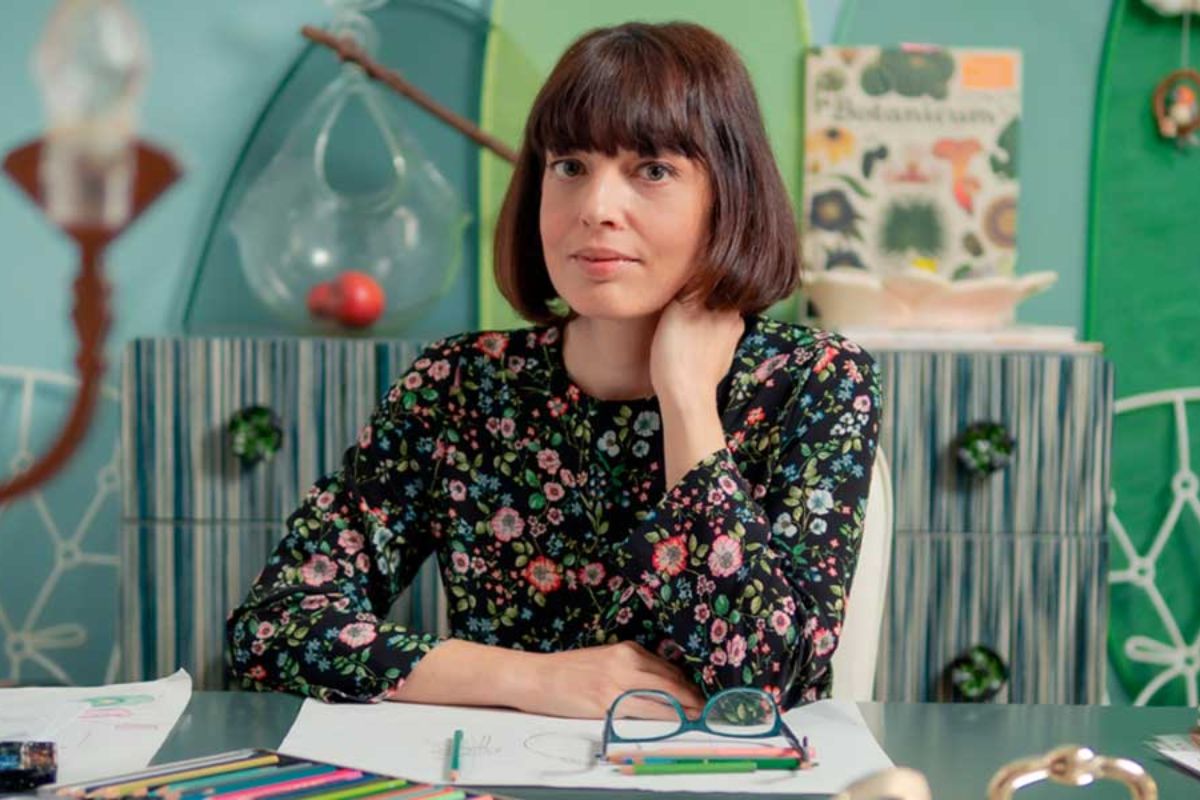
Alessandra Baldereschi brings a poetic, light and deeply imaginative dimension into Italian design. Her work moves across furniture, lighting, decorative objects and home accessories, with a sensitivity capable of turning even the smallest accessory into a narrative presence.
Her projects combine irony, memory, delicacy and attention to everyday gestures. Her research is interesting because it restores value to the domestic object as an emotional element, not only a functional one. Baldereschi describes a design able to inhabit the home with discretion, but also with character: a design that does not give up imagination, lightness and the ability of objects to create relationships.
Monica Graffeo – designer and creative director
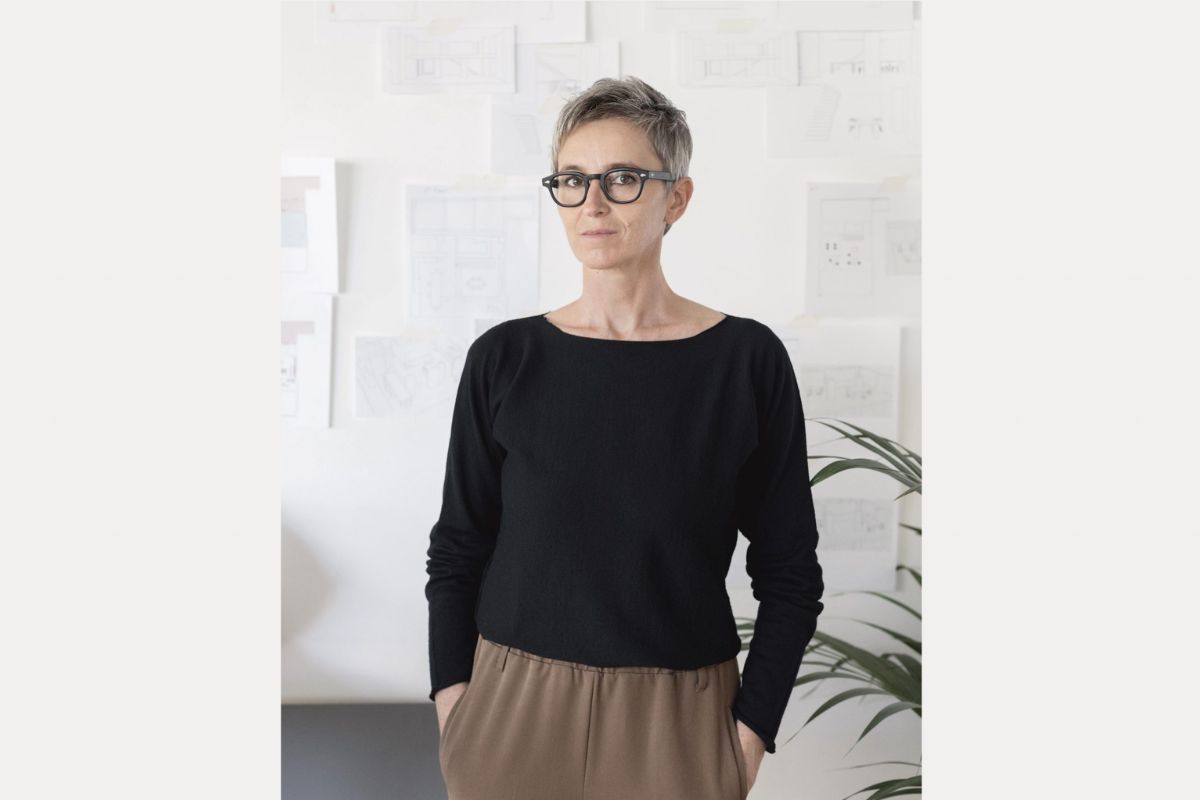
Monica Graffeo represents a concrete, essential design approach, highly attentive to the real use of objects and spaces. Her work crosses product design, space design and creative direction, with a method that brings together formal simplicity, attention to function and sensitivity to everyday wellbeing.
She is a figure to follow because she interprets design as a tool for balance. In her projects, there is no search for effect, but a clear desire to build durable, accessible and intelligent solutions. Graffeo works on objects and environments that accompany life without overwhelming it: a particularly relevant direction at a time when design is once again questioning the quality of domestic experience.
Ilaria Marelli – architect, designer and creative consultant
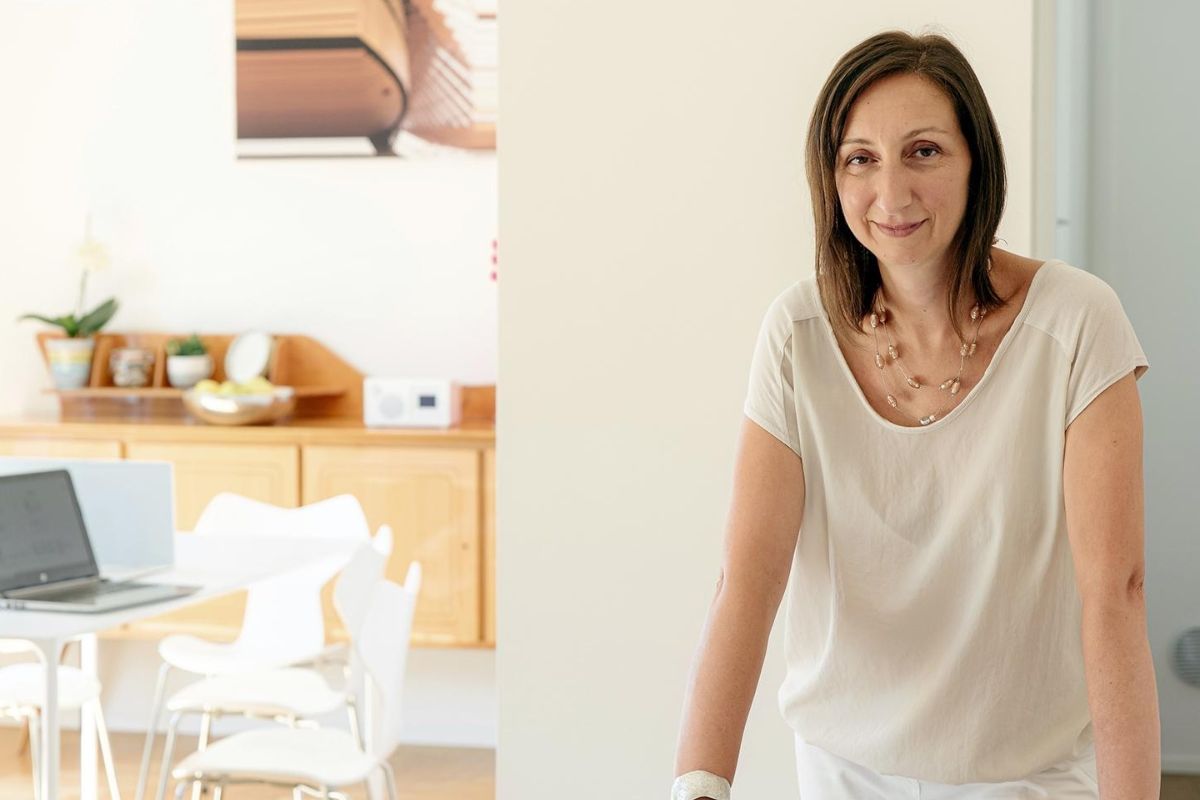
Ilaria Marelli has long worked on a transversal design practice able to combine architecture, product design, interiors, installations, strategic consultancy and research. Her profile is interesting because it does not belong to a single category: she moves through design with a broad vision that brings together form, function, business and living culture.
Her work reveals strong attention to the relationship between people, spaces and behaviours. Marelli interprets design not only as the production of objects, but as the creation of systems, experiences and scenarios. She is a figure to follow because she represents a current professional profile, able to move between creativity, method and the reading of social change.
Lorenza Bozzoli – designer across furniture, fashion and décor
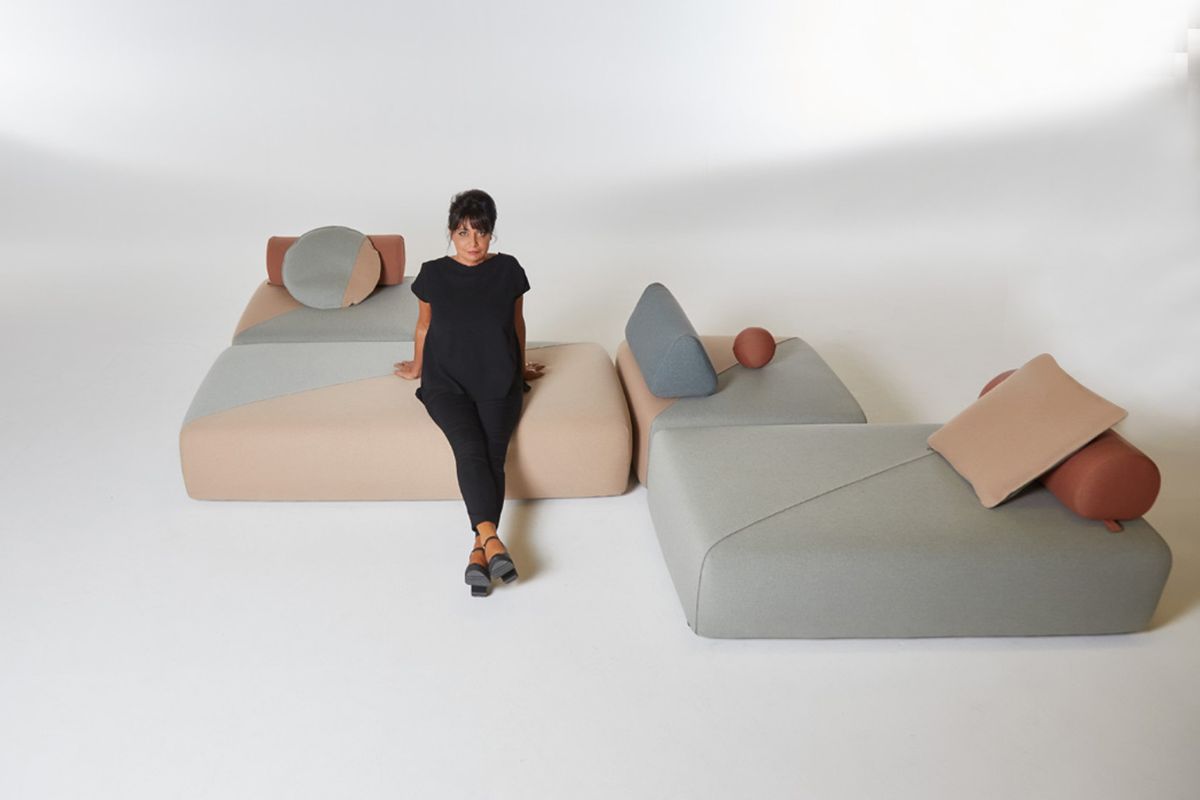
Lorenza Bozzoli brings a decorative, theatrical and sophisticated sensitivity into design, also shaped through dialogue with the world of fashion. Her work crosses furniture, accessories, objects and collections with a strongly identifiable character, where colour, matter and silhouette build a recognisable aesthetic.
Her research is interesting because it shows how décor can be a cultured design territory, not simply an ornamental one. Bozzoli works on objects with presence, personality and, at times, an almost scenic dimension. She is a designer to follow because she restores an expressive and sensual component to the domestic project, in dialogue with craftsmanship, applied arts and visual culture.
Arianna Lelli Mami – interior designer and creative director
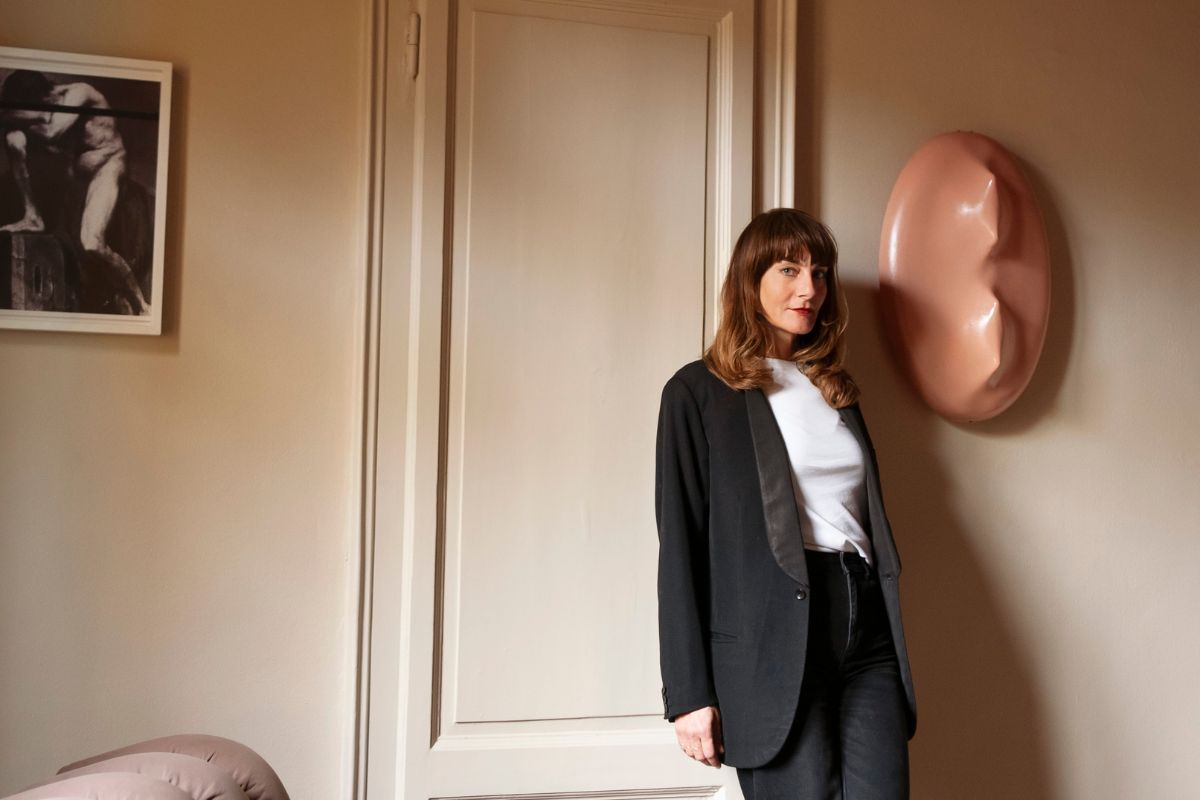
Arianna Lelli Mami, co-founder of Studiopepe, is one of the key figures of a period in Italian design where interiors, product design, art direction and visual imagination are increasingly connected. Her work stands out for a sophisticated, layered and sensory sensitivity, able to create highly distinctive spaces without losing balance.
Through Studiopepe, she has helped define a design aesthetic made of matter, colour, atmosphere, artistic references and attention to spatial storytelling. She is a figure to follow because she interprets interior design as cultural construction, not as the simple arrangement of furniture: every project becomes a visual, material and symbolic narrative.
Chiara Di Pinto – interior designer and creative director
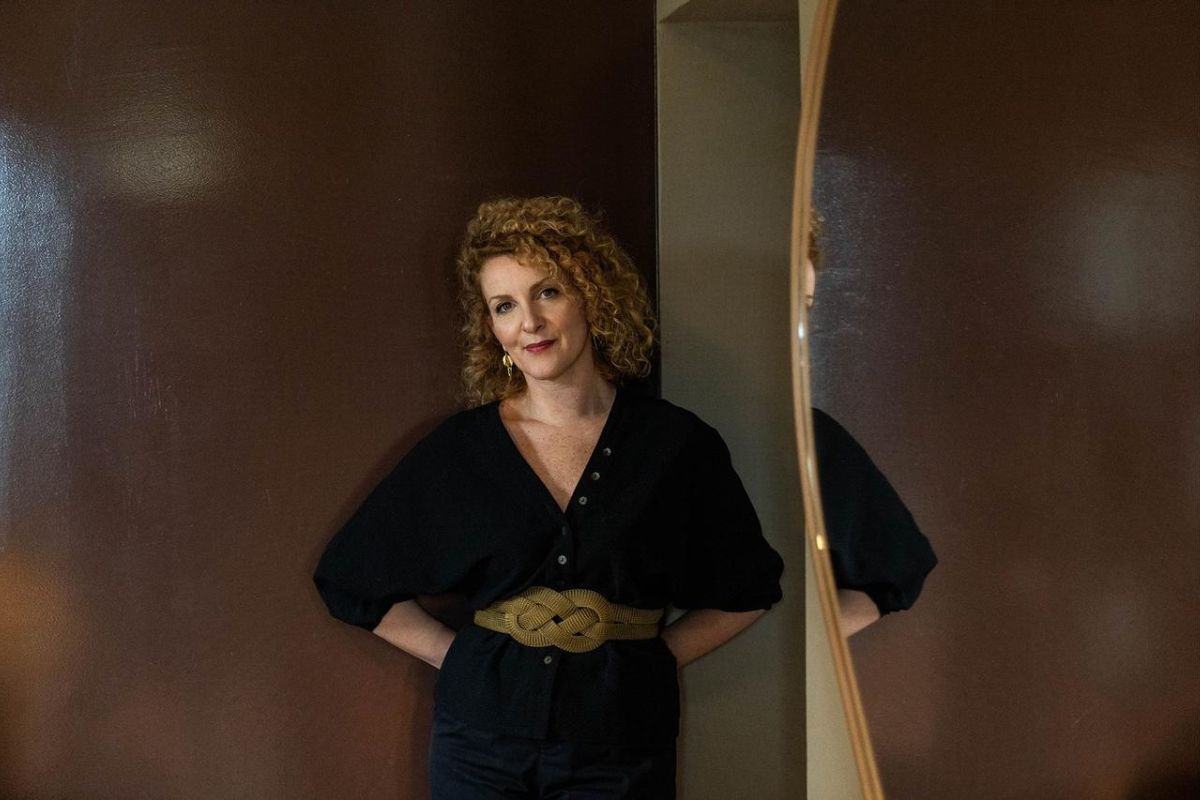
Chiara Di Pinto, co-founder of Studiopepe together with Arianna Lelli Mami, works on an idea of design that brings together aesthetic research, spatial identity and creative direction. Her career moves across interiors, product design, retail, installations and brand consultancy, with a language recognisable for its layering, colour and attention to atmosphere.
Her work is significant because it shows how interiors today are no longer only about designing environments, but about building imaginaries. Space, object, light, matter and communication become parts of a single experience. Di Pinto is a figure to follow in order to understand how Italian design is increasingly working on the relationship between project, storytelling and visual identity.
Marta Sala – entrepreneur and figure of Italian collectible design
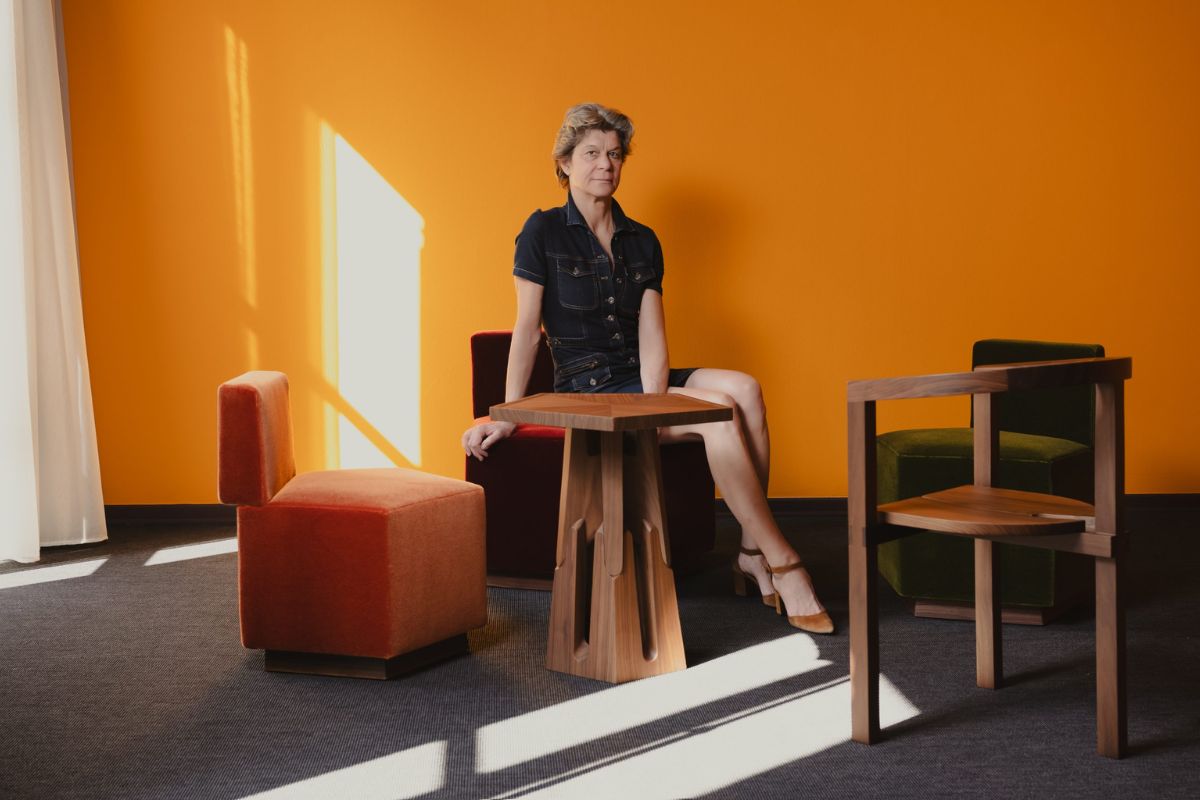
Marta Sala occupies a distinctive position in the Italian design landscape. She should not be read only as a designer, but as a figure able to work on the culture of collectible design, author furniture and the relationship between designers, craftsmanship and current production.
Through her work, she has built a world made of furniture pieces, precious materials, design collaborations and a precise idea of domestic elegance. She is a figure to follow because she tells an important side of Italian design: one that is not limited to serial production, but works on the quality of the piece, durability, execution and the possibility for furniture to become a cultural object.
Roberta Borrelli – architect, interior designer and founder of Make Your Home
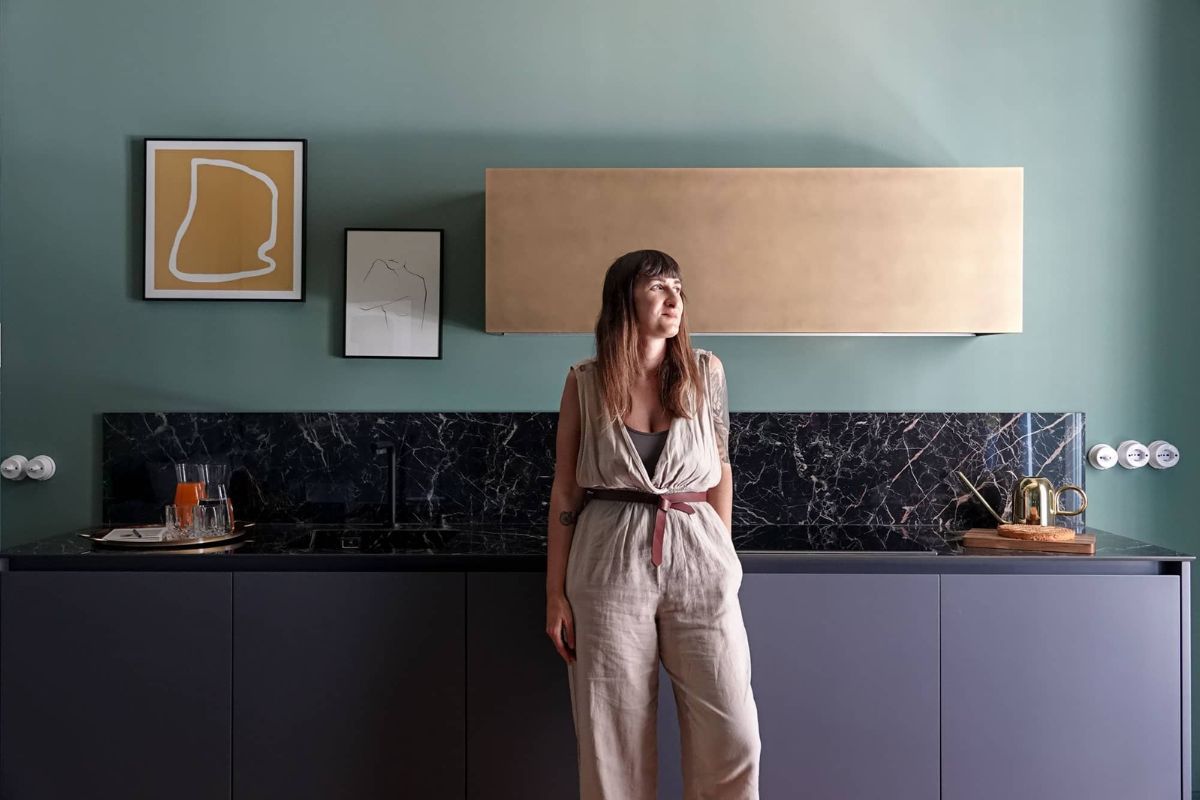
Roberta Borrelli is an interesting figure because she works at the meeting point between interior design, living culture and design communication. With Make Your Home, she has built a recognisable language capable of presenting the home not only as an aesthetic space, but as a personal, narrative and identity-driven place.
Her profile is useful in this selection because it brings design closer to a wider audience without simplifying it. In her content and projects, the idea emerges that living means choosing, interpreting and building a conscious relationship with spaces. She is a professional to follow in order to understand how interior design can also become storytelling, visual education and everyday culture.
Rachele Biancalani – architect and interior designer
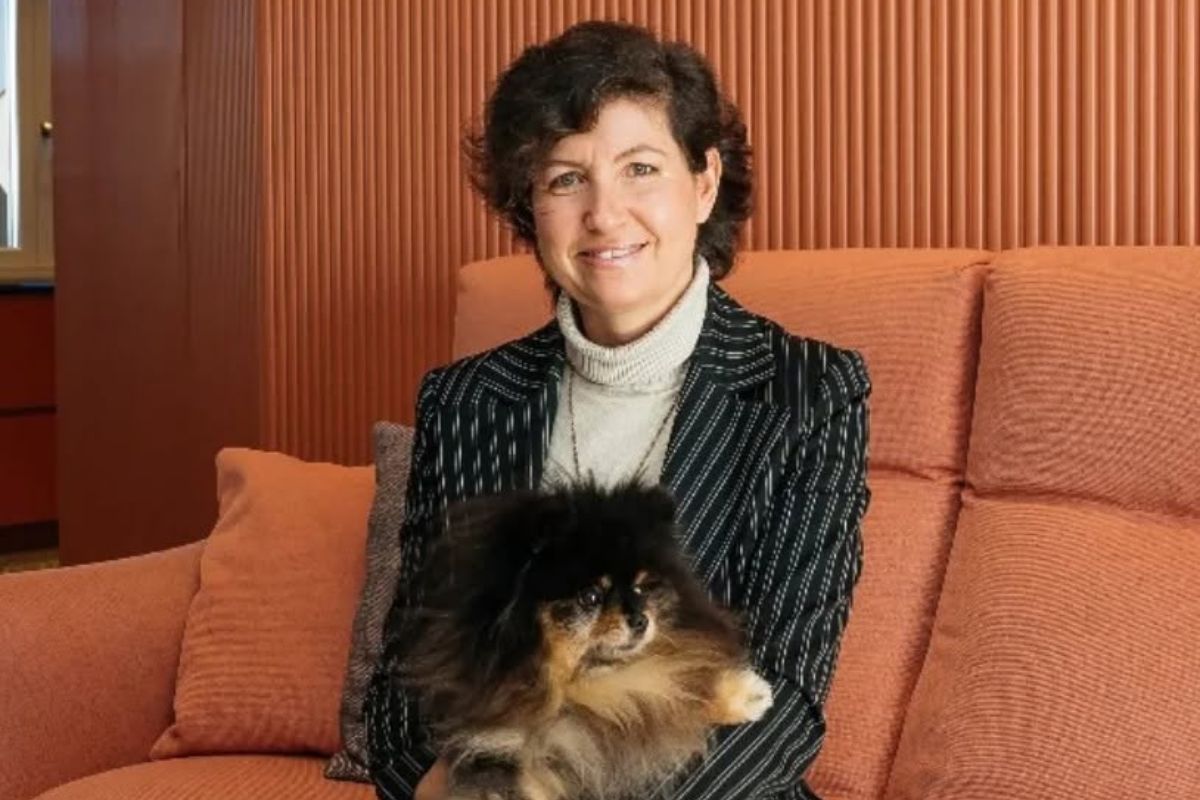
Rachele Biancalani brings into the selection the theme of the real home, renovation, residential interiors and the concrete relationship with those who inhabit spaces. Her work focuses on carefully designed, bright and functional domestic environments, often built through a balance between elegance, comfort and personalisation.
She is a figure to follow because she represents a very important dimension of Italian interior design: one that does not exist only in installations or large contract projects, but in homes, everyday choices and the transformation of private spaces. Her approach describes an idea of design close to people, attentive to domestic life and to the quality of living.
Gaia Miacola – architect and interior designer

Gaia Miacola is an interesting figure in the Italian interior design scene, especially for the way she manages to make design accessible without emptying it of quality. Her work moves across consultancy, interior design, visual storytelling and a direct relationship with those who want to transform their home into a more coherent, functional and personal space.
She is a professional to follow because she interprets one of the most current directions in living: the need for guidance. Today, many people are not only looking for beautiful environments, but for spaces able to respond to concrete, aesthetic and everyday needs. Miacola works precisely on this boundary between design and communication, helping people read the home as a place of identity, balance and possibility.
Fosca De Luca – home stager and real estate strategist

Fosca De Luca brings into the series a design category that is often underestimated, but increasingly central: home staging. Her work sits at the intersection of interior design, property enhancement, marketing and spatial perception. It is not simply about “preparing a home” for sale or rent, but about building a visual narrative that makes a property more readable, desirable and competitive.
She is a figure to follow because she describes a concrete evolution of the professions connected to living. In an increasingly selective real estate market, design does not concern only the lived-in home, but also the home that is presented, interpreted and communicated. De Luca works on this subject with a professional and educational approach, helping give structure and dignity to a field that combines aesthetics, strategy and buyer behaviour.
Benedetta Tagliabue – architect
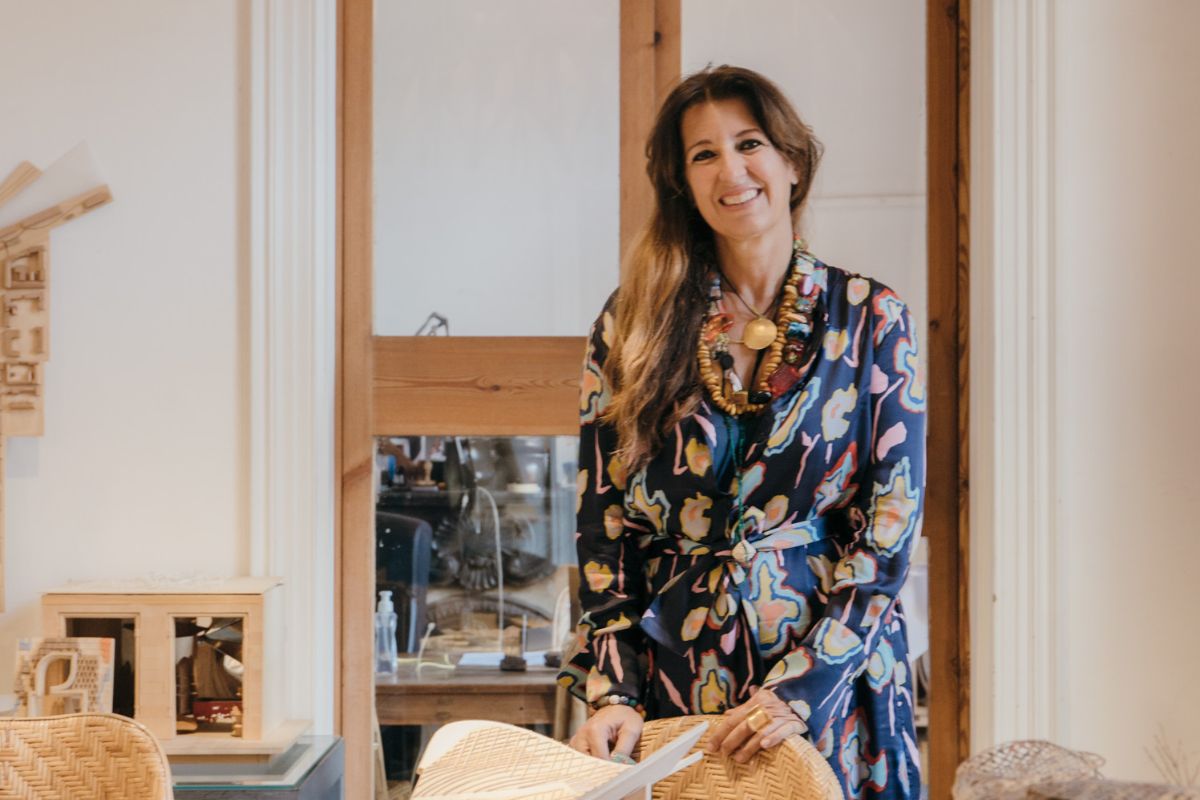
Benedetta Tagliabue is one of the most authoritative Italian architects on the international stage. At the head of EMBT, founded with Enric Miralles, she has developed a complex and narrative architectural language deeply connected to context. Her work spans architecture, public space, landscape, interiors and installations, with a sensitivity able to bring together memory, matter and collective life.
She is an essential figure in this selection because she represents an idea of architecture that cannot be reduced to the image of a building. In her projects, space becomes an organism, an interweaving, a relationship with place and people. Tagliabue shows how architecture can be at once poetic and urban, rooted and experimental, able to build places that do not stand out only through form, but through cultural intensity.
Maria Porro – entrepreneur and voice of the Italian design system

Maria Porro should not be read as a designer in the strict sense, but as a central figure for understanding the Italian design system today. Entrepreneur, President of Salone del Mobile.Milano and interpreter of a supply chain that connects industry, product culture, internationalisation and Made in Italy identity, she represents a fundamental presence in the story of design today.
Including her in Women in Design means broadening the view beyond individual authorship. Design is not made only by those who draw objects or spaces, but also by those who build platforms, relationships, industrial visions and cultural opportunities. Porro describes the role of women in the decision-making spaces of design: the places where strategies, languages, markets and future directions for the sector are defined.
Domitilla Dardi – historian, curator and design critic
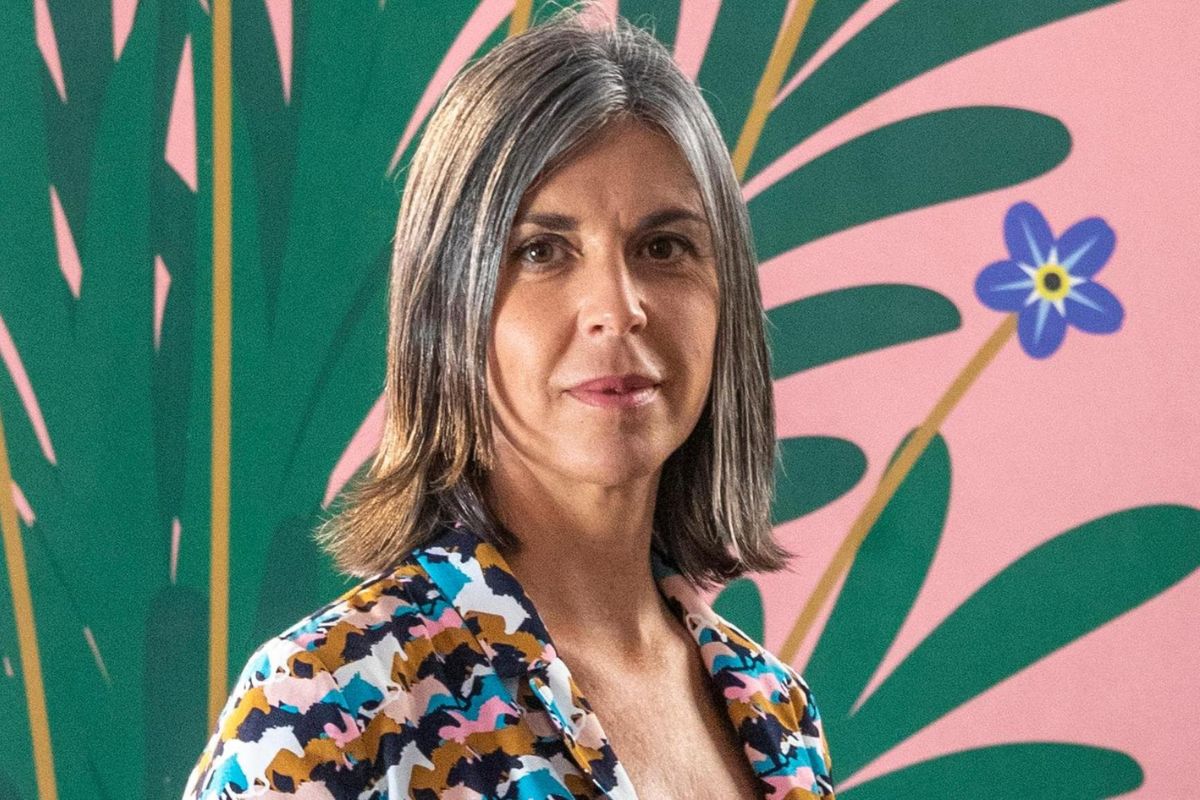
Domitilla Dardi is a valuable figure for reading design not only as production, but as culture. Historian, curator, author and lecturer, she has long worked on research, dissemination and the construction of critical paths linked to design today. Her profile is fundamental because it reminds us how much design needs to be interpreted, narrated, studied and connected to society.
She is a professional to follow because she offers tools for interpretation. In a landscape often dominated by fast images, novelty and instant communication, her work gives depth back to design. Dardi helps us understand genealogies, languages, transformations and responsibilities, making visible the cultural dimension without which even the most interesting object risks remaining surface.
Matilde Cassani – architect, artist and designer
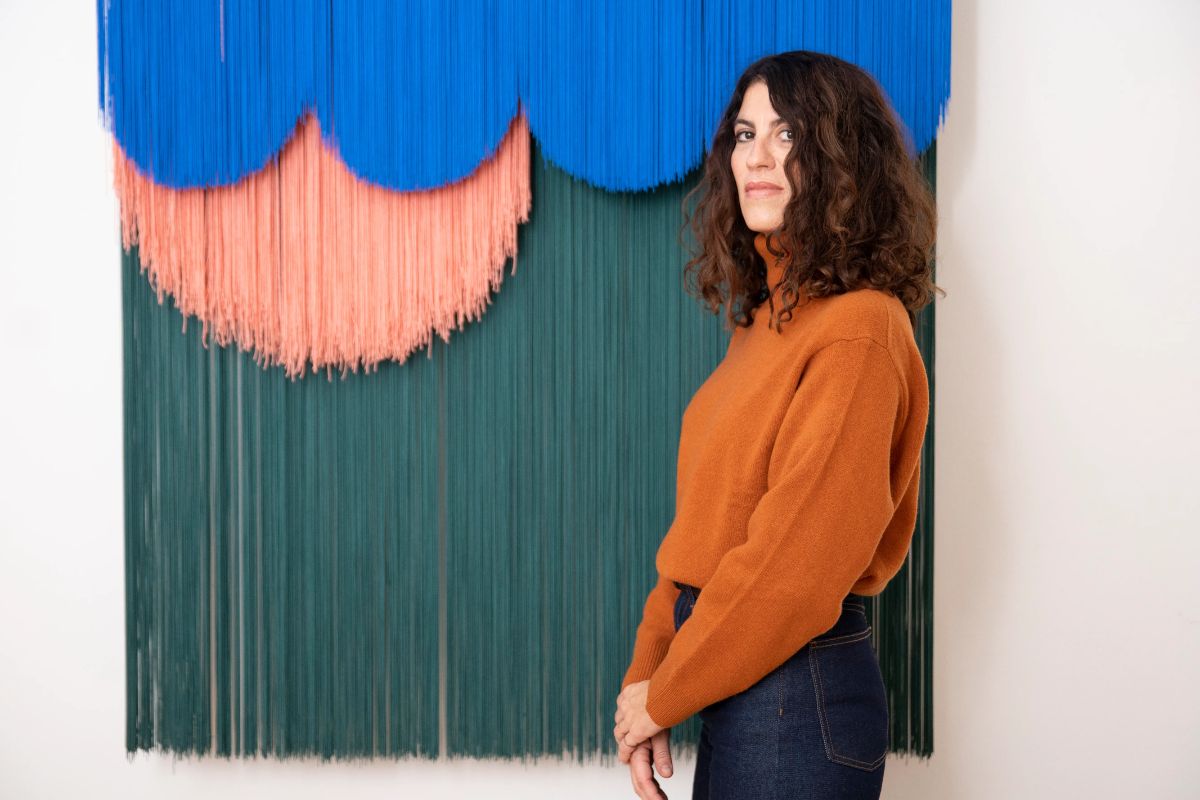
Matilde Cassani is a particularly interesting figure because she works in a border territory between architecture, art, installation and cultural research. Her work is not limited to designing space in the traditional sense, but investigates rituals, symbols, communities, collective gestures and different ways of inhabiting places and identities.
She is a professional to follow because she brings a lateral sensitivity into design and architecture, able to read space as a social and cultural device. In her projects, the environment is never simply a container, but becomes scene, language and experience. Cassani represents a very current direction in Italian design: less tied to the finished object and more interested in the relationships that design can activate.
Carlotta de Bevilacqua – architect, designer and lighting entrepreneur
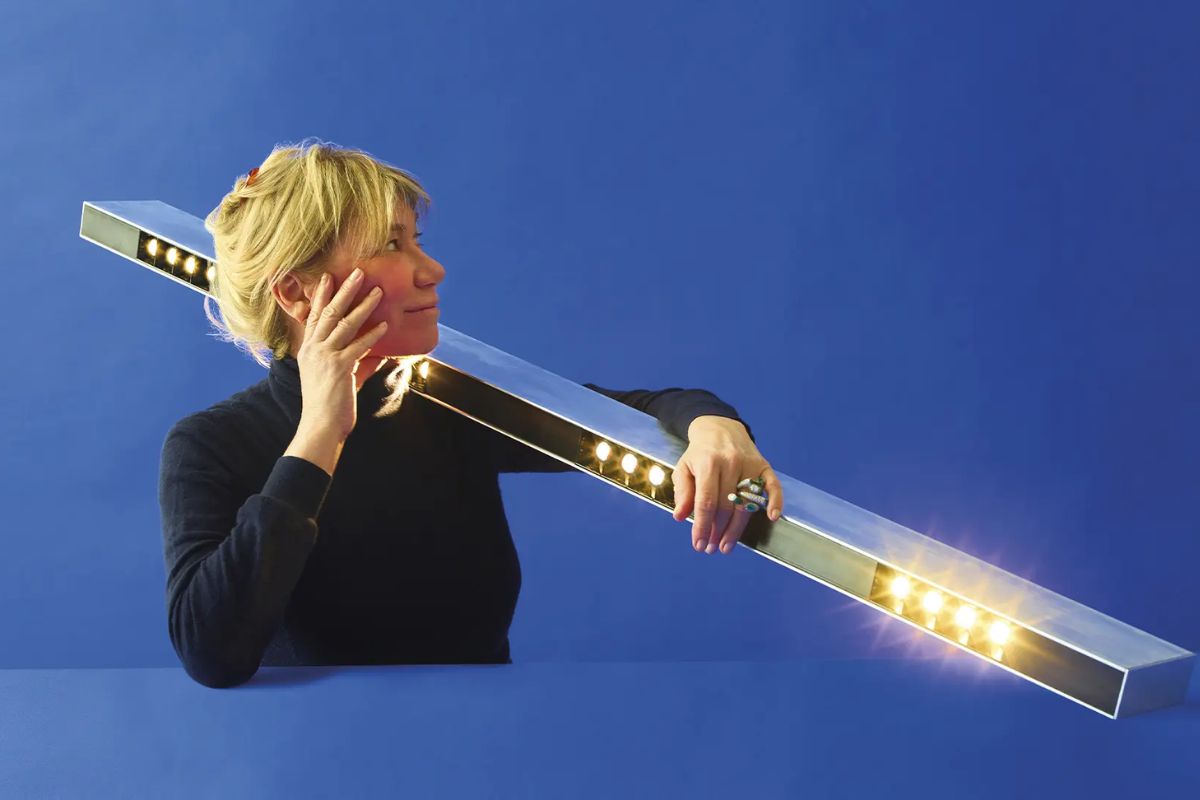
Carlotta de Bevilacqua is a central figure for describing the relationship between design, light, innovation and Italian industrial culture. Architect, designer and entrepreneur, she has connected her career to research on light as a design material, not only as a technical component of spaces.
Including her in Women in Design means giving space to a fundamental area of living today: lighting. Light defines the way we perceive environments, objects, colours and even our everyday wellbeing. The work of de Bevilacqua is interesting because it brings together design, technology, sustainability, business and cultural vision, showing how design can influence not only the form of objects, but also the quality of spatial experience.
Read also: Premio AIDIA 2026: applications open until 21 September