Exhibitions, fairs and cultural events that open the year of the project between research, industry and new imaginaries January 2026 marks a start that is anything but interim for the world of design. The first month of the year is configured as a true early observatory on the trajectories that will cross the coming months: …
Exhibitions, fairs and cultural events that open the year of the project between research, industry and new imaginaries
January 2026 marks a start that is anything but interim for the world of design. The first month of the year is configured as a true early observatory on the trajectories that will cross the coming months: from the increasingly political role of the exhibition to the centrality of accessibility, from experimentation with materials to the convergence between data, technology and space.
Between museum institutions, international fairs and curatorial projects, the European agenda for January returns a design that does not limit itself to producing objects, but reflects on its own language, its own responsibilities and the relationship with contemporary society.
Milan Home | The return of the object as a cultural device
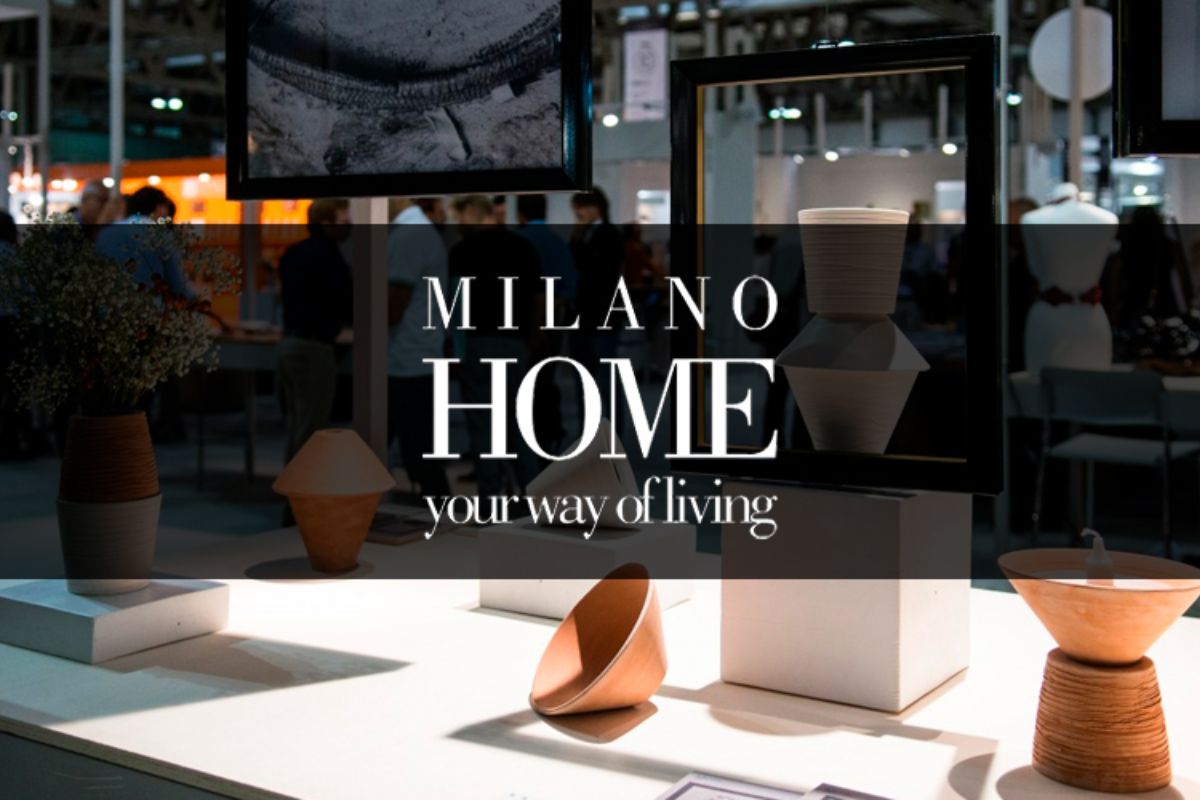
In the panorama of January events, Milano Home represents a privileged observatory on the relationship between design, craftsmanship and the culture of living. The event is located in a hybrid territory, where the object is not read exclusively as a product, but as an expression of knowledge, supply chains and languages ??that pass through the contemporary home.
The 2026 edition strengthens this direction, bringing together artisanal production, research on materials and new interpretations of décor. The focus is not on decoration as an end in itself, but on the ability of objects to build atmospheres, narrate identities and respond to a home that is increasingly attentive to symbolic as well as functional value.
Milano Home intercepts a growing need for authenticity and quality, returning an image of domestic design that moves away from seriality and approaches a more narrative and conscious dimension. A key event to understand how the project is renegotiating the boundary between industry, craftsmanship and material culture.
When: 2225 January 2026
Where: Milan
ON DISPLAY! The display as a critical and narrative act
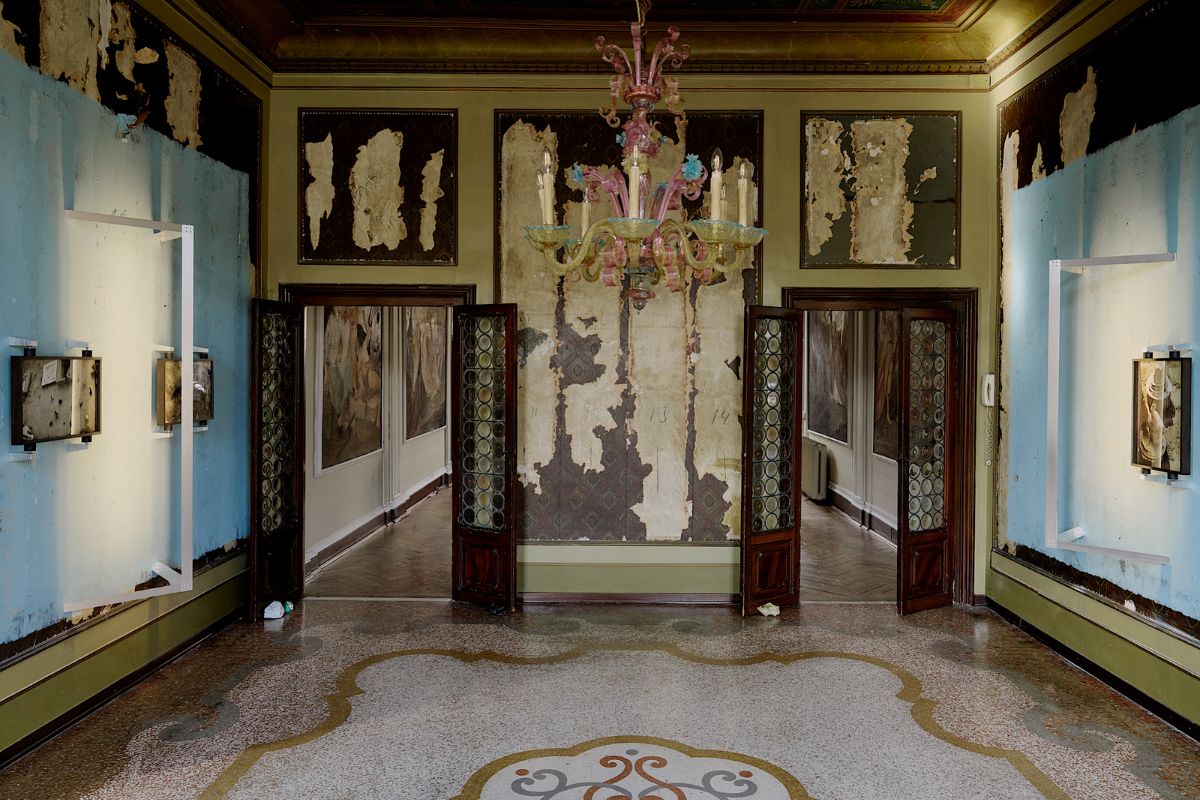
Among the most significant events of January 2026, ON DISPLAY! brings attention to a central theme but often taken for granted in contemporary design: the display as a critical practice and not as a simple functional element. The exhibition, hosted at Palazzo Lezze Michiel , addresses the act of exhibiting as a conscious design gesture, capable of building meanings, relationships and new ways of reading between objects, space and public.
International designers and studios are invited to reflect on the display as a narrative device, where the display becomes an integral part of the project and not a neutral or accessory element. Each intervention dialogues with the historical architecture of the building and with the works present, generating a direct comparison between eras, languages ??and methods of use.
What emerges is a layered reflection on the way in which design is shown, told and interpreted today, especially within complex historical contexts, in which the exhibition takes on an active and declared cultural role.
When: until 31 January 2026, by appointment
Where: Venice
Design and disability: beyond the object, a cultural vision
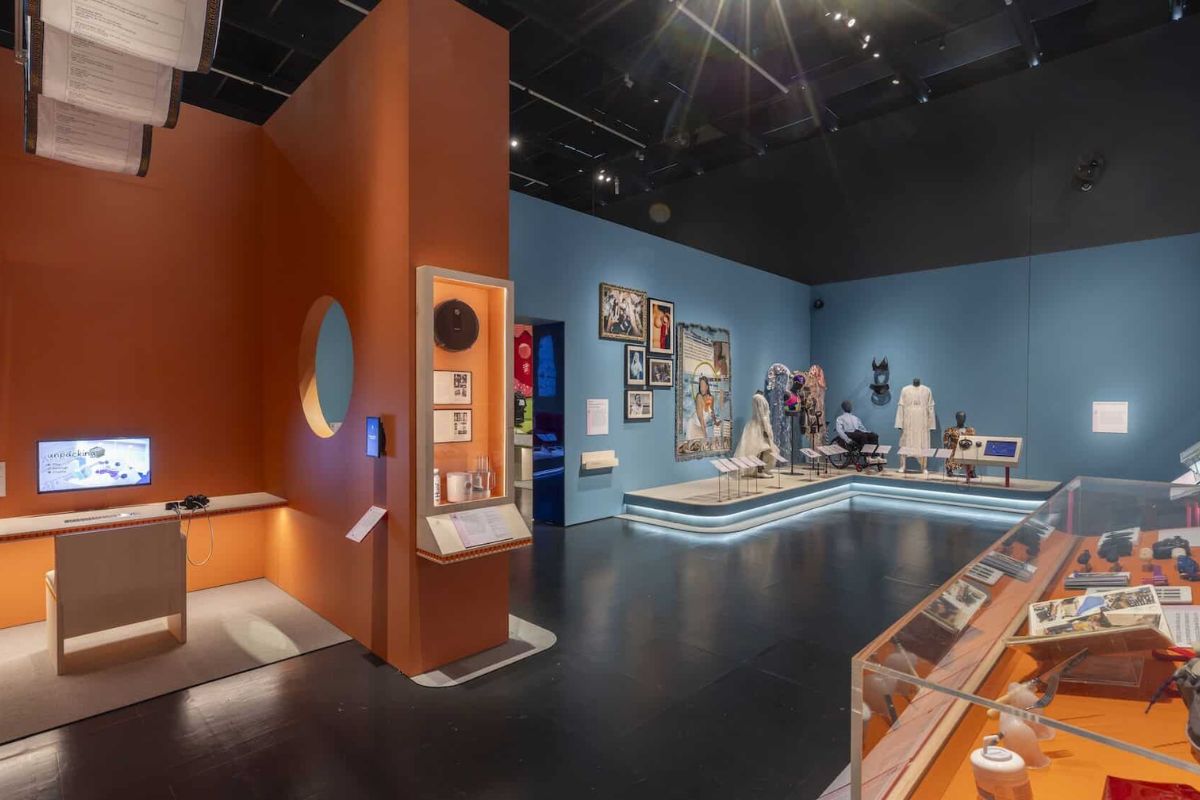
In London, the Victoria and Albert Museum dedicates a complex exhibition to the relationship between design and disability, addressing the topic from a historical, social and design perspective. The exhibition brings together iconic objects, experimental prototypes and contemporary solutions to tell how accessibility is not a separate category, but a structural component of good design.
The path questions the idea of the project as a standardized response, opening instead to an inclusive vision that redefines aesthetics, processes and quality criteria. Design is thus returned as a tool of cultural equity, capable of impacting the way in which spaces and objects are experienced.
When: until February 2026
Where: London
Pitti Immagine Filati | The supply chain as a design language
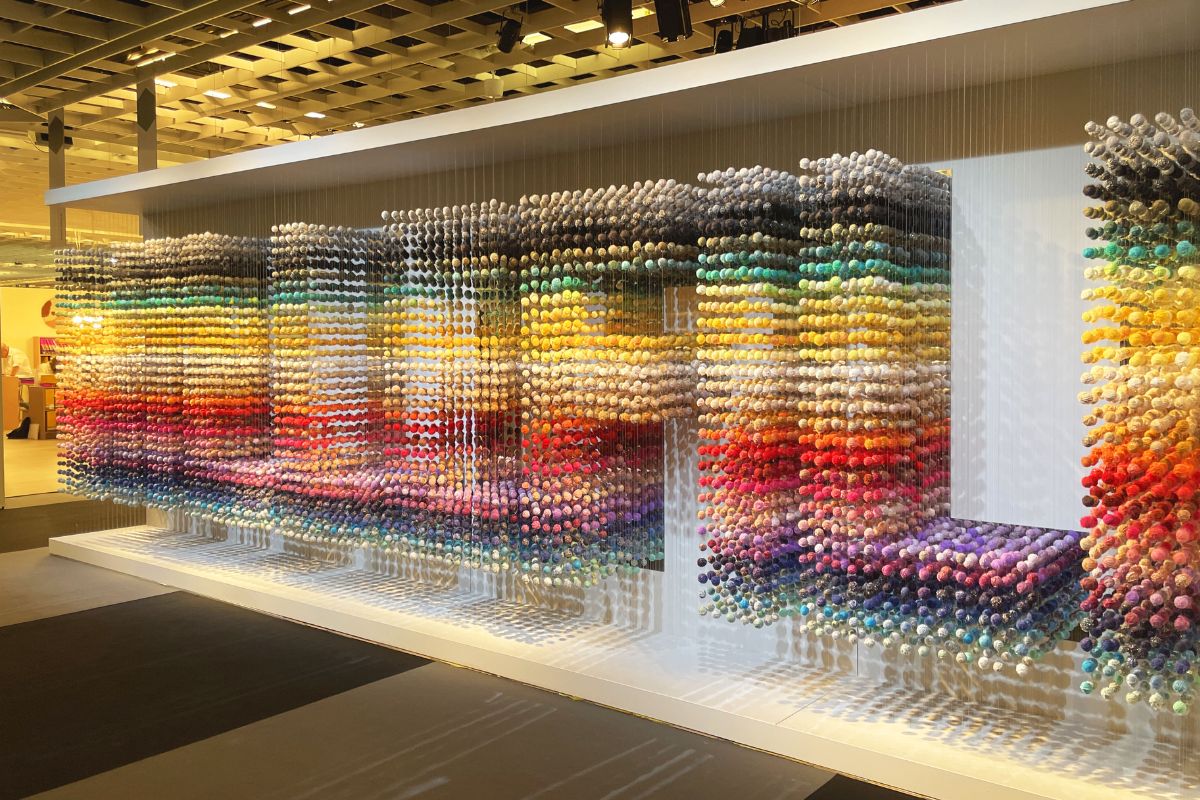
In the January calendar, Pitti Immagine Filati occupies a particular position: it is not a finished product fair, but an advanced observatory on the raw material as the origin of the project. Here, yarns become a field of research that involves design, fashion, interiors and industry, anticipating trajectories that will be reflected on multiple scales and sectors.
The 2026 edition strengthens the role of the supply chain as a cultural space, not just a productive one. Innovative materials, regenerated fibres, chromatic experiments and sustainable processes are presented as design tools, capable of influencing the aesthetics, performance and imagination of contemporary living. Yarn is no longer an invisible technical element, but a language that dialogues with architecture, interiors and material culture.
Pitti Immagine Filati intercepts a growing attention towards what precedes the object: the process, research, industrial responsibility. A key event to understand how design is returning to question its own foundations, redefining the relationship between industry, quality and vision.
When: 2123 January 2026
Where: Florence
Heimtextil 2026: textiles as a design system
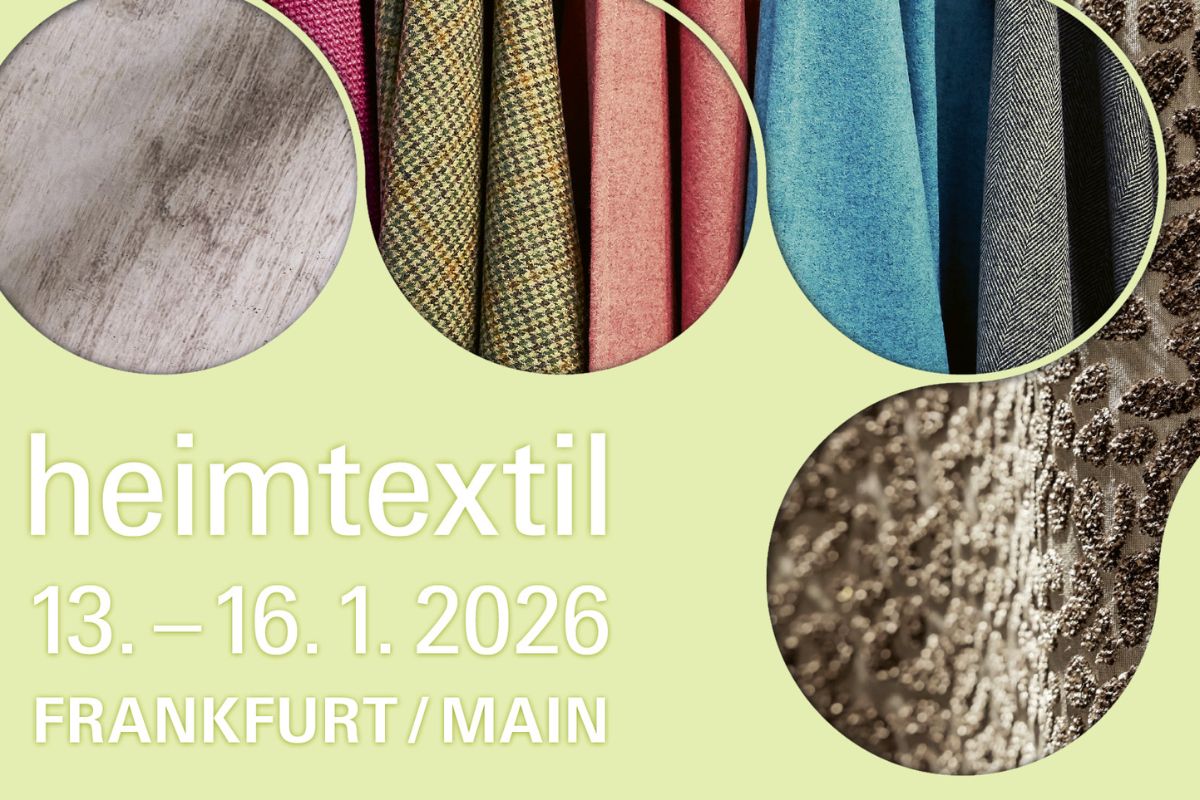
The first major international fair of the year, Heimtextil returns to Frankfurt with an increasingly marked focus on the role of textiles as an infrastructure for contemporary design. Not just decorative surfaces, but performative materials, technological solutions and supply chains oriented towards sustainability and the circular economy.
The 2026 edition brings industrial research and design sensitivity into dialogue, offering an overview of the evolution of textiles for living, contract and hospitality. A key event to intercept the future directions of comfort, tactility and the relationship between body and space.
When: mid January 2026
Where: Frankfurt
Maison & Objet: between decoration, technology and lifestyle

Paris inaugurates the new year of design with Maison & Objet , confirming itself as a reference platform for contemporary living. The 2026 edition explores the dialogue between nature and technology, proposing an imagery that intertwines innovation, advanced craftsmanship and decorative languages.
Alongside the fair, the format spread across the city expands the story of design through showrooms, galleries and collateral events, transforming the urban fabric into an open laboratory. A system that combines cultural vision and commercial dimension, providing a complex photograph of international design.
When: second half of January 2026
Where: Paris
imm Cologne and the return of European living

After a phase of rethinking, imm Cologne returns to focus on the heart of furniture design: the domestic space. The 2026 edition favors experiential formats, thematic areas and moments of discussion between companies, architects and designers.
At the centre, themes such as sustainability, design quality and adaptability of spaces, in a vision of living that looks less at seriality and more at use value. A fair that reaffirms the role of European residential design in a constantly changing context.
When: 20-23 January 2026
Where: Cologne
MUSHROOMS. Anarchist Designers | Radical design and alternative production models

In Rotterdam, the Nieuwe Instituut hosts an exhibition that uses the world of mushrooms as a metaphor to imagine new design models. Design is read as a cooperative, interdependent and non-hierarchical system, in contrast with traditional production logics.
The projects on display question concepts such as authorship, distribution and control, proposing radical and experimental approaches. An investigation that intertwines ecology, politics and design, opening up new possibilities for the future of design.
When: ongoing in 2026
Where: Rotterdam
Data Tunnel | The data as new material for the project

In Italy, in Gorizia, a new space dedicated to immersive digital art opens with a work signed by Refik Anadol . The project transforms large quantities of environmental data into generative visual and sound flows through artificial intelligence, giving shape to a walkable and multi-sensory experience.
The data becomes design material, capable of communicating with architecture, historical memory and human perception. A significant example of how design, art and technology are converging towards new expressive languages.
When: throughout 2026
Where: Gorizia
KlimaHouse | Sustainable architecture as a cultural system
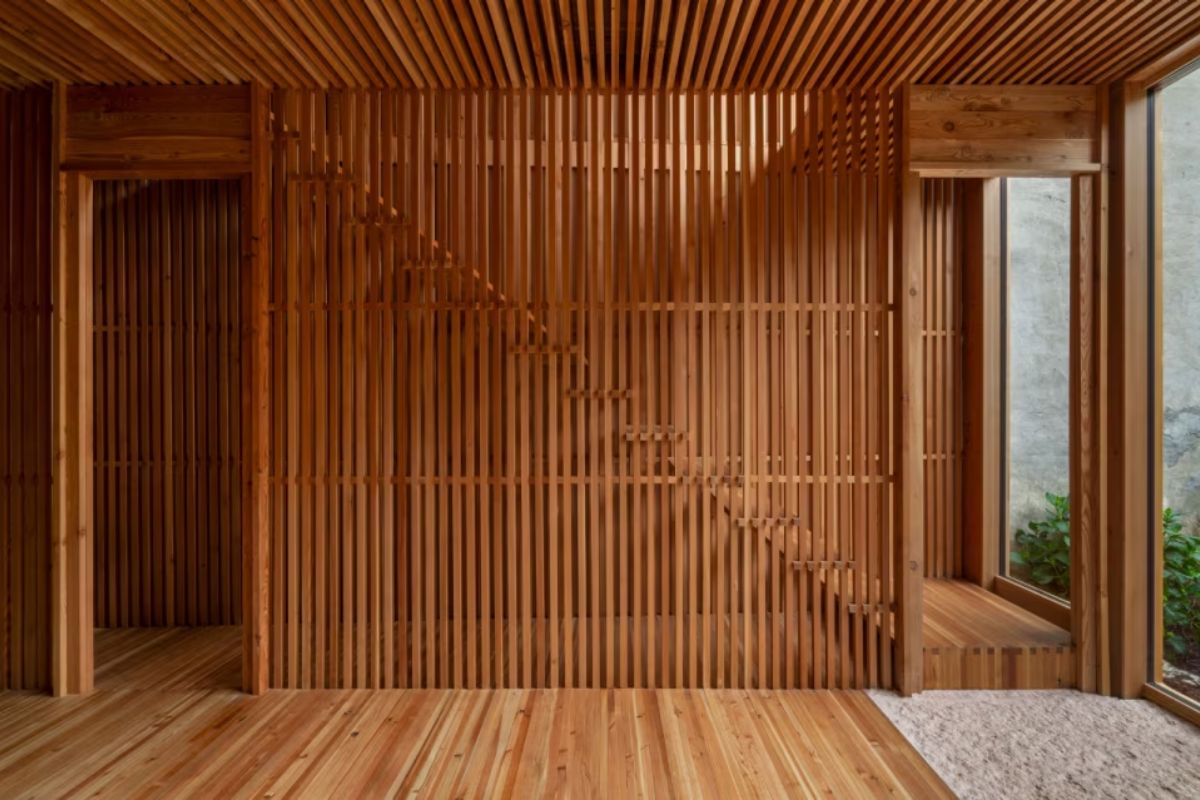
KlimaHouse is also confirmed in 2026 as one of the most relevant European events on the topic of sustainable architecture, but its value goes beyond the technical dimension. The Bolzano demonstration is todaya place of cultural comparison on the way in which the project dialogues with the environment, resources and social responsibility.
At the center there is not only energy efficiency, but a broader vision of living: materials, construction processes, environmental comfort and quality of space are read as parts of an integrated system. Sustainable architecture is not presented as an emergency response, but as a new design standard, capable of influencing languages, aesthetic choices and housing models.
KlimaHouse intercepts a profound transformation of contemporary design, in which sustainability and quality are no longer separate themes. A key event to understand how design and architecture are redefining their role in relation to the climate, durability and people’s well-being.
When: 2831 January 2026
Where: Bolzano
Why these events matter in the world of design
The January 2026 appointments tell of a design that is increasingly aware of its cultural and social role. Accessibility, sustainability, technology and new production models are no longer emerging themes, but structural issues that run through contemporary design.
Observing these events means intercepting in advance the trajectories of future design, understanding how the languages, priorities and responsibilities of those who design today change.
Design events January 2026
What are the most important design events in January 2026?
In January 2026 the European design calendar opens with museum exhibitions, international fairs and cultural projects that anticipate the trends of the year. Among the most relevant events are exhibitions dedicated to the role of the display, accessibility in design, new directions in textiles, contemporary living and the convergence between design, technology and data.
When do major design events start in 2026?
The main design events of 2026 begin as early as January, with a busy calendar of museum exhibitions, international fairs and cultural events in Europe. January is now considered a strategic month to intercept in advance the trends that will characterize the year.
Why is January a key month for contemporary design?
January represents a privileged moment of observation for the world of design because it anticipates themes, languages and design priorities. The fairs and exhibitions at the beginning of the year offer a critical reading of future directions, before the concentration of spring events.
Are January design events also useful for professionals?
Yes. The design events of January 2026 are particularly relevant for architects, interior designers, companies and curators, because they allow them to update themselves on materials, production processes, sustainability, new exhibition formats and emerging cultural models.
What themes emerge from the January 2026 design events?
Among the central themes of the design events of January 2026 emerge accessibility, rapportgarden between design and technology, the use of data as design material, the sustainability of processes and a growing attention to the social and cultural role of the project.