

The question where does Fedez live is among the most searched for online. It's not surprising: the house, for an artist like him, is part of the public narrative, a visual extension of his identity. But if there are still no official images of the new home - after the separation from Chiara …
The question where does Fedez live is among the most searched for online. It’s not surprising: the house, for an artist like him, is part of the public narrative, a visual extension of his identity.
But if there are still no official images of the new home – after the separation from Chiara Ferragni – what remains clear is the Milanese lifestyle which has always characterized his idea of ??space: modern, functional, with a warm and contemporary soul.
Observing the places where Fedez lived and the design languages he chose to share over time, it is possible to read an evolution that mirrors that of Milan itself: a city that has learned to mix architecture, art and everyday life.
CityLife: the context of a new way of living
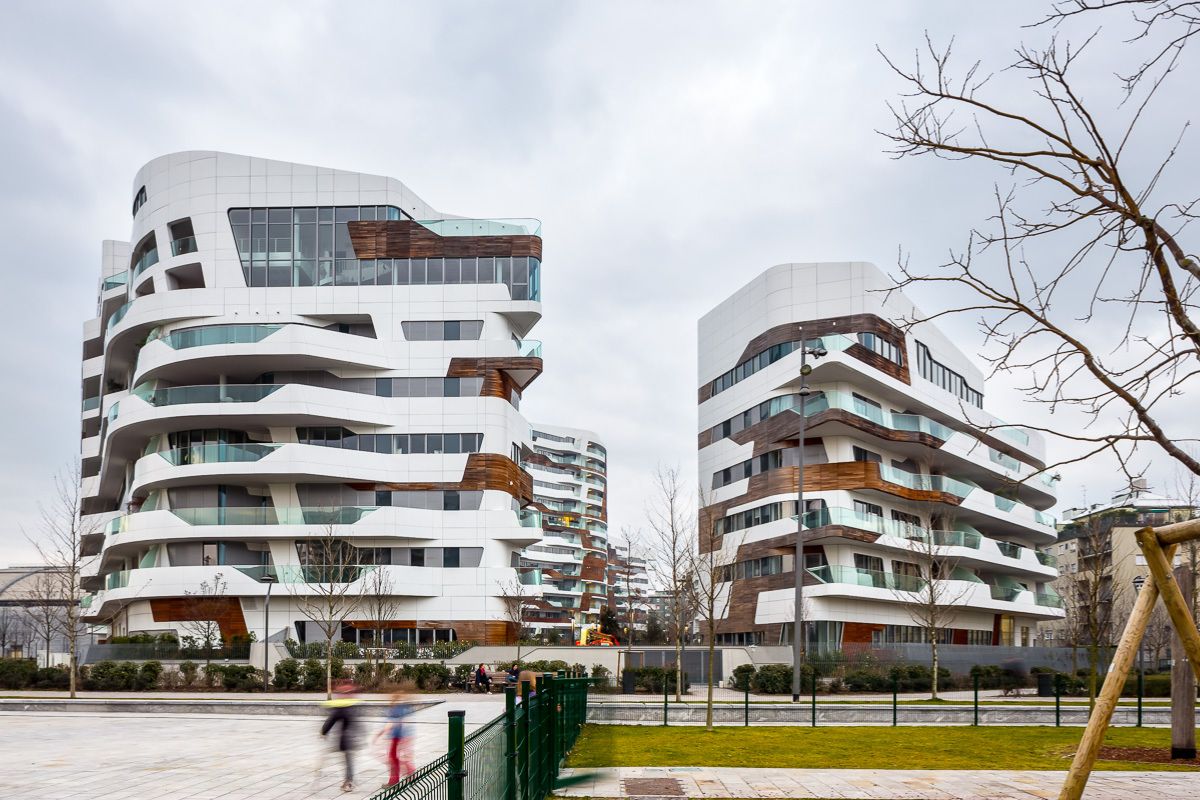
The artist’s previous residences were located in the CityLife neighborhood, the most iconic in contemporary Milan.
Designed by Zaha Hadid, Arata Isozaki and Daniel Libeskind , it has become an open-air architectural laboratory: curvilinear skylines, sustainability, constant dialogue between light and matter.
In this scenario, the houses are not simple luxury apartments, but inhabited sculptures .
Open spaces, large windows, natural materials and neutral palettes convey a feeling of urban freedom. It is here that the concept of “media house” – visible, shared, but with attention to detail – takes shape.
Design as a personal language

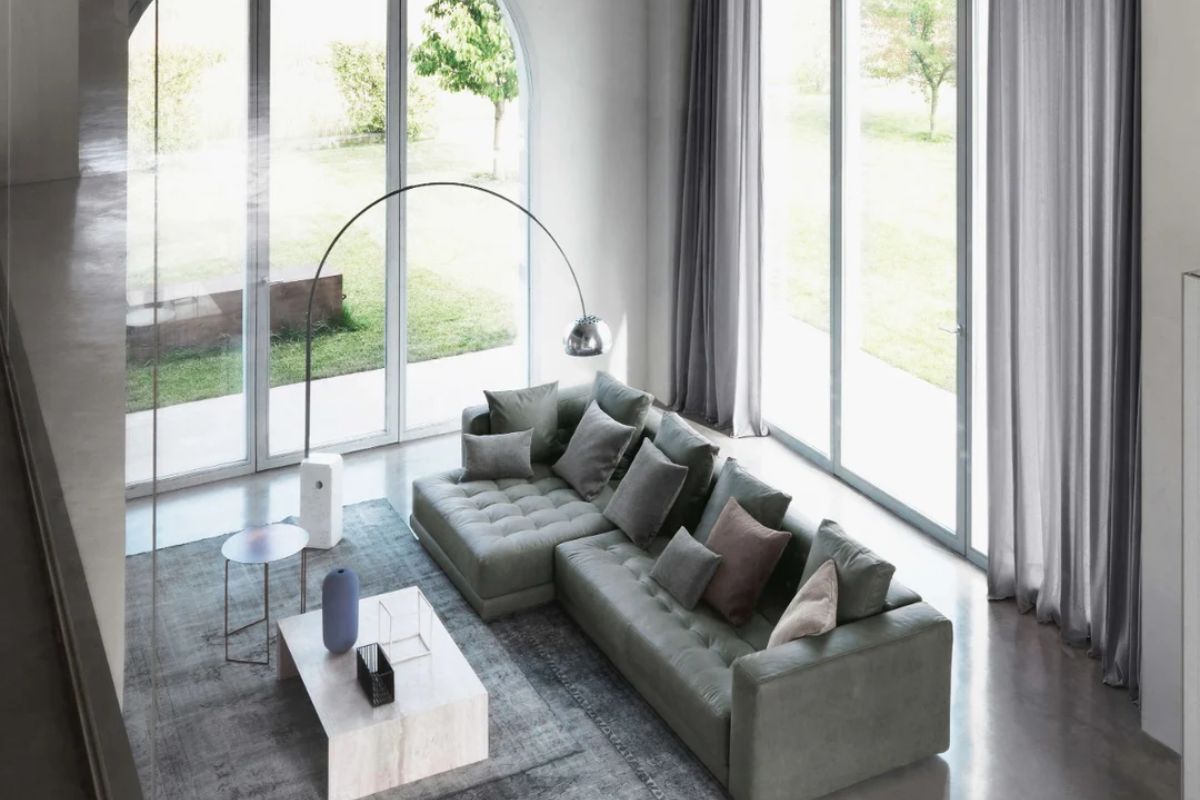
Despite not knowing the interiors of his new home, Fedez’s aesthetic path suggests a precise taste: clean lines, authentic materials, quality furnishings.
His style moves between contemporary rigor and industrial accents , with elements that we could imagine coherent with the new generation Milanese interior design: floors in natural oak , surfaces in satin steel , etched glass, natural fabrics and sculptural light points.
Brands such as B&B Italia, Baxter, Poliform, Flos and Rimadesio represent this balance well: elegant but never ostentatious pieces, designed for fluid spaces where matter becomes a story.
A house as a self-portrait
In the homes of public figures, design has taken on a new role: it is not only aesthetic, but identity narrative .
The house becomes a self-portrait: it tells the way in which we live, communicate, show ourselves.
And Milan the capital of design and fashion is the perfect stage for this transformation, where every interior is designed to be experienced but also shared.
In recent years, the boundary between private space and public image has become blurred.
The homes visible on social media have become new lifestyle magazines, and the public approaches design through these narratives.
The question where Fedez lives is no longer a curiosity: it is the sign of a cultural change, in which interior design becomes part of the pop language.
Materials and light: the new discreet luxury
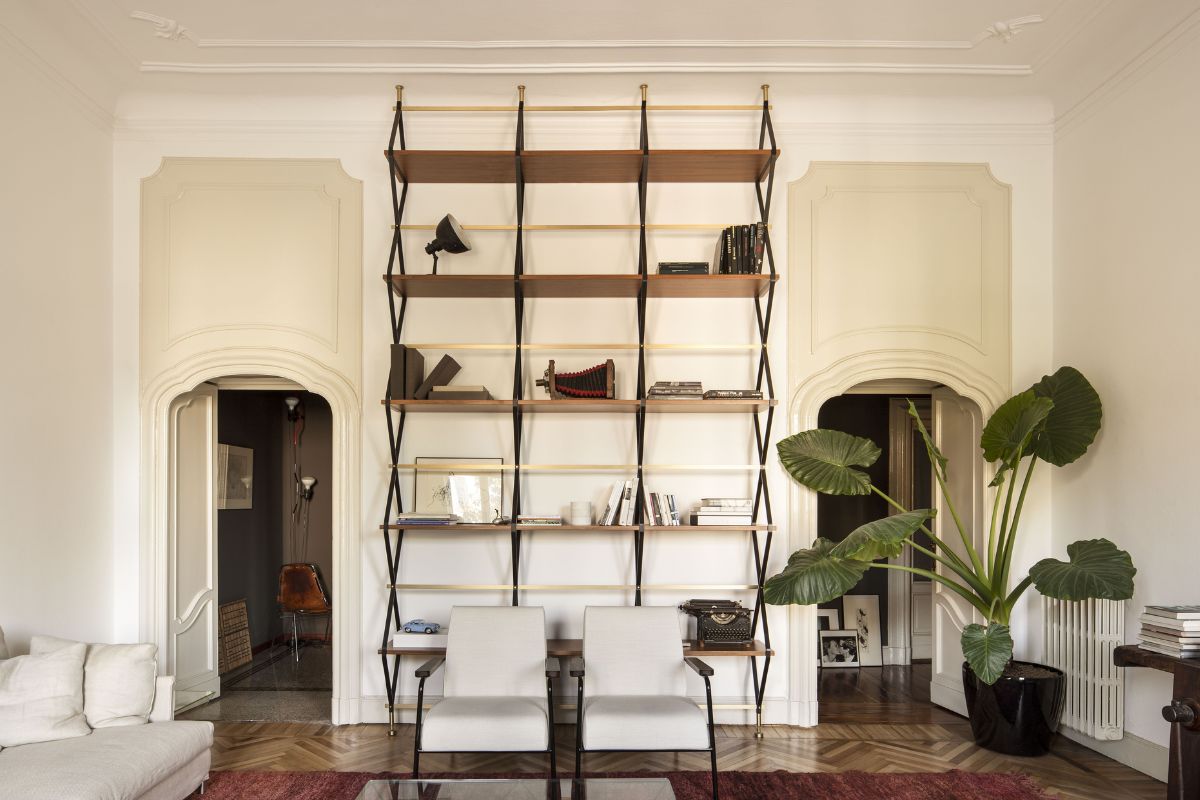
The new urban luxury is not made of excesses, but of detailscalibrated:
light woods, matte surfaces, metallic accents and natural light that passes through the spaces.
Milan today is experiencing a return to silent materiality , that which combines technique and sensuality: sand velvet, burnished brass, flamed marble, light resin.
It is the same style that we find in the interior projects designed by Studio Quincoces-Drago , protagonists of the Milanese scene and authors, among others, of the interiors of the previous Ferragni-Fedez house.
An approach that combines craftsmanship and industrial precision, giving life to spaces where comfort is also cultural.
From the famous person’s house to everyone’s house
Looking at the homes of the protagonists of pop culture does not mean indulging in gossip, but observing the new forms of living .
Today, design is closer to music, fashion, communication: languages ??that contaminate and influence each other.
Fedez, in his way of living and telling his story, reflects precisely this: the fusion between personal expression and physical space, between public storytelling and private intimacy.
For architects, designers and companies, this evolution is a signal: the public is increasingly interested in real spaces, they want authentic environments, where beauty is functional and technology is discreet.
Where Fedez lives: the new story of living
Curiosity about “where Fedez lives” is only the starting point for a broader reflection: how we are changing our way of living, of choosing materials, of representing ourselves through design.
In a world where the home has returned to the center of life, interior design becomes the new language of contemporaneity .
And Milan, with its ability to combine creativity, rigor and vision, remains the place where all this takes shape: a city that teaches how to design not only spaces, but lifestyles .
The best architecture and interior design firms in Milan