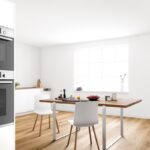
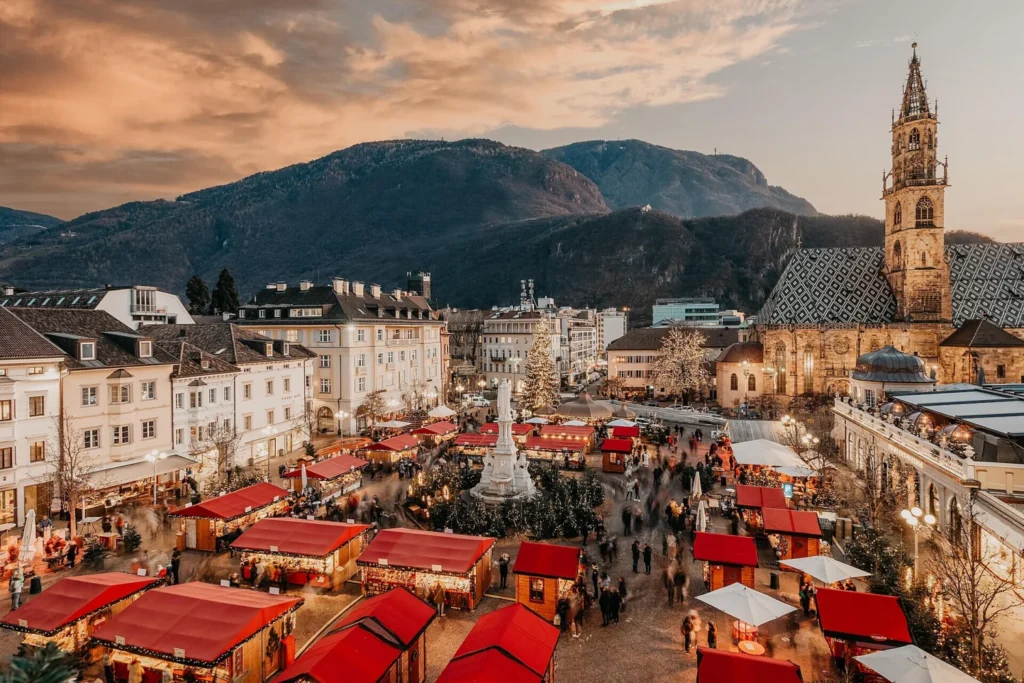
space design for real estate requires careful attention to detail. From environmental planning to the choice of materials, from lighting to the design of outdoor spaces and the use of intelligent technologies, every aspect contributes to creating quality residential environments. Whether you are building a new apartment, condominium or residential complex, it is essential to …
space design for real estate requires careful attention to detail. From environmental planning to the choice of materials, from lighting to the design of outdoor spaces and the use of intelligent technologies, every aspect contributes to creating quality residential environments. Whether you are building a new apartment, condominium or residential complex, it is essential to consider the functional and aesthetic aspect to meet the needs of future residents. In this mini guide, we will explore the main aspects of space design for the real estate sector , providing practical advice and innovative ideas for creating welcoming and comfortable environments.
1. Space design for the real estate sector: planning functional and versatile environments

The first phase of space planning for the real estate sector concerns environmental planning . It is essential to consider functional aspects, such as space layout, furniture arrangement and accessibility. Some key words to keep in mind during this phase include:
- Ergonomics . Create ergonomic spaces that promote the well-being of the occupants.
- Flow . Make sure spaces are well connected for a harmonious flow.
- Versatility . Plan spaces flexibly to adapt to the different needs of residents.
2. Materials and finishes: choose carefully for a lasting impact
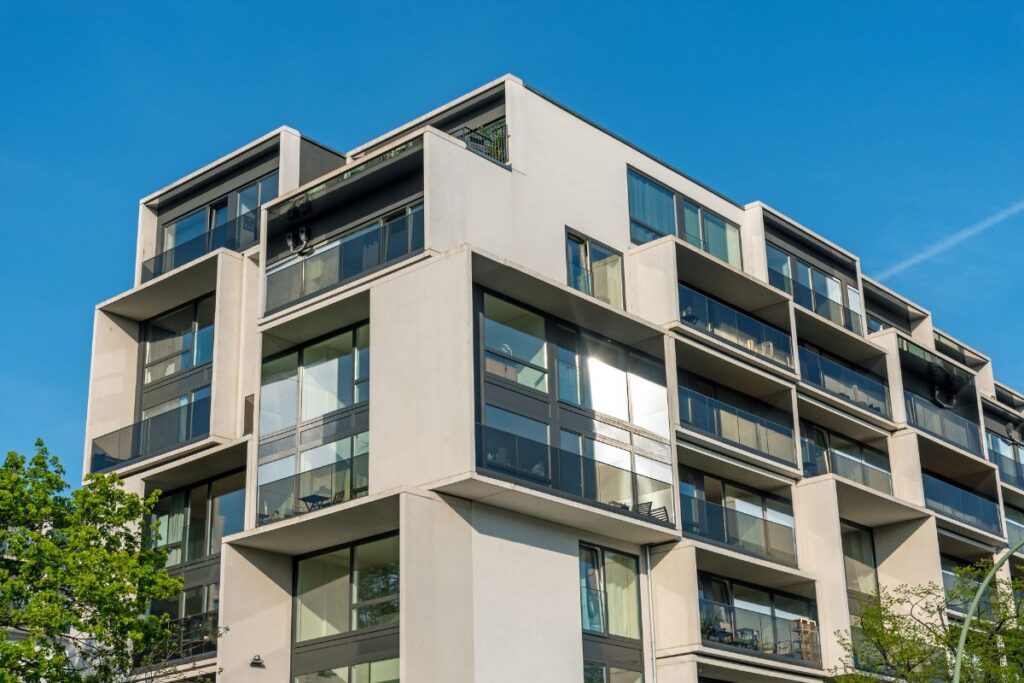
The choice of materials and finishes plays a crucial role in creating aesthetically pleasing and long-lasting environments. At this stage of space design for the real estate sector, must conjugate:
- Durability . Opt for materials that are resistant and easy to maintain.
- Aesthetics . Choose finishes that fit the overall design of the spaces.
- Sustainability . Prefer ecological and low environmental impact materials.
3. Space design for real estate: lighting and color
lighting and color can completely transform the look and feel of spaces. In designing spaces for the real estate sector it is necessary to enhance both the light and the nuances of the furnishings, finishes, walls and coverings.
- Natural light . Make the most of natural light for a bright and welcoming environment.
- Artificial lighting . Use strategic artificial light sources to create functional environments and different atmospheres.
- Color palette . Choose colors that promote well-being and reflect the desired style.
Natural lighting: light that enhances spaces
Natural lighting can make real estate spaces more inviting and energetic. Making the most of sunlight can bring numerous benefits, such as energy savings and improved occupant well-being. When designing, you need to consider orientation and position windows and openings to maximize the entry of natural light; consider screening and use curtains, blinds or screens to control glare and privacy; choose materials and colors that reflect light to illuminate spaces evenly.
Artificial lighting: creating personalized atmospheres
Artificial lighting plays a fundamental role in space design for the real estate sector . It offers flexibility to create different atmospheres and solve natural light deficiencies. Lighting must be used to highlight architectural elements or furnishing objects. Install devices to adjust the intensity of lights as needed. Experiment with colored lights or light effects to create unique atmospheres.
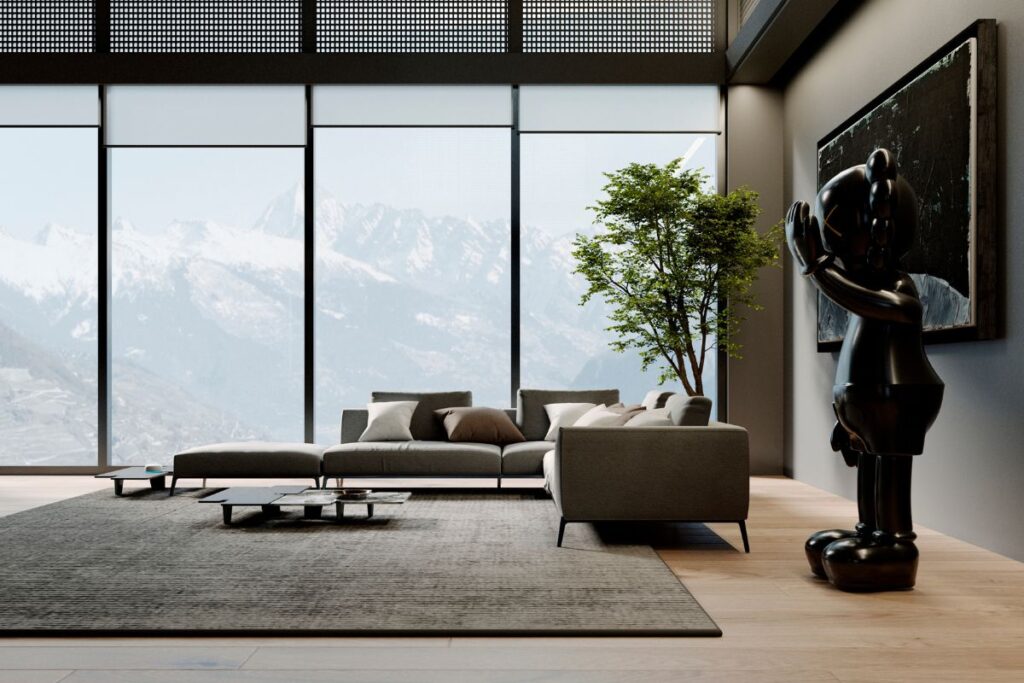
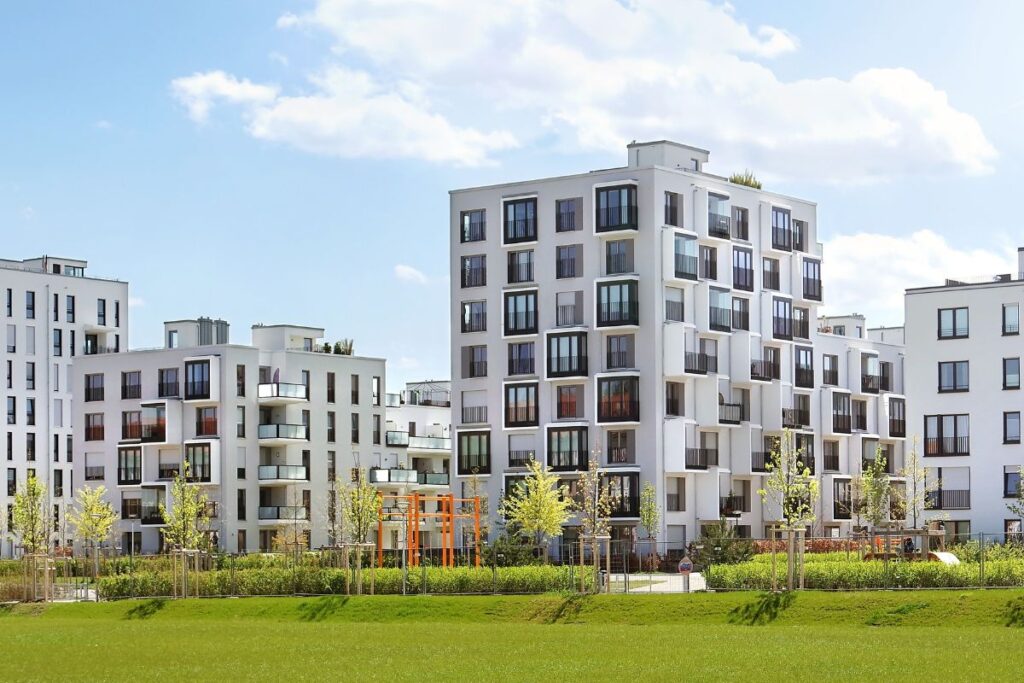
4. Space design for real estate – Outdoor space design: an extension of the home
The exterior design of real estate spaces is just as important as the interior design, helping to create a complete living experience.
- Gardens. Create green areas that invite relaxation and contact with nature.
- Social spaces . Plan common areas that encourage interaction between residents.
- Accessibility . Make sure outdoor spaces are accessible to all people.
5. Smart technologies: connecting and simplifying
The use of smart technologies can make real estate spaces more efficient and comfortable.
- Home automation . Integrate automation systems to control lighting, heating and other devices.
- Security . Implement advanced security systems to ensure resident peace of mind.
- Energy efficiency . Use smart energy devices to reduce energy consumption.