Palermo is a city where architecture continues to appear as living stratification, built memory, and a possibility for transformation. For centuries a crossroads of the Mediterranean, the city has absorbed Arab, Norman, Baroque, Neoclassical, and Liberty influences into its urban fabric, shaping a complex landscape where the very idea of space can never be reduced …
Palermo is a city where architecture continues to appear as living stratification, built memory, and a possibility for transformation. For centuries a crossroads of the Mediterranean, the city has absorbed Arab, Norman, Baroque, Neoclassical, and Liberty influences into its urban fabric, shaping a complex landscape where the very idea of space can never be reduced to a purely formal question. Here, light, material, climate, proximity to the sea, historical density, and the coexistence of different eras make design a particularly delicate exercise. Every intervention must engage with a city that carries a strong and recognizable architectural memory almost everywhere.
Talking today about architecture firms in Palermo therefore means observing a design scene that moves between continuity and transformation, between the recovery of existing buildings and the new needs of contemporary living. The studios selected in this map express precisely this double tension: on one side, a sensitivity able to read the city’s history, breathe its Mediterranean identity, and engage with the stratification of the built environment; on the other, a growing attention to interior design, redevelopment, hospitality, residential projects, and the ways urban living is being redefined today. In this sense, the best architecture firms in Palermo stand out not only for style or recognizability, but for their ability to interpret the present without losing dialogue with the deep character of places.
What follows is not a ranking, but an editorial selection of 25 architecture firms in Palermo to know today. It is a map built by bringing together authoritative names, established practices, and contemporary profiles that, through different but often converging approaches in terms of quality and sensitivity, help describe the current face of architectural design in Palermo.
How we selected these architecture firms in Palermo
Bringing together 25 architecture firms in Palermo in a single article means, first of all, recognizing the complexity of a scene that cannot be read in a uniform way. Alongside more established names, there are practices able to move between restoration, interior design, redevelopment, residential design, hospitality, and contemporary research, in a city where architecture is constantly called to engage with historical stratification, the measure of the existing fabric, and a strong Mediterranean identity.
This editorial selection begins precisely from this point: the desire to present a broad yet coherent picture of the architecture firms in Palermo to know today, combining professional recognition, project quality, continuity of work, real presence in the territory, and the ability to interpret the present. We looked at studios that, in different ways, show sensitivity toward context, attention to the transformation of living, and a vision of design that is not isolated, but rooted in the relationship between space, city, memory, and current use.
This is not, therefore, a definitive ranking or an exhaustive list. Rather, it is a reasoned map built around studios that help read a significant part of Palermo’s design panorama today. Some stand out for authority, others for more contemporary research, and others for their ability to work on interiors, recovery, or the redefinition of domestic and collective space. Together, they return the image of a Palermo where design continues to be a field of dialogue between history, identity, and the new needs of living.
Studio Didea
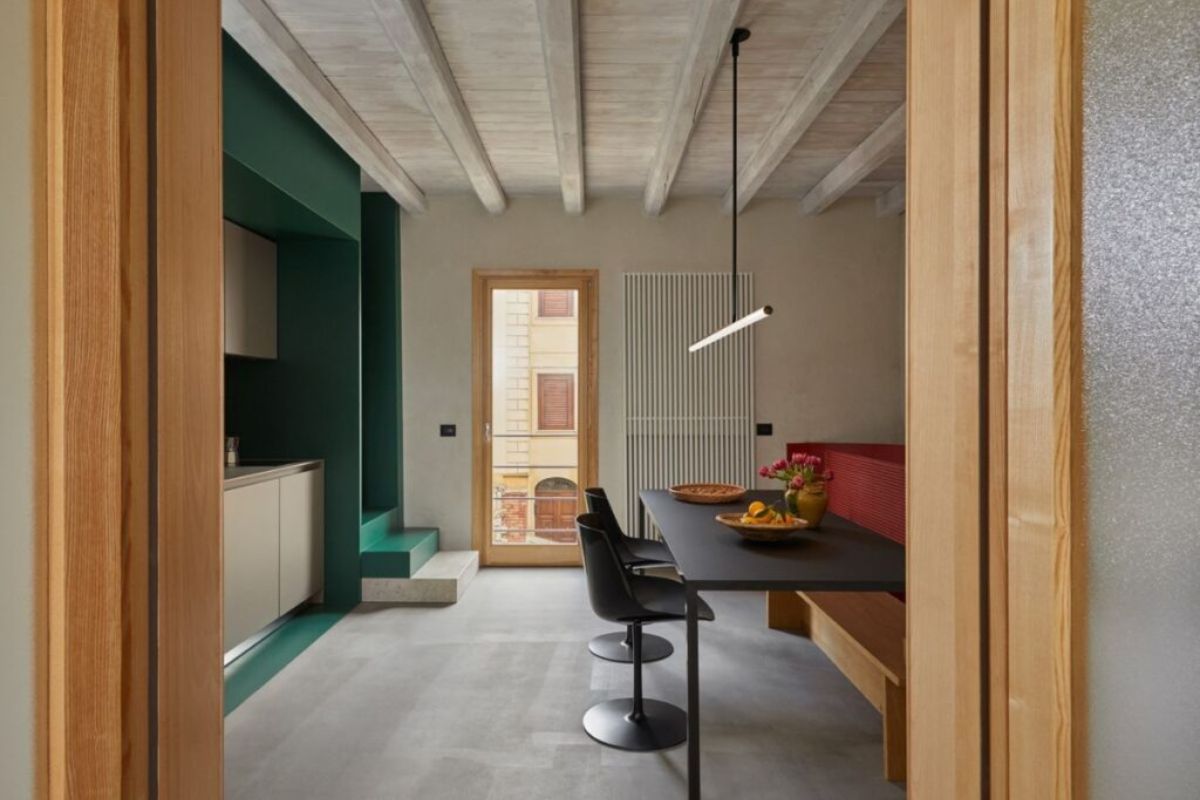
Among the most interesting names in Palermo’s design scene, Studio Didea has established itself in recent years as a practice able to build a recognizable, measured, and contemporary language. Founded in Palermo in 2012, the studio works across residential projects, hospitality, commercial spaces, and interiors, moving with particular ease within that subtle area where design must be able to dialogue with light, material, and the identity of places without weighing them down.
In Palermo, its work can be seen in projects such as Casa A223, created from a former workshop in the historic center, Casa A331, the Cento61 bistro, and more recent projects such as Zangaloro and Burger Pass. These interventions clearly express a practice able to move across different scales and functions while maintaining coherence.
In a city like Palermo, where every space carries strong historical and atmospheric density, Studio Didea stands out for an approach that never forces the context, but rereads it with contemporary sensitivity, compositional precision, and concrete attention to new ways of living.
Provenzano Architetti Associati
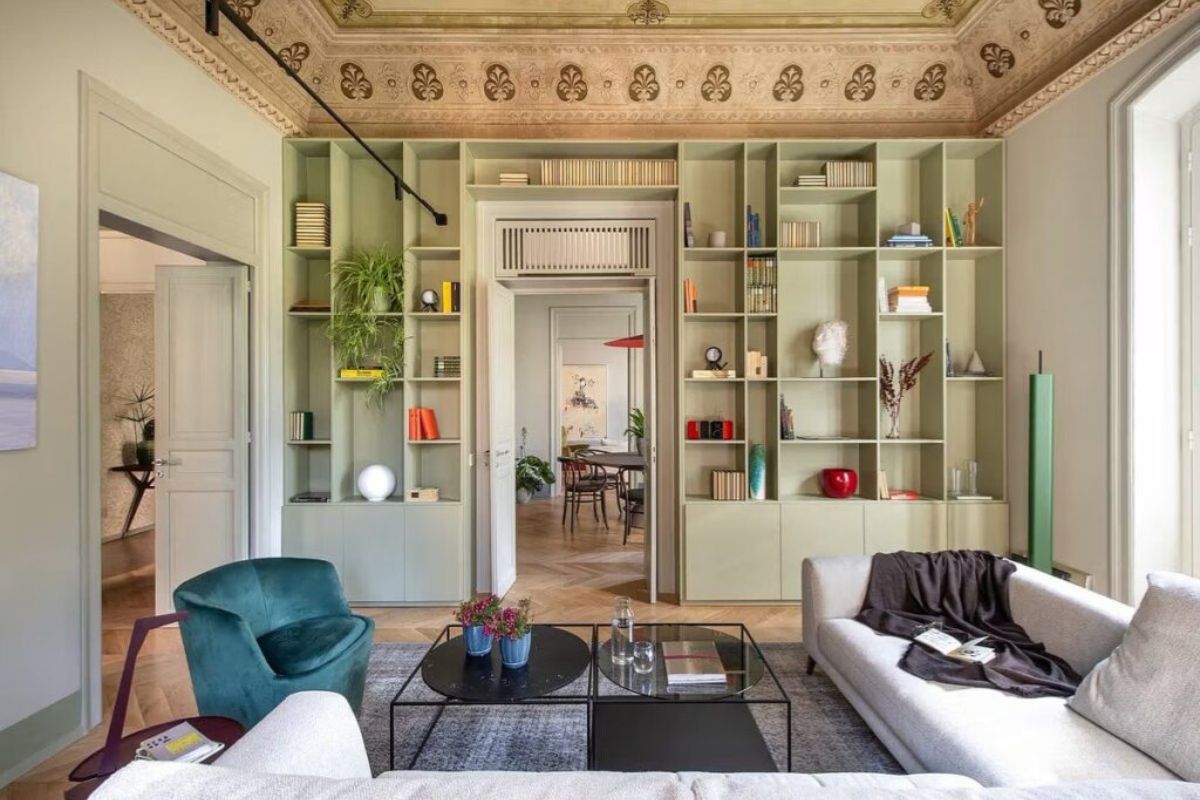
Among the architecture firms in Palermo that have most consistently worked through the relationship between design, city, and the transformation of existing spaces, Provenzano Architetti Associati occupies a central position. Founded in 1971, the studio has worked for decades across architecture, urban design, interiors, residential projects, hospitality, and public spaces, maintaining a solid and recognizable presence in Palermo’s architectural panorama.
This continuity is also reflected in the figures of Fausto and Sebastiano Provenzano, who have helped consolidate an approach able to move between the domestic scale and urban reflection without losing coherence.
In Palermo, their work can be read clearly through this double tension. On one side, there are recent residential interventions, such as the villa overlooking Mondello Valdesi, where the project reinterprets Liberty and Art Deco suggestions in a contemporary key, with a controlled and non-nostalgic language. On the other, there is a broader interest in the relationship between city and public space, also visible in the work on the Molo Trapezoidale and in the studio’s reflections on the port as a place of connection between Palermo and its waterfront.
In this sense, Provenzano Architetti Associati clearly represents a certain type of Palermo architecture, able to bring together memory, measure, and urban vision without giving up the quality of contemporary living.
LYGA Studio
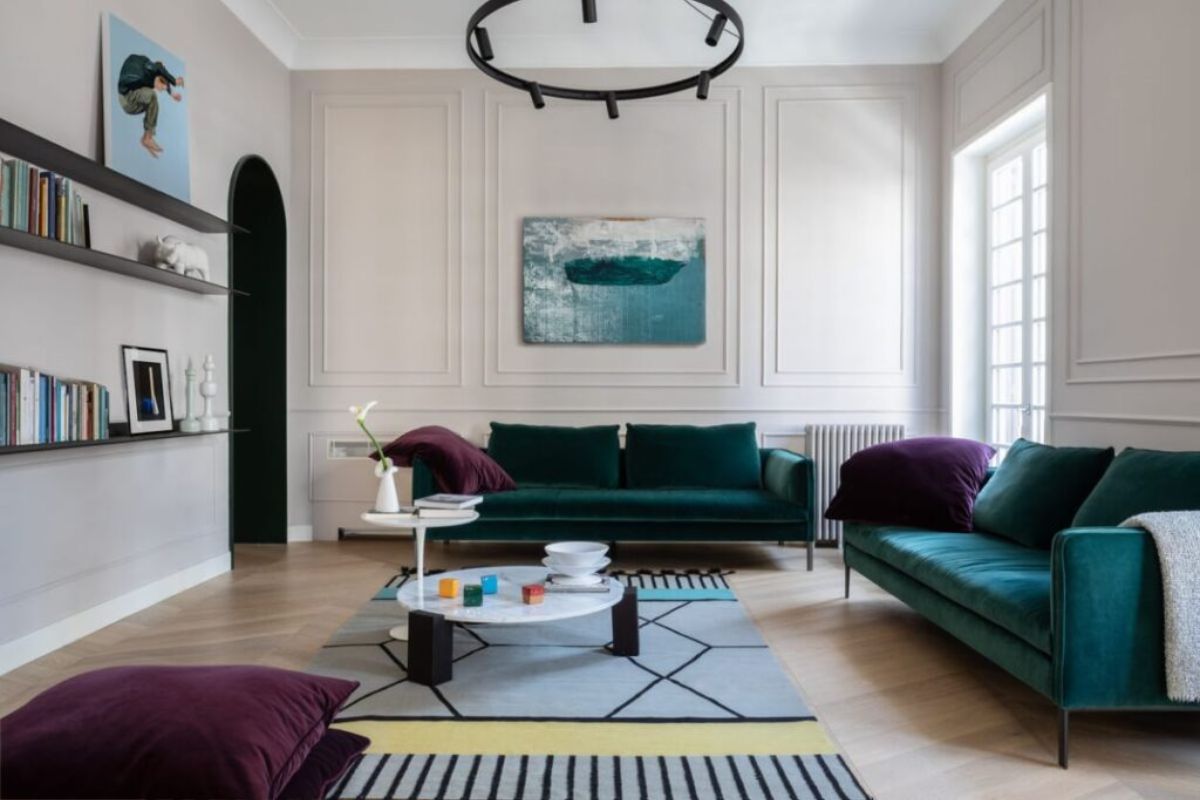
Among the architecture firms in Palermo that have built a particularly recognizable identity in recent years, LYGA Studio holds an important place for its ability to bring together interior design, restoration, and Mediterranean sensitivity within a coherent vision of space. Founded by architects Lycia Trapani and Gaia Trapani, the studio works on design as a form of rereading the past in a contemporary key, with particular attention to light, the domestic landscape, and the relationship between memory and current use.
This approach can be clearly seen in projects such as Casa a Nord-Est, an 18th-century noble apartment overlooking the Cala of Palermo, and in more recent interventions such as Palazzo Casano, where the interior project engages with the city’s layered elegance without becoming a simple conservative operation.
In a city like Palermo, where design constantly confronts historic buildings, marine atmospheres, and complex identities, LYGA Studio stands out for an architectural writing that works through subtraction, balance, and quiet intensity. There is never decorative self-indulgence. Instead, there is a desire to give spaces a new measure, allowing the original character of places to coexist with the needs of contemporary living.
For this reason, their name is now one of those that best represent a certain idea of Palermo architecture: cultured but not rigid, refined yet still deeply connected to the Mediterranean.
INO PIAZZA Studio Architettura
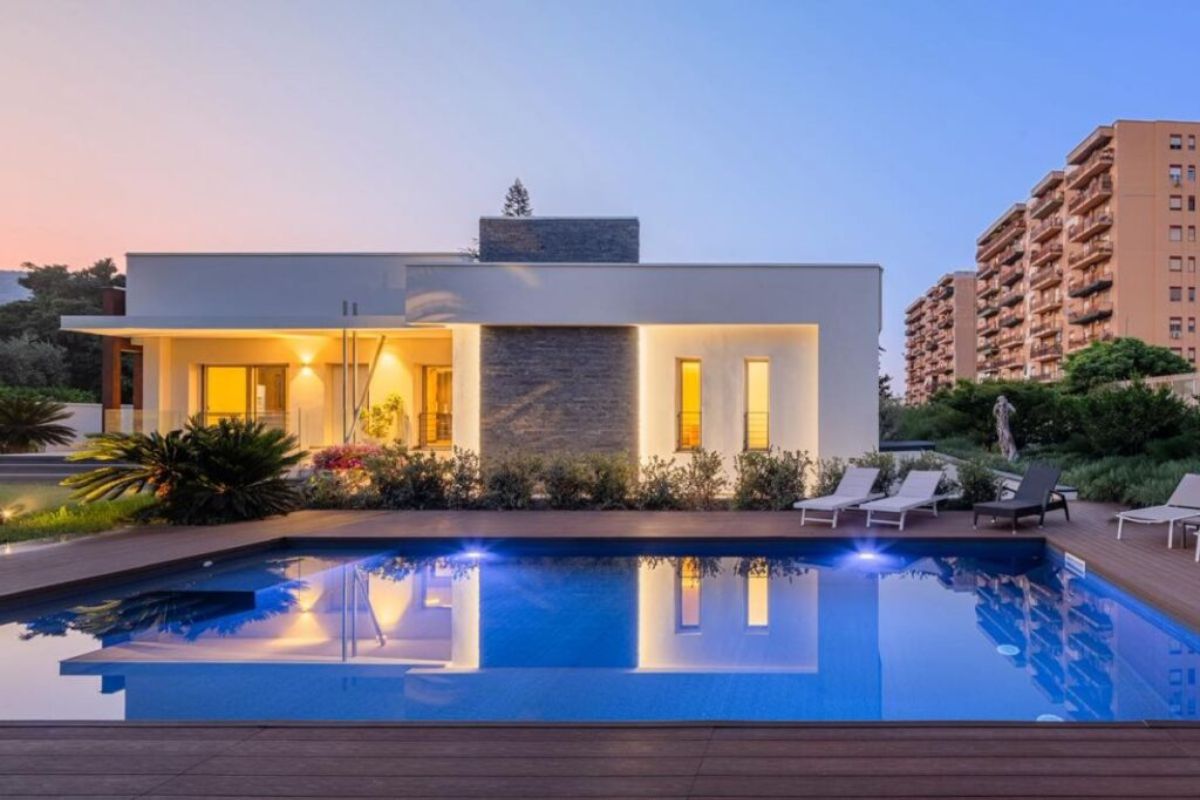
Among the architecture firms in Palermo that work most consistently on the relationship between interiors, living, and spatial identity, INO PIAZZA Studio Architettura occupies a recognizable position. Based in Palermo, the studio led by Ino Piazza develops a practice that moves across apartments and villas, showrooms and installations, buildings and competitions, while keeping one constant axis: design attentive to the relationship between forms, material, and landscape.
Rather than pursuing effect, its work seems to move toward an essential composition, built through balance and subtraction, where space is rethought as a coherent organism and not as a simple sum of elements.
In Palermo, this sensitivity can be found in several residential interventions, such as Casa Cosentino, Casa Cricchio, Casa Costa, Casa Prestigiacomo, Casa Ferro, and Casa Torregrossa, alongside projects such as Villa D. These works clearly express a design practice focused on the transformation of interiors and the creation of environments that are strongly characterized but never excessive.
In a city like Palermo, where design constantly engages with the memory of spaces and with a strong presence of light, INO PIAZZA Studio Architettura stands out for an approach that tends to bring design back to a precise, sensitive, and highly personal measure.
Studio 4E
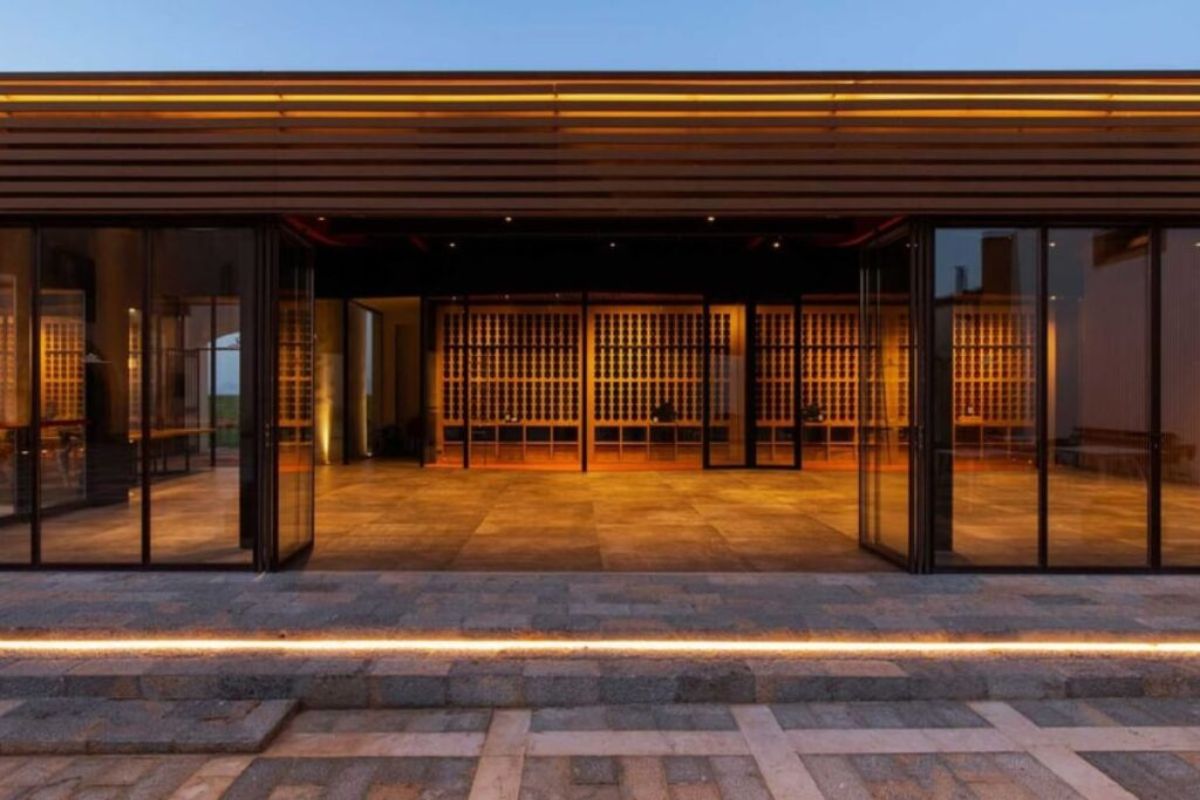
Among the architecture firms in Palermo that have built a solid and recognizable presence over time, Studio 4E holds an important place for its continuity, clear profile, and ability to move between residential projects, commercial spaces, landscape, and interior design. Founded in Palermo by architects Fabio Costanzo and Maria Rosaria Piazza, the studio has worked for years on design that pays close attention to detail and to the relationship between architecture, lived space, and the quality of transformation.
Its field of action is broad but coherent. The portfolio includes residential, commercial, garden, and competition projects, showing a practice that is not limited to one field, but maintains a constant interest in how space is built, renewed, and inhabited. Projects such as Voga Garden Restaurant clearly express this attitude toward design as a combination of concept, interiors, and atmospheric quality.
In a city like Palermo, where contemporary architecture must often engage with complex contexts and strong identities, Studio 4E stands out for a concrete, measured approach, able to create continuity between elegance, use, and transformation.
Luigi Smecca Architetti
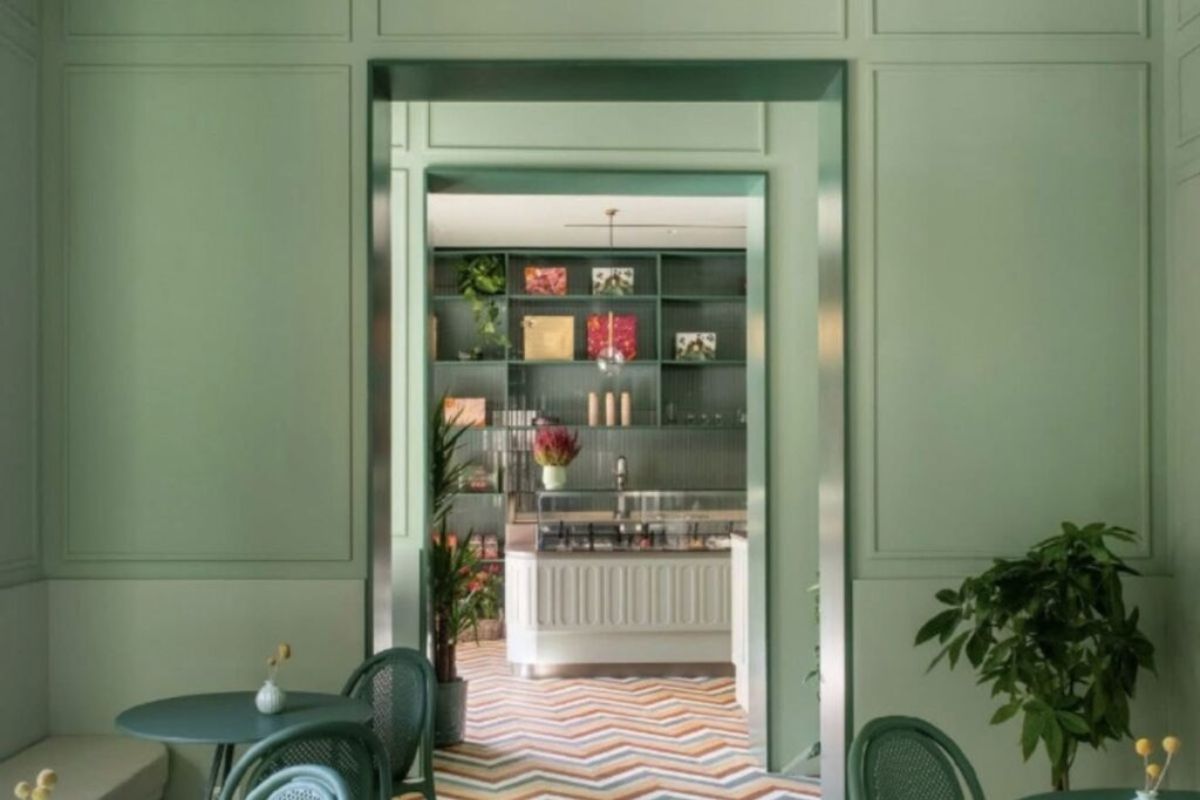
Among the architecture firms in Palermo that have built a recognizable presence in the field of contemporary living and hospitality design, Luigi Smecca Architetti occupies a clearly defined position. The studio works especially across home design and Ho.Re.Ca., two areas that have clearly shaped its identity: on one side, the domestic project; on the other, spaces for conviviality, dining, and hospitality.
This trajectory can be clearly read in the studio’s projects, where attention to interiors is never a merely decorative matter, but becomes the coherent construction of atmosphere, use, and character.
In Palermo and its closest surroundings, this attitude emerges in projects such as Casa AE in Mondello, the renovation of an 1980s villa reinterpreted in a more essential and contemporary key, as well as in interventions such as HIO Oriental Bar, I Pupi, La Cuba, Bar Galatea, Dasdia Showroom, and Casale Marraffa. These projects return the image of a practice able to move naturally between residential and commercial spaces.
In a city like Palermo, where interior design and the relationship with the identity of places matter as much as architecture in the strict sense, Luigi Smecca Architetti stands out for clear design writing, attention to detail, and a strong focus on the quality of spatial experience.
AM3 Studio
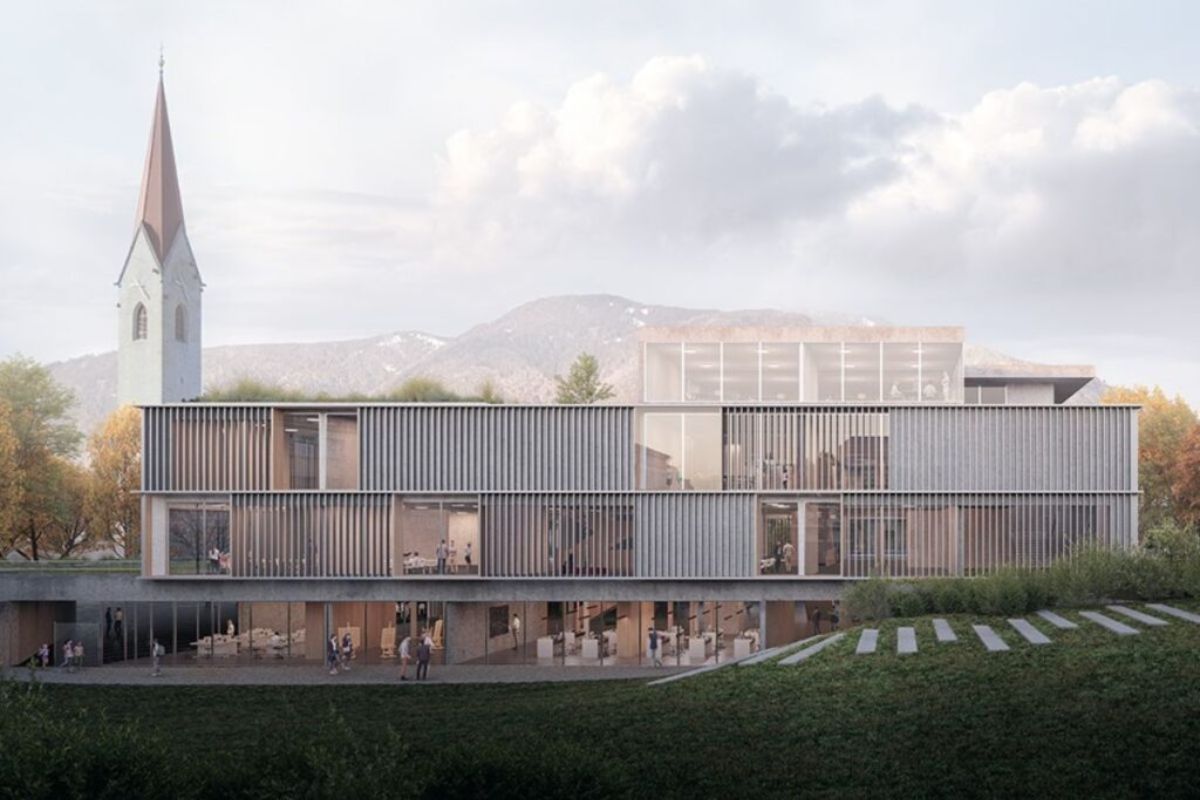
Among the architecture firms in Palermo that have consolidated a particularly credible profile in the field of contemporary design in recent years, AM3 Studio holds an important position. Founded in 2011 by Marco Alesi, Cristina Calì, and Alberto Cusumano, the studio works between architecture and landscape, public and private contexts, with a practice that often engages with historical, archaeological, and landscape settings.
It is precisely this attention to the relationship between place, transformation, and design quality that defines the character of AM3, today one of the most interesting Palermo-based practices for continuity and design maturity.
The studio’s trajectory can also be read through significant projects such as the redevelopment of the Balestrate seafront, the project for the new headquarters of the Sicilian Region in Palermo, and other interventions that show a clear ability to work on the boundary between architecture, public space, and landscape. Its profile is further strengthened by broader recognition: AM3 was selected for the Italian Pavilion at the Venice Biennale and was featured in 2025 in the Emergenti | Studi d’architettura program promoted by Fondazione Architetti Firenze.
In this sense, AM3 Studio clearly represents a generation of Palermo-based studios able to engage with complex themes without losing rigor, measure, and vision.
Studio Forward
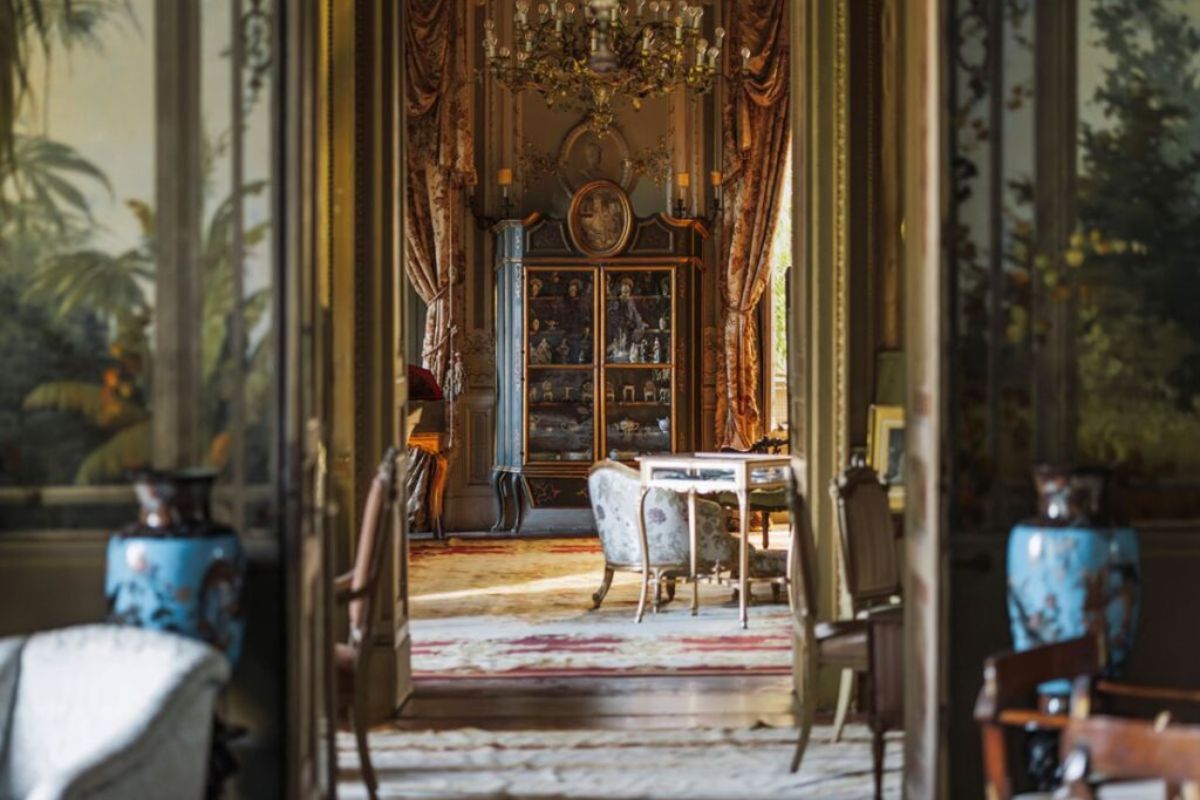
Among the architecture firms in Palermo that move most freely between design, interiors, and the construction of visual identity, Studio Forward occupies a particular position. Founded by Diego Emanuele in 2004, the studio works at the point of contact between architecture and communication, two fields that here do not proceed separately but feed each other.
This is a rather rare design stance, allowing the studio to intervene not only on spaces, but also on the way they are narrated, perceived, and made recognizable.
This double vocation is visible in projects such as Vinoveritas, a wine bar and space dedicated to wine, Magnisi Studio, Generazione Alessandro in Linguaglossa, and the various operations that weave together architecture, installation, art direction, and image.
In a city like Palermo, where contemporary design increasingly passes through the relationship between space and narrative, Studio Forward stands out for a transversal and cultured approach, able to work on atmosphere as much as structure, on detail as much as the overall identity of places.
La Leta Architettura
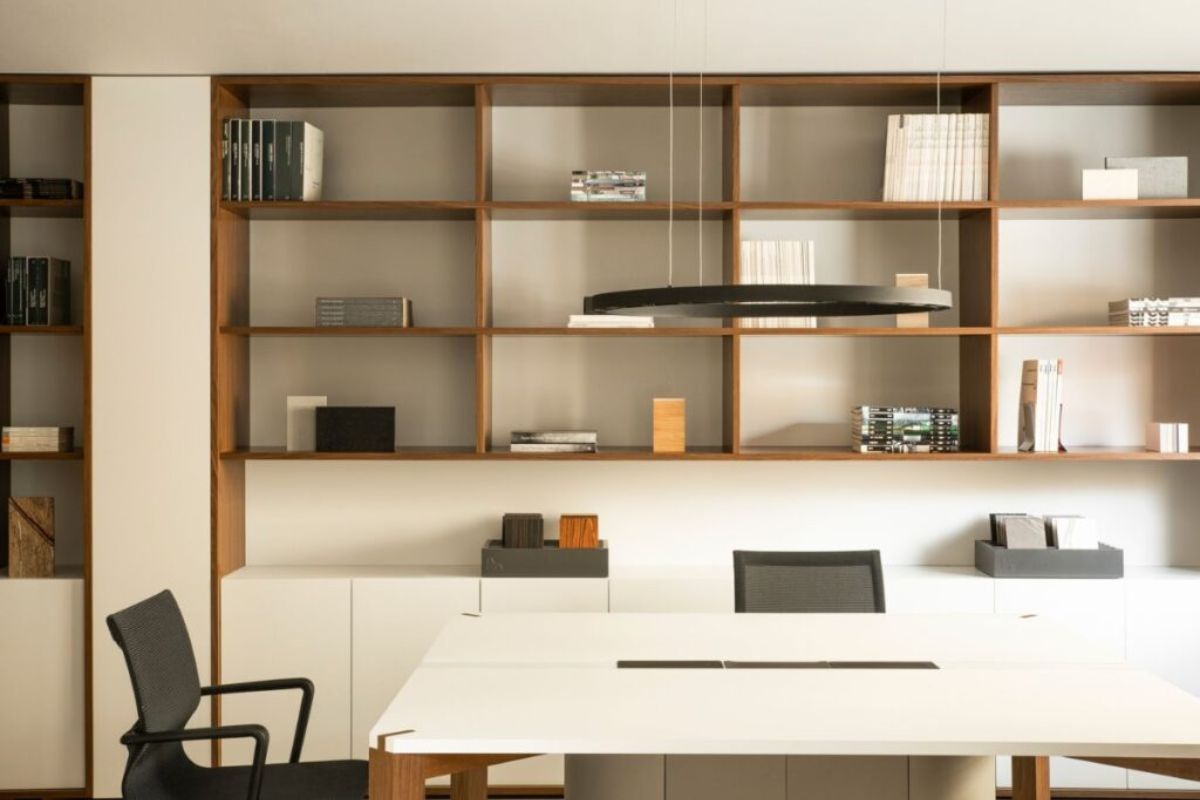
Among the architecture firms in Palermo that have built a particularly recognizable presence in the field of contemporary living in recent years, La Leta Architettura holds an important place. Based in Palermo, the studio works between architectural design and interior architecture, especially in residential and hospitality projects, and has developed a design language based on balance, measure, and sensitivity toward context.
This approach can be clearly felt in interventions such as Pied-à-terre, Settimo Boutique Apartment, Loft in Centro Storico, Villa C, and Casa Daniel, where the transformation of space passes through a careful rereading of the existing fabric, materials, and light.
In a city like Palermo, where domestic architecture is often called to engage with historic buildings, complex urban views, and layered memories, La Leta Architettura stands out for its ability to intervene with lightness without losing strength. Its projects never chase a demonstrative effect. Instead, they work on quiet precision, calibrated atmospheres, and a contemporary language that does not erase the character of places, but guides it toward a new balance.
SS Studio
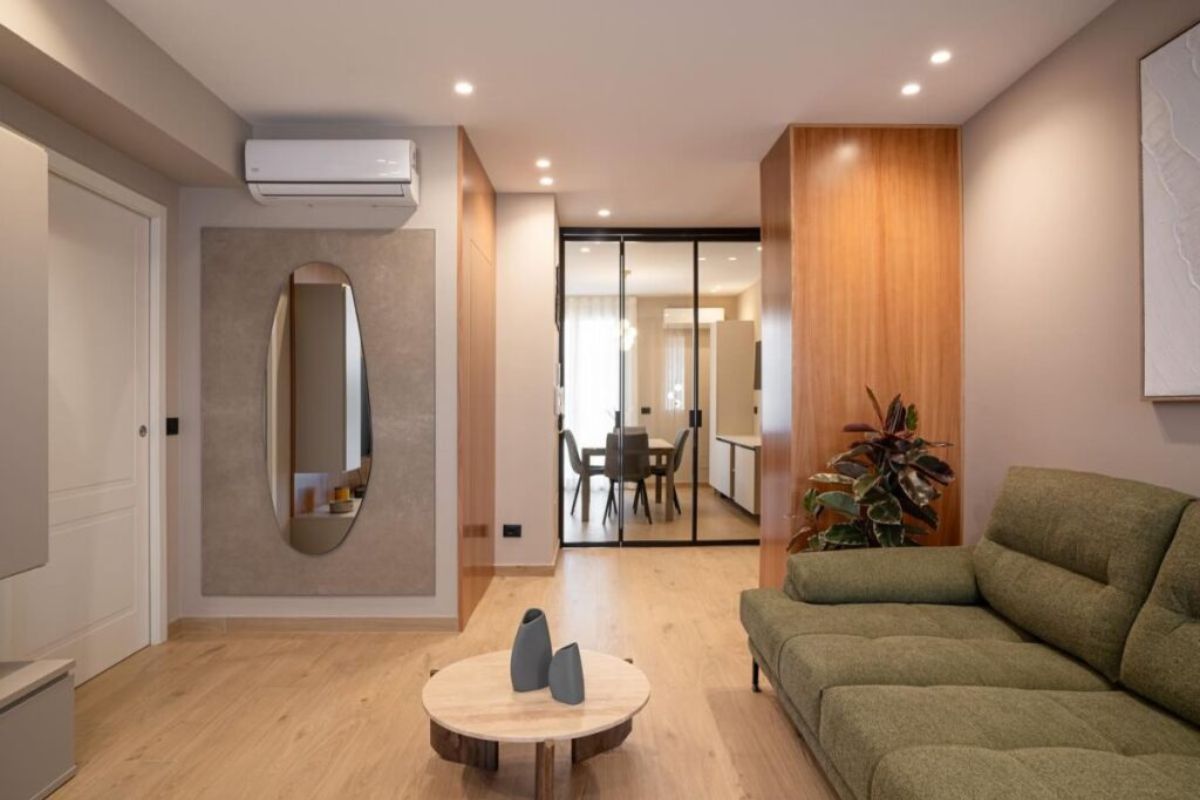
Among the most interesting Palermo-based practices at the point of contact between architecture, interiors, and design, SS Studio has built a transversal yet coherent practice, able to move between architectural design, restoration, interventions on existing buildings, interior design, graphic design, and custom furniture. Based in Palermo and led by Stefano Sanfilippo, the studio works on different programs while keeping one constant element: strong attention to the overall design of space and the definition of atmosphere.
This design stance can be found in projects such as Gold, a luxury guesthouse in Palermo, and in the BLISS furniture line, presented at Homi Milano and during Milan Design Week. These projects clearly show how, for SS Studio, design often extends beyond the architectural envelope alone.
In a city like Palermo, where contemporary design often plays out in the relationship between the identity of place and the quality of interiors, SS Studio stands out for a language that seeks coherence more than spectacle. Its work appears to be built around an idea of space in which architecture, furniture, and image are not separate elements, but parts of the same vision, able to shape recognizable, carefully designed, and never random places.
Studio GD Architetture
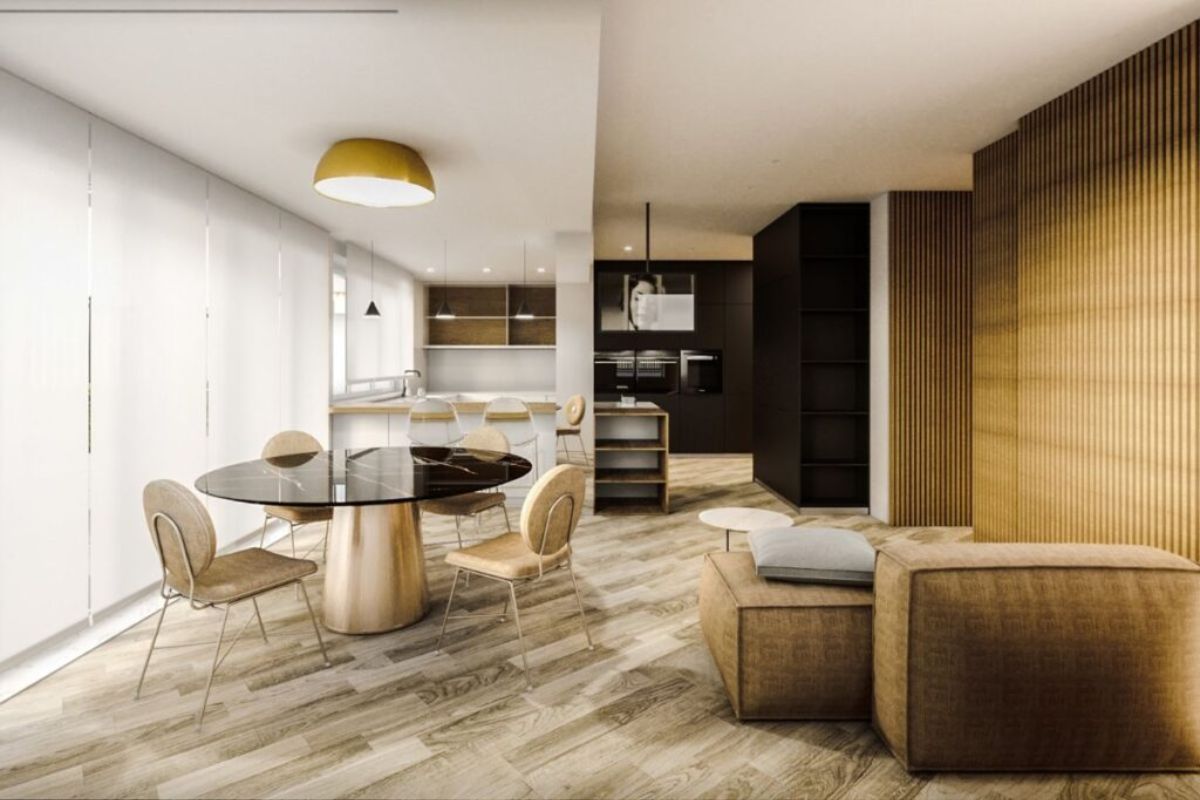
Within the panorama of architecture firms in Palermo most attentive to the relationship between interiors, living, and contemporary design, Studio GD Architetture stands out for a practice that moves across housing, retail, hospitality spaces, and workplaces, while maintaining particular attention to the quality of spatial experience.
Founded in 2008 and led by architect Gaspare Di Maggio, the studio defines itself as a design laboratory active across public and private structures, interior and retail design, dining, hospitality, and sustainability. This trajectory returns the image of a practice able to work on different programs without dispersing its profile.
This attitude also emerges in more recent projects, such as Casa Messina 2025 in Palermo, presented as a full apartment renovation, and in collaborations related to the world of bathrooms and surfaces, which reveal a particular sensitivity toward material and detail.
In a city like Palermo, where interior design and the transformation of existing spaces are increasingly relevant, Studio GD Architetture stands out for a concrete approach, attentive to quality of use and able to create contemporary spaces without losing measure.
FORME Studio di Architettura
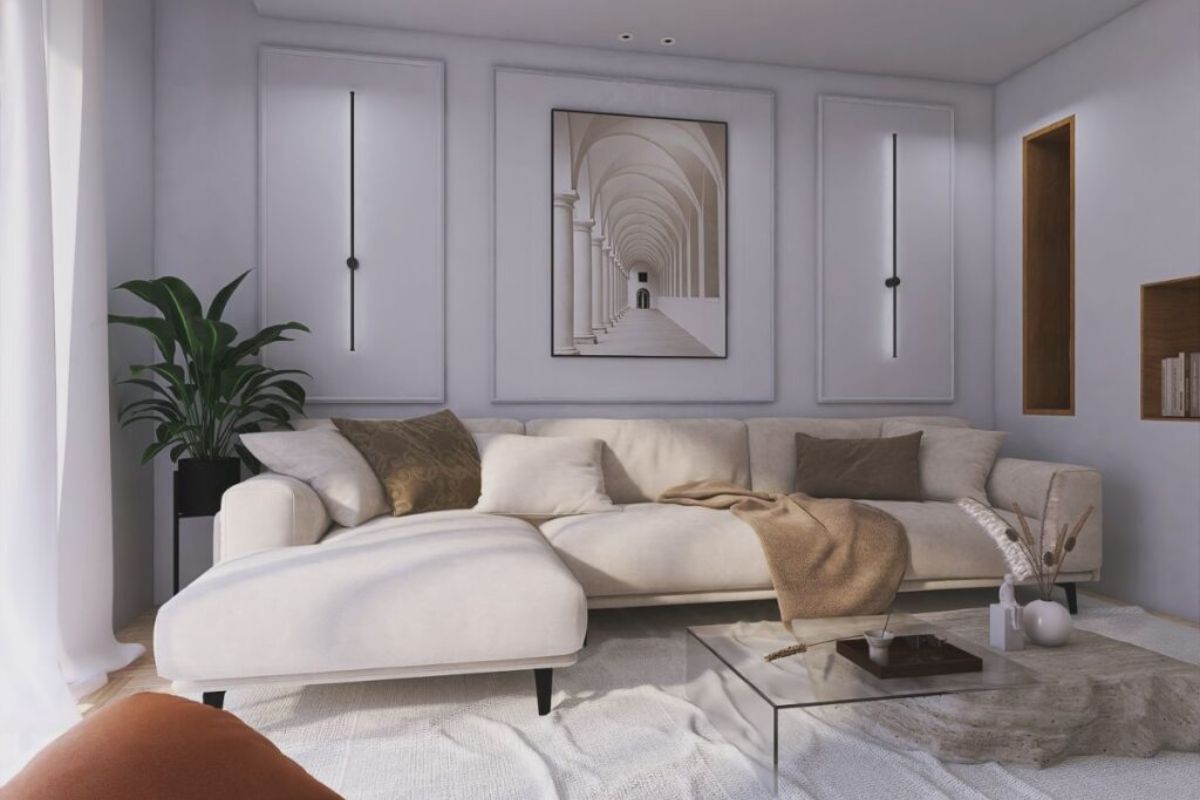
Within the panorama of architecture firms in Palermo most connected to interiors and the transformation of living spaces, FORME Studio di Architettura stands out for an approach centered on the relationship between function, atmosphere, and the quality of spatial experience. Based in Palermo, the studio works between architecture and interior design, following not only the project itself but also site supervision and building procedures, with particular attention to continuity between idea, process, and realization.
It is a concrete stance, returning the image of a practice built more on control of work than on effect.
Even in more recent projects, a sensitivity emerges toward redefining spaces through materials, light, and measure, as in the case of the office designed with the contribution of Karim Rashid, or in interventions on residences and historic roofs shown by the studio.
In a city like Palermo, where contemporary architecture often passes through the rethinking of existing spaces and the quality of interiors, FORME stands out for design that seeks balance, coherence, and a contemporary identity that is never ostentatious.
de Francisci Architetti
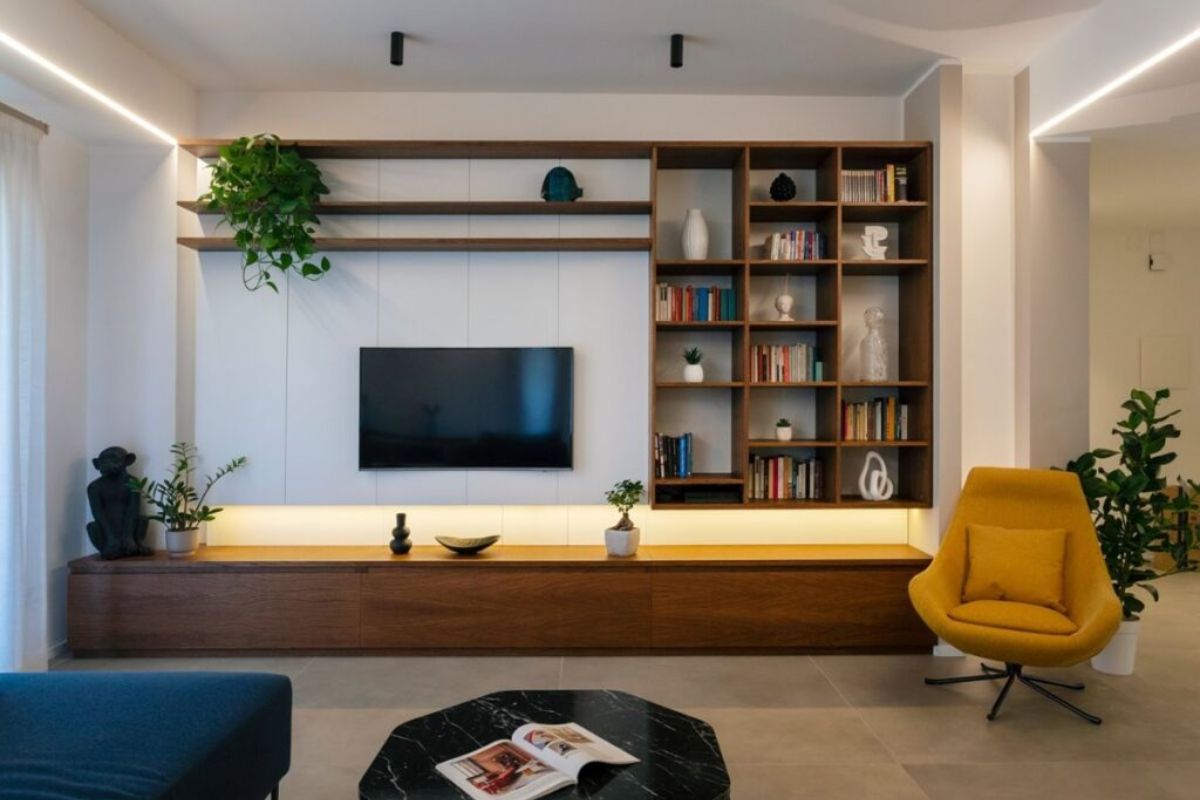
Among the architecture firms in Palermo that work with particular attention to interiors, light, and the transformation of existing spaces, de Francisci Architetti stands out for a measured practice focused on the quality of living and the construction of clear yet never redundant atmospheres. Based in Palermo, the studio works especially across interior design, renovation, and lighting, fields that in its work do not appear separate but are held together by one design idea: precise, essential, and highly attentive to the way space is perceived and experienced.
This sensitivity emerges clearly in interventions such as Casa PCC, created in collaboration with Farina Macaluso Architects, where the project works on the memory of the existing home without giving up a contemporary rereading. It also appears in more recent residential works published by the studio, such as Casa a San Vito, which focus on the relationship between interior and exterior, natural light, and everyday quality.
In a city like Palermo, where domestic design often deals with spaces to be reinterpreted rather than invented from scratch, de Francisci Architetti stands out for sober, controlled design writing, able to create continuity between detail, comfort, and the identity of place.
Bellomonte & Pensabene
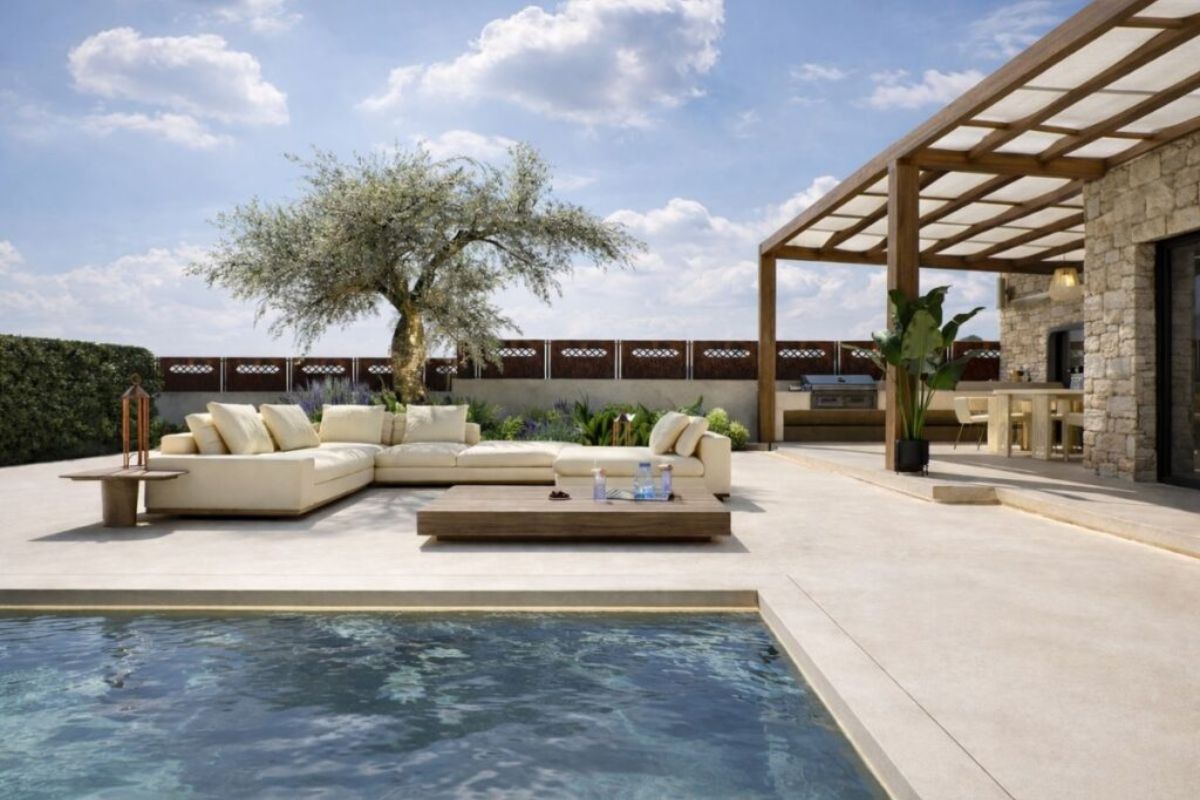
Among the architecture firms in Palermo that move with continuity between contemporary design, interior design, and redevelopment, Bellomonte & Pensabene occupies an interesting position for the clarity of its profile and the visual quality with which it builds its interventions. Based in Palermo, the studio works on residential, commercial, and hospitality spaces, maintaining particular attention to the relationship between materials, light, and the definition of atmosphere.
This approach focuses less on the emphasis of a gesture and more on the calibrated construction of spatial experience, with environments designed to be coherent, readable, and durable.
In the Palermo context, where design often engages with existing buildings, interiors to be reinterpreted, and strong identities, Bellomonte & Pensabene stands out for a practice that seems to seek balance and clarity. The studio’s public projects and content reveal a sensitivity oriented toward a composed contemporary language, able to enhance space without overloading it.
In a map like this, their name belongs precisely for this attitude: a studio that works on project quality with measure, continuity, and a presence that has become recognizable within the Palermo architectural scene.
Salvatore Nigrelli Architetto
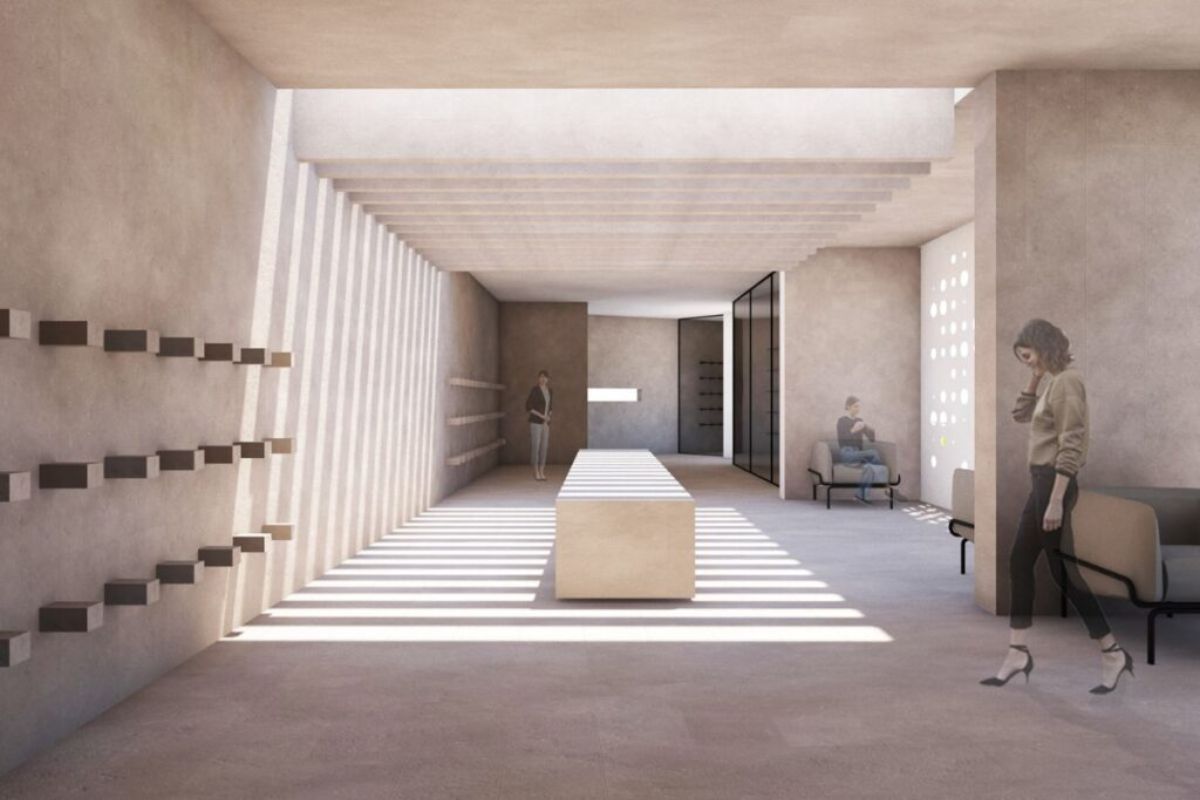
Among the architecture firms in Palermo that work with particular continuity on the relationship between architecture, interiors, and exhibition design, Salvatore Nigrelli Architetto occupies a recognizable position for the variety of projects addressed and for a practice that brings together space, light, and the construction of atmosphere.
Based in the historic heart of the city, at Palazzo Castrone Santa Ninfa on Corso Vittorio Emanuele, the studio moves between residential design, hospitality, exhibit design, and redevelopment, maintaining strong attention to the character of places and the perceptual quality of environments.
This attitude is clearly visible in works such as Casena dei Colli in Palermo, Villa Esse, Villa Cari, the stands for Mandrarossa and Baglio di Pianetto at Vinitaly, and more recent projects such as the Ayrton Senna Museum in Siculiana and the urban redevelopment of Palazzo Adriano.
Rather than relying on a rigid formal signature, Nigrelli’s work seems to be built through continuity between architectural design, exhibition design, and spatial perception, with a sensitivity that finds particularly fertile ground in Palermo: a city where the stratification of places always requires measure, contextual reading, and the ability to transform.
PM Architecture / Piergiorgio Miserendino
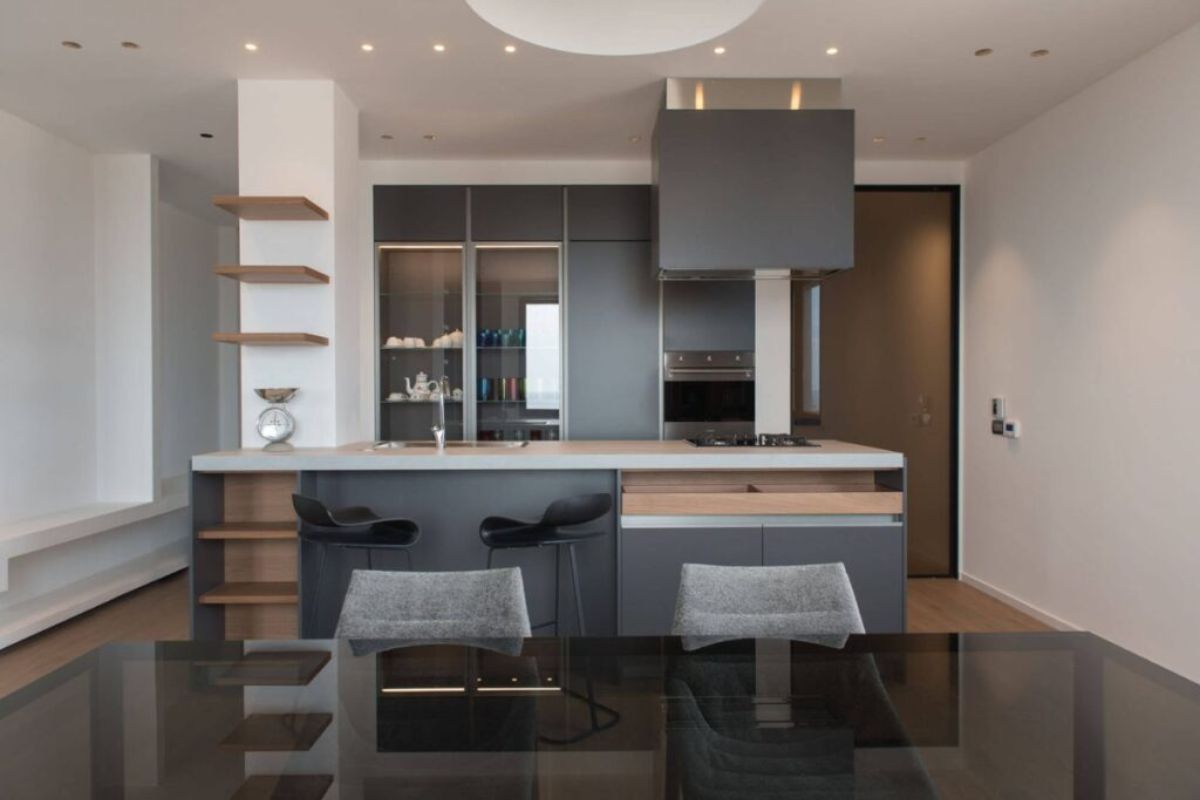
Among the architecture firms in Palermo that work with particular attention to domestic design and the transformation of interiors, PM Architecture, founded by Piergiorgio Miserendino in 2003, occupies a recognizable position for continuity and clarity of language. The studio moves between private residential building, commercial works, hospitality structures, and industrial design, following the project through all its development phases, from the initial idea to the construction site.
This trajectory returns the image of a practice highly focused on the quality of living, precision of detail, and the ability to give new coherence to existing spaces.
This sensitivity emerges clearly in works such as Casa B, the renovation of an apartment inside a residential building in Palermo’s historic center with an original 19th-century layout, and in projects such as Casa C+R and Casa B+M, where the redesign of interiors passes through a calibrated use of materials, light, and furniture.
In a city like Palermo, where contemporary design often deals with properties to be reinterpreted more than spaces to be built from scratch, PM Architecture stands out for a measured approach, attentive to comfort and able to create clear, elegant, and highly readable environments.
PL5 Architettura
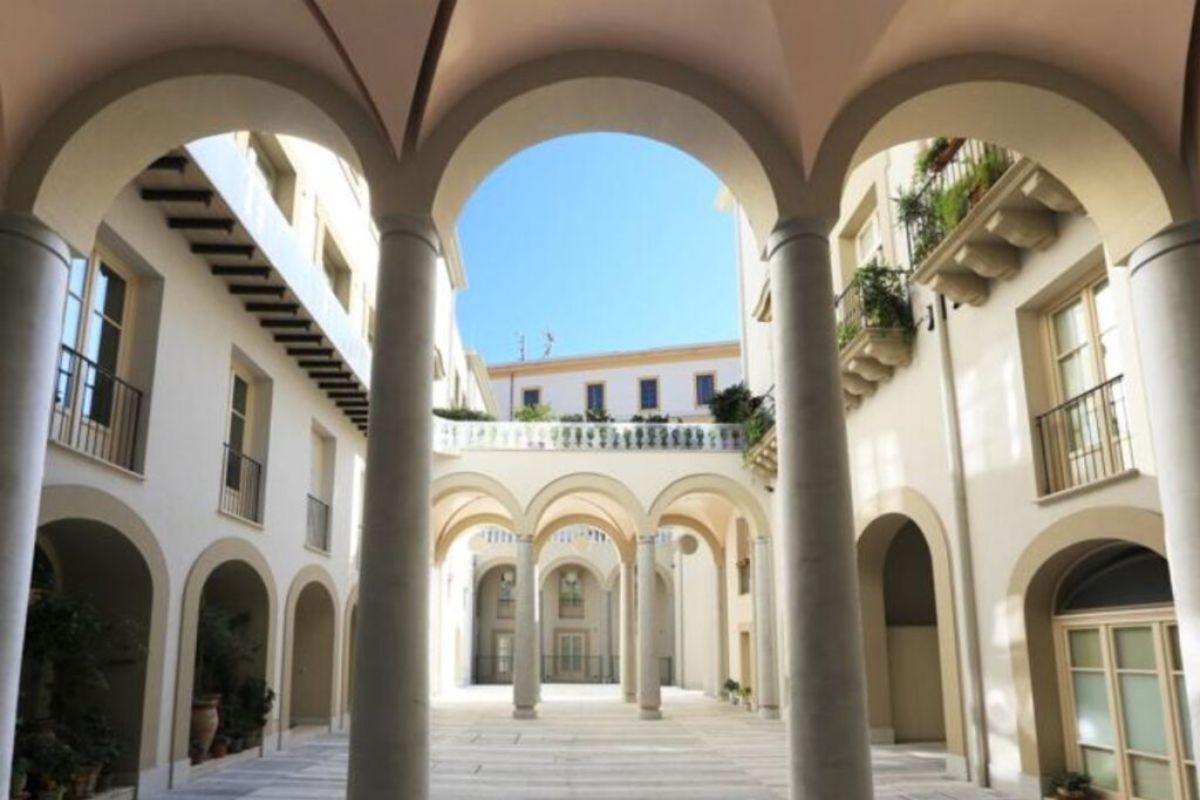
Among the architecture firms in Palermo that have worked most consistently on restoration and the refunctionalization of the historic center, PL5 Architettura occupies a particularly significant position. Founded in 1974 by Giulio Franzitta and Rita Franzitta, the studio has built over time a practice deeply rooted in the city, focusing on the redevelopment of historic buildings, palaces, residential complexes, and urban fabrics marked by Palermo’s long stratification.
In this sense, its work intersects with a central question for Palermo: a city where contemporary design often passes through the recovery, restoration, and refunctionalization of what already exists.
This trajectory emerges clearly in a long series of interventions in the historic center, such as the restoration of Palazzo del Principe di Lampedusa, Palazzo Rammacca in Via Garraffello, the building in Via Materassai, the medieval building in Via Argenteria, the reuse project for an industrial archaeology complex in Via dello Spasimo, the restoration and refunctionalization of Villa Bonocore-Maletto, and the project for Palazzo Florio in Favignana.
More than through an exhibited authorial gesture, PL5 has built its identity through duration, patient work within the existing fabric, and concrete knowledge of the historic city. These qualities make it one of the most coherent names when discussing architecture in Palermo.
Cannone Architetti
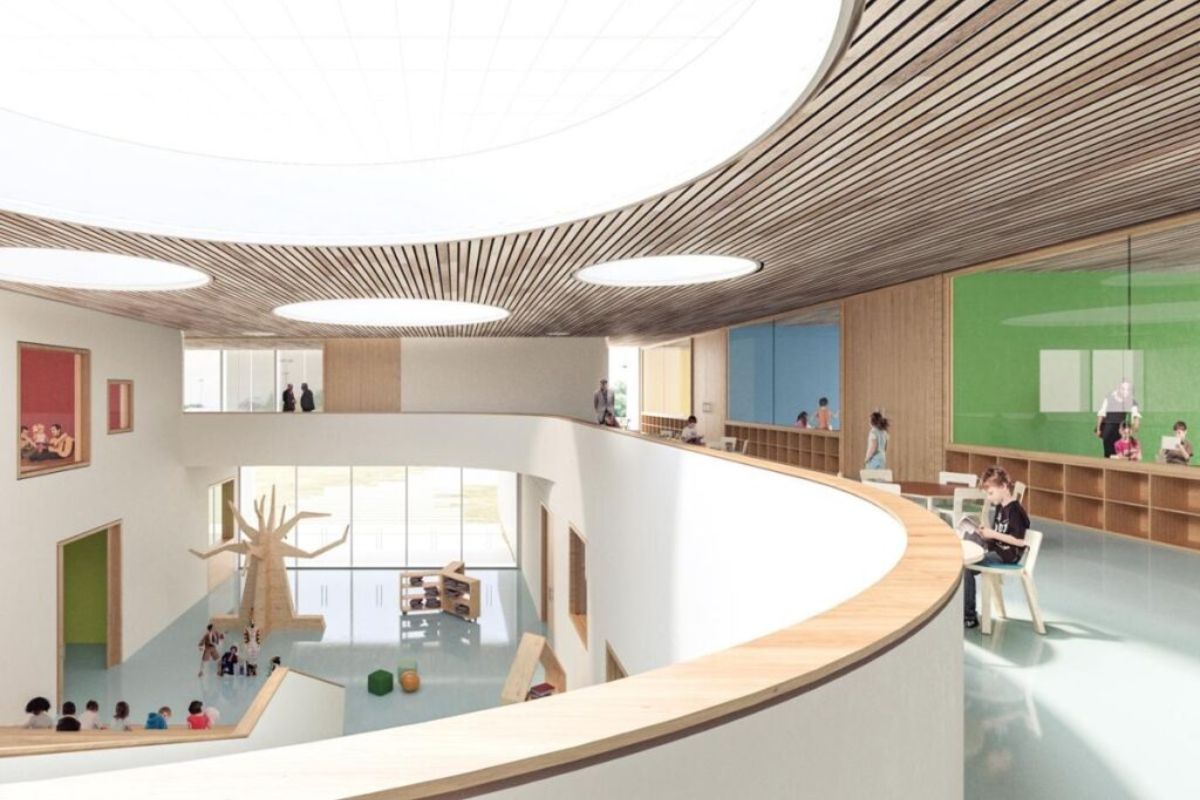
Among the architecture firms in Palermo that work on the relationship between design, context, and transformation, Cannone Architetti stands out for a practice that brings together architecture and engineering with particular attention to the connection between intervention and place. Founded in 2012 by Francesco, Giuseppe, and Fabio Cannone, the company works in Palermo, developing projects in which architectural design engages with context in its different components, maintaining a design vision attentive to coherence between space, function, and environment.
The studio’s trajectory can be read through projects that cross different fields, from the redevelopment of open spaces to urban-scale interventions and architecture and interior works. Rather than relying on a rigid formal signature, Cannone Architetti seems to build design as a device of relationship between place, use, and transformation, with a sensitivity that looks at continuity between architecture and context.
It is precisely this ability to bring together territorial vision and design precision that makes the studio one of the names to watch carefully within Palermo’s contemporary architectural scene.
Studio MAMe / Marzia Messina
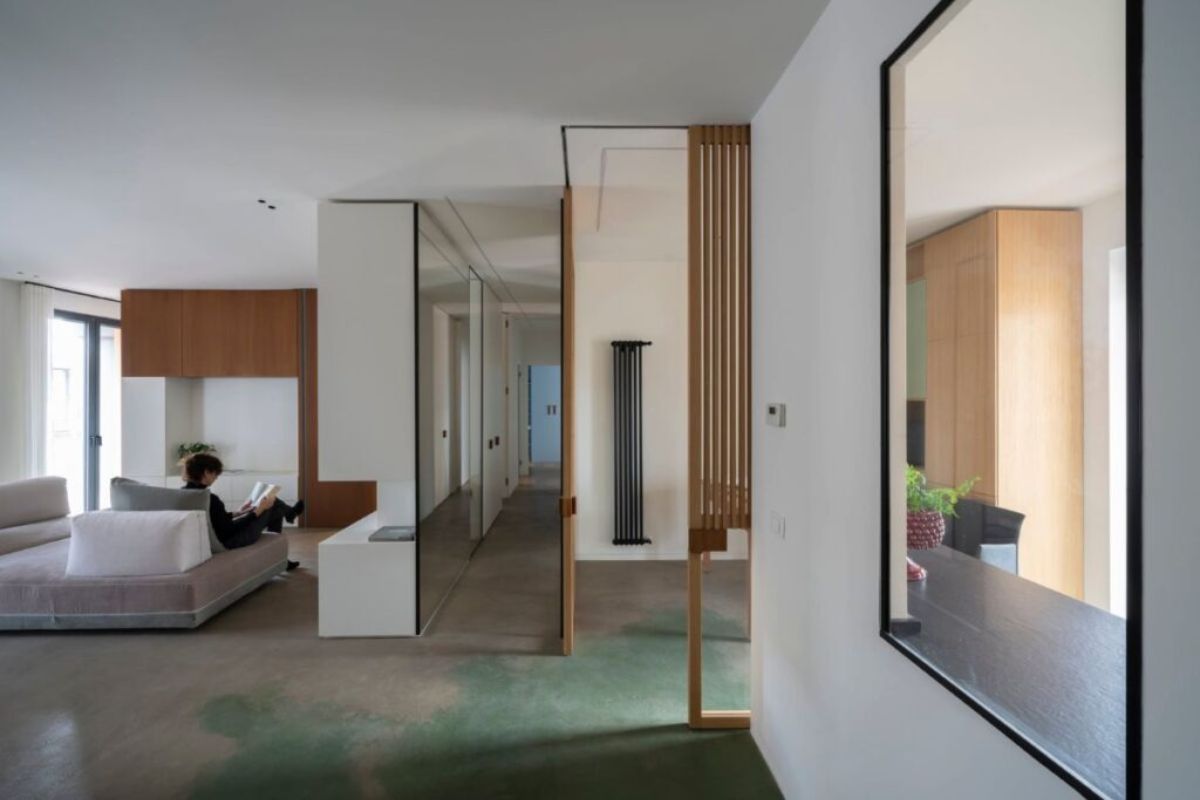
Among the architecture firms in Palermo most attentive to the tailored dimension of domestic design, Studio MAMe, founded by Marzia Messina in 2005, occupies a recognizable position for attention to detail, custom design, and a concept of living built around materials, light, and the quality of everyday experience.
After experiences in London, Verona, and Vicenza, Messina brought back to Palermo a design practice that combines executive precision, sensitivity toward interiors, and artisanal attention, working especially on residences, villas, and commercial spaces.
This attitude emerges clearly in projects such as Casa VS, Casa GOH, Casa 2 Palme, Duo di Ville in Mondello, Casa su misura LLP, and Cafè Lab Gallery in Palermo. These interventions clearly show a design language focused on the quality of living and on the relationship between measure, comfort, and spatial identity.
In a city like Palermo, where domestic architecture is often called to reread existing buildings without impoverishing their character, Studio MAMe stands out for an elegant, calibrated contemporary language deeply connected to design as a gesture of precision.
Architetti Fazioli Associati
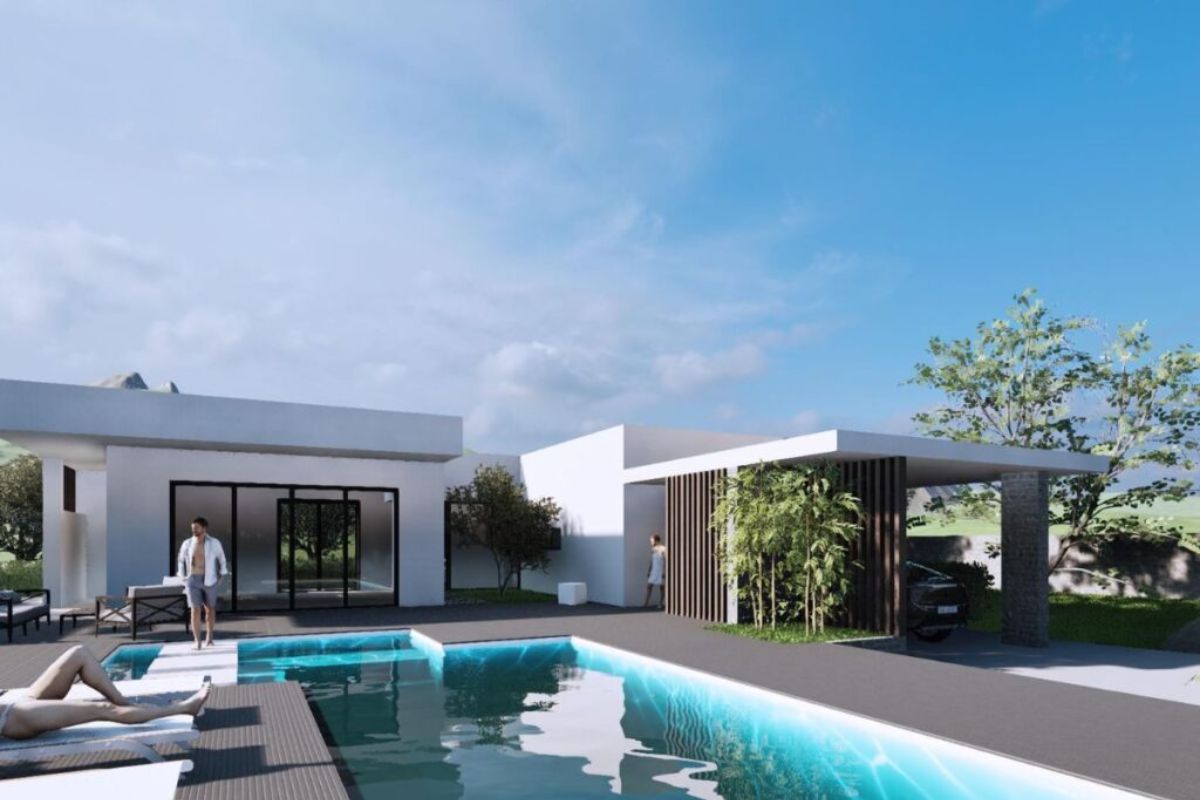
Among the architecture firms in Palermo that have built a recognizable presence over time in the field of design and interiors, Architetti Fazioli Associati occupies an interesting position for continuity and professional profile. The studio, based in Palermo, presents itself as a practice active between architecture and design, with work that moves across the design of inhabited space and the transformation of interiors while maintaining strong attention to compositional quality and the definition of atmosphere.
In a city like Palermo, where contemporary design often engages with spaces to be reinterpreted more than buildings to be built from scratch, Architetti Fazioli Associati sits within that group of studios working on the precision of intervention, the relationship between measure and character, and an idea of living able to update existing spaces without impoverishing them.
The studio’s public presence gives precisely this impression: a design practice oriented toward a composed contemporary language, attentive to detail and to the overall coherence of space.
Ruffino Associati
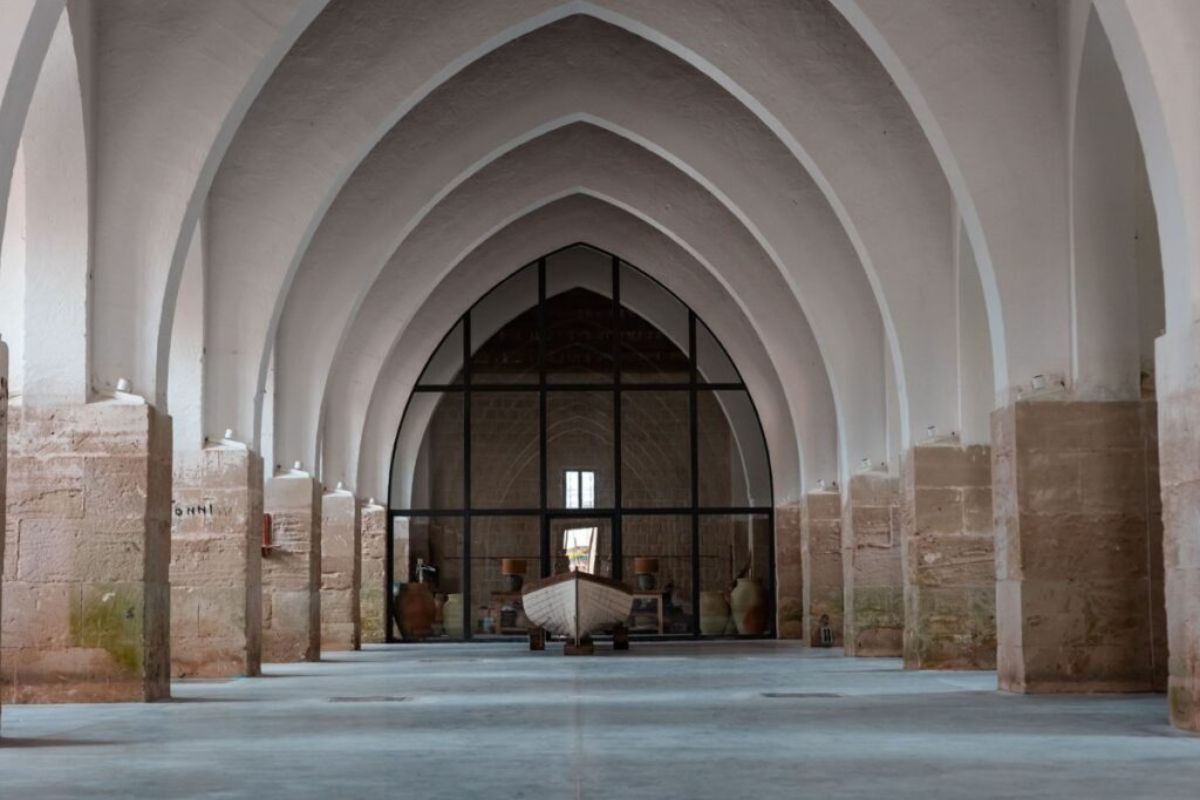
Among the architecture firms in Palermo that have built a recognizable trajectory in the recovery and transformation of places with strong identity, Ruffino Associati occupies a particular position. Active in Palermo since 2002, the studio works between architecture and design and has signed more than 500 projects, building a profile that brings together residential projects, hospitality, and redevelopment interventions in highly characterized contexts.
The name Ruffino Associati is directly connected to the rebirth of the Camparìa in Favignana, the restoration and recovery project of the historic complex that gave new life to one of the island’s most symbolic places. The intervention has been described as a project marked by sustainability and respect for traditional construction techniques, able to transform the Camparìa into a contemporary space without erasing its memory.
Alongside this, the studio’s portfolio also includes projects such as Dimora Cala del Pozzo in Favignana, Altamora Etna, and Palazzo T in Trapani, confirming a design practice attentive to the relationship between architecture, landscape, and the identity of places.
In a map of architecture firms in Palermo, Ruffino Associati belongs precisely because of this ability to work on existing spaces with measure and continuity, giving them a new function without weakening their character. Rather than pursuing formal effects, their design seems to focus on building a balance between history, current use, and the quality of spatial experience.
vid’A – Visioni d’Architettura
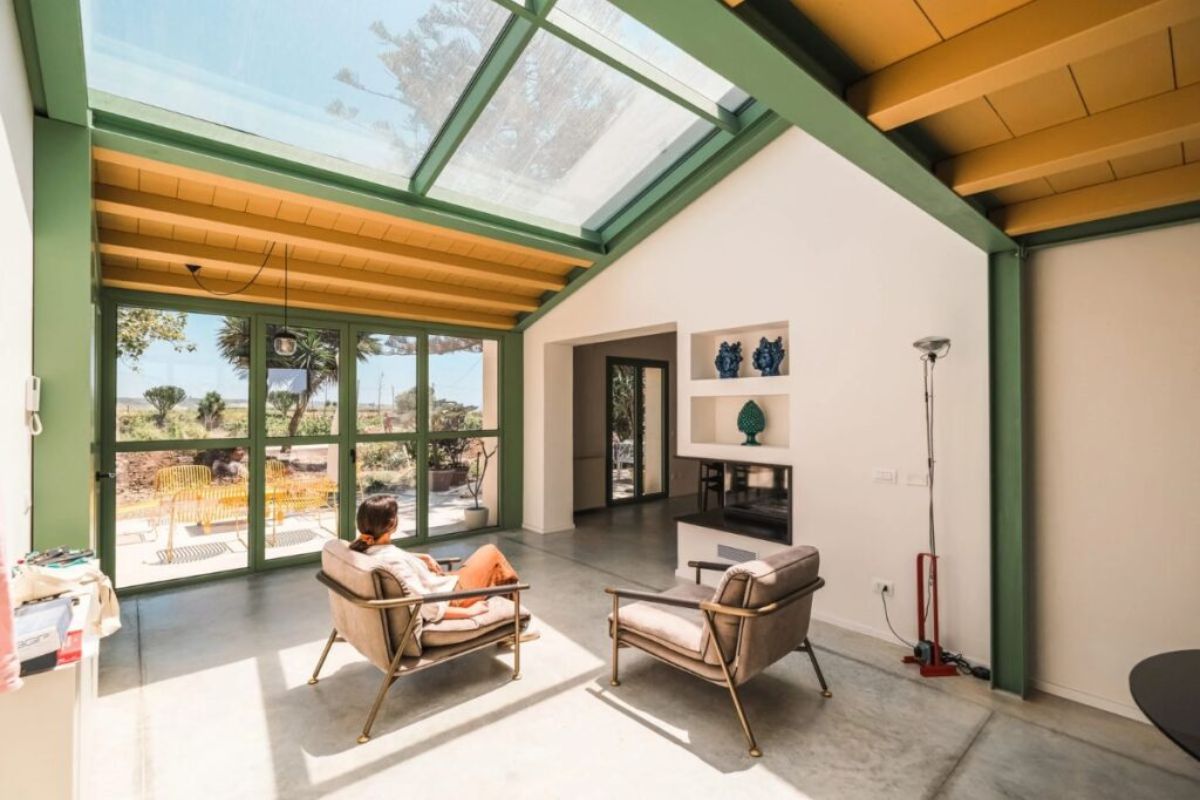
Among the more recent practices operating in the field of contemporary architecture in western Sicily, vid’A – Visioni d’Architettura deserves attention for an approach that weaves together renovations, interior design, new construction, and commercial spaces. The group works between Menfi and the Palermo area, proposing a design practice oriented toward the personalization of interventions and the continuity between concept, technical development, and site supervision.
In a map like this, vid’A enters not so much because of an already historicized profile, but because of the clarity with which it interprets an idea of contemporary architecture connected to custom design, the transformation of inhabited space, and a sensitivity that seeks to combine local identity, innovation, and executive quality.
SLC architects
Among the studios operating in the Palermo area with a structured and continuous practice, SLC architects occupies a recognizable position for its ability to move between residential, commercial, productive, and urban planning projects while maintaining particular attention to the relationship with landscape and the precision of design.
Founded in Palermo in 2001 and now active in Misilmeri, the studio led by Salvatore Lo Cascio has built over time a profile that combines urban planning experience and architectural design, with a clear, controlled language highly attentive to the relationship between architecture and context.
This attitude emerges clearly in projects such as Villa LM, near Mondello, where the white building and the design of overhangs work in direct relationship with the Castelforte landscape, and Casa M in Misilmeri, designed to respond to the site’s topography and build a continuous dialogue between domestic space and the Eleuterio valley.
In a selection dedicated to architecture firms in Palermo, SLC architects belongs precisely because of this ability to bring together building scale, territorial vision, and the quality of contemporary living.
Piazza Architettura
Among the architecture firms in Palermo that have built a particularly interesting profile in contemporary design in recent years, Piazza Architettura occupies a recognizable position for clarity of vision and quality of work. Based in Palermo, the studio led by Nicola and Giulia Piazza works across public and private projects, restoration, interior design, urban planning, and landscape, bringing together attention to context, sustainability, detail study, and sensitivity toward materials.
It is a design practice that is not limited to the scale of the building, but engages with broader questions related to the relationship between built space, city, and territory.
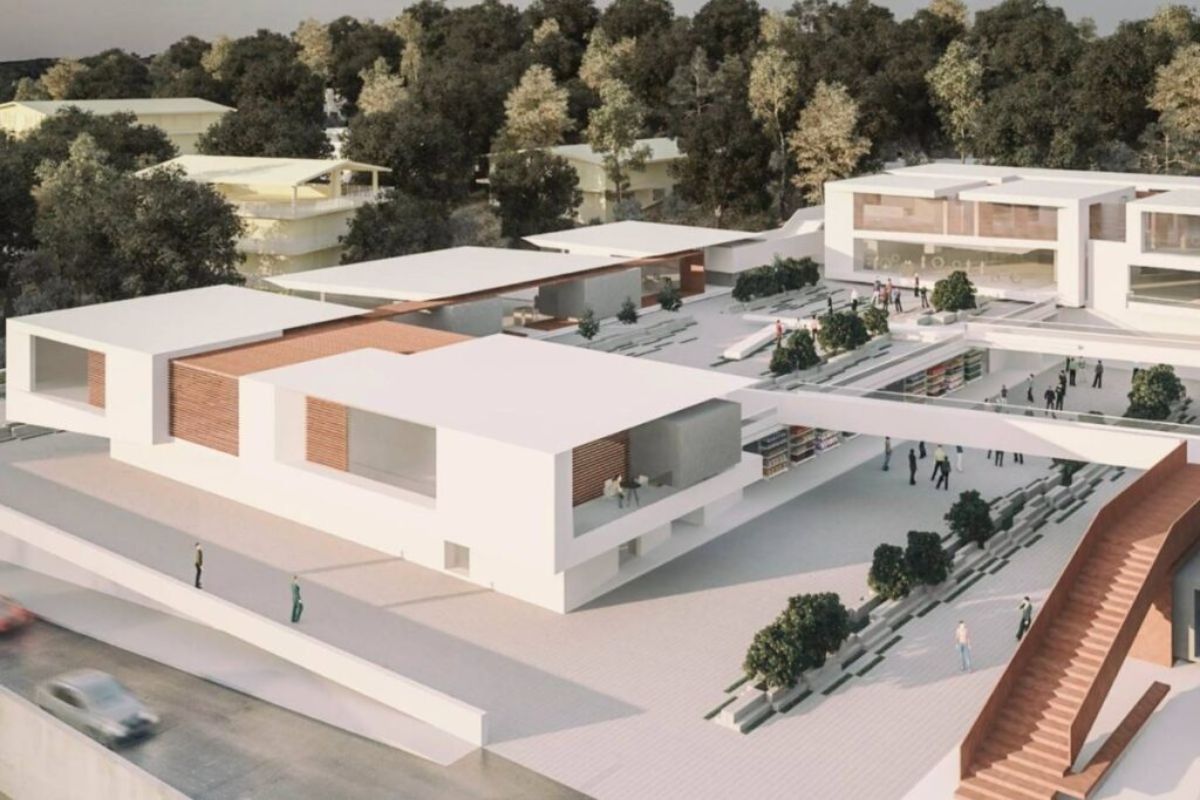
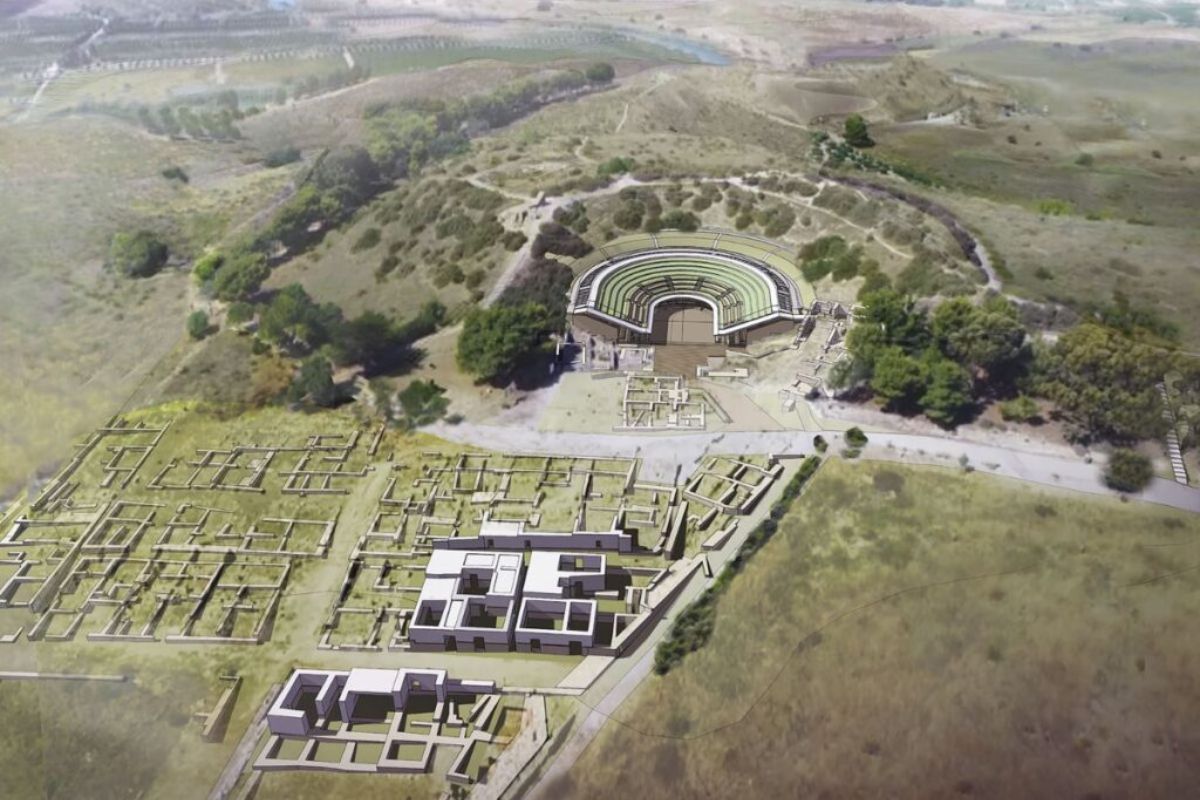
The studio’s profile is also strengthened by important results in architecture competitions, such as the first prize in 2022 for the Ugo Foscolo school in Canicattì, the 2023 win for the redevelopment of the archaeological site and Greek Theater of Eraclea Minoa together with Francesco Cellini, and the first prize for the new construction of an auditorium and sports fields for a school in Bagheria.
In a map of architecture firms in Palermo, Piazza Architettura belongs precisely because of its ability to bring together research, public space, landscape, and design with a measured yet already highly readable language.
Puccio Collodoro Architetti
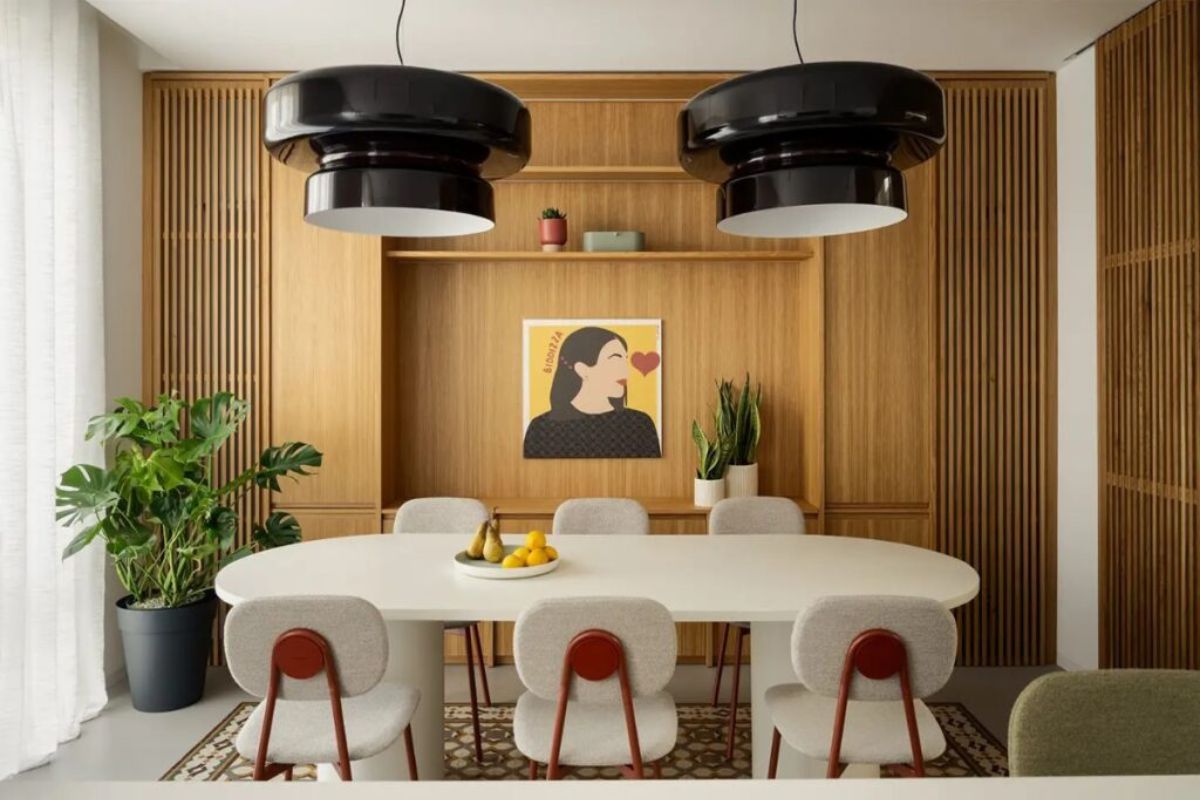
Among the architecture firms in Palermo that have built a particularly recognizable profile in recent years, Puccio Collodoro Architetti occupies an interesting position for its ability to move between architecture, interior design, visual communication, and urban design while maintaining strong coherence of language.
Based in Palermo and Gela, the studio founded by Gianluca Puccio and Andrea Collodoro works across different scales, from landscape to interiors, with an approach that brings together research, experimentation, and quality of spatial experience.
This attitude emerges clearly in projects such as Dimora del Capo, a residential intervention in the heart of Palermo, Studio Medico Ferro, and other transformations of contemporary living, where the project works on light, measure, and the redefinition of space without losing intensity.
In a map of architecture firms in Palermo, Puccio Collodoro Architetti belongs precisely because of this ability to combine visual identity, design precision, and a contemporary sensitivity that is already highly readable.