Turin is one of the Italian cities where architecture continues to reveal itself as a form of thought even before becoming a built result. Here, design is never placed in a neutral condition. It engages with a rigorous urban order, with an industrial memory that has left deep traces in the city’s morphology and imagination, …
Turin is one of the Italian cities where architecture continues to reveal itself as a form of thought even before becoming a built result. Here, design is never placed in a neutral condition. It engages with a rigorous urban order, with an industrial memory that has left deep traces in the city’s morphology and imagination, and with a disciplinary tradition that has made measure, control, and the transformation of existing buildings some of its most persistent themes.
In this sense, contemporary architecture in Turin is particularly interesting not for the ostentation of a gesture, but for its ability to elaborate the relationship between permanence and change, structure and use, the identity of places and the redefinition of new ways of living.
Talking today about architecture firms in Turin therefore means observing a layered design field, where practices differ in scale, language, and orientation, yet are often united by a shared attention to spatial quality and design responsibility. From residential design to redevelopment, from interior design to hospitality, from urban landscape to cultural projects, a constellation of experiences emerges, contributing to the image of a city still able to produce reflection, method, and vision through architecture.
What follows is not a ranking or a closed list, but an editorial selection of the 25 best architecture firms in Turin to know today. It is a reasoned map that brings together established names, consolidated practices, and more recent profiles, chosen for the coherence of their path, the recognizability of their approach, and their ability to interpret, each in its own way, the current face of architectural design in Turin.
Benedetto Camerana Studio
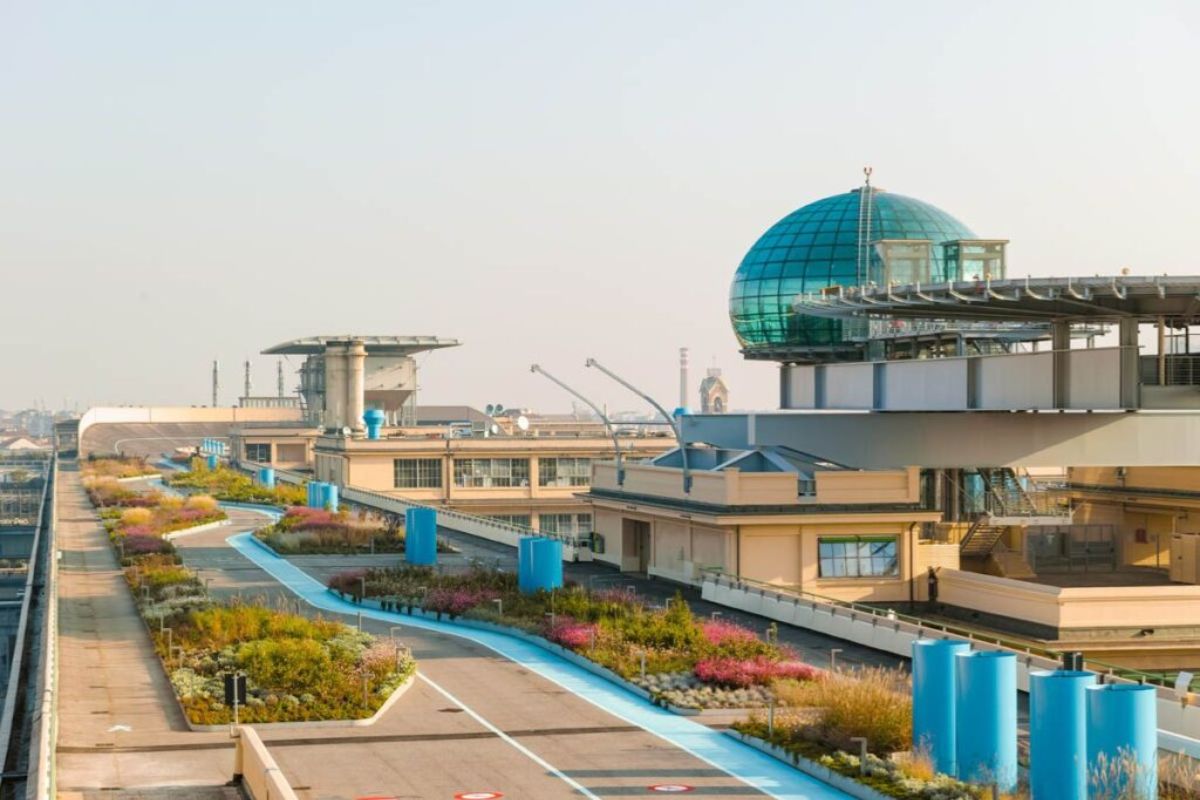
Among the most authoritative names in contemporary architecture in Turin, Benedetto Camerana Studio occupies a position that is hard to overlook, thanks to its continuity, recognizability, and ability to shape the city’s urban imagination in a concrete way.
Founded in Turin in 1997, the studio has built a path that connects architecture, landscape, urban transformation, and cultural projects, moving naturally between public and private interventions, large complexes, and more symbolic devices.
In Turin, its presence is particularly visible in works such as the Olympic Village, the Luigi Einaudi Campus, the Juventus Museum, and above all La Pista 500 at Lingotto, a project that gave a new public and landscape dimension to one of the city’s most emblematic places.
Rather than pursuing an immediately spectacular formal gesture, Camerana’s work stands out for a cultured design measure, able to interpret the identity of places and translate it into architectures that dialogue with urban memory without freezing it.
Carlo Ratti Associati
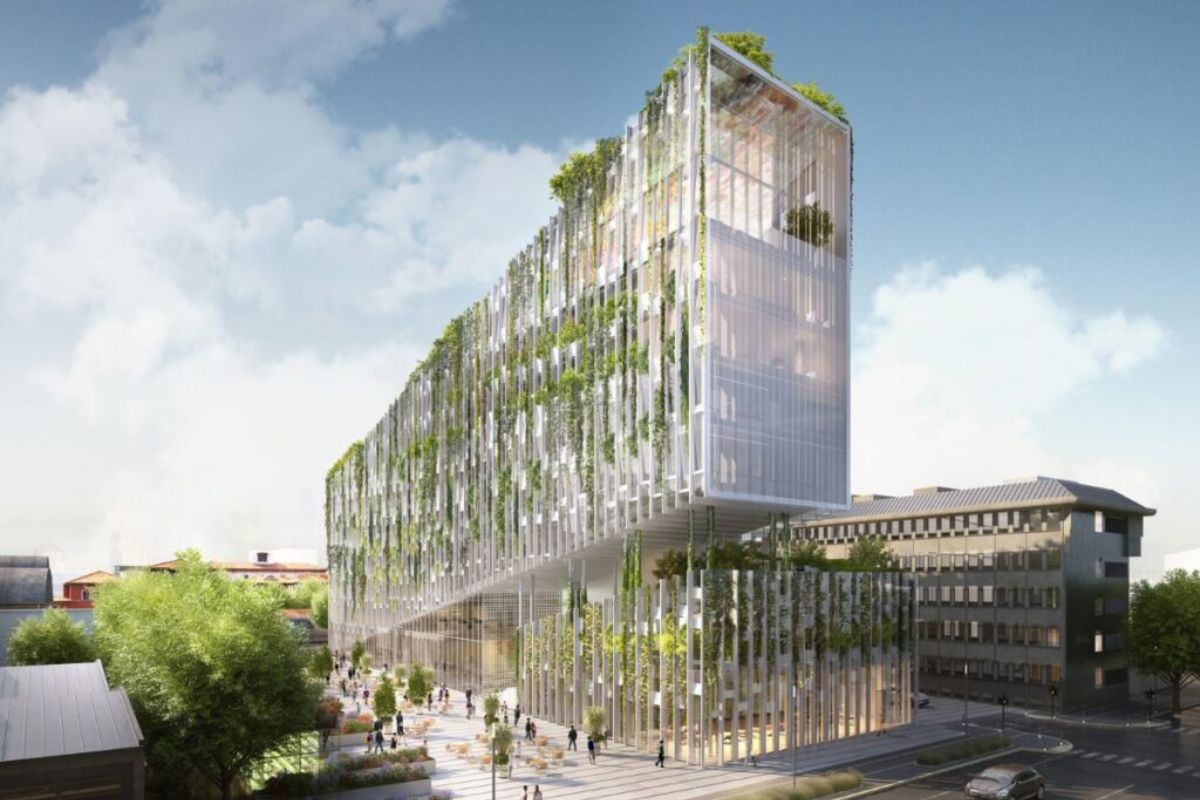
Within the panorama of architecture firms in Turin with a strong international presence, Carlo Ratti Associati is one of the most recognizable references. Founded by Carlo Ratti, architect and professor at MIT, the studio is based in Turin and also operates in New York and London, developing projects that connect architecture, urban space, technology, and research.
This approach is also clear in projects connected to the city, where design is not understood as the simple construction of forms, but as a device able to activate new relationships between people, places, and systems.
In Turin, the studio’s name is linked to interventions such as The Greenary for the Murazzi del Po, the redevelopment of Palazzo Micca, and the project for the new Sella Open Innovation Center in the former Caserma La Marmora area.
More than through a stylistically recognizable language, Carlo Ratti Associati has built its authority on the ability to combine experimentation, urban vision, and concrete application, making design a tool for reading the present as well as transforming space.
Isolarchitetti
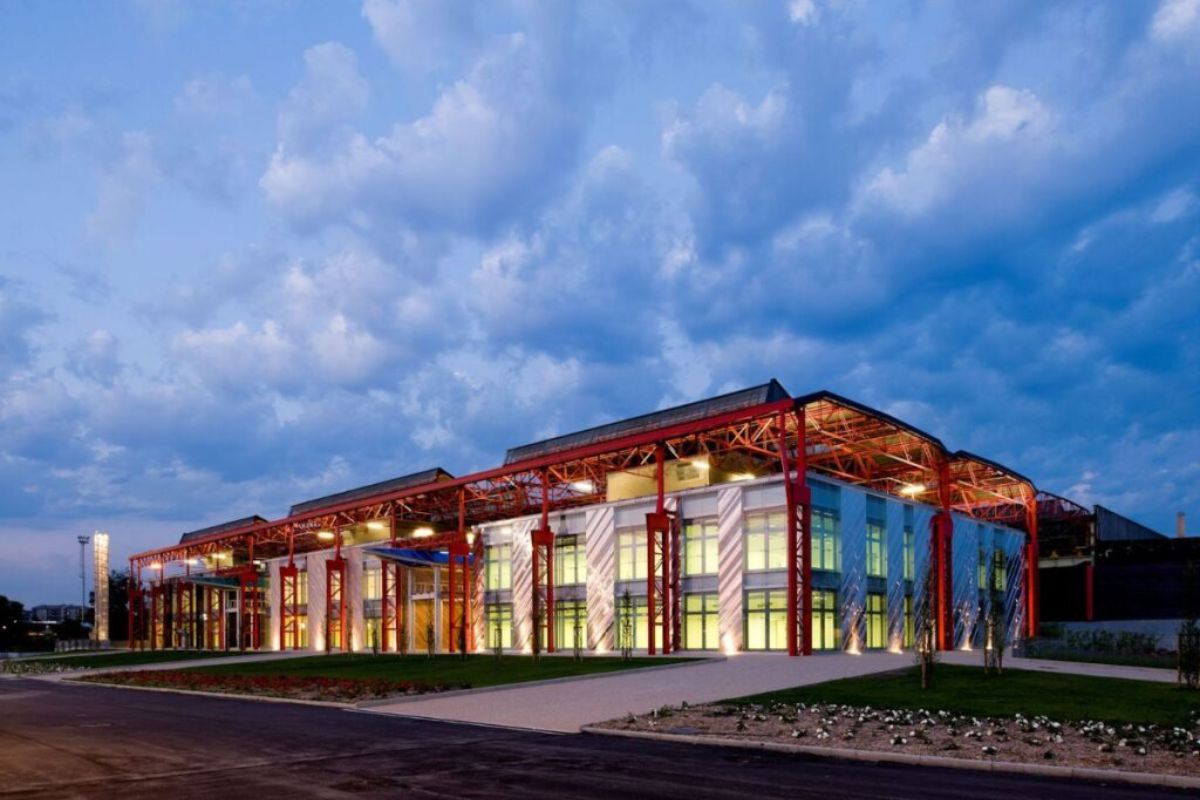
Among the studios that have contributed most continuously and authoritatively to defining Turin’s architectural profile, Isolarchitetti holds a position of major importance. The studio carries forward the legacy of the historic experience of Gabetti & Isola and has built, over time, a path where architecture, restoration, landscape, and urban design are closely intertwined.
This ability to work between memory and transformation is exactly what makes it central in the Turin context, where the relationship with the existing fabric is never a secondary condition, but a structural part of the project.
In Turin, its presence can be recognized in interventions such as the Mirafiori Design Center, the Spina 3 masterplan, the restoration and redevelopment of the Orangeries of the Royal Museums, and, more broadly, in a series of works that reveal a cultured, disciplined design practice deeply rooted in the city.
Rather than focusing on effect, Isolarchitetti has built its identity on duration, precision, and an idea of architecture able to engage with historical and urban complexity without giving up clarity of language.
Gruppo Building with BP+P Boffa, Petrone & Partners
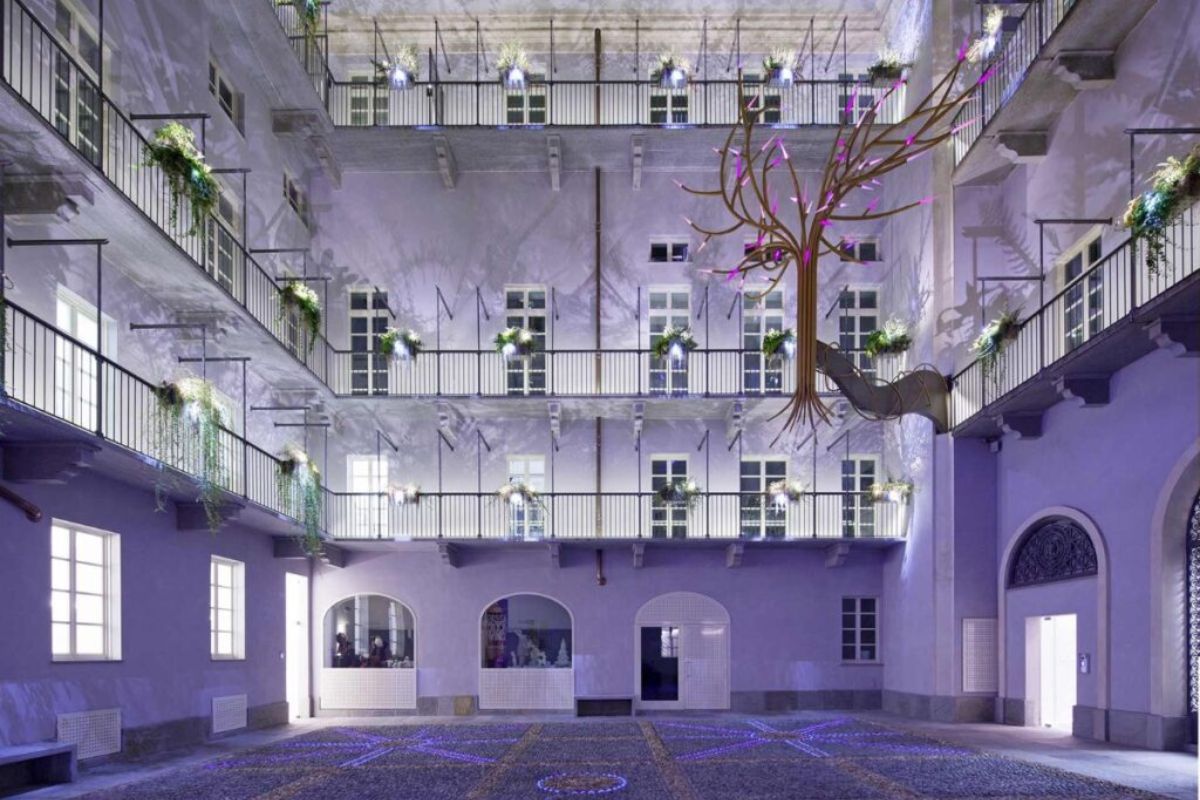
Within Turin’s landscape of redevelopment and contemporary living, Gruppo Building is one of the players that has most consistently influenced the transformation of the city’s architectural heritage. Within the group, BP+P Boffa, Petrone & Partners operates as a studio specializing in architectural design, feasibility studies, interior design, building renovation, restoration, and site supervision.
In Turin, the work of Gruppo Building and BP+P is linked to now recognizable interventions such as The Number 6, the transformation of a Baroque building just steps from Piazza San Carlo, awarded by ArchDaily as Building of the Year 2015 in the restoration category. Other projects include Lagrange12, Quadrato, and the intervention for the new OGR – Officine Grandi Riparazioni.
Through operations of this kind, Gruppo Building together with BP+P Boffa, Petrone & Partners has built a precise presence in contemporary Turin, based on the ability to reinterpret existing architecture and translate it into a cultured, current, and deeply urban vision of living.
Balance Architettura
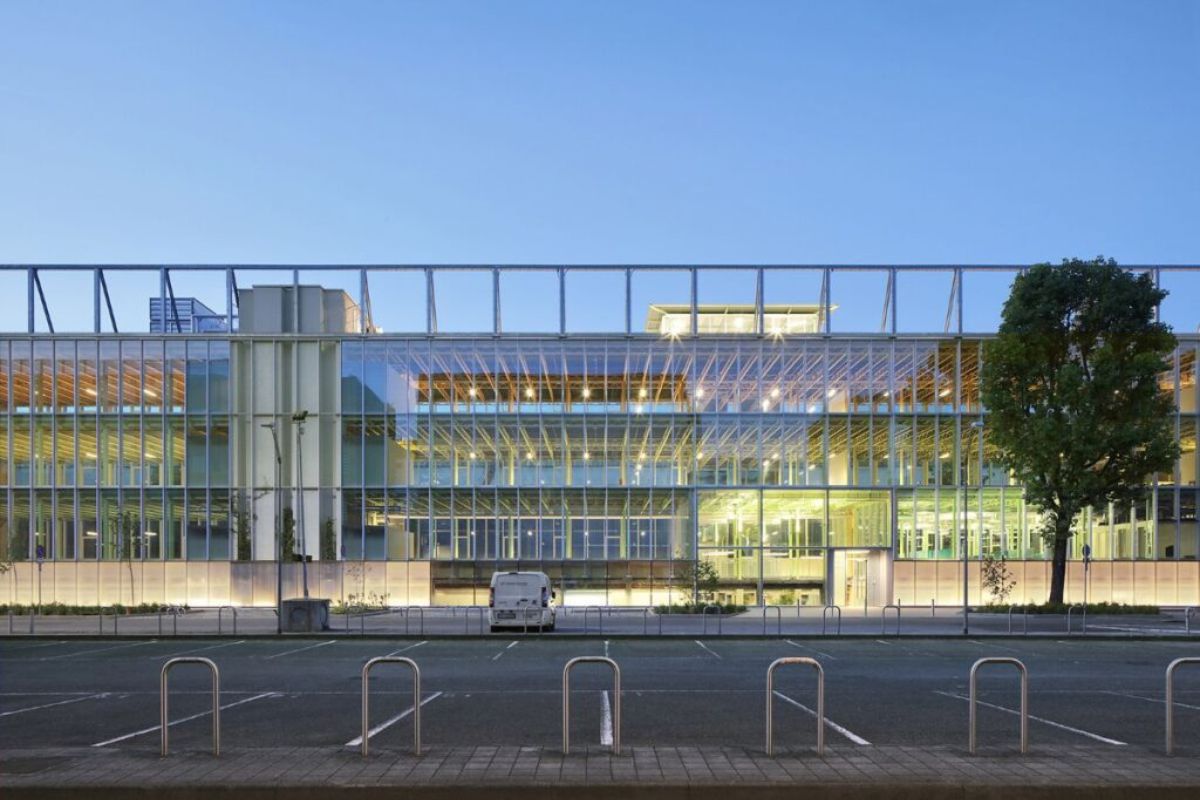
Among the Turin-based studios that have most clearly consolidated a recognizable position in the contemporary panorama in recent years, Balance Architettura holds an increasingly relevant place. Founded in Turin in 2011, the studio works across architecture, exhibition design, and urban planning, with an approach that combines compositional control, attention to material, and the ability to engage with complex contexts without becoming trapped in a self-referential language.
Its growth has also been accompanied by precise critical recognition: in 2022, it received the Young Talent of Italian Architecture award, a sign of a design maturity now fully observed at a disciplinary level.
In Turin, the studio’s name is connected, among other things, to its participation in the competition for the Cavallerizza Reale and, above all, to the recent winning team for the redevelopment of the GAM – Galleria Civica d’Arte Moderna e Contemporanea, together with MVRDV and EP&S Group. This step confirms its growing weight within the city’s architectural scene.
More than relying on the emphasis of a sign, Balance Architettura seems to base its identity on a measured but clear idea of design, able to bring together research, city, and contemporary transformation.
PICCO Architetti
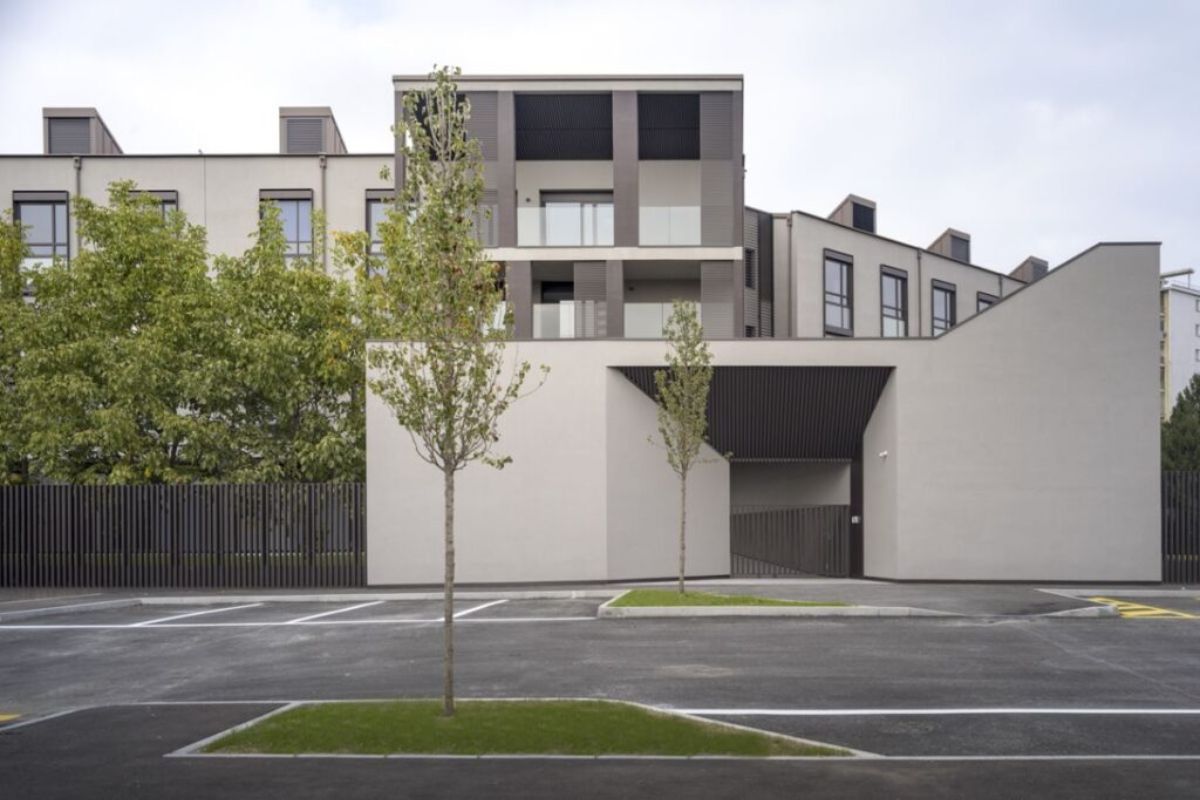
Among the Turin-based studios that have built a solid and coherent profile over time in the field of urban transformation and living, PICCO Architetti occupies an important position. Founded in the 1990s and active at different scales, the studio has developed a practice that combines design research, redevelopment of existing buildings, housing, and complex programs, with particular attention to the relationship between architectural quality, collective use, and process sustainability.
In Turin, this approach is clearly visible in interventions such as the new IAAD headquarters within the transformation of the Nuvola Lavazza area, developed with Cino Zucchi Architetti. It also appears in projects such as Regio Parco, Living TO – Social Housing, and other operations that show continuous work on housing and regeneration.
Rather than through an immediately displayed authorial signature, the work of PICCO Architetti stands out for an idea of design able to engage with urban complexity, reuse, and new ways of living, contributing concretely to the redefinition of significant parts of contemporary Turin.
Negozio Blu Architetti Associati
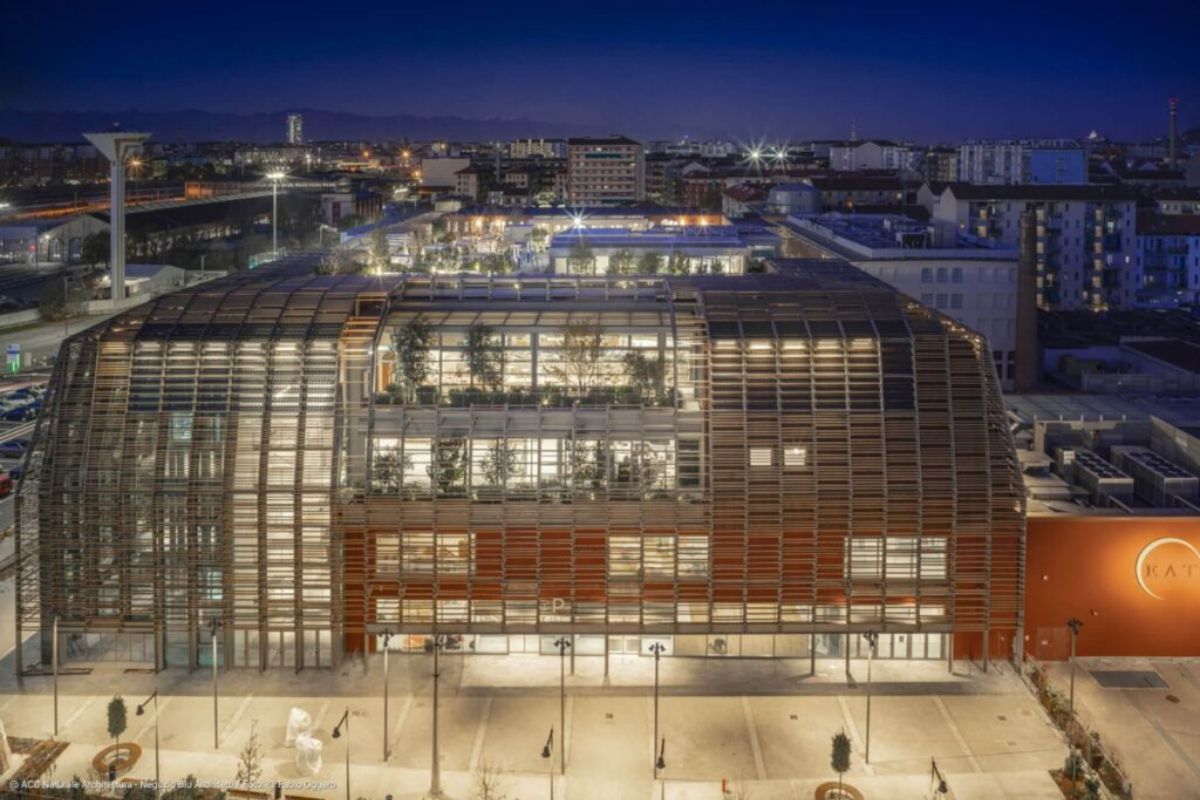
Among the studios that have most consistently interpreted redevelopment and reuse in a contemporary key, Negozio Blu Architetti Associati occupies a significant position in the Turin scene. The studio has worked for years on architecture, the recovery of industrial buildings, residential design, and the transformation of abandoned areas, building a profile that finds one of its most recognizable roots in the relationship between existing and new.
In Turin, this attitude emerges especially clearly in projects such as Lingotto – Eataly, Green Pea, developed together with ACC Naturale Architettura, and the residential building at Corso Matteotti 61. These interventions show a design practice able to move across very different programs without losing coherence.
Rather than focusing on immediately displayed formalism, Negozio Blu Architetti Associati seems to work on the construction of sober yet incisive architectures, attentive to material, conversion, and quality of use. In this way, it helps describe a Turin where contemporary design often passes through the intelligent rewriting of what already exists.
ACC Naturale Architettura
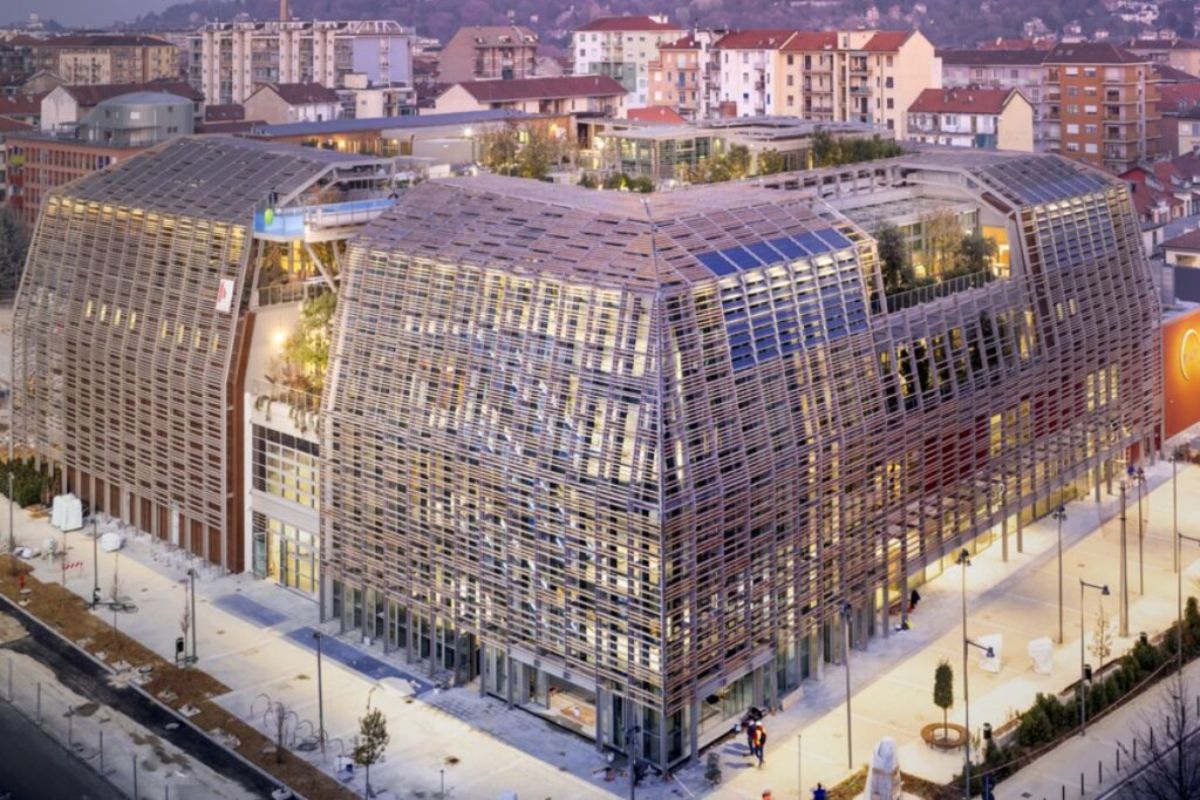
Within the Turin panorama of studios most attentive to the relationship between design, landscape, and sustainability, ACC Naturale Architettura stands out for a practice that connects architecture, interiors, and masterplans with particular sensitivity toward the transformation of the existing fabric.
Its presence in Turin is especially linked to the system of interventions developed in the Lingotto area, including the Green Pea Retail Park, the Green Pea masterplan, and the design of the pedestrian square between the former Carpano and Lingotto factories.
More than on iconic effect, the studio seems to base its identity on an idea of design where vegetation, natural light, materials, and urban continuity work together to create spaces able to dialogue with the contemporary city without breaking the link with the memory of places.
Studio De Ferrari Architetti
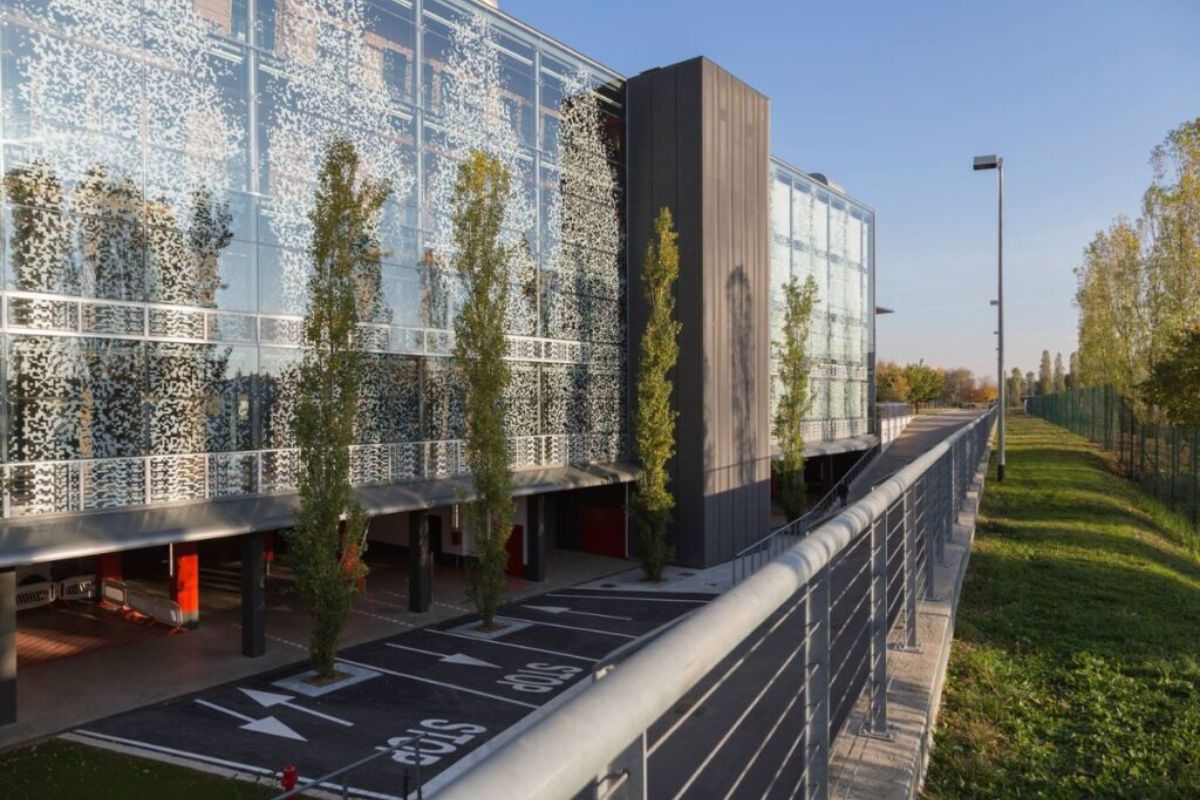
Studio De Ferrari Architetti belongs to that line of Turin-based studios that have built an authoritative presence over time through engagement with urban design, the historic city, and the transformation of complex areas.
Rather than through the spectacularization of language, the studio stands out for a measured disciplinary stance, connected to the reading of contexts and the continuity of work on the territory.
From this perspective, its name remains relevant for its involvement in studies and design visions concerning sensitive parts of the city, such as the Via Po–Piazza Vittorio–Murazzi–Gran Madre district and the former Nebiolo area. These themes place the studio within a long-term Turin reflection on the relationship between public space, heritage, and urban redevelopment.
Marcante-Testa
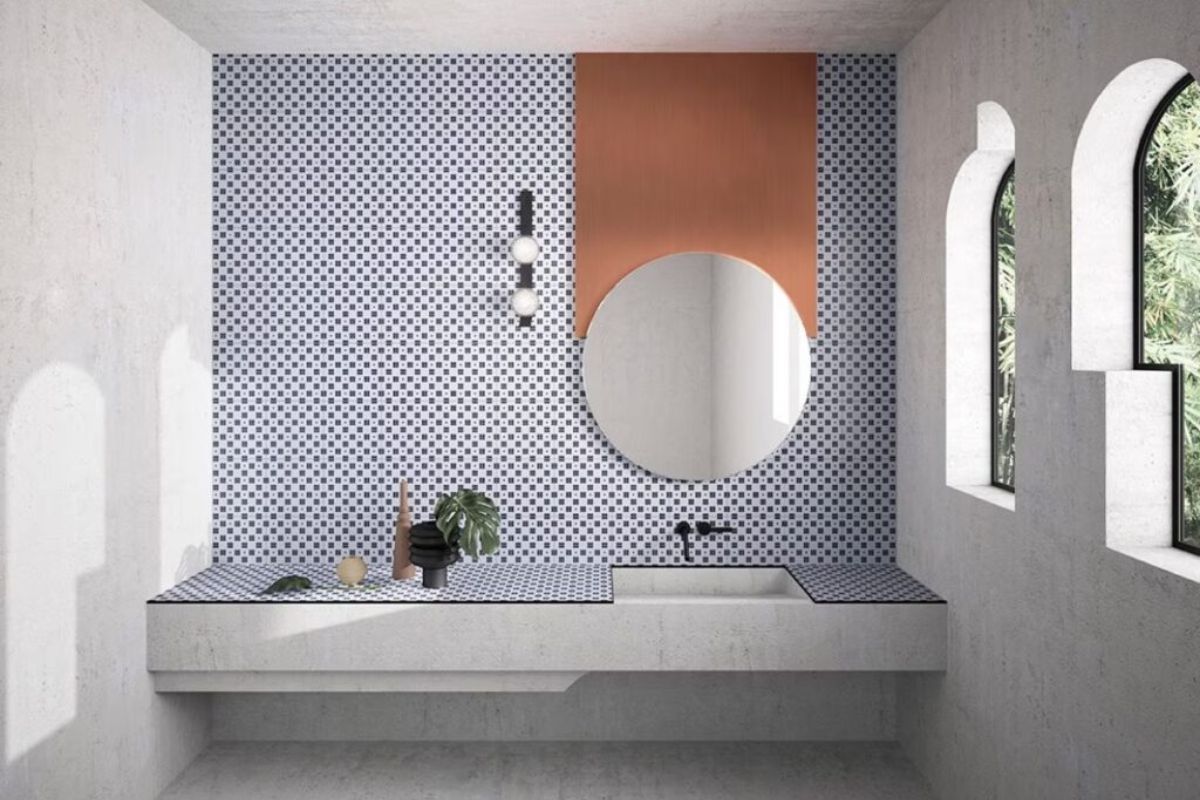
More than in the field of large urban transformation, Marcante-Testa has built its authority on a highly recognizable research path around interior architecture, domestic language, and the cultured rereading of existing spaces.
The studio’s Turin presence remains significant, not only because it is based in the city, but also because of the project for the new IED Turin campus, conceived as an intervention that aims to enhance the existing fabric, reduce demolition, and work with minimal resources.
It is precisely in this ability to make design a critical tool, rather than a simple stylistic exercise, that Marcante-Testa stands out today as one of the most refined names in the contemporary Turin scene.
Pininfarina Architecture
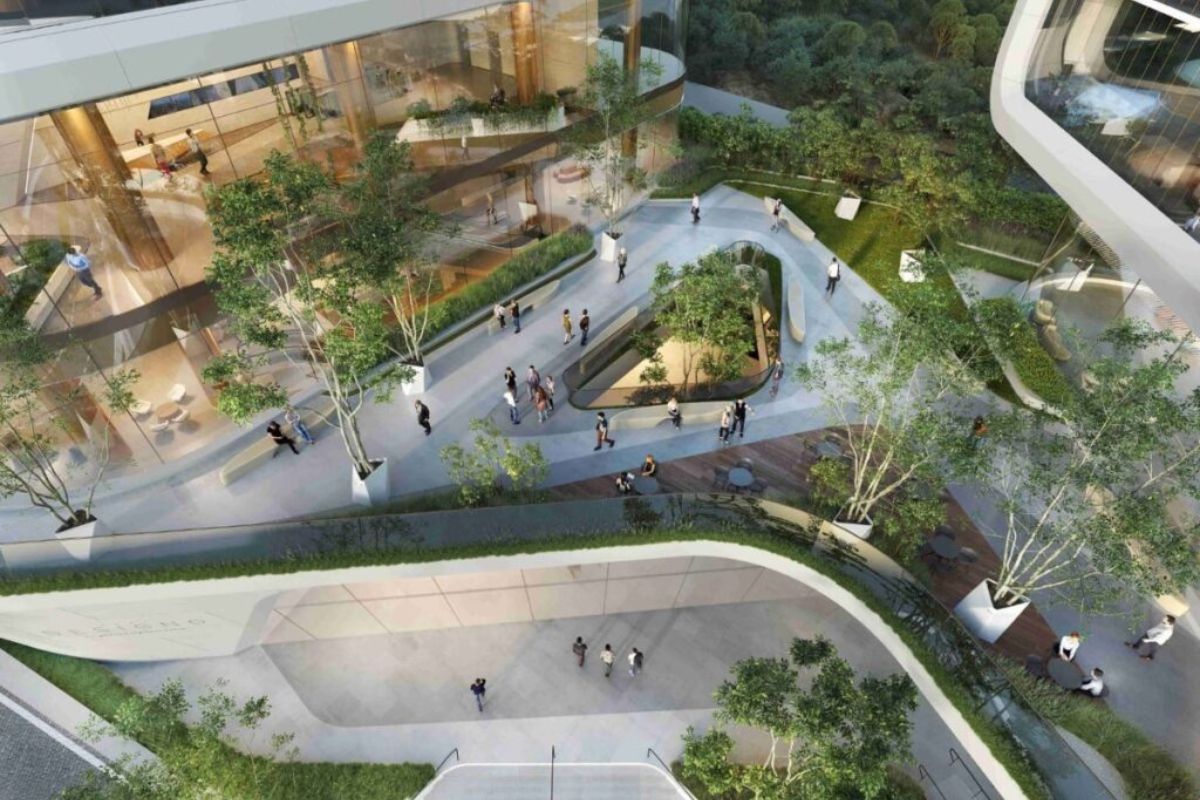
In the Turin context, Pininfarina Architecture occupies a particular position. It is not so much a traditional local studio rooted in the city, but an internationally renowned practice that brings to Turin the symbolic and design weight of a historic Italian design brand.
The Architecture division of Pininfarina presents itself as a field dedicated to projects able to combine timeless beauty, identity, and impact, extending into architecture a design culture matured well beyond the automotive world.
For this reason, even when its role in the Turin scene is not directly comparable to that of city-scale studios, the name Pininfarina remains relevant as a high-profile presence within the region’s design system.
BRH+
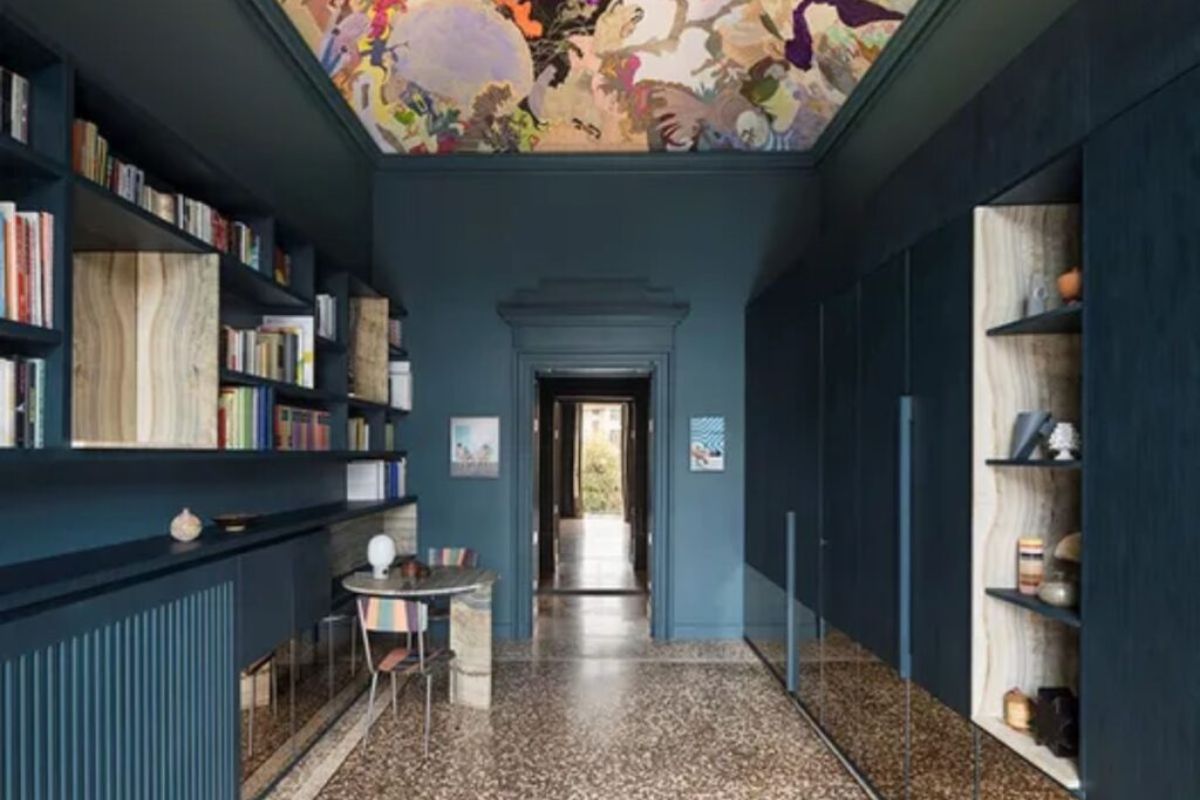
Among the Turin-based practices that approach architecture in a more transversal way, BRH+ stands out for work that brings together design, visual identity, curation, and cultural reflection.
This hybrid nature defines its specificity, making it particularly interesting in a city like Turin, where the relationship between space, culture, and the narrative of design has often played a central role.
In recent years, the name BRH+ has been connected, among other things, to the project for the new Libreria Internazionale Luxemburg / Locale Caffetteria, a historic Turin institution, as well as to the MARCA project, conceived and curated by Barbara Brondi and Marco Rainò.
Rather than a rigidly disciplinary practice, BRH+ therefore proposes a form of design that brings architecture, graphics, exhibition design, and critical thought into dialogue.
Archisbang
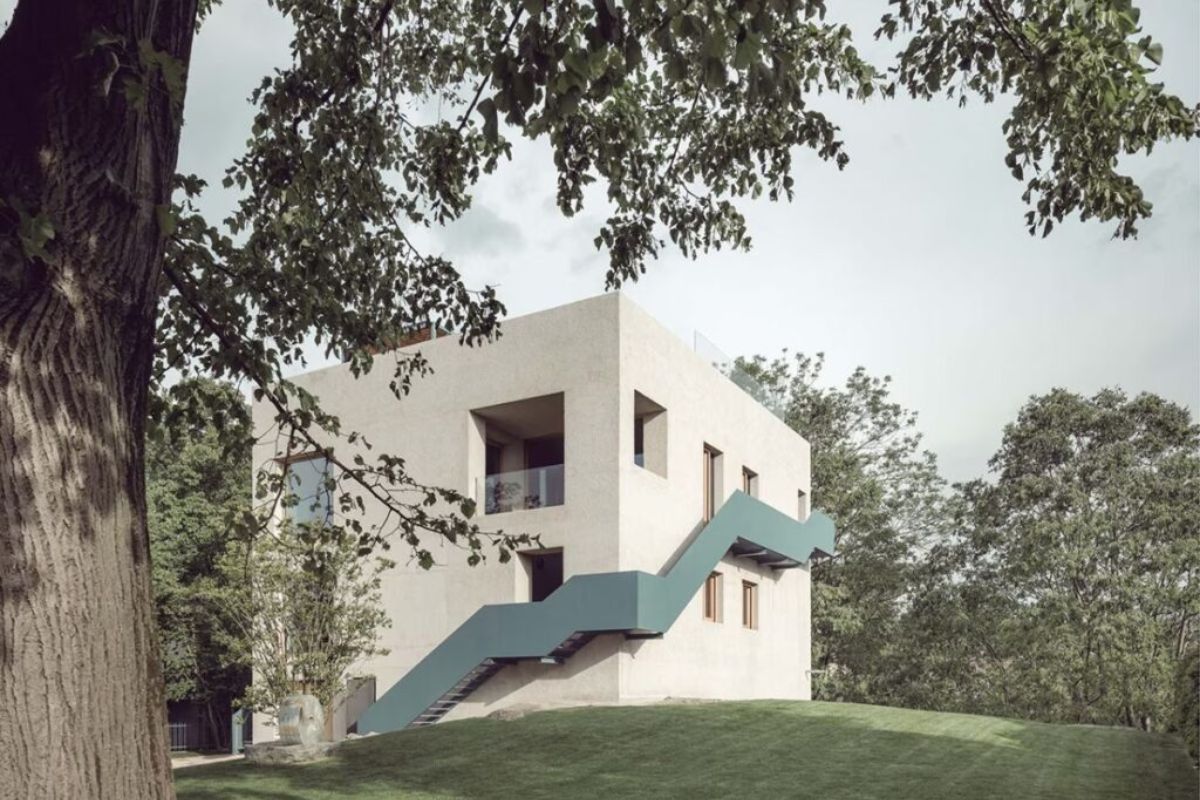
Archisbang is one of the names that best represents a generation of studios able to move between architecture, competitions, educational spaces, and urban interventions with a contemporary but never self-indulgent language.
In Turin, its presence is especially linked to the Giovanni Pascoli school project within Torino Fa Scuola, an intervention that consolidated its visibility within the city.
The studio also appeared among the finalists of the competition for the Cavallerizza Reale, confirming its active participation in the city’s transformation processes and architectural debate.
In this sense, Archisbang deserves attention for its ability to work on public programs and complex contexts without giving up a clear design tension.
Studioata
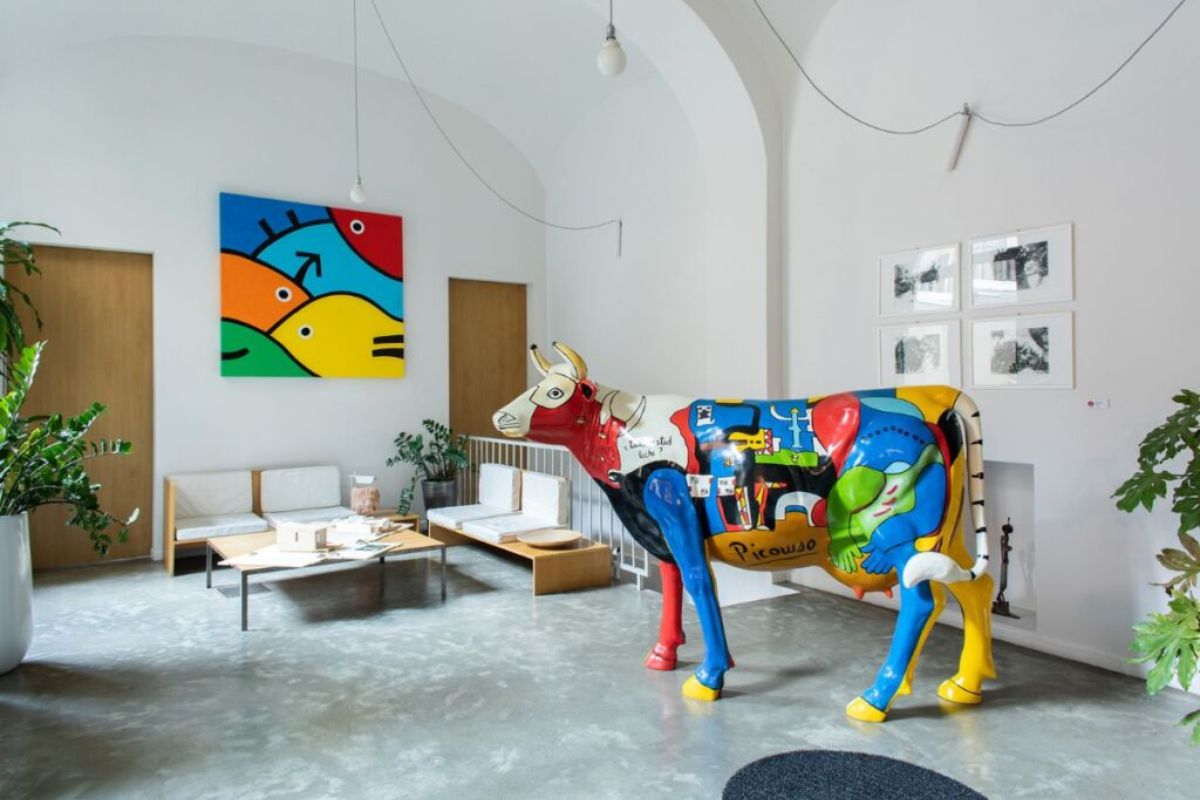
Rather than imposing itself through single iconic gestures, Studioata has built its profile on continuity of work that brings together architecture, interiors, exhibition design, communication, and graphics.
This disciplinary breadth returns the image of a Turin-based studio able to operate on multiple levels while maintaining a recognizable presence within the city’s professional fabric.
The very fact that its activity includes not only architecture but also exhibition and cultural devices makes it significant for reading a certain Turin design tradition, where the construction of space and the construction of language often move together.
Bodà Architetti
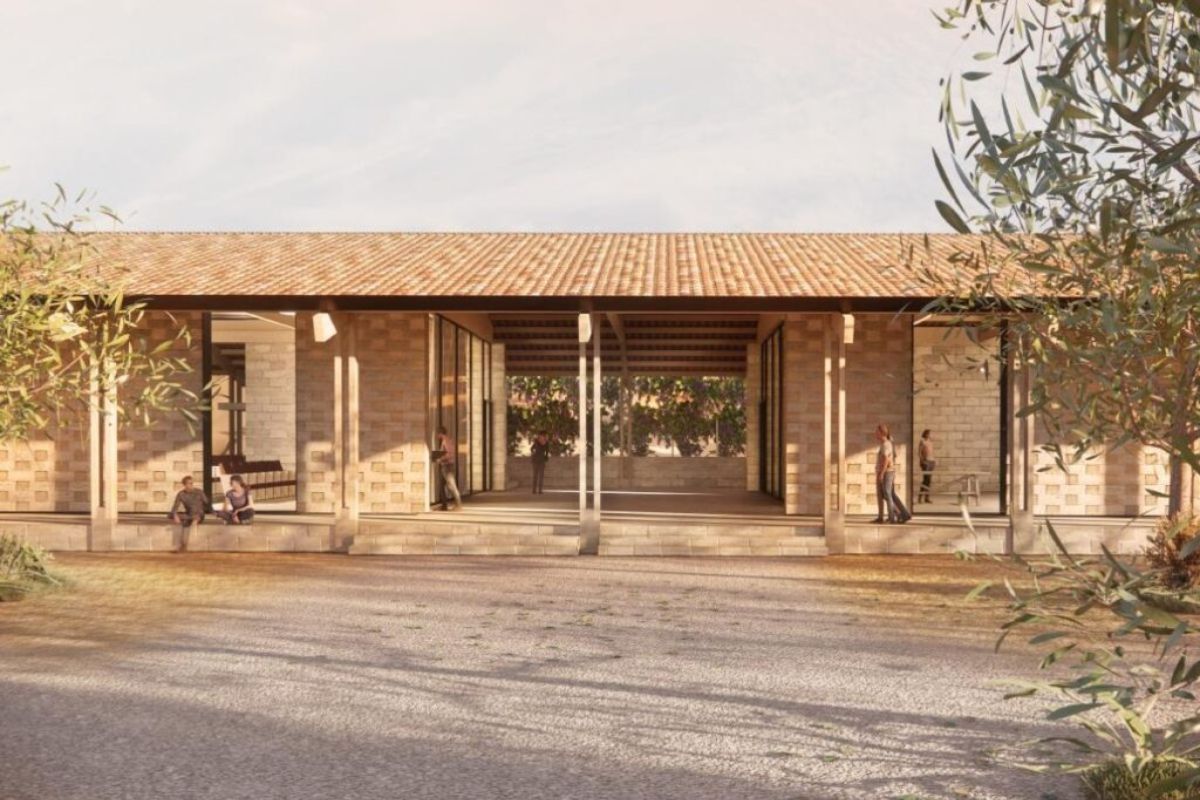
Active in Turin since 2006, Bodà Architetti stands out for an approach that interprets design as an opportunity for research, with declared attention to recovery, reuse, and the improvement of existing spaces.
This stance is particularly coherent with the Turin context, where much of contemporary architecture engages precisely with the transformation of already built spaces.
The projects published on the studio’s website show work that crosses residential design, schools, installations, and small architectural devices, returning the image of a practice more interested in precision and intervention quality than in demonstrative effect.
PAT. Architetti Associati
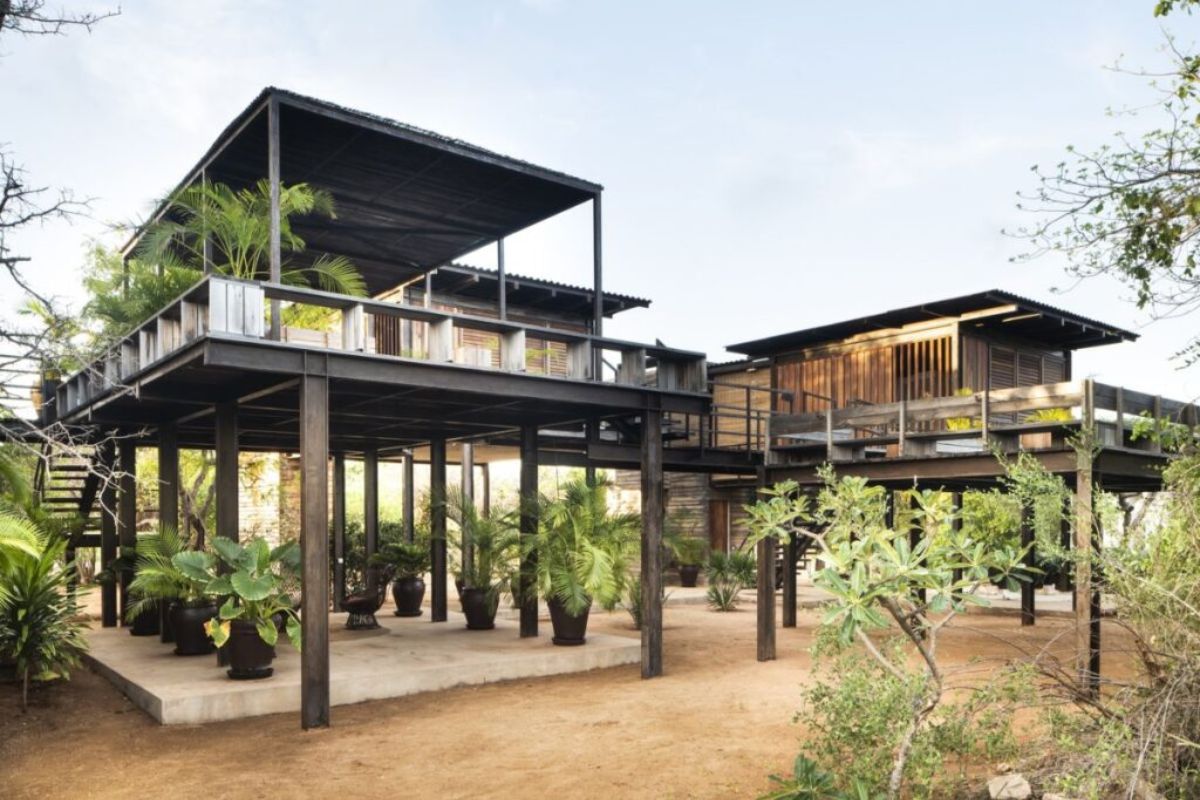
Among the most interesting Turin-based names on the boundary between architecture, interiors, and cultural spaces, PAT. Architetti Associati has strengthened its presence in the city especially through the GAM – Lotto Zero project, the first phase of the renewal of the Galleria Civica d’Arte Moderna e Contemporanea di Torino.
Completed in 2024 for Fondazione Torino Musei, the project involved the reception areas, the second floor, and the so-called Deposito vivente, receiving attention from publications such as Domus.
Alongside this, the studio presents itself as an integrated practice oriented toward sustainability, qualities that make it particularly relevant within a Turin context where cultural projects and the redevelopment of museum interiors are once again becoming central.
Officina 8A
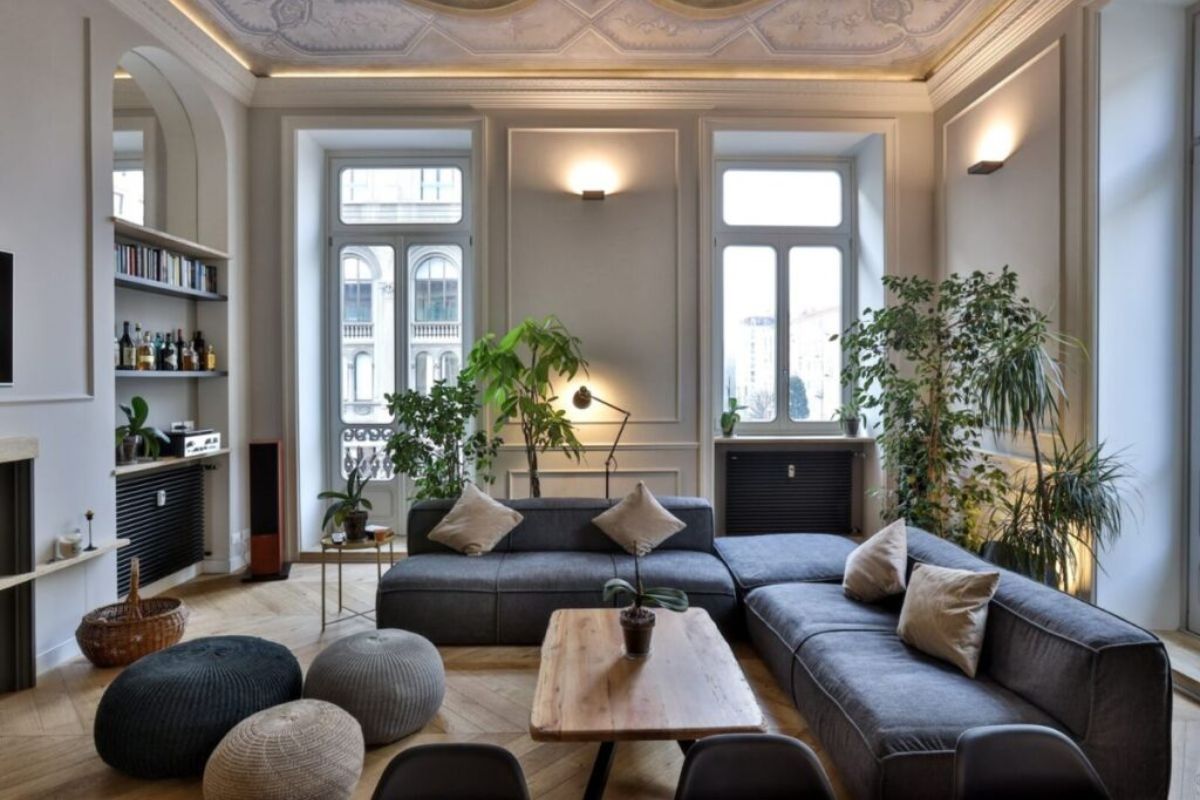
Officina 8A belongs to that constellation of Turin-based studios that have found a particularly recognizable field of work in interior renovation and the quality of domestic design. The studio works on architectural design, interior design, and graphics, and has built over time a coherent presence especially through residential interventions in the city context.
The publications mentioned on its website, including Abitare and Ville & Casali, together with projects located in the center of Turin and in districts such as Crocetta, help define an elegant profile, attentive to material and to the dialogue between historic layout and contemporary sensitivity.
2MIX Architetti
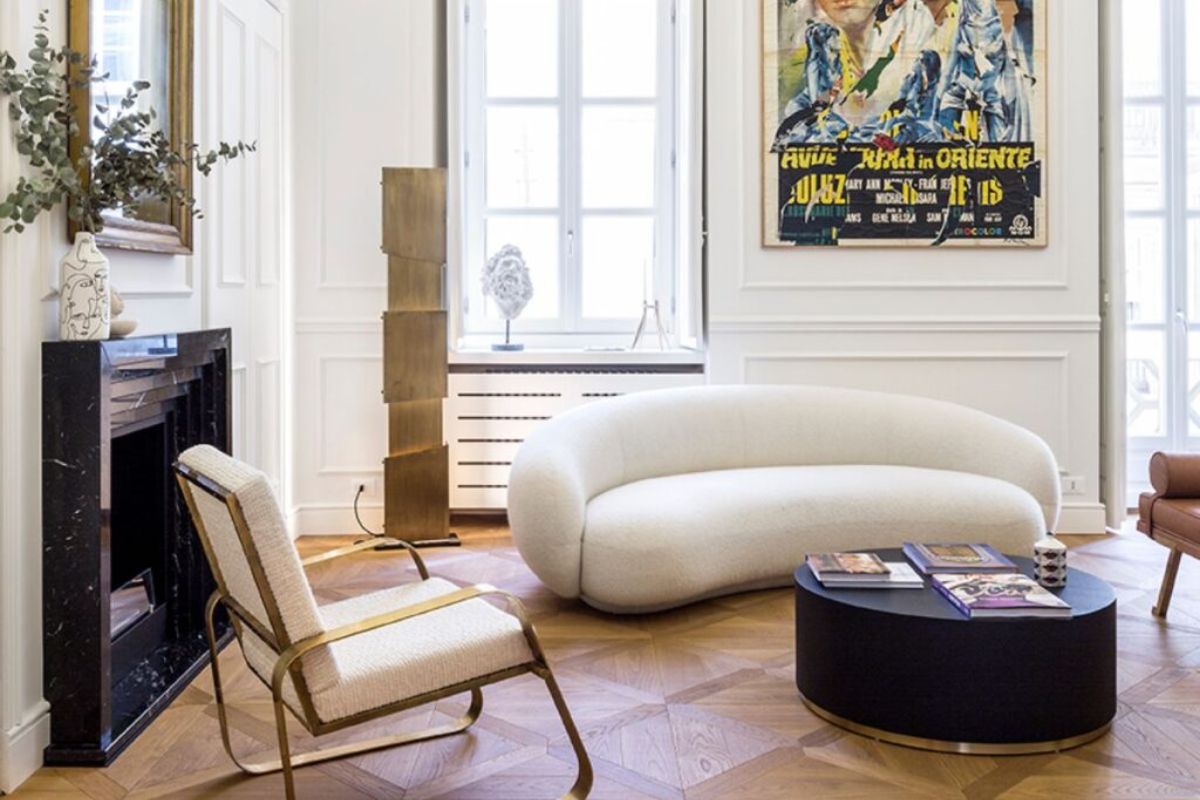
Among the Turin-based studios working on the relationship between redevelopment and built heritage, 2MIX Architetti stands out for a practice that crosses different contexts and scales without moving away from the theme of transforming the existing fabric.
The studio’s portfolio includes projects such as Palazzo Alfieri, described as a redevelopment “in balance between past and contemporaneity” in the heart of Turin, and the Cavallerizza Reale of Turin, confirming its interest in places with high historical and symbolic density.
These are joined by other Turin-based works in the portfolio, such as Casa PI and Casa DA, which return the image of a practice active both in recovery and in contemporary living.
In a city like Turin, where design often engages with layered buildings and already strongly characterized contexts, 2MIX Architetti represents a coherent presence in the field of redevelopment and the rereading of existing spaces.
G*AA / Giaquinto Architetti Associati
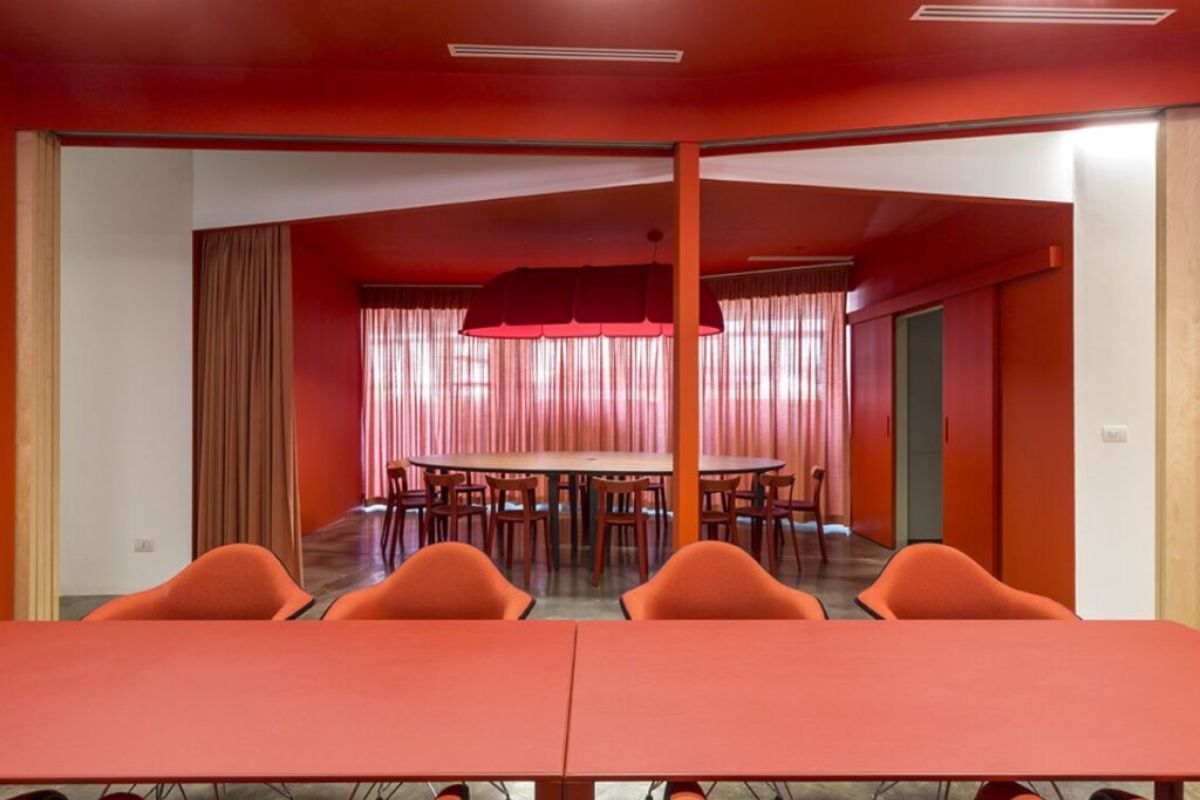
G*AA / Giaquinto Architetti Associati represents a long-standing Turin presence, founded on a history that dates back to the late 1960s and on a practice able to move across public works, commercial structures, hospitality, restoration, and residential design.
Its roots in the city emerge both from its main office in Turin and from several projects in the portfolio, such as Hotel Victoria Torino, Carlo Felice Torino, Torre Solferino, and Via Riberi 6. These works show a constant interest in redevelopment, the enhancement of existing buildings, and high-end interventions within the urban fabric.
More than for a single linguistic gesture, the studio stands out for operational continuity, which makes it one of the stable references in the Turin scene.
Due Linee Architettura
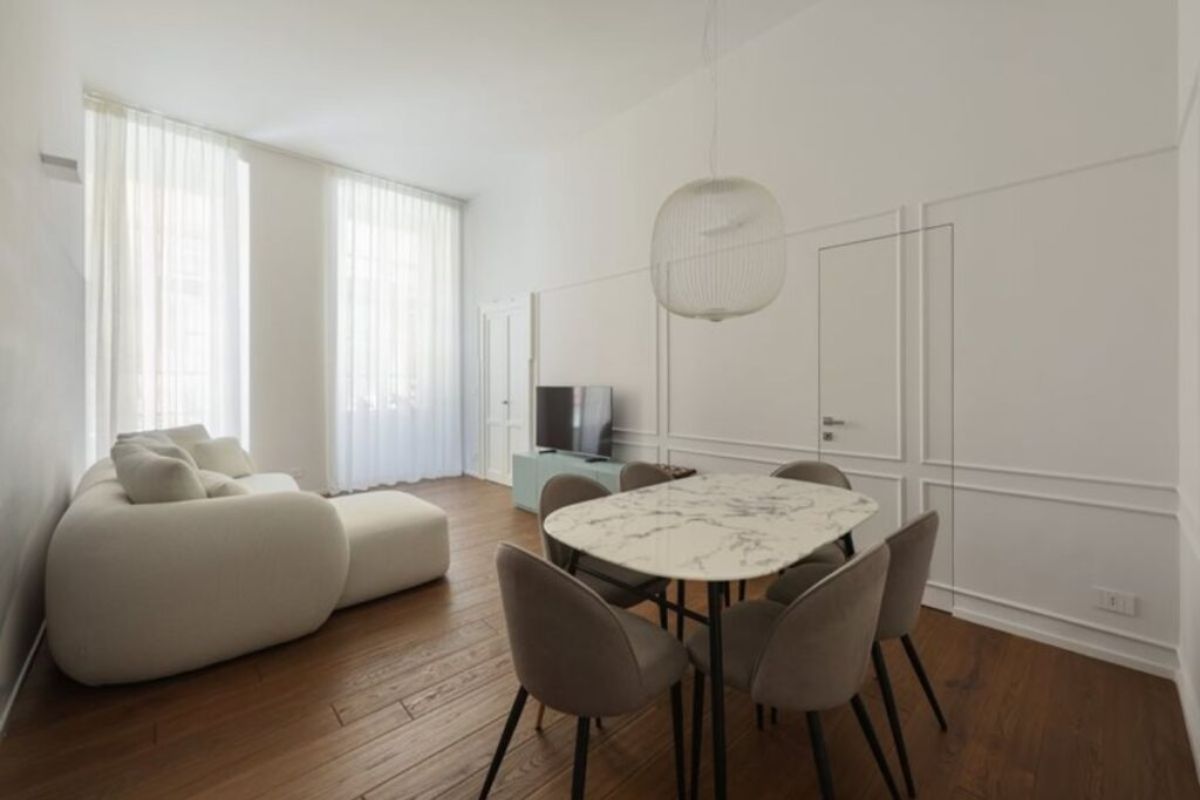
Among the most interesting practices in the contemporary Turin scene, Due Linee Architettura stands out for a multidisciplinary approach that combines architectural design, structural design, interior design, and technical management of the intervention.
The studio works on a dimension of design strongly connected to living, understood not as an abstract category, but as a space to be built around those who inhabit it.
This approach also emerges in the works published on its website, which include interventions carried out between Turin and Piedmont, such as Monastere and Docsity in Turin.
In a selection like this, Due Linee Architettura belongs for the continuity of its work, the clarity of its profile, and an idea of contemporary design that privileges precision, spatial quality, and operational concreteness.
Fragomeli and Partners
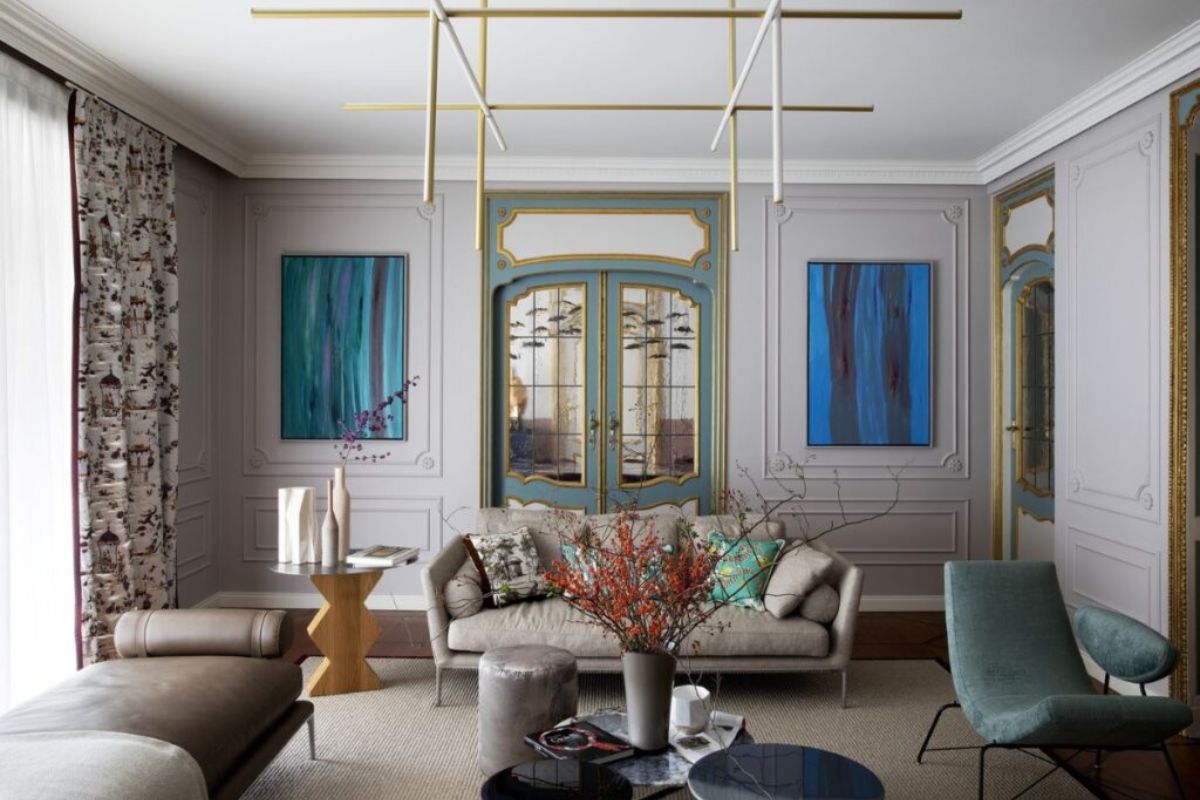
Founded in 2008 by architect Fabrizio Fragomeli, Fragomeli and Partners is a Turin-based studio that has consolidated over time a recognizable presence in the field of high-end architecture and interiors.
Since 2014, with architect Angelica Morra joining as partner, the studio has further expanded its field of work, operating across residential projects, interiors, and nautical design.
Its design identity is especially connected to the creation of private villas in Italy and abroad, with strong attention to detail, compositional balance, and an idea of measured elegance that tends to move away from stylistic contingency.
For this reason, Fragomeli and Partners occupies a precise place within the contemporary Turin scene: that of a studio that interprets design as the construction of refined, calibrated, and lasting spaces.
SCEG Architetti
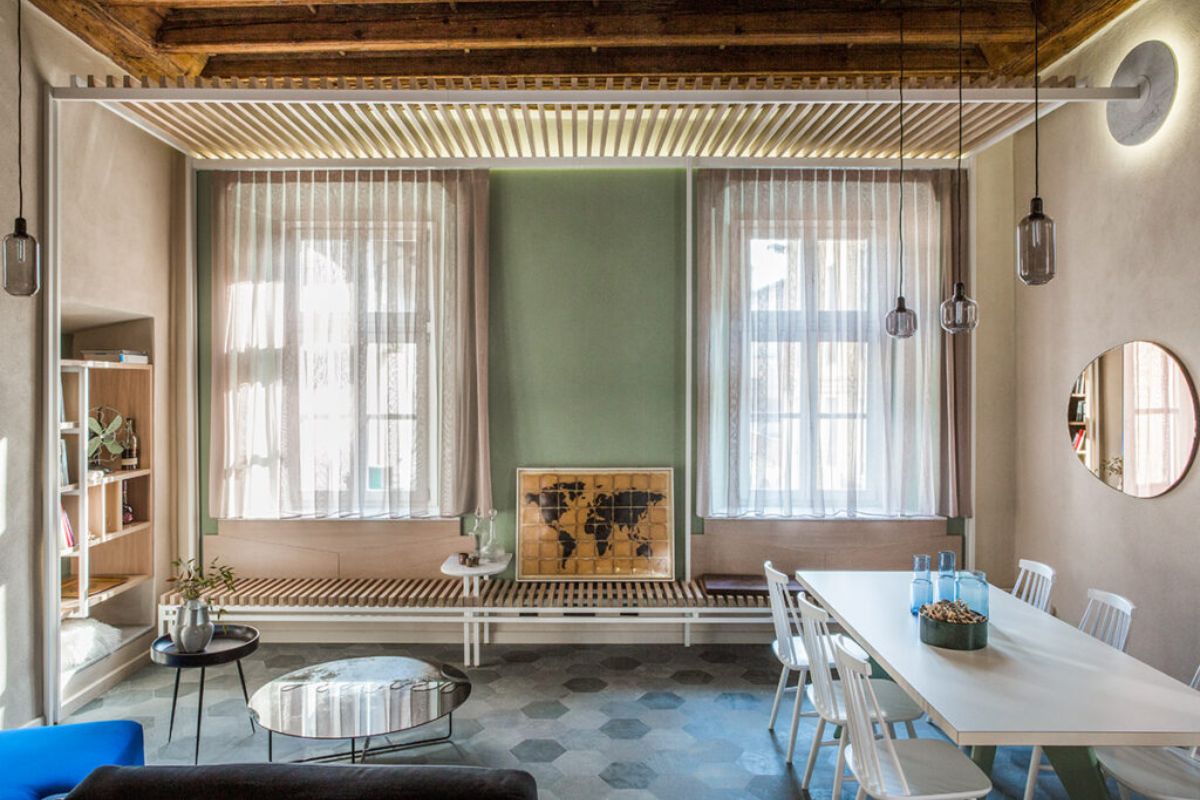
Based in Turin, SCEG Architetti develops a practice that crosses architecture, interiors, art, and design, moving continuously between public and private projects.
Its activity includes different types of interventions, from residential to commercial scale, with works such as XENO-DOCHIO, FIT.MILK, and URBAN BAZAAR. These projects return the image of a studio able to operate on different programs while maintaining a recognizable profile.
Founded by architects Stefano Carera and Eirini Giannakopoulou, SCEG belongs to that group of contemporary Turin practices that build their identity not through one single specialist field, but through a transversal design approach, attentive to space, use, and language definition.
De Leo & Drasnar
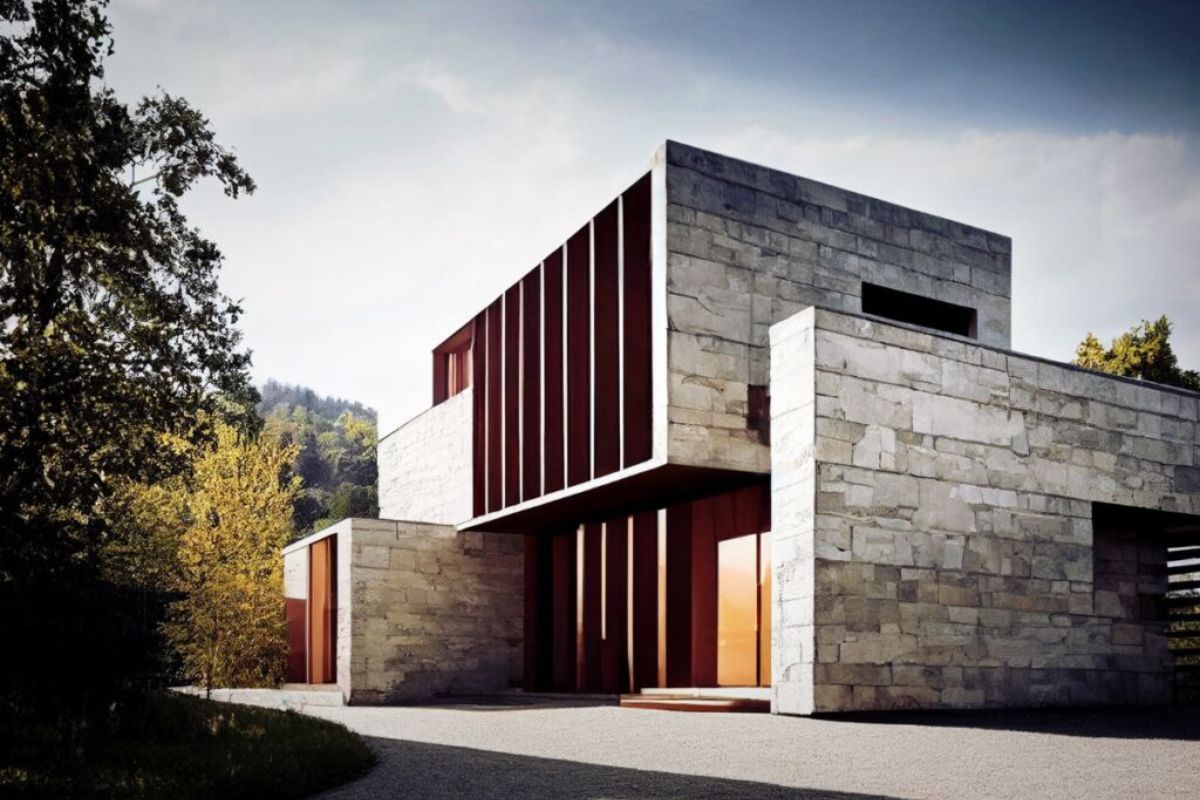
De Leo & Drasnar is an architecture and interior design studio based in Turin and Singapore, a dual presence that helps define its profile in a more international and recognizable way.
The studio’s work focuses on the design of unique interiors, with particular attention to spatial quality, project customization, and the creation of environments with a strong identity.
In a selection dedicated to the 25 architecture firms in Turin to know today, De Leo & Drasnar belongs because of this ability to combine local roots and broader openness, bringing to the Turin scene a design sensitivity oriented toward contemporary interiors and a measured yet distinctive vision of space.
MSA Studio di Architettura e Design
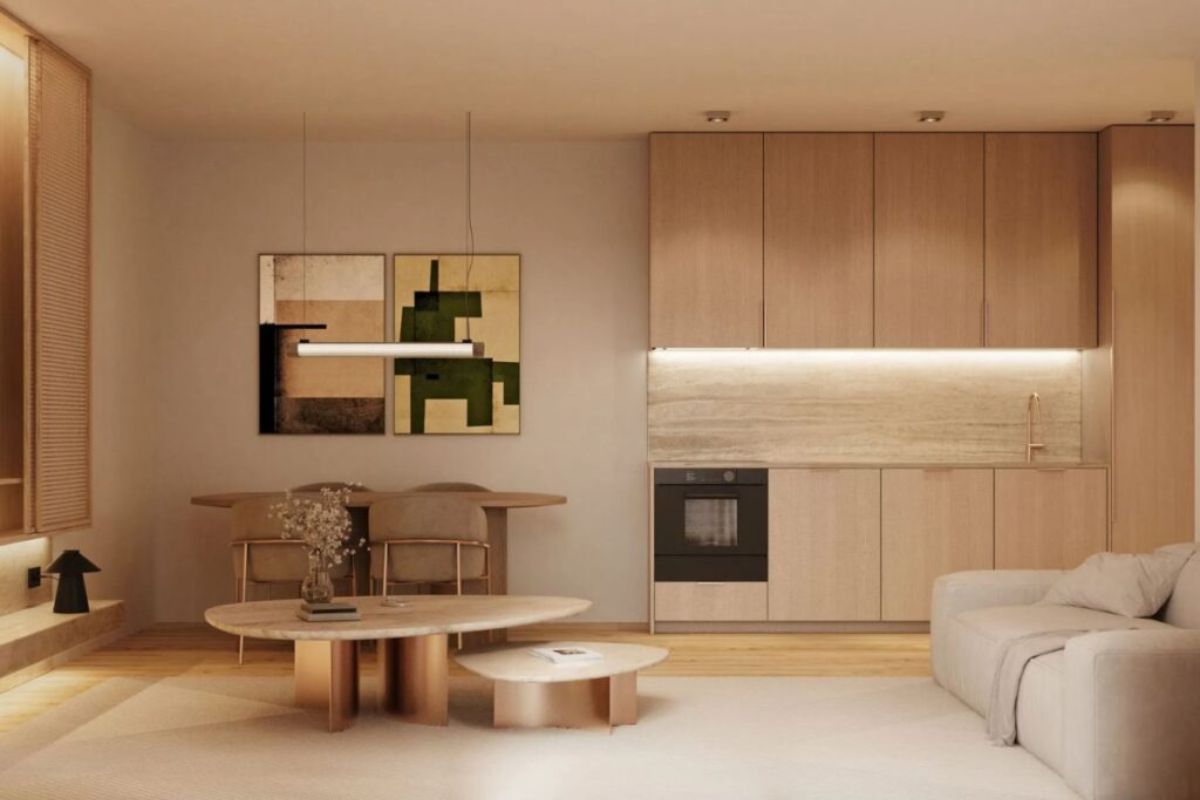
Among the most active Turin-based practices in the field of interior architecture and contemporary residential design, MSA Studio di Architettura e Design stands out for a particularly recognizable presence today.
Led by architect Matteo Serluca, the studio works on an idea of space attentive to the quality of living, detail, and the definition of environments able to combine comfort, character, and design coherence.
In a selection dedicated to the 25 architecture firms in Turin to know today, MSA belongs precisely for this ability to build a clear, visible, and contemporary identity, increasingly readable also in terms of communication and public presence.
Base Architettura
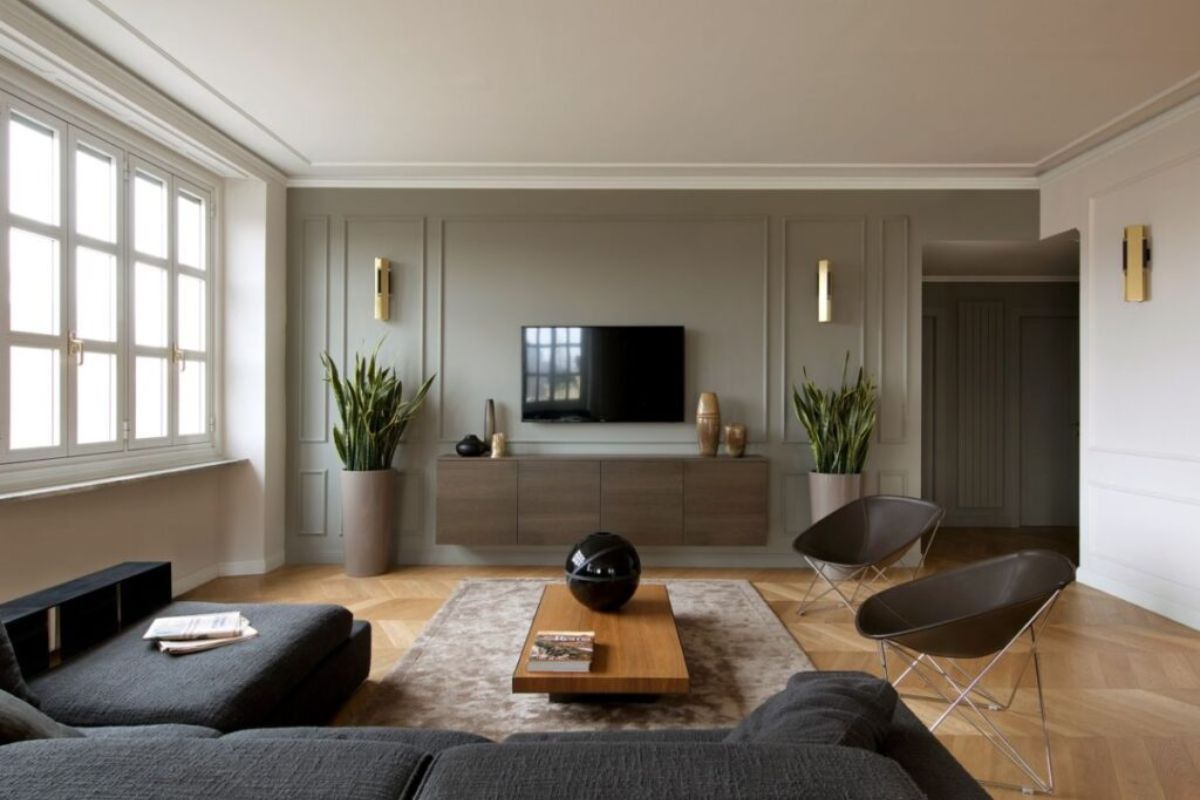
Founded in 2000 by Alessandro Bruno, Enrico Scafidi, and Luca Trabucco, Base Architettura is a Turin-based studio structured to follow the entire design process, from feasibility study to realization.
Its field of work includes forms of living, corporate and commercial spaces, material applications, and the coordination of different skills within a single structure.
Among the documented experiences in Turin are residential buildings, office buildings, retail spaces, and the winning competition for underground parking facilities promoted by the City of Turin. These elements confirm the studio’s presence within the local professional fabric.