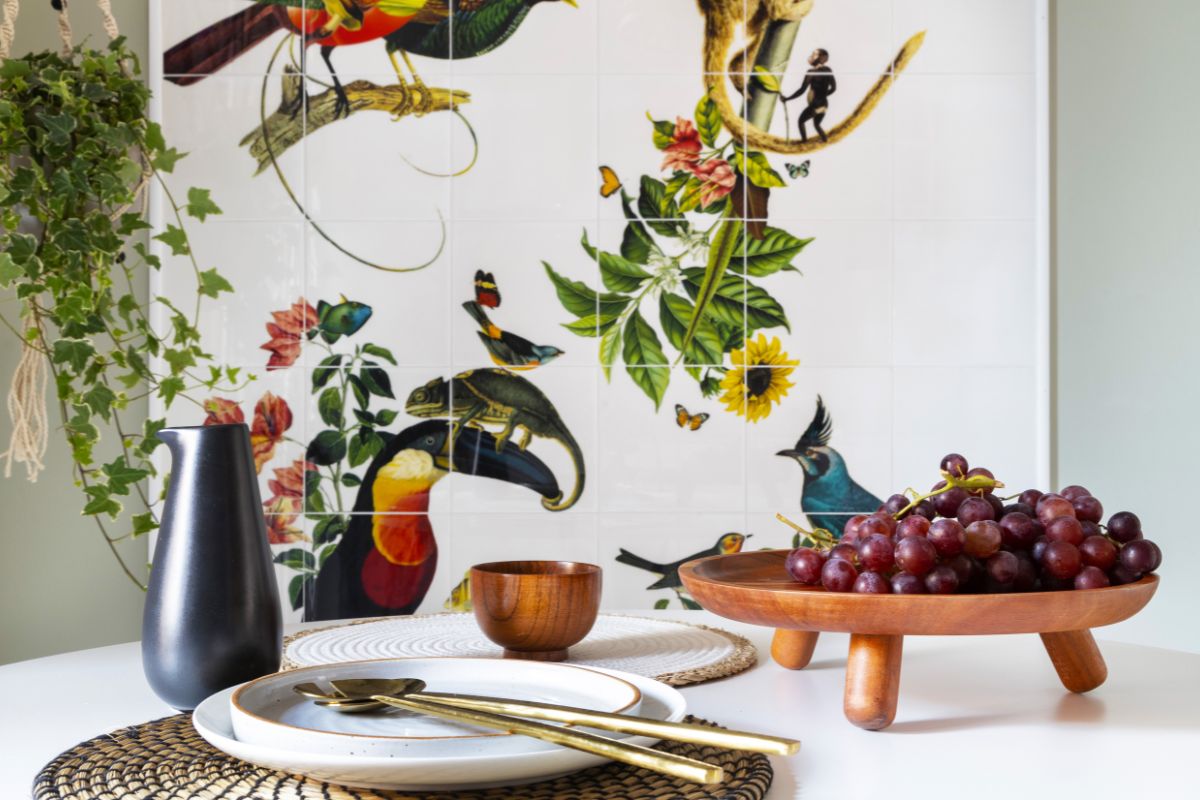
There is a precise moment when a home stops being a backdrop and becomes something more. It does not happen when you buy the right sofa, nor when you choose the color of the walls. It happens when choices begin to speak to one another, when the space starts to tell the story of those …
There is a precise moment when a home stops being a backdrop and becomes something more. It does not happen when you buy the right sofa, nor when you choose the color of the walls. It happens when choices begin to speak to one another, when the space starts to tell the story of those who live in it.
And yet, this moment is rare, because homes are often furnished out of urgency, imitation, or subtraction: inspiration is found on a platform, a style is identified, and its most recognizable elements are replicated. The result is a space that may be correct, perhaps even beautiful, but impersonal. A home that could belong to anyone.
It is no coincidence that many contemporary homes are beginning to look alike. Images circulate continuously, algorithms reward what is already recognizable, and entire aesthetics are replicated from one platform to another until they lose every personal root.
In this scenario, new design sensitivities are emerging, interested in moving beyond the idea of a domestic space that is simply “correct”, in order to create interiors capable of expressing a precise, distinctive, sometimes even imperfect character — if we understand imperfection in its most authentic and vital meaning.
A narrative interior design project starts from a different assumption: the home is not a container to be filled, but a text to be written. And like every text, it needs a point of view.
A point of view that, by its very nature, is unique and inevitably partial.
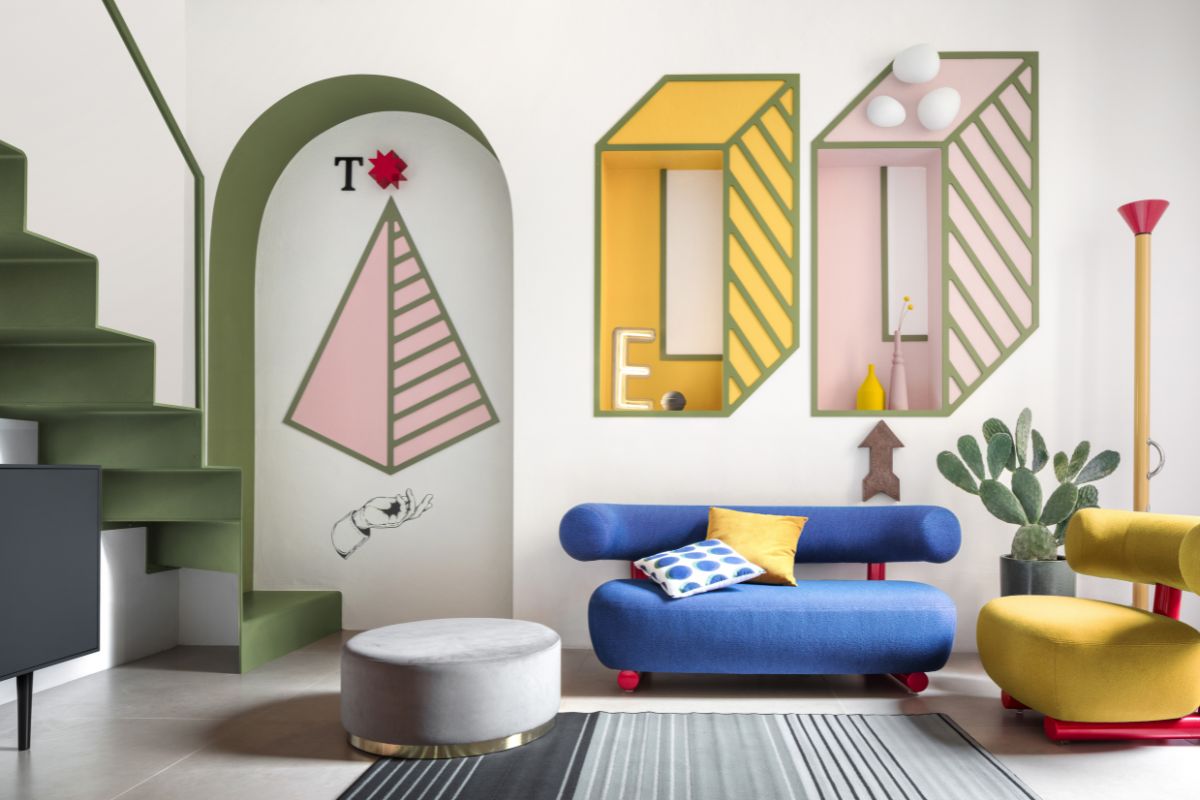
Color is not chosen, it is recognized
Color is the first and most powerful tool of domestic identity. Yet it is often treated with the most superficial approach: people look at the trend of the year, choose the sage green or dove grey that is currently popular, and then, a few months later, wonder why that space does not feel truly their own.
The color palette of a home should answer more intimate questions. Which colors return in clothing, in the objects chosen instinctively, in the places where one feels good? The color that works is not the most beautiful in absolute terms. It is the one that resonates with the person living in the space.
This does not mean giving up a contemporary language. It means starting from oneself and then opening up to possibilities. A warm neutral base — off-whites, deep beiges, warm greys — can become the background for one or two more personal accents: a dark purple behind the bed, a pistachio green repeated in window textiles, a midnight blue on an architectural element.
Coherence is not uniformity. It is recognizability.
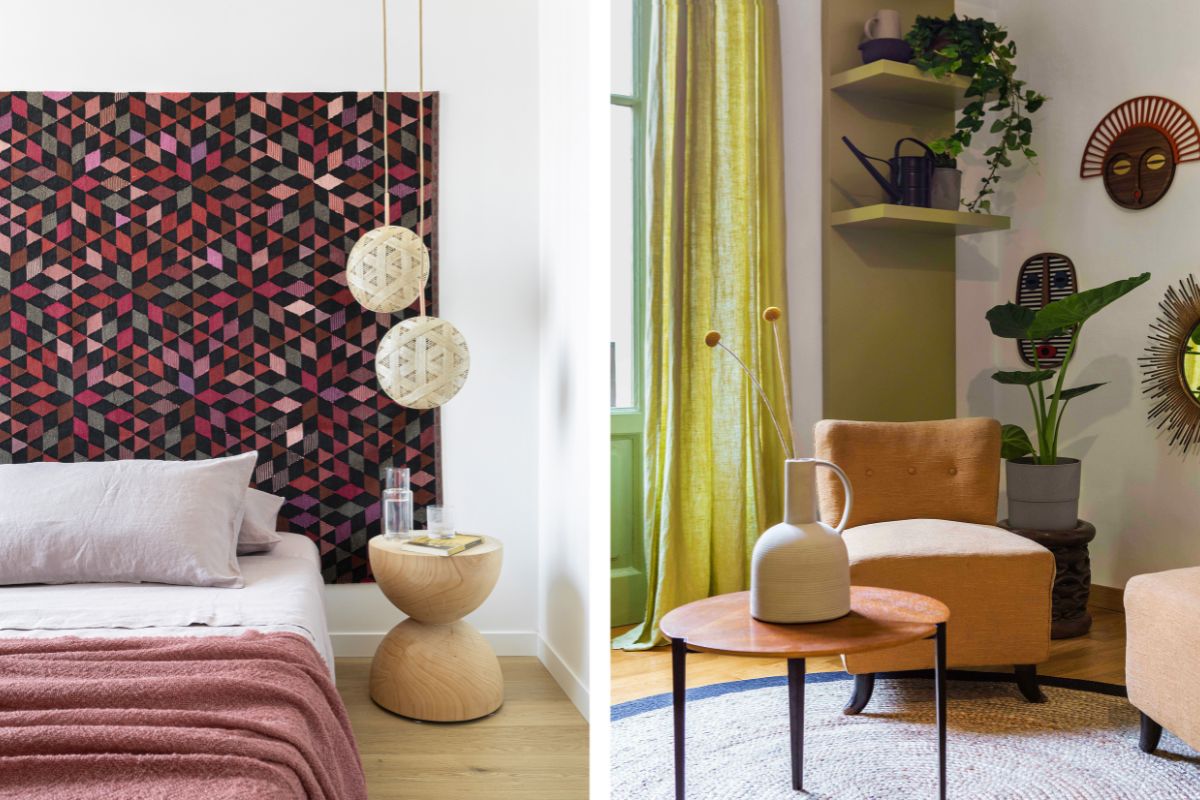
Furniture as character choices
If color is the tone of voice, furniture is the words. And like words, furniture is not chosen only for its immediate meaning, but for the way it sounds together with everything else.
A piece of furniture has a shape, a material, a proportion, a visual weight. Every feature communicates something: the solidity of solid wood says something different from the lightness of a thin metal structure. A low, wide sofa evokes a different idea of living from a high, rigorous seat. It is not about judging one as better than the other. It is about asking which one better tells who you are.
In this sense, one of the most common mistakes is choosing furniture piece by piece, without an overall vision. The table is bought in one showroom, the sofa in another, the bookcase online. The result is a sum of pieces, not a project.
A narrative interior does not come from the accumulation of interesting objects, but from the relationship they manage to build with one another. It is this relationship that generates atmosphere, memory, and recognizability.
A narrative project, instead, starts from a hierarchy: it establishes which element is the protagonist of the space — often the sofa in the living room, the bed in the bedroom — and builds a coherent composition around it.
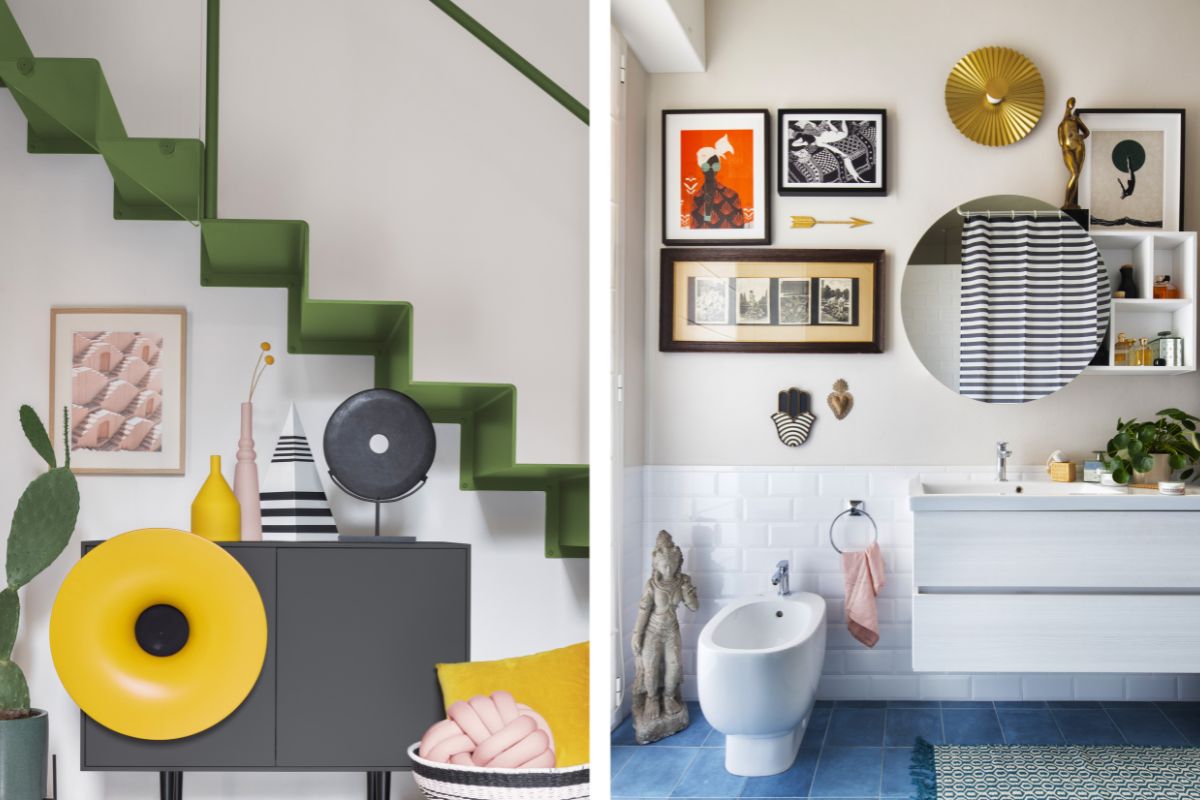
The mix between standard and unique
Furnishing an entire home with collectible design pieces is a privilege for few. But introducing one or two elements outside the industrial circuit — a vintage piece found at a market, a handcrafted object, a limited edition — changes the narrative quality of an entire room.
These elements carry a story with them: the story of those who made them, of the time they required, of a different idea of value from serial production. Next to a sofa chosen in a showroom, a chair with a story transforms the meaning of the whole room. Not because it is more expensive — often it is not — but because it adds that singular voice that makes the space unrepeatable.
The same logic applies to decorative objects, textiles, and lighting. They do not need to be many. They need to be chosen well.
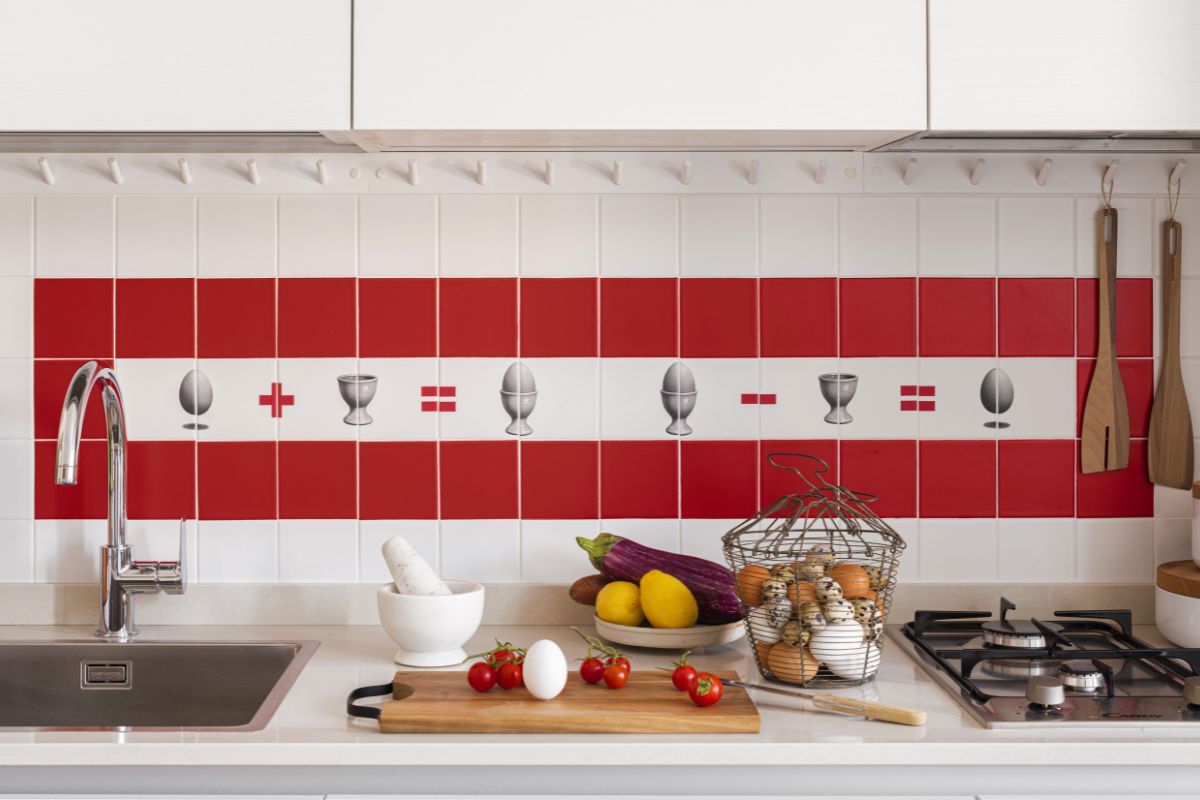
A project that is built over time
A narrative home is not completed in a single day. In fact, it is often wise to be suspicious of interiors finished too quickly: a space that is assembled over time has more layers, more authenticity, more life.
This means there can be empty spaces, pauses, missing pieces deliberately left for the future. Not as a renunciation, but as an opening: the home also tells the story of what is not there yet.
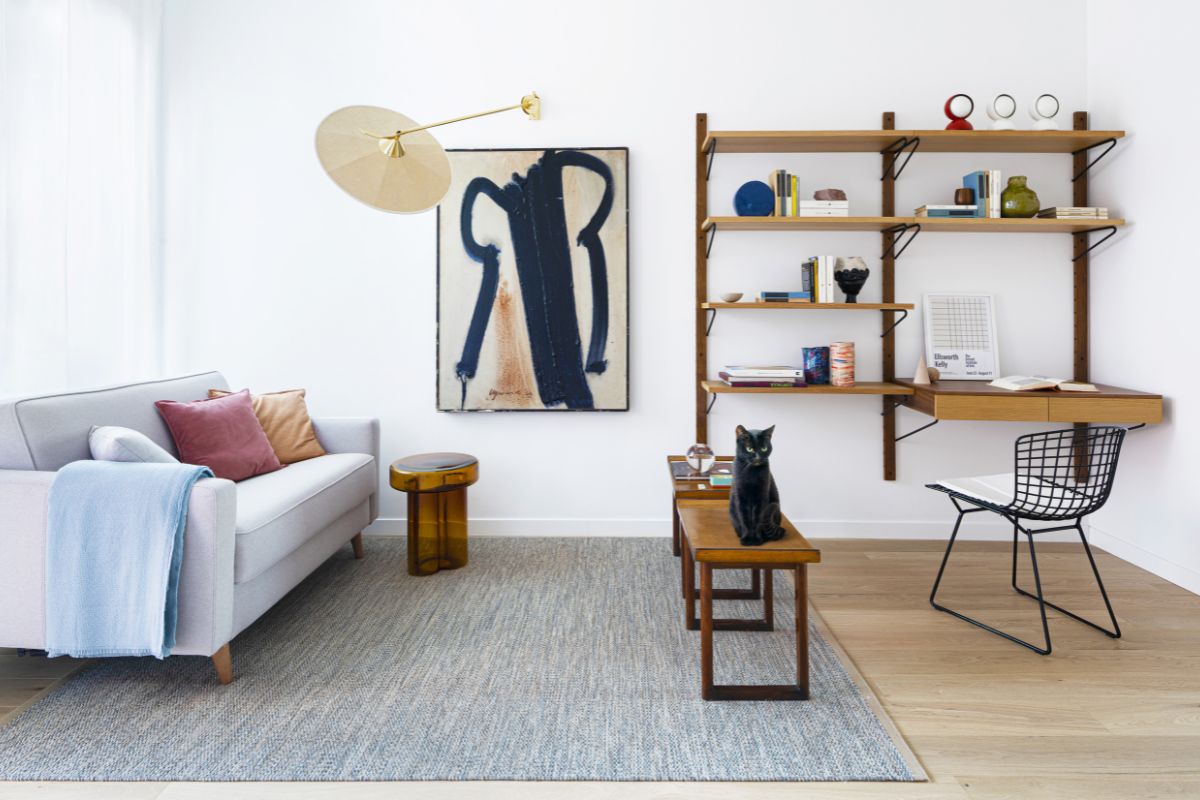
When a co-author is needed
It is not always easy to translate identity into spatial choices alone. Finding coherence between who someone is, the space available, and the concrete possibilities requires expertise and an external eye.
This is what the interior designers in Milan at Paradisiartificiali do: they do not impose a style, but help build a project that is coherent with the personality of those who live in the home.
It is a process that starts with listening — to the space and to the people — even before drawing begins.
Because designing a home often means giving shape to something people clearly perceive as their own, but still struggle to name.
When the intervention also involves renovation, the narrative dimension intertwines with the technical one: spatial distribution, choice of materials, quality of natural light. In these cases, you can always turn to Paradisiartificiali. If you live in Milan or its province, you can ask for the support of an architect for home renovation in Milan.
Their role is to hold together the two dimensions — the technical and the identity-driven — without allowing one to sacrifice the other.
Because a home that works and a home that tells a story are not alternative goals. They are the same goal, seen from two different angles.