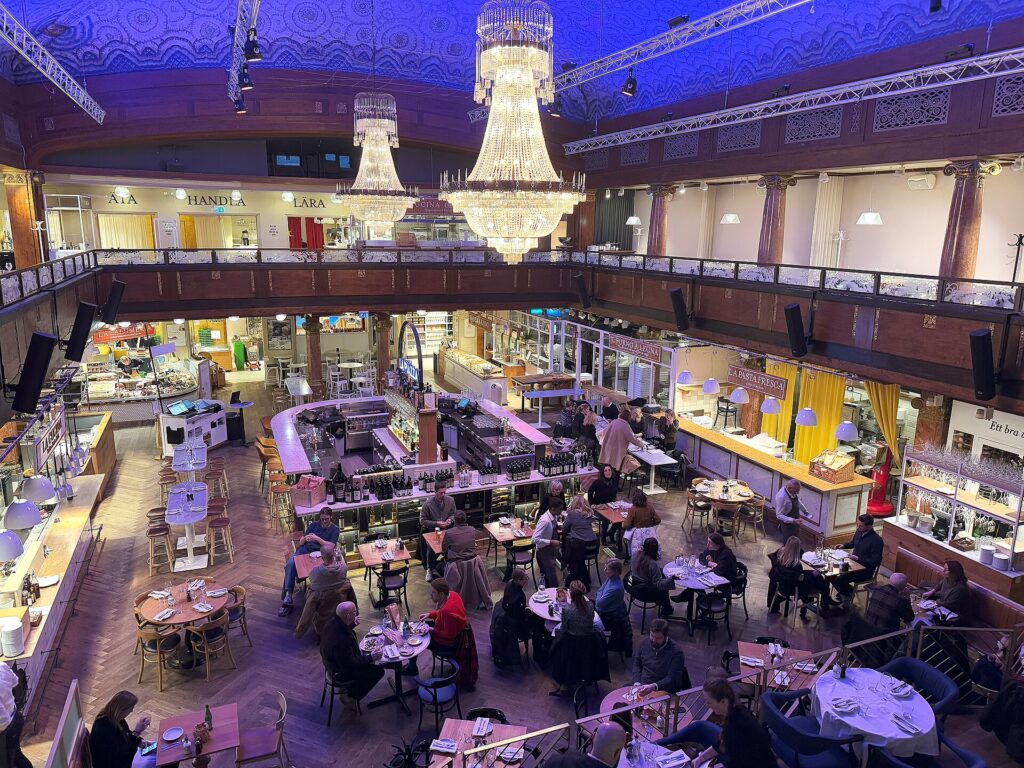
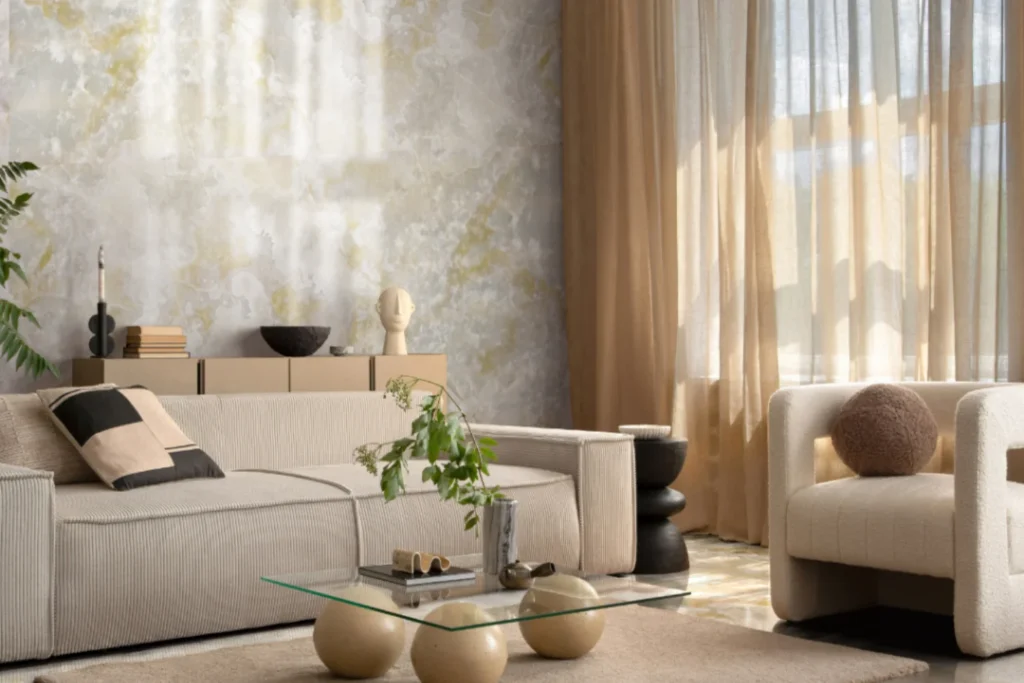
The tablecloth is making a return because the home is once again asking for rituals, not just beautiful surfaces to photograph. After years of exposed tables, essential runners and pared-back place settings, the table is rediscovering the value of fabric as a gesture of welcome, a decorative element and an integral part of the domestic …
The tablecloth is making a return because the home is once again asking for rituals, not just beautiful surfaces to photograph. After years of exposed tables, essential runners and pared-back place settings, the table is rediscovering the value of fabric as a gesture of welcome, a decorative element and an integral part of the domestic interior.
At the heart of this return is the linen tablecloth. It does not evoke stiff formality, but a more natural idea of elegance. Its tactile texture, soft drape and ability to bring light to the table make it the ideal foundation for creating a refined mise en place: considered, current and never excessive.
Today, setting the table is no longer only about following the rules of etiquette. It means choosing an atmosphere, creating proportion between the elements, enhancing materials and colours, and making visible a sense of care before the meal even begins. In this way, the table becomes one of the most expressive places in the home: a space where aesthetics, function and hospitality meet with quiet ease.
How to set the table with a linen tablecloth
To understand how to set the table with elegance, the starting point is the base. A tablecloth is not simply a backdrop: it defines the tone of the entire composition. A linen tablecloth makes the table feel softer, brighter and more inviting, creating a surface where plates, glasses, cutlery and centrepieces immediately find a better balance.
White linen remains the most versatile choice. On a dark wood table, it creates contrast and lightness. On a marble top, it softens the coolness of the surface. In an essential dining room, it adds warmth without introducing unnecessary decoration. Outdoors, it brings a sense of freshness and care, especially when paired with pale ceramics, coloured glasses and coordinated linen napkins.
The success of a table setting does not depend on the number of elements, but on the relationship between them. A tablecloth with a strong material presence does not need many additions. Well-proportioned plates, coherent glassware, carefully chosen cutlery and a measured central detail are enough. A refined mise en place begins here: with few elements, thoughtfully arranged.
Linen tablecloth: why it is back in today’s mise en place
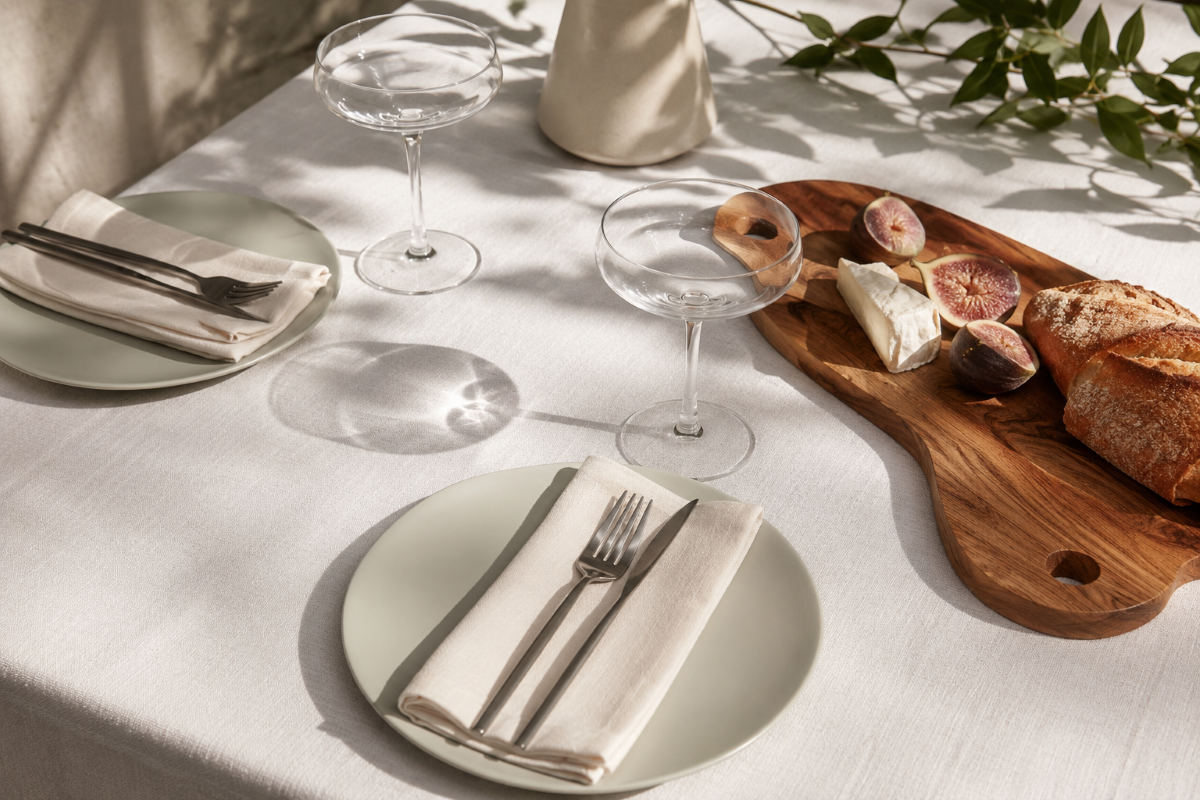
The linen tablecloth has returned because it responds to the desire for a warmer, more personal home connected to natural materials. Unlike fabrics that feel too glossy or rigid, linen has a living presence: a tactile hand, a slight irregularity and a discreet luminosity that make it refined without looking overdone.
White remains the most classic and luminous option, but it is not the only one. Ecru, sand, ivory, dove grey, sage green and terracotta allow for warmer and more personal table settings. These tones are easy to introduce into different interiors because they work naturally with wood, ceramic, glass, steel and natural fibres.
For an everyday table, linen can make even a simple lunch feel special. For a dinner with guests, it becomes the base that holds the entire table composition together. This is why table linen should not be considered a secondary detail: it has the power to change the perception of a space, just like curtains, rugs and cushions do in the other rooms of the home.
Elegant mise en place: basic rules for cutlery, glasses and napkins
An elegant mise en place starts with a few simple rules. The fork is placed to the left of the plate. The knife goes to the right, with the blade facing inwards. The spoon is added to the right only when the menu requires it. Glasses are positioned at the top right, beginning with the water glass and adding wine glasses according to what will be served.
The napkin can be placed to the left, in the centre of the plate or on top of the bowl. On more considered tables, a linen napkin is preferable to paper because it creates continuity with the tablecloth and adds a tactile note. Complex folds are not necessary: a soft fold, a simple knot or a natural placement on the plate is often far more elegant than an overly theatrical arrangement.
These rules help to set the table with order, but they should not make the composition feel rigid. Etiquette offers a foundation, not a constraint. A home table must remain welcoming, comfortable and suited to the occasion. The aim is not to imitate a restaurant, but to create a clear balance between function and beauty.
Tablecloth, runner or placemats: what to choose for an elegant table
The tablecloth is the most complete solution when the table is meant to take centre stage. It covers the surface, unifies the elements and immediately creates a more intimate atmosphere. It is ideal for a dinner with guests, an important lunch, a festive table or an outdoor mise en place designed with care.
A table runner works best when part of the tabletop is meant to remain visible, especially if the table itself has a distinctive material quality. It can also be layered over a plain tablecloth, provided the result remains light. Placemats, on the other hand, are better suited to breakfasts, informal lunches and everyday tables, particularly in the kitchen or in more dynamic living spaces.
The choice depends on the desired effect. For a more elegant and enveloping table, the tablecloth remains the strongest option. For a more graphic and informal result, the runner may be more suitable. When practicality comes first, placemats remain a valid choice. However, when the goal is to create a well-defined elegant table setting, a linen tablecloth retains a presence that is difficult to replace.
White linen tablecloth: how to pair plates, glasses and centrepieces
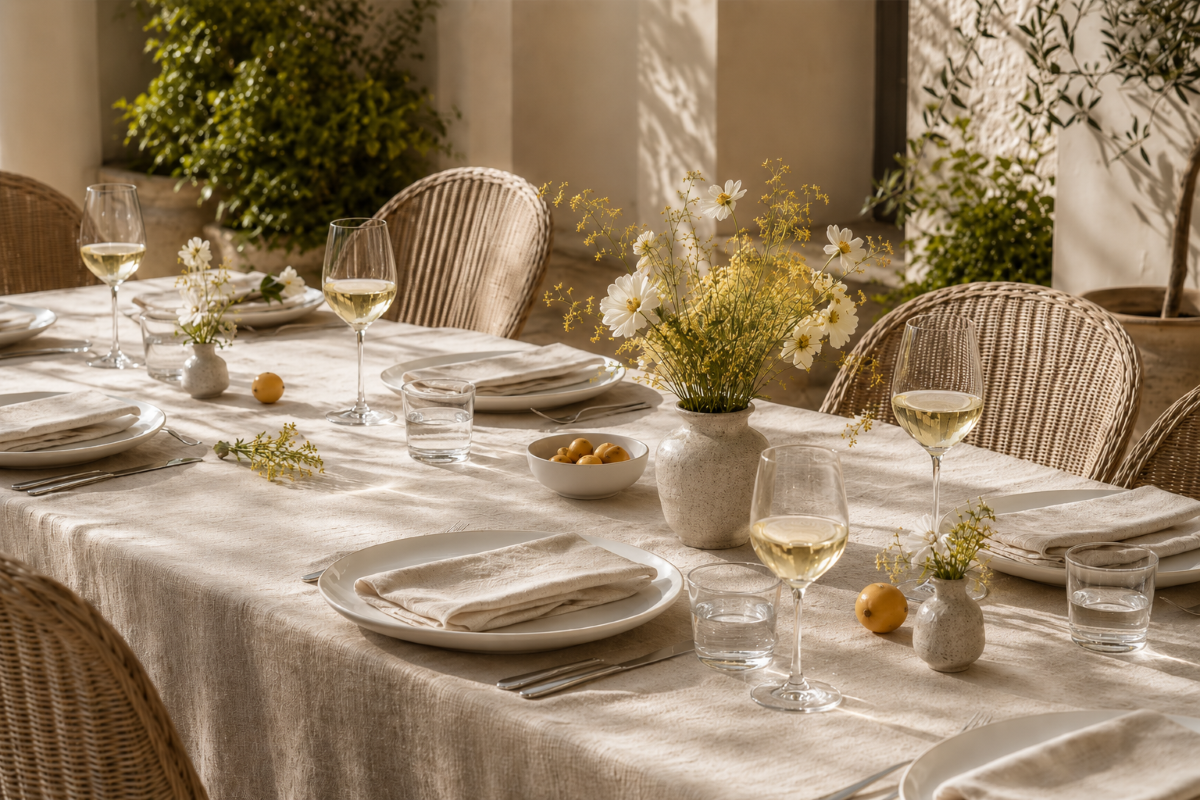
A white linen tablecloth works because it gives space to every other element. With white plates, it creates a bright and ordered table. With handcrafted ceramics, it introduces a more tactile contrast. With transparent glasses, it keeps the effect light, while amber, green, smoked or blue glassware adds depth and character.
To avoid a table that feels too cold, it is useful to introduce warmer materials. Wood, rattan, glazed ceramic, brass and coloured glass help make the composition more personal. The centrepiece should follow the same logic: low, proportioned and never intrusive, so it does not interrupt the view between guests.
Fresh flowers, green branches, seasonal fruit or low candles can complete the table without weighing it down. The important thing is to maintain a clear visual thread. If the tablecloth is white, a single colour detail can guide the composition: green glassware, terracotta ceramics, a subtle golden reflection in the cutlery, beige linen napkins. In this way, the table remains rich yet composed.
Italian designer cutlery: 5 brands to know for the table
Cutlery is not the focal point of the table, yet it has a strong impact on the perception of the mise en place. The shape of the handle, the weight, the finish and the reflection of the metal contribute to the visual balance just as much as plates and glasses. For this reason, when creating a curated table, designer cutlery deserves attention.
Among the most recognisable Italian names are Alessi, known for its connection with author-led design and iconic collections; Sambonet, strongly associated with elegant tables and hospitality; Mepra, appreciated for its steel workmanship and finishes; Casa Bugatti, more decorative and distinctive; and Eme Posaterie, a historic name in Italian cutlery.
The choice should always remain coherent with the rest of the table. Stainless steel cutlery is bright and versatile. Gold or burnished finishes add warmth, but require a more controlled palette. Black cutlery works well on highly graphic tables, especially with light tablecloths and essential plates. Here too, elegance comes from balance, not accumulation.
How to create an elegant table without a restaurant effect
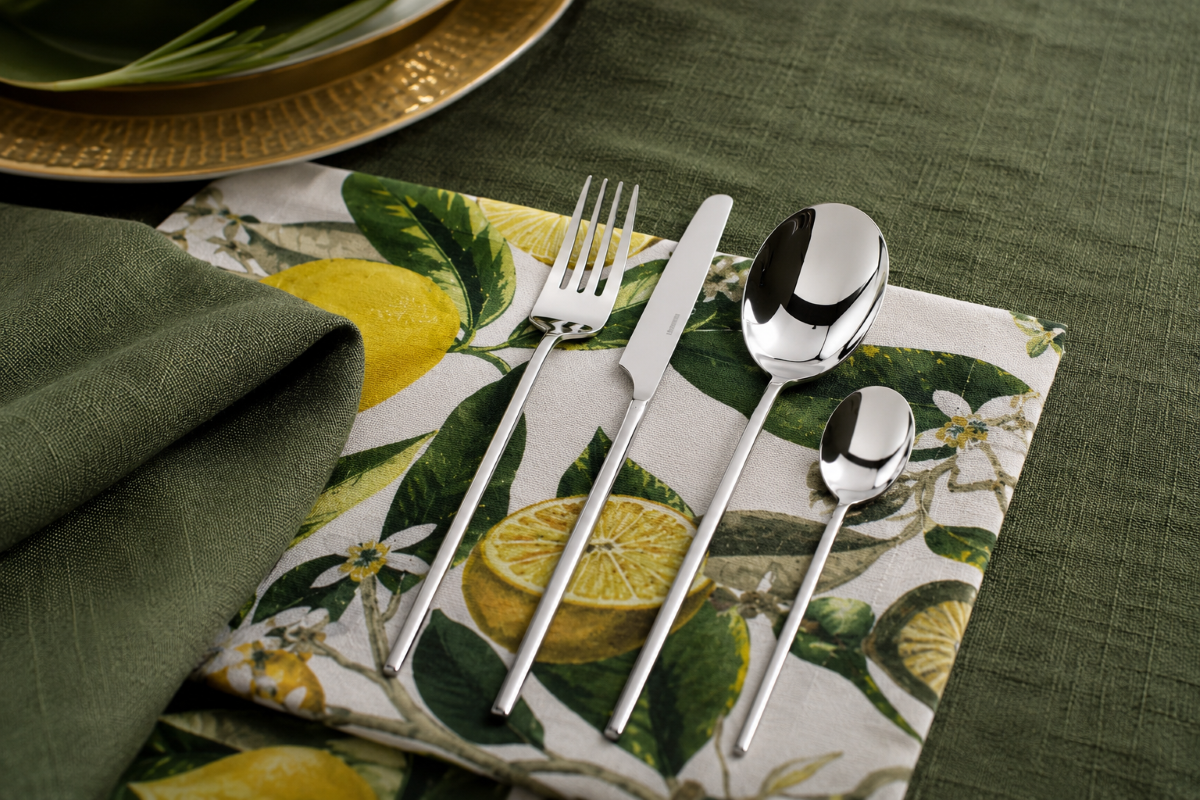
Creating an elegant table setting does not mean multiplying objects or turning dinner into an overly formal mise en place. Domestic elegance is more subtle: it comes from a quality textile base, well-proportioned plates, carefully chosen glasses and a visual rhythm that allows the space to breathe.
To avoid a restaurant-like effect, the table should retain a sense of naturalness. The tablecloth can have a soft drape, napkins can be placed without overly constructed folds, and the centrepiece can feel spontaneous. A controlled mix of different elements also makes the table more interesting: essential plates with coloured glasses, a neutral tablecloth with more distinctive cutlery, tactile ceramics with fine stemware.
Lighting completes the atmosphere. A light that is too cold makes the table feel less welcoming, while warm, well-distributed lighting enhances materials, colours and reflections. Low candles, used with restraint, add depth without turning dinner into an excessive stage set. The best table is not the perfect one, but the one where every detail seems designed to make guests feel at ease.
Table textiles: linen, napkins and tableware in today’s home interior
Table textiles are returning to the centre of the home because they can change the atmosphere without changing the furniture. Tablecloths, napkins, runners and table linen introduce colour, texture and warmth, turning the table into a meeting point between aesthetics and everyday life.
In today’s domestic interior, the table is no longer only the place where lunch or dinner is served. It is a space for meeting, conversation, hospitality and care. This is why the mise en place takes on a broader meaning: it tells the story of how a home welcomes, how it relates to time and how much attention it gives to materials.
The return of the linen tablecloth should be read in this direction. It is not nostalgia, but the recovery of a more conscious ritual. Setting the table means creating an atmosphere before the food is even served. It means choosing a base, giving order to the elements, creating balance between aesthetics and function. Above all, it means remembering that the elegance of a home often lies in the simplest gestures: a carefully laid tablecloth, a fabric napkin, a well-chosen glass, warm light and the pleasure of making every guest feel expected.