Some names, more than others, are able to hold a vision. In the case of Megius, “Mille Emozionanti Gocce In Uno Spazio” is not just an acronym, but a precise synthesis of the relationship the brand has been building for almost fifty years between water, design, and well-being. Founded in 1976 around the shower enclosure, …
Some names, more than others, are able to hold a vision. In the case of Megius, “Mille Emozionanti Gocce In Uno Spazio” is not just an acronym, but a precise synthesis of the relationship the brand has been building for almost fifty years between water, design, and well-being. Founded in 1976 around the shower enclosure, Megius has gradually expanded its horizon, transforming technical specialization into an increasingly articulated bathroom culture, where shower enclosures, saunas, hammams, and design interact in a coherent balance.
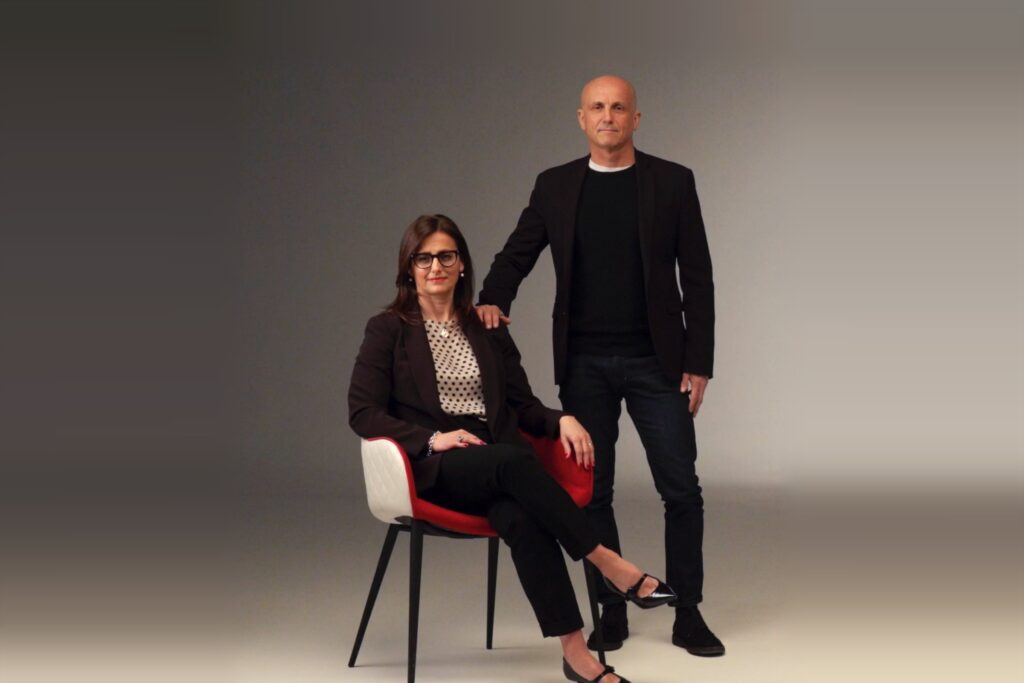
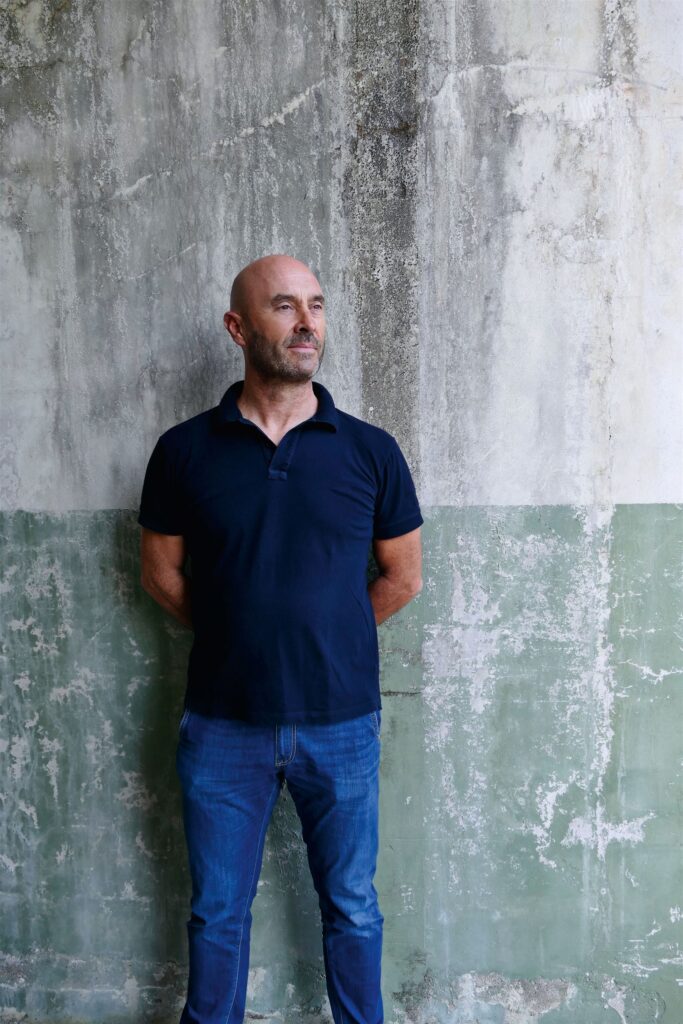
In this interview, Andrea Lanza, Marketing Manager at Megius, discusses the evolution of a company that has been able to interpret changes in the way we live while keeping identity, expertise, and vision at the center. What emerges is the portrait of a brand that continues to read the bathroom not as a simple service space, but as a place dedicated to daily well-being, design quality, and a recognizable idea of Made in Italy.
Megius was founded in 1976 and immediately linked its identity to the shower enclosure: how did such a specific product become not only an industrial specialization, but the true cultural core of the brand?
Our specialization is not only construction-based, but conceptual. Since 1976, we have stopped considering the shower as a simple accessory, transforming it into the element around which the entire bathroom design project revolves. Being specialists means knowing every secret of glass and aluminum, and placing these materials at the service of everyday well-being.
Over the past fifty years, the way people experience the bathroom has changed profoundly. Which transformations in contemporary living have had the greatest impact on your evolution, taking you from shower enclosures to a broader proposal connected to bathroom furniture and wellness?
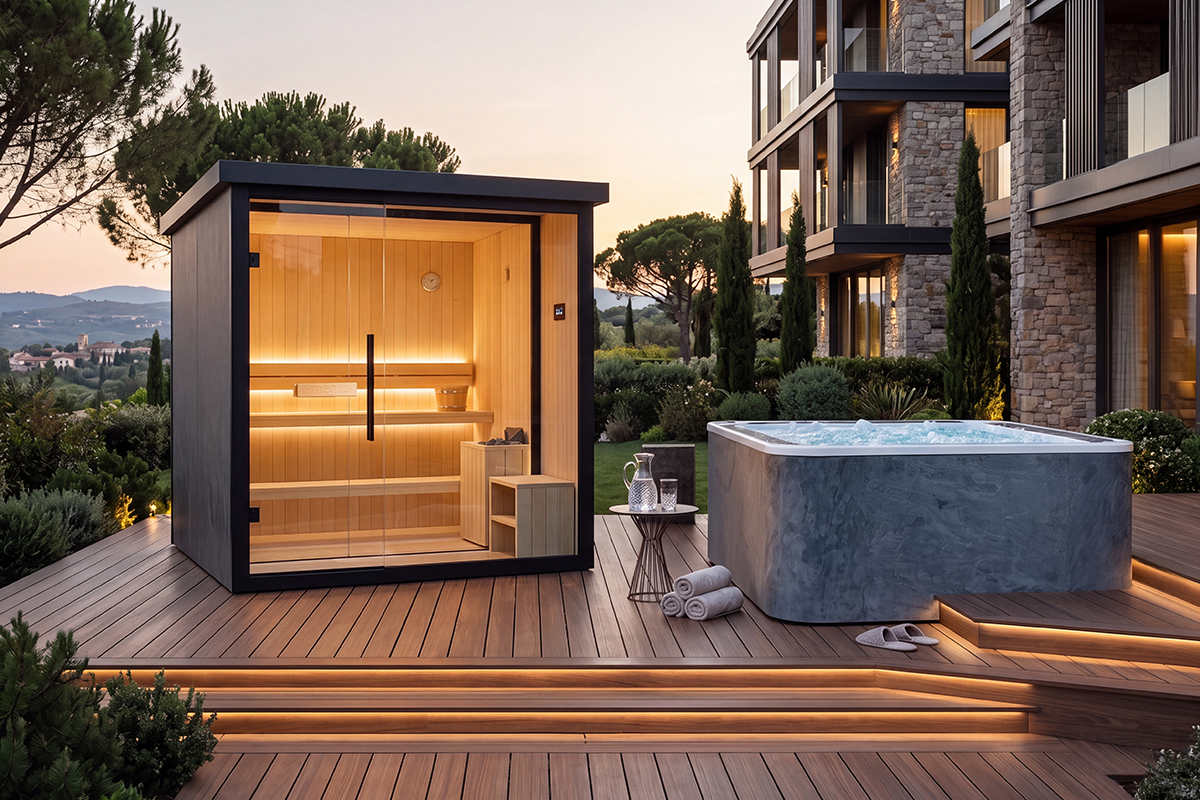
The bathroom has moved from being a purely functional space to a room dedicated to self-care. This search for relaxation has pushed us beyond the shower: today, people are looking for a complete experience that integrates heat, steam, and water. As a result, we have developed solutions that combine traditional bathroom furniture with advanced wellness systems.
In your journey, technical expertise has always been central, from opening systems to glass treatments and construction precision: how do you work today to ensure that technology does not remain invisible, but becomes a perceptible part of the project’s quality?
For us, technology is aesthetic. We work on the precision of opening mechanisms and the purity of glass treatments so that quality can be felt to the touch and seen in the fluidity of movement. When a product works perfectly and is easy to use, technology stops being invisible and becomes perceived value.
Water, glass, aluminum, steel, wood, heat: the Megius universe brings together very different materials and sensations. How important is material, in your work, as a tool for building a recognizable identity and not only technical performance?
Material is our signature. Using aluminum, steel, glass, and wood is not only about guaranteeing performance, but also about transmitting precise tactile sensations. The Megius identity can be recognized in the choice of authentic materials that, when combined, create a unique and coherent visual language.
At a certain point, the shower was no longer enough for you: the range opened up to saunas, hammams, combined systems, and wellness solutions. When did you understand that this was not simply a catalog extension, but a structural expansion of your vision?
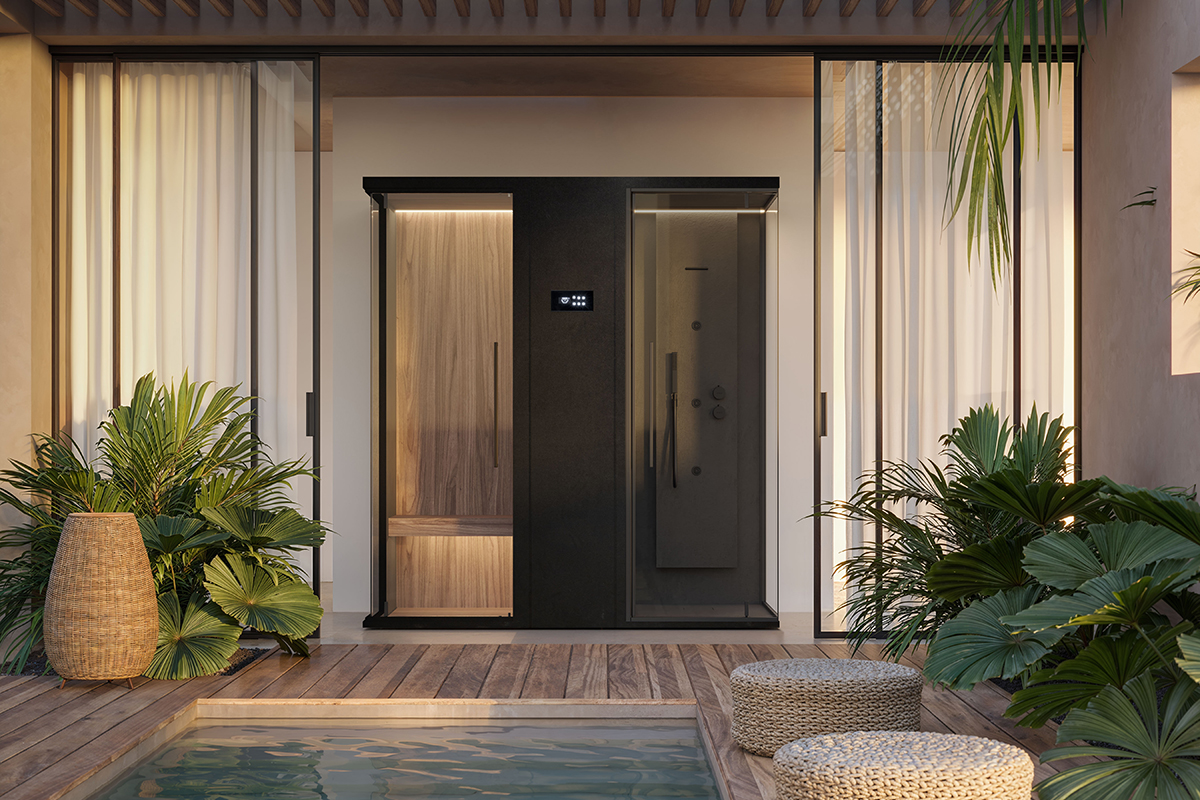
It happened when we understood that the customer was no longer looking for an object, but for a ritual. It was no longer enough to define the space of water; it became necessary to manage steam and heat. That was the moment when we shifted from being producers of shower enclosures to creators of wellness ecosystems.
In the hospitality world, you have developed a very precise reflection on the bathroom as a competitive lever of the guest experience, supported by tailor-made services before and during installation: what does contract design teach you about the relationship between product, project, and the expectations of today’s guest?
Hospitality teaches us that the product must be impeccable from every point of view: resistance, ease of maintenance, and immediate visual impact. Today’s guest looks for an exclusive experience even while traveling. For us, this means providing tailor-made solutions that transform a hotel room into a regenerating space.
Solferino LAB in Brera and the Architheatre showroom in Mestrino seem to express the desire to create places of relationship, selection, and customization, not only display spaces. What role do these spaces play in your dialogue with architects, interior designers, and industry professionals?
They are places of dialogue, in addition to product display. In these spaces, architects and designers can experience the solutions firsthand, personalize details, and build the project together with us. This is where our technical expertise meets the creativity of professionals, giving life to unique solutions.
Very often, the shower enclosure is still perceived as a technical element to be solved. You, instead, insist on its aesthetic potential and on its ability to become the focal point of the bathroom: what needs to happen, in your view, for the shower to truly be understood as an element of interior architecture?
We need to strip it of the unnecessary. A shower becomes architecture when it interacts with the volumes of the room, when the profiles are reduced, and when glass becomes a transparent wall that defines the space without closing it. Our commitment is to give the shower the same dignity as an author-designed piece of furniture.
The theme of customization is very strong in your solutions, from finishes to special sizes, glass processing, and project-specific responses: where does Megius find the balance today between industrial reliability and a culture of tailor-made design?
The balance lies in the flexibility of our processes. We have an industrial structure that guarantees safety and durability, but we maintain an artisanal approach in managing special sizes and finishes. Every piece is the result of technological industry, but it is finished with the care of tailor-made detail.
Andrea Lanza, as Marketing Manager, you occupy a particular observation point, where industrial identity, product language, and brand storytelling must remain coherent. In a company like Megius, how delicate is it today to build a contemporary image without oversimplifying the technical complexity that has always defined you?
It is a daily challenge. We do not want to hide complexity, but to make it understandable. We communicate innovation through a clean and direct language, where the brand’s contemporary image reflects the technical quality behind every product.
Salone del Mobile 2026 arrives at a very particular moment, with the bathroom gaining increasing centrality within the fair and Megius celebrating its fiftieth anniversary: what story did you want to build at the fair, beyond the simple presentation of new products?
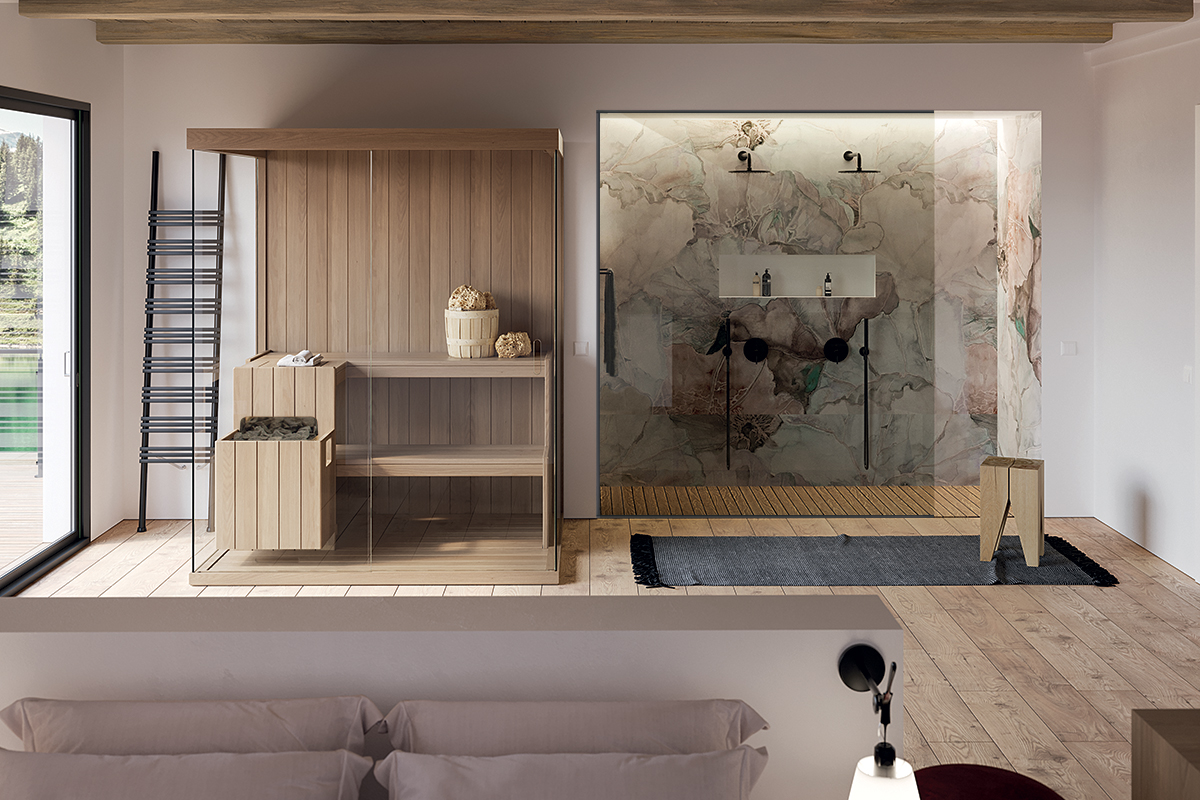
We wanted to celebrate our first fifty years not as a finish line, but as a new beginning. The story at the fair revolves around the “Home of Well-Being”: a journey that places people and their need for regeneration through water and heat at the center.
At Salone, you are also presenting the entry of Albatros into the Megius world, introducing a heritage of expertise in bathtubs and mini spa pools: what complementarities did you recognize in this integration, and how do you think it will change the perception of the group in the coming years?
Albatros brings with it an immense heritage in the world of bathtubs and small spa pools. This union allows us to offer a complete answer: Megius excels in vertical well-being — showers and saunas — while Albatros excels in horizontal well-being, through immersion. Together, we change the perception of the group as a single provider of solutions for personal care.
In your journey, there are models that have marked the Megius identity in a particularly meaningful way. If you had to choose one truly iconic product, representative of your history, which would it be and why? What does that product still say today about your way of understanding the shower, the context in which it was born, and the evolution of the brand over time?
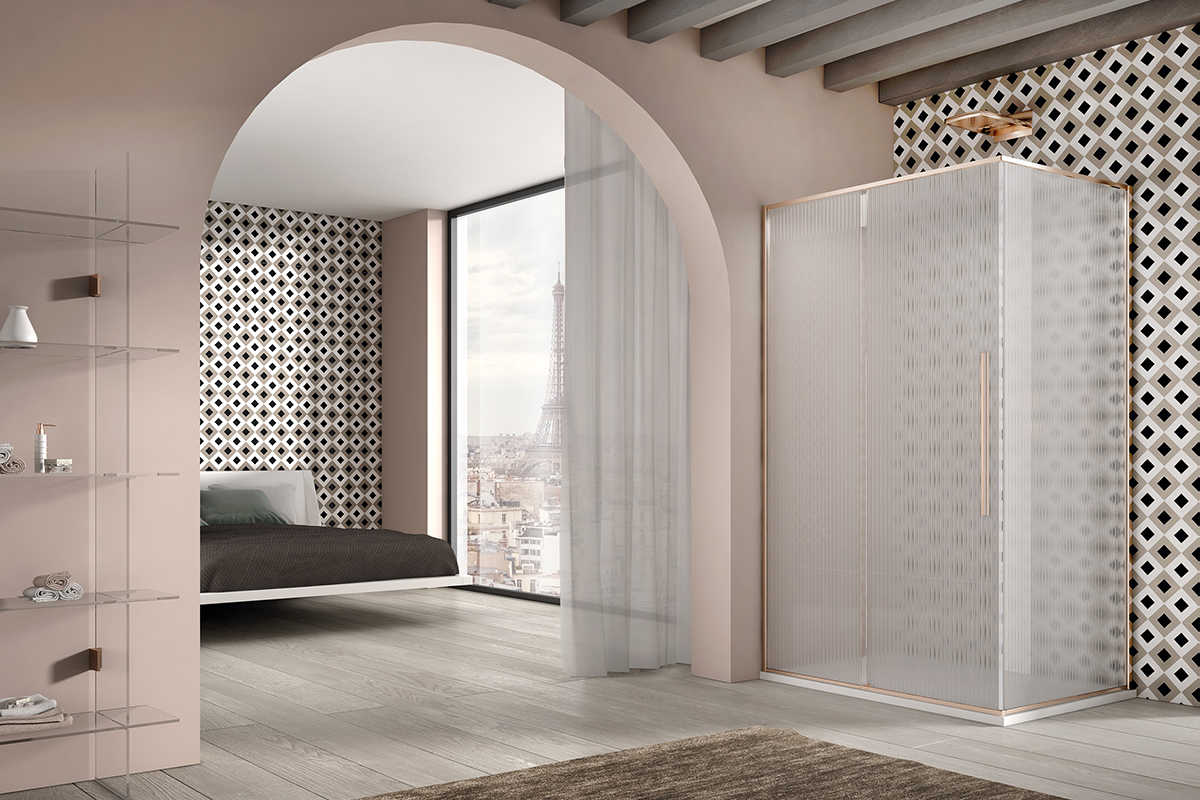
We would choose the Zen collection. It perfectly represents our DNA: minimalism, reduced profiles, and the maximum expression of glass. It was created to bring essential aesthetics into everyday life, and today it is evolving to include heat systems as well, telling the story of our transition toward total well-being better than any other model.
Between headquarters, showrooms, and international presences, Megius engages with different markets and very diverse audiences. What really changes today between the way the Italian market observes you and the way international markets read you? And which traits of your DNA remain unmistakably Italian?
The international market recognizes our ability to combine technique and aesthetics in a harmonious way. In Italy, customers greatly appreciate our flexibility in tailor-made solutions. The unmistakably Italian trait of our identity is “saper fare” — the know-how: the ability to solve complex technical problems with elegant and never ordinary solutions.
We are in 2036: Megius has gone through its fiftieth anniversary, integrated Albatros, and further redefined its universe between shower, bathroom, and wellness. Looking back at this past decade as a decisive phase in your history, which transformation would you like to be recognized as the most important?
We would like to be remembered as the company that broke down the boundaries between furniture and function, transforming the bathroom from a service room into the beating heart of domestic well-being. We would like our ability to integrate different worlds — shower, bathtub, and heat — into a single, coherent language of Italian design to be recognized.