When people talk about Bonus Casa 2026, they are not actually referring to a single measure. The expression is used loosely to describe the main home-related tax incentives in Italy: the deductions that can help homeowners renovate, improve a property’s energy efficiency or buy furnishings linked to building work. In practice, it is shorthand for …
When people talk about Bonus Casa 2026, they are not actually referring to a single measure. The expression is used loosely to describe the main home-related tax incentives in Italy: the deductions that can help homeowners renovate, improve a property’s energy efficiency or buy furnishings linked to building work. In practice, it is shorthand for Italy’s home renovation tax deduction and its related bonuses. On the website of the Agenzia delle Entrate (Italy’s Revenue Agency), the 2026 framework revolves mainly around the bonus ristrutturazioni (renovation bonus), the Ecobonus (energy-efficiency bonus) and the Bonus mobili ed elettrodomestici (furniture and appliance bonus), each with its own rules, rates and caps.
That is why people looking for information on Bonus Casa 2026 often don’t just want to know whether it “still exists”: they want to understand which bonus applies to their specific situation. Some need to redo a bathroom, some want to replace building systems or windows, some are planning a larger renovation, and some, once the work is done, want to know whether they can also deduct furniture and major appliances. Talking about Bonus Casa only makes sense if it is clear from the outset that it is a category of incentives, not a single, catch-all incentive.
In 2026, the most sought-after bonus remains the one for the recovery of existing buildings, in other words the tax deduction for renovation work. The Agenzia delle Entrate states that for expenses incurred in 2026 the standard deduction is 36%, rising to 50% for work on a primary residence, always within the limits set by law. Alongside this, the incentives for energy saving and the Bonus mobili remain central; the latter is still available for purchases linked to certain renovation work.
In other words, before asking how much you can recover, it pays to understand which incentive the work you want to do actually falls under. This is the step that prevents the most mistakes: not all work follows the same rules, not all work gives access to the same tax benefits, and the best-known bonus is not always the best fit for your project. That is why the next step is to look in detail at the 2026 renovation bonus, which remains the most important starting point for anyone thinking about renovating their home.
Renovation Bonus 2026: How Much Can You Really Recover?
In most cases, Bonus Casa 2026 refers to the tax deduction for building renovations, the tax relief that lets you recover part of the cost of work on your home. It has been one of the most widely used tools in recent years because it allows homeowners to take on major projects, from redoing a bathroom to fully renovating an apartment, with the tax savings spread over time.
For expenses incurred in 2026, the standard deduction for renovation work is 36% of the amount spent, with a maximum eligible spend of €96,000 per housing unit. This means that, for large projects, the maximum amount you can recover is €34,560, spread over 10 equal annual installments on your income tax return.
In some cases, the rate can be more favorable. For work on a primary residence, the deduction can reach 50%, still within the same maximum spending cap. This is an important distinction, because it directly affects how worthwhile the project is and the total tax savings.
A practical example helps show how it works. If a family spends €20,000 on renovation work, at the 36% rate it can recover €7,200 over ten years, or €720 a year. At the 50% rate, the total recovered would rise to €10,000, or €1,000 a year in tax deductions.
Of course, the tax benefit depends not only on the rate applied, but also on the type of work carried out and on the correct handling of payments, invoices and technical documentation. This is where many of the most common mistakes happen: the wrong payment method or incomplete paperwork can jeopardize your access to the deduction.
That is why, once it is clear how much you can recover, the next step is to understand which work actually qualifies for Bonus Casa 2026 and which work follows different rules or is not eligible for the deduction.
What Work Qualifies for Bonus Casa 2026?

Not all work done in the home automatically entitles you to the deduction. This is one of the biggest sources of confusion, because in everyday terms a lot of work is thought of as “renovation”, while for tax purposes you need to distinguish carefully between routine maintenance, extraordinary maintenance, restoration, conservative rehabilitation and building renovation. The Agenzia delle Entrate makes clear that the renovation incentive covers work on residential units and on the common areas of condominium buildings, according to the categories set out in building regulations.
For individual homes, Bonus Casa 2026 mainly covers extraordinary maintenance, meaning work that alters or renews parts of the property, including structural parts, without radically transforming the building. Examples include redoing or upgrading building systems, creating or adding bathrooms, replacing windows as part of a broader project, moving interior partition walls, redoing a bathroom when it involves technical or plumbing changes, or work aimed at making spaces more functional.
Alongside extraordinary maintenance, the deduction also covers restoration and conservative rehabilitation, work aimed at preserving a property and making it functional without altering its essential features, and building renovation, which has a broader impact on the structure as a whole. This category can include more substantial operations, such as restoring or replacing structural elements of the building, changing the internal layout and other work that goes beyond simply updating finishes.
Routine maintenance is a different matter. In individual homes, work such as painting, replacing floors without related building work, minor repairs or updating interior finishes generally does not qualify for the deduction when carried out on its own. Routine maintenance can, however, qualify when it concerns the common areas of residential buildings, such as entrance halls, stairwells, façades, courtyards, plant rooms or shared roofs. This point matters, because many people assume they can deduct any kind of home improvement, while the actual scope is more selective.
Bonus Casa can also cover work related to safety, the removal of architectural barriers (accessibility improvements), crime prevention, noise reduction and, where the requirements are met, some energy-saving work, bearing in mind that energy-efficiency projects also have their own dedicated channel, the Ecobonus. That is why it is not enough to ask whether a job “benefits the house”: you need to understand which building category it falls into and whether it belongs under the renovation bonus or another incentive.
In practical terms, anyone planning to renovate in 2026 may find Bonus Casa particularly relevant for work such as bathroom remodels involving masonry and plumbing work, replacing or bringing building systems up to code, reconfiguring the interior layout, work on structural elements, removing architectural barriers and work on condominium common areas. Before starting, however, it is always worth checking the nature of the work carefully with a technical professional or against the building permits, because the difference between deductible and excluded work often comes down to how the project is classified.
Who Can Claim Bonus Casa 2026?
One of the most important points to clarify is who can actually benefit from the tax deduction. Bonus Casa 2026 is not reserved for property owners: the rules allow anyone who pays for the work and is named on the payments and invoices to claim it, provided they hold a valid legal title to the property. This means the benefit can apply to several types of people, not just whoever formally owns the home.
As a general rule, the following can claim the deduction:
-
owners or bare owners of the property
-
usufructuaries and holders of a right of use or habitation
-
tenants or occupants under a free-loan agreement (comodato), if they pay for the work directly
-
members of housing cooperatives
-
sole proprietors, for properties that are not business assets or goods held for sale
In some situations, family members living with the owner or occupant of the property can also claim the deduction, provided they contribute to the costs and the invoices and bank transfers are correctly linked to the person who will receive the tax benefit. This is particularly relevant in family renovations, where the work is often paid for by someone other than the homeowner.
It is important to remember that the basic principle always stays the same: the deduction belongs to whoever pays for the work and actually bears the cost, not necessarily to whoever owns the property. That is why it is essential for all documentation, including invoices, bonifici parlanti (dedicated bank transfers) and land registry data, to match the person who intends to claim the deduction on their income tax return.
Documents and Payments: What You Need to Claim Bonus Casa 2026

One of the most frequent mistakes when using Bonus Casa 2026 concerns how payments and paperwork are handled. The tax deduction depends not only on the type of work done, but also on following some precise rules. In other words, even work that fully qualifies for the deduction can lose the benefit if invoices, transfers or documents are not correct.
The first key element is the bonifico parlante, a specific type of bank transfer required for subsidized renovation work. This transfer must include certain essential details: a payment description referencing the relevant law, the codice fiscale (Italian tax code) of the person claiming the deduction and the tax code or VAT number (partita IVA) of the company or professional receiving the payment. Payments made in cash, by check or by ordinary bank transfer generally do not qualify for the bonus.
Alongside the correct payment, you must keep all the documentation relating to the work. The main documents include invoices from contractors or professionals, receipts for the bank transfers made and, where required, the building permit authorizing the work, such as a CILA (a certified notice of start of works filed with the local council) or other municipal filings. In some specific cases, prior notification to the ASL (the local health authority) may also be required, especially when several contractors are involved or for certain categories of work.
You also need to keep the land registry details of the property where the work is carried out and, when the work is not commissioned by the owner, the documents proving the right to own or occupy the property, such as a registered lease or free-loan agreement.
This documentation does not have to be sent automatically to the Agenzia delle Entrate, but it must be kept carefully, because it may be requested during tax audits in later years. The deduction is recovered in ten annual installments on your income tax return, so the documents must remain in order for the entire period during which you benefit from the bonus.
Bonus Casa 2026 and Bonus Mobili: When Can You Combine Them?

Homeowners who renovate often wonder whether, in addition to the building work, they can also deduct the cost of furniture and appliances. In many cases the answer is yes. The Bonus Mobili (furniture and appliance bonus) is an incentive linked to renovation work, and it lets you deduct part of the cost of furnishing a property that is being renovated.
The principle to keep in mind is simple: the Bonus Mobili can only be used if work that qualifies for the renovation bonus has been started. Buying furniture or appliances is not enough on its own; there must be building work that qualifies for Bonus Casa, such as a bathroom remodel, replacement of building systems or a broader renovation of the home.
Once this condition is met, you can deduct the purchase of new furniture and energy-efficient major appliances intended to furnish the property being renovated. Eligible items generally include kitchens, wardrobes, beds, sofas, tables, chairs, bookcases, mattresses and lighting fixtures, as well as appliances such as refrigerators, washing machines, dishwashers, ovens and cooktops.
Here too, the deduction is recovered through your income tax return and requires payments and documentation to be correct. Purchases must be traceable and backed by invoices or tax receipts, and payment must be made by bank transfer or credit/debit card, methods that make it possible to prove the expense.
It is also important to remember that the Bonus Mobili is not independent of the renovation: the right to the deduction exists only if there is building work that qualifies for Bonus Casa. That is why, when planning the work, it is always worth considering carefully which work triggers the bonus, because your ability to recover part of the cost of furnishing may depend on it.
Bonus Casa 2026 vs. Ecobonus: What Is the Difference?
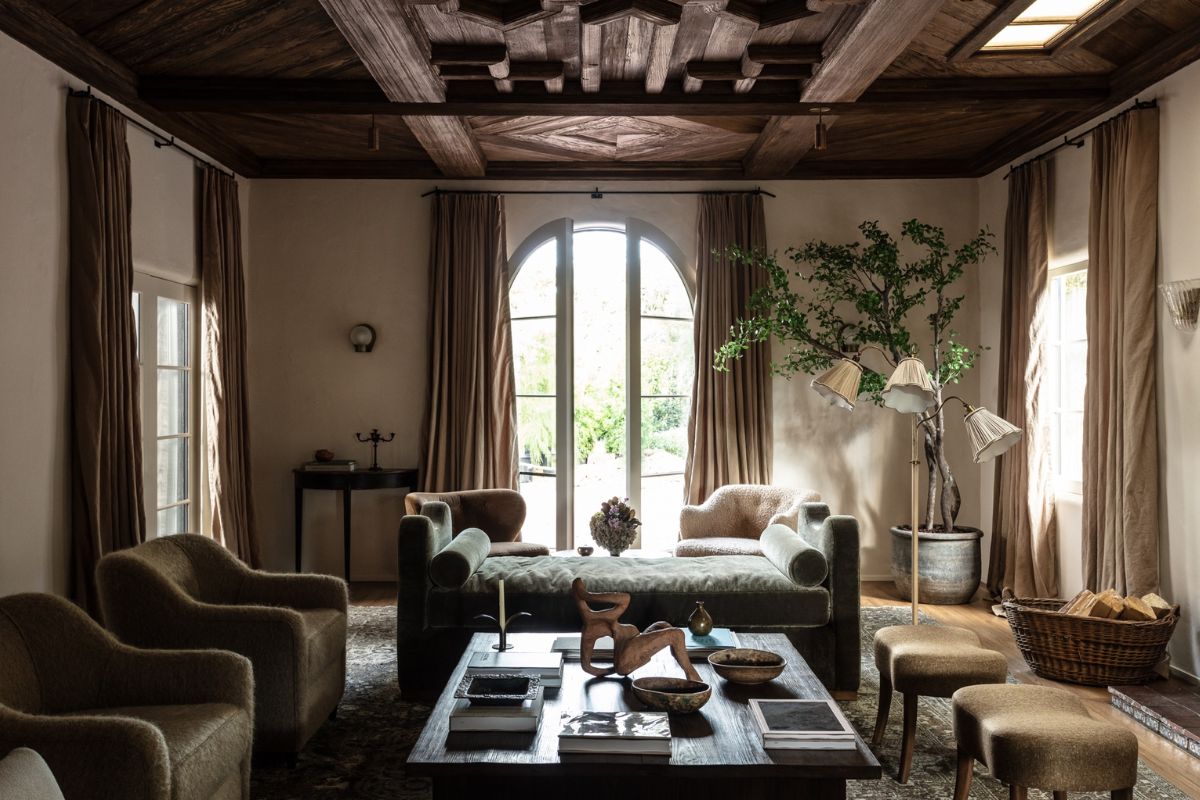
When planning renovation or home improvement work, people often confuse Bonus Casa and Ecobonus. The two incentives may look similar because both let you recover part of your expenses, but in reality they follow different logic and apply to different types of work.
Bonus Casa, the deduction for renovating existing buildings, mainly covers renovation and extraordinary maintenance: bathroom remodels, upgrades to building systems, changes to the internal layout, work on structural elements, or work aimed at safety and the removal of architectural barriers. Essentially, it is the go-to incentive when you are reorganizing or renewing your home.
The Ecobonus, on the other hand, is designed to encourage work that improves the energy efficiency of buildings. This category includes work such as replacing windows with high-performance models, installing more efficient boilers, heat pumps, thermal insulation systems or other solutions that reduce a property’s energy consumption.
The difference, then, is not just the deduction rate, but above all the purpose of the work. If the main goal is to renew or transform the property, it usually falls under Bonus Casa. If instead the work is aimed at reducing energy consumption and improving the building’s performance, it is more likely to fall under the Ecobonus.
In some cases, the two incentives can appear to overlap. Replacing windows or installing new systems, for example, can be part of either a renovation or an energy-efficiency project. In these situations it is important to decide which incentive to apply, because the same work cannot be deducted under two different bonuses at the same time.
That is why, before starting work, it is always advisable to check carefully the type of work and the applicable rules, so you can choose the most suitable bonus and make the most of the deductions available.
Practical Examples: How Much You Can Recover with Bonus Casa 2026
Understanding how Bonus Casa 2026 works becomes much easier when you look at real-life cases. Deduction rates and spending caps can seem abstract, but in practice they directly affect the actual cost of the work. Here are some typical home projects to show how much you can recover.
Bathroom Remodel
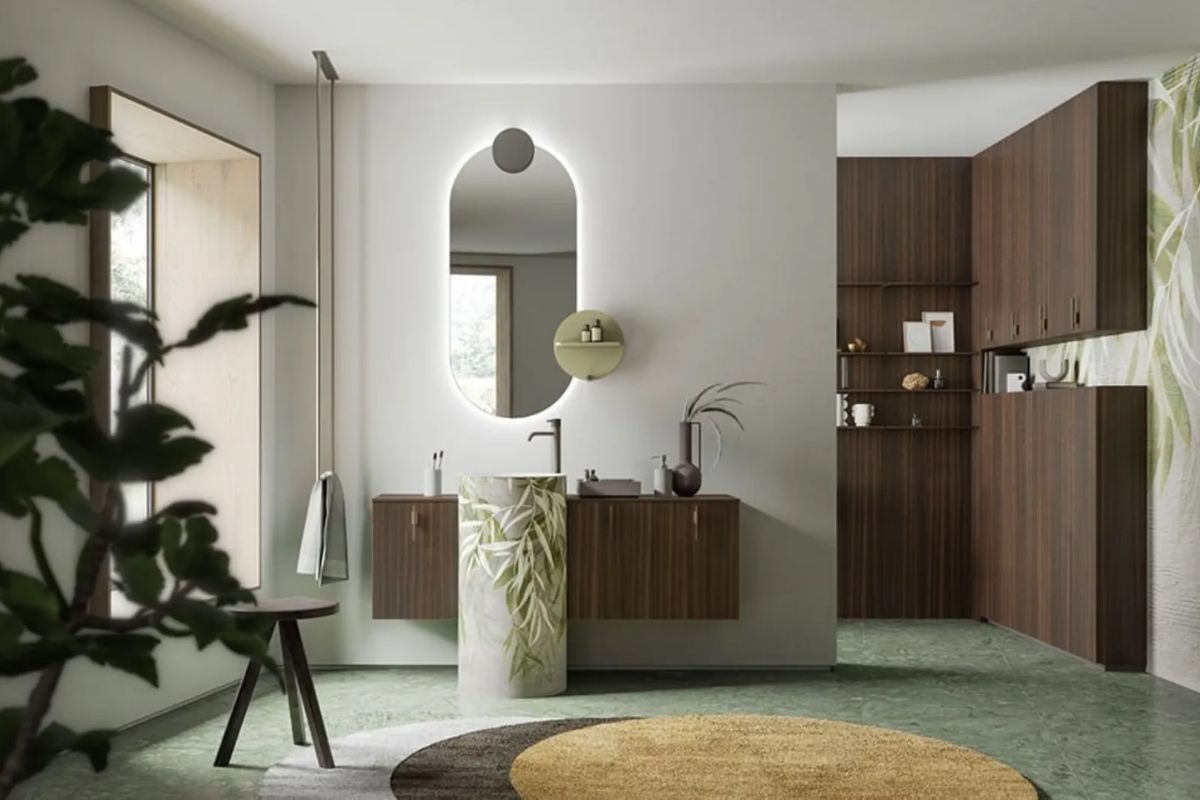
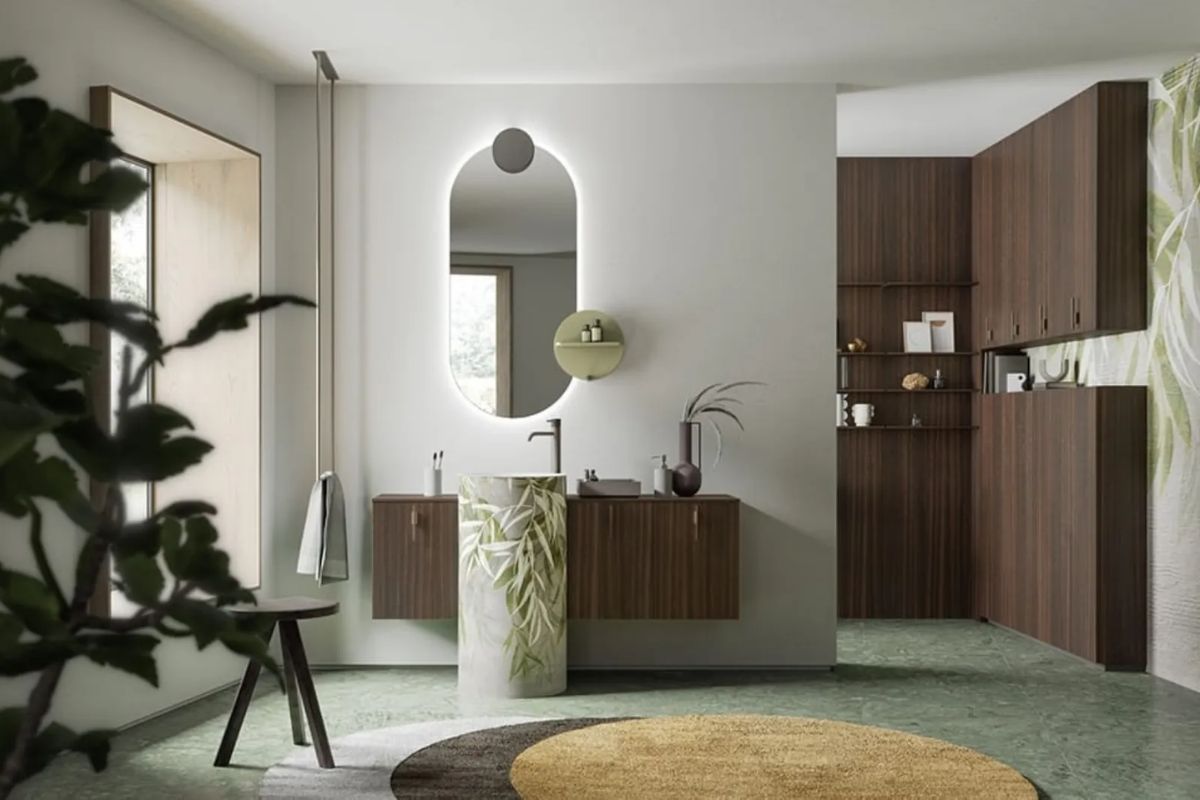
A complete bathroom remodel is one of the most common home renovation projects. If the work involves changes to plumbing or masonry, such as replacing pipes, moving fixtures or building new walls, it generally counts as extraordinary maintenance.
Let’s assume a total cost of €12,000 for labor and materials.
-
With a 36% deduction, the total recovered would be €4,320, spread over 10 years.
-
That works out to about €432 a year in tax deductions.
Full Apartment Renovation

When you take on a larger renovation, for example redoing the building systems, reconfiguring the interior layout and updating the whole home, the budget can grow quickly.
Let’s imagine a project costing €70,000.
-
With Bonus Casa at 36%, the total deduction would be €25,200.
-
The annual amount recoverable on your income tax return would therefore be €2,520 for 10 years.
If the work is on a primary residence and the 50% rate applies, the total recovered would rise to €35,000, or €3,500 a year for ten years.
Renovation Work Plus New Furniture

A very common scenario involves homeowners who, after renovating, also decide to refurnish their home.
Consider this situation:
-
€30,000 of renovation work
-
€8,000 of furniture and appliances
With Bonus Casa at 36%, the deduction on the work would be €10,800, while the Bonus Mobili would let you recover part of the cost of the furnishings, again with the deduction spread over several years.
This example shows how a well-planned renovation can significantly reduce the real cost of both the work and the furnishings by combining several incentives in the same project.
Naturally, for these tax benefits to actually be granted, it is essential to follow all the rules on payments and documentation, avoiding mistakes that could jeopardize the deduction.
Mistakes to Avoid When Using Bonus Casa 2026

Bonus Casa 2026 can be a real opportunity to reduce the cost of a renovation, but precisely because it is a tax deduction spread over time, it is essential to avoid certain mistakes that can jeopardize your right to the benefit. In most cases, problems do not stem from the type of work, but from payments, paperwork or misinterpretations of the rules.
One of the most common mistakes concerns the payment method. To qualify for the deduction, you must use the bonifico parlante, a payment method that includes the legal references, the tax code of the person claiming the deduction and the VAT number or tax code of the company carrying out the work. Payments made in cash, by check or by ordinary bank transfer risk making the expense non-deductible.
Another frequent mistake is confusing routine maintenance with extraordinary maintenance. Work such as painting walls, replacing floors without related building work or minor interior maintenance, when carried out on its own in an individual home, generally does not qualify for Bonus Casa. The deduction applies instead when the work involves more significant technical changes, such as work on building systems or on the layout of the rooms.
Many people also underestimate the importance of technical and building documentation. When work requires municipal filings, such as a CILA or other permits, it is essential that the paperwork is correctly submitted and kept. In the event of a tax audit, the Agenzia delle Entrate may request not only invoices and bank transfers, but also the documents proving the nature of the work.
Another mistake is assuming that any home improvement qualifies for the deduction. In reality, each bonus follows precise rules, and some work may fall under different incentives, such as the Ecobonus for energy upgrades. That is why it is always worth checking the type of work carefully before you start, so you apply the right bonus.
Finally, remember that the deduction is recovered over ten years on your income tax return. This means all documentation relating to the work must be kept carefully for a long time, because the Agenzia delle Entrate may request it several years after the work is finished.
Bonus Casa 2026 FAQ: Common Questions, Practical Answers and Which Professionals to Involve

Before starting work, there is rarely just one question. People looking into Bonus Casa 2026 want to know whether their project really qualifies, how much they can recover, which documents they need and who to turn to in order to avoid mistakes.
The table below sets out each question, a practical answer and the professional to consult. The Agenzia delle Entrate’s official guidance shows that a successful claim depends not only on the type of work, but also on handling the technical, tax and paperwork side correctly.
| Common question | Practical answer | Who can help |
|---|---|---|
| Can I use Bonus Casa 2026 to redo my bathroom? | Yes, in many cases, but not for every type of work. If the bathroom remodel involves masonry work, changes to plumbing or work that counts as extraordinary maintenance, the deduction generally applies. If it is only a cosmetic update with no significant building work, the situation needs to be checked more carefully. | A geometra (building surveyor), architect or building technician to determine how the work is classified. |
| If I only replace floors or wall tiles, do I qualify for the bonus? | Not automatically. In individual homes, routine maintenance on its own generally does not qualify for the deduction. If, however, it is part of a broader renovation or extraordinary maintenance project, the picture changes. | A geometra or architect to confirm the correct building category. |
| How much can I really recover in 2026? | For 2026 expenses, the renovation deduction is generally 36%, with a cap of €96,000 per housing unit, spread over 10 annual installments. For a primary residence, the rate can be more favorable under the Agenzia delle Entrate’s updated rules. | An accountant (commercialista) or CAF (tax assistance center), to understand the actual effect on your tax return. |
| Is a bonifico parlante really required? | Yes. For subsidized renovation expenses, payment must follow the prescribed method, and the bonifico parlante is one of the most important steps. A mistake at this stage can jeopardize the deduction. | An accountant, CAF or your bank/Poste Italiane, to fill in the payment correctly. |
| If the house is not in my name, can I still use the bonus? | In some cases, yes. The deduction is not limited to the owner: it can also go to others who pay for the work and hold a valid title to the property, such as tenants, occupants under a free-loan agreement or cohabiting family members, in the cases provided for by law. | An accountant for the tax side and a technical consultant for the property documentation. |
| Can I also buy furniture with Bonus Casa 2026? | Yes, but only if the purchase is linked to work that qualifies for the renovation bonus. For 2026, the Bonus Mobili is still in place, with a maximum eligible spend of €5,000. | An accountant or CAF to check that the work and purchases are correctly linked. |
| Do windows and boilers fall under Bonus Casa or the Ecobonus? | It depends on the purpose of the work and the technical requirements. Some work can fall under the renovation bonus, other work under the Ecobonus. This is one of those cases where it does not pay to improvise, because the correct classification changes the procedure, the documents and the tax benefit. | A licensed technician and, if needed, a heating engineer or energy consultant. |
| Do I need a CILA to start the process? | Not always. It depends on the type of work you plan to carry out. Some work requires a building permit, some does not. But this must be checked before work begins, because planning and paperwork compliance also matter for the deduction. | A geometra, architect or engineer. |
| Do I have to send all the documents to the Agenzia delle Entrate right away? | Generally, no: many documents mainly need to be kept carefully in case of later audits. Invoices, bank transfers, building filings and technical documentation must, however, be consistent and complete. | An accountant or CAF, with support from the technician who oversaw the work. |
| Who will actually guide me through the Bonus Casa 2026 process? | In most cases, you need help on two levels: a technician to classify the work and handle the building side, and an accountant/CAF to manage the tax side correctly. In more complex cases, for example involving ownership, contracts or the division of costs, a legal advisor can also be useful. This is not a formality: many problems arise precisely when everything is entrusted to a single professional who does not cover the whole process. This is a practical inference, but it is consistent with the fact that the official rules clearly distinguish between building, documentation and tax requirements. |