Before buying an iconic chair or lamp, look where listings rarely show you: under the seat, inside the frame or beneath the base. That’s where the evidence starts.
The most useful photograph when buying a design icon is often the one missing from the listing. It shows the underside of a lamp, the inside of a frame or the label beneath a seat. Those are the places to start looking for a maker, an edition and clues to the object’s history. The full-room photograph tells you how the piece might look at home. The close-up tells you what you may actually be taking home.
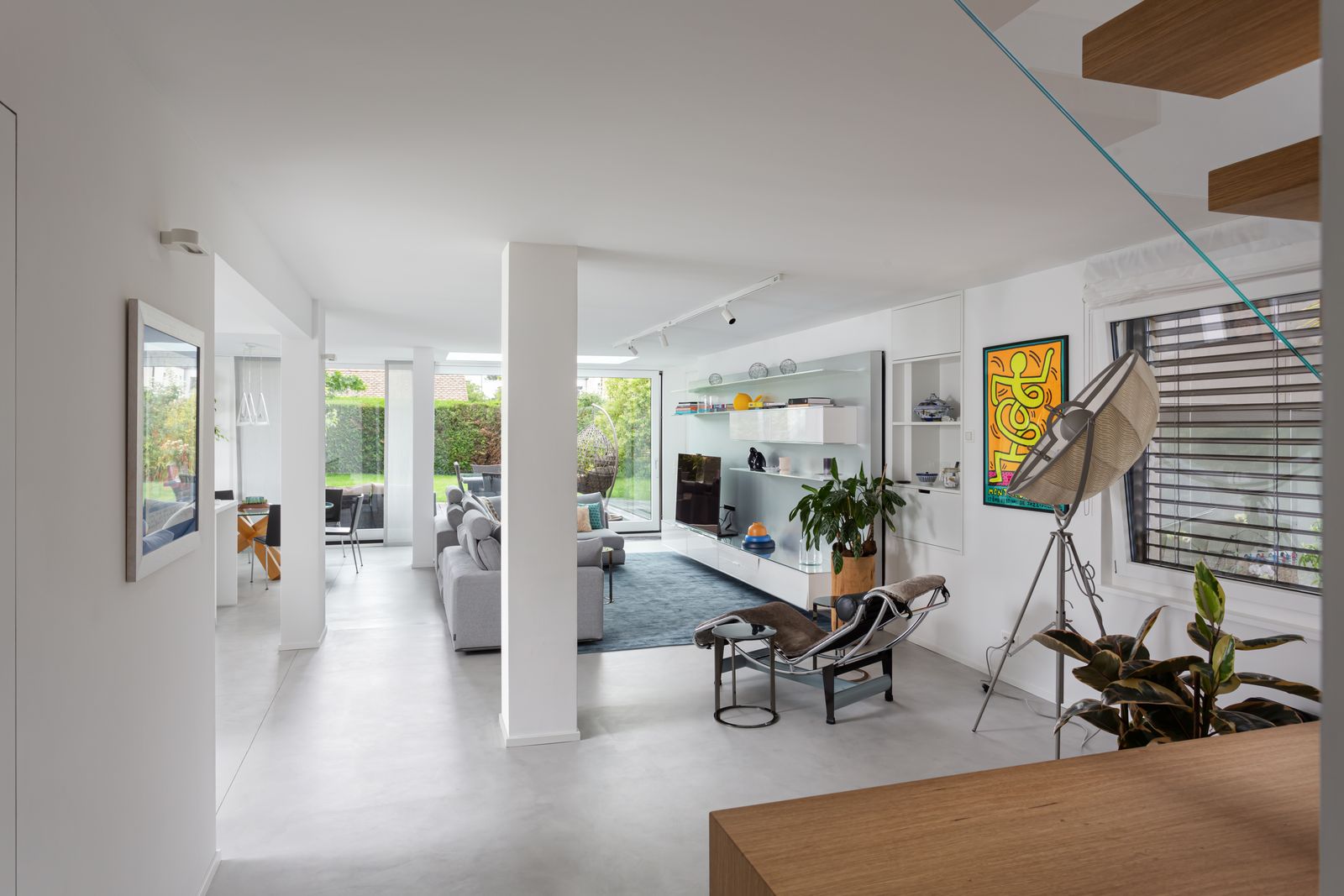
To identify an authentic design piece, start with the maker and edition, then look for consistency across the markings, paperwork and construction. The designer’s name identifies the design. Attributing the piece in front of you takes further evidence. A chair can have the familiar silhouette and tell a very different story when you look closely.
What does ‘original’ mean in furniture design?
With furniture designed for serial production, ‘original’ can refer to a piece made by an authorised producer, including a recent example. A first edition belongs to a particular moment in the production history. An authorised reissue may return a design to the catalogue decades later. Those distinctions affect both the price and the kind of object you’re buying. Someone looking for an everyday chair and a collector looking for an example from a particular decade can make two equally sensible purchases.
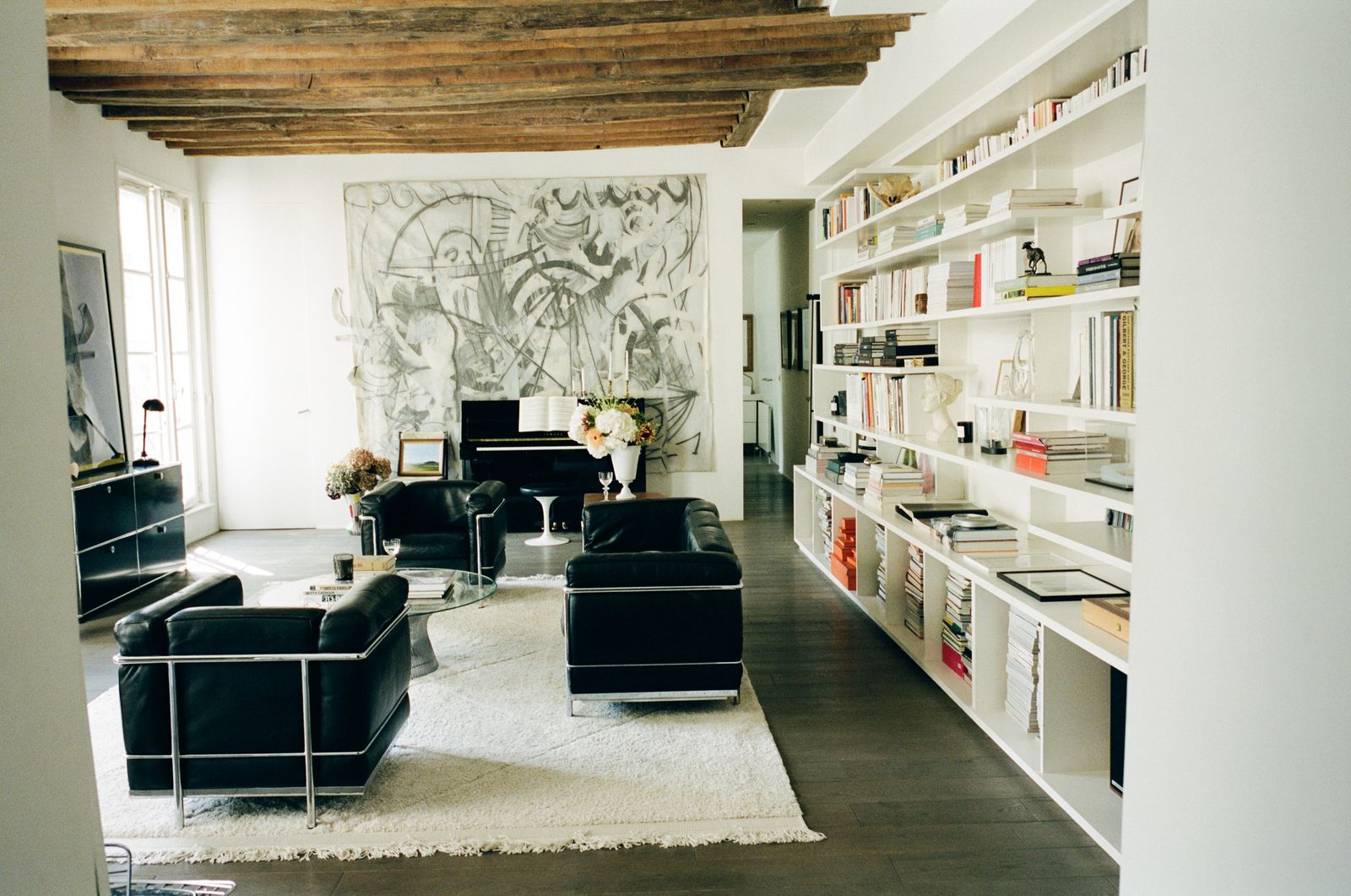
Knoll’s guide to Marcel Breuer’s Wassily chair makes a useful starting point. It sets out the production history and shows what to look for on Knoll examples. That is the level of specificity you want from a listing. If it says only ‘design by Marcel Breuer’, ask who made the piece and how the seller established that attribution. ‘In the style of’ and ‘inspired by’ describe resemblance. Claims about the maker, a reissue or a licence call for evidence tied to the model and, for vintage pieces, the period in question.
Where to look for stamps, signatures and serial numbers
On the examples described by Knoll, the Wassily carries the maker’s logo and Breuer’s signature stamped into the frame. For Wilhelm Wagenfeld’s WG 24, Tecnolumen specifies consecutive numbering beneath the base, alongside the Bauhaus and Tecnolumen logos. Each object asks you to look in a different place. On the chair, ask for a sharp photograph of the frame. On the lamp, turn to the underside of the base. Placement matters because it gives you something specific to compare with the maker’s documentation. Our guide to the Bauhaus in furniture and interiors sets the designs in context.
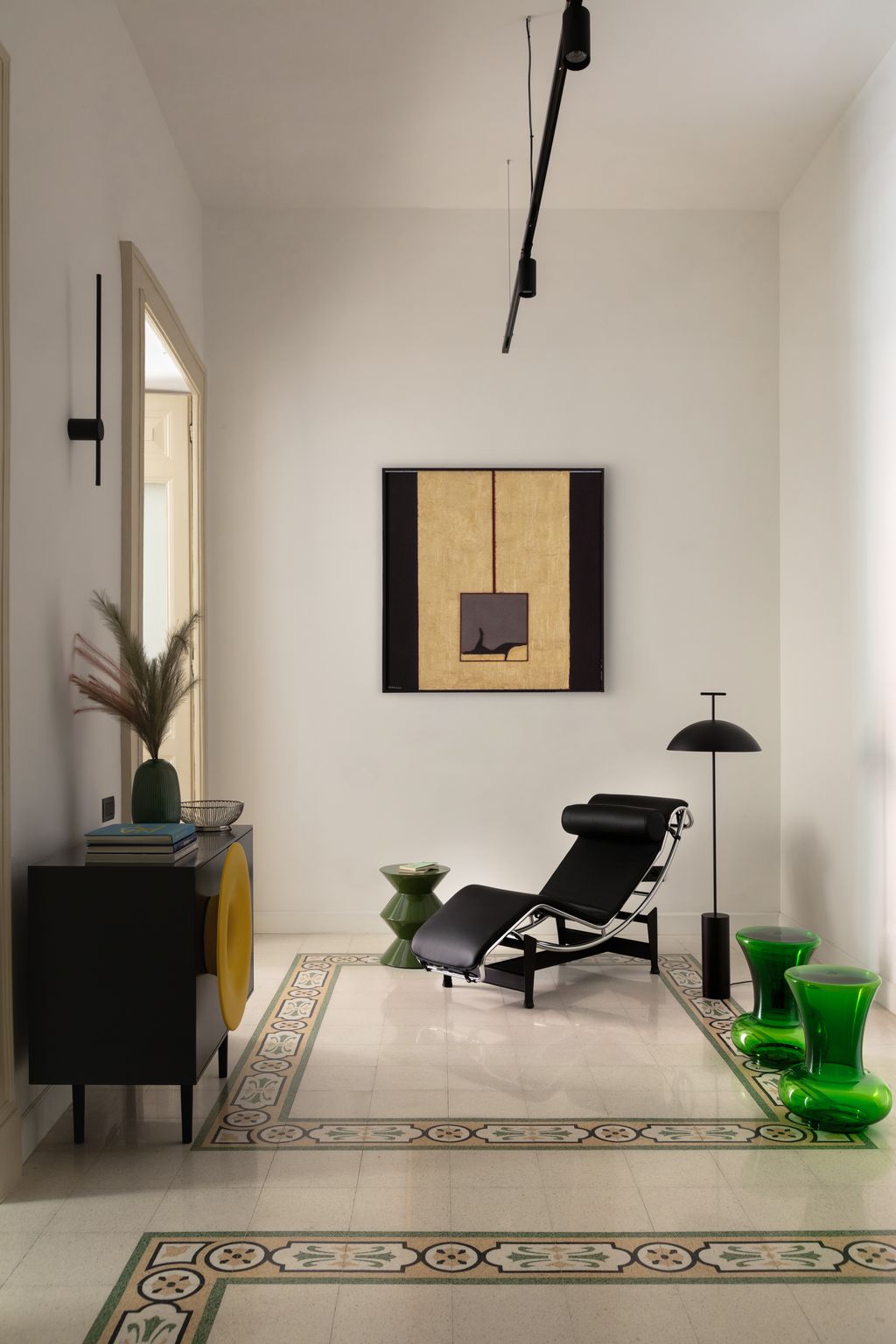
Ask for two photographs: one close enough to read the mark and another wide enough to show exactly where it sits. Vintage markings can vary by maker and period. An abraded area, a missing label or a replacement component calls for corroboration, such as a dated invoice, older photographs or a specialist opinion. Even a beautifully legible stamp carries more weight when the rest of the object tells the same story.
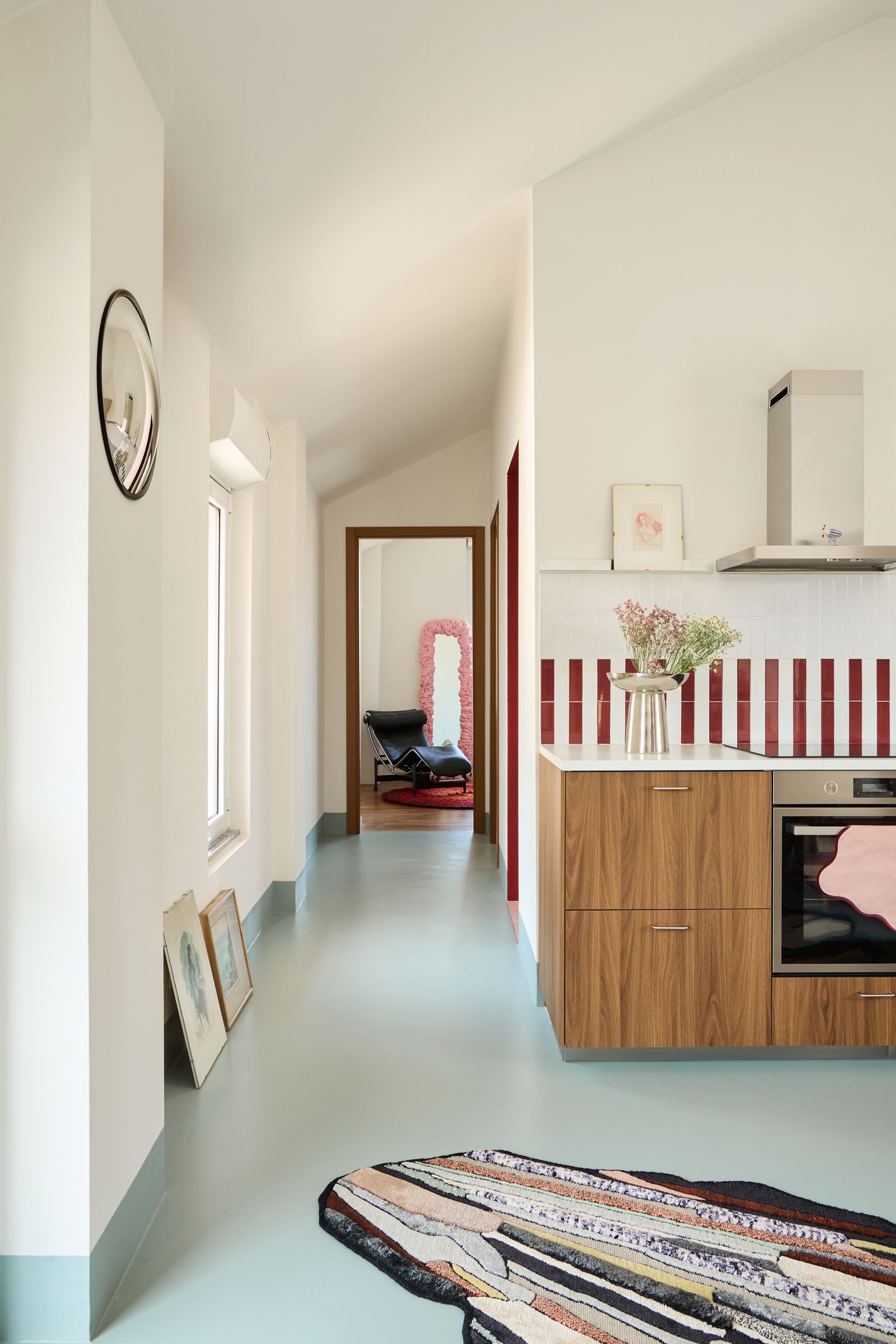
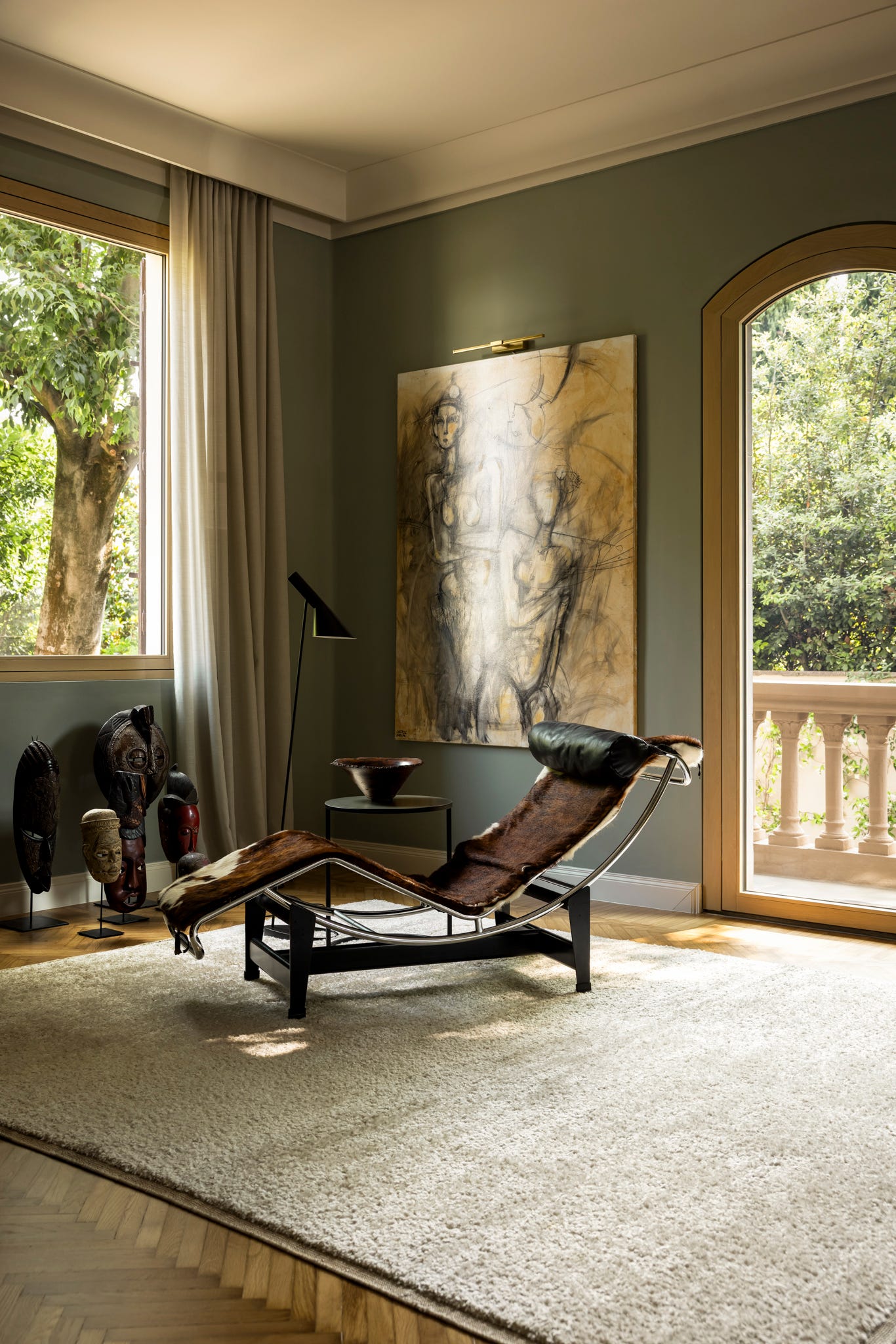
A design produced in several variants makes a good case for checking the exact specification. On its sheet for the two-seat Fauteuil Grand Confort, petit modèle, from the Le Corbusier, Pierre Jeanneret and Charlotte Perriand collection, Cassina lists the Cassina logo and the LC, PJ, CP identification mark. If the listing shows a single chair or an example attributed to another period, look for documentation specific to that version. A detailed specification is useful when it describes the object in front of you.
What certificates and invoices can tell you
A certificate becomes useful when you can tie it to the piece on offer. Check who issued it, which model it describes and whether it includes a reference you can match to the object or the invoice. If you’re sent a scan, ask for a legible image of the whole document. A receipt naming the product and retailer helps reconstruct the sale. A generic certificate carrying only the designer’s name leaves essential questions about model, edition and provenance open.
Buying new, ask for the maker, model, variant and finish on the written quotation. Buying second-hand, ask who bought it, what work has been done and which documents come with it. A restoration history is particularly useful when it distinguishes the frame from the parts that have been renewed. A rebuilt seat can be welcome if you plan to use it every evening. For a collector looking for period materials, the same detail can change what the piece is worth to them.
Materials and workmanship: what to inspect up close
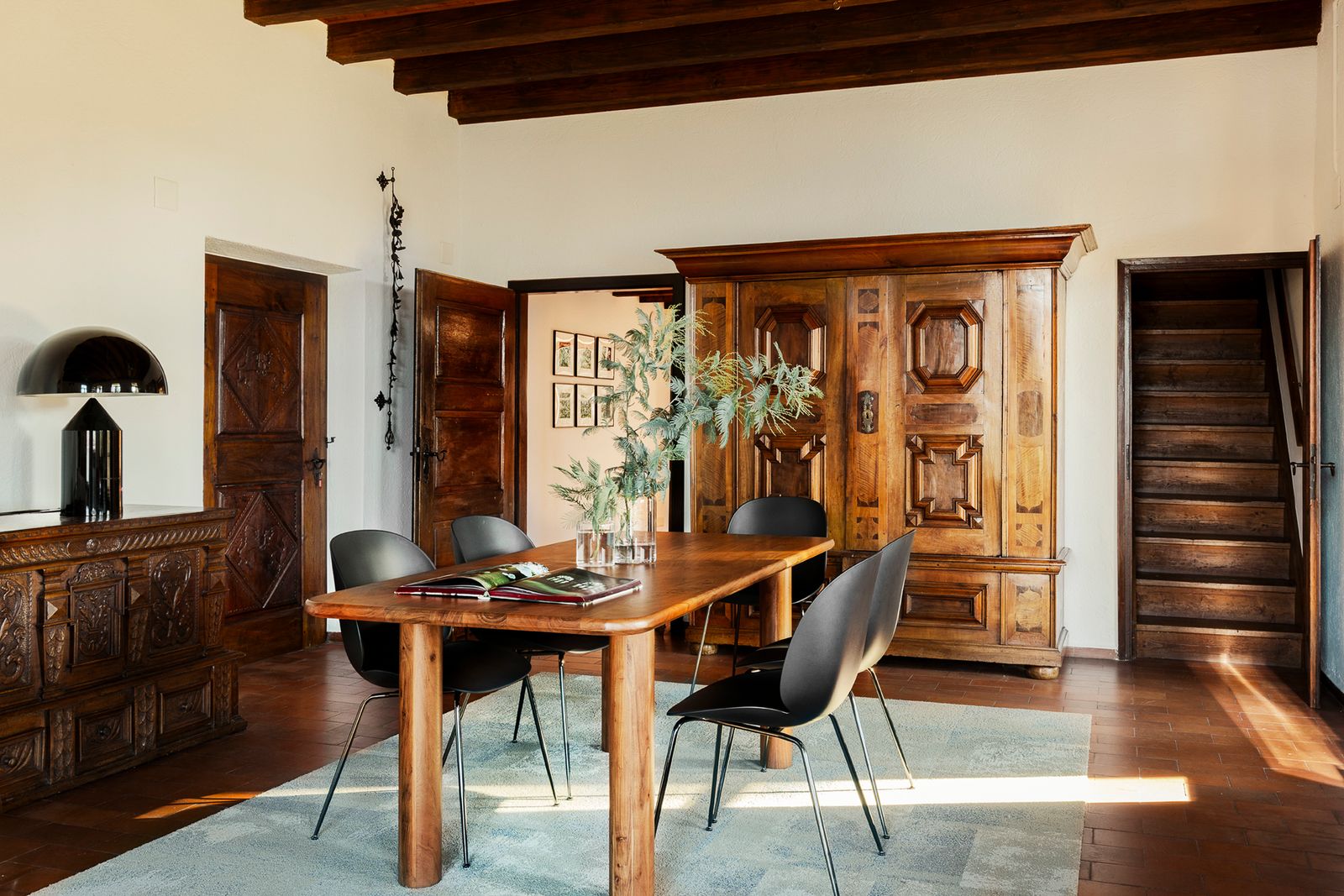
Look where product photography seldom lingers. On a lounge chair, inspect the meeting of frame and upholstery, the strap fixings and the joints. With a lamp, check proportions, the base and whether the materials match the specification for the stated version. On a dining chair, look underneath to see how the seat is fitted. The images in our feature on Vico Magistretti’s Atollo for Oluce show how much the design depends on the relationship between its forms. For an actual purchase, compare dimensions and finishes for the specific variant as well.
Compare measurements taken from the same points. Seat height answers a different question from overall height. Ask for daylight photographs, especially if the finish or veneer affects the price. Wear consistent with use may be part of what draws you to vintage furniture. A loose joint, damage beneath the upholstery or a poorly executed repair can mean real expense. Authenticity helps establish what the piece is. Condition helps you decide what to pay.
How to read a listing before you pay
Imagine a listing with a handsome photo and a short description: ‘Vintage Wassily, Breuer design’. Before comparing prices, ask for a full view, a close-up of the mark and photographs of the places most likely to show wear. Get the dimensions and ask how the seller arrived at the attribution. Compare those details with the documentation for the stated production and period. Apply the same method to a showroom piece, where it is worth making sure the photographs show the one that will actually be delivered.
Prices become comparable once you’re looking at examples with similar specifications and condition. Add delivery, any likely restoration and, where warranted, the cost of a specialist assessment. Our guide to designer armchair makers is a starting point for researching producers. If the asking price depends mainly on a production date or a particular provenance, that is the detail to pin down before paying.
Before you commit, get the details that shaped your decision in writing. If a listing says ‘original leather’, ask whether that applies to the whole piece or only some panels. If the cushions have been remade, ask whether the old ones survive. Confirm who will arrange transport and how the furniture will be protected. For a purchase at a distance, a photograph taken before packing can help document the condition you agreed on.
What to buy on a smaller budget
Before searching for a similar outline, ask what drew you to the design. It might be the Wassily’s open frame because you want a chair that preserves a sightline. With the CH24, it might be the relationship between bent timber and a woven seat. That gives you a sharper brief for exploring contemporary design. Look for a named designer, a clear construction specification and a form that develops the idea in its own way, perhaps through its supports, proportions or the relationship between the seat and frame.
If it is the specific design you want, look for a well-documented second-hand example, a standard-production version in a more affordable finish or an ex-display piece with a clearly described condition. And if the price is doing most of the persuading, go back to the underside photograph, the label and the paperwork. When those details line up and the piece already has a place in your home, you have a solid basis for deciding.