November is when holiday shopping and long-planned purchases collide. This Black Friday, choose a design icon you’ll still want to live with in ten years.
By mid-November, Black Friday is already under way. The date on the calendar is Friday, 27 November 2026, but shop windows and inboxes are already full of early-access offers and short-lived deals. November has become the month when Christmas shopping meets the purchases we’ve been putting off since early autumn. A gift for December and the living-room lamp you’ve had your eye on for a year can end up in the same basket.
In its 2026 Black Friday Survey, PwC polled 2,000 people in Italy. Of those respondents, 78% said they planned to use the promotions to buy at least some Christmas gifts, and 61.4% expected to keep their budget at its 2025 level. The picture is one of planned spending concentrated into a few weeks. A single piece of furniture can take up a significant share of that budget. Which piece would you still want to live with in ten years’ time?
Why design icons are back in the spotlight in 2026
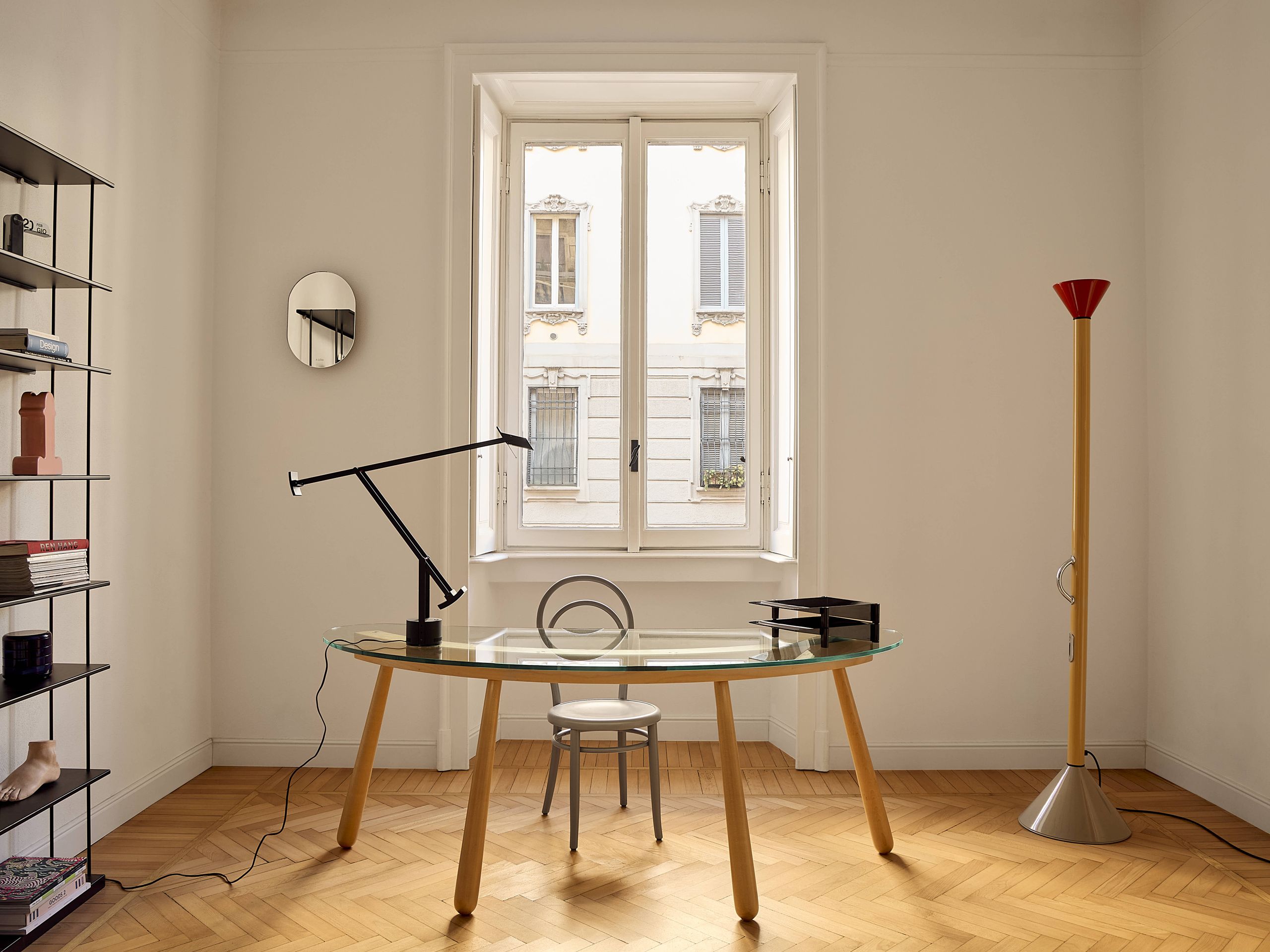
Look at what’s coming back into production. To mark the centenary of Verner Panton’s birth, Karakter x Cassina reissued the Peacock Chair in 2026, bringing back the complexity of the original design. A year earlier, Gebrüder Thonet Vienna returned Enzo Mari’s Boomerang desk, designed in 2001, to its collection. The sweep of its top gives the desk a presence of its own. In a living room that doubles as a study, it still feels part of the room when the laptop is shut.
These reissues offer a clue to where the industry is looking for new ideas. Once a design has lived through several generations of interiors, qualities that were easy to overlook at its debut can come into focus. Panton makes a seat feel theatrical. Mari asks what a workspace can contribute to a home. Knowing what each design sets out to do helps you judge what you’re paying for and whether that quality will make a difference in your own room.
What makes a piece of furniture a design icon?
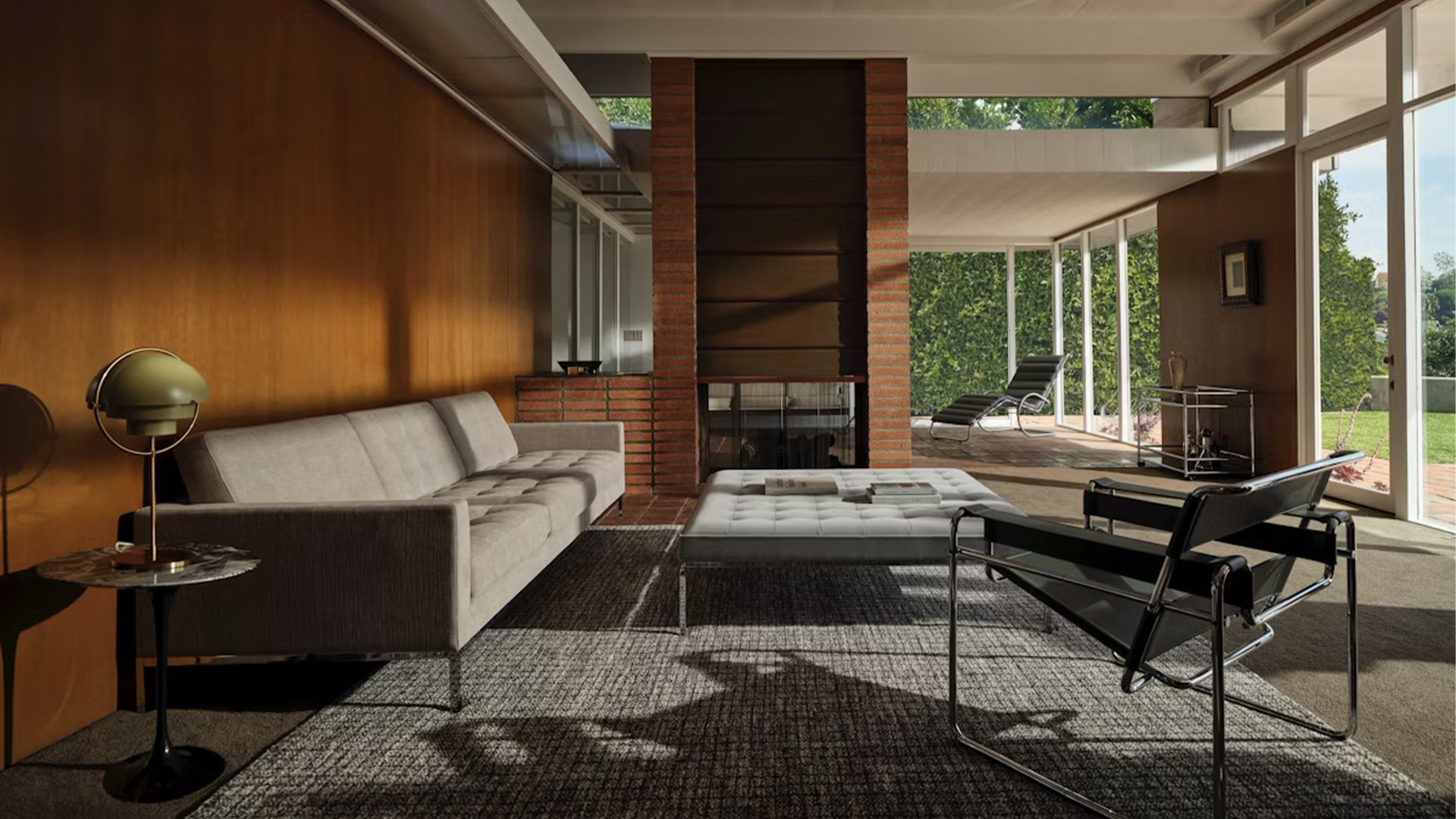
Look at Marcel Breuer’s Wassily chair, designed in 1925, from the side. Tubular steel traces the volume that an upholstered chair would fill. The suspended straps support the body while keeping the floor visible. In a small room, that open frame changes how much space the chair seems to take up. It’s one reason a Bauhaus experiment still has something to offer interior designers today.
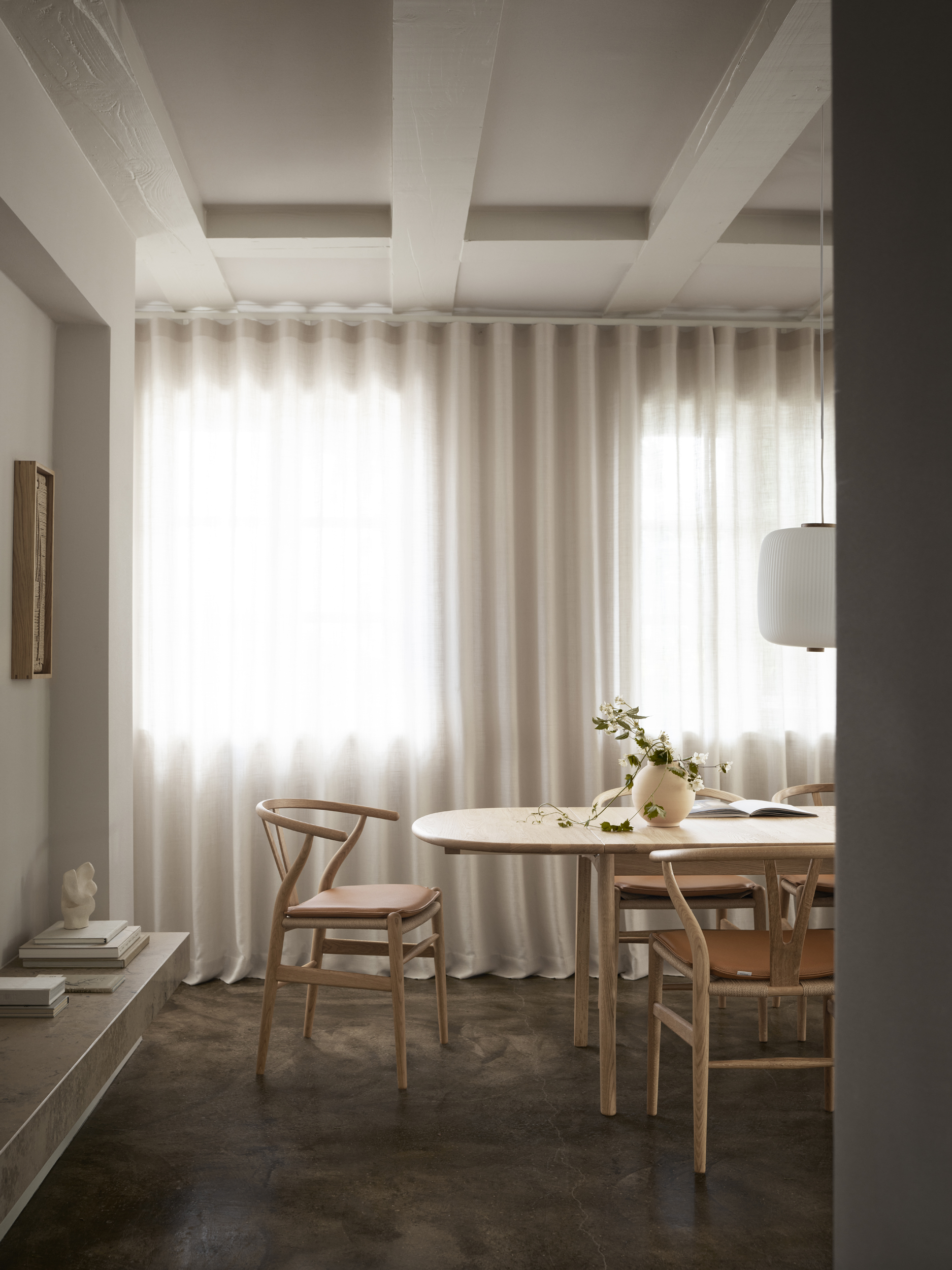
Hans J. Wegner’s CH24 owes its character to a different construction. The top rail curves around the sitter, the Y-shaped support makes the structure easy to read, and woven paper cord gives the seat its texture. Designed in 1949, the chair has been in production with Carl Hansen & Søn since 1950. It feels as much at home beside a well-worn kitchen table as it does around one of the landmark designs in our guide to tables. The seat’s proportions and the open back do much of the work.
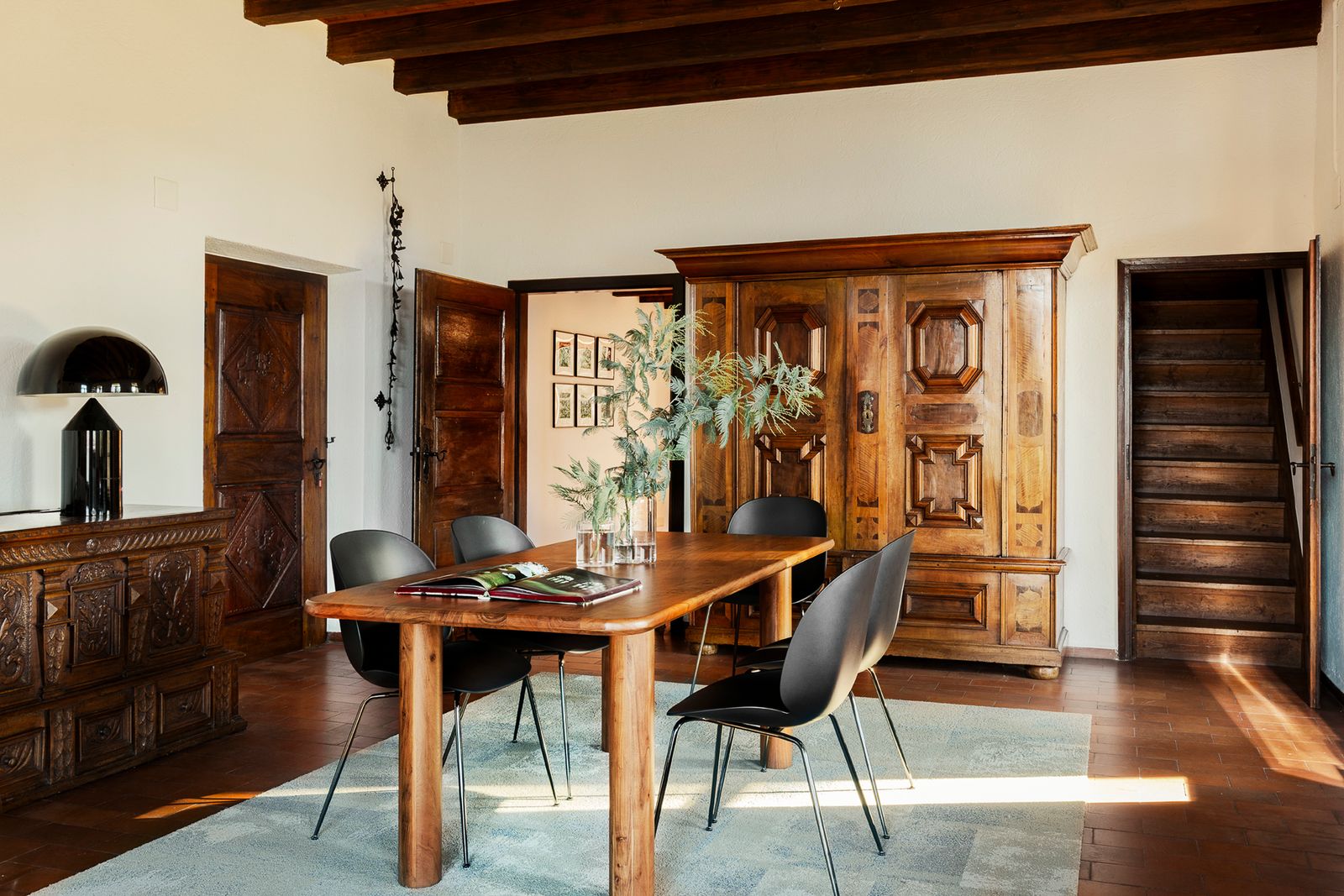
Some objects can change a room while taking up very little space. Switch on Vico Magistretti’s Atollo for Oluce on a sideboard and a wall that was simply a backdrop suddenly has a focal point. A famous silhouette earns its place through effects like this, the ones you notice in an ordinary evening at home.
How to work out the cost over time
A €600 chair used for fifteen years costs €40 a year. Five €150 chairs bought in succession over the same period cost €750 in total, or €50 a year. These figures are illustrative. Spend €150 on renewing the seat of the first chair and, over fifteen years, the totals are equal. The original €600 still has to fit today’s budget.
For a fuller picture, add the purchase price, delivery, routine care and likely repairs. Can the seat be rewoven? Is the upholstery replaceable? Who can do the work, and what will it cost? Could you still use the piece if the room were laid out differently? Base your spending decision on the use you expect to get from the piece and leave any potential resale proceeds out of the calculation.
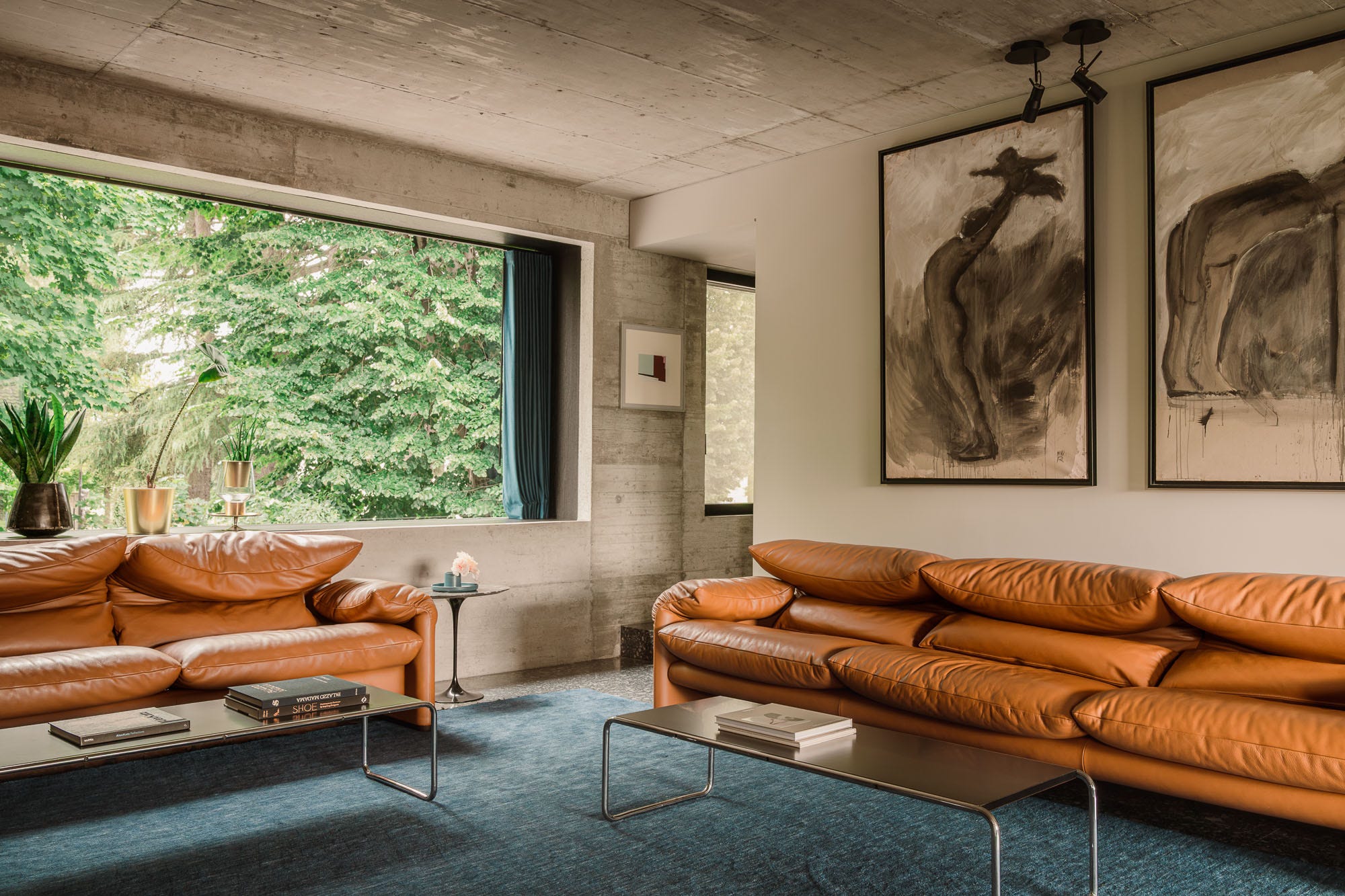
Once you’ve set a budget, decide where a little more spending will make a difference at home. An armchair you sit in every evening may deserve a larger share than a side table you rarely use. Our guide to designer armchairs is a starting point for comparing pieces and makers. In a showroom, sit in the chair for a few minutes and ask how to care for the exact upholstery you’re considering.
How to tell whether a Black Friday offer is worth taking
Before 27 November, give the piece a place. Mark out an armchair’s footprint and see how easily you can walk past it. For dining chairs, check the clearance under the tabletop. If you’re buying a lamp, look at the room after dark. That’s often when you can see how much light you need and where it ought to fall.
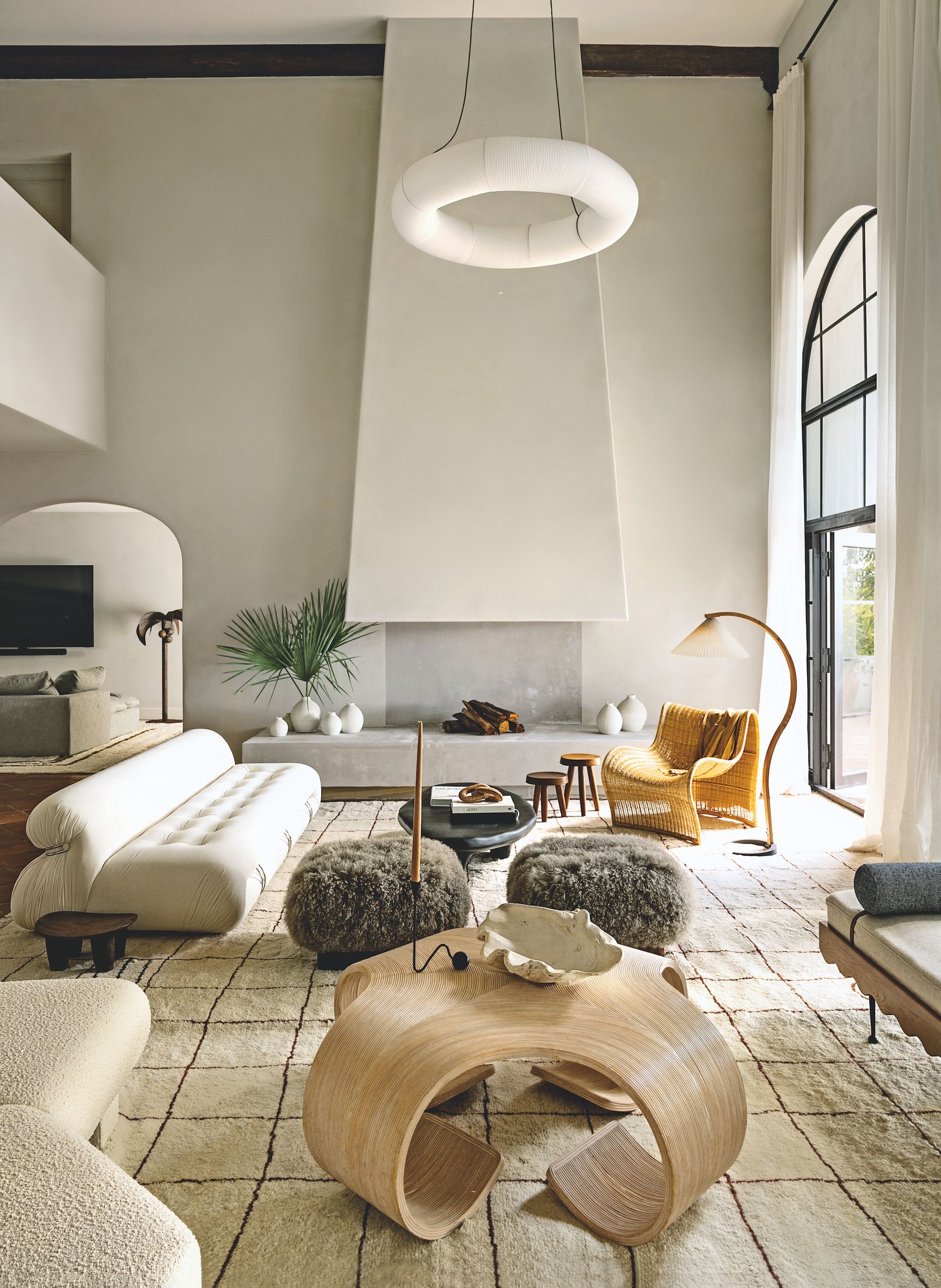
Then compare the delivered price for the same specification, including the same finish. Check the seller, lead time and returns terms, particularly for made-to-order upholstery. If you’re buying an ex-display piece, ask for photographs of the actual one you’ll receive. A mark underneath the base and a worn patch on the front edge of the seat will make quite different impressions in everyday use.
By Saturday morning, the percentage on the sale tag will have lost much of its appeal. What remains is the object itself, the space it takes up, the light it casts or the way it feels to sit in. Choose with that morning in mind, and all the ordinary mornings when the piece will still be there.