Venice challenges architecture even before a project begins to take shape. Every intervention enters into dialogue with a city built on water, memory, fragility and a heritage that continues to live through palaces, foundations, calli, campi, landing points and sudden views over the lagoon. Designing here means working within a dense urban fabric, where light …
Venice challenges architecture even before a project begins to take shape. Every intervention enters into dialogue with a city built on water, memory, fragility and a heritage that continues to live through palaces, foundations, calli, campi, landing points and sudden views over the lagoon. Designing here means working within a dense urban fabric, where light changes the perception of space, water transforms the relationship with the ground, and history becomes a physical, concrete and everyday presence.
Venice owes its central role in international architectural culture to this unique condition. It is a historic heritage site, an inhabited city, a fragile landscape, a cultural stage, an exhibition platform and an urban laboratory. It is the city of Carlo Scarpa, of his interventions at the Fondazione Querini Stampalia, the Olivetti Showroom and the Giardini della Biennale. It is also a city shaped by major figures in contemporary architecture: Tadao Ando with Palazzo Grassi and Punta della Dogana, OMA with the Fondaco dei Tedeschi, David Chipperfield Architects with the Procuratie Vecchie, and Santiago Calatrava with the Ponte della Costituzione. These very different works, often debated, have made Venice one of the most closely observed places in the world for understanding the relationship between architecture, heritage and transformation.
The Venice Architecture Biennale has strengthened this vocation, turning the city into a key centre of international debate. From the Giardini to the Arsenale, from national pavilions to temporary installations, Venice has welcomed decades of research, visions and experiments focused on the future of living, cities, materials, climate, care and public space. In Venice, architecture is observed, discussed, celebrated and tested. Even before becoming a building, it takes on a cultural dimension.
Within this context, Venetian architecture studios work in a highly specific condition. Some focus on restoration and heritage enhancement, others on the regeneration of existing buildings, historic interiors, hospitality, residential design, the lagoon landscape, sustainability and new ways of living. Venice requires technical expertise, knowledge of constraints, material sensitivity, listening skills and restraint. Every project seeks a balance between continuity and transformation, memory and present-day use, beauty and responsibility.
This selection brings together 25 architecture studios in Venice to know today: established practices, studios rooted in the local territory, professionals working across the historic centre, Mestre, Marghera and the Municipality of Venice, together with younger or more specialised voices focused on interiors, sustainability, living culture and new forms of design. It is an editorial map created to describe a layered architectural scene, where the value of a studio emerges from its ability to interpret Venice with intelligence, respect and vision.
How we selected the architecture studios in Venice
Choosing the best architecture studios in Venice means entering a professional scene made up of different and often highly specialised skills. The city requires architects able to read the value of historic buildings, understand the sensitivity of each context, intervene with restraint and imagine new ways of living without weakening the identity of places.
In this selection, we have included practices that describe Venice from different perspectives: studios working on restoration and heritage enhancement, design ateliers, architects active in interiors, residential projects, hospitality, landscape, sustainability and the transformation of existing spaces. Some have a more established and institutional profile; others represent a younger generation, attentive to the everyday quality of living, material care, flexible interiors and the relationship between design, wellbeing and new lifestyle needs.
The common thread is their connection with Venice: not only as an address, but as a field of work, a design culture and a responsibility. In such a fragile and closely watched city, architecture must bring together technical knowledge, historical sensitivity, construction precision and the ability to give spaces a future. This list does not follow an absolute ranking. Instead, it offers a map of authoritative, rooted or particularly interesting studios that help us understand how Venice is restored, transformed, inhabited and reinterpreted through architecture today.
TAMassociati
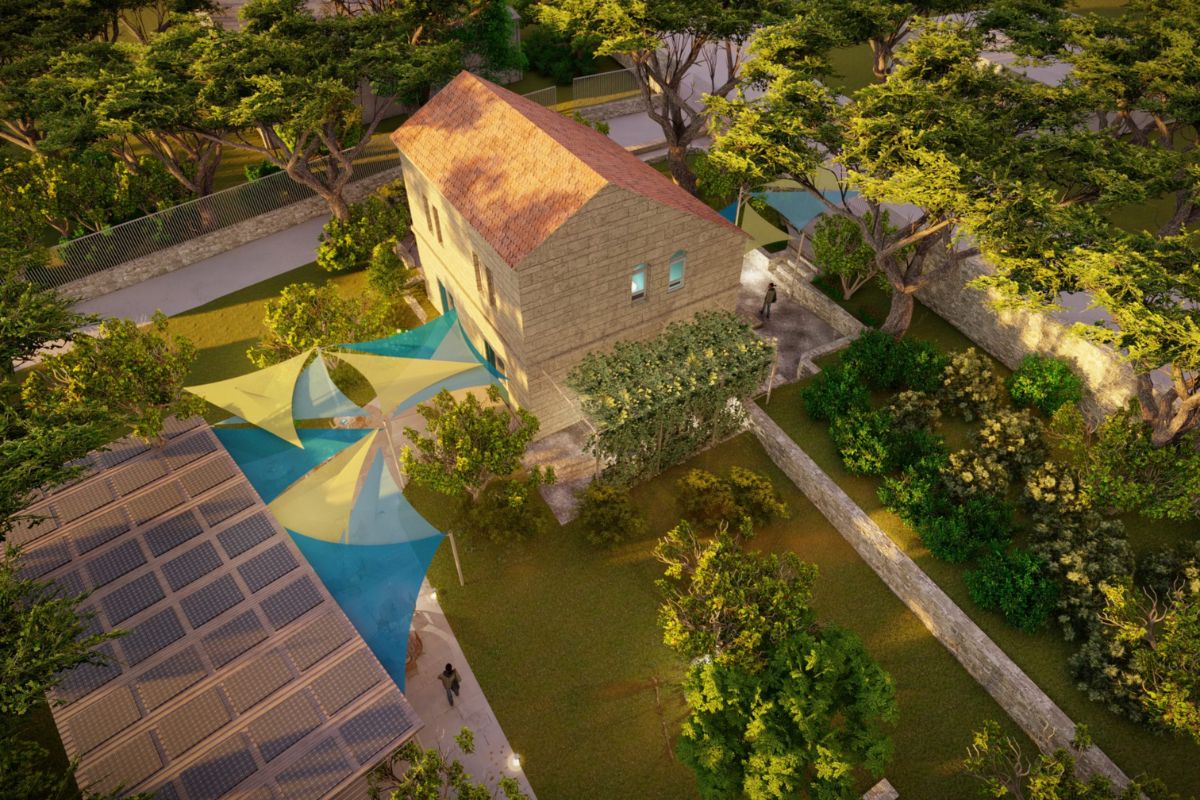
TAMassociati is one of the most recognisable studios in Venice’s current architectural culture. Its main office is in Dorsoduro, in the heart of Venice, but the studio’s work has long extended beyond the city, bringing its research into international contexts linked to healthcare, cooperation, education, sustainability and rights.
Its architecture stems from a clear idea of responsibility. Spaces for people, buildings capable of generating care, community and social impact, projects designed to respond to real needs without giving up design quality. This is a rare position, especially in a landscape often more attracted to image than to the civic value of building.
The studio’s connection with Venice also passes through the Architecture Biennale. In 2016, TAMassociati curated the Italian Pavilion at the 15th International Architecture Exhibition with “Taking Care – Designing for the Common Good”, a title that clearly sums up its approach: architecture as a public gesture, a service, an act of attention and responsibility.
Including TAMassociati among the architecture studios in Venice means starting from an authoritative, ethical and distinctive voice. It is a practice that brings essential words into architecture today: common good, sustainability, rights, spatial quality and dignity of living.
TA Torsello Architettura
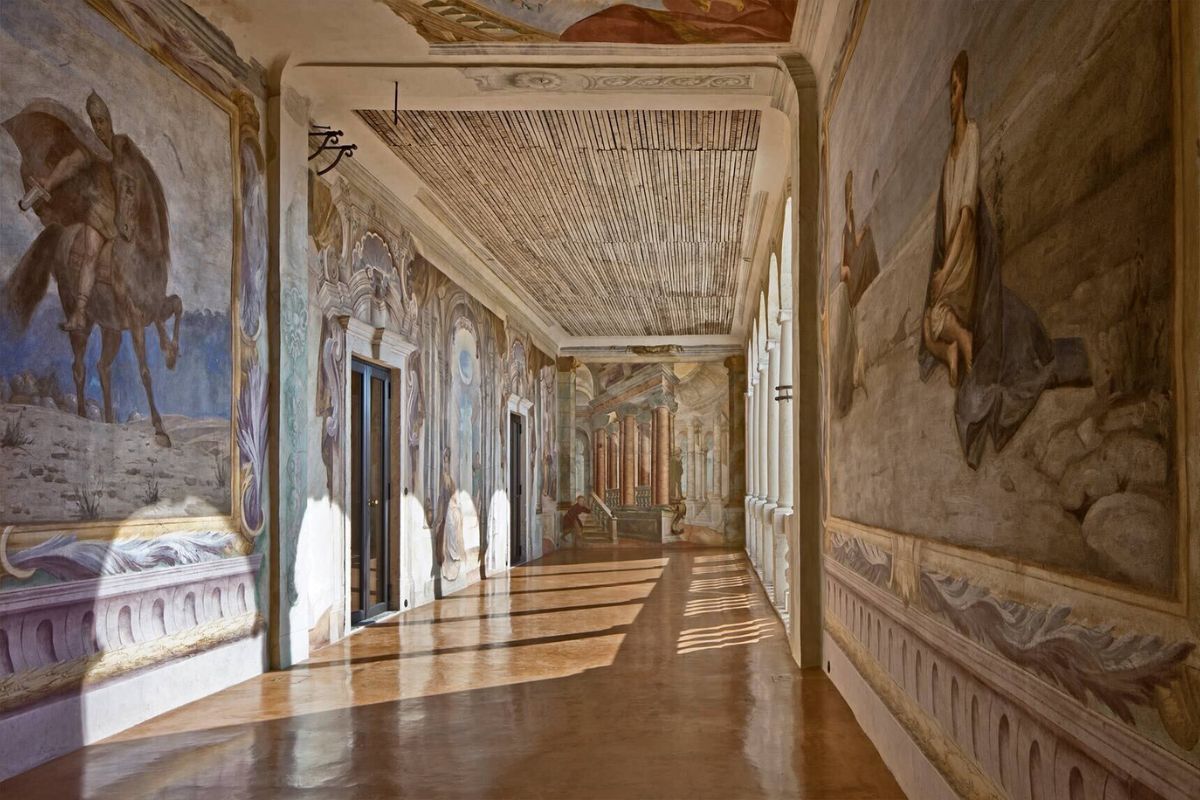
TA Torsello Architettura is one of the strongest names when it comes to restoration, conservation and heritage enhancement in Venice. Led by Alberto Torsello, the studio works between Venice and Florence, with a practice built around historic buildings, cultural heritage and some of the city’s most delicate sites.
Its portfolio includes major Venetian projects such as the Fondaco dei Tedeschi, Palazzo Ducale, the Scuola Grande della Misericordia and the Giardini Reali di Venezia. These are places that require rare expertise: technical knowledge, historical sensitivity and the ability to intervene without weakening the character of the spaces.
The work of TA Torsello Architettura describes a cultured and complex Venice, where restoration becomes a living form of design. Not simple preservation, but care for time, reading of materials, control of detail and the ability to make historically rich buildings accessible and functional once again.
Its presence in this selection is natural. Venice needs studios capable of treating heritage with precision and culture. TA Torsello Architettura belongs to this line of work: rigorous, discreet and deeply Venetian in the way it approaches the fragility and value of places.
AMAA
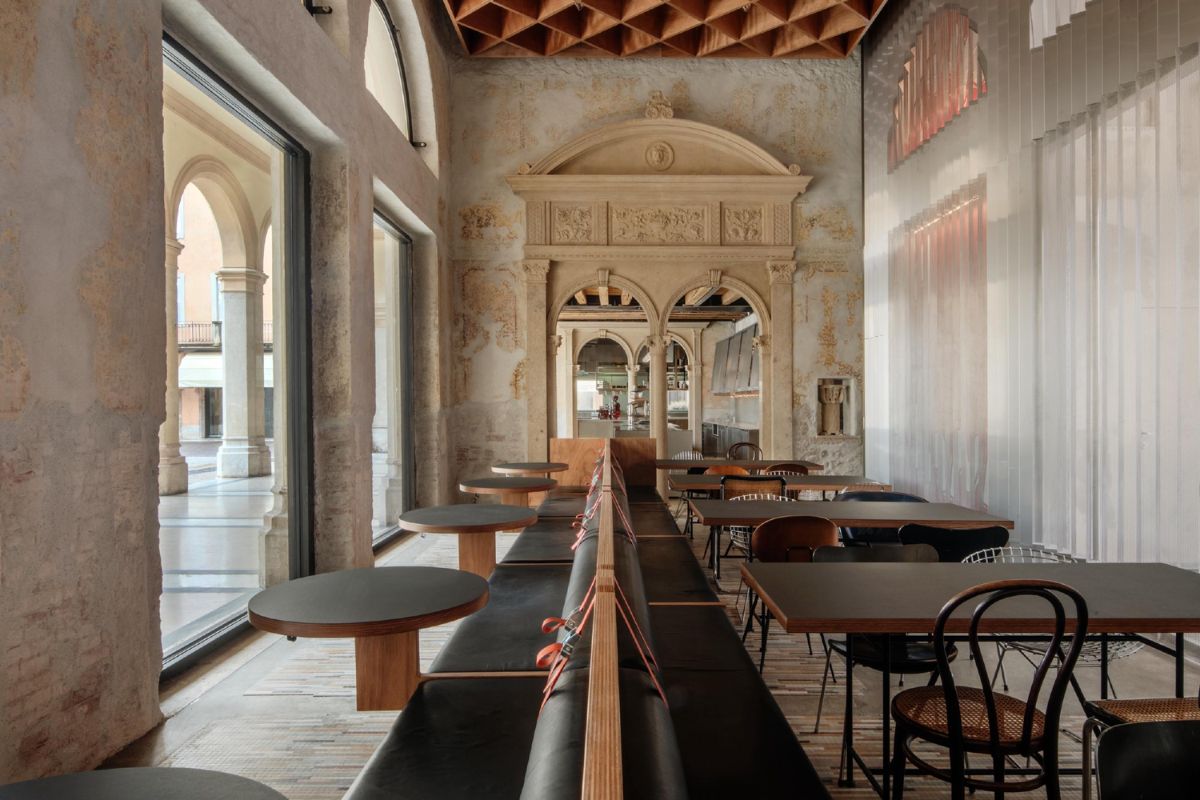
AMAA – Collaborative Architecture Office For Research And Development is a research and design studio with an office in San Marco, Venice, as well as in Arzignano. Its presence in this list introduces a more experimental voice, close to architectural research and to the reflection on the relationship between space, construction and matter.
The studio’s name already declares a method: collaboration, architecture, research and development. AMAA works with a precise, restrained and often essential design approach, where architecture grows from a careful reading of places and a clear pursuit of spatial quality. Its work does not seek decoration. It seeks structure, proportion and presence.
In a city like Venice, this approach takes on particular value. Here, the risk is always to be overwhelmed by the historical imagination. AMAA offers a current voice instead, able to engage with the context without imitating it and without turning it into scenery.
It is a studio worth including because it reveals a less predictable architectural Venice: a city that can also welcome essential, experimental languages built around the relationship between matter, void, light and compositional precision.
Caprioglio Architects
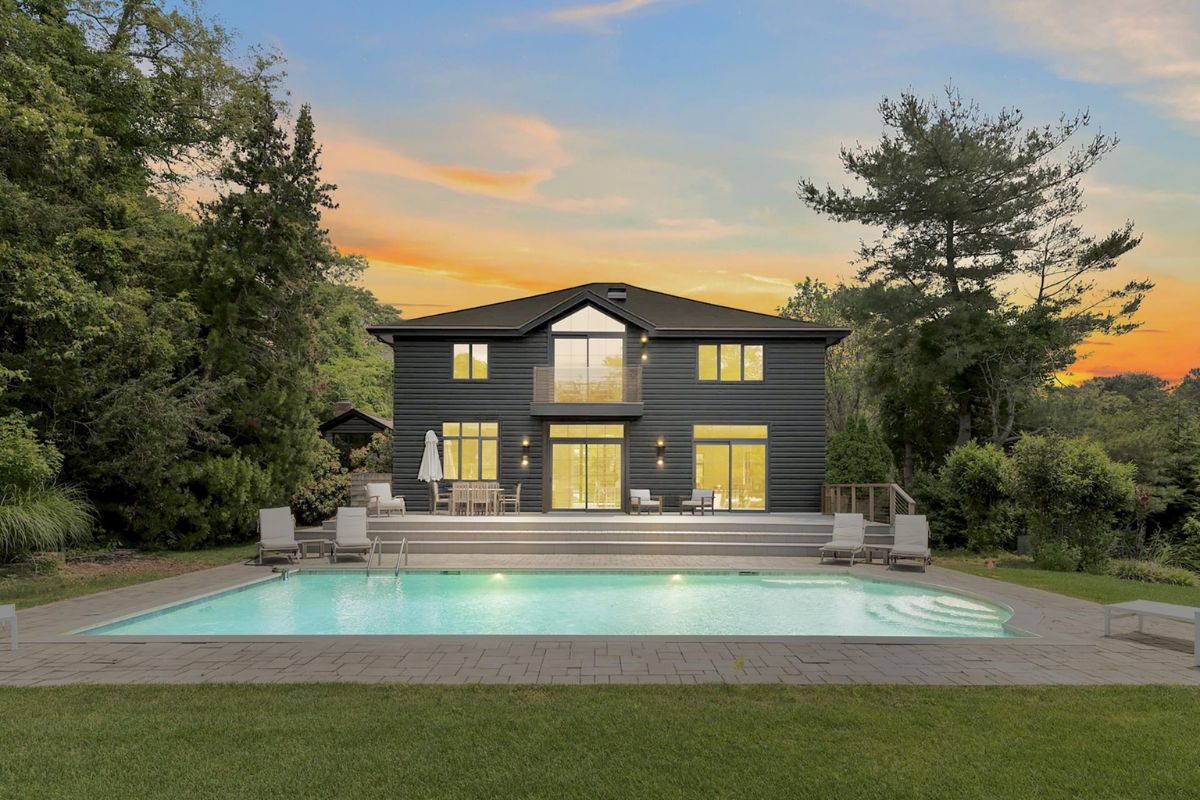
Caprioglio Architects is a studio based in Marghera, Venice, and New York. This dual presence clearly expresses the nature of its work: Venetian roots and international reach, attention to heritage and the ability to move across residential design, interiors, commercial spaces and representative projects.
The studio works on elegant and recognisable architecture, often linked to the transformation of existing places and the creation of highly designed environments. Its Venetian office in Marghera also helps reveal another side of the city: more productive, metropolitan, connected to the mainland and to its transformations.
Caprioglio Architects also stands out for the strength of its digital communication. Its visual identity is curated, international and close to the world of interior architecture and high-end design. For Archi&Interiors, it is a particularly relevant name because it brings together architecture, interiors, image, materials and living culture.
Its presence in this selection helps describe a Venice that is less museum-like and more expansive: a city that also lives through studios able to engage with international clients, refined homes, private spaces and places with strong character.
MAP Studio – Magnani Pelzel Architetti Associati
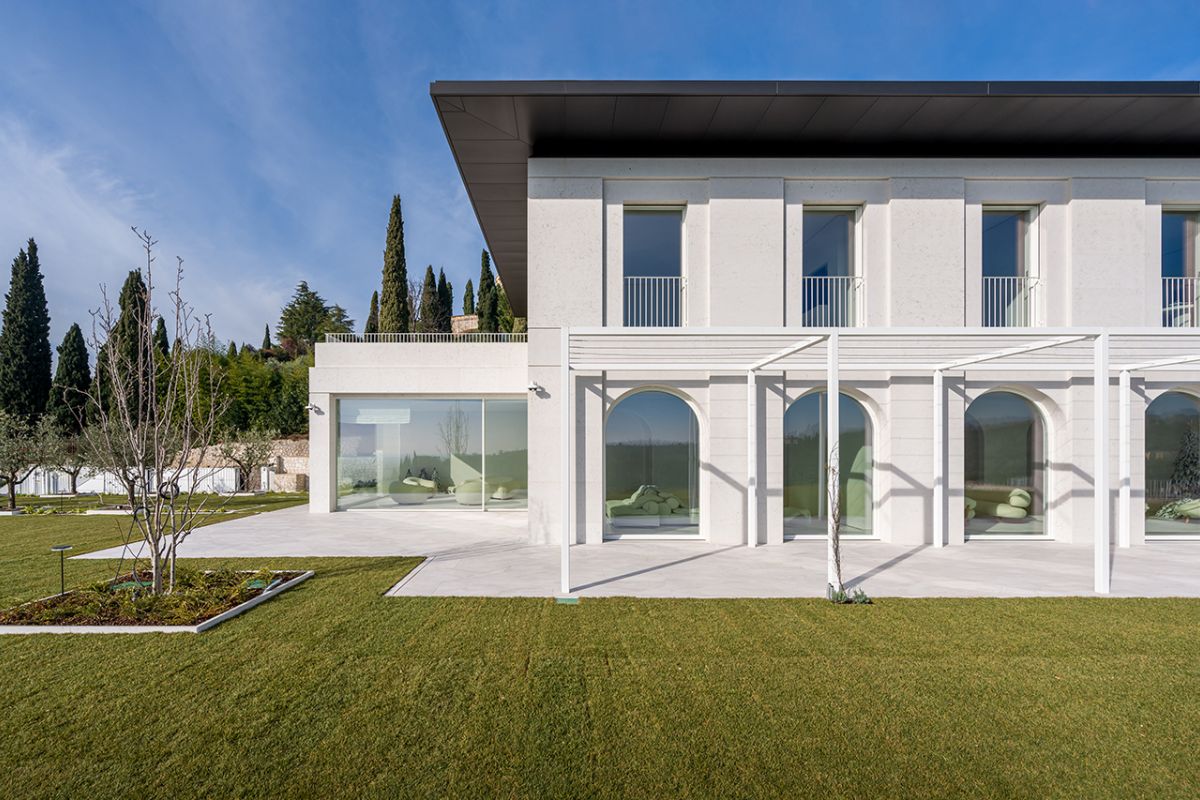
MAP Studio – Magnani Pelzel Architetti Associati was founded in Venice in 2004 by Francesco Magnani and Traudy Pelzel. The studio works across architecture, urban planning and design, combining public and private commissions, professional practice and research into urban space.
Its office is in Dorsoduro, an area of the city closely linked to culture, education and research. This is not a secondary detail: MAP Studio belongs to that design culture in Venice that observes the city as a complex organism, made of spaces to be reactivated, routes, infrastructures, public places and architectures ready for new uses.
One of its best-known works is the recovery of the Torre di Porta Nuova at the Arsenale in Venice, transformed into a cultural centre. It is a project that clearly reflects the studio’s method: reading the existing structure, understanding its strength and introducing a new function without erasing its original character.
MAP Studio enters this selection for its discreet authority. It is a cultured, measured practice with a deep connection to Venice. Its work speaks of reuse, civic architecture, urban space and careful transformation.
KANZ Architetti
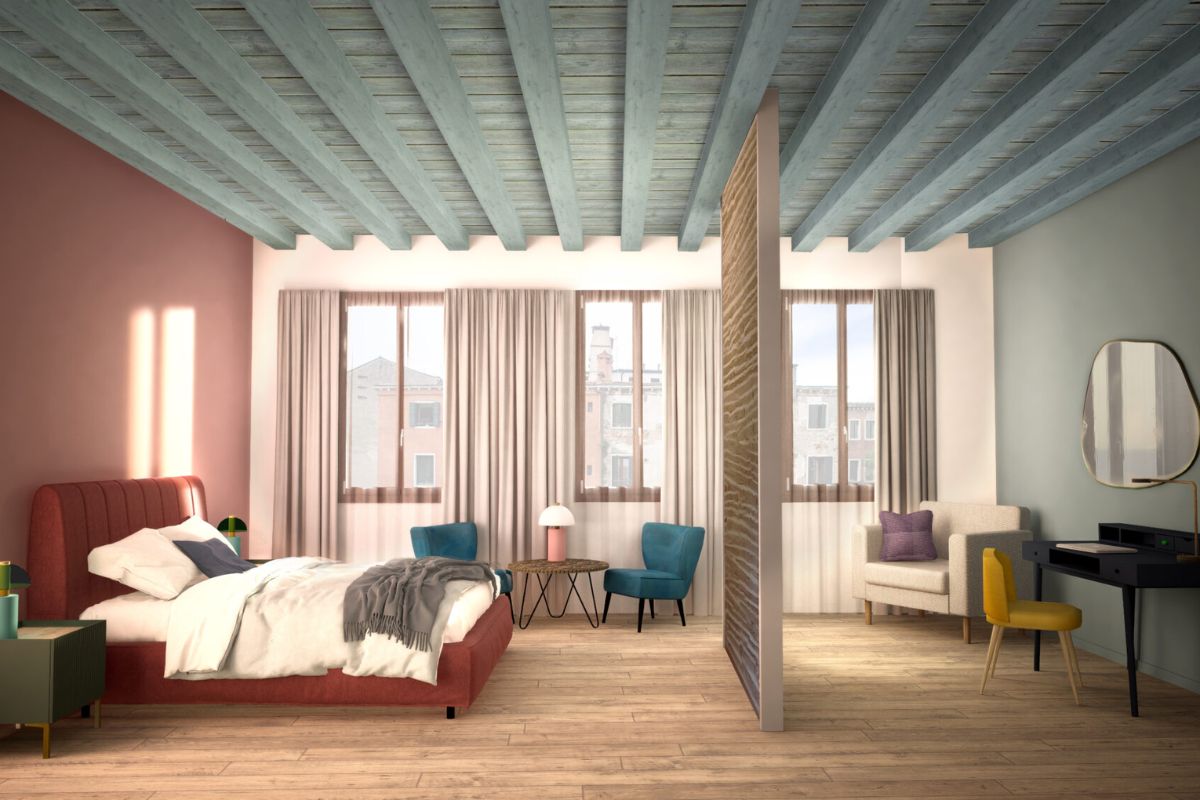
KANZ Architetti is a multidisciplinary studio founded in Venice in 2014 by Antonella Maione and Mauro Cazzaro. Its work covers architecture, residential restoration, commercial interior design, temporary installations and product design.
It is a particularly interesting practice for describing Venice today because it works on a subtle threshold: the one between architecture, interiors, objects and materials. In its approach, detail is not a decorative finish, but part of the project’s construction. Furniture, surfaces, materials, proportions and the daily use of spaces all become part of the same narrative.
KANZ also has a very recognisable digital presence. Its Instagram profile is refined, consistent and aligned with an identity that speaks of Venetian design, craftsmanship, interiors, table culture, materials and domestic spaces. It is a useful example of how a studio can build authority today through a precise visual language.
Its inclusion responds to the desire to highlight practices able to interpret the new needs of living: more flexible homes, more personal interiors, carefully designed objects and commercial spaces capable of expressing identity. A more intimate Venice, made of rooms, surfaces, gestures and details.
Barman Architects
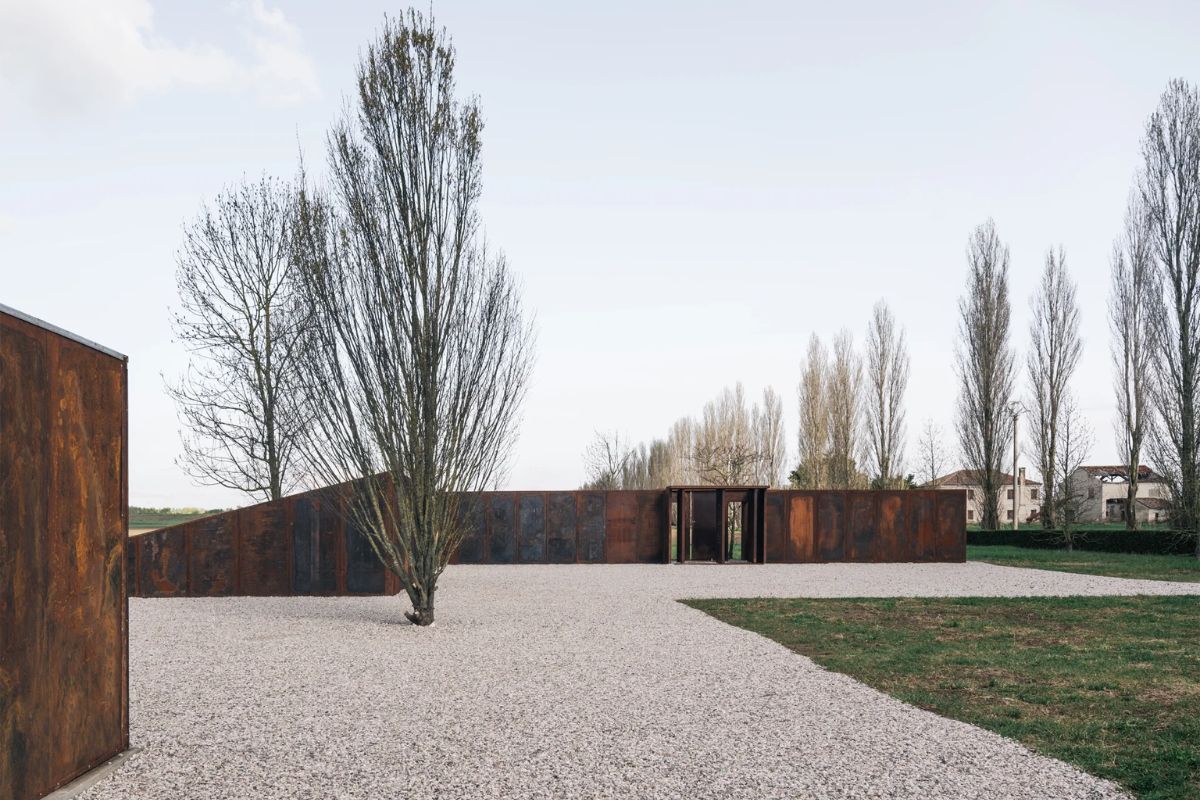
Barman Architects is an architecture studio based in Venice, founded by Roberta Bartolone and Giulio Mangano. Its presence in this selection introduces a current voice, rooted in the city and attentive to the relationship between design, heritage and public space.
The studio works on architecture, restoration, interiors and interventions connected to particularly sensitive Venetian places. One of its most significant projects is the restoration of Palazzina Masieri, a building linked to the history of modern architecture in Venice and to the name of Carlo Scarpa. It is a subject that requires caution, expertise and a strong sense of measure.
Barman Architects communicates through a clean, current and non-rhetorical language. Its digital identity reflects a young but already highly aware studio, able to move between research, construction sites, historic places and new functions.
It is a studio to keep on the list because it describes a present-day Venice, far from nostalgia. A Venice where architecture works on heritage with contemporary eyes, without giving up technical precision or a clearly recognisable architectural sensitivity.
Studio Arzere
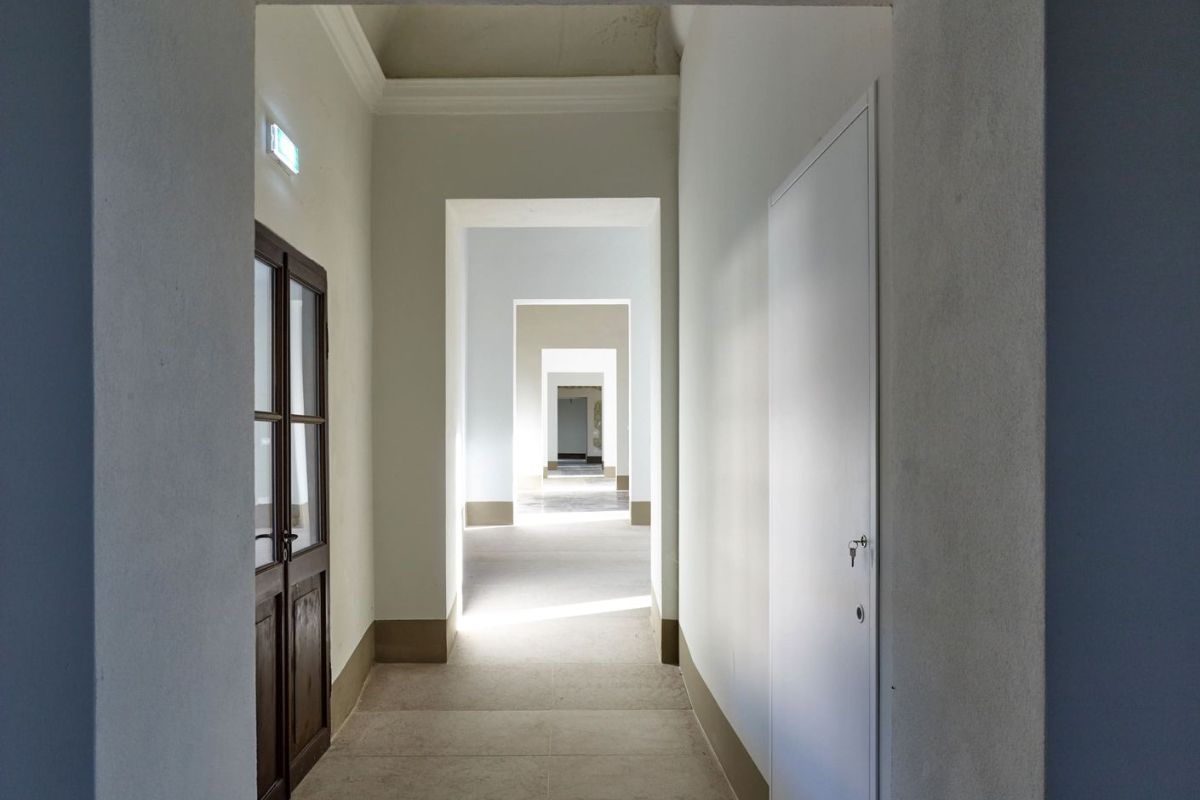
Studio Arzere is a Venetian practice specialised in restoration, adaptation and enhancement of cultural heritage. Its work concerns monuments and buildings of historic importance, with particular attention to the relationship between architectural scale, environment and landscape.
Its presence in this selection matters because Venice also survives thanks to expertise like this: less exposed to spectacular communication, but essential to the real care of the city. Restoring in Venice means understanding materials, techniques, constraints, humidity, light, wear and fragility. It means working on buildings that carry a public responsibility through time.
Among the studio’s recent projects are the restoration of the Abbazia della Vangadizza in Badia Polesine and the restoration and museum design of the Grandi Gallerie dell’Accademia in Venice. These projects confirm a strong expertise in cultural heritage and in bringing it back into present-day life.
Studio Arzere is included for its specialisation. In a selection dedicated to Venice, restoration cannot be a marginal theme. It is one of the highest and most necessary forms of architectural practice.
Studio Girello Architetti
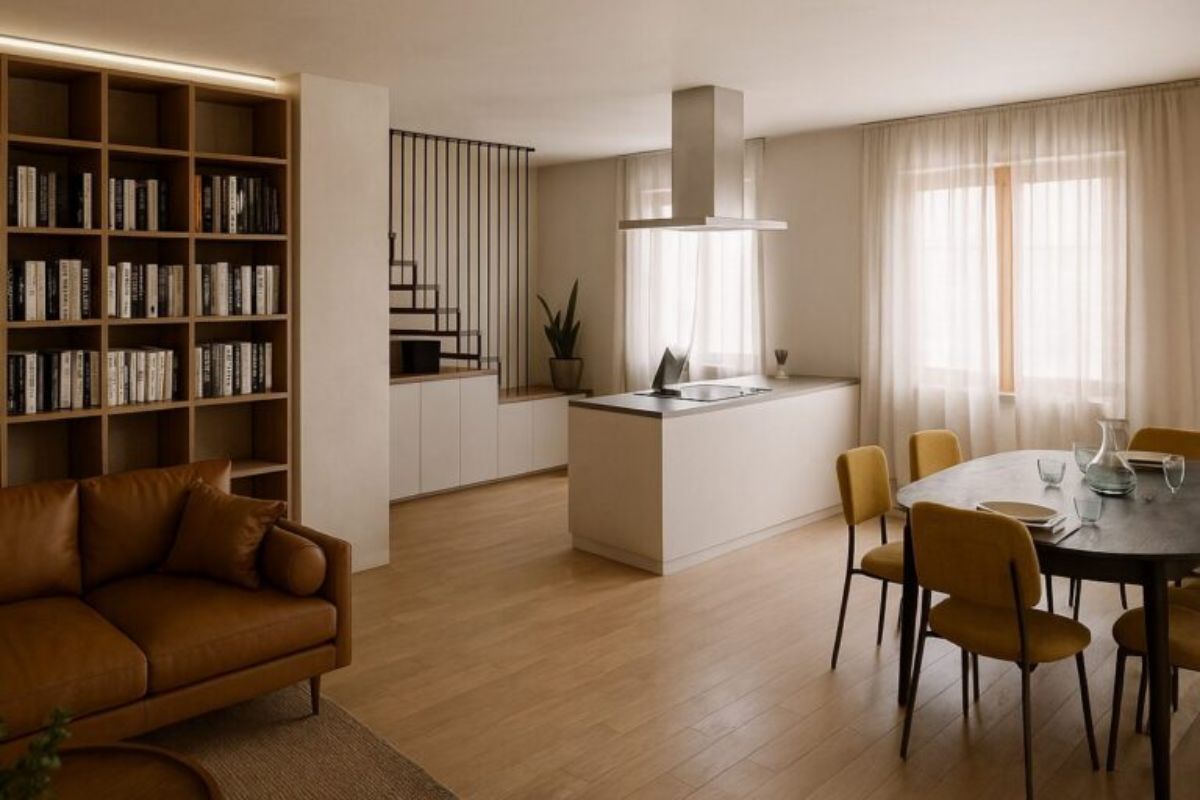
Studio Girello Architetti is a long-established studio based in San Marco, Venice, founded in 1972. It works in architectural design, conservation restoration and renovation, with extensive experience in Venice’s historic centre and in high-value contexts.
Its authority comes from continuity. In a city like Venice, where every intervention requires knowledge of existing buildings, constraints and procedures, a studio with such a long history represents a solid presence. Here, architecture is not made of quick gestures. It requires time, expertise, listening to the place and control over solutions.
Studio Girello is one of the practices that help describe the most concrete professional Venice: the Venice of interventions on existing buildings, specialist consultancy, renovations and restoration applied to the real spaces of the city.
Its presence in the list is not based on social media visibility, but on the reliability of its path. In an editorial selection of architecture studios in Venice, it seemed essential to include names capable of representing the everyday discipline of architectural work, with seriousness and deep local roots.
Studio Pastor Architetti Associati
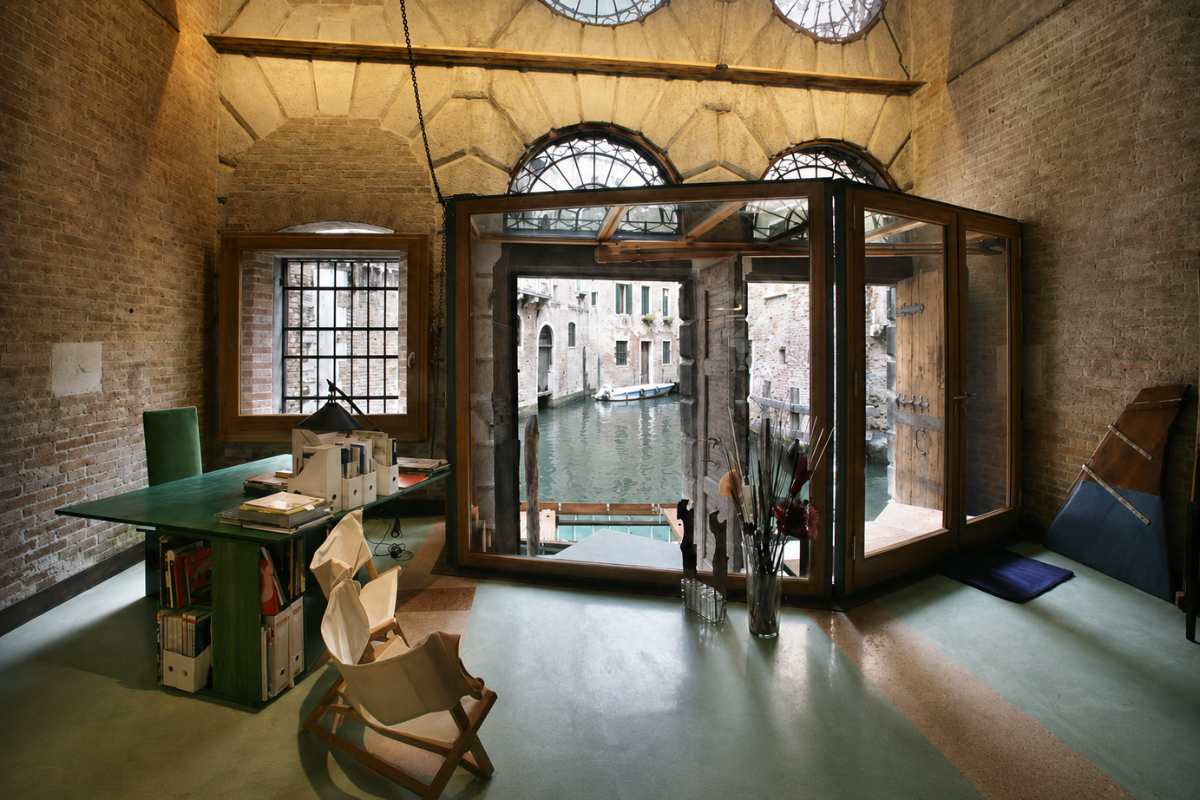
Studio Pastor Architetti Associati is based in Venice and works in architectural research, design and construction supervision, both for public and private buildings. Its field of activity includes new constructions, restoration, residential projects, services and urban interventions.
It is an important studio within Venetian architectural culture. Its work includes projects connected to significant places such as Caffè Florian, the Fondazione Querini Stampalia, the former Fabbrica del Ghiaccio alla Giudecca and homes within historic palaces. These projects describe a direct relationship with the built city, its most sensitive interiors and places that belong to Venice’s collective memory.
Studio Pastor brings to this selection a cultured design line, connected to the Venetian school and to the ability to intervene on complex buildings without losing the sense of architecture. Here, restoration dialogues with spatial organisation, use, light and the needs of those who live in or move through these places.
Its presence among the 25 architecture studios in Venice is essential. It represents a rooted and competent form of design, able to bring together history, technique and present-day life.
Studio Architetti Mar
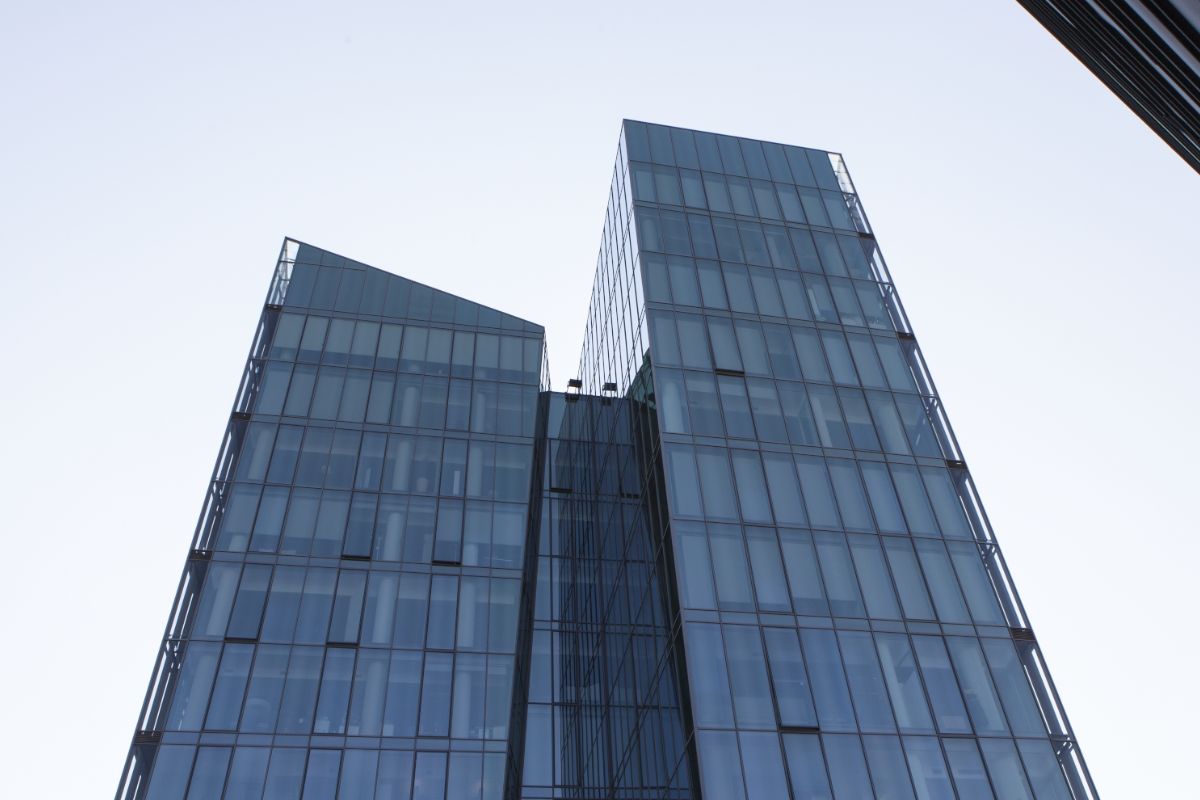
Studio Architetti Mar is a Venetian practice based in Zelarino, active in architecture, restoration, urban design, public spaces, residential projects, hospitality structures and cultural venues. Its presence in this selection brings an important part of present-day Venice into the article: the city beyond the historic centre, across the wider urban territory, mainland areas, services and collective spaces.
The studio works with a solid professional structure, able to deal with projects of different scales. This aspect is relevant to Venice because the city does not coincide only with the monumental image of the lagoon. There is also a Venice made of neighbourhoods, schools, healthcare spaces, public buildings, workplaces and structures to be regenerated. It is a less photographed part of the city, but essential to the quality of urban life.
Studio Architetti Mar is included for its ability to interpret architecture as a service to the city. A concrete presence, far from the search for effect, close to the civic dimension of architectural practice.
CZstudio associati
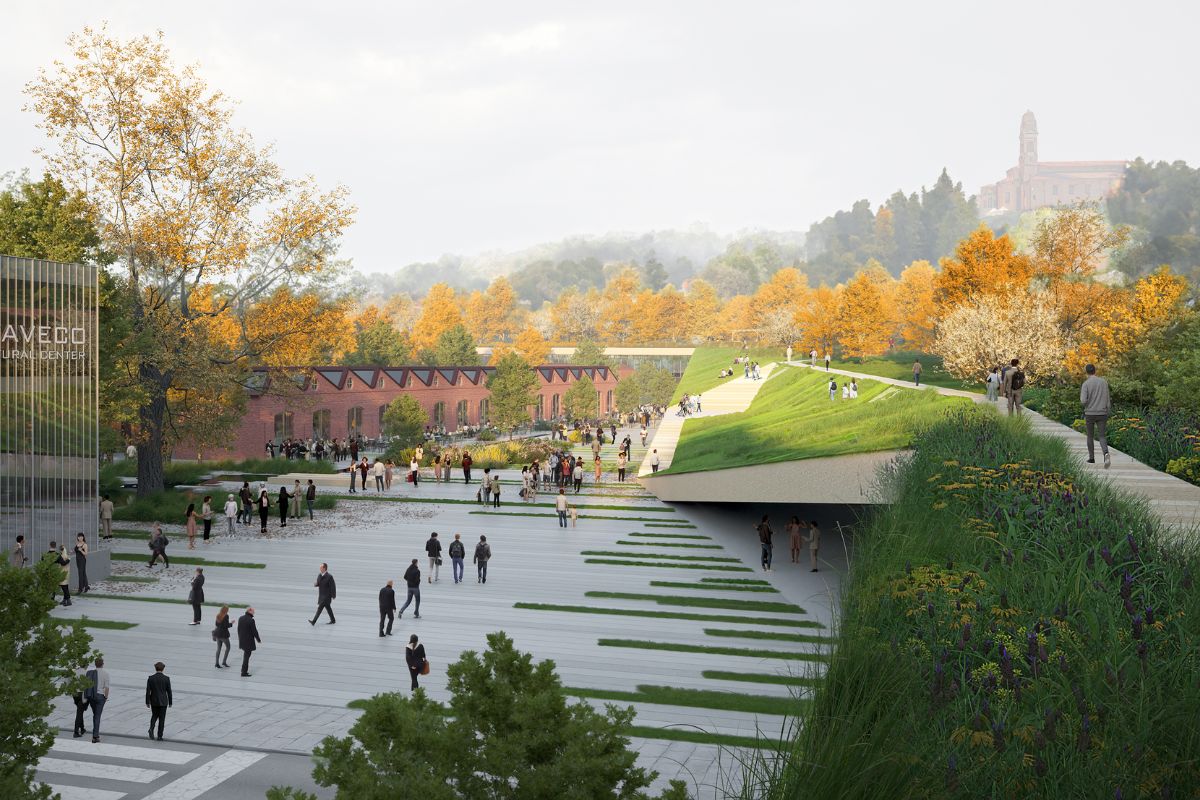
CZstudio associati is an architecture and landscape studio based in the Venetian area, founded by Paolo Ceccon and Laura Zampieri. Its work moves across architecture, public space, landscape, infrastructure and urban transformation, with particular attention to the relationship between city, environment and natural resources.
In Venice, landscape is never a secondary theme. Water, the lagoon, edge areas, connections with Mestre and Marghera, open spaces and environmental systems all require a precise design culture. CZstudio associati works in this field: an architecture that looks at the territory, its vulnerability and its potential for regeneration.
Its presence in the selection is useful because it broadens the narrative beyond restoration and interior design. Venice also needs studios able to read the ground, greenery, infrastructures, public spaces and new climate conditions. CZstudio associati represents this sensitivity through a technical, environmental and cultural approach.
Planum
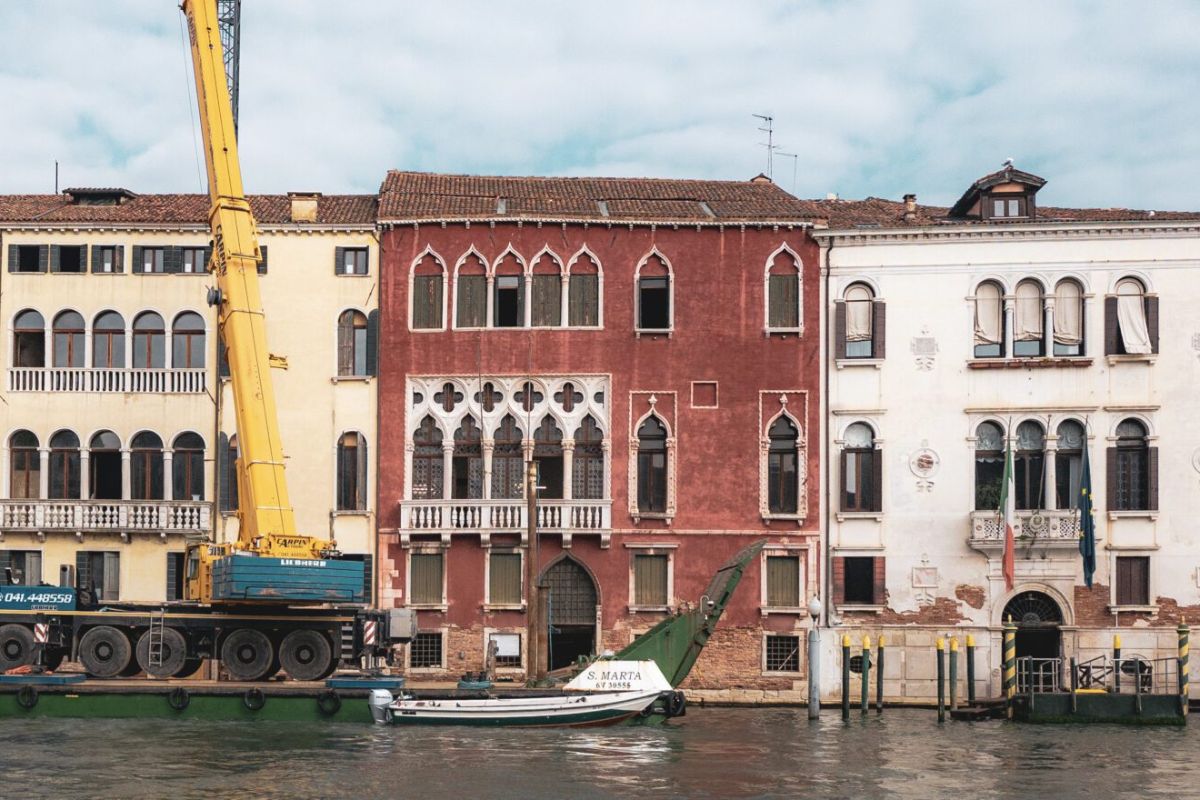
Planum is a design company based in Mestre, active in architecture, landscape, restoration, infrastructure, hydraulics, environment and planning. It is a multidisciplinary practice built around integrated expertise and a broad vision of design.
Including Planum in a selection dedicated to architecture studios in Venice means recognising an essential dimension of the city: the management of complexity. Venice requires interventions that take into account water, mobility, territorial protection, conservation, safety and urban transformation. Here, architecture does not exist only in the form of a building. It is also built through networks, systems, ground conditions, infrastructures and landscapes.
Planum brings a more technical, yet highly necessary, voice to the list. Its work describes a Venice that looks to the future through environmental, engineering and architectural skills. A fragile city also needs designers able to work on its deeper structures.
AI Progetti
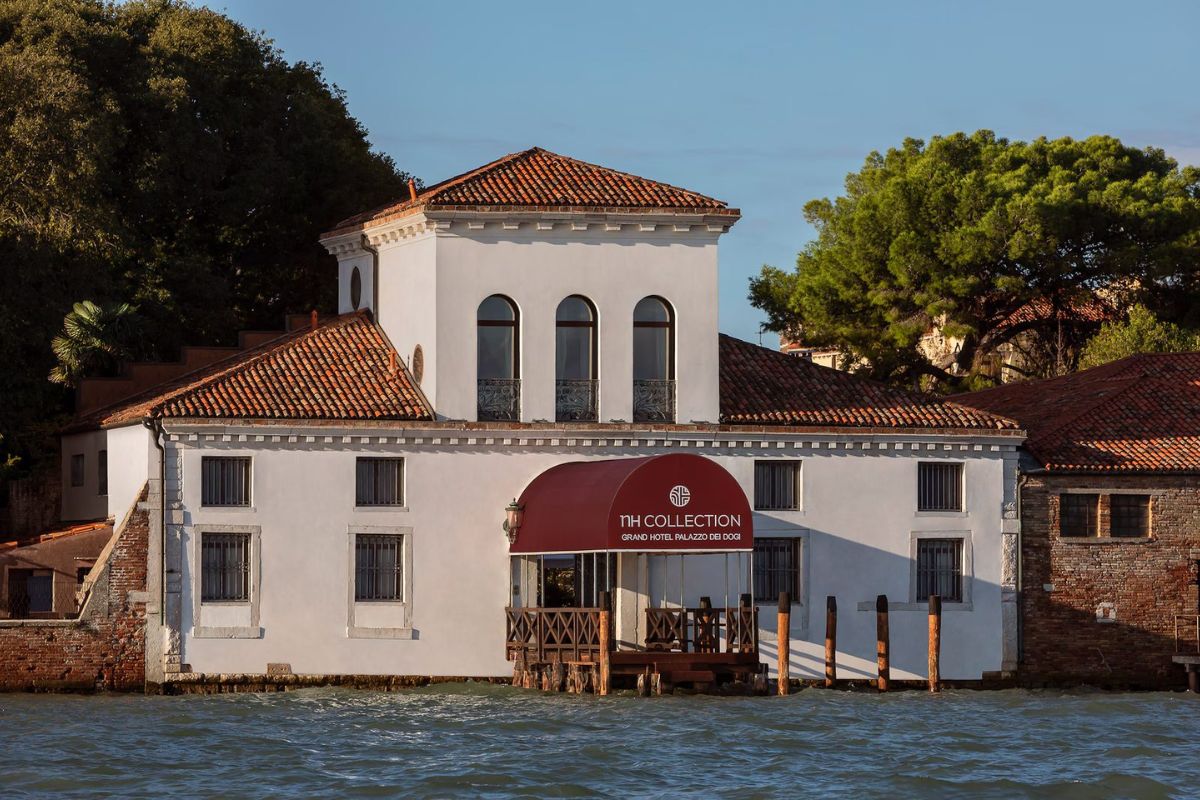
AI Progetti is a multidisciplinary practice based in Venezia Mestre, active in architecture, engineering, urban planning, restoration, interior design, landscape and project management. Its profile is that of a structured company, able to follow complex projects and articulated processes.
Within the Venetian scene, AI Progetti represents the more integrated side of the profession. The city often requires different skills to be brought together within a single process: reading of existing buildings, functional adaptation, technical management, constraints, sustainability, coordination and control of operational phases. It is a less narrative kind of work, but essential to making interventions possible.
The studio is included because it describes a practical Venice, where architecture must engage with public and private needs, regulations, infrastructures, buildings to be updated and spaces to be made more efficient. Its presence gives balance to the list, avoiding a purely aesthetic or monumental reading of Venetian architecture.
H&A Associati
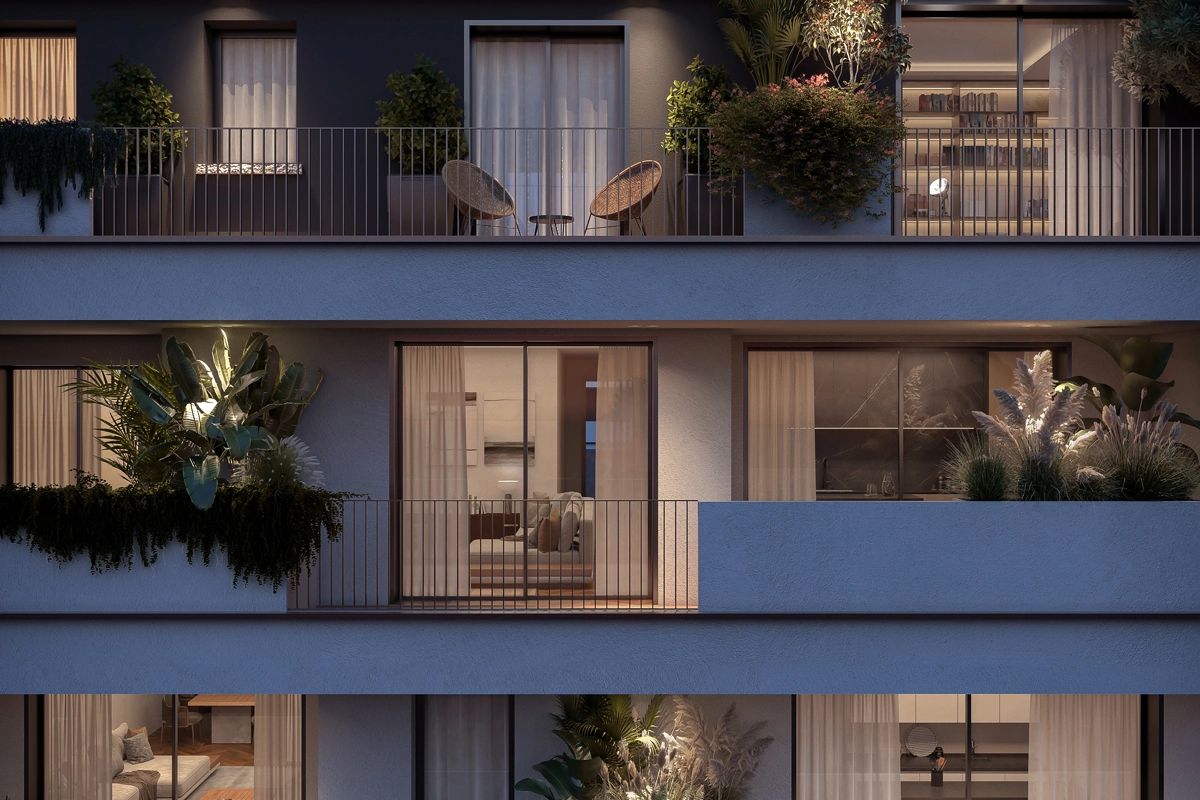
H&A Associati is based in Marghera, Venice, with an international presence in Shanghai. The studio works across architecture, engineering, interior design and landscape, with activities focused on complex projects, hospitality, infrastructure, restoration and current spatial needs.
It is an interesting practice because it describes an open, professional Venice connected to international scenarios. In this sense, Marghera becomes a different point of observation: less tied to the city’s historic image and closer to its productive, infrastructural and metropolitan side.
H&A Associati is included for its ability to combine technical expertise and design culture. Its communication is ordered, international and quite recognisable. For Archi&Interiors, it is a useful name because it sits between architecture, interiors, landscape and integrated design, with a broader perspective than residential work alone.
APML – Architetti Pedron / La Tegola
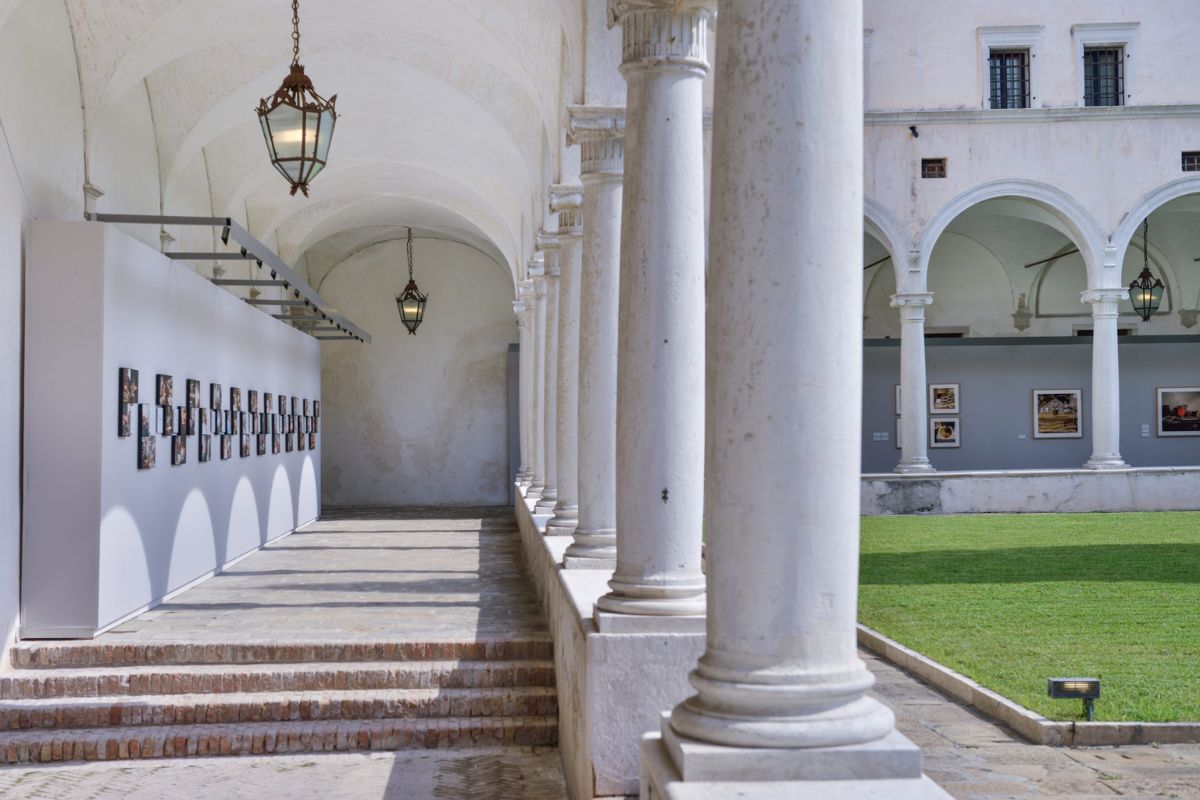
APML – Architetti Pedron / La Tegola is a Venetian studio connected to architecture, restoration, interiors, exhibition design and cultural projects. Its work often moves through sensitive places, where design precision must coexist with the strength of existing spaces.
Its presence in the selection is particularly coherent with Venice. The city lives through precious interiors, historic architecture, hotels, exhibition spaces, museums, cultural places and environments that require measured interventions. APML works within this dimension, with an attentive language and a sensitivity close to the world of exhibition design and hospitality.
It is a studio worth including because it reveals a sophisticated part of Venetian design: the one where detail, light, the rhythm of interiors, materials and the relationship with history become narrative tools. An intimate and cultured Venice, made of thresholds, rooms, paths and atmospheres.
Ilaria Campagna Interiors
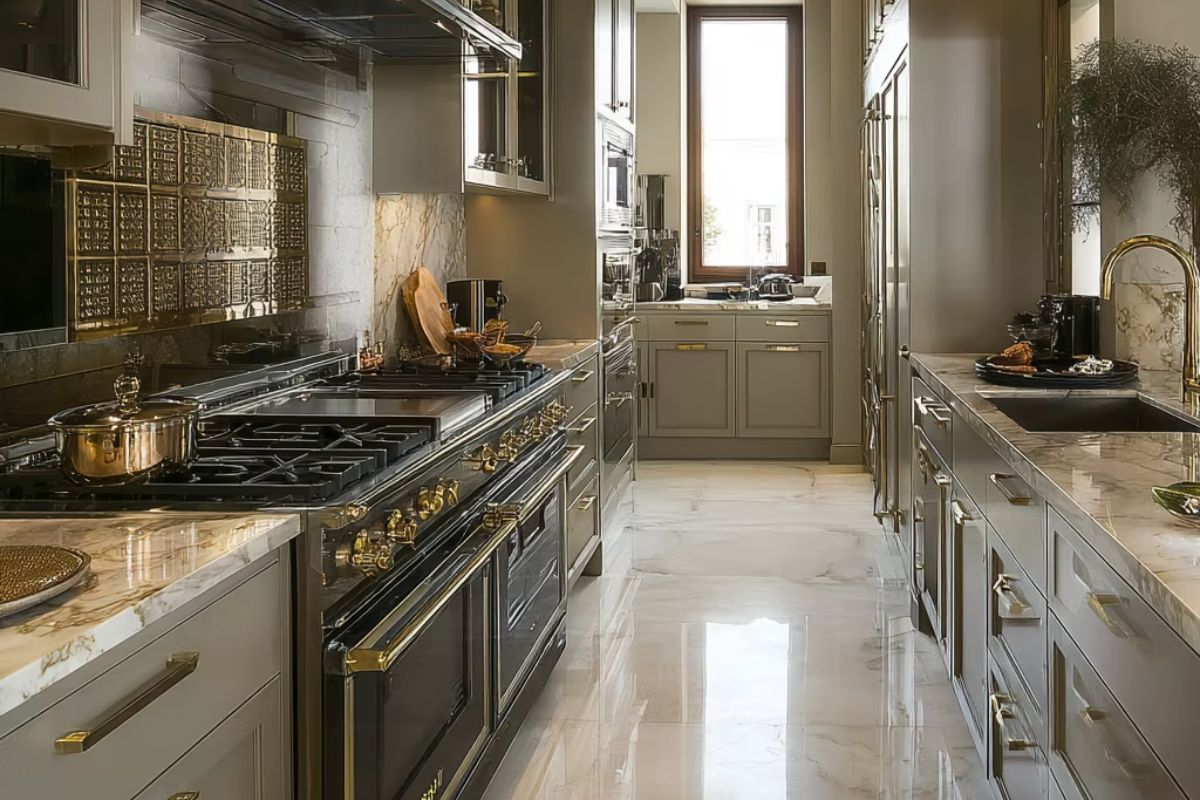
Ilaria Campagna Interiors is a Venetian interior architecture and design studio specialised in high-end residences and interior projects in the Venice area and in international contexts. Its presence in this list draws attention to private living, the home, taste and the creation of highly personalised environments.
Venice is also a city of interiors. Behind its historic façades are apartments, palaces, residences, domestic spaces and hospitality venues that require a very precise culture of living. Designing these environments means working with light, proportions, materials, furnishings, craftsmanship and the memory of the place.
Ilaria Campagna Interiors is included because it represents a more refined and residential line of Venetian design. Its communication is curated, international and close to the world of luxury living and Italian design. In an article for Archi&Interiors, its presence helps describe the relationship between Venice, interiors, domestic elegance and attention to detail.
MAGMArchitetti
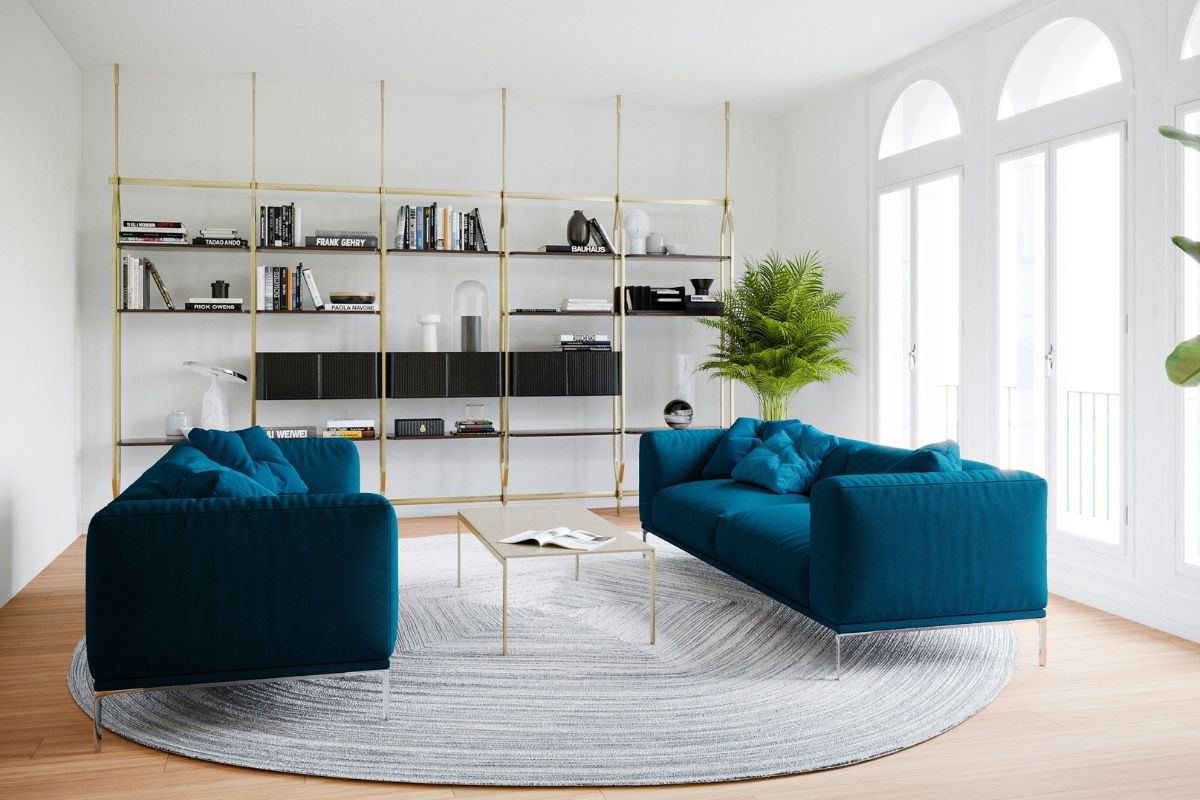
MAGMArchitetti is a studio founded in Venice by Martina Andreotta and Giulia Menegaldo. Its work focuses on architecture, interior design, residential projects, commercial spaces and custom-made furnishings.
It is a young and interesting practice for reading a more everyday and current side of Venetian design. The city also needs studios able to work on real homes, spaces that must become more functional, interiors to be updated, commercial activities and environments that respond to new ways of living and working.
MAGMArchitetti is included because it brings a fresh, concrete point of view, close to today’s needs. Its work on bespoke furniture, interior layouts and spatial quality clearly describes an increasingly important direction in design: making spaces more liveable, personal, ordered and coherent with the lives of those who use them.
Studio Architettura Margherita Bertotto
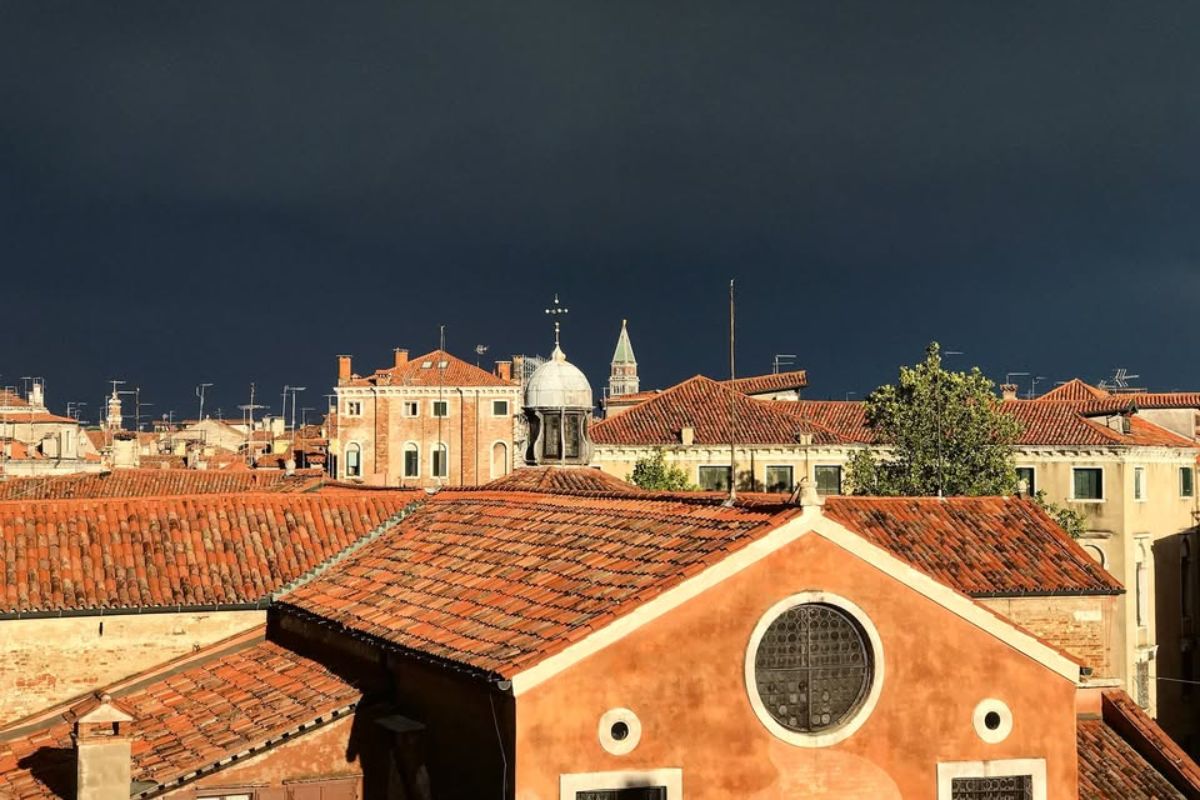
Studio Architettura Margherita Bertotto is based in Santa Croce, Venice, and works on architecture, restoration, interior design and interventions in historic properties. It is a practice strongly rooted in the city, close to the theme of the Venetian home, palaces, interiors and turnkey renovations.
Its presence in the selection is valuable because it describes a concrete and deeply local form of design. Venice does not live only through major construction sites or large cultural works. It also lives in homes to be restored, apartments to be rethought, historic buildings to be made comfortable and rooms to be brought back to a new quality.
The studio is included for this attention to inhabited heritage. It is a less spectacular line of work, but very close to the life of the city. Here, architecture becomes care for everyday spaces, knowledge of constraints, sensitivity towards existing materials and the ability to make history compatible with the needs of the present.
A+ Studio Architetti Associati
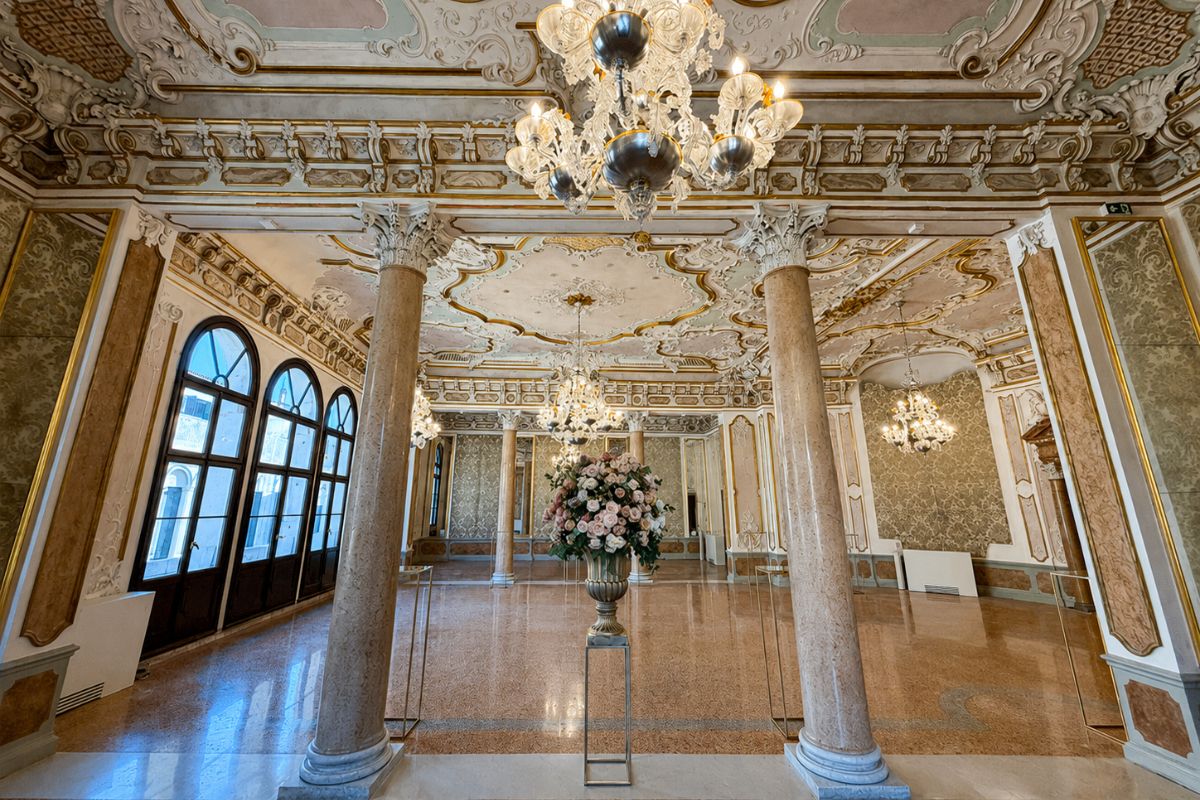
A+ Studio Architetti Associati is based in Venezia Mestre and works on architectural design, interior design, urban planning and landscape. Its activity belongs to the wider city, the one that brings together the historic centre, the mainland, infrastructures, residential spaces and places to be transformed.
The presence of A+ Studio in this selection helps describe Venice as a complete urban organism. Mestre is not an accessory element: it is part of the city’s present-day life, its services, homes, transformations and design questions. Here, architecture often takes on a more practical dimension, connected to living quality, spatial functionality and regeneration.
A+ Studio is included as a local practice able to work across different scales, from interiors to the city. It may be less media-oriented than other names, but it fits the idea of a real map of Venetian architecture studios.
DIALOGO architects-designers
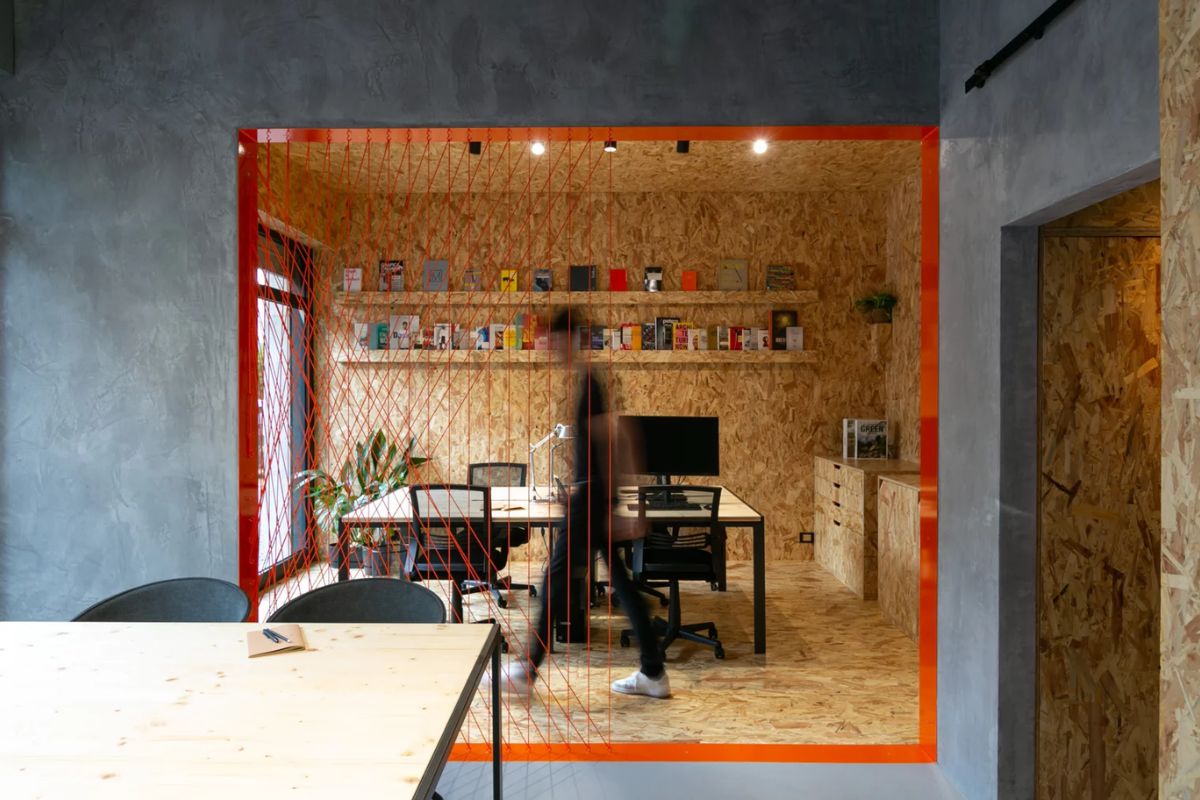
DIALOGO architects-designers is based in Mestre, Venice, and works across architecture, design, restoration, urban projects, interiors and product design. Its name already expresses a position: placing different scales, skills and materials in relation, from construction detail to domestic space, from the city to the object.
It is an interesting practice because it interprets design as an exercise in connection. In a city like Venice, this approach has a precise value. Spaces require solutions able to bring together memory and daily use, craftsmanship and innovation, private needs and urban responsibility.
DIALOGO is included because it represents an attentive and transversal design approach, close to new ways of living and working. Its field is not limited to the building: it includes interiors, furniture, public spaces, restoration projects and interventions where quality arises from the relationship between parts.
SGA – Studio Giallombardo Architettura
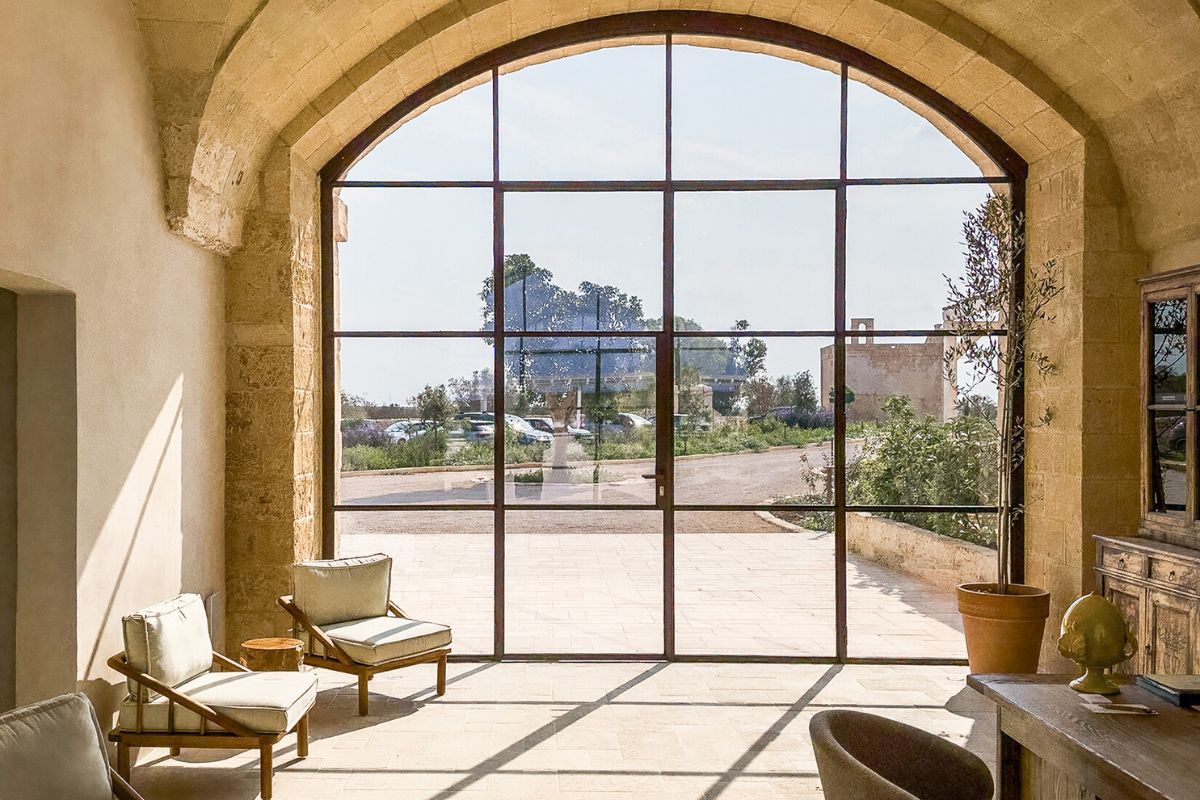
SGA – Studio Giallombardo Architettura is a Venetian studio founded in 2006, active in architecture, interior design, urban planning, hotels, private, commercial and collective spaces. Its communication focuses on a clear theme: the relationship between architecture, people and value.
This approach makes it consistent with a current reading of Venice. Architecture is not only about restoring buildings or renewing interiors, but about creating places that welcome, connect, support wellbeing and improve quality of life. Hotels, collective spaces and interiors therefore become fields where architecture measures its effectiveness in real life.
SGA is included for this attention to the human dimension of design. It is a Venetian voice that speaks of sustainability, hospitality, community and spaces built around people, with a language that is accessible yet professional.
Mammut Architetti
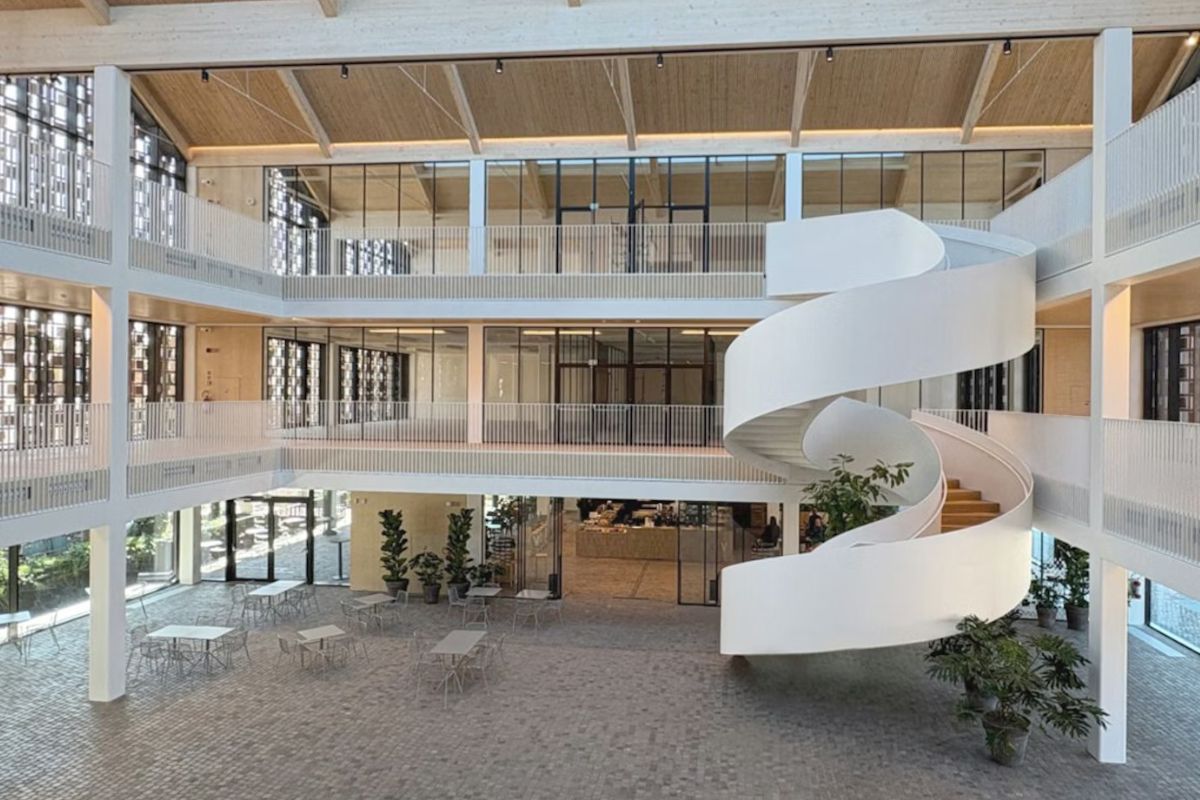
Mammut Architetti is a studio based in Venice, focused on retail design, building architecture and advanced visualisation. Its profile brings a more international and market-oriented side of the profession into the selection: one connected to brands, experiential spaces, project communication and the construction of identity through architecture.
The studio’s portfolio includes projects for recognisable brands and places, with an approach that combines architecture, image and commercial value. It is a different field from traditional Venetian restoration, but it is necessary for describing a city and territory that also live through hospitality, retail, public spaces, services and their relationship with international tourism.
Mammut Architetti is included because it represents a more dynamic professional Venice, close to global market languages and to the transformation of commercial spaces. It is a practice that works on architecture’s ability to generate experience, orientation and recognisability.
Case2050 Studio Architettura
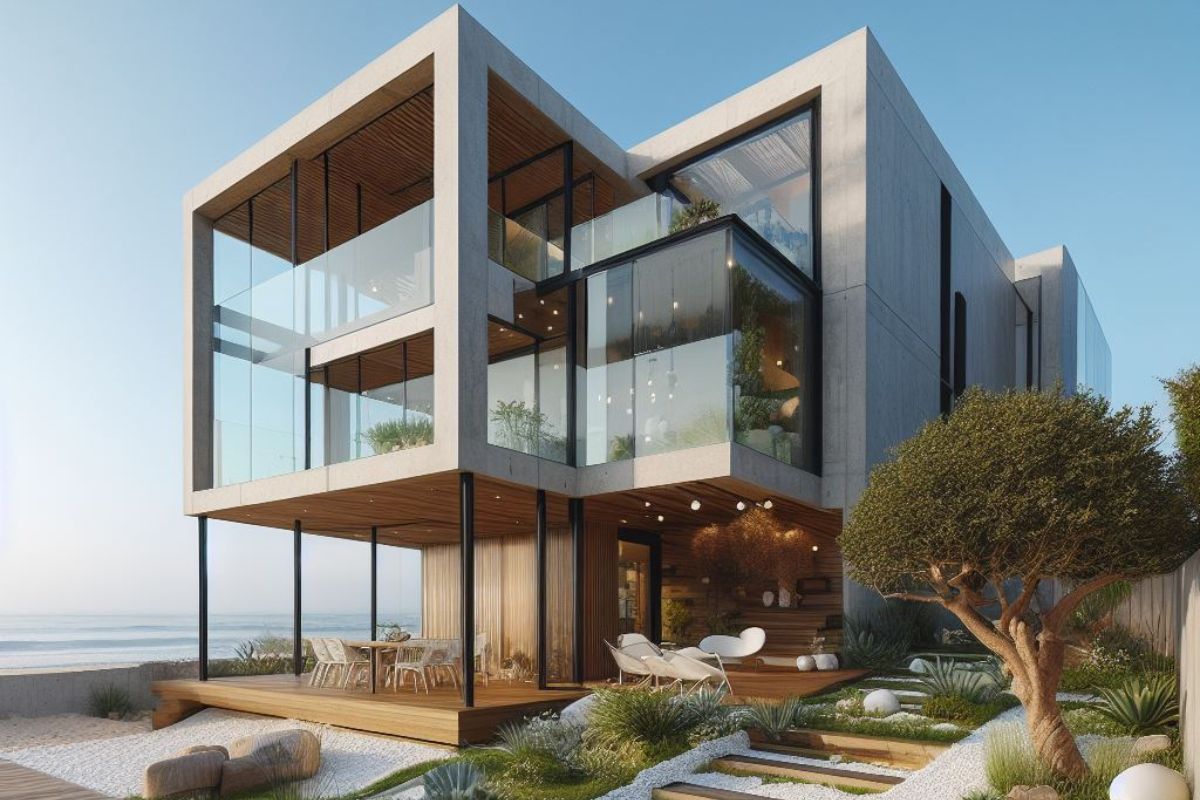
Case2050 Studio Architettura is based in Venezia Mestre and is led by architect Antonio Zennari. The studio works on building design, energy upgrading, renovations, extensions and technical procedures connected to building today.
Its presence in the selection responds to an increasingly central theme: the future of living also depends on the quality of existing buildings, their efficiency, the ability to reduce waste and consumption, and the integration of more conscious solutions. In Venice and on the mainland, these aspects have real weight. They concern homes, residential buildings, commercial spaces and everyday interventions that affect people’s lives.
Case2050 is included because it draws attention to a practical and necessary dimension of architecture: sustainability, energy, renovation and the updating of the built heritage. A less theatrical profile, but one that is highly coherent with the needs of living today.
Studio Valle architettura e urbanistica
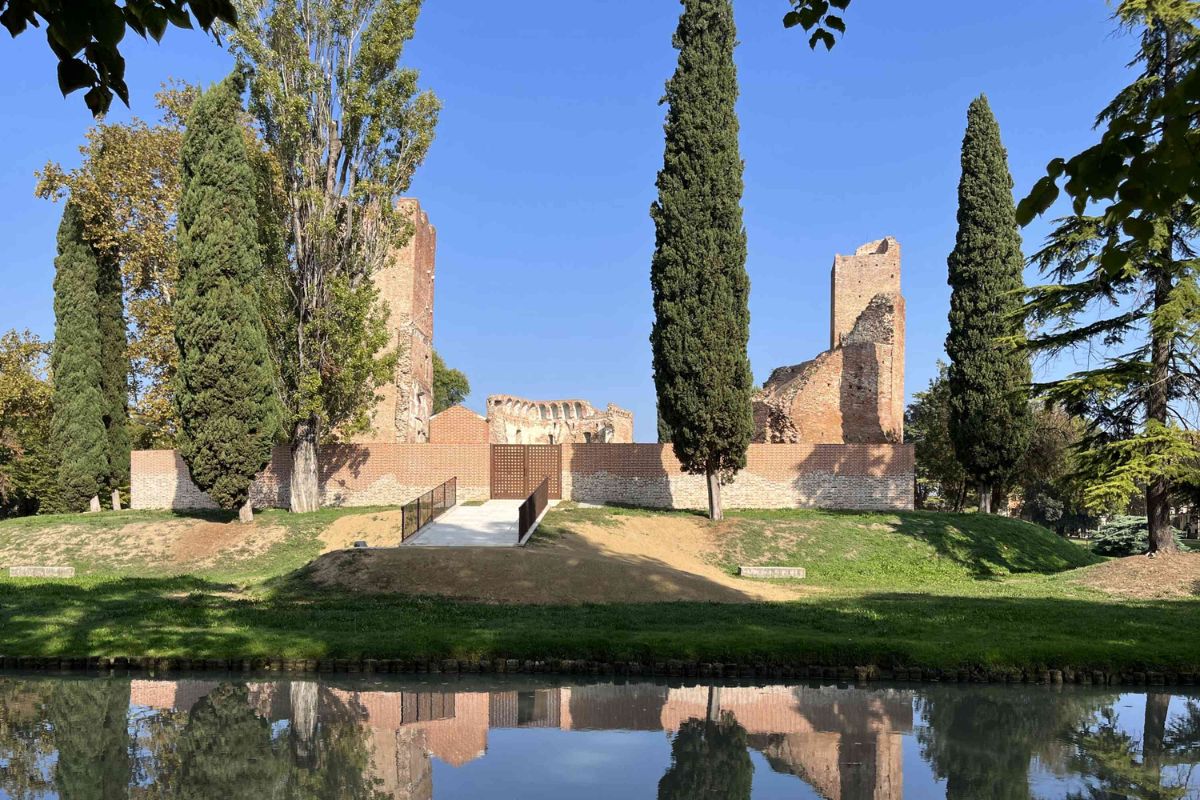
Studio Valle architettura e urbanistica is based in San Polo, Venice, and is connected to restoration, architectural design and urban regeneration. Its work focuses especially on historic and monumental buildings, with an activity developed over time between Venice and the wider Veneto region.
It is a studio worth including because it represents a fundamental design line for the city: active conservation. Venice needs professionals able to work on historic buildings, public spaces, walls, villas and places that require knowledge, patience and precision.
Studio Valle closes the selection with a solid and coherent note. Its profile describes a less exposed but necessary kind of architecture: one that works on duration, protection, the quality of places and the possibility of giving continuity to built heritage.